
Review · ITALY
Slowlife Family Farm: From Garden to Table
Food tastes better when you help grow it. This four-hour visit pairs a Sicilian organic garden with ancient ruins, a wheat-to-pasta class, and a meal prepared from freshly gathered ingredients. I especially like the connection between the farm’s rare vegetables and its old milling traditions, plus the warm welcome offered by hosts Jess and Carlo.
The setting adds real substance: a river, an ancient water mill, archaeological remains, and shaded trees make this more than a standard cooking lesson. The main drawback is practical rather than culinary: transport is not included, the calendar may not be current, and the farm is not suitable for people with mobility impairments.
Key points to know before you book
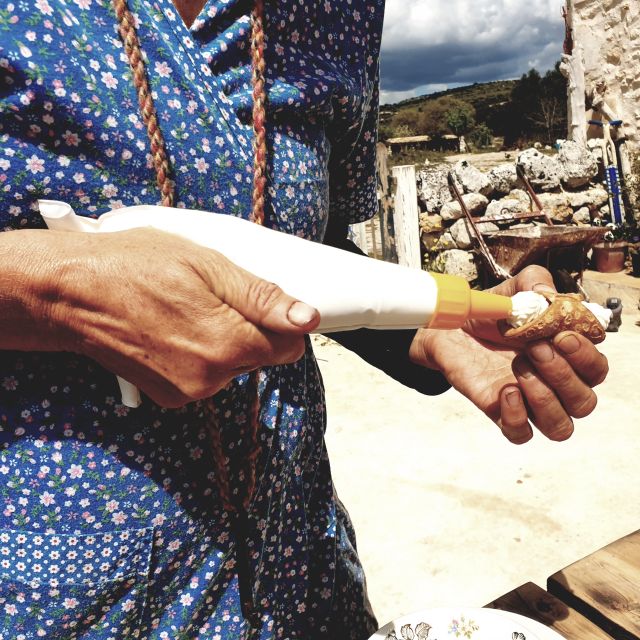
- Rare Sicilian vegetables: You may see protected local varieties, including the giant onion of Giarratana, which can grow to more than 2 kilograms.
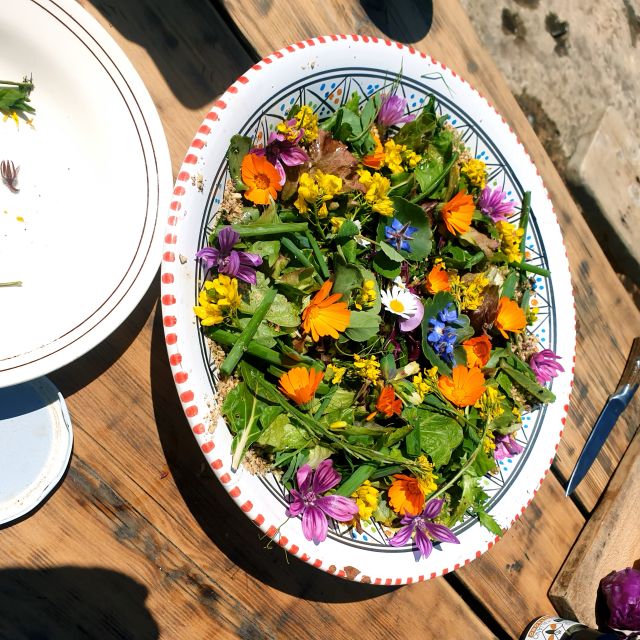
- A meal built from scratch: You gather garden produce and wild edible plants, mill wheat, make pasta, and prepare a Sicilian lunch together.
- Ancient farm setting: Archaeologists found Greek and Roman altars on the property, which has been considered a sacred site for more than 2,500 years.
- River and water mill: The farm sits beside a canyon river, with a historic water mill under restoration and a place where swimming may be possible.
- Small-group format: The group is limited to 10 people, with English and Italian guides.
- Plan ahead: The listed meeting point is in Syracuse, but the start time and meeting place can be adjusted by contacting the local partner before booking.
Why this farm visit feels different
Many Sicilian food activities begin at a kitchen table. This one begins much earlier, in the soil and among the plants. The hosts have spent 16 years building an off-grid family farm around slow living, local food, and the protection of old vegetable varieties.
That gives the experience a clear purpose. You are not simply shown a basket of produce and told where it came from. You visit the organic garden, learn how the farm grows its crops, and gather ingredients for the meal. If the timing is right, you may taste unusual vegetables that are hard to find in ordinary markets.
I like that the farm treats food as part of a wider local story. Wheat, olive oil, wine, vegetables, wild plants, water, and old farming tools all fit into the same afternoon. It is a useful way to understand Sicilian cooking without reducing it to a quick demonstration and a plate of pasta.
The pace also suits the setting. Four hours is long enough for a proper visit, yet short enough to fit into a day based in Syracuse or nearby. You should not expect a full-day farm retreat, though. The program combines several activities, so each part receives an introduction rather than an extended workshop.
More Farm and Kitchen Garden Visits in Italy:
- Slowlife Family Farm- Cook with us From Garden to Table Syracuse
★ 5.0 · 10 reviews - Chiang Mai: Half Day Cooking Class at Organic Farm
★ 4.8 · 96 reviews - From Garden to Table: Indonesian Cooking Class in Yogyakarta
★ 4.9 · 24 reviews
Walking through the organic garden
The garden is the heart of the experience. The farm researches vegetables protected by the Slow Food movement and grows local varieties that have a strong connection to Sicilian communities.
One special example is the giant onion of Giarratana. This local onion can weigh more than 2 kilograms and is traditionally cooked directly over an open fire. You may not see it at every time of year, since the garden changes with the seasons, but its presence shows why this visit is more interesting than a generic farm tour.
You will learn about the farm’s gardening methods and see how uncommon crops are grown. The information provided does not promise a particular harvest, so keep your expectations flexible. The garden is seasonal, and what you taste depends on what is ready when you arrive.
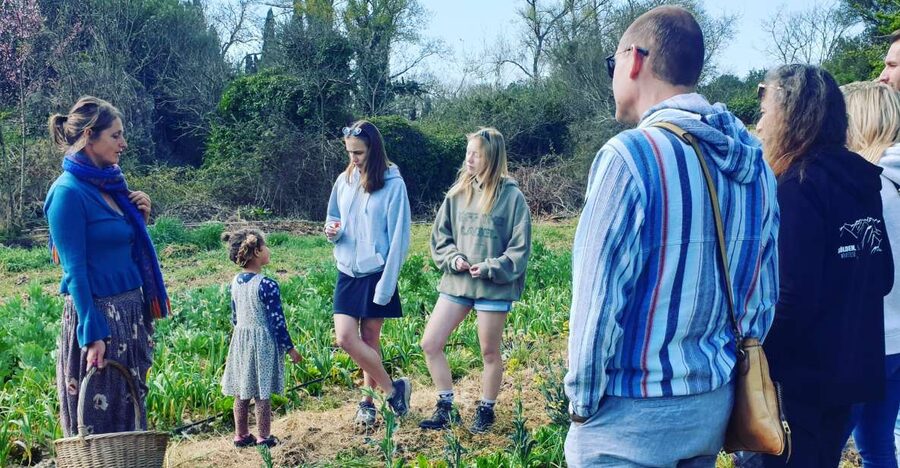
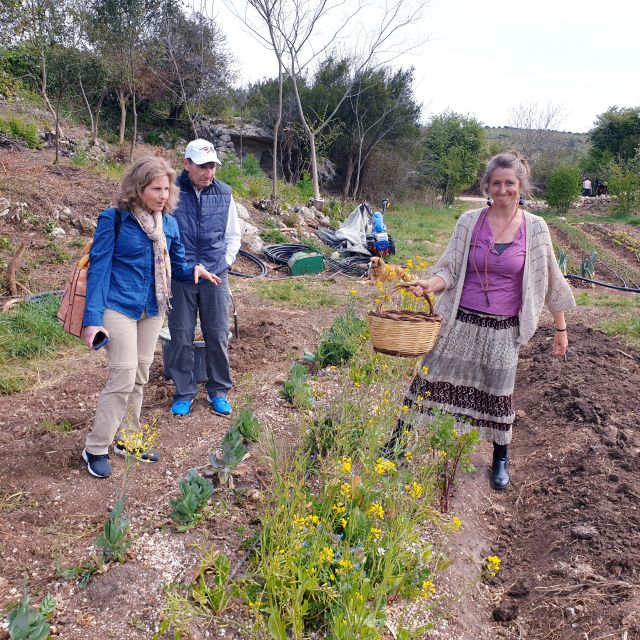
The gathering portion is practical. You help collect vegetables and identify wild edible plants for the meal. A qualified nature guide leads the plant-recognition portion, which matters because wild foods should never be picked or eaten casually. You get the benefit of local knowledge without turning the activity into guesswork.
I would bring water, a sun hat, and shoes that can handle uneven outdoor ground. Comfortable clothing is sensible too. The garden is not presented as a polished display garden. Its value comes from seeing food production in working form.
From local wheat to handmade pasta
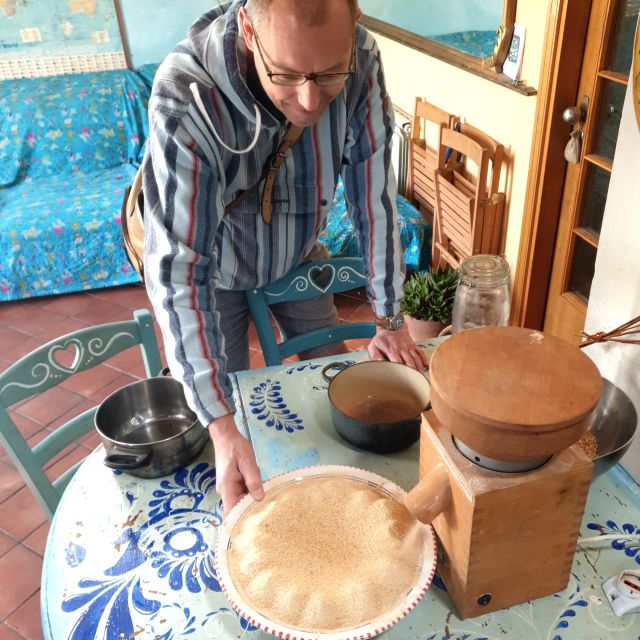
The cooking class focuses on a simple but revealing question: how does wheat become pasta? You begin with milling wheat using the farm’s modern tools, then move toward pasta preparation.
That first step gives the class more character than a basic pasta lesson. Milling shows you the work that sits behind the flour, while the hands-on preparation lets you understand how a familiar Sicilian staple starts with a local grain.
The exact pasta shape and recipe are not specified, so you should not arrive expecting one particular dish. The important part is the process. You take part in preparing food from an early stage rather than arriving after all the difficult work has been done.
This is also where the group size helps. With no more than 10 participants, the class should feel more personal than a large demonstration. Jess and Carlo are described as welcoming hosts who care deeply about the farm and its purpose. That warmth seems central to the experience. You are encouraged to take part in the project, not simply watch from the side.
The cooking is done together, using produce from the garden and gathered wild plants. The result is a Sicilian lunch prepared by the group. It is hard to find a more direct connection between a place and its food: you see the crops, handle the ingredients, help make the meal, and then eat what you prepared.
One point to keep in mind is that this is not presented as professional chef training. If you want exact technical instruction, advanced recipes, or a long lesson focused only on pasta, another cooking school may suit you better. Here, pasta is one part of a larger farm visit.
Tasting olive oil and local wine
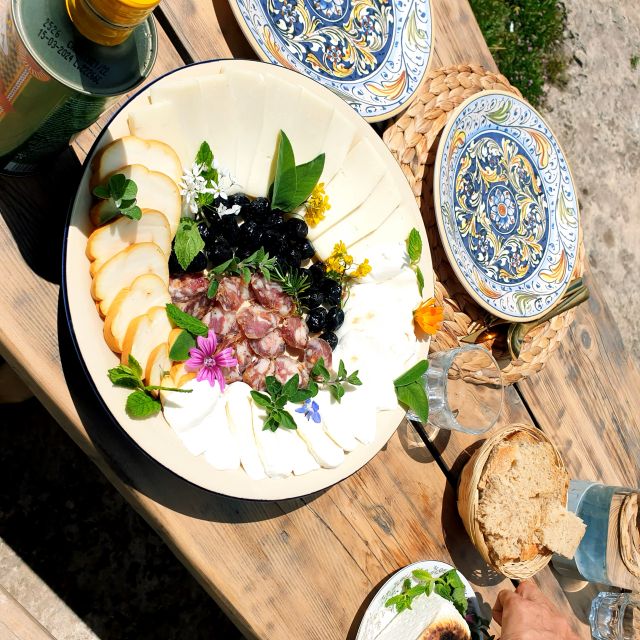
The tasting adds two staples of Sicilian food culture to the afternoon. You sample local olive oil and wine, with the farm’s historical food and wine pantry included in the visit.
The value is not just the tasting itself. Olive oil and wine make more sense when considered alongside the vegetables, wheat, and family farming traditions you have just seen. You can connect the taste on the table to the producers and crops that shape daily cooking in Sicily.
The available information does not identify specific wineries, olive varieties, or labels. That is useful to know before booking, since the tasting is local and informal rather than a named winery tour. You should expect an introduction to regional products, not a formal sommelier session.
The pantry visit gives the food side of the tour a little more context. It is a chance to see how local ingredients are valued and stored, while the tasting offers a relaxed pause between the outdoor visit and the shared lunch.
Wine is included, but you should still bring water. The farm is outdoors in part, and the combination of sun, walking, food, and wine makes hydration important.
More Garden Tours in Italy:
- Florence: Reserved Entry Ticket to the Boboli Gardens
★ 4.4 · 5,275 reviews - Rome: Borghese Gallery and Gardens Guided Small-Group Tour
★ 4.6 · 2,783 reviews - Rome: Borghese Gallery & Gardens Small Group Guided Tour
★ 4.5 · 2,190 reviews - Rome: Bioparco di Roma Zoological Garden Entry Ticket
★ 4.6 · 1,414 reviews
Ancient altars beside the river
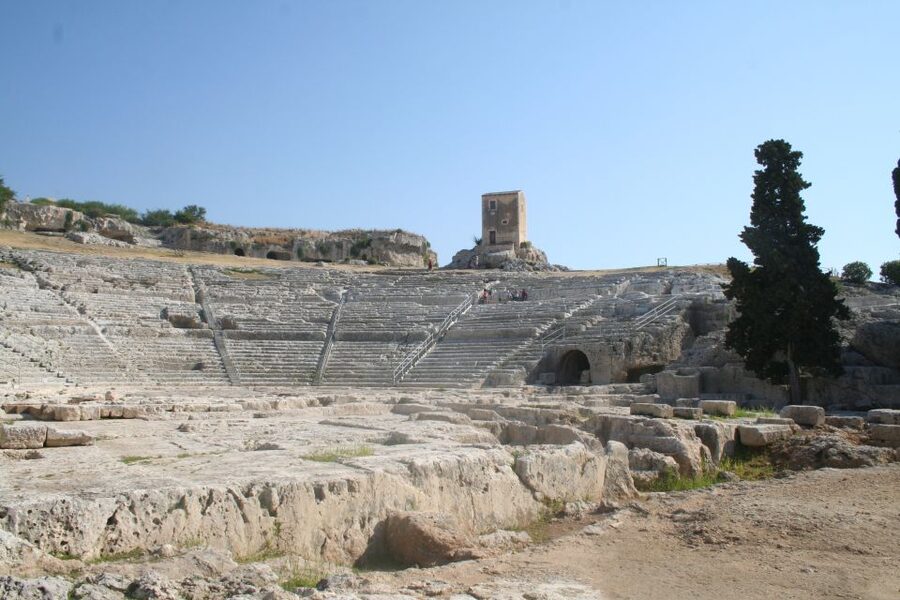
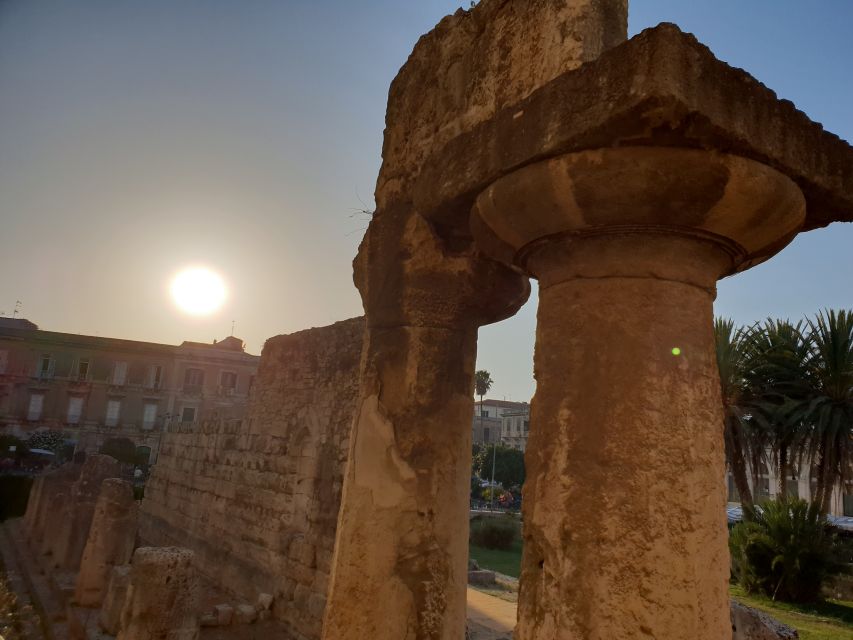
The farm’s setting is one of its strongest features. The property has been considered a sacred site for more than 2,500 years, and archaeologists found altars associated with Greek and Roman use.
A licensed historical guide leads the archaeological portion. This is important because the remains are not just decorative background for the meal. The guide can place the farm within the longer story of Sicily, where older settlements and religious sites often sit close to working land and water.
You should keep the scale of the archaeology in mind. This is not a major museum or a large excavated city. The tour takes place on a farm, so the appeal comes from seeing ancient traces in an active rural setting.
The river adds another layer. The farm is inside one of Sicily’s well-known canyons, beside a striking river with an ancient bathing lagoon. Swimming and jumping into the water may be possible during the visit, according to conditions and the flow of the day. The experience description does not promise a dedicated swim session, so bring suitable expectations rather than planning the entire outing around swimming.
Majestic trees provide shade, which is welcome in Sicily’s sun. The combination of water, trees, old stone, and working farmland gives you a calm place to pause. It also explains why this is not simply a cooking class moved outdoors.
Seeing the old water mill under restoration
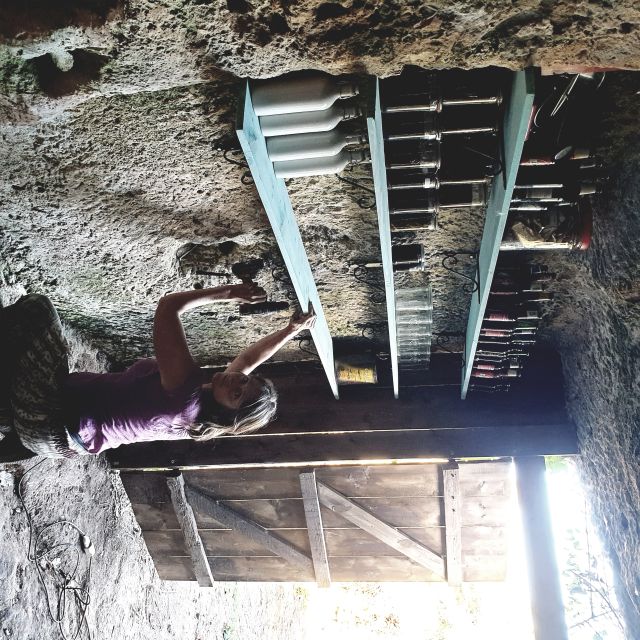
The ancient water mill is another reminder that food production here has a long story. It is currently under restoration, so you should expect a historic site in progress rather than a finished attraction with a full museum display.
That unfinished quality is part of the appeal. You can see how water once supported milling and how the farm is trying to preserve that connection. It links neatly with the wheat lesson later in the visit.
The mill also helps you understand why the farm’s location matters. Water is not just scenery here. It has supported farming, food preparation, and settlement over many centuries.
Do not expect every part of the site to be fully accessible or polished. The tour is not suitable for people with mobility impairments, and the mix of garden paths, archaeological areas, river surroundings, and restoration work may require steady footing.
What the four-hour schedule may feel like
The activity lasts four hours, but the exact starting time should be confirmed in advance. The calendar may not be updated, and the farm can customize start times and meeting points.
A typical visit is likely to connect the pieces in a natural order: arrival, a look around the farm and archaeological areas, garden exploration, wild plant recognition, milling and pasta preparation, tasting, and lunch. The precise order can change, especially with seasonal crops or the needs of a small family-run operation.
Because the program covers so much, you should expect an overview of several subjects rather than a long lesson in any one of them. You get archaeology, gardening, plant identification, milling, pasta, olive oil, wine, and a shared meal in one afternoon. That breadth is the strength of the experience, but it also means the cooking segment may not satisfy someone seeking an intensive culinary course.
The small group limit of 10 helps keep the schedule from feeling rushed. It should be easier to hear the guides, ask questions, and take part in the food preparation. English and Italian are available.
Meeting point, transport, and what to bring
The listed starting point is Via Malta, 7, 96100 Syracuse. An alternate meeting point may be arranged depending on your accommodation, but you need to contact the local partner before booking or as soon as possible to confirm the details.
Transport is not included. Taxi or pickup and drop-off arrangements are your responsibility unless a different arrangement is confirmed directly. This is the most important planning issue for anyone without a car.
The farm visit ends back at the meeting point. No entrance tickets are included in the price, so do not assume that separate admissions are covered. The archaeological tour itself includes a licensed guide, but the information specifically says entrance tickets are not part of the cost.
Bring:
- Comfortable shoes
- A sun hat
- Water
The activity is not suitable for people with mobility impairments. If you have any concern about walking on outdoor surfaces, ask the local partner for more detail before paying.
Is $164.26 a fair price?
At $164.26 per person, this is not a budget cooking class. The value depends on how much of the full experience you use.
You are paying for more than lunch. The price includes a licensed historical guide, a qualified nature guide, the organic garden visit, the pantry, local wine and olive oil tastings, the wheat-to-pasta class, and the shared meal preparation. The archaeological setting and river location also make the visit more substantial than a kitchen-only activity.
I think the price is easier to justify if you want a full afternoon built around one working farm. You get food, local agriculture, ancient sites, and outdoor scenery in a small group. The hosts’ personal connection to the land is another part of the value, especially if you prefer family-run experiences to larger commercial tours.
The price is harder to justify if your only goal is to learn pasta technique. A shorter cooking lesson may cost less and spend more time on shaping, sauces, and recipes. The same is true if you are not interested in archaeology, gardening, or tasting products.
Transport can also raise your total cost, since taxi or pickup and drop-off are not included. Work that into your budget before booking.
Who will enjoy this most?
I would recommend this experience to you if you like food with a clear sense of place. It suits people who want to understand where ingredients come from, enjoy informal hands-on activities, and appreciate a family project with a strong environmental focus.
It is also a good match for visitors staying in or near Syracuse who want an afternoon beyond the main historic center. The farm offers a different side of Sicily, one based on river water, old crops, family work, and outdoor cooking.
Families and small groups may appreciate the varied program, though the mobility limits and outdoor setting matter. The activity is not designed for someone who wants a purely passive sightseeing tour.
I would hesitate to recommend it if you need a precise, fixed itinerary, guaranteed swimming time, a polished archaeological attraction, or advanced culinary instruction. Contacting the farm before booking is essential because the schedule and meeting point can be customized and the calendar may not reflect current availability.
Should you book Slowlife Family Farm?
Book it if you want a personal, food-focused afternoon where the meal begins in the garden and continues through milling, pasta making, tasting, and shared preparation. The best parts are the unusual local vegetables, the chance to see a working family farm, and the way the ancient site and river add meaning to the food.
Skip it if you want a quick pasta lesson or a fully organized transfer from your hotel. Before you commit, confirm the date, start time, meeting point, transport, seasonal garden produce, and how much time is planned for the river and water mill. With those details settled, the $164.26 price can make sense for a broad, small-group experience that connects Sicilian food to the land beneath it.
FAQ
How long does the Slowlife Family Farm experience last?
The activity lasts four hours.
Where does the experience begin?
The listed meeting point is Via Malta, 7, 96100 Syracuse. An alternate meeting point may be arranged based on your accommodation.
Is transport included?
No. Taxi or pickup and drop-off are not included in the cost.
What languages are available?
The experience is offered in English and Italian.
How many people are in the group?
The group is limited to 10 participants.
Is the cooking class focused on pasta?
Yes. The class is described as From Wheat to Pasta and includes milling wheat with modern tools before preparing pasta.
Are food and drink tastings included?
Yes. Local wine tasting, local olive oil tasting, and a visit to the historical food and wine pantry are included. The group also gathers garden produce and wild edible plants for the Sicilian lunch.
Can I cancel for a full refund?
You can cancel up to 24 hours in advance for a full refund.
Just added around Italy
- Lake Maggiore Gourmet: Gardens, Lake Cruise, & Food Tasting★ 4.5 · 19 reviews
- Venice: Convent Garden of Redentore Entry Ticket★ 4.3 · 5 reviews
- Vatican Gardens & Castel Sant’Angelo Skip-the-line tickets★ 4.3 · 20 reviews
- Vatican: Gardens, Museums and Sistine Chapel Guided Tour★ 4.2 · 98 reviews
- Valley of the Temples: Kolymbethra Garden Entry Ticket★ 3.5 · 43 reviews
- Varenna: Villa Cipressi Gardens Entry Ticket on Lake Como★ 4.6 · 39 reviews
- Typical Apulian menù in the garden of an ancient Trullo★ 5.0 · 11 reviews
- Secret gardens of Venice in the Dorsoduro district with Cichetti tasting★ 3.0 · 2 reviews
Farm and Kitchen Garden Visits, compared.
From Garden to Table: Indonesian Cooking Class in Yogyakarta
Read our review →
Authentic Garden to Table Cooking Class in Dubrovnik Countryside
Read our review →
TSS Earnslaw Cruise & Walter Peak Garden to Table in Queenstown
Read our review →
Queenstown: Walter Peak Garden to Table Experience
Read our review →
Farmers Market & Royal Vegetable Garden Food Tour
Read our review →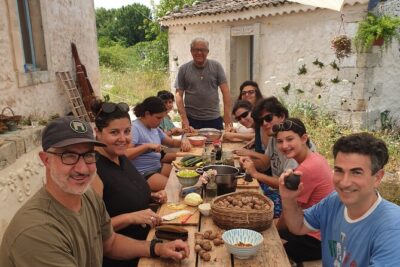
Slowlife Family Farm- Cook with us From Garden to Table Syracuse
Read our review →Browse the lists this tour appears in