
Review · DENARAU ISLAND
Wonders of Nadi Tour – Hindu Temple, Sleeping Giant Gardens, Markets & Shopping
Fiji is more than a beach. This four to five-hour outing gives you a useful look at Nadi through its Hindu temple, local markets, and orchid gardens, rather than keeping you inside a resort bubble. I like the mix of culture and nature, and I also like that hotel pickup, bottled water, and drop-off are included for Nadi and Denarau resorts. The main drawback is that the shopping stops can feel more commercial than local, and the temple requires careful attention to clothing and footwear rules.
The tour works best as a first look at Nadi. Guides such as Jason, Mohammed, Avi, and others have been praised for explaining Fijian customs, history, food, and daily life along the route. Still, the experience can vary with the guide, weather, traffic, and your ability to walk on uneven paths at the Gardens of the Sleeping Giant.
What makes this Nadi tour worth considering
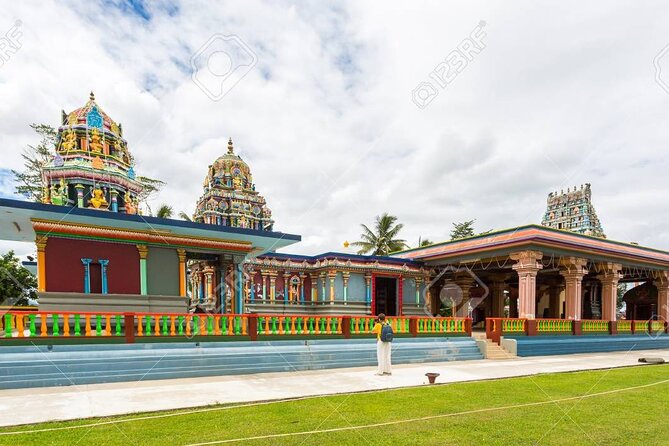
- Sri Siva Subramaniya Swami Temple: See colorful Hindu artwork and learn about the customs connected with Fiji’s largest Hindu temple.
- Local produce market: Browse fruit and vegetables, learn about kava, and get a closer look at everyday Nadi life.
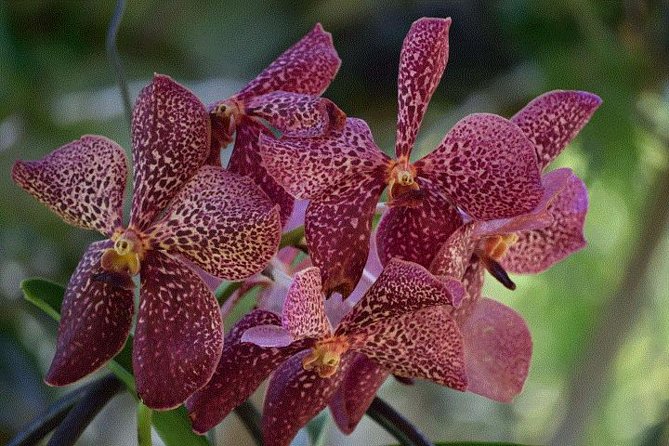
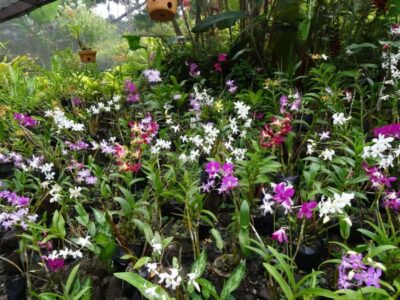
- Gardens of the Sleeping Giant: Walk among Asian orchids and Cattleya hybrids in a garden set below two mountain peaks.
- Useful resort pickup: Transport is included from hotels in the Nadi area and Denarau resorts, though an extra pickup charge has been reported at one Marriott property.
- Flexible guiding: Some guides allow you to spend more or less time at each stop, which helps if you want a relaxed private or small-group outing.
- Good short-trip choice: The tour packs several sights into one morning or afternoon, making it useful during a resort stay or port visit.
A practical way to see Nadi beyond the resort
Nadi is not Fiji’s prettiest town at every turn. Some streets feel worn, and the market stops are modest rather than grand. That is part of the point, though. This tour lets you see a working town, local religious life, and one of the area’s best-maintained garden attractions in a single outing.
The advertised cost is $77.61 per person. That is fair if your pickup is included and you value the guide, transport, temple visit, garden admission, and bottled water. You are not just paying for entry tickets. You are paying to connect several sights that would be awkward to organize separately, especially if you are staying on Denarau Island.
The value drops if you mainly want extended shopping time or a long garden visit. The whole outing lasts around four to five hours, and each stop has a set place in the schedule. You get a broad introduction, not a slow, specialist tour of Nadi.
Guides make a real difference here. Jason has been praised for explaining Fijian customs and culture, while Mohammed has been noted for his commentary and willingness to help. Avi has received warm praise for explaining temple artwork, villages, food, and local history. If your guide takes the same approach, the drive between stops becomes part of the experience rather than dead time.
More Garden Tours in Fiji:
- Nadi: Garden Village Hot Spring & Temple Highlights Tour
★ 4.6 · 339 reviews - CFC Hot Spring Mud Pool,Garden Of Sleeping Giant And Village Visit Half Day Tour
★ 5.0 · 302 reviews - Vuda Lookout, Vesisei Village, Market, Temple & Garden of Sleeping Giant Tour
★ 4.5 · 97 reviews
Nadi Produce Markets: a quick look at local food
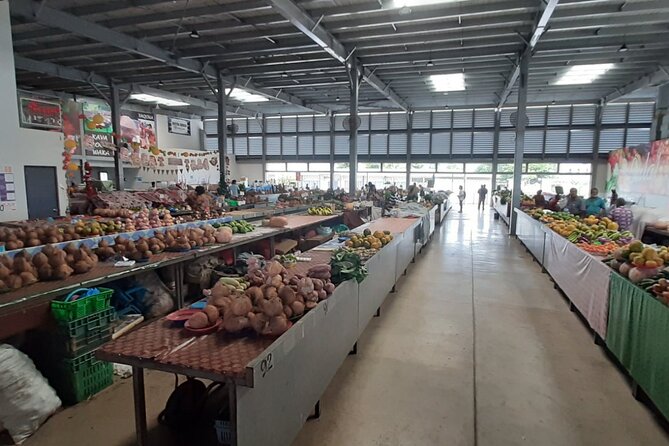
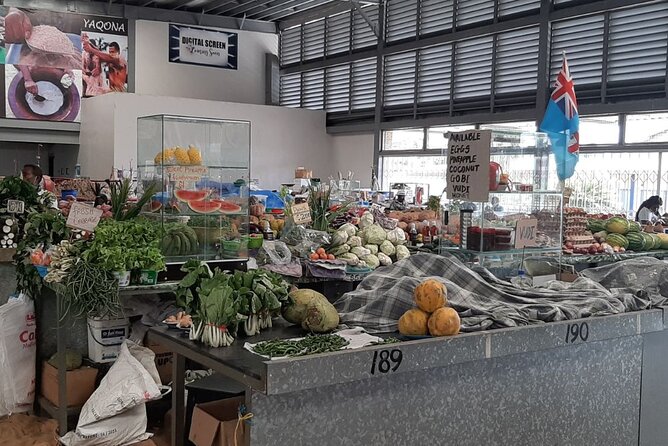
The first stop is the Nadi produce market, with about 30 minutes to see the fruit and vegetables sold in town. This is a short visit, but it gives you a more grounded view of Fiji than a resort buffet does.
You can expect colorful displays of local produce and a chance to ask about foods used in Fijian cooking. One particularly useful detail is the opportunity to learn about kava, an important drink in Fijian social and cultural life. Some people have also been able to try it during this part of the tour, though that should not be treated as guaranteed for every departure.
I like this stop because it is practical. You see what people buy and sell, not just what has been arranged for sightseeing. A guide who explains the produce can add much more than a quick walk through the stalls.
The limitation is time. Thirty minutes is enough to look around and ask questions, but not enough for a long, unhurried market visit. If you have already explored Nadi’s market on your own, this may feel repetitive. If this is your first time in town, it is a useful introduction.
Be respectful when taking photographs. Markets are working places, and a friendly question is better than raising a camera without warning. If you want to buy fruit, ask your guide about local customs and what can safely be taken back to your hotel.
Handicraft Market and duty-free shopping
The next stop lasts about an hour and focuses on local handicrafts, artifacts, and shopping. The tour also includes time at a well-known duty-free shop, so this is not a pure artisan market experience.
That split matters. You may find handmade gifts and local goods, but you should also expect a retail setting aimed at visitors. One useful way to handle the stop is to compare prices, ask what is locally made, and avoid rushing into a purchase simply because an item looks traditionally Fijian.
I would give yourself time to browse, especially if you want a small gift to take home. Several guides have been praised for allowing people to explore at their own pace instead of pushing everyone through the stop. That flexibility helps, since one person may want handicrafts while another prefers a quick look and a coffee break.
The drawback is that the shopping can feel staged. One account specifically found the main shopping opportunity more like a tourist shop than a local market. If you dislike organized retail stops, this may be the weakest part of the outing.
Still, the stop has value for first-time visitors who want an easy place to look at crafts without arranging transport across town. I would treat it as convenient shopping, not as a definitive portrait of Fijian craft traditions.
Gardens of the Sleeping Giant: the highlight for many people
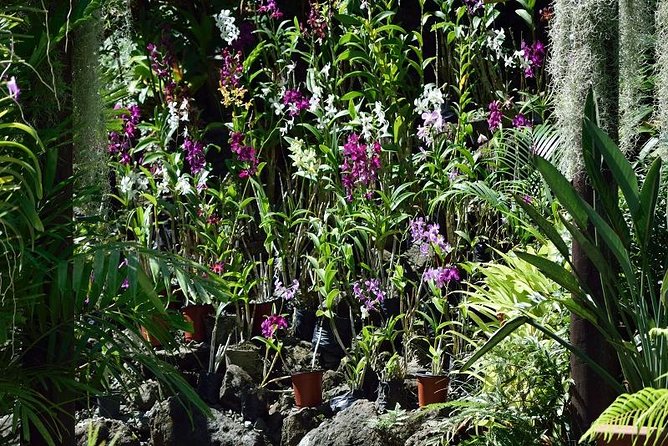
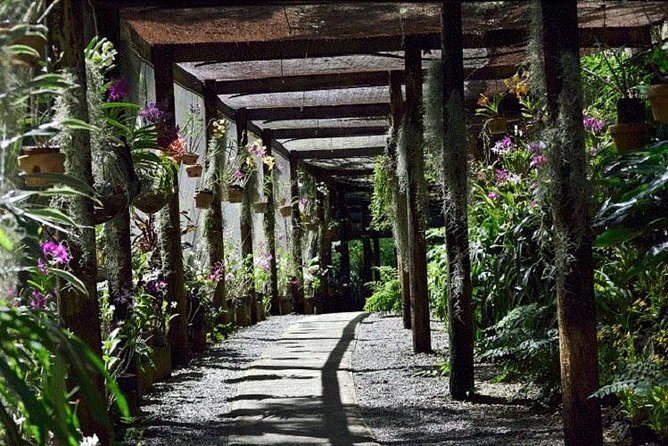
For many people, the Gardens of the Sleeping Giant is the best part of the day. The garden sits in the cool shade of two large mountain peaks and contains more than 30 to 40 varieties of Asian orchids and Cattleya hybrids.
The setting gives you a break from town traffic and shop counters. You follow paths through tropical plants and orchid displays, with time to walk at your own speed. The garden is not simply a quick photo stop. About an hour is planned here, which gives you enough time to appreciate the flowers and enjoy a quieter stretch of the tour.
The walk to the viewing platform has been especially well received. If your guide points out plants and explains the setting, the visit becomes more than a loop through flower beds. Rain does not necessarily ruin the stop. Umbrellas have been available during wet visits, and refreshments have been provided after a humid walk.
You should, however, consider your walking ability. Parts of the route include pebbled or uneven steps leading toward the boardwalk. One visitor could not manage the descent and saw only the upper path and part of the orchid area. The tour information says most people can participate, but it does not promise a fully accessible route.
Wear shoes with a firm sole and bring protection from sun or rain. The garden can feel humid, and the path may be slippery after wet weather. If flowers and gardens are your main interest, this stop gives the tour much of its value.
The orchid displays can also vary by season and conditions. Some people find them stunning, while others with experience of major Asian gardens may find the display less extensive. I would set realistic expectations: this is a pleasant Fijian garden visit, not a giant botanical park.
Same place, a different sort of green day out:
- Nadi Sightseeing Including Viseisei Lookout, Village Tour, Garden & Temple Tour
★ 4.5 · 63 reviews - Mud Pools-Nadi Private Therapeutic Pools, Gardens, Temple, Market &Shopping Tour
★ 4.5 · 45 reviews - Garden of Sleeping Giant with Tifajek Mudpool Hotspring Tour
★ 4.6 · 35 reviews - Private Denarau Shore Excursion – Temple, Shopping, Market, Garden & Mud Pool
★ 5.0 · 24 reviews
Sri Siva Subramaniya Swami Temple: beauty with firm rules
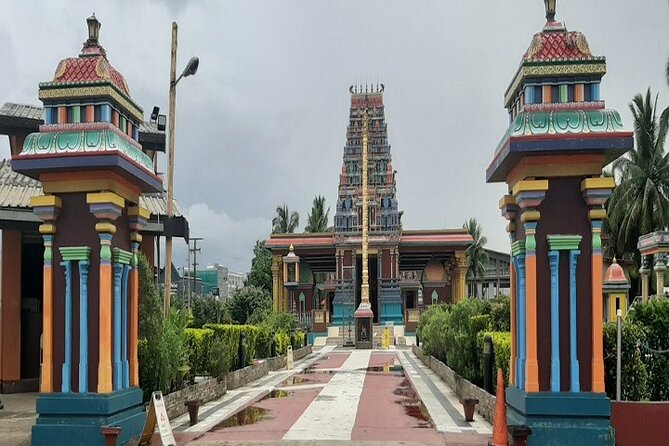
The Sri Siva Subramaniya Swami Temple is one of the tour’s central cultural stops. It is known for its colorful paintings of Hindu deities and is described as the largest Hindu temple in the Southern Hemisphere.
The painted surfaces are the main visual draw. A good guide can explain the figures, customs, and meaning behind the artwork, giving you a better understanding of Fiji’s Indian heritage. Avi, Jason, and Mohammed have all been praised for clear cultural explanations, and this is the stop where that kind of guiding matters most.
You may also have the chance to witness a Hindu offering involving a coconut being chopped. Treat that as a possible part of the visit, not a fixed feature of every tour. If it happens, it can make the stop feel personal and memorable, provided it is approached with respect.
Dress correctly. Smart-casual clothing is required, and you need to remove your shoes to enter the temple grounds or designated areas. Garments may be available at the temple, but supplies can be limited. Wear clothing that covers your shoulders and knees if possible, and avoid footwear that is difficult to remove.
The bare ground or paving can become hot. One person reported burning bare feet after removing shoes, so bring socks if appropriate and follow the temple’s rules without lingering on hot surfaces.
Expect a religious site, not a museum where every building is open for casual inspection. Some people have found the visit brief, with limited access beyond the exterior and temple grounds. Others have found the artwork and explanations deeply worthwhile. Your experience will depend heavily on what you hope to see and how well the guide explains the site.
If temples are a major reason you are booking, you may want to ask at the start how much access is planned. If you mainly want a respectful introduction to Hindu practice in Fiji, the stop should meet that goal.
Timing, transport, and group size
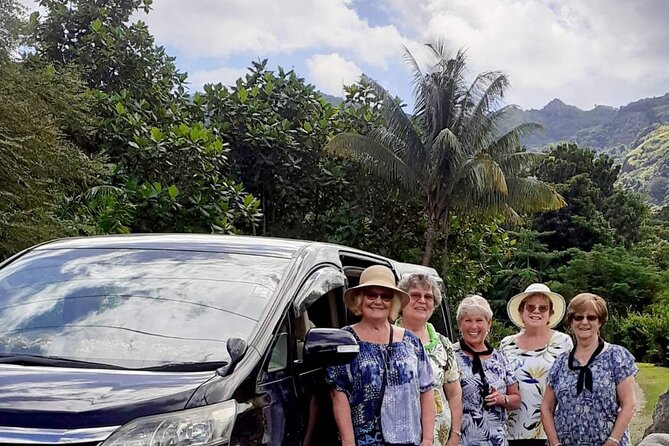
The experience lasts about four to five hours, despite one description calling it a full-day tour. Plan on a half-day outing. The stated schedule gives roughly 30 minutes at the produce market, one hour at the handicraft and duty-free stop, one hour at the gardens, and one hour at the temple, with driving time between locations.
Pickup and drop-off are included for Nadi-area hotels and Denarau resorts. That is a strong benefit if you are staying on Denarau Island, where arranging separate taxis for several stops can eat into both time and money.
One important caution: an extra transfer fee was reported for pickup at a Marriott property, even though the original booking details did not clearly state it. Confirm your exact hotel pickup before you go, especially if you are staying at a resort with a similar name or outside the standard Nadi area.
The maximum group size is listed as 100, which is larger than the small groups described by some participants. In practice, departures may be smaller, including one outing with only four people, but you should not assume a private tour unless your booking specifically says so.
Some people have described the experience as private or flexible, with the driver allowing more or less time at each stop. That may depend on the day’s group size and schedule. If you need a private vehicle, confirm that before paying.
Bottled water and local taxes are included. Food and other drinks are not, so eat beforehand or bring money for refreshments. The garden may offer drinks after the walk, but that should not be treated as part of the included package.
Who should book this experience?
I would recommend this tour to you if you want a compact introduction to Nadi and prefer having a guide explain what you are seeing. It suits resort visitors who have spent enough time by the pool and want a practical half-day outing with culture, shopping, food, and plants.
It is also a good fit for first-time Fiji visitors who do not want to arrange separate taxis. Families can participate, but children must be accompanied by an adult, and parents should keep the temple clothing rules and garden paths in mind.
You may want to skip it if you have already explored Nadi, dislike shopping stops, or want an in-depth temple tour. People with limited mobility should also ask about the garden route before booking, since uneven steps may limit access to the lower orchid areas.
The free cancellation policy allows a full refund when you cancel at least 24 hours before the start time. Changes or cancellations inside that window are not accepted for a refund.
Should you book the Wonders of Nadi Tour?
Book it if you want a well-priced sampler of Nadi with transport and a guide. The Gardens of the Sleeping Giant and the chance to understand local customs are the strongest reasons to go. The temple adds color and cultural context, while the markets show you a little of everyday town life.
Go with realistic expectations. The shopping may feel tourist-focused, the temple visit may be shorter than expected, and the garden path is not ideal for everyone. For a four to five-hour break from a Denarau resort, though, this tour offers a sensible mix and generally good value, especially when Jason, Mohammed, Avi, or another attentive guide brings the stops to life.
FAQ
How long does the Wonders of Nadi Tour last?
The experience lasts approximately four to five hours. It is best viewed as a half-day tour, even though one description refers to it as a full-day guided outing.
Is hotel pickup included?
Yes. Pickup and drop-off are included for hotels in the Nadi area and Denarau resorts. An extra fee has been reported for at least one Marriott pickup, so confirm the charge for your exact hotel before departure.
What is included in the price?
The price includes local taxes, bottled water, hotel pickup and drop-off in the stated areas, and admission to the Gardens of the Sleeping Giant and Sri Siva Subramaniya Swami Temple. Food and drinks are not included.
What should I wear to the Hindu temple?
Smart-casual clothing is required. You must remove your shoes, and temple garments may be available if needed, although supplies can be limited. Clothing that covers your shoulders and knees is the safest choice.
Is the tour suitable for children?
Yes, most people can participate, but children must be accompanied by an adult. Keep in mind that the garden includes pebbled or uneven paths and steps.
Can I cancel for a full refund?
Yes, if you cancel at least 24 hours before the experience start time. Cancellations or changes made less than 24 hours before the start time are not eligible for a refund.
Just added around Fiji
- Vuda Lookout, Vesisei Village, Market, Temple & Garden of Sleeping Giant Tour★ 4.5 · 97 reviews
- Fiji Local Village, Market, Temple & Garden of Sleeping Giant with Mud Pool Tour★ 5.0 · 19 reviews
- Shore Excursion-Nadi Mudpools,Sleeping Giants Gardens,Markets, Temple & Shopping★ 4.5 · 14 reviews
- Private Denarau Shore Excursion – Temple, Shopping, Market, Garden & Mud Pool★ 5.0 · 24 reviews
- Nadi Therapeutic Mud Pools and Garden Tour – Shore Excursions EX PORT DENARAU★ 3.5 · 2 reviews
- Half Day Nadi Tour incls Sri Siva Temple, Orchid Gardens,Local Village & Markets★ 4.0 · 16 reviews
- Garden of Sleeping Giant Tour with Tifajek Mud Pool and Hotspring★ 4.0 · 2 reviews
- Half Day Mudpools, Veseisei Fijian Village, Gardens of Sleeping Giants &Shopping★ 5.0 · 3 reviews
Denarau Island Garden Tours, compared.
Garden Village Hot Spring & Temple Highlights Tour
Read our review →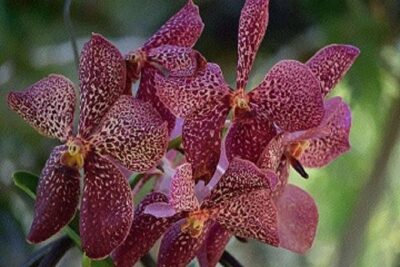
Mud Pools-Nadi Private Therapeutic Pools, Gardens, Temple, Market &Shopping Tour
Read our review →
Half Day Nadi “Historical and Cultural Tour” with Village,Temple,Gardens&Markets
Read our review →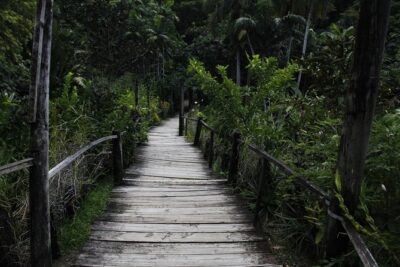
garden of the sleeping giant and mudpool tour combo
Read our review →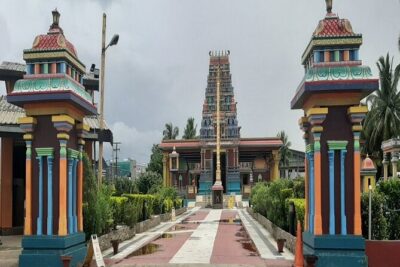
Mud Pools, Gardens, Markets, Temple & Shopping-Nadi Tour half day
Read our review →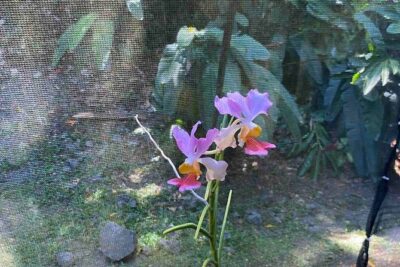
Half Day Nadi Tour Temple, Market, Gardens and Mud Pools
Read our review →
Half Day Mudpools, Veseisei Fijian Village, Gardens of Sleeping Giants &Shopping
Read our review →Browse the lists this tour appears in