
Review · SOUTH KOREA
Small Group Tour East Jeju Cherry Blossom & Woman Diver Show
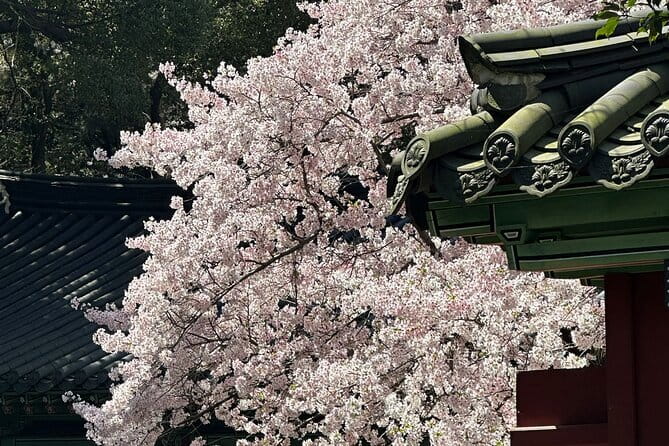
Spring turns eastern Jeju into a flower show. This nine-hour tour brings together the island’s famous King Cherry Blossoms, yellow canola fields, volcanic coast, Seongsan Ilchulbong, and a traditional woman diver performance. I especially like the mix of seasonal scenery and living culture, plus the small group size, capped at 15 people.
I also like that a certified guide handles the long day of driving between scattered sights. June, the guide most often named in the feedback, is praised for clear English, quick replies, punctual service, and a friendly manner. The main drawback is timing: the tour covers a lot of ground, and some stops are short. Lunch is also extra, and the woman diver show depends on the weather.
Key points to know before booking
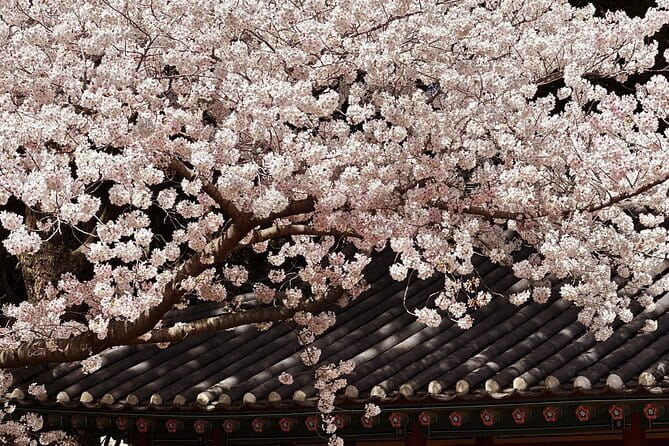
- King Cherry Blossoms in late March or early April: Jeju’s large-petaled blossoms are the seasonal centerpiece, but exact bloom dates can shift.
- A full eastern Jeju circuit: The route includes Samsunghyeol, Jeonnonglo Road, Noksan-ro, Seongsan Ilchulbong, Seopjikoji, and Seongeup Folk Village.
- A small vehicle instead of a big coach: Transportation is by minivan for up to seven people or minibus for eight to 15.
- A real haenyeo performance: Women divers from Seongsan Village sing work songs and enter the sea to return with catches, weather permitting.
- Lunch costs about $10 extra: The guide suggests local restaurants and can recommend vegetarian food.
- Best for a one-day overview: You get flowers, nature, history, and culture, though you will not have unlimited time at every stop.
Why this East Jeju tour works well in spring
Jeju’s King Cherry Blossoms are larger and showier than the common cherry varieties seen elsewhere in Korea. The best viewing period is generally from late March to early April, when the trees are joined by yellow canola flowers. That overlap gives this tour its strongest visual appeal.
The route is not limited to one flower road. It links several parts of eastern Jeju, so you get a broader sense of the island in one day. You move from an old urban road to a sacred site, open farm country, a volcanic peak, the coast, and a historic village.
That variety matters. A cherry blossom outing can become repetitive if every stop is another row of trees. Here, the flowers are the seasonal thread, while the volcanic scenery and cultural stops keep the day moving.
The price is $120 per person. That is not the cheapest way to see Jeju, but it includes hotel pickup and drop-off within downtown Jeju City near the international airport, transportation, admissions, and a professional driving guide. You still pay for lunch, personal expenses, and any tip you choose to give.
For a solo visitor, couple, or small family, the price can make sense because you are paying for transportation across a wide area as well as guiding. Renting a car may cost less for some groups, but then you handle the roads, parking, route planning, and timing yourself. A large coach tour may offer a lower rate, but this format allows for a smaller vehicle and more direct help from the guide.
More Cherry Blossom Tours in South Korea
- Jeju East: Cherry Blossom Early Bird Tour with Hotel Pickup
★ 4.8 · 21 reviews - Jinhae Cherry Blossom Day trip from Busan – A Spring Adventure!
★ 4.5 · 13 reviews - Jinhae Cherry Blossom Festival Gyeonghwa Stn Day Tour from Busan
★ 4.5 · 13 reviews
Jeonnonglo Road begins the flower hunt
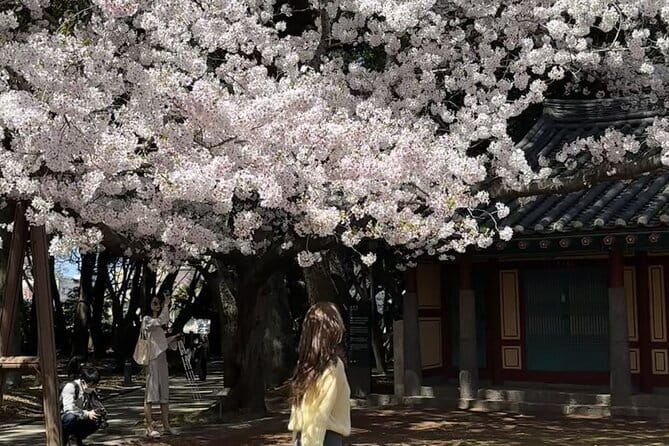
The first stop is Jeonnonglo Road, one of Jeju’s best-known King Cherry Blossom areas. During the festival, the road is closed to cars, with blue lanterns and tulips adding color beneath the mature trees.
The scheduled visit is only about 15 minutes. That is enough for a quick walk and photographs if the blossoms are open, but it is not a leisurely stroll. If you want long, quiet time under the trees, keep your expectations in check.
Still, this is a useful opening stop. You get an immediate look at the large blossoms that define the season, and the car-free setting makes the road easier to enjoy. Bring a phone or camera ready to use because the short visit moves quickly.
Samsunghyeol adds myth and old trees
Samsunghyeol offers a sharper change of mood. The site is tied to the origin story of Jeju, and its atmosphere is more solemn than the festive flower road. A 200-year-old cherry tree provides the main photo opportunity.
You have about 50 minutes here, with admission included. That longer pause gives the guide time to explain the site and its connection to Jeju’s beginnings. The setting also shows how nature and legend often meet at important Korean heritage sites.
I would pay attention to the difference between the tree-lined festival road and this older, more reflective place. One is made for strolling and photographs. The other asks you to slow down and notice the age of the trees and the quiet character of the grounds.
Noksan-ro pairs blossoms with yellow canola
At Noksan-ro, cherry trees and canola fields share the view. The road stretches for about ten kilometers, making it one of Jeju’s most recognizable spring scenes.
The stop itself is listed at about 20 minutes, so you will see a selected section rather than cover the full road. This is another place where the timing is practical but limited. You get the signature photograph, not an extended country walk.
The color contrast is the reason to come: pale blossoms above fields of yellow. Since this is an outdoor viewing stop, the quality of the experience depends on bloom timing and weather. In a strong spring week, it may be the prettiest scene of the day.
Same place, a different sort of green day out:
- Mt. Seorak+Nami Island+Garden of Morning Calm Day Trip from Seoul
★ 5.0 · 959 reviews - Seoul: Nami Island and Garden of Morning Calm opt Railbike
★ 4.6 · 907 reviews - From Seoul: Nami Island, K-drama Garden & Rail Bike Day Tour
★ 4.6 · 724 reviews - Seoul: Mt.Seorak, Nami Island & Korean Garden, No Shopping
★ 4.8 · 614 reviews
Lunch in Seogwipo keeps the group flexible
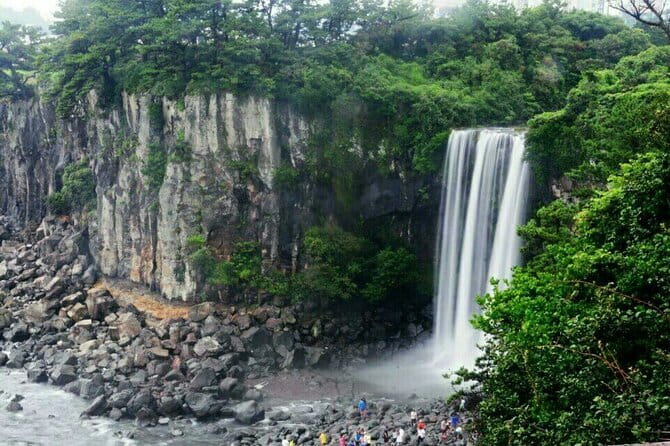
The midday meal takes about an hour in Seogwipo. Food is not included, with the expected cost around $10. The guide takes the group to a local restaurant, and vegetarian choices can be suggested.
This arrangement is useful because the group is not tied to a prearranged meal or a fixed menu. You can ask June or the day’s guide for help choosing. It also keeps the tour price from including a meal you may not want.
The tradeoff is that the final restaurant choice and menu are not specified in advance. If you have strict dietary needs, state them when booking and remind the guide at the start of the day. The available information confirms vegetarian suggestions, but it does not promise a particular dish or wider allergy coverage.
Seongsan Ilchulbong is the day’s main effort
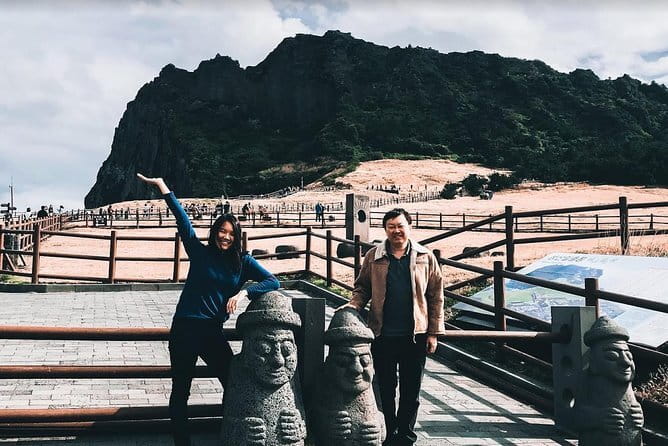
Seongsan Ilchulbong is the physical centerpiece of the route. This distinctive volcanic formation rises 180 meters above the sea and has a bowl-shaped summit. The hiking trail is 1.2 kilometers and is allotted about an hour.
That hour may feel generous to some people and tight to others. The stop involves a real uphill walk, not simply a roadside photo. If you reach the summit, you are rewarded with broad views over the sea and surrounding countryside. If you prefer not to make the climb, you can still appreciate the formation from below, but the schedule is built around an active visit.
Wear shoes that can handle a paved or uneven uphill trail, and bring water. The tour data does not promise a particular fitness level or alternate transport, so anyone with mobility concerns should ask the provider before booking.
The mountain is also a good reason to choose this tour over a flower-only outing. You get a famous natural landmark and a chance to stretch your legs after the morning drive.
The woman diver show connects you to Jeju culture
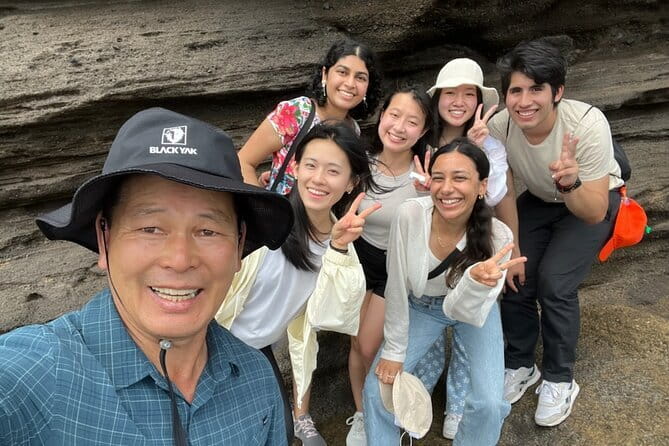
At Umutgae Coast, women divers from Seongsan Village perform outdoors. They sing labor songs, enter the water, and return with catches. The performance lasts about 20 minutes, within a 30-minute stop.
This is one of the most meaningful parts of the day because it presents Jeju’s haenyeo culture through a live demonstration rather than a museum display. The women’s work is linked to a UNESCO-listed cultural tradition, and the singing helps show the communal side of the practice.
The show is weather-dependent. The tour notes that poor conditions can lead to a cancellation or a different date for the whole experience, so you should not treat the performance as guaranteed in every forecast. The coast can also be exposed, so dress for wind and changing outdoor conditions.
The show is brief, but that may be an advantage. You get a clear introduction without spending a large part of the day waiting by the shore.
Seopjikoji brings together coast, flowers, and horses
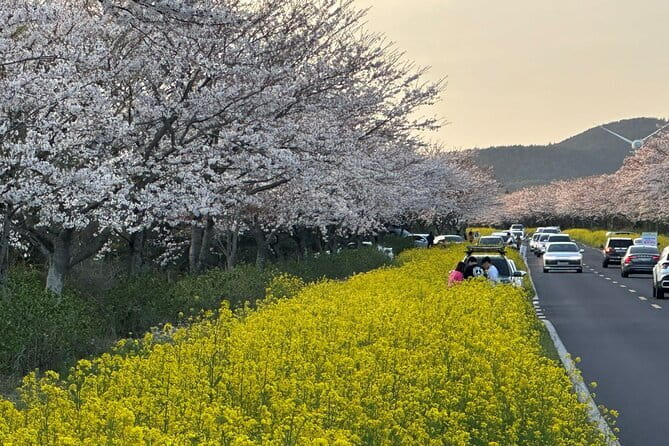
Seopjikoji offers one of the day’s most photogenic combinations: yellow canola flowers, a white lighthouse, Jeju horses, and a view toward Seongsan Ilchulbong. The visit lasts about 50 minutes.
This is a scenic stop rather than a guided historical visit. You will have time to walk, take photographs, and look across the coast. The view back toward Seongsan Ilchulbong helps connect the afternoon stops, since you see the volcanic peak from a different angle.
The open setting can make the weather feel more important here than in town. If the day is clear, the combination of sea, flowers, and lighthouse is memorable. If conditions are poor, the stop may feel more exposed and less rewarding.
Seongeup Folk Village shows everyday Jeju
The final major stop is Seongeup Folk Village, a living community with a history as the county office for 500 years. Traditional stone houses, old zelkova trees, and local homes give the village a different feel from Jeju’s coastal attractions.
You have about 30 minutes, which is enough for a guided look but not a full village exploration. The value here comes from seeing how older building traditions and community life remain part of the setting. It gives the day a human scale after the larger views at Seongsan and Seopjikoji.
Listen closely to the guide at this stop. Without explanation, a stone wall or traditional house can look like a pretty backdrop. With context, the village becomes a place connected to Jeju’s local government, family life, and older rural customs.
How the small group affects the day
The tour accepts up to 15 people. Groups of one to seven use a minivan, while groups of eight to 15 use a minibus. That is smaller than a standard coach and should make boarding, conversation, and minor timing decisions easier.
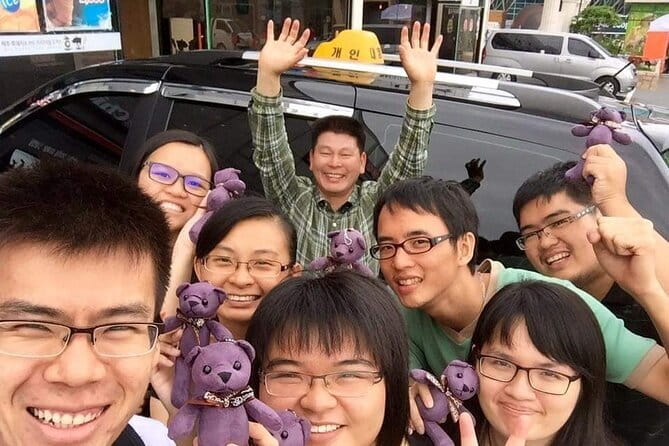
The guide is also the driver. This can be an advantage because you have one person responsible for both the route and the day’s explanations. June is repeatedly praised for being punctual, polite, attentive to preferences, easy to communicate with, and fluent in English. One booking was accepted at short notice, and another praised the quick replies before the tour.
A combined driver-guide role also has limits. The guide cannot offer a long talk at every stop while driving, and the amount of personal attention may depend on the group size. Still, the small format is a strong part of the tour’s value.
Pickup is offered from hotels in the downtown Jeju City area near Jeju International Airport. The stated start time is 8:30 a.m. Travel between stops takes a large part of the day, with about three hours and 45 minutes assigned to driving and the overall outing lasting roughly nine hours. That is normal for an East Jeju circuit, but you should be comfortable spending substantial time in the vehicle.
Who should book this experience
I would choose this tour if you have limited time on Jeju and want a guided introduction to the island’s eastern side during blossom season. It suits people who want photographs but also care about volcanic scenery, village culture, and the haenyeo tradition.
It is particularly useful if you do not want to rent a car or manage a long route yourself. It also suits English-speaking visitors who value a guide who can answer questions and adjust suggestions around food and personal preferences.
I would think twice if your only goal is a slow cherry blossom walk. The day includes many stops, and several visits are short. You should also reconsider if you dislike uphill walking, long drives, or weather-dependent plans.
The five available ratings are all positive, with the strongest praise focused on June’s reliability, clear English, cheerful manner, cultural explanations, and help throughout the day. Those qualities matter here because the route is ambitious. Good guiding can turn a string of stops into a connected story about Jeju.
Booking, cancellation, and practical details
Confirmation is provided at booking, and the tour is near public transportation. Most people can participate, though the Seongsan Ilchulbong walk requires enough ability for a 1.2-kilometer hike.
Free cancellation is available up to 24 hours before the 8:30 a.m. start time. Changes or cancellations inside that 24-hour window are not accepted for a refund. If poor weather cancels the experience, you are offered another date or a full refund.
Because the tour depends on flowers, weather, and the woman diver performance, I would book with realistic expectations rather than chasing a single perfect photograph. The best day combines open blossoms, manageable weather, and a functioning coastal show, but only the first two can be roughly planned.
Should you book the East Jeju cherry blossom tour?
Book it if you want a broad, well-organized day that combines Jeju’s spring flowers with its coast, volcano, village life, and haenyeo culture. At $120, the value is strongest for visitors who need transport and prefer a guide to handle the island’s long distances.
Skip it if you want a slow, self-directed day or if a full hour of walking at Seongsan Ilchulbong sounds uncomfortable. For most first-time visitors in Jeju during late March or early April, though, this is a sensible way to see many of the island’s eastern highlights without renting a car.
FAQ
What is the starting time for the tour?
The tour starts at 8:30 a.m.
How long does the tour last?
The experience lasts approximately nine hours, including travel between pickup, sightseeing stops, and drop-off.
Where is hotel pickup available?
Pickup and drop-off are available from hotels in the downtown Jeju City area near Jeju International Airport.
Is lunch included?
No. Lunch is excluded and costs about $10. Vegetarian menus can be suggested.
How many people can join the tour?
The maximum group size is 15 people. Transportation is by minivan for groups of one to seven and by minibus for groups of eight to 15.
Is the woman diver show guaranteed?
No. The outdoor show at Umutgae Coast is subject to weather conditions.
Just added around South Korea
- Seoraksan and Cherry Blossom Lake 1 day trip from Seoul★ 5.0 · 4 reviews
- Taean Tulip Festival and Strawberry Picking Day Tour from Seoul★ 4.5 · 3 reviews
- Eobi Ice Valley& Nami Island with Garden of Morning Calm Trip★ 4.5 · 9 reviews
- Scenic Escape: Nami Island, Garden of Morning Calm, and Rail Bike★ 3.0 · 2 reviews
- Strawberry & Eobi Valley & Nami Island & Garden of Morning Calm★ 4.5 · 2 reviews
- Full Day Private Tour Nami Island, Garden & Petite France★ 5.0 · 57 reviews
- (Private tour) Nami Island + Railbike + Garden of morning calm★ 5.0 · 7 reviews
- Alpaca, Nami, Petite Fr, Italian Village, Garden of Morning Calm★ 3.5 · 5 reviews
Cherry Blossom Tours, compared.
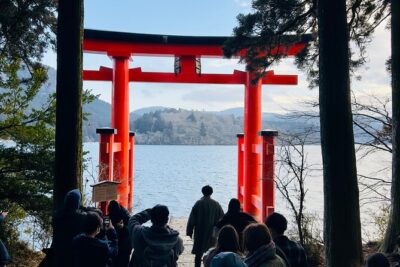

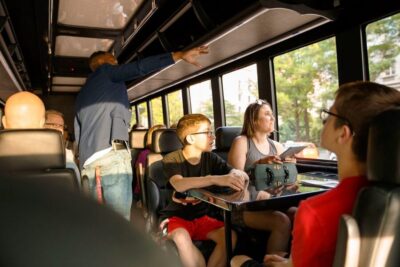
The DC Cherry Blossom Bus Tour with Tidal Basin Guided Walk
Read our review →
National Mall & Cherry Blossoms Tour with Optional Museum Tickets
Read our review →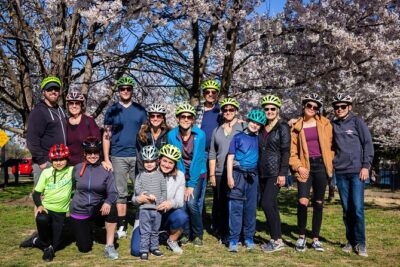
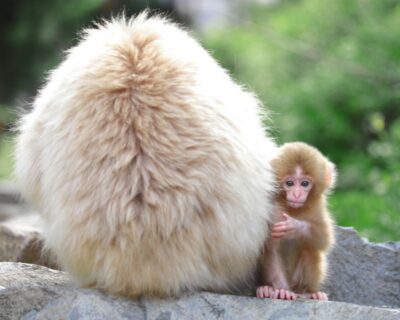
Nagano: 1-Day Snow Monkey & Cherry Blossom Tour in Spring
Read our review →
Nagano Spring: 1-Day Cherry Blossoms & Snow Monkeys Guided Tour
Read our review →Browse the lists this tour appears in