
Review · SOUTH KOREA
Hantan Canyon & Goseokjeong Flower Garden & Pink Muhly Park
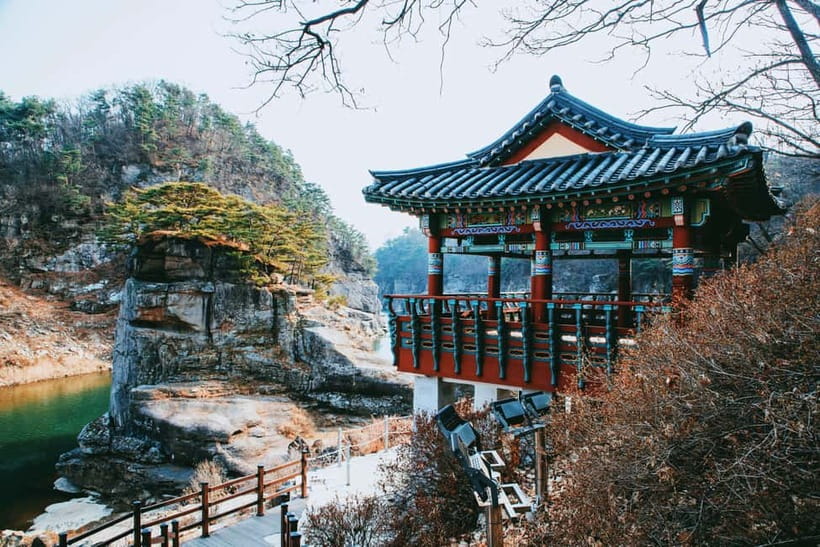
Nature gets the full day here. This $55 trip from Seoul combines Hantan Canyon’s columnar joints with seasonal flowers and Yangju Nari Park’s pink muhly fields. I like the mix: you get a proper geological sight, not just another photo stop, and the flower gardens keep the day easygoing after the canyon walk.
I also like that admission, round-trip transport, and an English or Chinese-speaking guide are included. The main catch is the canyon trail. Parts of it can feel demanding, and long stretches of metal-grate walkway expose the height below, so this is not the right outing for anyone with mobility concerns or a strong fear of heights.
Guide quality can shape the day, especially during the long drive from Seoul. Ryan has been praised for keeping the mood upbeat in poor weather, while Lio has been noted as a careful driver who helped with convenience-store stops. Group size can vary, but a small group of five made one outing feel relaxed rather than crowded.
Key points at a glance
- Columnar joints at Hantan Canyon: See the striking rock formations created along the Hantangang River, with clear water and a walking route made for photographs.
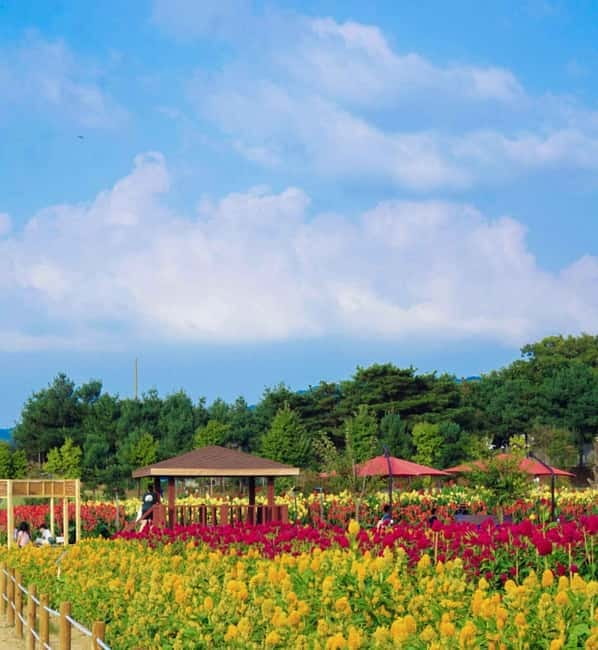
- A seasonal flower change: Goseokjeong Flower Garden changes with the calendar, with chrysanthemums and cosmos in autumn.
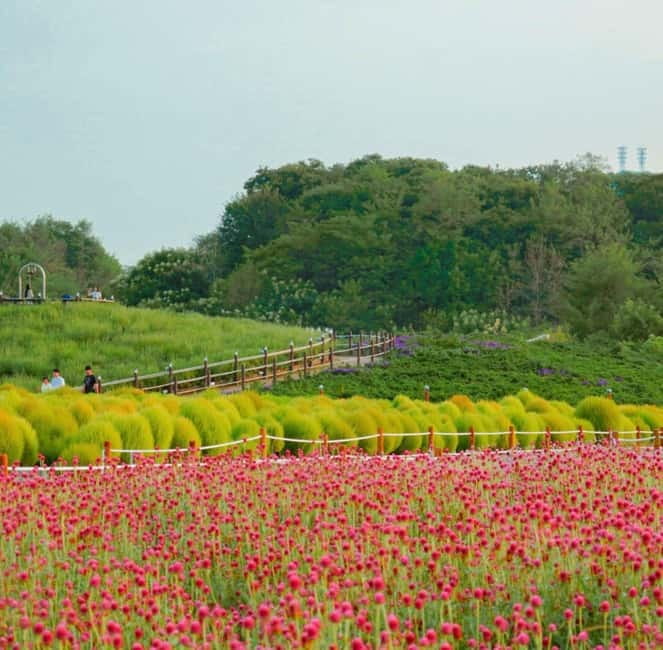
- Pink muhly at Nari Park: Yangju Nari Park offers broad fields of pink muhly grass, plus calm paths for strolling and sunset photographs.
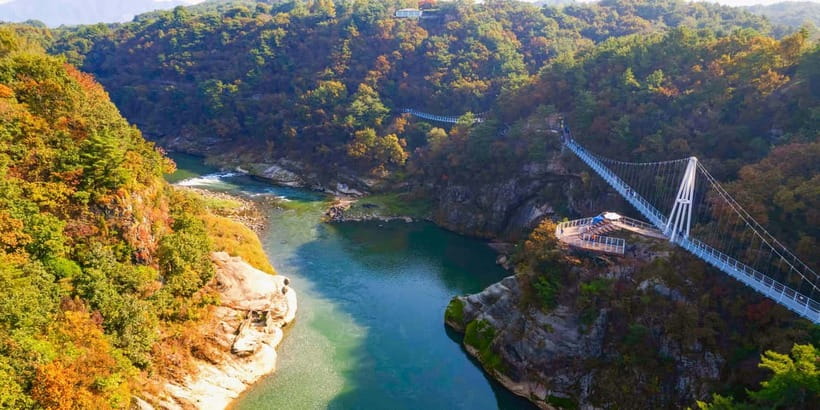
- A physical canyon walk: Expect bridges and grated walkways, including sections where you can see through the floor to the ground below.
- Good value from Seoul: The $55 price includes transport, attraction admission, and a guide, but food, drinks, and optional extras cost more.
- Flexible booking: You can reserve without paying today and cancel up to 24 hours before departure for a full refund.
Why Hantan Canyon is the day’s main event
Hantan Canyon is more than a pretty river valley. Its most important feature is the columnar joint geology along the Hantangang River. These dark, sharply formed rock walls give the area a distinctive shape and make the walk feel like a lesson in how nature can build an attraction without signs, rides, or elaborate staging.
I like this stop because it gives the tour some substance. You are not simply moving from one flower field to another. You can study the vertical rock formations, follow the river, and see how the water and stone work together. The combination makes the canyon especially useful for photography, since you have several subjects at once: rock, water, bridges, and wooded scenery.
The route is not described as a flat garden stroll. One outing found the canyon walk physically demanding, so you should be ready for a bit of effort. The most important warning is the walkway itself. Long sections use metal grating, allowing you to look down through the path. I would not choose this trip if heights make you tense or if uneven or demanding walking is a serious problem.
That does not mean you need to be an avid hiker. It does mean you should wear sensible shoes and be honest about your comfort level. If you need to wait while others complete the route, that may be possible, but the experience is built around seeing the canyon on foot rather than simply viewing it from a roadside lookout.
More Flower Markets and Flower Fields in South Korea:
- Chasing Cherry Blossom & Spring Flowers Day Tour from Seoul
★ 5.0 · 11 reviews - Bangkok: Night Bike Tour with Temples & Flower Market Visit
★ 4.8 · 751 reviews - Keukenhof: Flower Fields Small-Group Cultural Bike Tour
★ 4.8 · 254 reviews
Goseokjeong Flower Garden changes with the season
Goseokjeong Flower Garden supplies the softer, more relaxed half of the day. Different flowers appear at different times, so the exact look depends on when you visit. In autumn, chrysanthemums and cosmos are among the featured blooms, giving the garden a bright, varied appearance without feeling like a single-species display.
This stop works well after the canyon because the pace changes. At Hantan, your attention goes to rock formations and height. At Goseokjeong, you can slow down, frame photographs, and enjoy broad beds of flowers. The setting is picturesque, and the range of colors gives you plenty to photograph even if the weather is not perfect.
There may also be a small train ride through the garden for an extra ₩5,000. It can help you see more of the grounds when the available time is limited, but the cars are compact. If you are tall or broad-built, you may find the seats cramped. I would treat the train as an optional sightseeing shortcut, not a necessary part of the tour.
The seasonal element matters here. A spring visit and an autumn visit will not look the same, and the flower selection can shape how much you enjoy this stop. If your main goal is a particular flower, confirm the expected season before booking. If you simply want a pleasant garden with changing displays, the uncertainty becomes part of the appeal.
Pink muhly and sunset at Yangju Nari Park
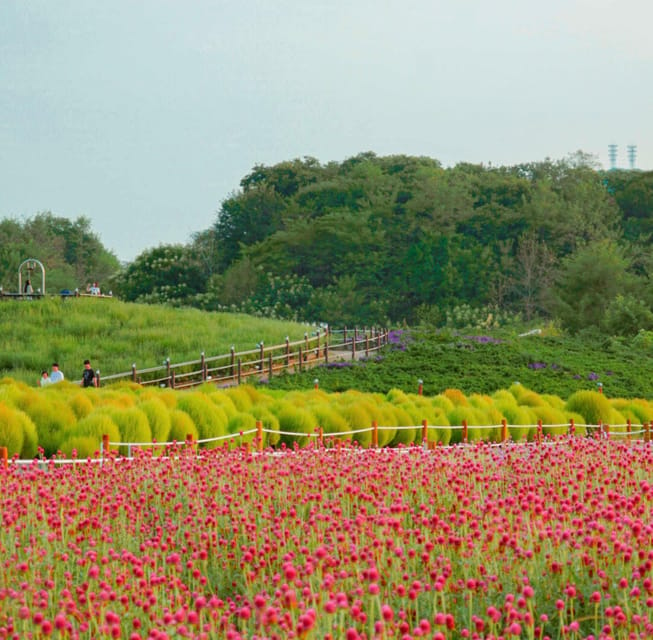
Yangju Nari Park brings a different kind of scenery. Its wide pink muhly fields create a soft, almost hazy setting, especially when the light begins to fade. The park also includes other flowers, greenery, and maintained paths, giving you room to wander instead of crowding every photograph around one central feature.
I would save some energy for this final stop. After a canyon walk and a garden visit, Nari Park is a good place to slow down. The paths suit a leisurely stroll, and the calm atmosphere makes it easy to take photographs without rushing from one viewpoint to the next.
Sunset can be especially appealing here, though the exact timing depends on the day and the tour schedule. The pink muhly catches the changing light, while the open flower fields give you a wider view than the more enclosed garden areas. If you enjoy quiet scenery more than formal sightseeing, this may be your favorite stop.
The park is also a useful reminder that this is a seasonal outing. Pink muhly is the major draw, so the experience will be strongest when the fields are in good condition. Even then, the park offers more than one plant or color, with other flowers and open paths filling out the visit.
The drive from Seoul affects the value
The tour includes round-trip transfers from Seoul, which is a major part of its value. Cheorwon and the surrounding sights are outside the capital’s central sightseeing zone, and arranging several separate journeys by public transport would take more planning and time. Here, you can settle into a vehicle and let the guide handle the route.
The tradeoff is the drive. This is not a quick city excursion with attractions packed close together. One outing included only five people, while the long ride became a chance to rest. That kind of small group can make the transfer more pleasant, but the group size is not guaranteed for every departure.
Your guide can make a practical difference. Ryan helped keep one wet-weather day entertaining, and Lio was praised for safe driving and for making a convenience-store stop when needed. Those details matter because the day includes several hours of transport, not just sightseeing. Bring water with you, or tell the guide if you need a short stop.
Meals and drinks are not included. A lunch stop has been described as good, but you pay for your own food. Set aside money for that, bottled drinks, and the optional garden train. The $55 fee covers the core costs, but it is not an all-inclusive day.
More Garden Tours in South Korea:
- Mt. Seorak+Nami Island+Garden of Morning Calm Day Trip from Seoul
★ 5.0 · 959 reviews - Seoul: Nami Island and Garden of Morning Calm opt Railbike
★ 4.6 · 907 reviews - From Seoul: Nami Island, K-drama Garden & Rail Bike Day Tour
★ 4.6 · 724 reviews - Seoul: Mt.Seorak, Nami Island & Korean Garden, No Shopping
★ 4.8 · 614 reviews
What the $55 price really covers
At $55 per person, the tour offers solid value if you want to see all three locations in one day. You receive round-trip transport from Seoul, attraction admission, and an English or Chinese-speaking guide. Those inclusions remove some of the usual costs and planning work involved in reaching a rural area and visiting several separate sites.
The price is less attractive if you only want flowers. Goseokjeong and Nari Park are the visual highlights, but the canyon is what gives the excursion its range. I would book it for the combination of geology, river scenery, seasonal flowers, and transport, not for a single garden alone.
You should also count the physical effort as part of the value calculation. Someone who is comfortable walking the canyon will get three clearly different settings for one day’s fare. Someone who cannot manage the route may spend much of the day waiting or skipping the tour’s most distinctive stop.
Food is separate, and the ₩5,000 train ride at Goseokjeong is optional. These are modest extras, but they are worth knowing before you leave Seoul. The tour is reasonably priced, provided you view the included transport and admission as the main benefit.
Weather, timing, and what to pack
The scenery can still work in poor weather. One wet day remained enjoyable because the guide kept the group engaged and the attractions retained their appeal. Still, rain will affect the canyon paths, bridges, and photographs, so pack with conditions in mind.
Bring your own water, comfortable walking shoes, and a light rain layer when the forecast looks uncertain. You should also carry a little cash or a payment method for lunch and the optional train. The tour does not include meals or beverages, so do not assume refreshments will be provided during the day.
Autumn is a particularly appealing time because chrysanthemums and cosmos appear at Goseokjeong, while Nari Park’s pink muhly can add a strong final burst of color. The exact flowers depend on the season, so you should think of this as a changing nature trip rather than a fixed display.
The meeting point depends on the option you book, and the tour returns to that meeting point at the end. Check the specific pickup details carefully. Since the transfer starts and ends in Seoul, the location matters more than it would on a short local outing.
Who should book this day trip?
I would recommend this experience to you if you want a break from Seoul’s city streets and enjoy a full day outdoors. It suits photographers, flower fans, couples, small groups, and anyone curious about South Korea’s natural scenery beyond the capital.
It is also a good fit if you prefer a guide and vehicle rather than piecing together regional transport. The English and Chinese language options make the day easier to follow, and a guide can help with route details, stops, and practical questions.
I would hesitate to recommend it if you dislike long drives, need a fully flat route, or feel uneasy on elevated grated walkways. The flower parks are gentle, but Hantan Canyon sets the physical tone for the day. You can enjoy the gardens without loving the canyon, yet the canyon remains a central part of what you are paying for.
Small groups may be especially appealing if you dislike large coach tours. A five-person group made conversation and timing easier on one departure, though you should not assume every date will have the same number of people. The guide and group arrangement can change the feel of the day.
Final call: book it for variety, not convenience alone
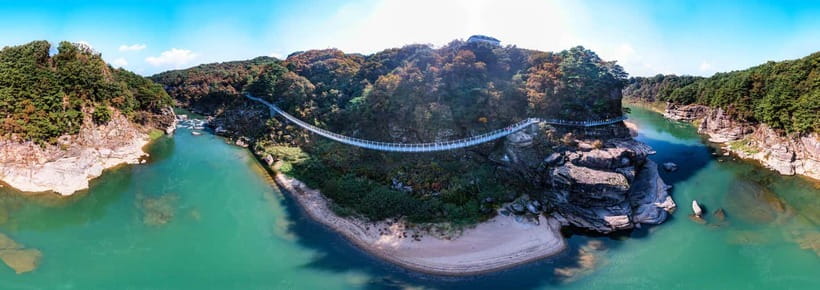
You should book this tour if you want three different nature experiences in one outing: unusual rock formations at Hantan Canyon, seasonal flowers at Goseokjeong, and pink muhly at Yangju Nari Park. The $55 price is fair because transport and admission are included, and the guide support adds value during the long drive.
Skip it if you want a short, effortless garden visit or if heights and demanding walking are deal-breakers. For everyone else, this is a strong countryside escape from Seoul, with enough variety to keep the day interesting and enough quiet scenery to slow your pace. You can reserve now and pay later, with a full refund available when you cancel at least 24 hours ahead.
FAQ
Where does this tour take place?
The experience visits Hantan Canyon, Goseokjeong Flower Garden, and Yangju Nari Park in and around Cheorwon and Yangju in Gangwon Province, South Korea.
Is transportation from Seoul included?
Yes. Round-trip transfers from Seoul are included, and the activity ends back at the meeting point.
What languages are available?
The tour provides an English or Chinese-speaking guide.
Are meals and drinks included?
No. Meals and beverages are not included, so you should pay for your own food and drinks during the day.
Is the Goseokjeong garden train included?
No. The train is optional and costs ₩5,000. The cars may feel tight for people with long legs or larger builds.
Can I cancel the booking for a refund?
Yes. You can cancel up to 24 hours in advance for a full refund. You can also reserve the experience and pay later.
Just added around South Korea
- Seoraksan and Cherry Blossom Lake 1 day trip from Seoul★ 5.0 · 4 reviews
- Taean Tulip Festival and Strawberry Picking Day Tour from Seoul★ 4.5 · 3 reviews
- Eobi Ice Valley& Nami Island with Garden of Morning Calm Trip★ 4.5 · 9 reviews
- Scenic Escape: Nami Island, Garden of Morning Calm, and Rail Bike★ 3.0 · 2 reviews
- Strawberry & Eobi Valley & Nami Island & Garden of Morning Calm★ 4.5 · 2 reviews
- Full Day Private Tour Nami Island, Garden & Petite France★ 5.0 · 57 reviews
- (Private tour) Nami Island + Railbike + Garden of morning calm★ 5.0 · 7 reviews
- Alpaca, Nami, Petite Fr, Italian Village, Garden of Morning Calm★ 3.5 · 5 reviews
Flower Markets and Flower Fields, compared.
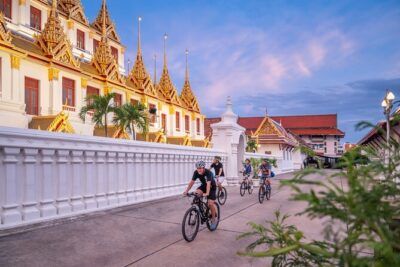
Night Bike Tour with Temples & Flower Market Visit
Read our review →
Keukenhof: Flower Fields Small-Group Cultural Bike Tour
Read our review →Night Bike Tour with Temples & Flower Market Visit
Read our review →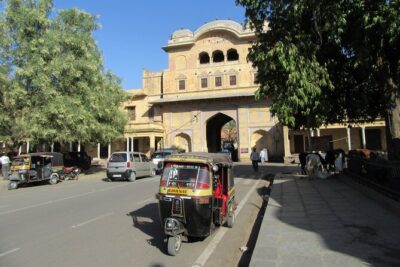

Jaipur Tour by Tuk-Tuk or Car with Flower Market
Read our review →
Half-Day Guided Sightseeing Tour with Flower Market
Read our review →
Half or Full Day Sightseeing Tour with Flower Market
Read our review →
Longwood Gardens from Philadelphia Spring Flowers Pop Up Tour
Read our review →Browse the lists this tour appears in