
Review · FRANCE
Lavender Field & Distillery Tour between Nimes & Arles
Lavender turns farming into a small science lesson. I like the hands-on plant walk, where you touch and smell lavender, rosemary, verbena, and roses, and I like seeing steam pull oil from flowers in the still. The main catch is transport: the farm is easy by car, but reaching it by bus takes planning and a long walk.
For $9, this is a good-value stop between Arles and Nîmes. The guides, including multilingual staff such as Gaspard and Sylvain, make the hour lively for both adults and children. Just remember that the lavender may be past its best bloom in late summer, though the distillery and plant collection still make the visit worthwhile.
Key points to know before you go
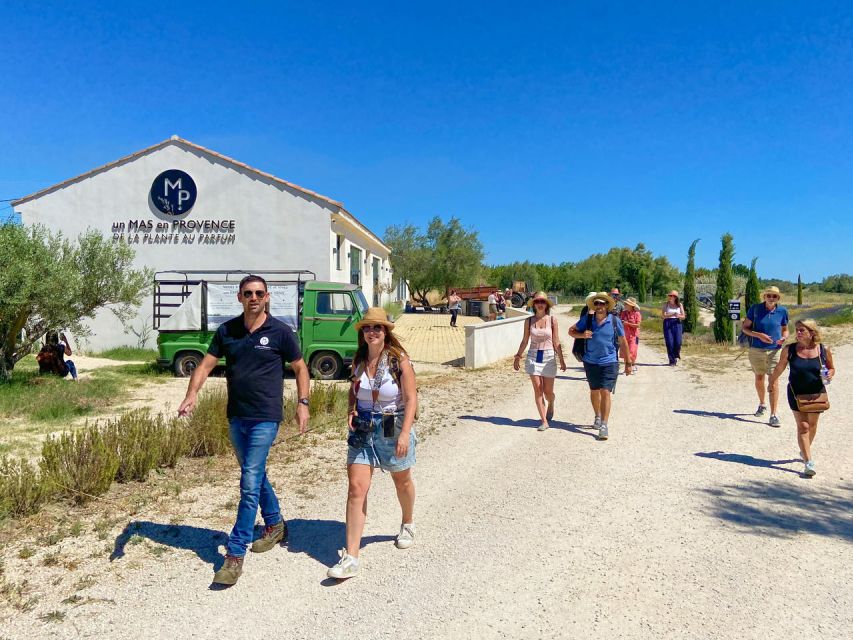
- A working farm, not just a photo stop: You walk through fields of lavender and other aromatic plants, then see how flowers become essential oil.
- The still is the star: Steam passes through the plant material and carries the oil into the extraction system.
- Good value at $9: The price includes the guided visit, fields, perfume bar, production video, and access to the shop.
- Best for curious families: The hands-on smells, short length, and clear explanations work well for a wide age range.
- Car access is easiest: The farm is about 15 minutes from Arles and 20 minutes from Nîmes by car.
- Summer timing matters: July and August offer several English and French departures, but the lavender bloom can be earlier in the season.
A small Provence farm between Arles and Nîmes
Un Mas en Provence sits in the countryside near Bellegarde, between two major stops in southern France. It is close enough to Arles or Nîmes for a short outing, but not so close that you simply step off a city street into the fields.
That setting matters. The visit connects the pretty side of Provence with the working side. You are not only looking at purple rows and buying a scented souvenir. You are learning how aromatic plants are grown, handled, and turned into oils for perfume, cosmetics, and natural care.
The experience begins at the boutique. From there, the guide takes you outside to the flower fields, the traditional farmhouse, and the distillery. The full tour lasts about one hour, so it fits neatly into a driving day that includes Arles, Nîmes, the Camargue, or nearby Bellegarde.
I would think of it as a focused stop rather than a half-day attraction. You get a clear look at one family business and its production methods, but there is not enough time for a long farm walk or a broad tour of the entire region.
More Lavender Field Tours in France
- Nice: Gorges of Verdon and Fields of Lavender Tour
★ 4.5 · 2,707 reviews - Aix-en-Provence: Lavender Fields Visit
★ 4.1 · 421 reviews - Nice: Gorges of Verdon and Fields of Lavender Tour
★ 4.0 · 342 reviews
The plant walk: touch first, then identify
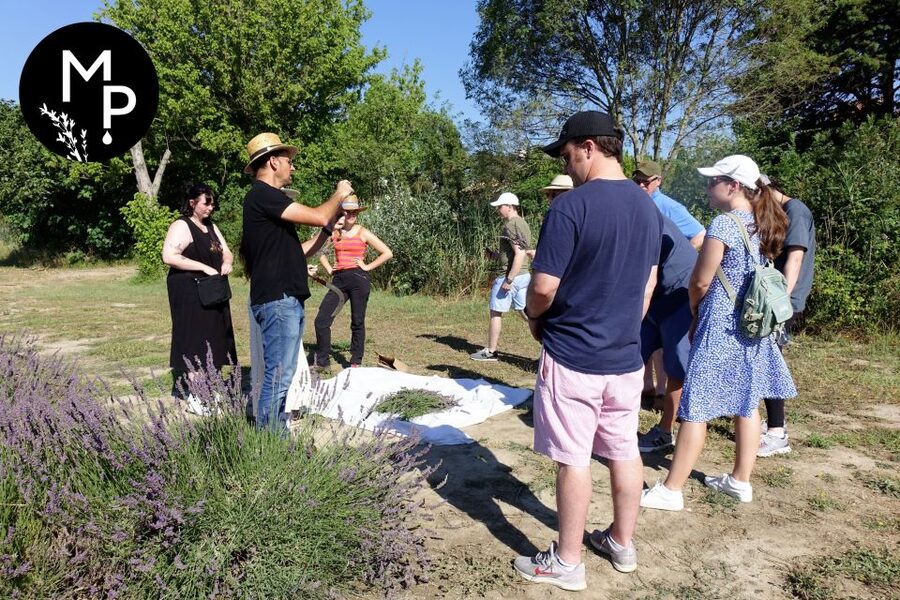
The first part of the visit takes you among aromatic plants. Lavender is the headline crop, but it shares the fields with rosemary, lemon verbena, roses, and other Provençal herbs.
Your guide encourages you to touch and smell the plants. That simple approach works well because many plants look modest until you rub a leaf between your fingers. The scent gives you a quick way to tell them apart, and the guide explains how each plant is used in perfume, cosmetics, and natural medicine.
This is also where the tour gains value for families. Children can take part without needing to sit through a long technical talk. A group ranging in age from 6 to 83 enjoyed the visit, and the guide kept the explanations lively and easy to follow.
You should still expect a working agricultural site, not a formal botanical garden. The appeal comes from direct contact with the plants and the useful explanation of what happens after harvest. If you want endless lavender rows for photographs, the season and weather will affect what you see.
Lavender normally makes its strongest visual impression earlier in the summer. By late July or August, some flowers may have been cut or may be past peak bloom. That does not cancel the visit, since the other plants, the still, the film, and the shop remain part of the experience, but photographers should plan with realistic expectations.
Around the still: where flowers become oil
The distillery gives the tour its central purpose. Around the still, you watch the oil extraction process and learn how steam moves through plant material. The steam carries the aromatic compounds, which are then separated into essential oil and floral water.
You do not need a technical background to follow this part. The guide explains the stages in plain language, and a commented video later shows the production process from start to finish. Seeing the equipment in person helps turn an abstract product into something understandable.
I especially like this section for visitors who wonder why a small bottle of organic essential oil costs more than a supermarket fragrance. The process requires careful growing, harvesting, distilling, and handling. The visit does not simply tell you that the oils are natural. It shows you the basic method behind them.
The experience also answers the alchemist promise in a practical way. You are not mixing mysterious potions, but you do see how heat, steam, flowers, and a still create a concentrated product. It is a tidy little lesson in traditional production with a modern retail finish.
The exact activity at the still can depend on the season and the day’s production schedule. The advertised experience promises a demonstration of extraction, so you should expect to see and understand the process, not necessarily watch a full commercial batch from loading to bottling.
The perfume bar and the short production film
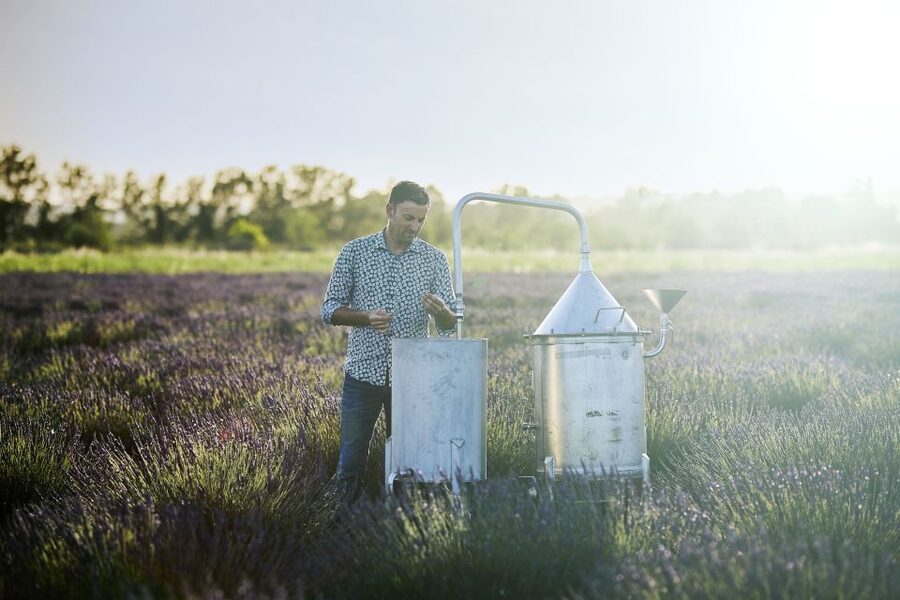
After the fields and distillery, the tour continues with scent identification. At the perfume bar, you can compare plant aromas and learn about their reported properties for the mind and body.
This is more useful than simply sniffing a row of finished products. It gives you a basic vocabulary for the scents and helps explain why rosemary feels different from lavender, or why verbena has such a distinct character. If you are considering a purchase, the exercise can help you choose something that suits your taste rather than grabbing the prettiest label.
The short film fills in the steps that may be hard to see during a one-hour visit. It covers the production process and gives you a clearer picture of how the farm moves from plants to oils and other goods.
The tour does not present itself as a medical consultation. Natural medicine is discussed as one traditional use of plants, while the shop staff can offer advice about the products. I would treat the information as an introduction, not as a substitute for professional medical guidance.
Same place, a different sort of green day out:
- Paris: Versailles Palace and Gardens Full Access Ticket
★ 4.6 · 41,579 reviews - Versailles: Skip-the-Line Tour of Palace and Gardens Access
★ 4.7 · 10,429 reviews - From Paris: Versailles Palace & Gardens with Transportation
★ 4.6 · 6,222 reviews - From Paris: Versailles Palace Guided Tour & Gardens Access
★ 4.7 · 3,574 reviews
The boutique: useful products, personal advice, and a café stop
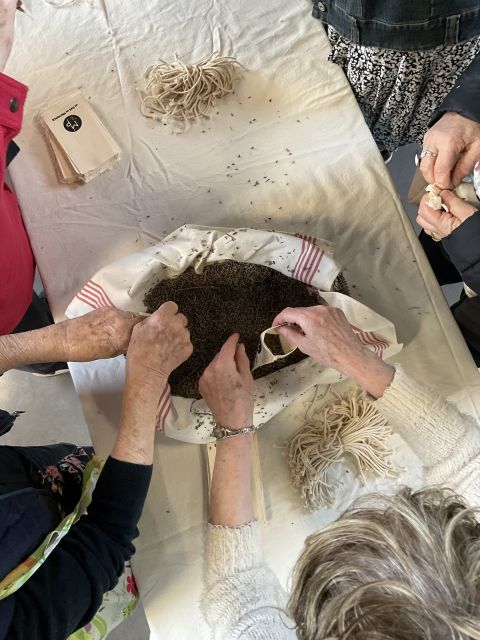
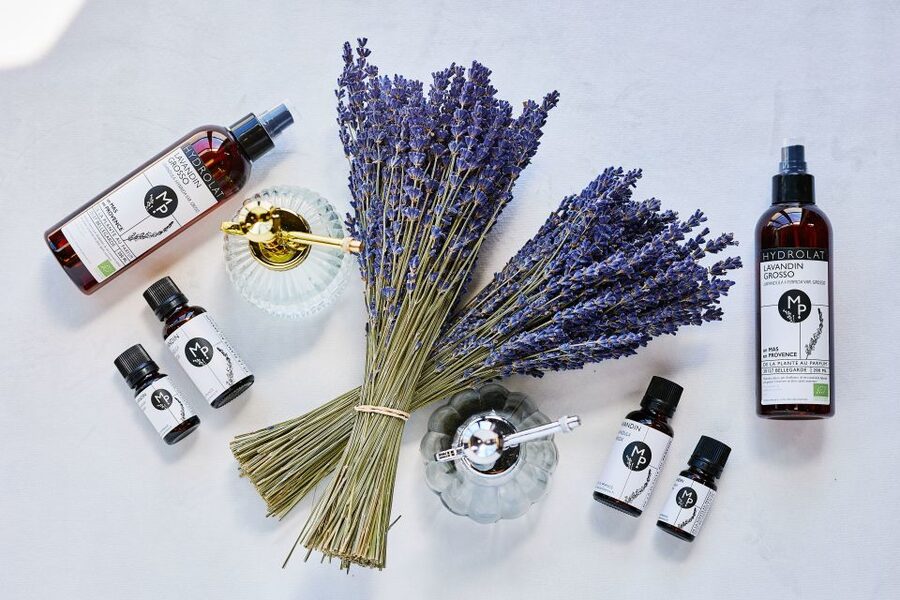
The boutique is both the meeting point and the final stop. It carries essential oils made by the farm, along with related natural products and items connected to perfume, cosmetics, and plant care.
You can ask staff for personal advice about the products. That is helpful if you want to understand the difference between an oil, a floral product, or a scented preparation before buying. The shop is not just a gift counter tacked onto the end of the tour. It is part of the farm’s effort to explain how the plants are used in everyday life.
Still, budget a little restraint. A low tour price makes it easy to think of the visit as a bargain, then spend more in the shop. You do not need to buy anything to get value from the fields and distillery.
Food and drinks are available to purchase on site, and picnic tables provide a place to sit. This makes the farm a practical pause during a driving route. It is not presented as a full restaurant, so treat the food option as a casual break rather than the main reason to come.
Guides who make a short tour work
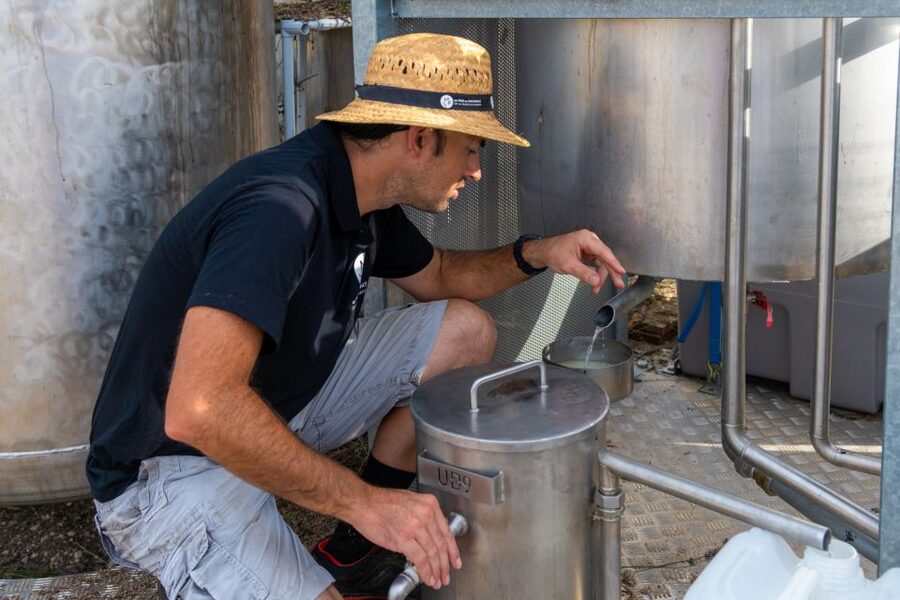
A one-hour visit succeeds or fails with the guide. Here, that seems to be one of the strongest parts of the experience.
Gaspard has been praised for making the plant explanations engaging, while Sylvain has guided mixed-language groups with ease and speaks several languages. Other guides, including Laura and Gaël, have also been described as warm, enthusiastic, and clear.
The important point is not a single guide’s personality. It is the way the staff connect farming, scent, production, and daily use without making the talk feel like a lecture. The guides also keep children involved, which is useful when your group includes different ages and attention spans.
English and French are the live tour languages. Optional audio guides are available in Spanish, Italian, Portuguese, and German. The live English departures listed for July and August are 10:30 and 15:30, with French departures at 10:00, 11:00, 14:30, and 16:30.
Check the current schedule before setting out. The listed times are seasonal, and availability can change.
How to reach the farm from Arles or Nîmes
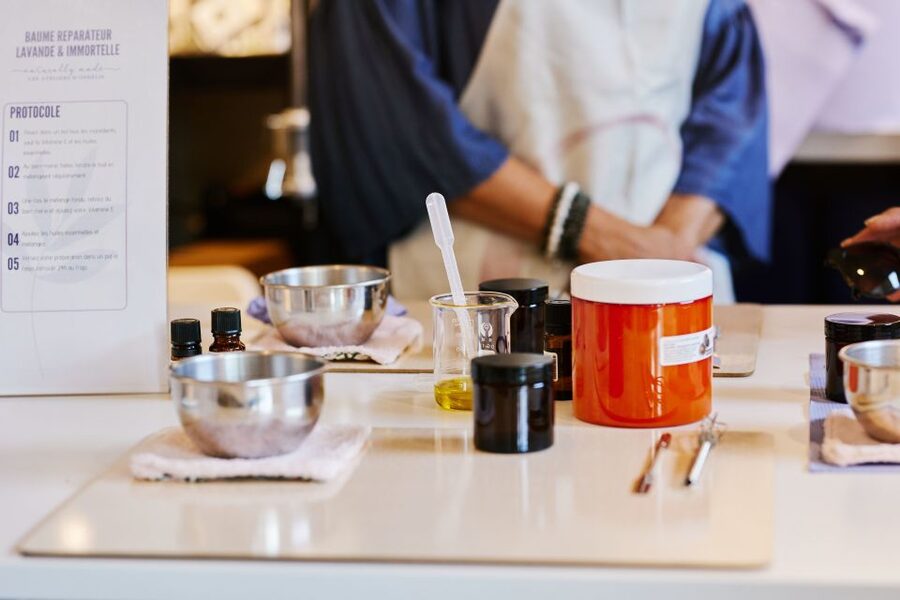
A car is the simplest way to visit. The distillery is about 15 minutes from Arles and 20 minutes from Nîmes, with free parking for cars and bicycles.
If you are driving between the two cities, this makes a sensible one-hour stop. You can leave your car, join the tour, browse the boutique, and continue without turning the visit into a major detour.
Public transport is possible, but it takes more effort. Bus line LIO number 130 runs between Arles and Nîmes and stops in Bellegarde at Magnolias. The fare is listed as €1.50. From the bus stop, you need to walk to the farm. The provided directions describe this walk as roughly 20 to 30 minutes, so I would plan for the longer estimate.
The bus is not frequent, and finding a taxi or rideshare for the return journey may be difficult because the farm is in the countryside. You can have lunch in Bellegarde while waiting for a later bus, but that adds time to what is otherwise a one-hour activity.
This is the clearest drawback. If you do not have a car, check both directions and the bus timetable before booking. The distance from Arles looks short on a map, but the return trip is the part most likely to cause trouble.
Timing, heat, and what to bring
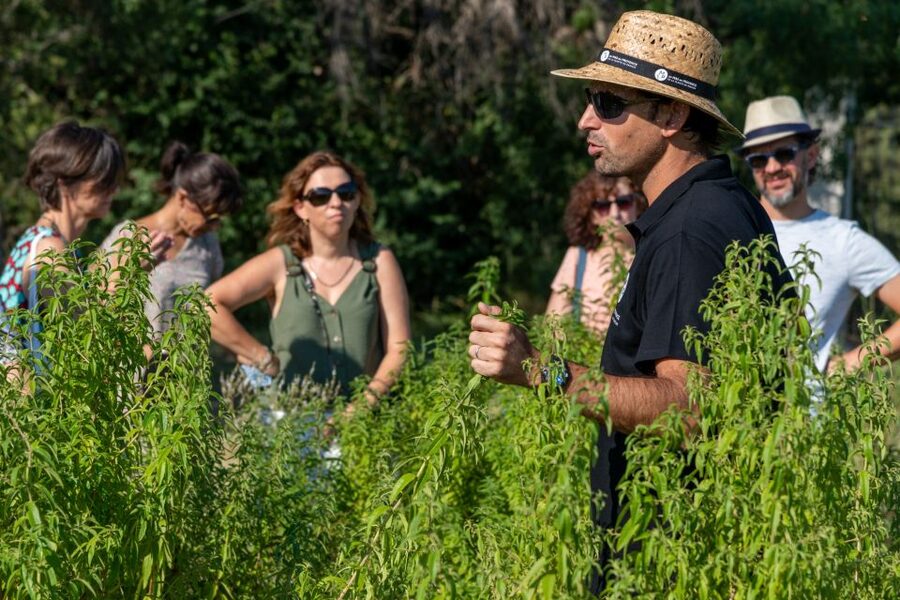
The fields offer little reason to rush, but summer heat can change how comfortable the visit feels. Wear comfortable shoes for the paths, bring a hat, and use biodegradable sunscreen.
The experience is wheelchair accessible, though the exact ease of moving through fields and around farm buildings may depend on conditions. If accessibility is important for your group, confirm the practical route when booking.
Morning can be a pleasant choice in July and August, especially if you want to avoid the strongest afternoon heat. The English options listed are 10:30 and 15:30, so you have a choice between a late morning and midafternoon start.
Lavender season also affects your expectations. Earlier summer usually gives you the best chance of seeing fuller blooms. A late-summer visit can still be worthwhile, but you should come for the whole working farm experience rather than for a perfect purple field alone.
Is $9 a fair price?
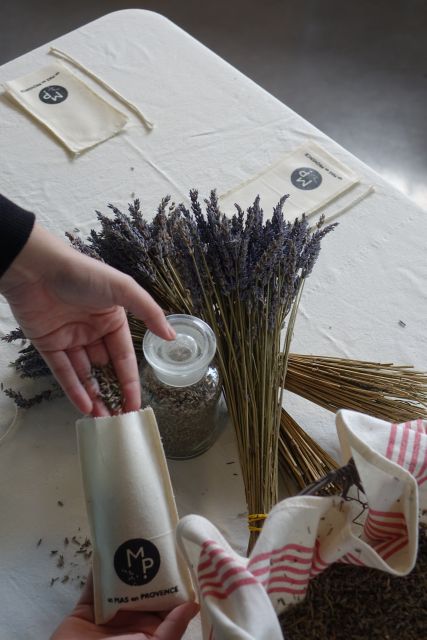
Yes. At $9 per person, the visit offers more than a quick field photo. The fee includes access to the flower fields, the guided explanation, the still demonstration, the production video, and the perfume bar.
The one-hour length also helps the value. You are not paying for a long attraction that takes half a day. You are paying for a compact lesson that fits into a larger Provence itinerary.
The price is especially fair for families, since the short format avoids the cost and fatigue of a major attraction. It also works for couples and solo visitors who want to understand local production rather than spend another hour browsing shops in town.
Your total cost can rise if you buy oils, cosmetics, food, or drinks. That is not a problem, but it helps to separate the affordable tour price from optional shopping.
Who should book this experience?
I would recommend it to anyone with a car who wants a practical stop between Arles and Nîmes. It suits visitors interested in essential oils, farming, perfume, natural products, and the everyday uses of Provençal plants.
Families should find the touch-and-smell approach easy to enjoy. The guides also seem comfortable with mixed ages and mixed languages. The distillery gives adults something solid to learn, while the fields and scent stations keep younger visitors involved.
It is less ideal if your only goal is a huge lavender field in peak bloom. It is also not the easiest choice for a spontaneous public transport outing. The bus fare is cheap, but the limited service and walk from Magnolias require planning.
The tour is available with free cancellation up to 24 hours before the start, and you can reserve now and pay later. Those options are useful if your route between Arles and Nîmes is still changing.
Should you book the lavender and distillery tour?
Book it if you want a short, affordable, hands-on look at how Provence’s aromatic plants become oils and scented products. The strongest reasons are the friendly multilingual guides, the real distillery demonstration, and the chance to smell the plants before seeing them in the shop.
Skip it if you have no practical way to get there or if you need peak lavender bloom for photographs. For drivers, though, this is an easy stop with free parking, a one-hour schedule, and enough substance to feel like more than a souvenir-shop visit.
FAQ
How long does the lavender and distillery tour last?
The guided tour lasts one hour. You may want extra time for the boutique, perfume bar, food, drinks, or picnic tables.
How much does the tour cost?
The listed price is $9 per person.
Where is the distillery located?
The farm and distillery are in the countryside near Bellegarde, about 15 minutes from Arles and 20 minutes from Nîmes by car.
Is parking available?
Yes. Free parking is available for cars and bicycles.
Can I reach the farm by public transport?
Yes. Bus line LIO number 130 stops in Bellegarde at Magnolias. From there, you need to walk approximately 20 to 30 minutes to the farm. The bus fare is listed as €1.50.
What languages are available?
Live tours are offered in English and French. Optional audio guides are available in Spanish, Italian, Portuguese, and German.
What should I bring?
Bring comfortable shoes, a hat, and biodegradable sunscreen.
Is the tour wheelchair accessible?
Yes, the activity is listed as wheelchair accessible.
Just added around France
- Versailles: Garden Private Guided Tour & Palace Entry Ticket★ 5.0 · 9 reviews
- Versailles: Tour of the Palace with Gardens & Trianon Option★ 4.8 · 13 reviews
- From Paris: Versailles Palace & Gardens Private Guided Tour★ 5.0 · 14 reviews
- Versailles Palace & Garden Tour in Van from Paris with Entry★ 4.4 · 6 reviews
- Versailles: Royal Palace & Gardens Private Golf Cart Tour★ 4.8 · 44 reviews
- Versailles Palace and Gardens Entry with Seine river Cruise★ 3.6 · 109 reviews
- Versailles: Palace & Gardens Guided Tour with Entry Tickets★ 4.8 · 132 reviews
- Versailles: Skip the Line Versailles Palace and Gardens Tour★ 4.0 · 25 reviews
Lavender Field Tours, compared.
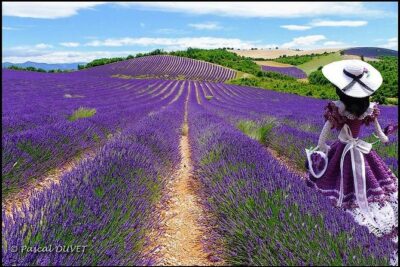
Gorges of Verdon and Fields of Lavender Tour
Read our review →
Provence Lavender Fields Tour from Aix-en-Provence
Read our review →
Browse the lists this tour appears in