
Review · FRANCE
Lavender picking & distillation between Nîmes–Arles
Follow the scent to its source. This 150-minute experience gives you a hands-on look at Provence, from traditional lavender picking with a sickle to steam distillation in an artisanal workshop. I like that you do real work in the field, and I like that you leave with your own bottle of hydrolat and essential oil. The main drawback is transport: the distillery is easiest to reach by car, and the nearest bus stop still requires a 30-minute walk.
You will learn with Gaël, the farmer, then move indoors to the still and take part in the extraction process. The activity costs $35 per person, which is a fair price for a guided field visit, practical instruction, and two personal souvenirs. Children under 10 cannot join, and comfortable shoes plus sun protection are important.
Key points about the lavender experience
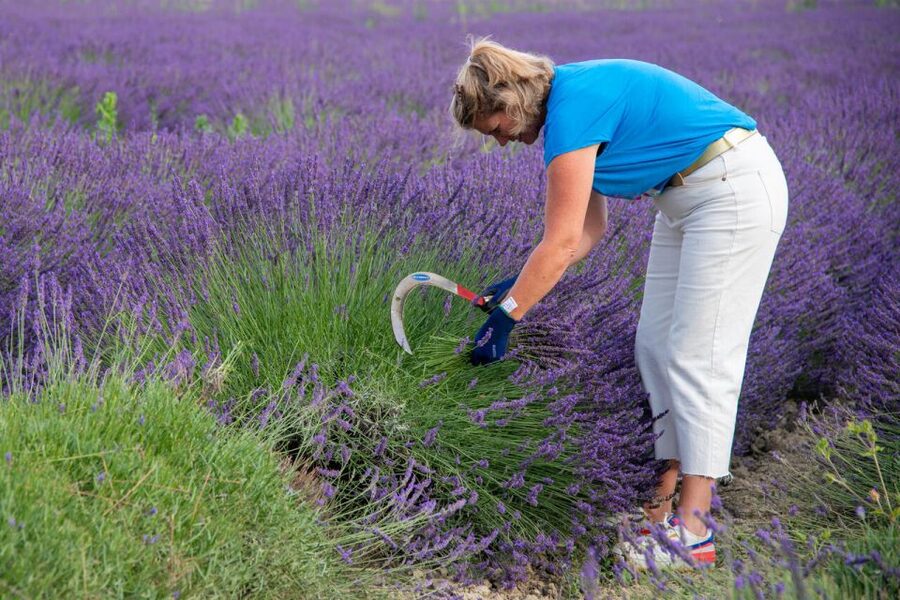
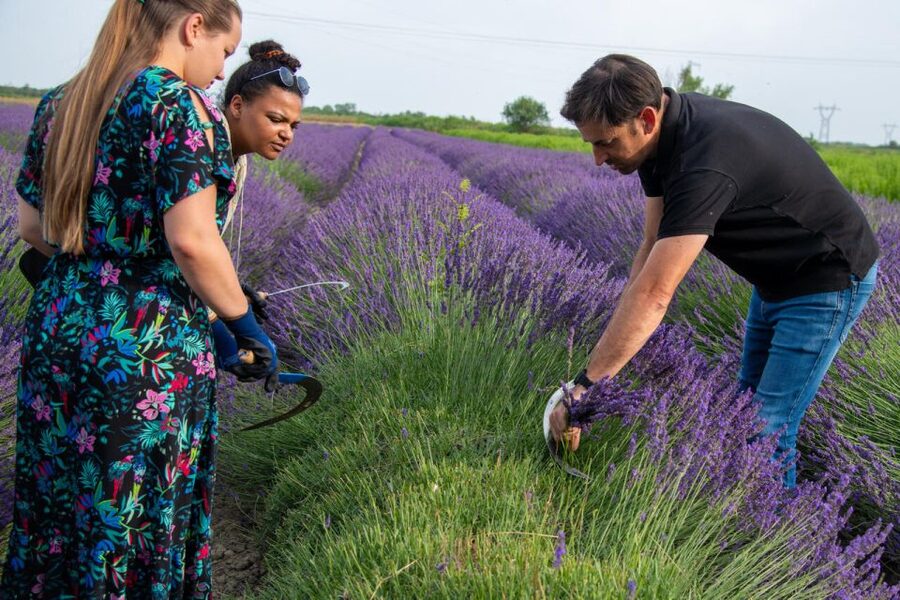
- Pick lavender with a traditional sickle: You learn the proper hand movement directly in the field with Gaël, rather than simply walking past rows of plants.
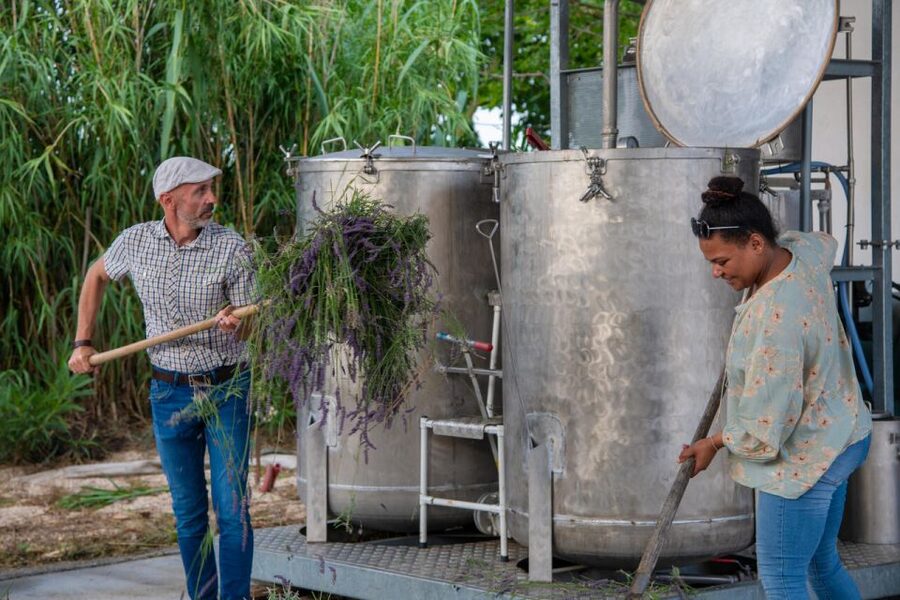
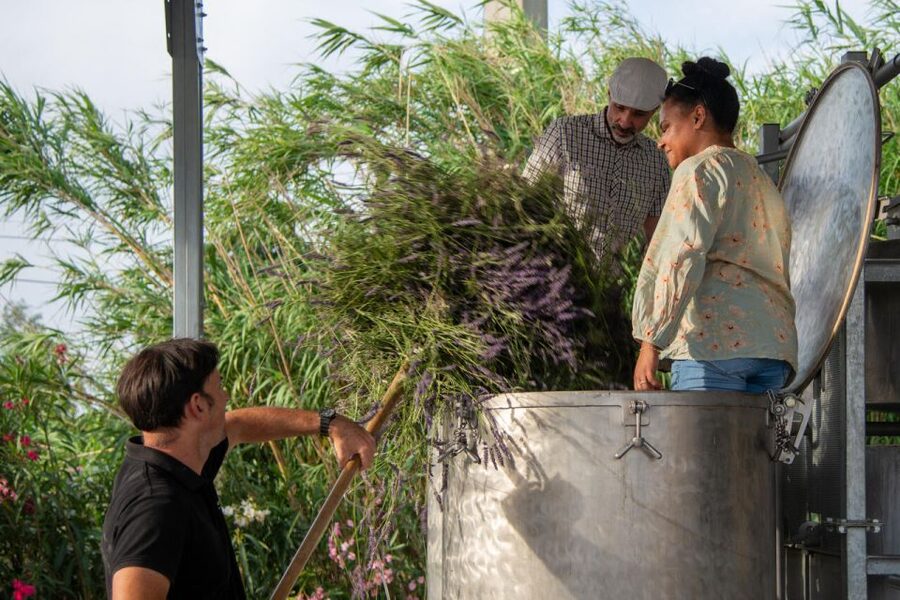
- Pack your flowers into the steam still: The unusual part of the visit comes when you help compact your picked plants into the still.
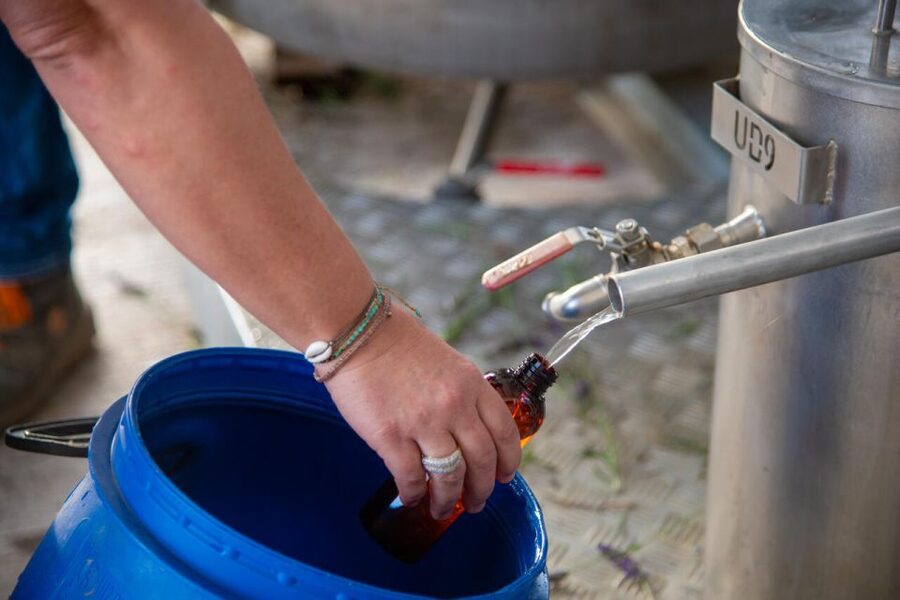
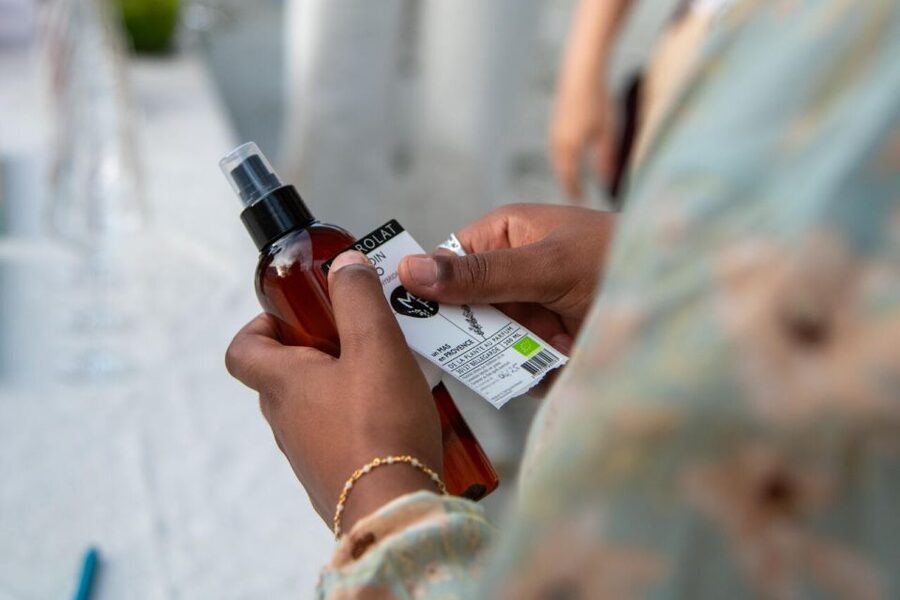
- Make two useful souvenirs: Your extraction produces both organic essential oil and floral water, also called hydrolat.
- Learn beyond the pretty purple rows: The guide explains cultivation, plant characteristics, perfumes, and uses in food, cosmetics, and health.
- Reachable from two major Provençal towns: The distillery is about 15 minutes by car from Arles and 20 minutes from Nîmes.
- A small tour with a friendly extra: A bottle of water and a piece of cake may be provided during the visit, a welcome touch in the summer heat.
Why this is more than a lavender photo stop
Lavender fields are easy to admire and easy to misunderstand. You see the purple color, smell the flowers, take a few pictures, and move on. This experience gives you the missing part: how the plant is grown, harvested, and turned into something you can use.
I like the balance between outdoor work and indoor demonstration. You spend time in the field learning by doing, then follow the plant into the distillery. That makes the process easier to understand than a standard talk or shop visit.
The experience lasts 150 minutes, or two and a half hours. That is long enough to cover the field, the equipment, and the extraction without turning the visit into a full-day commitment. If you are fitting Arles or Nîmes into a busy itinerary, the timing works well as a half-day outing.
The tone is practical. You are not only told that lavender has many uses. You learn about its cultivation, its characteristics, its perfumes, and its place in food, cosmetics, and health. The French and English language options also make the activity accessible to a wider range of visitors.
More Lavender Field Tours in France
- Nice: Gorges of Verdon and Fields of Lavender Tour
★ 4.5 · 2,707 reviews - Aix-en-Provence: Lavender Fields Visit
★ 4.1 · 421 reviews - Nice: Gorges of Verdon and Fields of Lavender Tour
★ 4.0 · 342 reviews
Picking lavender with Gaël in the field
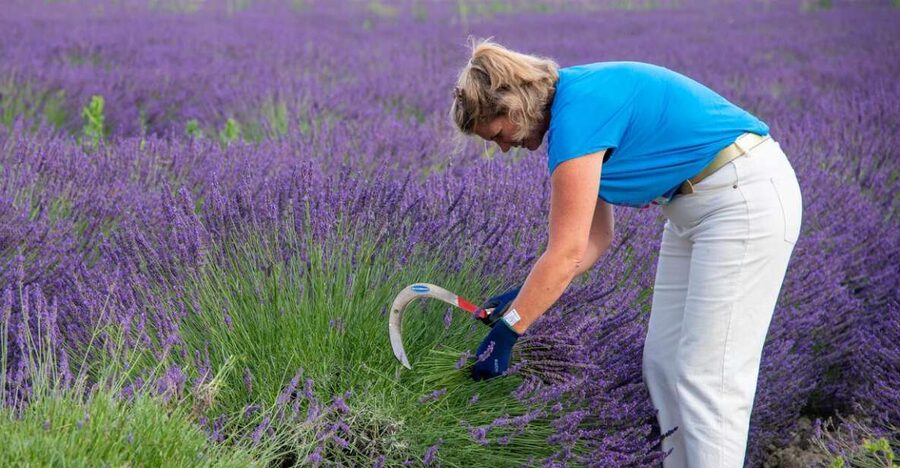
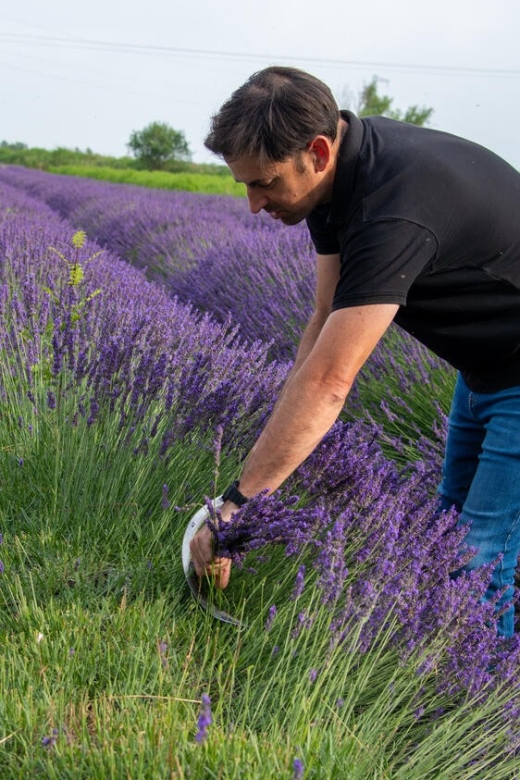
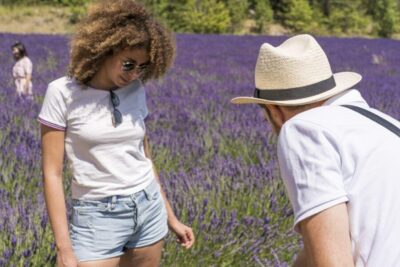
The visit begins outside, where you learn about aromatic plants in Provence and the character of the lavender flower. Gaël, the farmer, shows you how to use a traditional picker’s knife, also described as a sickle, and how to cut the flowers correctly.
This is the part I would value most if you want contact with working Provence rather than a polished attraction. You handle the tool, stand among the plants, and gather the material that will later go into the still. The field activity gives purpose to the rest of the visit because your own flowers become part of the extraction.
Expect the sun to be a factor. Bring sunscreen, wear comfortable shoes, and consider a hat even though one is not specifically listed among the required items. The supplied information only confirms sunscreen and comfortable footwear, but both are sensible choices for a field visit in southern France.
The activity is not suitable for children under 10. That rule makes sense because the program includes a traditional cutting tool, outdoor walking, and work around distillation equipment. Families with older children should still decide based on the child’s comfort with a practical activity rather than a passive tour.
From freshly picked flowers to the steam still
After the field, you move into the artisanal distillery. Here, the guide explains how steam passes through the plant material and separates the fragrant products. The central piece of equipment is the still, and you take part rather than watching from a distance.
One especially memorable step is compacting the flowers inside the still. The description uses playful language about jumping with the team to pack the plants tightly. The point is simple: the flowers need to be placed and compacted properly before the extraction begins.
This makes the distillery portion lively and physical. You are not just looking at shiny equipment or hearing a technical lecture. You help prepare the plant material, then see how the picked flowers become essential oil and hydrolat.
The hands-on approach also helps explain why the final bottles matter. You are not buying a generic lavender product from a shelf. You have handled the flowers, watched them enter the still, and followed the process to its end.
Understanding essential oil and hydrolat
The extraction produces two different results. The essential oil is the concentrated aromatic product, while hydrolat is the floral water created during the same process. You keep a bottle of your own extracted hydrolat and essential oil.
The value here is not only the souvenir. You leave with a better sense of how plants can be processed for different uses. The visit covers food, cosmetics, and health, so you can connect the scent in the field with products you may already use at home.
Do not expect a large commercial production facility. This is presented as an artisanal distillery, which means the appeal comes from seeing a local process at close range. If you want factory scale, complex machinery, or a long technical seminar, this may feel small. If you want to understand a traditional product through direct participation, the scale is a strength.
The souvenirs are also more personal than a standard shop purchase. You get a bottle of hydrolat and essential oil made during your visit. That gives the experience a clear ending and provides a useful reminder of the day.
Same place, a different sort of green day out:
- Paris: Versailles Palace and Gardens Full Access Ticket
★ 4.6 · 41,579 reviews - Versailles: Skip-the-Line Tour of Palace and Gardens Access
★ 4.7 · 10,429 reviews - From Paris: Versailles Palace & Gardens with Transportation
★ 4.6 · 6,222 reviews - From Paris: Versailles Palace Guided Tour & Gardens Access
★ 4.7 · 3,574 reviews
What the $35 price really covers
At $35 per person, the cost is reasonable for the amount of guided activity. You receive a walk through the lavender fields, instruction with the traditional knife, a tour of the distillery, an explanation of organic essential oil extraction, and the two bottles to take home.
Many farm visits charge mainly for access and scenery. Here, the price includes participation in several stages of production. I particularly like that the field work and distillery work are connected, since the plants you pick are not just decorative material for a demonstration.
A bottle of water and a piece of cake may also be offered during the visit. That is a small detail, but it matters on a warm day, especially after working outside. It adds a friendly, informal touch without changing the main value of the activity.
The price does not include transport to the site, so factor that into your budget. By car, the distillery is about 15 minutes from Arles and 20 minutes from Nîmes. Those short driving times make it an easy add-on if you already have a rental car.
Getting there from Arles or Nîmes
Driving is the simplest option. The location is close enough to both Arles and Nîmes for a short outing, but the exact meeting point is outside the towns, so allow time for the drive and for finding the property.
Public transport is possible from Arles. Bus line Lio number 130 leaves from the bus station in Arles, travels toward Nîmes, and stops in Bellegarde at the Magnolias stop. The fare is listed as €1.50.
The catch is the final walk. From the Magnolias stop, you face about 30 minutes on foot to reach the MAS. That may be manageable in mild weather, but it is less appealing under the strong summer sun or if you are carrying bags. Check the bus schedule carefully and allow extra time before the start.
The transport details make this activity better suited to visitors with a car, a taxi plan, or a strong interest in making public transport work. I would not book it at the last minute without checking the return journey.
Timing, language, and practical comfort
The total duration is 150 minutes, with starting times based on availability. The tour guide speaks French and English, so you can follow the explanations in either language.
Wear shoes you can walk and work in. The field portion is not described as a demanding hike, but comfortable footwear is still important because you will move between the field and distillery and handle the picking activity.
Bring sunscreen. This is not a detail to ignore, especially if your visit takes place during the hotter part of the day. The outdoor section is central to the experience, so you should plan for direct sun before you reach the shade of the distillery.
The activity has free cancellation up to 24 hours before the start, and you can reserve now and pay later. That gives you some flexibility while planning around weather, transport, and your larger Provence schedule.
Who will enjoy this most
I would choose this for adults and children over 10 who like making things, learning a local craft, and coming home with a small product connected to the visit. It suits curious visitors who want more than photographs of lavender rows.
It is also a good match for anyone interested in natural products. The discussion of food, cosmetics, and health gives the experience a wider purpose, especially if you already use essential oils or floral waters.
Couples and small groups should find the activity easy to share because the work is interactive. The light physical element adds a little fun, while the guide’s instruction keeps it from feeling confusing.
I would think twice if you have limited mobility, dislike outdoor heat, or want a completely passive sightseeing stop. The provided information does not give accessibility details, so you should ask the provider directly if you have specific mobility needs.
This is also not a standard child-focused attraction. The age limit is 10, and the use of a sickle and distillery equipment means the activity requires attention. Older children who enjoy practical tasks may have a great time, but younger children cannot participate.
Should you book the lavender distillation visit?
I would book it if you are based in Arles or Nîmes, have access to a car, and want a genuine hands-on activity for about half a day. The strongest reasons are the field picking with Gaël, the unusual chance to help load the still, and the two bottles you take home.
At $35, the experience offers more than a scenic walk. You learn a local process from plant to product, and the souvenir is tied directly to your own visit. The perfect five-star rating from the available feedback also fits the main strengths: an interesting activity, an interactive field component, good value, and a keepsake at the end.
I would skip it if you only want a quick photo stop, cannot manage sun and walking, or are relying on public transport without planning the 30-minute walk from Bellegarde. For everyone else, this is a pleasant, practical way to connect the famous Provence lavender with the work behind it.
FAQ
How long does the lavender picking and distillation experience last?
The activity lasts 150 minutes, or two and a half hours. Starting times depend on availability.
How much does the activity cost?
The listed price is $35 per person.
Can I take home anything from the extraction?
Yes. You keep your own extracted bottle of hydrolat and your own essential oil.
Is the tour offered in English?
Yes. Live tour guidance is available in French and English.
How do I reach the distillery without a car?
Lio bus line 130 leaves from the Arles bus station and stops in Bellegarde at Magnolias. The fare is €1.50, followed by a walk of about 30 minutes to the MAS.
What should I bring, and can young children join?
Bring sunscreen and comfortable shoes. Children under 10 are not allowed to participate.
Just added around France
- Versailles: Garden Private Guided Tour & Palace Entry Ticket★ 5.0 · 9 reviews
- Versailles: Tour of the Palace with Gardens & Trianon Option★ 4.8 · 13 reviews
- From Paris: Versailles Palace & Gardens Private Guided Tour★ 5.0 · 14 reviews
- Versailles Palace & Garden Tour in Van from Paris with Entry★ 4.4 · 6 reviews
- Versailles: Royal Palace & Gardens Private Golf Cart Tour★ 4.8 · 44 reviews
- Versailles Palace and Gardens Entry with Seine river Cruise★ 3.6 · 109 reviews
- Versailles: Palace & Gardens Guided Tour with Entry Tickets★ 4.8 · 132 reviews
- Versailles: Skip the Line Versailles Palace and Gardens Tour★ 4.0 · 25 reviews
Lavender Field Tours, compared.
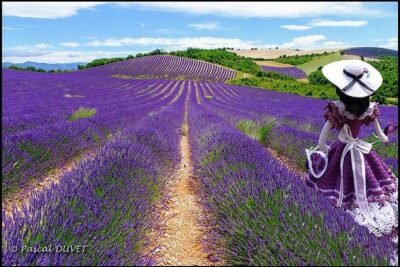
Gorges of Verdon and Fields of Lavender Tour
Read our review →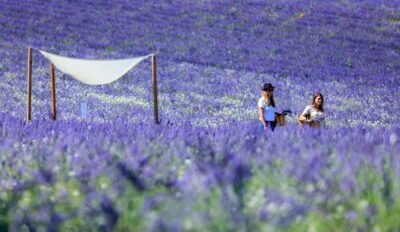
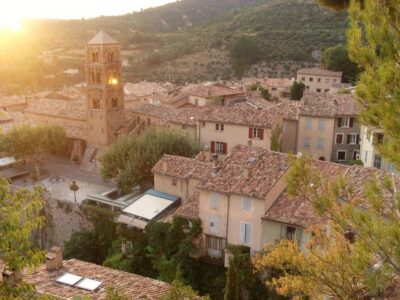
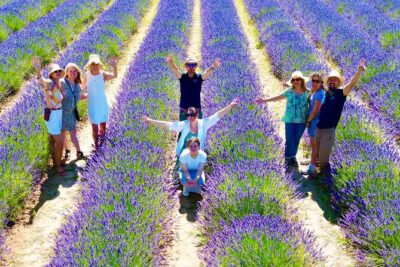
Provence Lavender Fields Tour from Aix-en-Provence
Read our review →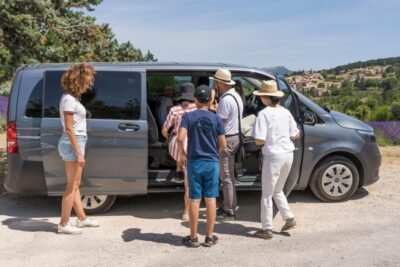
Browse the lists this tour appears in