
Review · NETHERLANDS
Leiden: Hortus botanicus Leiden Entry Ticket
Plant lovers have a fine excuse to slow down. This €14 entry ticket opens the oldest botanical garden in the Netherlands, founded in 1590, where the first tulips in Europe were grown. I like the mix of outdoor paths and warm glasshouses, and I especially like the chance to see rare plants from Southeast Asia, including tropical orchids and carnivorous species. The main drawback is seasonal: in winter, the outdoor beds can feel quiet, though the glasshouses remain a strong reason to visit.
I also like that you can explore at your own pace rather than follow a fixed tour. A visit usually takes about an hour and a half, making it easy to fit between Leiden’s other sights. Just keep your expectations sensible: this is a botanical garden, not a large amusement attraction, and the $14 price makes the most sense if you take time with the plant collections.
Key points to know before you go
- Founded in 1590: You are walking through the oldest botanical garden in the Netherlands, with a direct link to the arrival of tulips in Europe.
- Strong Southeast Asian collection: Tropical orchids and other plants create a warm, jungle-like break from Dutch weather.
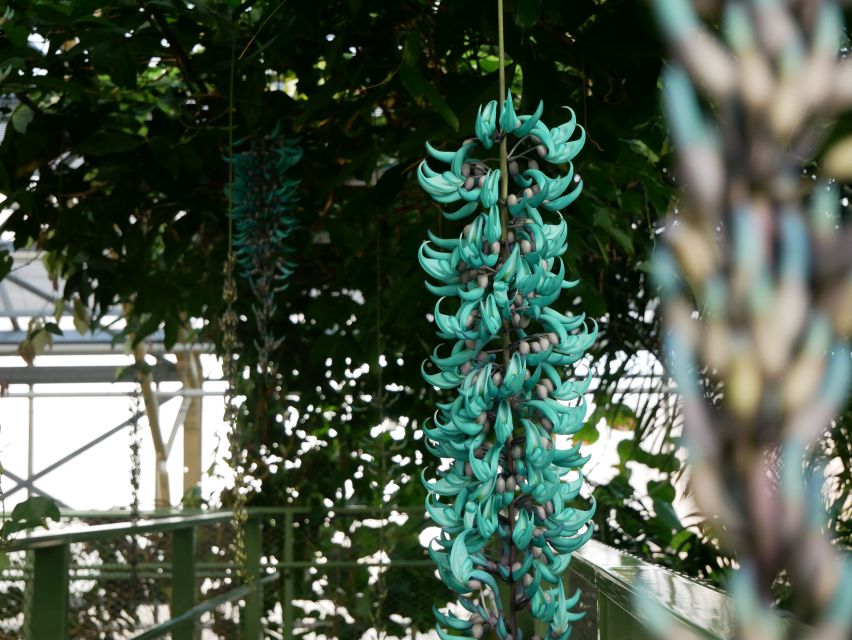
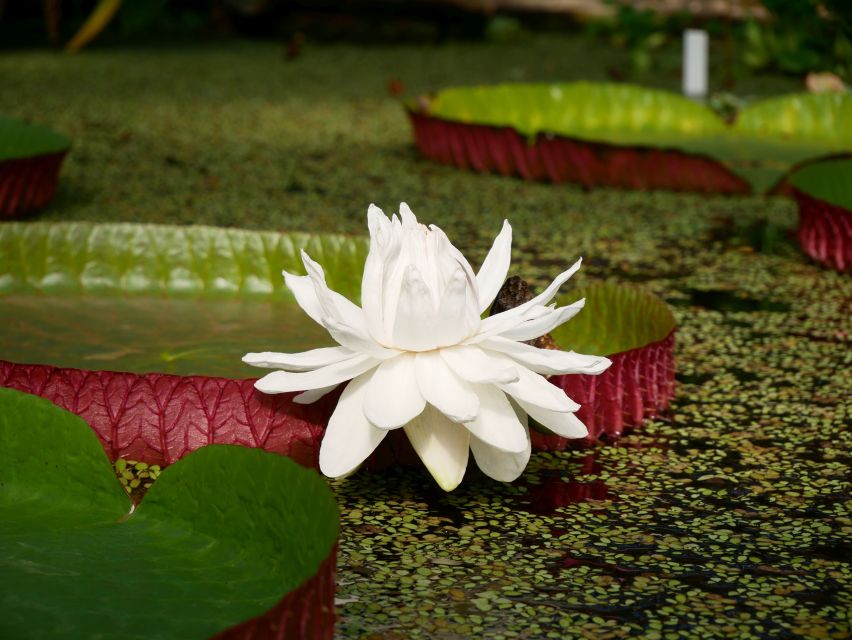
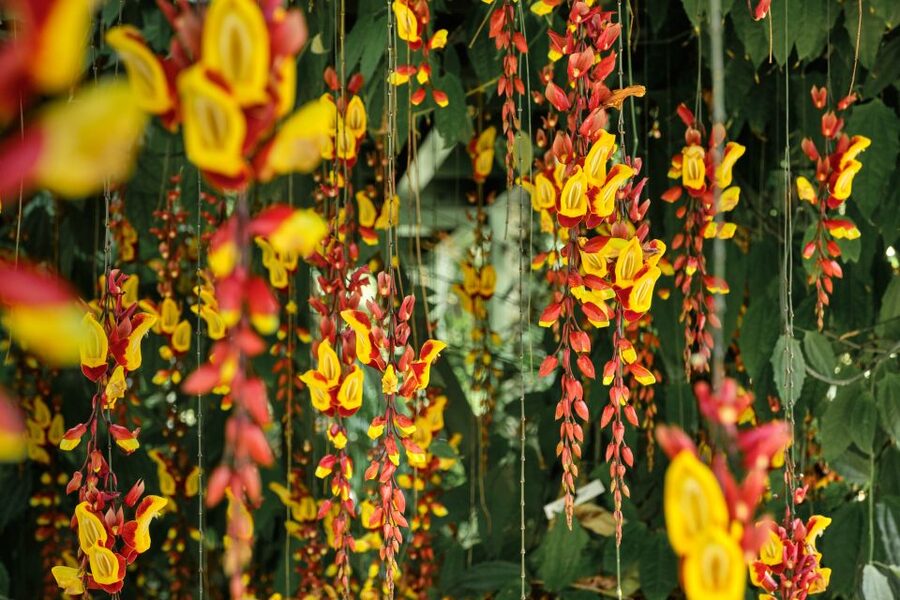
- Seasonal highlights change: The Jade Vine usually flowers in March and April, Victoria amazonica from June through September, and the Chinese Lotus in July.
- Glasshouses matter in poor weather: They offer shelter and much of the garden’s interest during rainy or cold seasons.
- Ancient trees add scale: Nearly 30 trees grow here, with some more than 100 years old.
- Easy, flexible visit: The ticket is valid for one day, the garden is wheelchair accessible, and Dutch and English assistance is available.
Why Leiden’s oldest garden still feels fresh
Hortus botanicus Leiden began in 1590 as a place for plant study. That age is not just a line on a sign. It gives the garden a sense of continuity, especially when you walk beneath trees that have been growing for more than a century.
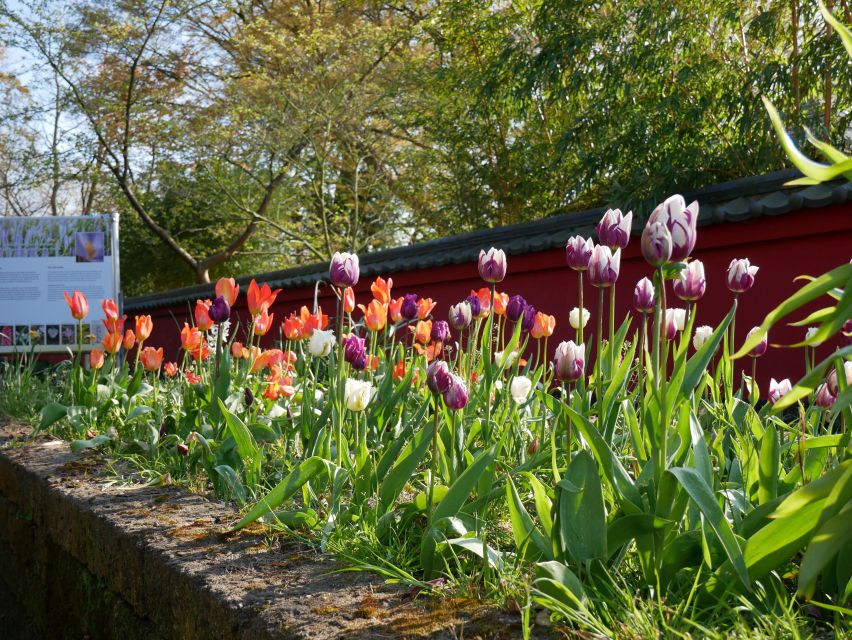
The tulip connection adds another memorable layer. The first tulips in Europe were grown here, making this a useful stop for anyone interested in how plants moved between continents, gardens, and cultures. You do not need to be a botanist to enjoy the story. The garden turns a simple walk into a look at trade, scientific study, and horticultural experiment.
I find the setting most appealing because it avoids the feeling of a single grand display. Instead, you move between different plant worlds. One section may feel formal and historical, while another places you among tropical leaves, orchids, or plants designed to catch insects.
The garden is also compact enough for a relaxed visit. Plan on roughly 90 minutes, though you can stay longer if you read labels carefully, pause in the glasshouses, or stop at the café. If you are trying to fill an entire day with major sights, this is better treated as a calm half-day ingredient rather than your only activity.
More Tickets in the Netherlands:
- From Amsterdam: Keukenhof Ticket with Transfer
★ 4.4 · 4,089 reviews - From Amsterdam: Keukenhof Gardens Ticket and Transfer
★ 4.5 · 2,741 reviews - Utrecht: De Haar Castle + Gardens Entry Ticket
★ 4.7 · 1,838 reviews
Starting at the Front Garden and new glasshouse
Your visit begins at the front gate after exchanging the ticket. The Front Garden is a useful introduction because it gives you a first look at the garden’s mix of history and modern plant display.
The recently built glasshouse is one of the most practical parts of the visit. It gives you shelter when Dutch weather turns wet, and it holds plants that cannot live outdoors in the local climate. In February, for example, the outdoor garden may offer less color, but the glasshouses can still provide plenty to see. One recent visit in heavy rain found the indoor collections especially useful for this reason.
This is worth keeping in mind when you choose your date. In spring and summer, outdoor flowers add more color and variety. In autumn, the old trees provide a beautiful setting for a walk. In winter, the visit depends more heavily on the indoor displays, so allow enough time to enjoy them rather than making a quick lap outside.
The Clusius Garden and the story of early plant collecting
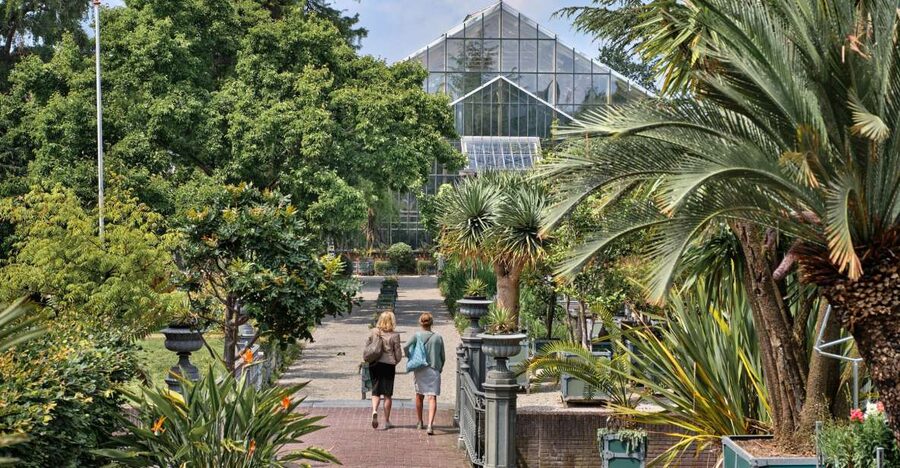
The Clusius Garden connects the modern Hortus to its early years. Its name refers to Carolus Clusius, the botanist associated with the garden’s early development and with the introduction of tulips to the Netherlands.
You can expect a more historical, arranged feel here than in the tropical houses. The value is not only visual. This area helps explain how botanical gardens worked as places for identifying, growing, and exchanging plants. The display gives the tulip story a physical setting, rather than leaving it as a fact in a guidebook.
I would take your time here if you enjoy gardens with a sense of origin. If you mainly want large flowers and dramatic tropical plants, this section may feel quieter. That contrast is part of the experience, though. Hortus botanicus Leiden is at its best when you accept that some parts reward curiosity more than spectacle.
The Japanese Garden and a long exchange with Japan
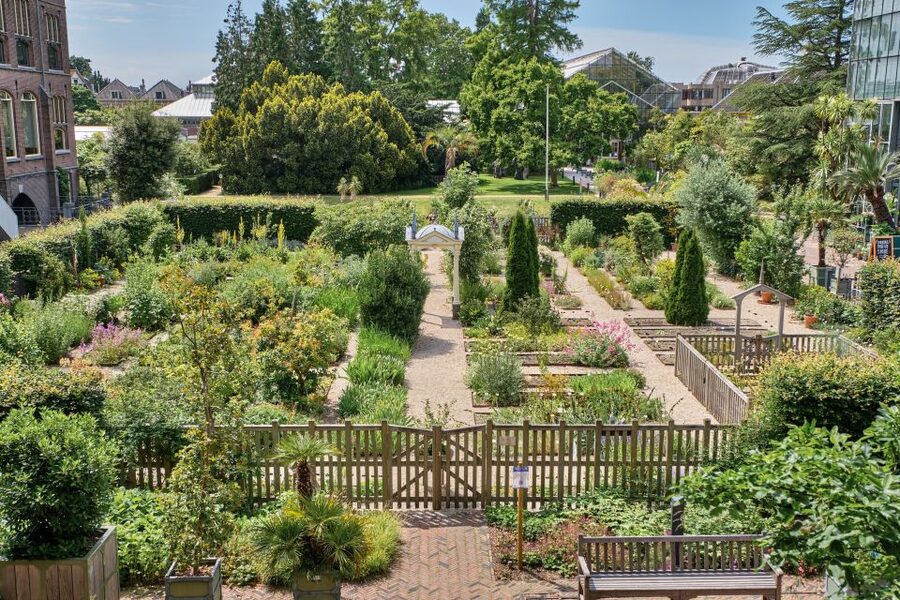
The Japanese Garden shows the historical exchange of plants between Japan and the Netherlands. It offers a change of mood from the formal front areas and the enclosed tropical collections.
You can use this part of the garden as a slower walking section. The appeal comes from the arrangement, the plant choices, and the connection between two countries that developed a long botanical exchange. It is a good place to pause after the more information-heavy historical areas.
The garden does not need to be large to be worthwhile. If you appreciate careful planting and quieter spaces, this may be one of the most pleasant stops. If you are visiting during a season when flowers are limited, do not judge the whole experience by this area alone. Its interest comes from design and cultural connection as much as from color.
Same place, a different sort of green day out:
- Amsterdam: Keukenhof Entry & Shuttlebus with Flexible Return
★ 4.7 · 11,891 reviews - Amsterdam: Tour to Keukenhof Gardens with Windmill Cruise
★ 4.5 · 2,819 reviews - Amsterdam: Day Tour Keukenhof and Zaanse Schans Windmills
★ 4.5 · 1,549 reviews - Amsterdam: Keukenhof and Zaanse Schans Live Guided Day Tour
★ 4.6 · 1,089 reviews
Tropical orchids and Southeast Asian plant life
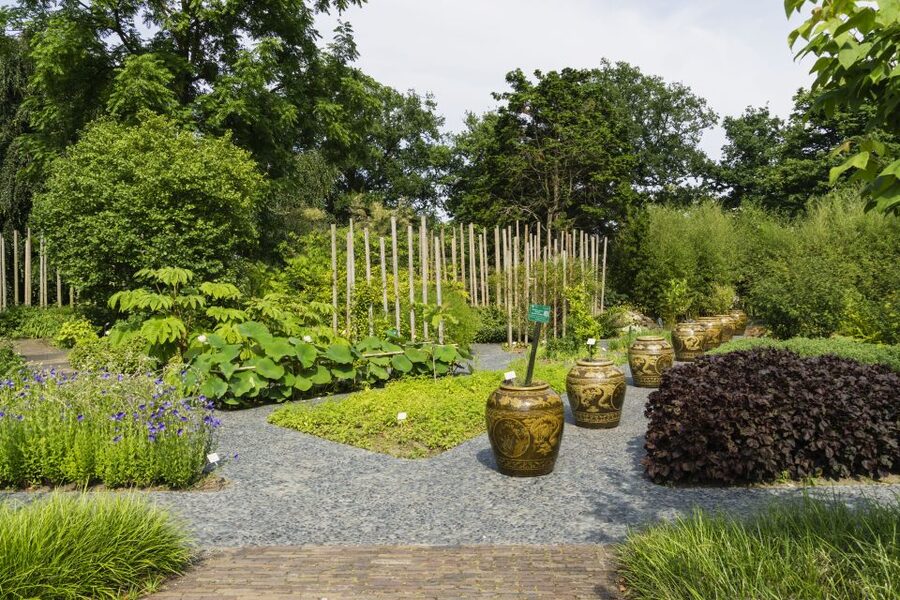
The tropical collection is likely to be the highlight for many people. Hortus botanicus Leiden focuses heavily on plants from Southeast Asia, and the glasshouses create a warm setting that feels far removed from the streets of Leiden.
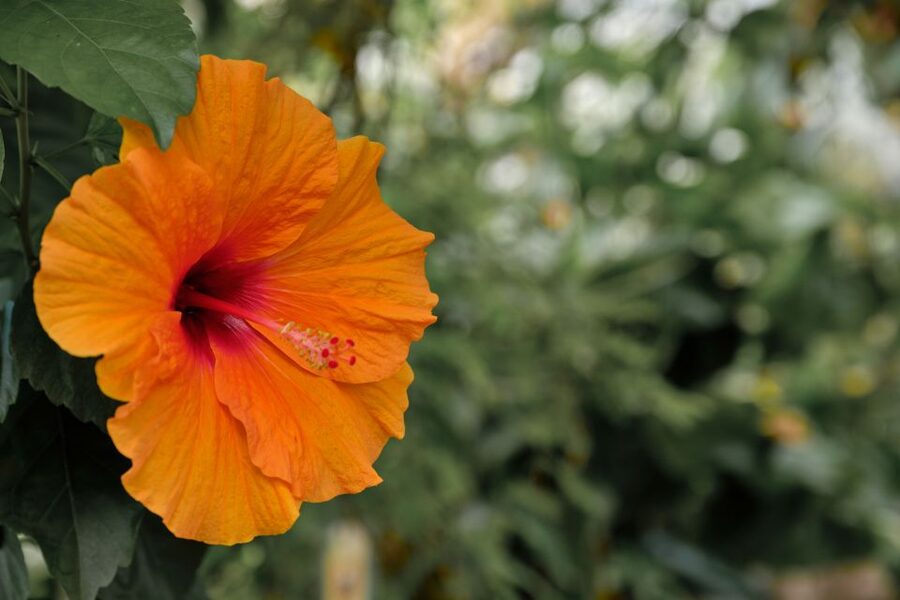
The orchid collection gives you plenty of close-up detail. Orchids can look delicate, strange, or almost artificial, and the tropical setting helps explain the conditions they need. You may also see other plants that create a jungle-like atmosphere, with large leaves and dense growth arranged under glass.
This is where the garden works especially well on a rainy day. You can step indoors, get out of the downpour, and still spend a useful part of your visit looking at plants from around the world. I would not rush through the glasshouses simply because you have already seen the outdoor paths. They are not just a backup for bad weather. They are one of the garden’s central attractions.
The Southeast Asian focus also gives the collection a clear identity. You are not looking at a random assortment of houseplants. You are seeing plants connected to a particular part of the world, alongside species gathered for study and conservation.
Carnivorous plants and rare species
The carnivorous plant collection adds a little drama. These plants survive by catching insects, so they provide a welcome change from the gentler image of a botanical garden.
You can expect unusual forms and adaptations rather than one big showpiece. This section suits curious children and adults who like to understand how plants survive in difficult conditions. It also helps break up the visit, since the garden moves between beauty, history, and biological oddity.
Rare tropical orchids and endangered plants give the collection a more serious purpose. You are not only seeing attractive specimens. You are also looking at plants that face pressure in the wild and may require careful cultivation to survive.
The supplied information does not promise that every rare plant will be flowering during your visit. That matters. Botanical gardens change constantly, and labels or collections may be more rewarding at one time of year than another. You should visit for the overall collection, not a guarantee that one particular plant will look perfect.
Seasonal plants worth timing your visit around
Hortus botanicus Leiden has several seasonal highlights. If one of these is important to you, plan around its usual flowering period:
- The Jade Vine generally flowers in March and April.
- Victoria amazonica, a giant water lily, generally flowers from June through September.
- The Chinese Lotus generally flowers in July.
- Spring brings flowering bulbs.
- Autumn brings color beneath the old monumental trees.
These dates are useful guides, not promises. Weather and growing conditions affect flowering, so you should treat them as the best windows rather than fixed appointments.
The Victoria amazonica and Chinese Lotus are especially good reasons to visit in summer, when the outdoor and aquatic displays have more seasonal interest. Spring may suit you if you want bulbs and the first strong burst of color. Autumn is better for a quiet walk beneath the old trees.
If you visit in February or another wet, cold month, the outdoor areas may feel sparse. One benefit is that the glasshouses become more important, offering shelter and a more reliable collection of tropical plants. Bring a flexible attitude, because this garden changes with the calendar.
Ancient trees and the quieter outdoor paths
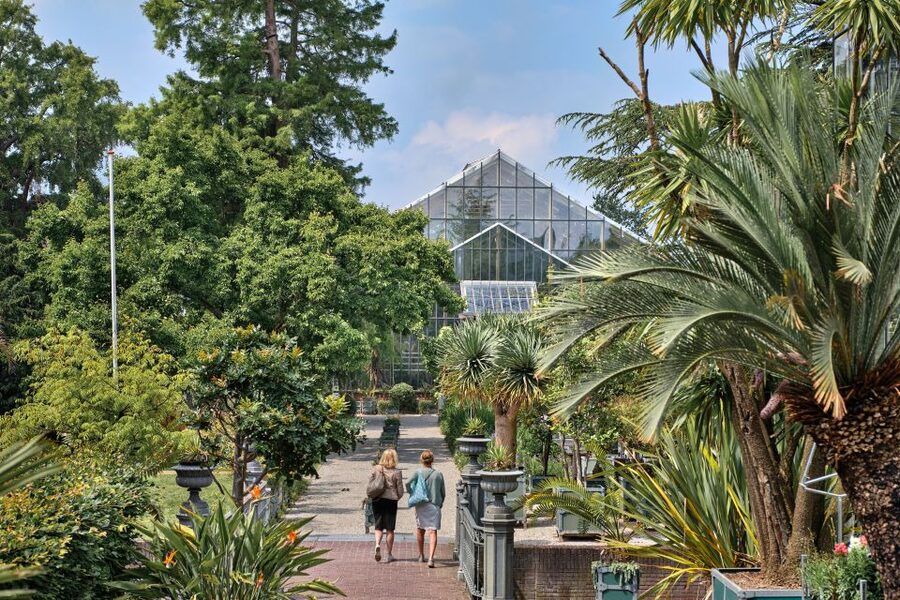
Nearly 30 trees grow within the garden, and some are more than a century old. They give the outdoor areas a sense of size and age that newer plantings cannot copy.
I like these trees because they make the garden more than a collection of flower beds. You can walk beneath them, slow down, and notice how the mature planting shapes the space. In autumn, the trees should be particularly appealing, with seasonal color and fallen leaves adding texture to the paths.
The outdoor experience is naturally less dependable than the indoor one. Flowering plants come and go, and winter can make the garden look restrained. Still, the old trees retain their value across seasons. If you want an outdoor stroll rather than a list of rare species, allow time for this section.
How much value do you get for $14?
At $14 per person, this is a fair price if you enjoy plants, gardens, or quiet cultural stops. The ticket covers entry to the botanical gardens, and you can spend about 90 minutes exploring without being pushed through a set program.
The value is strongest when you combine several parts of the garden: the historical areas, Japanese Garden, glasshouses, tropical orchids, carnivorous plants, seasonal displays, and old trees. If you only make a quick outdoor walk in winter, the price may feel less convincing.
You should also remember that food and drinks are not included. The Grand Café is available before you leave, but you pay separately. The souvenir shop gives you another small stopping point, though neither is part of the admission value.
The overall score provided for the experience is 3.6 from 88 reviews, which suggests a mixed but generally usable experience rather than a must-see for everyone. I would read that as a reminder to match the garden to your interests. Plant lovers are more likely to feel satisfied than visitors seeking constant activity.
Timing, access, and practical planning
The ticket is valid for one day, with starting times shown when you check availability. You can explore independently, and Dutch and English assistance is available.
The garden is wheelchair accessible, which makes it a practical choice for many visitors. The information provided does not specify the exact condition of every path or section, so you may still want to confirm details if you have particular mobility needs.
Free cancellation is available up to 24 hours before the visit for a full refund. You can also reserve now and pay later, which helps if your Leiden plans are still changing.
I would allow at least 90 minutes. Give yourself more time if you want to read the plant information, linger in the tropical houses, stop at the café, or visit the shop. A rainy day is not necessarily a bad day here. The indoor collections can carry much of the visit when the outdoor paths are less inviting.
Who should book the Hortus botanicus Leiden ticket?
I would recommend this experience to plant lovers, garden enthusiasts, families with an interest in nature, and anyone wanting a calm break from larger city sights. It also suits you if you enjoy places that combine history with living collections.
The ticket is less suitable if you want a fast-paced attraction, a guided tour, or a guaranteed display of flowers. The visit is self-directed, and the best parts depend on the season.
You should book if you can appreciate small details, unusual plants, and the pleasure of walking slowly. The strongest plan is to pair a historical garden visit with time in the glasshouses, especially if the weather is uncertain.
FAQ
Where is Hortus botanicus Leiden located?
It is located in Leiden, in South Holland, Netherlands.
How much does entry cost?
The listed price is $14 per person.
How long does a visit usually take?
The suggested visit takes about an hour and a half, although you can spend longer in the garden, glasshouses, café, or shop.
Is the ticket valid for more than one day?
The ticket is valid for one day.
What is included in the ticket?
Entry to the botanical gardens is included.
Are food and drinks included?
No. Food and drinks are not included, though the garden has a Grand Café.
Is the garden wheelchair accessible?
Yes, the experience is listed as wheelchair accessible.
What languages are available?
Dutch and English are available.
When does the Jade Vine usually flower?
The Jade Vine usually flowers in March and April.
Can I cancel for a full refund?
Yes. You can cancel up to 24 hours in advance for a full refund.
Just added around the Netherlands
- Warmond: Kagerplassen Cruise with “Tulip Experience” Ticket★ 4.3 · 9 reviews
- Warmond: Windmill Cruise and Keukenhof Entry Ticket★ 4.5 · 133 reviews
- From Amsterdam: Tulip Fields of Holland Tour★ 4.9 · 20 reviews
- Professional Photoshoot at Private Tulip Field★ 5.0 · 7 reviews
- Enjoy the tulip fields by bicycle with a local guide! Tulip bike tour!★ 4.5 · 51 reviews
- Taking Pictures in the Tulip Field at De Tulperij★ 4.5 · 35 reviews
- Enjoy the Tulips in a Landrover with a local guide★ 5.0 · 4 reviews
- Keukenhof – spring garden from Rotterdam, Delf & The Hague★ 4.5 · 3 reviews
Netherlands Garden Tours, compared.

Keukenhof Entry & Shuttlebus with Flexible Return
Read our review →

Tour to Keukenhof Gardens with Windmill Cruise
Read our review →

Day Tour Keukenhof and Zaanse Schans Windmills
Read our review →
Keukenhof and Zaanse Schans Live Guided Day Tour
Read our review →
Keukenhof and Zaanse Schans Windmills Guided Day Trip
Read our review →Browse the lists this tour appears in