
Review · MARRAKECH
Marrakech: Medina, Souks, Artisans Guided Tour with Mint Tea
Marrakech’s souks reward a good guide. This 3 to 4 hour walk takes you from Jemaa el-Fna through the medina’s craft quarters, with stops for leather, dyed wool, metalwork, spices, and mint tea. I like the focus on working artisans rather than just shop displays, and I like that the guide teaches you how to bargain instead of leaving you to guess at every price. The $18 cost is excellent for a small-group outing, though the route involves a long walk and is not a good match for anyone with serious mobility limits.
The tour also gives you a useful first look at Marrakech’s maze-like market streets. Guides such as Ishmael and Saïd have been praised for patient answers and strong knowledge of the city, while one French-speaking participant especially enjoyed the mix of smells, colors, and stories. Just keep your shopping expectations sensible: workshop visits can lead to sales pitches, and the exact garden or monument stops may vary.
Key points to know before you book
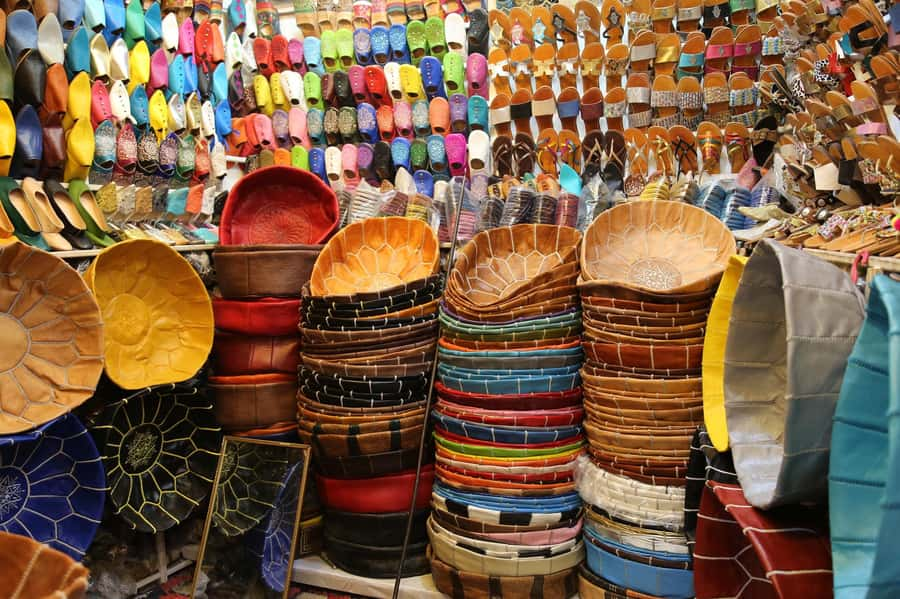
- A craft-focused route: You visit leather sellers, wool dyers, metalworkers, and spice merchants rather than simply walking past souvenir stalls.
- A practical bargaining lesson: Your guide can help you understand how to negotiate and identify useful handmade items.
- Mint tea with local context: The tea break is not just a refreshment stop. It explains an important part of Moroccan social life.
- A long walking session: Good shoes matter. One participant specifically warned that the walk is longer than it may first appear.
- Private or small-group choices: You can select a private option, with pickup from a riad inside the medina, or meet at Café de France.
- A low-cost introduction: At $18 per person, the tour offers strong value if you want orientation, shopping help, and cultural context in one morning or afternoon.
Starting at Jemaa el-Fna
The meeting point is in front of Café de France in Jemaa el-Fna, the large square at the heart of Marrakech. It is an easy place to identify, but give yourself enough time to find the café and guide. The activity provider sends the guide’s name, meeting point, and practical tips by WhatsApp a day or two before the walk.
The square is a good starting place because it gives you a quick sense of Marrakech’s public life before you enter the narrower medina. Your guide begins with sightseeing and a short photo stop, then leads you toward the lanes beyond the square.
If you are staying in a riad inside the medina and choose the private option, pickup can take place at your riad reception. Transportation is not included, so you need to reach the meeting point yourself unless that riad pickup applies.
Other gardens people visit around Marrakesh:
- Marrakesh: Majorelle Garden Entry Tickets
★ 4.5 · 9,651 reviews - Marrakech: Majorelle Garden, YSL, and Berber Museum Entry
★ 4.6 · 5,168 reviews - Marrakech: Ben Youssef, Secret Garden, & Souks Walking Tour
★ 4.6 · 2,802 reviews
Into the medina’s narrow lanes
The first section introduces the medina itself. Instead of treating it as a backdrop, the guide explains how the market streets connect and how different trades have traditionally gathered in separate quarters.
That orientation matters. Marrakech’s old city can feel confusing even when you have a map, with small lanes branching away from the main routes. A guide helps you notice the difference between a main shopping street and a quieter passage that you might otherwise walk past.
Expect walking rather than riding. The group moves through crowded market areas, pauses for explanations, and stops for photographs. The pace should suit people who like to look closely, but it is not a short sightseeing loop. Wear supportive shoes, carry water, and avoid bringing more than you want to manage in busy lanes.
Souk Semmarine and the leather craft
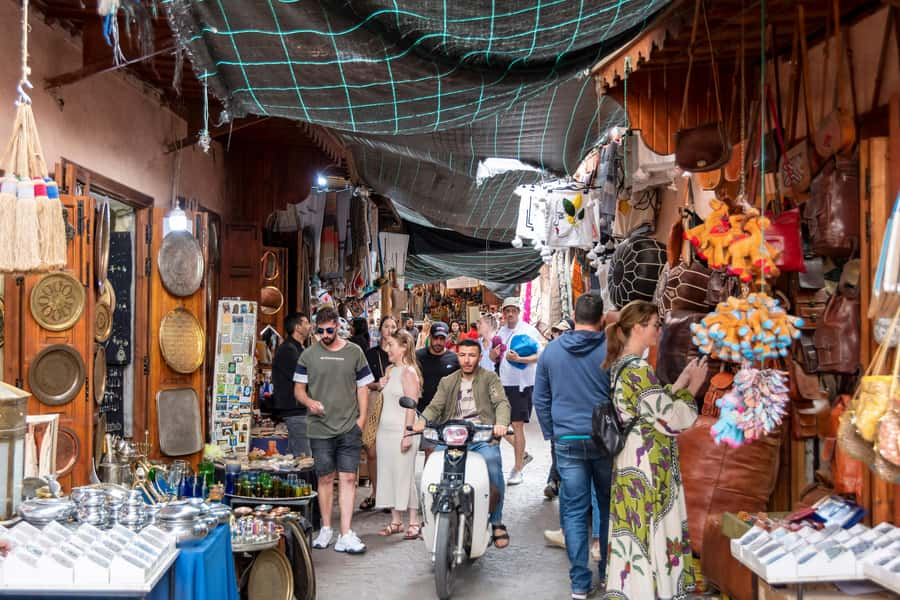
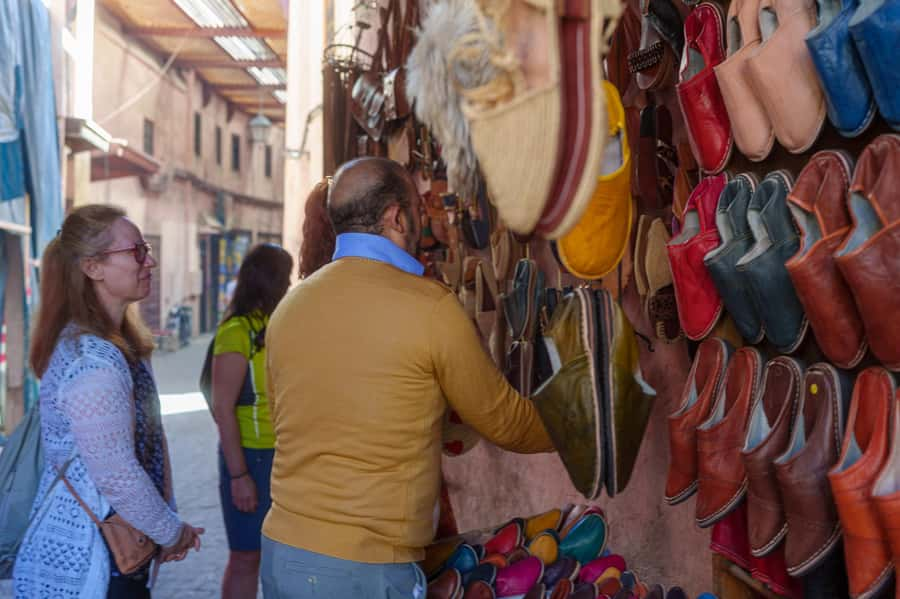
Souk Semmarine is one of the main market streets in the medina. Here you see leather goods, textiles, slippers, belts, and bags, with the guide explaining how Moroccan craft traditions shape the products on display.
This is one of the more useful parts of the tour if you plan to shop. You can ask about the difference between handmade and mass-produced items, look at stitching and finishing, and get a better sense of what a fair price might be before making a purchase.
The route also introduces Morocco’s leather-making tradition, including the craftsmanship behind babouche slippers. You should still inspect anything you might buy. Ask about materials, check the seams, and take your time before agreeing to a price. A guide’s advice can reduce guesswork, but it does not replace your own judgment.
The main drawback is that shopping streets can bring pressure to buy. You are free to browse, and the guide offers recommendations, but you should feel comfortable saying no. The best souvenirs are the things you would still want after leaving the medina.
Souk El Attarine and the scent of the market
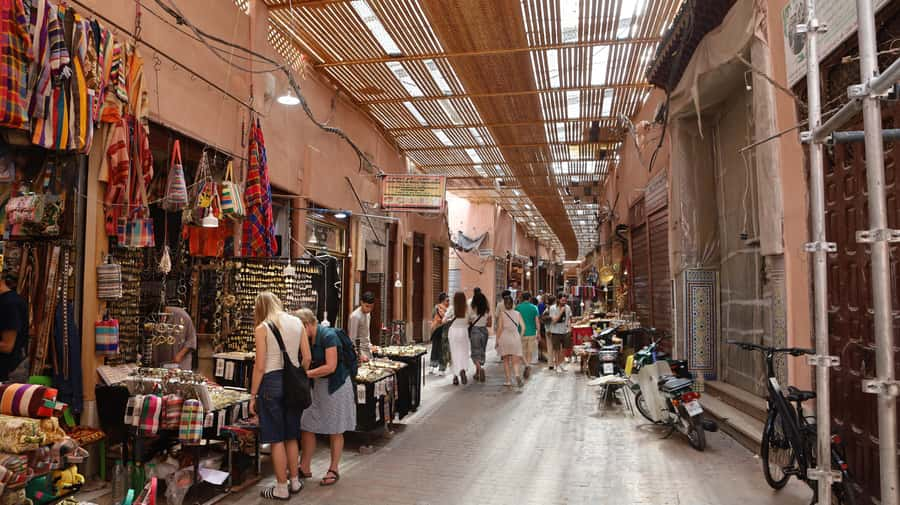
The walk continues through Souk El Attarine, another shopping area with traditional crafts and local products. This is a good place to pay attention to the sensory side of the medina: leather, wood, spices, wool, and metal all create different smells and sounds within a short distance.
The guide can help explain the purpose of products that may look unfamiliar. That is more helpful than simply hearing a list of shop names. If you are buying gifts, ask for recommendations based on use and quality rather than appearance alone.
Keep your wallet secure and avoid pulling out large amounts of cash in crowded lanes. Cash is important for purchases, but it is best carried in small amounts that make bargaining easier.
Same place, a different sort of green day out:
- Marrakech: Madrassa Ben Youssef, Secret Garden & Medina Tour
★ 4.8 · 1,303 reviews - Marrakech: Majorelle & Menara Garden Tour and Carriage Ride
★ 4.5 · 692 reviews - Marrakech: André Heller’s ANIMA Garden Ticket
★ 4.7 · 637 reviews - Marrakech: Majorelle Garden Entry Tickets Online
★ 4.4 · 515 reviews
The dyers’ quarter and colorful wool
Souk Sebbaghine, also called the dyers’ quarter, is one of the most memorable stops. Brightly colored wool hangs overhead as artisans work with traditional dyeing methods passed down through generations.
The value here is seeing the process rather than only seeing the finished scarf or textile. You get a better idea of how much handwork goes into Moroccan fabrics and why color, texture, and finish can vary from one item to another.
This stop also gives the guide room to explain Morocco’s textile traditions. If you are interested in rugs, scarves, or woven goods, this is the time to ask direct questions about fibers, production, and care.
The overhead wool makes for strong photos, but the lanes can be tight. Be mindful of other people and of workers moving materials through the area. This is a working quarter, not a staged exhibit.
Mint tea and a welcome pause
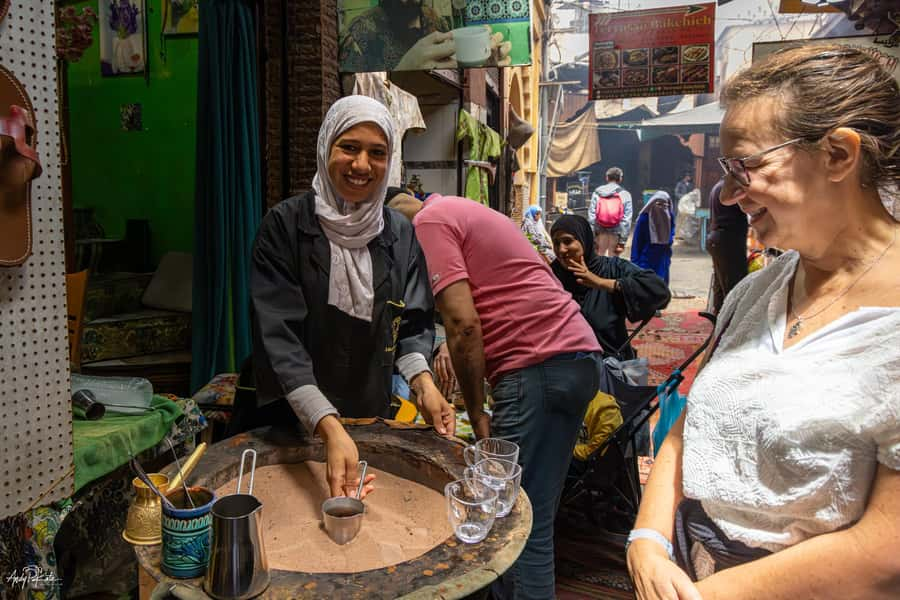
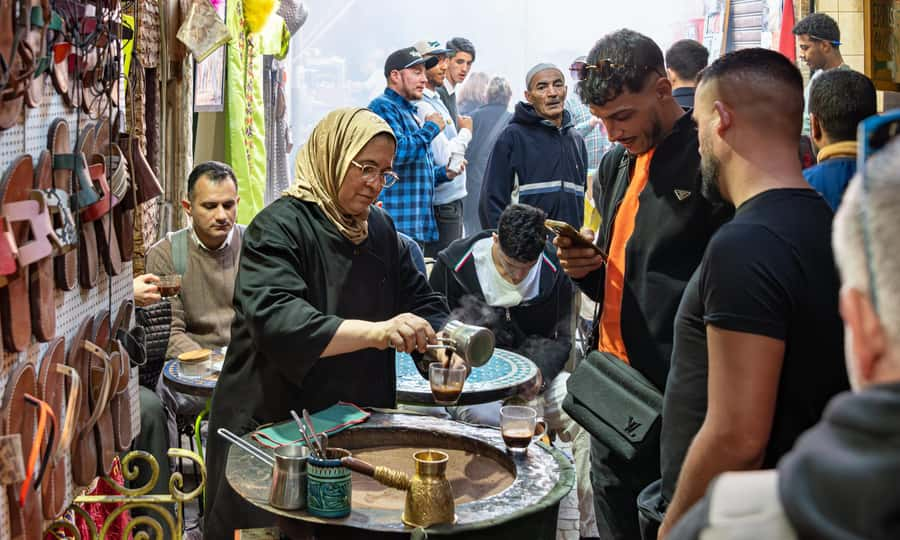
After the souks, the tour includes a mint tea break at a quiet terrace or authentic spot in the medina. The pause lasts long enough to rest your feet and take in what you have seen.
The tea itself is part of the lesson. Your guide explains its role in Moroccan hospitality and everyday social life, so the stop feels connected to the culture rather than added as a generic refreshment break.
This pause is especially useful during hot weather or after several hours on foot. The tour information advises bringing your own water as well. Mint tea is welcome, but it should not be your only drink during a long walk.
The blacksmiths’ quarter
Souk Haddadine, the blacksmiths’ quarter, changes the mood again. Here you watch metalworkers shape tools and decorative objects using traditional methods.
The sound and movement of the workshops make this section feel different from the textile and leather stops. You may see objects being made rather than simply arranged for sale, which gives you a clearer sense of the skill involved.
If you are shopping for lanterns, metal decorations, or household pieces, look closely at construction and finish. Ask how an item was made and how it should be transported. Larger pieces may be difficult to carry, so small decorative objects are often more practical for a short visit.
The workshops are also a reminder that the medina is still a place of work. Follow the guide’s instructions, keep clear of tools and materials, and do not block narrow doorways while taking photographs.
Rahba Lakdima and the Spice Square
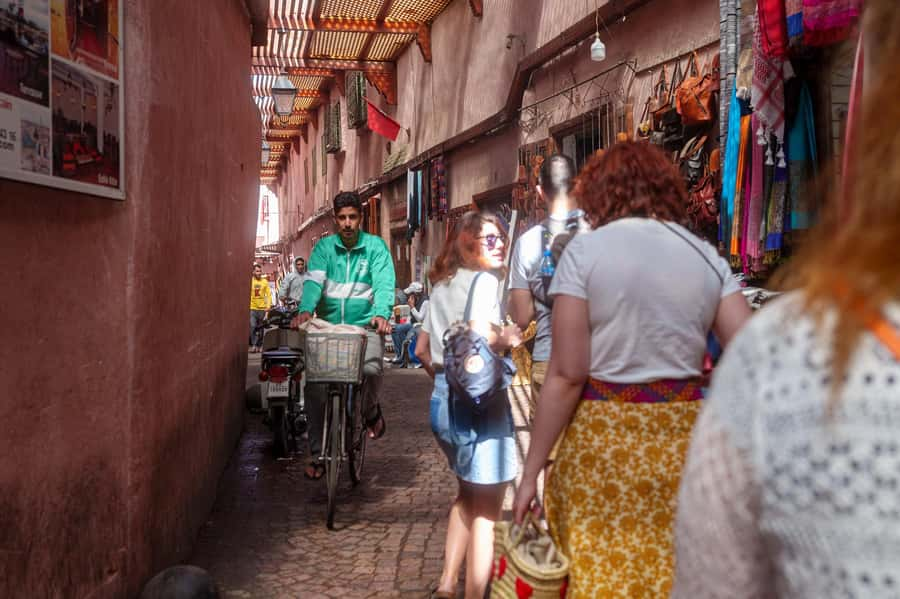
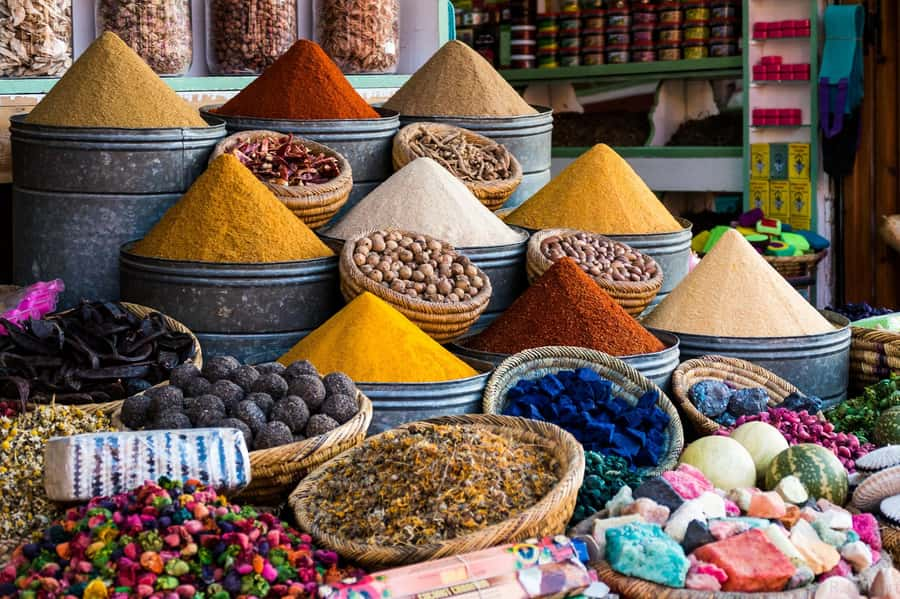
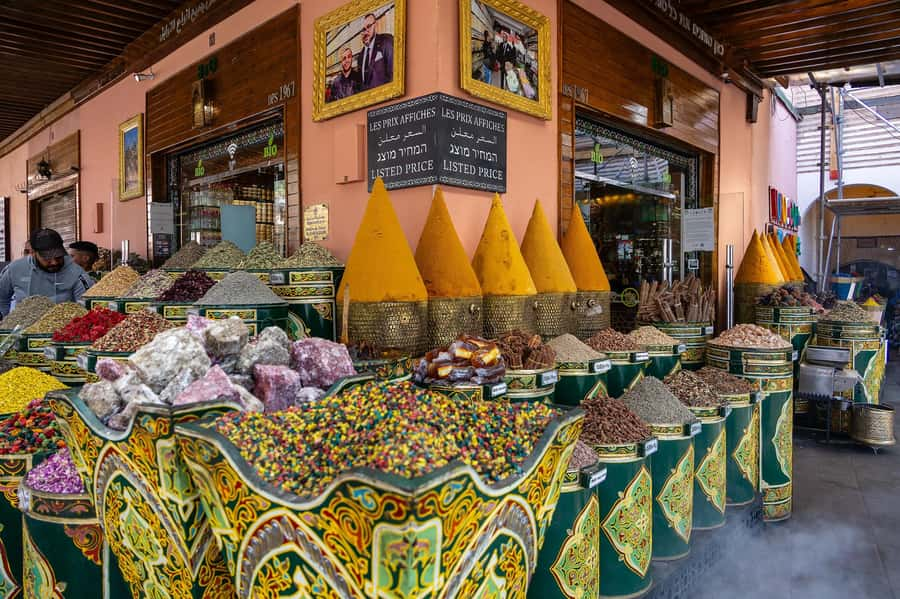
The guided walk ends at Rahba Lakdima, often called Spice Square. Stalls here display spices, herbs, argan oil, and natural products.
This is a useful final stop because it brings food and household traditions into the tour. Your guide can explain how Moroccan spices are used in cooking and daily life, while also helping you recognize authentic argan oil and understand the uses of local herbs.
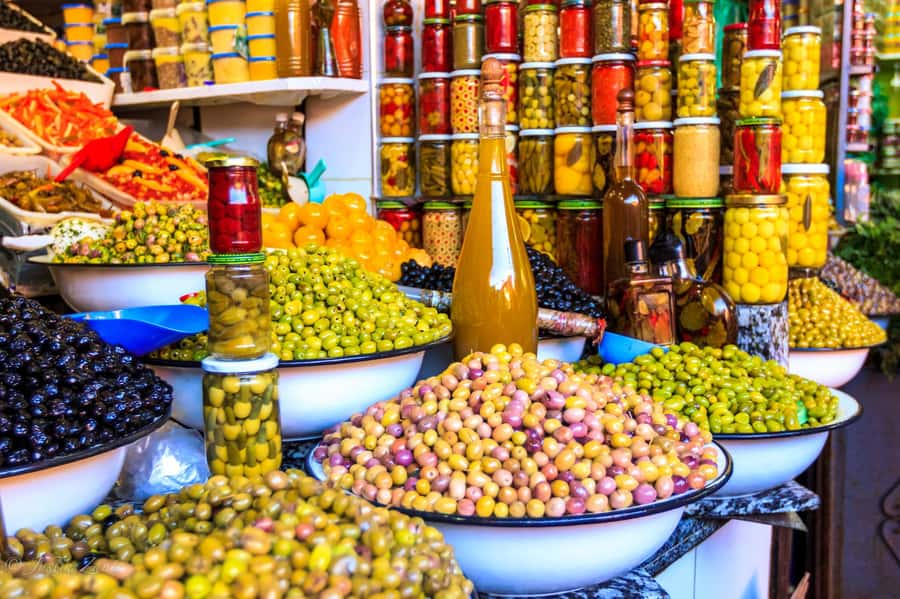
Be cautious with broad health claims made in shops. Ask what a product is for, how it should be used, and whether it is intended for cooking or cosmetics. If you buy argan oil, check the label and the intended use rather than relying only on a colorful display.
After the guided portion, you have free time to revisit places that caught your attention. This is a good arrangement. You get the security of a guided introduction, then the freedom to browse without needing to keep pace with the group.
Ben Youssef Madrasa and changing stop details
The stated route includes a 40-minute visit to Ben Youssef Madrasa, with sightseeing and free time. This can add an architectural and historical layer to a tour otherwise centered on markets and workshops.
You should confirm the exact stops with the provider before booking. One account of the experience included the Secret Garden, while another noted that it was not visited. The published route names Ben Youssef Madrasa, so I would plan around that stop and treat any garden visit as an extra rather than a promise.
This matters if you are choosing the tour mainly for monuments. The strongest and most consistent focus is the medina, souks, artisans, shopping advice, and mint tea. The monument portion may depend on the selected option, the guide, or conditions on the day.
The walk returns toward Jemaa el-Fna, with drop-off near Café de France or in the medina. You can then continue shopping or use the square as a reference point for finding your way back.
What $18 buys you
At $18 per person, this is a strong-value experience if you want more than a self-guided walk. You receive a licensed local guide, a mint tea break, shopping suggestions, artisan workshop access, and several hours of walking through areas that can be hard to understand on your own.
The price is especially appealing for first-time visitors. A guide can save you time by explaining where to look, how to compare products, and how to approach bargaining. You are also paying for context, not just movement between shops.
The value changes if you dislike shopping. Much of the route passes through market areas, and the tour includes time for browsing. You can enjoy the craft demonstrations without buying, but sales conversations are part of the setting.
A private option should suit couples, families, or anyone who wants to ask many questions. A small-group option should cost less per person or offer a more social setting, depending on the selected booking choice. The exact group size is not stated, so confirm it if that matters to you.
Language, walking, and practical comfort
The tour is offered in English and French. That makes it a good fit if you want explanations throughout the walk rather than a quick escort through the souks.
Bring comfortable shoes, sunglasses, sunscreen, water, and cash. The route includes a long period on foot, and the lanes may require careful attention to people, products, and passing traffic.
The information describes the activity as wheelchair accessible but also says it is not suitable for people with mobility impairments. Those statements do not sit comfortably together. Because the route involves extensive walking through narrow market streets, contact the provider before booking if you use a wheelchair, walker, or need regular rest breaks.
Free cancellation is available up to 24 hours before the start, and you can reserve now and pay later. Those terms are useful if your Marrakech plans may shift, but the main booking decision should be based on your comfort with walking and shopping environments.
Who should book this Marrakech walk?
I would recommend it to first-time visitors who want a clear introduction to the medina without spending an entire day on a formal sightseeing program. It suits people who enjoy crafts, food traditions, local shopping, and small details that are easy to miss while walking alone.
It also works well for shoppers who want help before making purchases. The guide can show you how to ask questions, compare items, and bargain with more confidence.
I would be less likely to recommend it to someone seeking a quiet architectural tour, a food-only outing, or a relaxed stroll with little shopping. The souks are the main event, and the route is active.
The individual guides make a difference. Ishmael has been praised for patient answers and for leading people down lanes they would not have found alone. Saïd has been described as passionate about his city. If you can request a guide, ask about language and interests when the provider contacts you.
Should you book it?
Book this tour if you want a practical first look at Marrakech’s medina with craft demonstrations, shopping advice, and a mint tea pause. The $18 price makes it an easy choice for most visitors, especially when you consider the guide’s orientation and the access to working artisan areas.
Skip it if your priority is a short, low-effort outing or a fixed monument itinerary. Confirm the exact route, wear proper shoes, and keep an open mind about browsing without buying. For a budget-friendly introduction to Marrakech’s markets and handmade crafts, this is a sensible pick.
FAQ
How long does the Marrakech medina tour last?
The tour lasts about 3 to 4 hours, including the guided walk, artisan stops, mint tea break, and sightseeing.
Where does the tour meet?
The standard meeting point is in front of Café de France in Jemaa el-Fna square. The provider contacts you a day or two before the tour to confirm the arrangements.
Is hotel or riad pickup included?
Pickup from your riad reception is available for the private option if you are staying inside the medina. Transportation is not otherwise included.
What languages are available?
The live tour guide is available in English or French.
Does the tour include mint tea?
Yes. A Moroccan mint tea break is included, along with an explanation of its cultural importance.
Is this tour suitable for someone with limited mobility?
The activity information says it is not suitable for people with mobility impairments, even though it is also described as wheelchair accessible. Because the route involves several hours of walking, contact the provider before booking if you need accessibility support.
Can I cancel or pay later?
You can cancel up to 24 hours in advance for a full refund. The booking also allows you to reserve now and pay later.
Just added around Marrakesh
- Marrakesh: Bahia Palace, Ben Youssef Medersa & Secret Garden★ 4.8 · 55 reviews
- Marrakech Tour Gardens Majorelle, Menara & Anima Gardens★ 4.4 · 10 reviews
- Marrakech: Majorelle Garden with a Digital Audio Guide App★ 4.1 · 21 reviews
- Marrakech Tuk-Tuk Tour with Photography Museum+Secret Garden★ 4.4 · 12 reviews
- Marrakech: Majorel Garden, Camel ride in Palmerai, City trip★ 4.9 · 6 reviews
- Marrakech: Majorelle Garden, Museums Tickets, & Audio Guide★ 4.6 · 38 reviews
- Marrakech: Private Full-Day City Tour w/ Majorelle Garden★ 4.7 · 101 reviews
- Marrakech: Anima Garden, Saffron Farm and Ourika Valley Trip★ 5.0 · 4 reviews
Marrakech Garden Tours, compared.


Majorelle Garden, YSL, and Berber Museum Entry
Read our review →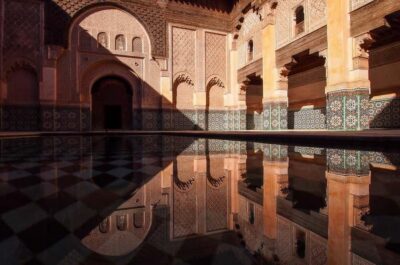
Ben Youssef, Secret Garden, & Souks Walking Tour
Read our review →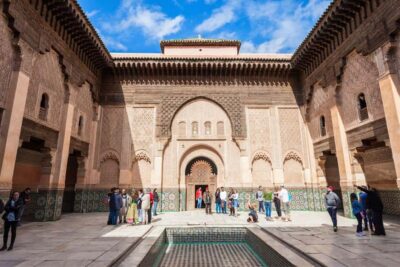
Madrassa Ben Youssef, Secret Garden & Medina Tour
Read our review →
Majorelle & Menara Garden Tour and Carriage Ride
Read our review →

Browse the lists this tour appears in