
Review · PARIS
Paris: Musée de Montmartre and Gardens Entry Ticket
Montmartre’s best stories hide behind a quiet gate. I like the chance to explore Bel Air House, a seventeenth-century building said to be Montmartre’s oldest, and I love the peaceful Renoir Gardens beside the museum. The main drawback is that the visit depends on careful signage, and some rooms can be easy to miss.
This is a small, personal museum rather than a grand Paris blockbuster. I also like the 90-minute audioguide, which explains how a rural hill became an artists’ quarter filled with cafés, cabarets, music, and theatrical mischief. Allow extra time for the gardens, vineyard, temporary exhibitions, and Café Renoir. The café can occasionally close for a private event, so don’t make lunch there your only plan.
Key points to know before visiting
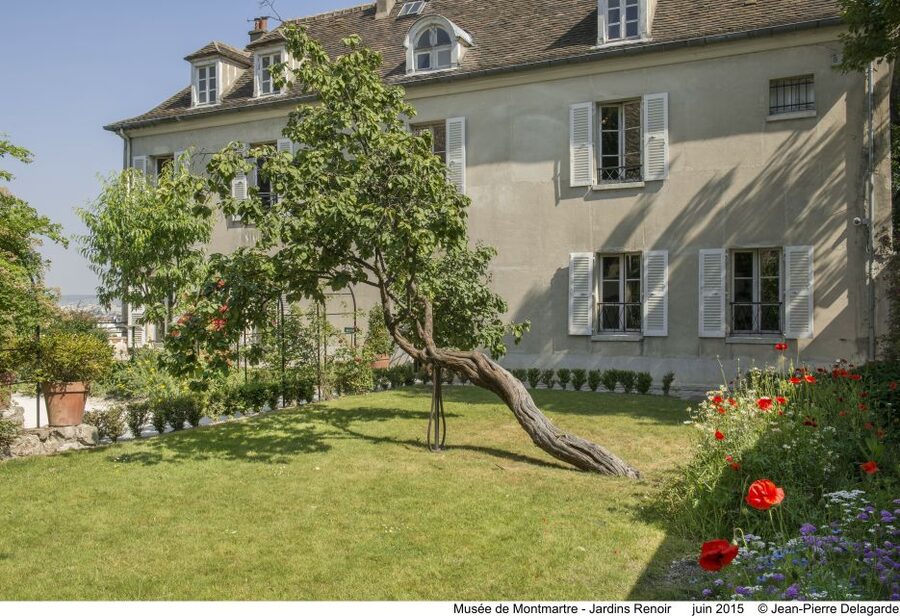
- Bel Air House: Enter one of Montmartre’s oldest surviving buildings, dating from the seventeenth century.
- A story bigger than the artists: The museum explains Montmartre’s mills, vineyard, cabarets, studios, photographs, and changing place within Paris.
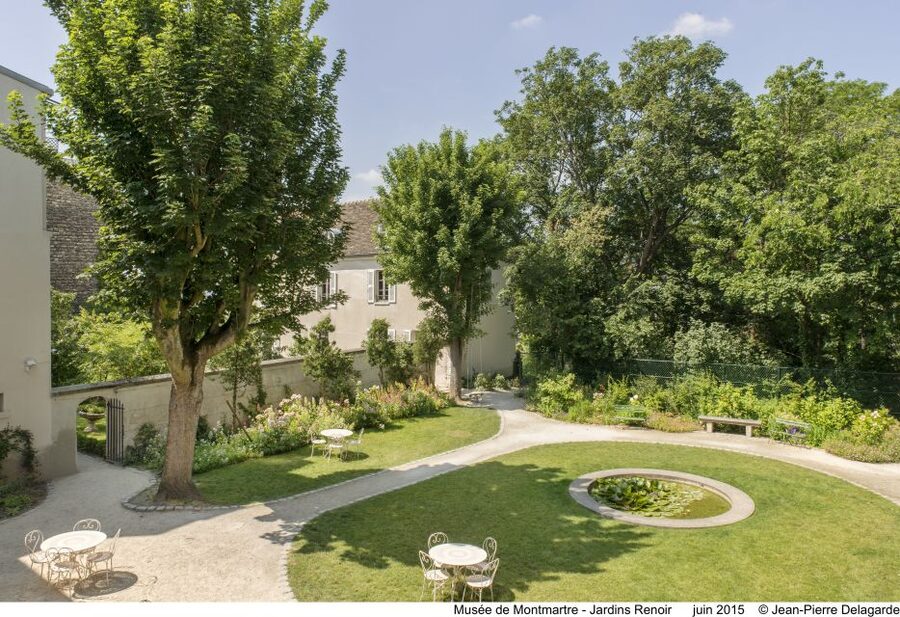
- The Renoir Gardens: Enjoy a quiet green pause with views toward the Montmartre vineyard.
- Chat Noir and cabaret culture: Learn about shadow theatre, Aristide Bruant, Yvette Guilbert, the Moulin Rouge, and Toulouse-Lautrec.
- Ninety-minute audioguide: Follow the museum at your own pace, then stay longer for the exhibitions and gardens.
- Good value at $16: Permanent and temporary exhibitions, both gardens, the café area, and audioguide are included.
Why this small museum explains Montmartre so well
Many visitors come to Montmartre for Sacré-Coeur, street artists, and the famous steps. Those sights give you the district’s postcard surface. Musée de Montmartre gives you the backstory, showing how this hill changed from countryside on the edge of Paris into a center of art and entertainment.
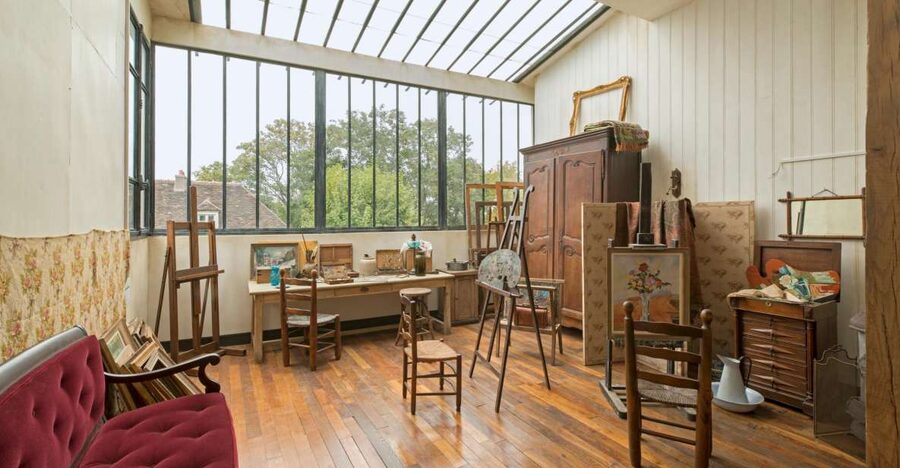
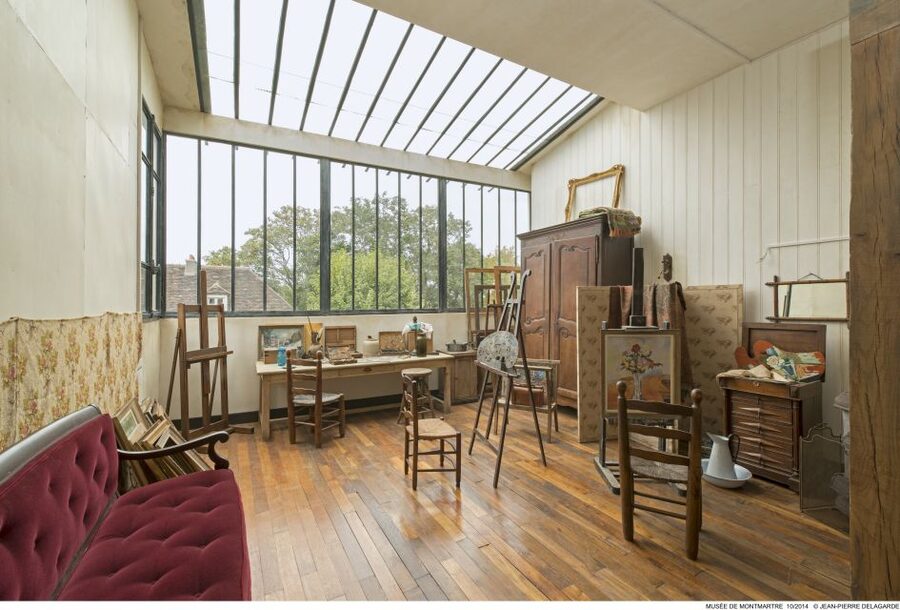
The museum occupies several historic buildings, including Bel Air House. The age of the place matters. You are not simply looking at paintings in a modern gallery. You are moving through rooms connected with the artists and residents who helped shape Montmartre’s identity.
I like the museum because it treats Montmartre as more than a convenient label for painters. Its permanent collection also considers the district’s mills, vineyard, cabarets, photographs, posters, performances, and everyday life. That broader approach makes the visit more useful before you walk around the neighborhood.
The museum is particularly good at explaining change. During the nineteenth century, Montmartre was annexed to Paris. The city then began pressing into what had once felt like the countryside. Artists arrived in increasing numbers around 1870, and cafés and cabarets multiplied in the 1880s.
That shift helps explain the district you see today. Montmartre became a place where artists could live, work, meet, perform, and watch one another. The museum lets you connect those social changes with the buildings and streets outside.
More Tickets in Paris:
- Paris: Versailles Palace and Gardens Full Access Ticket
★ 4.6 · 41,579 reviews - From Paris: Versailles Palace Self Guided & Gardens tickets
★ 4.4 · 1,100 reviews - Paris: Louvre Museum Entry Ticket and Garden Walking Tour
★ 4.2 · 326 reviews
Start with Bel Air House and the permanent collection
At the entrance, show your voucher and go inside. The ticket includes the permanent collection, temporary exhibitions, gardens, and audioguide. The skip-the-line benefit is most useful when the museum is busy, though the experience itself remains calm and compact.
Begin with the permanent collection rather than rushing straight to the garden. The rooms build a picture of Montmartre over time, from its countryside past to its artistic period at the end of the nineteenth century.
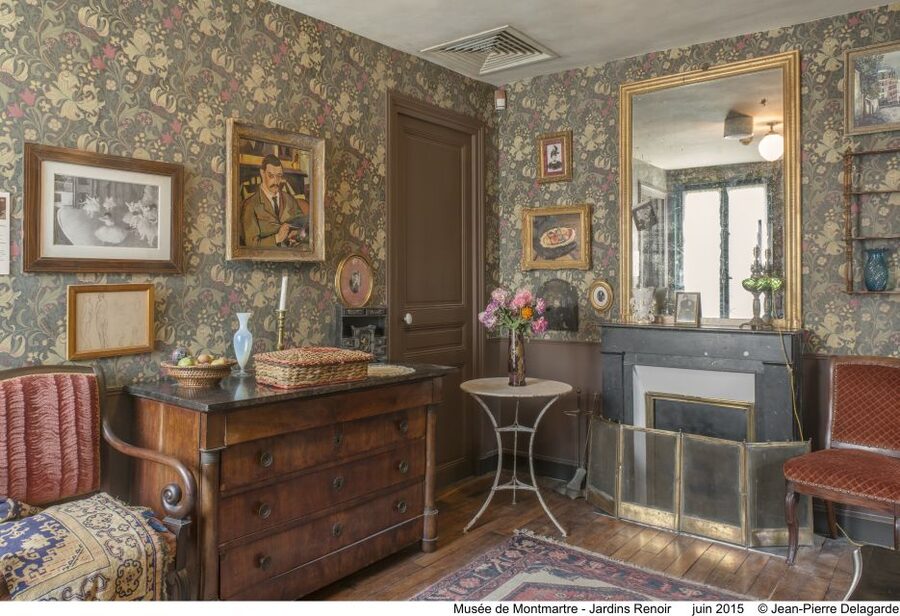
The setting is one of the museum’s strongest features. Bel Air House has the scale of a former residence, not a huge public institution. That gives the visit an intimate feel. You can imagine artists living and working in close quarters, with studios and cafés acting as part of the same social world.
The displays connect paintings with photographs and historical information. I find that combination more helpful than a room full of pictures with little explanation. You can see how the area looked, learn who spent time there, and understand why Montmartre attracted so many creative people.
Some parts of the museum may require a little patience. Signage is not always obvious, and an exhibition route can pass through or near the café area. Keep an eye out for doors, stairways, and signs so you do not accidentally skip a room.
One useful tip: do not judge the museum by its entrance rooms alone. The full visit includes areas that are easy to overlook, and one section may lead you toward the café and garden. If you are interested in the building as much as the art, slow down.
Follow the 90-minute story of Montmartre
The audioguide lasts about 90 minutes. That is a sensible length for this museum. It gives you enough context without turning a short visit into a full-day lecture.
The guide covers Montmartre from the nineteenth century, especially the period after its annexation to Paris. You learn how city life began to replace the older rural character and how artists followed the changing district.
The story then moves into the cafés and cabarets of the 1880s. These places were not only drinking spots. They were meeting rooms, stages, studios, and sources of material for artists. Music, circus acts, dance, theatre, and recited texts all fed the local creative scene.
I particularly like the section on Le Chat Noir. This celebrated cabaret hosted the Théâtre d’Ombres, a shadow theatre created in 1866 by Henri Rivière and Henry Somm. It is an unusual subject, and it shows that Montmartre’s cultural life was not limited to easel painting.
The audioguide also introduces performers such as Aristide Bruant and Yvette Guilbert, who recited their texts for Paris audiences. At the Moulin Rouge, dancers including La Goulue, La Môme Fromage, and Grille d’Egouts became part of the period’s public spectacle.
Toulouse-Lautrec repeatedly recorded this world in his art. Seeing his work in the context of the cabarets and performers makes the images easier to understand. You are not just admiring familiar posters. You are seeing how closely art, entertainment, nightlife, and advertising were linked.
The guide is also useful for the artists’ studios at 12 Cortot. Several artists passed through these spaces, and many painted their own homes. That detail adds a domestic side to Montmartre’s story. The district was not only a stage for famous performances. It was also a collection of working rooms, rented homes, and personal spaces.
You do not have to leave after 90 minutes. The audioguide gives you a framework, then you can return to pictures, rooms, or displays that caught your attention. Plan about two hours if you want a comfortable visit with time outdoors. Add longer if a temporary exhibition interests you.
Take a quiet break in the Renoir Gardens
The Renoir Gardens are one of the best reasons to buy the combined ticket. After the indoor rooms, the garden gives you breathing space without leaving the museum grounds.
The gardens are known for their luxuriant plant life and their connection with the museum’s artistic setting. You can also see the Montmartre vineyard, a reminder that the hill had an agricultural past before the cafés and studios took center stage.
The garden works in every season, although the experience changes with the weather. Even in colder months, it can be a pleasant pause. In spring and summer, the plants are the main attraction. On a wet day, the garden can still be worthwhile, but bring a little patience and suitable shoes.
I would not treat the garden as a quick photo stop. Sit for a while if you can. The contrast is striking: outside the museum, Montmartre can feel crowded and noisy, while these grounds offer a much calmer setting.
The garden also helps you understand the museum’s appeal. This is not a single indoor gallery followed by a token courtyard. The outdoor area is part of the visit and gives the historic buildings room to breathe.
More Garden Tours in Paris:
- Versailles: Skip-the-Line Tour of Palace and Gardens Access
★ 4.7 · 10,429 reviews - From Paris: Versailles Palace & Gardens with Transportation
★ 4.6 · 6,222 reviews - From Paris: Versailles Palace Guided Tour & Gardens Access
★ 4.7 · 3,574 reviews - From Paris: Giverny, Monet’s Home & Gardens Half-Day Trip
★ 4.5 · 2,887 reviews
Temporary exhibitions add a second reason to return
The ticket includes temporary exhibitions as well as the permanent displays. Their content changes, so you should check what is showing when you visit.
Past exhibitions have included focused presentations of individual artists and periods. A temporary exhibition on Maximilien Luce received especially strong praise for its art and presentation. Another exhibition devoted to Herbin presented a large group of works and showed how his style changed over his lifetime.
This matters because the temporary rooms can change the balance of your visit. The permanent collection explains Montmartre as a place. The special exhibition may give you a more concentrated look at one artist, movement, or theme.
Do not assume that the temporary rooms are an optional extra. They are part of the admission price, and they can be the most substantial section on a particular day. At the same time, access to every floor is not guaranteed. A top floor has occasionally been closed, so ask at the entrance if a particular room matters to you.
Café Renoir and the practical pause
Café Renoir is open from 11:00 a.m. to 6:00 p.m., while the museum is open from 10:00 a.m. to 7:00 p.m. The last admission is 45 minutes before closing.
The café sits within the museum complex and offers a pleasant place for a drink, snack, or light meal. A relaxed lunch in the garden can make the visit feel less rushed. Hot chocolate has been singled out as a good choice, which may appeal if you are visiting with children or want a simple break.
Still, I would keep expectations modest. The café is not a reason to skip lunch elsewhere, especially if you have picky children or dietary needs. It can also close for a private event, so check before building your schedule around it.
The layout can be slightly confusing because some museum spaces are reached through or beyond the café area. That is not a serious problem, but it does explain why you should look around before heading straight outside.
How much time should you allow?
The formal audioguide takes 90 minutes. In practice, I would allow at least two hours for the museum, and closer to three if you want to read carefully, visit a temporary exhibition, sit in the garden, and stop at the café.
The museum is open from 10:00 a.m. to 7:00 p.m. The final entry is 6:15 p.m. Since the café closes earlier, an afternoon arrival may give you enough time for the galleries but not for a leisurely café visit.
You may find the walk up to the museum more demanding than the museum itself. Montmartre is a hill, and the approach includes uphill streets. That walk is also part of the experience, with local cafés and shops along the way, but allow extra time if you are managing limited energy or mobility.
The museum is wheelchair accessible. If you have health concerns, speak with staff when you arrive. The staff response to a medical problem has been praised, but you should still plan within your own limits.
Is $16 a good price?
At $16 per person, I consider this a strong-value Paris ticket for the right kind of visitor. You receive entry to the permanent collection, temporary exhibitions, museum gardens, and Renoir private garden, plus an audioguide. That is more than a quick gallery visit.
The value is strongest if you care about Montmartre beyond its famous viewpoints. The museum gives you context before or after exploring the neighborhood, and the garden provides a calm pause that costs nothing extra once you are inside.
It is less compelling if you only want major-name masterpieces or a grand national museum. Musée de Montmartre is smaller and more specialized. Its pleasure comes from the setting, local story, and connections between art and daily life.
The flexible booking terms also help. You can cancel up to 24 hours ahead for a full refund, and the reserve-now, pay-later option keeps your schedule open. Those policies are useful in Paris, where weather and competing plans can change quickly.
Who should visit Musée de Montmartre?
I recommend it most to people who want to understand Montmartre’s creative past rather than simply photograph it. Art lovers will appreciate the links to Toulouse-Lautrec, the impressionists, Maximilien Luce, and other artists connected with the district.
It also suits visitors who prefer smaller museums to crowded headline attractions. The rooms feel manageable, and you can move at your own pace. The garden makes it a good choice for anyone who needs a quiet break during a day in Montmartre.
Families can enjoy the shorter format, but the café is not a dependable solution for fussy eaters. Children who like stories, performers, posters, or unusual theatre may respond well to the Chat Noir and cabaret sections.
You should be comfortable with some walking and stairs around the hill and museum route. The museum is wheelchair accessible, but the uphill approach and the historic setting may still affect how long you want to stay.
Should you book it?
Book this experience if you want the Montmartre behind the postcard. The museum explains the district’s shift from rural hill to artistic quarter, then gives you cabarets, artists’ studios, photographs, temporary exhibitions, and a beautiful garden in one visit.
Skip it if your Paris schedule is already packed with major museums and you have little interest in local history or nineteenth-century art. For $16, though, it is an easy recommendation for a slower Montmartre day.
Go earlier if you want time at Café Renoir, and do not rush the garden. Most of all, follow the signs carefully. The rooms beyond the obvious route are part of what makes this visit worthwhile.
FAQ
How long does the audioguide last?
The audioguide lasts about 90 minutes. You can stay longer and continue exploring the museum and gardens at your own pace.
What does the $16 ticket include?
The ticket includes the permanent collection, temporary exhibitions, museum gardens, the Renoir private garden, Café Renoir access, and the audioguide.
Is there a live guide?
No. A live guide is not included. The visit uses an audioguide instead.
What are the museum’s opening hours?
The museum is open from 10:00 a.m. to 7:00 p.m. The last entry is 45 minutes before the halls close.
When is Café Renoir open?
Café Renoir is open from 11:00 a.m. to 6:00 p.m. It may occasionally close for a private event.
Is the museum wheelchair accessible?
Yes. The museum is wheelchair accessible.
Can I cancel my booking?
Yes. You can cancel up to 24 hours in advance for a full refund. You can also reserve now and pay later, according to the booking terms.
Just added around Paris
- Versailles: Garden Private Guided Tour & Palace Entry Ticket★ 5.0 · 9 reviews
- From Paris: Versailles Palace & Gardens Private Guided Tour★ 5.0 · 14 reviews
- Versailles Palace & Garden Tour in Van from Paris with Entry★ 4.4 · 6 reviews
- Versailles: Royal Palace & Gardens Private Golf Cart Tour★ 4.8 · 44 reviews
- Versailles Palace and Gardens Entry with Seine river Cruise★ 3.6 · 109 reviews
- Versailles: Palace & Gardens Guided Tour with Entry Tickets★ 4.8 · 132 reviews
- Versailles: Skip the Line Versailles Palace and Gardens Tour★ 4.0 · 25 reviews
- Versailles: Gardens Golf Cart Tour, Row Boat, and Champagne★ 4.8 · 18 reviews
Paris Garden Tours, compared.

Versailles Palace and Gardens Full Access Ticket
Read our review →
Skip-the-Line Tour of Palace and Gardens Access
Read our review →
Versailles Palace & Gardens with Transportation
Read our review →
Versailles Palace Guided Tour & Gardens Access
Read our review →
Giverny, Monet’s Home & Gardens Half-Day Trip
Read our review →
Versailles Bike Tour w/ Palace, Gardens, & Picnic
Read our review →
Giverny Monet’s Home and Gardens Half Day Tour from Paris
Read our review →
Browse the lists this tour appears in