
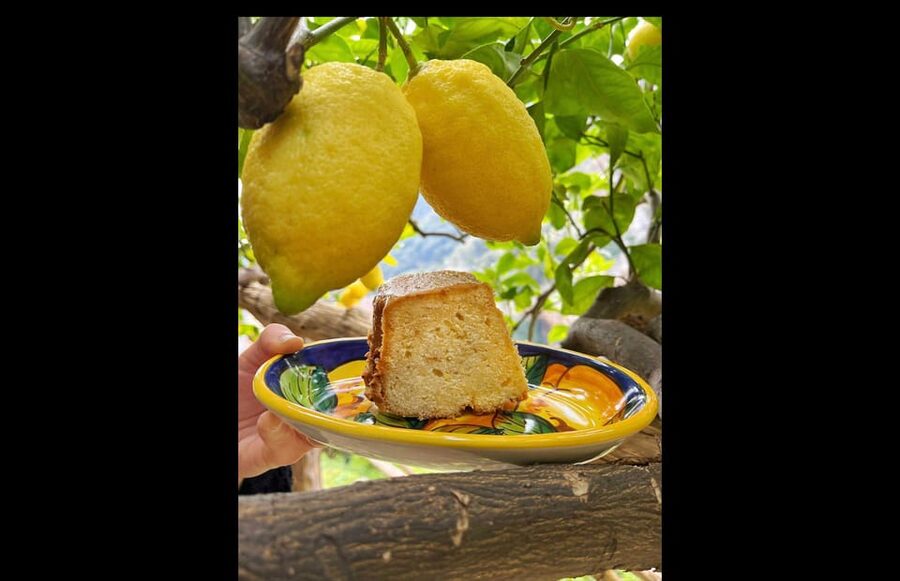
Review · ITALY
Amalfi Organic Lemon Tour & Tasting in the Historical Garden
Follow the lemon scent uphill. This small-group visit takes you into an old family farm above Amalfi, where terraced groves, chestnut pergolas, stone walls, and sea views explain how this coast was farmed long before holiday crowds arrived. I like the personal family welcome and the way the tasting turns local agriculture into something you can enjoy. I also like the quiet setting, far removed from Amalfi’s busy shopping lanes.
The main consideration is simple: this is a steep, stair-filled farm, not a flat garden stroll. The tour is unsuitable for people with mobility impairments, heart problems, or respiratory issues. You should also know that Amalfi lemons are yellow only from February through July, so the trees may look different later in the year.
Key points about the Amalfi lemon farm
- A fourth-generation family farm: Giovanna and her family explain the work, traditions, and challenges behind organic citrus growing.
- Terrace farming without concrete: Ancient stone retaining walls, wooden pergolas, water channels, cisterns, and hand-built stairs shape the visit.
- A tasting with local character: You sample organic lemonade, homemade lemon cake, and Limoncello, with other products sometimes included.
- Sea views from the groves: A relaxed tasting stop looks over Amalfi and the blue sea.
- A very small shared group: The experience feels more like a family welcome than a large commercial tour.
- A proper physical outing: There are many stairs and steep inclines from Amalfi, so good shoes and honest self-assessment matter.
Why this lemon tour feels different from a standard Amalfi stop
Amalfi can be hard to read at first. The town is full of ceramics, restaurants, buses, and visitors moving through the same narrow streets. This tour gives you another way to understand the coast: through the soil, stone, water, and labor that made life here possible.
The Historical Garden is not a flat orchard with neat rows and a paved path. It is a vertical farm built into the mountain. Lemon terraces climb above one another, supported by macerine, the local dry stone walls that hold earth and rocks in place. Chestnut wood pergolas shade the trees, while old cisterns and channels bring water down from high springs.
That design is practical, but it is also fragile. A terrace wall needs care. A stairway must be maintained by hand. A wooden support eventually needs replacing. The farm’s value comes from the fact that it still shows how Amalfi agriculture worked, rather than presenting a cleaned-up version for tourists.
I like this focus because it gives the tasting some meaning. Your lemonade is not just a cold drink after a walk. It is connected to a difficult farming system, a family business, and a way of using limited land well.
More History Visits in Italy:
- Authentic Amalfi Lemon Tour & Tasting in the Historical Garden
★ 5.0 · 52 reviews - Aboriginal Heritage Walk – Royal Botanic Gardens Victoria, Melbourne Gardens
★ 5.0 · 314 reviews - Beijing Historical Tour II including Summer Palace, Lama Temple & Panda Garden
★ 4.0 · 187 reviews
Arriving from Amalfi and climbing into the garden

The meeting point is at the gate of the Lemon Farm in central Amalfi. Exact meeting details arrive after booking, and the activity begins and ends at the farm itself. If you are coming down from Pontone or Scala, contact the farm instead of walking directly to the stated meeting point. The family can arrange a meeting point on the way down to Amalfi.
From town, expect an uphill approach with stairs and a steep incline. One participant described it as an easy walk from the port in terms of direction, but also noted the many stairs. Those two things can both be true: the route is close to Amalfi, yet physically demanding.
Wear shoes with a firm sole. Comfortable clothing is sensible too, especially in warm weather. This is not the place for polished footwear or a rushed arrival after carrying heavy luggage through town.
The effort is part of the story. Farmers once carried baskets of lemons on their shoulders from the upper terraces, sometimes using mules and their own feet. Women took part in this hard work as well. When you climb the same kind of stepped terrain, even for a shorter visit, you get a small physical sense of what the farm required.
The guided walk through the historic terraces
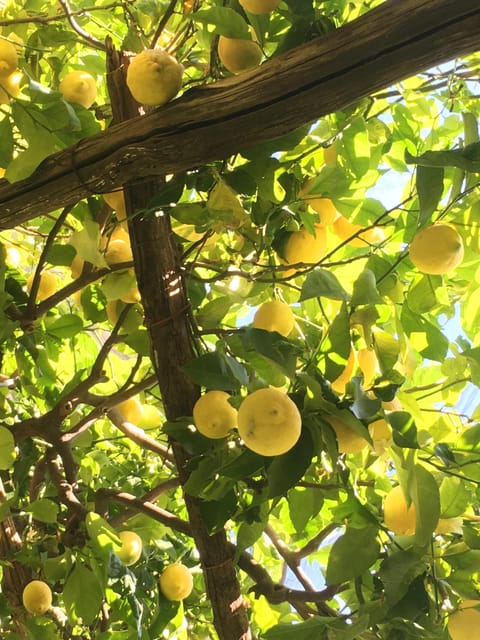
The guided walk lasts about an hour and a half, though the full experience may run from 1.5 to 2.5 hours. The exact pace depends on the group and the time spent talking and tasting.
Giovanna has led many of the visits and is one of the farm owners. She is also part of the fourth generation of the farming family. Her role matters because the tour is not a general talk about Italian lemons. It is an explanation of her own family’s land, work, and decisions.
You learn about several citrus varieties, including the famous Sfusato lemon associated with the Amalfi Coast. The tour also explains the differences between organic and conventional growing, the role of biodiversity, and the practical challenges of running an organic farm.
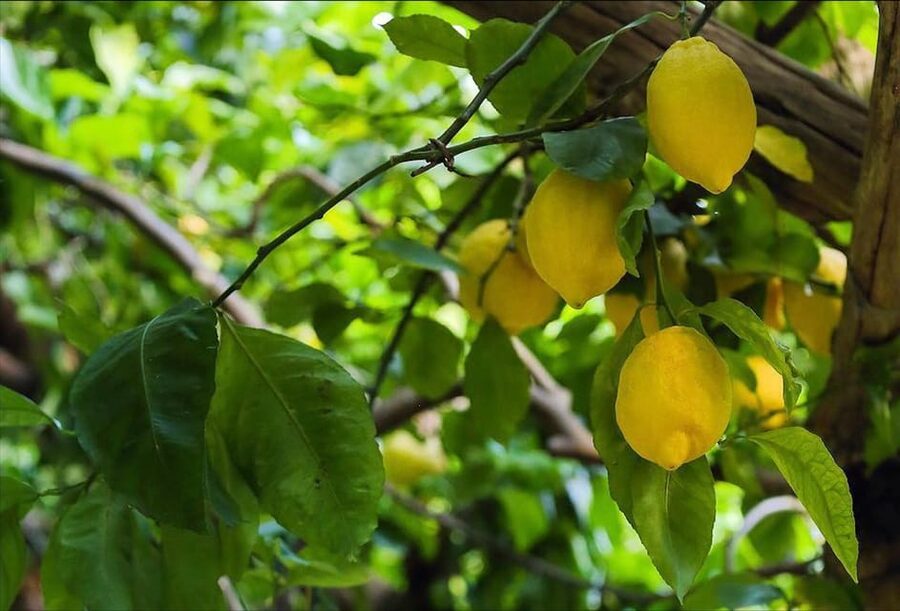
The setting does much of the teaching. You see branches that are rough and twisted, sometimes with thorns, rather than perfect supermarket fruit trees. You learn why the trees need careful handling and why picking is not simply a matter of reaching out and pulling.
Historical documents add another layer. They help explain the value of the land and the importance of keeping the garden intact. This is useful for you if you want more than a photo opportunity, but the tour remains approachable for anyone who simply likes food, plants, and local traditions.
The guide’s English has been praised for being clear and easy to follow. That is useful in a tour built around farming terms and local history. Giovanna’s enthusiasm also keeps the subject from feeling like a classroom lecture.
Ancient engineering, hard work, and organic farming
The most interesting part of this experience may be the farming system itself. Amalfi’s slopes leave little room for broad fields, so farmers created narrow terraces that climb the hillsides. Stone walls contain the soil, pergolas support the citrus trees, and channels move water where it is needed.
There are no concrete roads or platforms beneath the lemon trees. The family has chosen to keep the garden’s natural structure rather than make it easier to walk through with modern surfaces. That choice protects the look and feel of the place, but it also means uneven steps and limited access.
You will hear about an older peasant culture built around balance and reuse. Organic matter had a role. Biodiversity was useful, not decorative. Water was precious. The farm presents this approach as a practical lesson in gratitude, respect, and making the most of what is available.
The discussion of bees and agriculture also gives the visit a wider purpose. You are not just learning how to make Limoncello. You are seeing how citrus farming depends on a larger living system.
This is where I would keep expectations realistic. The tour does not turn you into a citrus expert in two hours, and the farm is not presented as a complete working agriculture course. But you do come away with a clear understanding of why Amalfi lemons cost more effort than their bright yellow color suggests.
More Garden Tours in Italy:
- Florence: Reserved Entry Ticket to the Boboli Gardens
★ 4.4 · 5,275 reviews - Rome: Borghese Gallery and Gardens Guided Small-Group Tour
★ 4.6 · 2,783 reviews - Rome: Borghese Gallery & Gardens Small Group Guided Tour
★ 4.5 · 2,190 reviews - Rome: Bioparco di Roma Zoological Garden Entry Ticket
★ 4.6 · 1,414 reviews
The tasting: lemonade, cake, and Limoncello
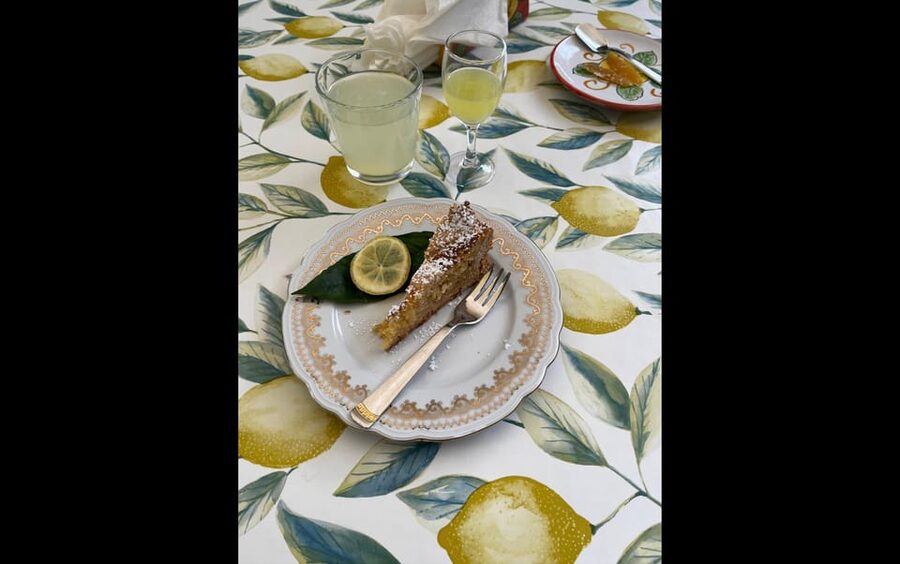
The final tasting is the reward, and it is one of the strongest parts of the experience. You sample organic lemonade, Limoncello, and lemon cake, usually during a relaxing break with a view over Amalfi and the sea.
The lemonade offers a simple test of the farm’s fruit. The cake, prepared by a family member, gives the lemon a softer and sweeter role. The Limoncello shows why Amalfi citrus has such a strong place in local food culture. Several tasting menus have also included candied lemon peel, honey, perfume, or mandaretto, although the core tasting listed for this experience is lemonade, Limoncello, and lemon cake.
The family touch is important. This does not feel like a factory tasting with a fixed speech and products lined up for quick sales. The food comes at the end of a walk through the farm, and the family explains what you are tasting.
If you do not usually enjoy Limoncello, this may still be worth trying. The organic version has been especially well received by people who normally find the drink too strong or too sweet. You can also ask about buying local products at special prices offered through the Historical Garden.
Lunch and dinner are not part of the standard tour, but they may be available by advance reservation. Do not count on arriving hungry and adding a meal at the last minute.
The sea view and the value of a small group
The tasting stop looks out over Amalfi and the blue sea. That view is not an extra decoration added to the itinerary. It explains why terraces were built here in the first place, and it gives you a quiet pause after the stairs.
The group is shared but very small. A group of eight has been reported, and the format allows time for questions without the guide needing to shout over a crowd. That is a major advantage in a family-run farm, where the best moments often come from conversation.
The atmosphere also makes this a good change of pace from Amalfi’s main streets. You still get photographs, but you are doing something more useful than lining up for another town view. You are learning how local people shaped the hills, then sitting down to taste the results.
For families with older children or teens, this can work especially well. The tour has enough movement, food, and scenery to keep it from feeling dry. Younger children may find the stairs and the farming explanation less appealing, and the physical demands should be taken seriously.
Is $59 a fair price?

At $59 per person, the tour is not the cheapest way to drink lemonade in Amalfi. That is not really what you are paying for.
The price covers a guided visit through a difficult-to-maintain historic farm, a small-group format, historical material, and three core tastings. You are also supporting a family business that earns part of its income from preserving the garden. For me, that makes the cost reasonable if you value local agriculture and personal guidance.
It is less suitable if you want a short, flat tasting with no climb. You could spend less on a drink and pastry in town, but you would miss the terraces, the farming story, the family connection, and the view from the grove.
The value is strongest for visitors who want one experience that combines food, nature, history, and a sense of place. It is weaker for anyone who dislikes stairs or has no interest in how food is grown.
Who should book this experience?
I would recommend it to you if you enjoy small family businesses, traditional food, gardens, and local history. It is also a good choice if you have already seen Amalfi’s cathedral and main streets and want a quieter activity with more substance.
It suits couples, older children, teens, and anyone curious about organic farming. The clear English guiding is helpful, especially when you want to ask questions about citrus varieties, harvesting, or Limoncello.
I would not choose it for a person with limited mobility, heart trouble, or respiratory problems. The route has steep inclines and many stairs, and there are no concrete platforms to make the farm fully accessible.
The best seasonal detail is the lemon color. Lemons are yellow only between February and July. If seeing bright yellow fruit is important to you, book within that period. At other times, you can still learn about the farm and taste its products, but the trees may not offer the same classic picture.
Cancellation is free up to 24 hours before the start, and you can reserve without paying immediately. The tour is offered in English, with starting times depending on availability.
Should you book the Amalfi Historical Garden tour?

Book this tour if you want to understand Amalfi through its farms rather than only through its shops and viewpoints. The strongest reasons are the family-led storytelling, the unusual terrace system, the small group, and the tasting of homemade lemon products with a sea view.
Skip it if stairs are a serious concern, if you need a fully accessible outing, or if you want a polished commercial attraction. This is a working historic garden, and its uneven paths are part of its character.
For most able-bodied visitors who enjoy food and local culture, $59 is a fair price for two hours of personal contact with a family farm. Bring sturdy shoes, allow extra time to find the gate, and arrive ready to climb before you sit down with a glass of Limoncello.
FAQ
Where does the Amalfi Organic Lemon Tour begin?
The experience begins at the gate of the Lemon Farm in Amalfi center. The exact meeting details are sent after booking confirmation.
How long does the tour last?
The guided portion lasts about 1.5 hours. The complete experience may take between 1.5 and 2.5 hours, depending on the starting time and pace.
What will I taste during the tour?
The included tasting features organic lemonade, Limoncello, and lemon cake. Other products, such as candied lemon peel, honey, perfume, or mandaretto, may also be available.
Are there many stairs?
Yes. The farm has steep inclines, ancient stairways, and terraced paths. You should wear comfortable shoes and be prepared for an uphill walk.
Is the tour suitable for people with mobility concerns?
No. The experience is not suitable for people with mobility impairments, heart problems, or respiratory issues.
Is the tour conducted in English?
Yes. The live tour guide speaks English.
Can I cancel the booking?
You can cancel up to 24 hours in advance for a full refund. You can also reserve now and pay later, which keeps your plans flexible.
Just added around Italy
- Lake Maggiore Gourmet: Gardens, Lake Cruise, & Food Tasting★ 4.5 · 19 reviews
- Venice: Convent Garden of Redentore Entry Ticket★ 4.3 · 5 reviews
- Vatican Gardens & Castel Sant’Angelo Skip-the-line tickets★ 4.3 · 20 reviews
- Vatican: Gardens, Museums and Sistine Chapel Guided Tour★ 4.2 · 98 reviews
- Valley of the Temples: Kolymbethra Garden Entry Ticket★ 3.5 · 43 reviews
- Varenna: Villa Cipressi Gardens Entry Ticket on Lake Como★ 4.6 · 39 reviews
- Typical Apulian menù in the garden of an ancient Trullo★ 5.0 · 11 reviews
- Secret gardens of Venice in the Dorsoduro district with Cichetti tasting★ 3.0 · 2 reviews
Historical Tours, compared.
Aboriginal Heritage Walk – Royal Botanic Gardens Victoria, Melbourne Gardens
Read our review →
Beijing Historical Tour II including Summer Palace, Lama Temple & Panda Garden
Read our review →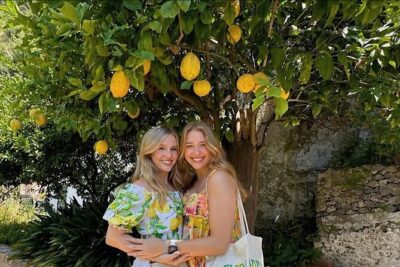
Authentic Amalfi Lemon Tour & Tasting in the Historical Garden
Read our review →
Charming Sintra on Private Guided Tour with History (All Day)
Read our review →
Bangkok Wat Pho and Flower Market Historical Walking Tour
Read our review →
The Limestone Heritage Park and Gardens (Entry Ticket)
Read our review →
Historic Charleston: The Battery, Rainbow Row, St. Michael Church
Read our review →
Browse the lists this tour appears in