
Review · VIETNAM
Can Tho: Authentic Mekong Delta – Real Local Life Tour.
The quieter Mekong is the real reward. This Can Tho tour trades the usual sightseeing circuit for narrow canals, village paths, fruit gardens, home cooking, and a visit to a real floating house. I especially like the relaxed afternoon departure and the chance to see how river communities work, cook, travel, and live. The main drawback is that the published details are not fully consistent about Cai Rang Floating Market, so you should confirm your exact departure plan before booking.
I also like the small-group feel and the strong local guiding. Guides such as Anh, also called Sophia, Cory, Clara, Sunny, and Khoi are repeatedly praised for warm conversation, humor, and clear English. The afternoon sun can be fierce, though, and this is not a polished attraction with air-conditioned stops. Bring water, sunscreen, and a hat.
Key points before you book
- Quiet canals instead of a standard sightseeing route: You cruise beyond the main river traffic and watch daily work along the waterways.
- A genuine floating home: You see how a family adapts its home and routine to river levels, weather, and changing water conditions.
- Cooking with a local family: You help prepare small Vietnamese savory pancakes, often called Bánh Khọt, using a traditional clay stove.
- A slower afternoon option: The 1:00 PM departure lets you avoid a very early start, though heat is stronger later in the day.
- Small groups with personal guiding: Private and small-group options are available, and many guides are praised for making the tour feel conversational rather than scripted.
- Good value at $36: Boat time, guide service, village visits, garden stops, cooking, fruit, tea, water, and entrance costs are included.
What this Can Tho tour is really about
Many Mekong Delta excursions revolve around one famous stop, usually Cai Rang Floating Market. This experience is presented differently. Its main idea is to show you the ordinary side of river life, not simply take you to a busy photo stop and send you back.
That means you spend time watching how people use the water for transport, fishing, trade, and household routines. You also step ashore to see gardens, homes, crops, and village paths. The result is less about collecting famous sights and more about understanding why the Mekong shapes almost every part of life in southern Vietnam.
I find that approach valuable because the river is not just scenery. It is a workplace, road, food source, and address. A floating house makes that clear in a way a quick boat ride past a row of palms cannot.
There is one point to check carefully. The main description says the tour avoids floating markets, while the itinerary information lists Cai Rang Floating Market as a major stop, and several departure accounts include breakfast there. It may reflect different versions of the tour, morning and afternoon variations, or an outdated itinerary. Ask the operator exactly what your chosen time includes if the market matters to you.
Other gardens people visit around Vietnam:
- Orchid Cruises Halong Bay 2Day/1Night on 5 Star
★ 5.0 · 1,136 reviews - Orchid Trendy Cruises 2Days/1 Night 5 Star Cruises
★ 5.0 · 853 reviews - Orchid Cruises 2Days/1Night 5 Star All included
★ 5.0 · 760 reviews
Leaving Can Tho by wooden boat
The group meeting arrangement is simple but important. There is no pickup for the standard group tour, so you must reach the stated meeting point in Can Tho. Pickup is included for private tours only. You also need to provide a working WhatsApp number so the guide can contact you and help with meeting arrangements.
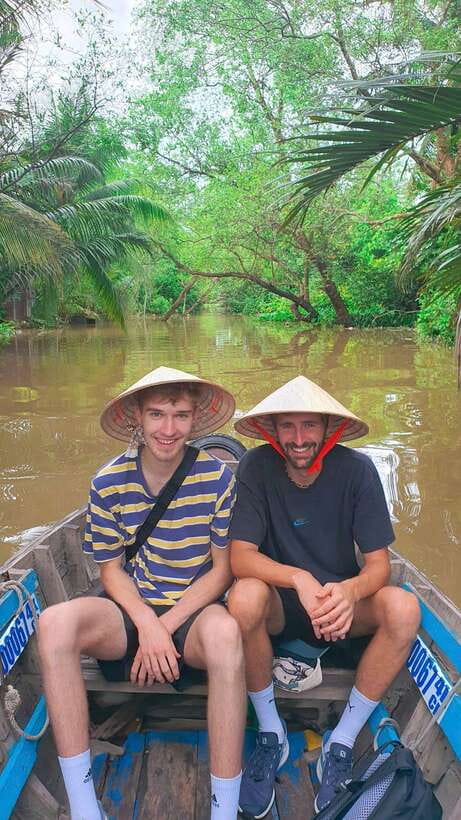
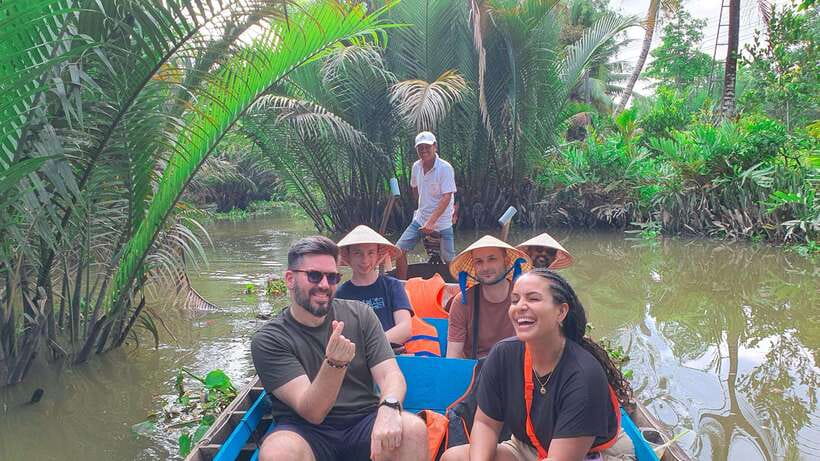
The boat is a traditional wooden vessel rather than a large sightseeing craft. That suits the tour’s purpose. You are closer to the water, village banks, passing boats, and small working areas along the river. A boat driver accompanies the guide, and past departures have included drivers named An, Dat, and Phong.
The river ride is not only transport between stops. Your guide explains the local water culture, Can Tho’s past, and the routines shaped by seasonal water levels. You might see boats used for hauling produce, families moving between river and shore, or people carrying out work that would happen on a road elsewhere.
If you take the afternoon option, the light can be pleasant for photographs, but heat becomes a real factor. Wear loose, light clothing and bring more water than you think you need. The operator supplies bottled water, but extra drinking water is sensible, especially during the warmer months.
Quiet canals and river-based work
The most peaceful part of the outing comes when the boat leaves the wider river and enters smaller canals. Here, the pace slows and the sound of the engine matters less. Palms, garden plots, homes, and narrow waterways replace the larger river traffic.
This is where the tour feels most different from a basic Can Tho boat trip. You are not simply passing through an attractive setting. The guide points out the practical use of the water and explains how people move, trade, fish, and maintain daily routines around it.
Do not expect a wildlife cruise or a dramatic wilderness trip. The appeal is human and cultural. You are looking at a working environment, sometimes with muddy banks, basic homes, and ordinary chores in view. That plainness is part of the point.
Water conditions can change the route. Low levels have shortened canal rides on some departures, and weather can also lead to small adjustments. The operator says the itinerary may change when river conditions require it, so treat the route as flexible rather than fixed.
Walking through a village and fruit garden
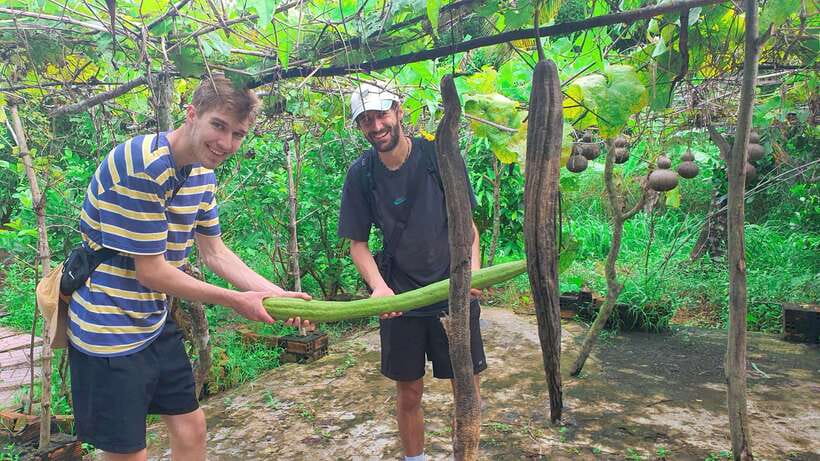
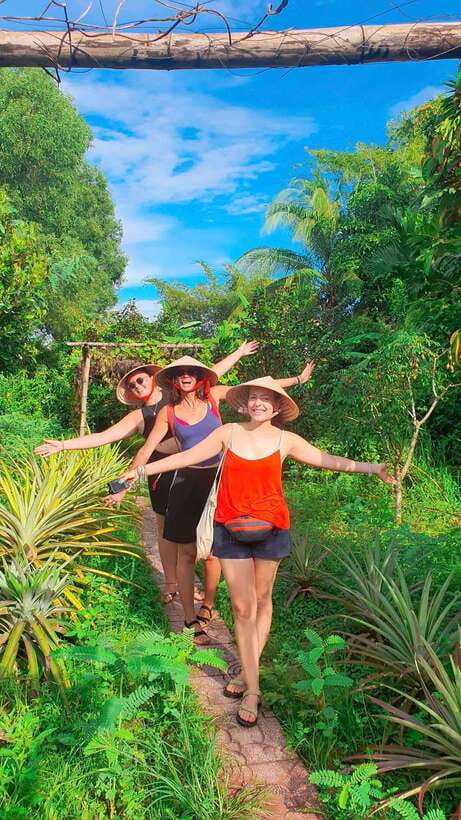
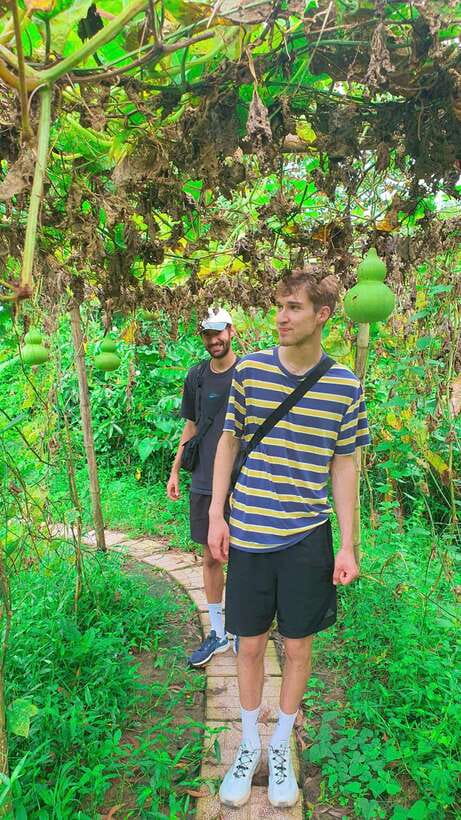
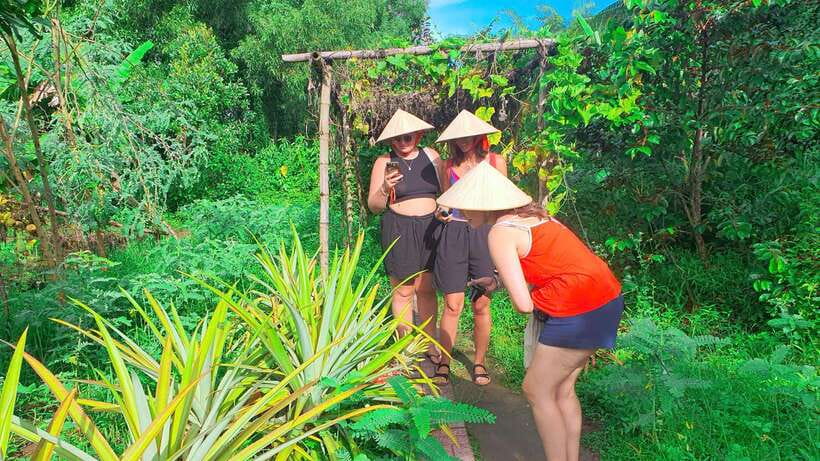
After the boat ride, you walk through a non-touristic village and visit local homes and fruit gardens. This part gives the tour balance. Without it, the river can seem like a separate world. On foot, you see how land and water support one another.
The garden visit focuses on seasonal crops, simple growing methods, and the fruits that form part of local food culture. Your guide may explain how different fruits are prepared and eaten, as well as how families use garden space to support their household.
The walk is not described as a formal farm attraction, and that is good news if you want something low-key. You are not being rushed through a row of souvenir stalls. The emphasis is on seeing a rural neighborhood and asking questions.
Paths may be uneven or warm underfoot, so comfortable shoes are more useful than anything stylish. The tour is not suitable for pregnant women according to the activity information. It also lists altitude sickness as a concern, although the Mekong Delta itself is low and flat.
Same place, a different sort of green day out:
- Orchid Cruises 3days/2nights For 5 Star All Included
★ 5.0 · 531 reviews - Mekong Delta Homestay 2-Day at Family Tiny Garden – Small Group
★ 5.0 · 410 reviews - Botanic Garden – Paradise Cave – Zipline – Mudbath at Dark Cave
★ 5.0 · 79 reviews - Orchid Cruises Halong Bay 2Days/1Night With 5 Star all included
★ 5.0 · 74 reviews
Making Bánh Khọt with a local family
The cooking stop is one of the tour’s most hands-on moments. You join a local family to make small Vietnamese savory pancakes, often known as Bánh Khọt. Ingredients come from the garden or local supply, and the activity uses a traditional clay stove.
This is not presented as a formal cooking school with a long recipe lesson. It is closer to being shown how a household prepares a familiar snack. You get to handle the food, learn the basic method, and eat what you help prepare.
That difference matters. A staged demonstration can tell you what a dish is, but cooking in a family setting shows how food fits into everyday life. You also get the chance to ask about ingredients, eating habits, and household customs through your guide.
Several people found the food element a highlight, including the small pancakes, fresh fruit, tea, and, on some morning departures, noodle soup at the floating market. Dietary requirements should be discussed with the guide, since one guide was specifically praised for helping with food needs. Still, do not assume every dietary request can be handled unless you arrange it in advance.
Fruit, tea, and conversation in the garden hut
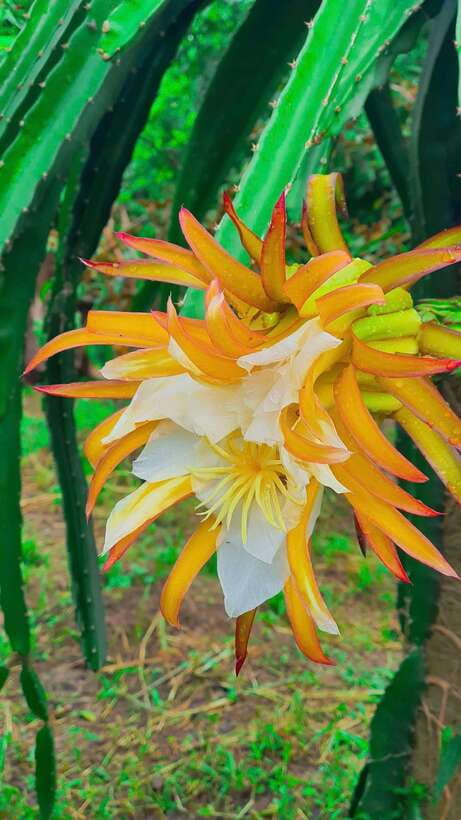
After the cooking, you relax in a traditional garden hut with seasonal tropical fruit and green tea. It is a modest stop, but it gives the tour breathing room.
I like this pause because the experience is not packed with constant movement. You have time to taste fruit, sit down, and talk with the guide about local customs, family life, and traditions. The guide often becomes the bridge between what you see and what it means.
The quality of this stop depends heavily on your guide. Anh, also known as Sophia, is praised for humor, warmth, excellent English, and a willingness to answer questions at length. Cory is described as friendly and especially good at explaining local life and food. Clara and Sunny also receive praise for making the conversation easy and personal.
Guide assignments can change, so you should not book on the assumption that a particular person is guaranteed. Still, the repeated strength of the guiding is one of the tour’s biggest advantages.
Inside a real floating house
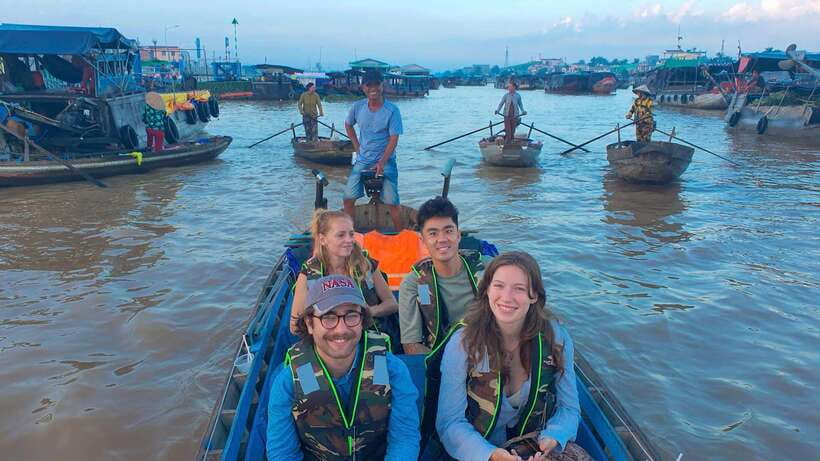
The final visit to a floating house is the most distinctive part of the route. You meet a family living directly on the river and learn how a floating home responds to water levels, storms, weather, and river traffic.
This stop gives you a much clearer picture of adaptation than a quick look at boats from a distance. A home on the water has different demands from a house on land. Storage, sleeping arrangements, cooking, movement, and security all relate to the river.
The visit should be approached respectfully. You are entering someone’s home, not a museum exhibit. Ask before taking close-up photographs, listen to the guide’s instructions, and remember that the family’s daily life is not a performance arranged solely for visitors.
Some departures have included a warm welcome, fruit, and conversation with people living on or beside the river. The experience can be especially useful if you want to understand the difference between a working boat and a floating household.
The Cai Rang Floating Market question
Cai Rang needs a clear explanation because the tour details point in two directions. The main description says there is no floating market and no tourist crowd. Another section lists Cai Rang Floating Market for roughly three and a half hours, with breakfast, a guided visit, a boat ride, and scenic views. Several morning accounts include noodle soup, coffee, fruit, and market activity.
The safest reading is that the operator may sell or run more than one version of the Can Tho experience. The morning departure may include the market, while the afternoon route may focus more fully on quiet canals and local homes. But the information does not state this clearly enough.
If you want Cai Rang, ask for the morning market version and confirm that it is included. If you want to avoid the market, ask specifically for the local-life route without Cai Rang. This one message can prevent a mismatch between your expectations and the actual day.
The market itself is not necessarily a tourist trap. It is a working wholesale area where boats sell produce, and some departures serve breakfast on the river. But it is busier and more familiar as a tourist activity than the village, garden, and floating-house visits. The two experiences offer different rewards.
Morning or afternoon: which time works better?
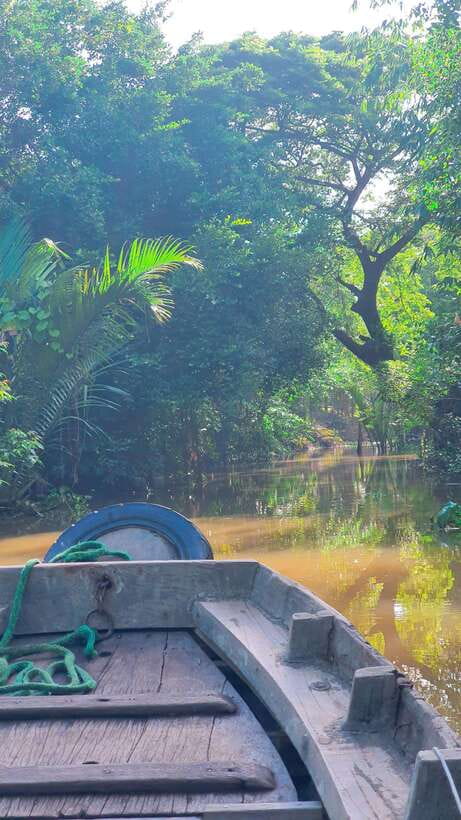
The tour offers a morning departure and a 1:00 PM option. The morning version suits you if you want cooler temperatures, early river activity, and possibly the floating market with breakfast. It does require an early start, and some people may find the first hours less relaxed.
The afternoon version is better if you dislike alarm-clock tourism or want an easier schedule after arriving in Can Tho. It is also more likely to feel quiet on the water, with fewer tour boats around. The tradeoff is heat, especially during sunny periods.
I would choose the morning if Cai Rang and breakfast on the river are your priorities. I would choose the afternoon if your main goal is a calm, local-life experience with village walking, cooking, garden time, and a floating home.
The advertised duration is 270 minutes, or four and a half hours. Some past departures have lasted closer to five or six hours, depending on the version, river conditions, and stops. Allow some flexibility rather than scheduling a tight onward connection.
Is $36 good value?
At $36 per person, the tour offers solid value if you take part in the full program. The price includes the traditional boat, English-speaking guide, village and garden visits, cooking activity, fruit, tea, bottled water, entrance costs, and local activity fees.
The value comes from variety. A simple canal ride might be cheaper, but it would not give you the same contact with food preparation, gardens, homes, and river households. A private tour costs more in many destinations, while this option offers private or small-group arrangements without making a large coach group the default.
There are costs not included. You pay for your own personal expenses, and standard group tours do not include hotel pickup or drop-off. If you choose a private tour, pickup is included, but the price and conditions may differ.
For me, the strongest value is the guide’s local interpretation. Without a good guide, a garden is just a garden and a floating house is just a floating house. With clear explanations and room for questions, the stops connect into a picture of life shaped by water.
Who should book this experience?
You should consider this tour if you want:
- A small-group outing rather than a large boat operation
- Local food and a hands-on cooking activity
- Quiet canals and rural paths
- A closer look at daily life in Can Tho
- A flexible morning or afternoon start
- A guide who can explain customs, food, and river routines in English
It is less suitable if your only goal is a famous attraction, a polished farm show, or a cool indoor day. It can also feel hot, rustic, and unstructured at moments. That is part of its appeal, but it is not for everyone.
Bring a hat, sunscreen, water, a camera, and comfortable clothes. Leave alcohol and drugs at home. The boat route may change with weather and water levels, so keep your expectations open.
Should you book the Can Tho local-life tour?
I would book it if you want to see the Mekong as a place where people live and work, not just a backdrop for photographs. The combination of quiet canals, a village walk, garden fruit, clay-stove cooking, and a floating home gives you more substance than a market-only trip.
Before paying, send one clear WhatsApp message asking whether your chosen departure includes Cai Rang Floating Market, the floating-house visit, and the full local-life route. Choose morning for cooler weather and possible market breakfast. Choose afternoon for a slower outing and a quieter river.
At $36, it is a fair buy for an experience built around personal guiding and local contact. Just prepare for heat, modest facilities, and a flexible route. If that sounds like your kind of Mekong day, this is a strong choice in Can Tho.
FAQ
Does the tour include Cai Rang Floating Market?
The information is inconsistent. One description says the tour avoids floating markets, while another itinerary includes Cai Rang and several morning departures include breakfast there. Confirm the exact route and departure type before booking.
Is hotel pickup included?
Pickup is not included for the standard group tour. Pickup is included for private tours only. Group participants should go to the stated meeting point and provide a working WhatsApp number for guide contact.
How long does the experience last?
The advertised duration is 270 minutes, or four and a half hours. The timing can vary with the route, weather, river conditions, and the version of the tour.
Is there an afternoon departure?
Yes. The experience is offered at 1:00 PM, as well as a morning departure. The afternoon option can be warmer, so bring extra water, sunscreen, a hat, and light clothing.
What is included in the price?
The price includes the wooden boat cruise, English-speaking guide, village and garden visits, home-style cooking, seasonal fruit, green tea, a floating-house visit, entrance fees, local activity costs, and bottled water.
What should I bring?
Bring a hat, sunscreen, water, a camera, and comfortable clothing. Alcohol and drugs are not allowed.
Just added around Vietnam
- Orchid Cruise Top Notch Cruise into Halong and Lan Ha Bay 2D1N★ 4.5 · 5 reviews
- Hue’s Vegetarian Cooking Class in Ancient Garden★ 5.0 · 47 reviews
- Cooking Class Hoi An – Organic Garden – Farming Tour-Handicrafts★ 5.0 · 56 reviews
- Vietnam Flavour: Market-to-Table & The Art of Egg Coffee★ 5.0 · 53 reviews
- Orchid Cruise Halong Bay 2Days 1Night on 5 Star Cruise★ 4.5 · 10 reviews
- Orchid Premium Cruises Halong Bay 2Days/1Night With 5 Star★ 5.0 · 31 reviews
- Orchid Cruises Halong Bay 3 Day/2Night on 5 Star★ 5.0 · 2 reviews
- Orchid Cruise Halong Bay 3Days 2Night on 5 Star Cruise★ 4.5 · 57 reviews
Vietnam Garden Tours, compared.
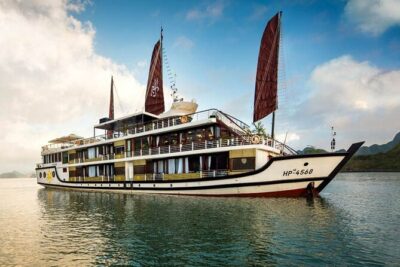
Orchid Cruises Halong Bay 2Day/1Night on 5 Star
Read our review →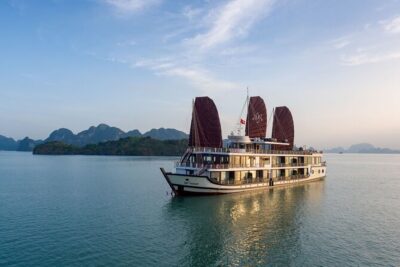
Orchid Trendy Cruises 2Days/1 Night 5 Star Cruises
Read our review →
Orchid Cruises 2Days/1Night 5 Star All included
Read our review →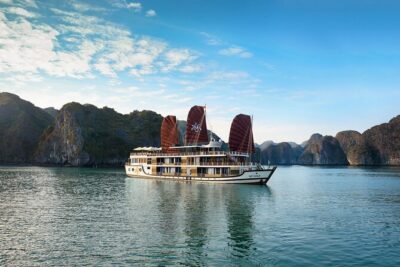
Orchid Cruises 3days/2nights For 5 Star All Included
Read our review →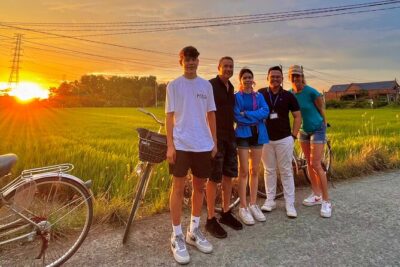
Mekong Delta Homestay 2-Day at Family Tiny Garden – Small Group
Read our review →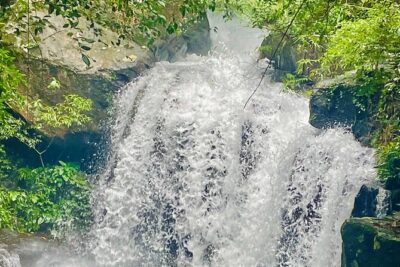
Botanic Garden – Paradise Cave – Zipline – Mudbath at Dark Cave
Read our review →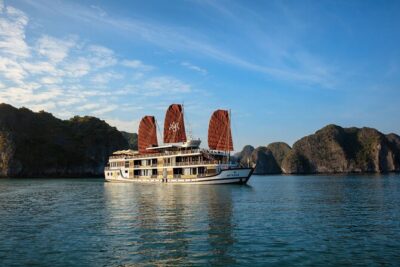
Orchid Cruises Halong Bay 2Days/1Night With 5 Star all included
Read our review →
Home Cooking Class: Market, Garden and cooking 4 dishes
Read our review →Browse the lists this tour appears in