
Review · SRI LANKA
Ella : Cooking class with amazing Spice Garden Tour
Sri Lankan curry begins in the garden. This four-hour Ella experience combines a guided walk through a 2.5-acre spice garden with a hands-on cooking class, giving you both the ingredients and the techniques behind a local meal. I especially like the plant-by-plant garden tour and the chance to make fresh coconut milk by hand.
The cooking takes place in a local kitchen with a traditional fireplace, not a polished demonstration studio. I also like the friendly small-group format, limited to eight people, which keeps the class social and gives you a real chance to chop, stir, taste, and ask questions. The one consideration is that the session can involve plenty of preparation and watching, so it may not suit you if you expect to cook every dish entirely on your own.
The meal is generous and varied, with rice, curries, sambol, banana chips, papadam, and dessert. The garden and cooking class work best together, though visitors mainly interested in a short cooking lesson may find four hours longer than expected.
Key points at a glance
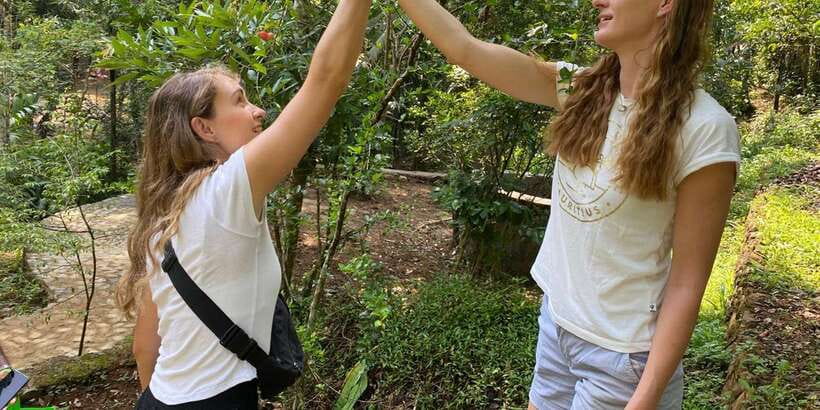
- A 2.5-acre family garden: See more than 100 spice, fruit, herb, and medicinal plants, including cinnamon, vanilla, cocoa, nutmeg, clove, garcinia, and curry leaves.
- A traditional fireplace kitchen: Prepare Sri Lankan food in a local setting rather than simply watching a chef cook.
- Seven curries and more: The menu can include rice, pumpkin or dhal curry, potato milk curry, mushroom curry, green beans, chicken, coconut sambol, banana chips, papadam, and dessert.
- A small class of up to eight: Small numbers make it easier to take part and talk with the English-speaking team.
- Vegetarian and vegan friendly: Meat dishes can be adjusted when needed, with plant-based options available.
- Good value at $32: The price covers the garden tour, refreshment, cooking session, meal, recipes PDF, spice showroom, and Wi-Fi.
Why the garden matters before you cook
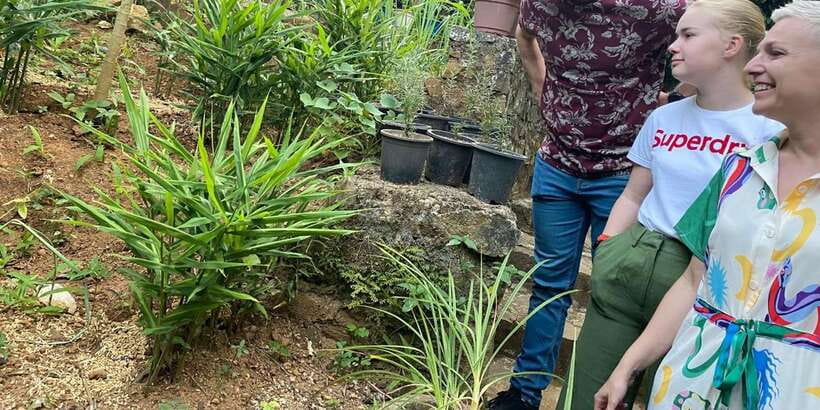
Many cooking classes begin with bowls of chopped ingredients. This one starts earlier, with the plants themselves. During the first hour, you walk through a family-run 2.5-acre garden described as the largest spice garden in Ella, with more than 100 plants.
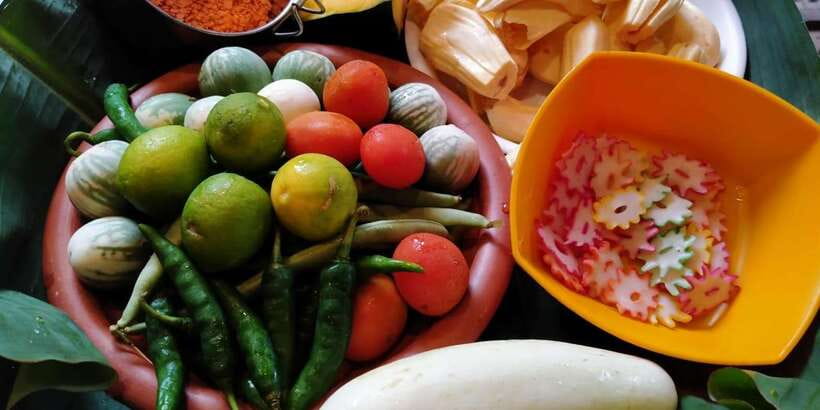
That setting gives useful context to ingredients you may already know from a kitchen shelf. You can see how cinnamon, nutmeg, clove, vanilla, cocoa, and curry leaves grow, rather than treating them as anonymous powders and leaves. The tour also covers medicinal plants and the ways local plants are used in traditional cooking and medicine.
A good guide makes this part more than a botanical stroll. Senaka, Sam, Upulu, and other members of the family team have led different sessions, and the strongest part of their presentation is the practical detail. You may be able to smell, touch, or taste ingredients directly from the plants, then hear how they are prepared for food.
The garden is bigger than the word spice might suggest. It also includes fruit trees, avocado, cacao, vanilla, herbs, and roots. That variety helps you understand why Sri Lankan food often tastes layered rather than simply hot. The flavor starts with fresh produce, toasted or ground spices, coconut, and careful cooking.
The garden walk can also make you hungry. That is not a problem, since the cooking portion follows it. If you are visiting during the late afternoon or near sunset, bring mosquito spray. One person specifically found it useful when the class overlapped with dusk.
More Spice and Herb Gardens in the world:
- Alcamo Farm Animals and Aromatic Garden
★ 4.0 · 45 reviews - Day Tour to Elephant Orphanage / spice garden
★ 5.0 · 20 reviews - Penang Round Island Tour With Tropical Spice Garden & Entopia Butterfly Farm
★ 4.0 · 15 reviews
A cooking class built around a shared meal
After the garden tour, you move to the kitchen for roughly three hours of cooking. The instruction is in English, and the style is friendly and easy to follow. You do not need advanced kitchen skills, but you should be ready to wash, chop, mix, stir, taste, and help with several dishes.
The usual spread includes white rice, pumpkin or dhal curry, potato milk curry, mushroom curry, green bean curry, chicken curry, coconut sambol, crispy banana chips, papadam, and dessert. The exact combination can vary, but the aim is a full Sri Lankan meal rather than one isolated recipe.
This is one of the best reasons to choose the class. You learn how several dishes work together on one plate. A mild potato curry, a vegetable curry, a sharper sambol, rice, and something crisp create contrast. You leave with a better sense of how Sri Lankan meals are assembled, not just how one curry is made.
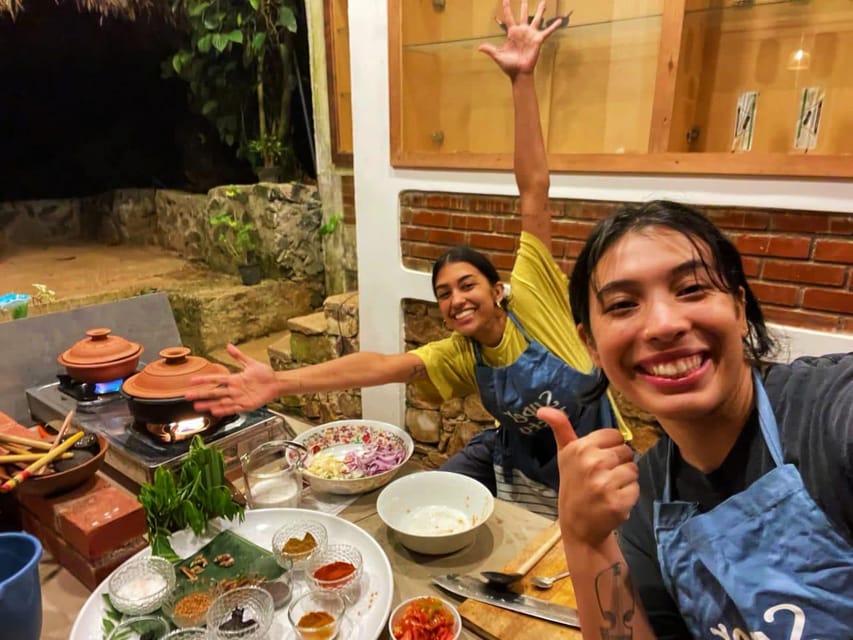
The class also explains techniques that are easy to miss in a restaurant. You may learn how to prepare fresh coconut milk by hand, make coconut sambol, fry banana chips, and balance spice with other ingredients. The food is cooked from scratch, and the team can adjust the heat level to suit the group.
Several people found the food to be the best meal of their Sri Lanka visit. That praise is understandable, but it comes with a useful detail: the meal is the result of group work. You are helping prepare many dishes, then eating them fresh at the end. The satisfaction comes from both the taste and the process.
The traditional fireplace changes the feel
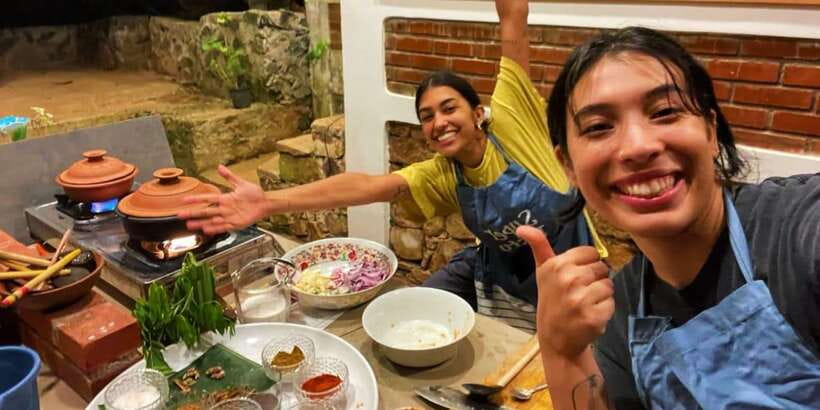
The kitchen uses a traditional local fireplace. That detail matters because it gives the class a more domestic, hands-on character than a modern cooking school with rows of induction burners.
You are closer to the fuel, heat, pots, and smells of everyday Sri Lankan cooking. The setting also helps explain why patience and timing matter. Curries need time to develop, and different dishes come together at different speeds.
At the same time, do not picture an entirely private lesson with one instructor standing beside you at every moment. This is a shared class. One teacher may demonstrate a step while the group watches, then different people take turns with the preparation and cooking.
That division of work is part of the fun, especially if you enjoy meeting people from other countries. It also explains the one fair criticism: some participants felt they did more preparation and observation than actual cooking. If you want to independently cook every curry from start to finish, ask about the hands-on balance when arranging your session.
For most people, the group format is a strength. One person described it as cooking with friends, and that captures the tone better than a formal lesson would. The team keeps things moving, answers questions, cleans as you go, and makes sure everyone has a role.
What you will eat at the end
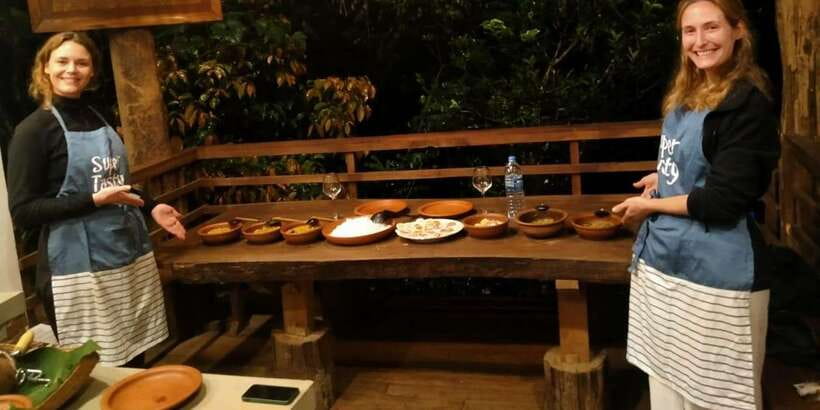
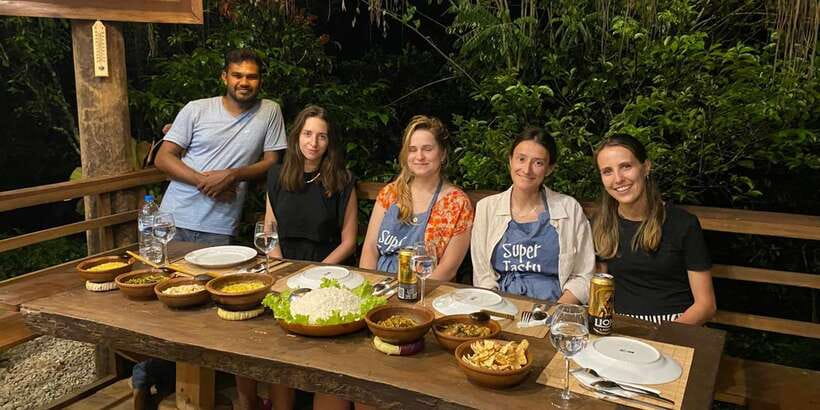
The final meal is served on banana leaves, which gives the cooking session a fitting close. You sit down with the dishes prepared by the group and see how the separate curries fit together.
The menu has enough range to keep the meal interesting. The curries may include vegetables, mushrooms, potatoes, pumpkin, dhal, green beans, and chicken. Coconut sambol adds freshness and bite, while banana chips and papadam bring crunch.
The food is not presented as a tasting menu. Portions are generous, and several people found there was more than they could finish. That makes the $32 price easier to judge: you are paying for four hours of activity, instruction, ingredients, a garden tour, and a substantial meal.
The class is also a strong choice if your group has mixed diets. Vegetarian and vegan dishes are available if requested. One vegetarian participant had the chicken dish replaced with an omelette, while other sessions included several vegetable curries without needing a special arrangement.
You should still make dietary needs clear ahead of time. The supplied information confirms vegetarian and vegan options, but it does not promise that every allergy or dietary restriction can be handled.
More Cooking Classes in the world:
- Chiang Mai: Cooking Class, Market & Thai Herbs Garden Tour
★ 4.9 · 4,824 reviews - We Cook Thai Home Garden Cooking School
★ 4.9 · 378 reviews - Thai Cooking Class with Market & Garden Tour
★ 4.9 · 249 reviews - Half day Thai cooking Class + Market tour+Garden tour
★ 5.0 · 237 reviews
The people make the class work
This is a family-run operation, and the personal connection comes through in the way the staff divide the work. Garden guides such as Sam, Senaka, and Upulu have been praised for clear explanations, while cooking teachers including Nalini and family members have been praised for patience and warmth.
The names can vary by session, so you may not meet every person mentioned here. What remains consistent is the family-style approach. The garden guide explains the plants, the cooking teacher leads the meal, and helpers keep the kitchen running.
That support matters during a class with many dishes. Someone needs to organize ingredients, keep an eye on the fireplace, explain the next step, and clear space for the group. Lahiru was singled out for keeping one session smooth and cleaning as people worked.
You will likely get more from the class if you ask questions. Ask how a spice is used at home, why coconut milk is added at a particular stage, or how to alter the heat. The instructors are used to explaining both food and plant use in English.
How the small group affects your time

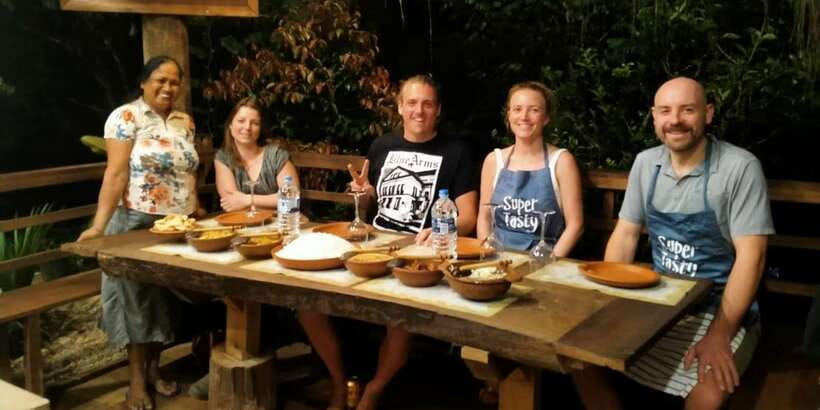
The maximum group size is eight. Actual groups can be smaller, with one session having only four people and another having seven.
A small group helps in three ways. First, you can see the demonstration without standing far back. Second, you have a better chance of handling ingredients yourself. Third, the meal feels social rather than crowded.
Still, eight people sharing one kitchen means you will not be busy every second. You may chop while another person stirs, then change roles. If you are traveling alone, this is a good way to meet people. If you are booking as a family, it is worth remembering that different members may get different cooking tasks.
The four-hour length is sensible for the amount of food involved. The garden tour takes about one hour, and the cooking session takes around three hours. This is not a quick stop to fit between two tightly scheduled sights.
Is $32 good value?
At $32 per person, the experience is fairly priced for the time and amount included. You receive the garden tour, a refreshment, a cooking class, the meal, dessert, a recipe book PDF, access to the spice showroom, and free Starlink Wi-Fi.
The key value is that the tour combines two activities that would otherwise be separate. You get an introduction to local plants, then use that knowledge in the kitchen. The meal alone might be cheaper elsewhere, but it would not include the garden, instruction, and recipes.
You can also buy spices at the garden showroom. This is useful if you want to take home vanilla or other ingredients that are harder to identify in ordinary shops. One visitor was particularly pleased to find vanilla here after searching elsewhere in Sri Lanka.
Pickup can be arranged from your location for a reasonable additional price. The meeting point is not described as a standard central Ella pickup location, so ask about transport when booking. A few people appreciated help arranging a return transfer, especially when the class ended later in the day.
The booking terms are flexible: you can cancel up to 24 hours ahead for a full refund, and you can reserve now and pay later. Those policies are useful if your Ella plans depend on weather or changing transport.
Who should book this Ella experience?
I would recommend it most strongly to people who care about food, plants, and local routines. It suits curious beginners, confident home cooks, couples, families with older children, and solo visitors who enjoy a social activity.
It is especially good for vegetarians and vegans because the menu already includes many plant-based dishes. It also works well for anyone who wants to learn how Sri Lankan food is made rather than simply ordering another curry in a restaurant.
You may want to skip it if you have only a short window in Ella, dislike group activities, or expect a private chef to let you cook every dish alone. The class is active, but it is still a shared demonstration and meal.
Bring comfortable clothes for a warm kitchen, mosquito spray if your session reaches sunset, and an appetite. You do not need to bring cooking supplies. The recipes are sent as a PDF, so you can try to recreate the meal at home.
My final take: book it if food is part of your trip
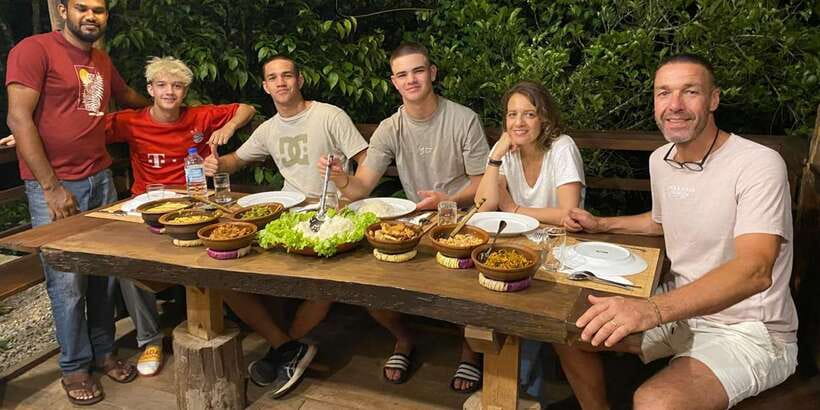
I would book this class if I wanted one Ella activity that felt connected to local life. The garden gives the cooking more meaning, the fireplace kitchen keeps the setting grounded, and the final banana-leaf meal rewards the work.
The strongest parts are the plant tour, the generous spread, and the welcoming small-group teaching. The main limitation is that not every participant will spend equal time cooking, so set your expectations correctly.
For $32, four hours of activity, a full meal, recipes, and the chance to see spices growing is a strong deal. If you want a practical taste of Sri Lankan food culture, this is an easy experience to recommend.
FAQ
Where does the spice garden and cooking class take place?
The experience takes place at the family-run Ella Nine Arch Spice Garden in Ella, Sri Lanka, in the Eastern Province information supplied for the activity.
How long does the experience last?
The full experience lasts four hours. About one hour is used for the spice garden tour, followed by around three hours of cooking.
How large is the group?
The class is limited to eight participants. Some sessions may be smaller.
What language is the class taught in?
The instructor and activity information are provided in English.
What plants can you see in the garden?
The garden has more than 100 plants, including garcinia, vanilla, cocoa, curry leaves, nutmeg, clove, cinnamon, fruits, herbs, roots, and medicinal plants.
What food will you cook?
The menu can include white rice, pumpkin or dhal curry, potato milk curry, mushroom curry, green bean curry, chicken curry, coconut sambol, crispy banana chips, papadam, and dessert.
Is the class suitable for vegetarians and vegans?
Yes. Vegetarian and vegan dishes are available if needed. Meat dishes can be adjusted, with one session replacing chicken curry with an omelette for a vegetarian participant.
Do you eat the food prepared during the class?
Yes. After cooking, you sit down and eat the meal prepared by the group, served on banana leaves.
Are recipes included?
Yes. You receive a recipe book PDF so you can recreate the dishes at home.
Is pickup available?
Pickup can be arranged from your location for a reasonable additional price. Ask about the pickup and return details when you book.
Just added around the world
- Royal Horticultural Society: Harlow Carr Garden Ticket★ 4.7 · 14 reviews
- Zanzibar: Jozani Monkeys, Butterfly Garden & Reptile Park★ 5.0 · 2 reviews
- Yu Garden Shanghai Entry Tickets Booking And Trip★ 3.6 · 9 reviews
- York: Castle Howard House and Gardens – Self-Guided★ 4.8 · 120 reviews
- Xochimilco floating gardens, Coyoacan and UNAM murals★ 4.0 · 6 reviews
- York: Castle Howard Gardens and Grounds Entry Ticket★ 4.5 · 23 reviews
- Woodside: Filoli Historic House and Garden Entry Ticket★ 4.9 · 9 reviews
- Woking: Royal Horticultural Society Wisley Garden Ticket★ 4.7 · 24 reviews
Spice and Herb Gardens, compared.


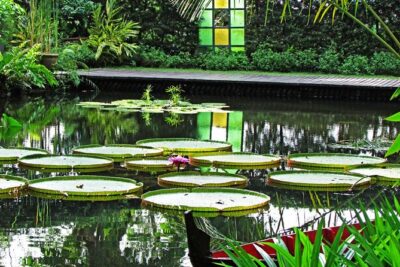
Penang Round Island Tour With Tropical Spice Garden & Entopia Butterfly Farm
Read our review →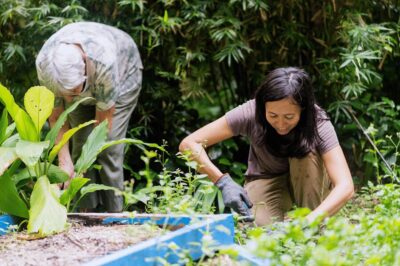
Penang: Tropical Spice Garden Entrance Ticket & Guided Tours
Read our review →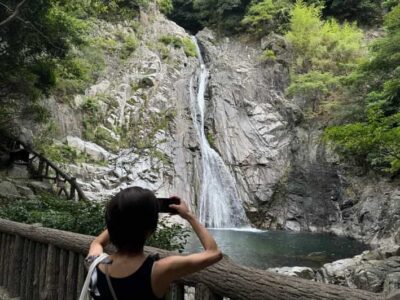
Kobe: Guided Tour of Nunobiki Waterfalls and Herb Garden
Read our review →
Grenada: Spice and Herb Garden Tour with Beach Visit
Read our review →
Aromatic Experience in the Medicinal Garden in Ibiza
Read our review →
Sri Lanka: Ceylon Cinnamon Experience & Spice Garden Tour
Read our review →Browse the lists this tour appears in