
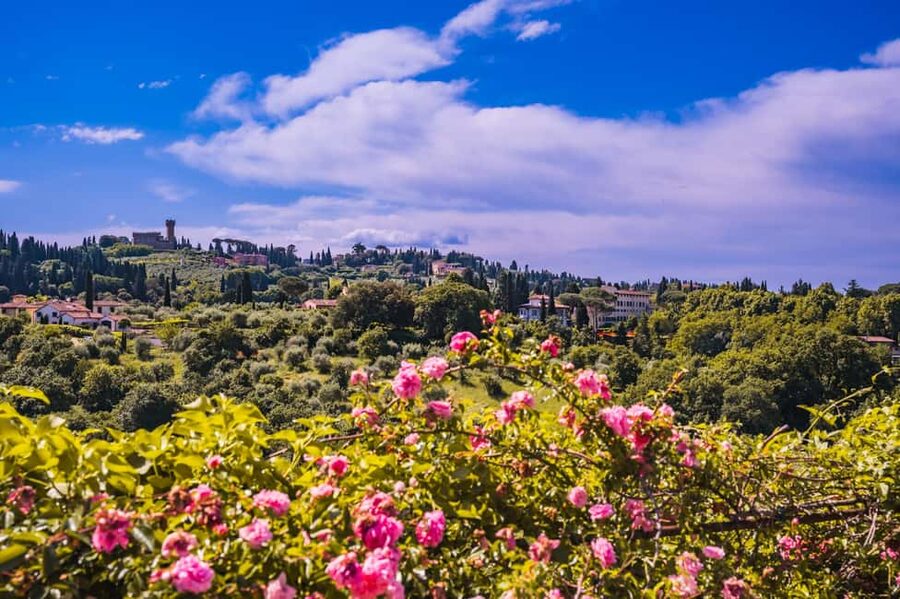
Review · FLORENCE
Florence: Pitti Palace and Boboli Gardens Guided Tour
Florence keeps a royal secret. At Pitti Palace, you move from Medici apartments packed with art to Boboli Gardens, where stone paths, fountains, and sculptures turn a hillside into an open-air museum. I like the small-group format and the way the two-hour route joins palace rooms with the gardens instead of treating them as separate sights. The 24-hour return ticket is another strong point, since you can come back to see the museum sections the guided visit cannot cover.
This tour is especially good if you want help making sense of the Palatine Gallery’s crowded walls. The guide’s command of the subject and well-judged pace have earned particularly strong praise, with the activity holding a 4.9 rating from 14 reviews. The main caution is physical: steep, uneven garden paths and a long period on your feet make this a poor fit for wheelchair users or anyone with significant mobility limits.
Key points to know before booking
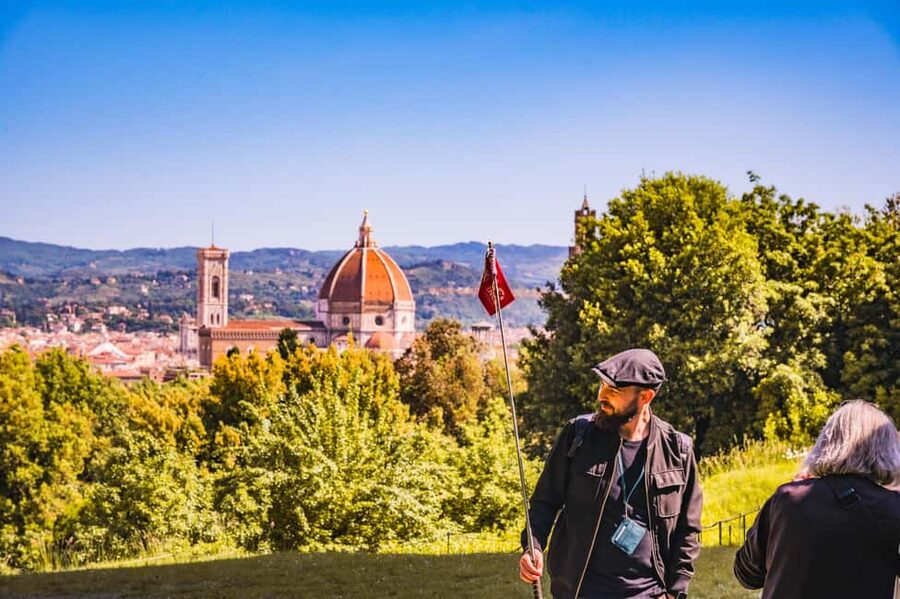
- The Palatine Gallery is the artistic centerpiece: See paintings by Raphael, Titian, and Caravaggio, including Raphael’s Madonna della Seggiola.
- The palace is wonderfully overstuffed: Paintings and decoration cover much of the available wall space, following the Renaissance taste known as horror vacui.
- Boboli Gardens add breathing room: The outdoor route includes the Buontalenti Grotto, Fountain of Neptune, and Amphitheater.
- Your ticket lasts 24 hours: After the guided visit, you can return to the remaining Pitti Palace galleries at your own pace.
- The tour lasts two hours: That is enough for a focused introduction, but not enough to see every room in detail.
- The meeting point is simple: Meet your English-speaking guide in front of the main entrance to Palazzo Pitti.
Why Pitti Palace matters in Florence
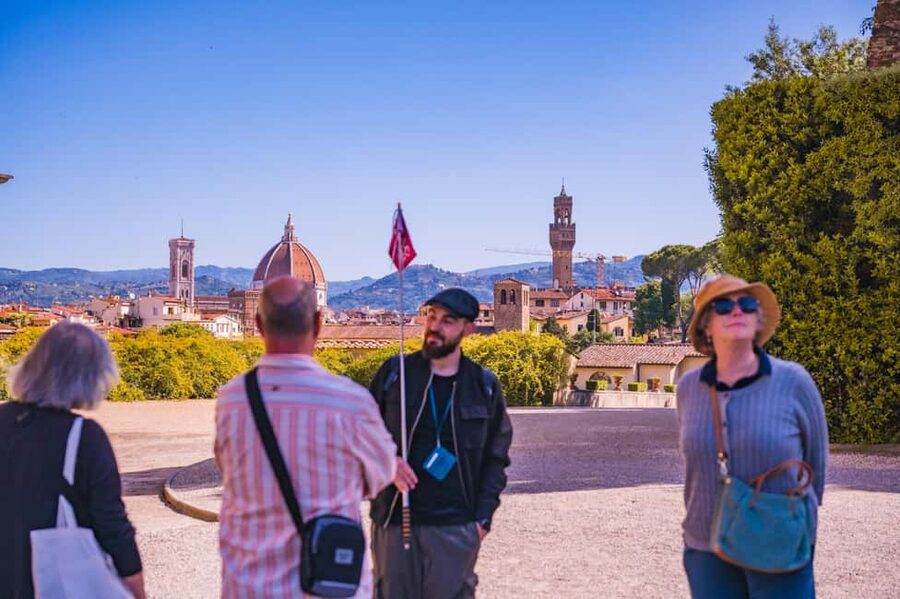
Pitti Palace gives you a different view of Florence than the city’s medieval streets and church interiors. This was a grand residence tied to the Medici family, the powerful dynasty that shaped Florence’s politics, finances, art, and architecture.
The palace was built in the 15th century for the Pitti family. The Medici bought it in 1549 and turned it into one of the city’s great residences. That change matters because the building is not merely a museum filled with disconnected paintings. Its scale, decoration, and room arrangement show how rulers used art to display authority.
You meet your guide at the main entrance of Palazzo Pitti. There is no hotel pickup, so you need to make your own way there and arrive ready to begin. The central location makes the meeting point easy to identify, but do not confuse the palace entrance with a meeting point somewhere in the surrounding streets.
The tour is conducted in English and uses a small-group format. Larger groups may receive earphones, which is useful in rooms where several voices and hard surfaces can make it difficult to hear. The guide sets the pace, explains the major works, and helps you focus on what deserves your attention.
More Palace and Castle Gardens in Florence
- Florence: Pitti Palace and Boboli Gardens Ticket & eBook
★ 4.5 · 835 reviews - Florence: Pitti Palace, Boboli Garden, Palatine Gallery Tour
★ 4.9 · 558 reviews - Pitti Palace, Boboli Garden & Palatina Gallery Guided Tour
★ 5.0 · 264 reviews
Entering the Palatine Gallery
The Palatine Gallery is the main reason art lovers should consider this tour. It contains works by major names including Raphael, Titian, and Caravaggio, along with many other paintings displayed in lavish rooms.
The arrangement can surprise you. This is not a quiet modern gallery with one painting on a clean white wall and a wide bench in front of it. Paintings cover the walls in dense arrangements, with elaborate decoration filling the rooms around them. The effect follows the idea of horror vacui, a preference for leaving little empty space.
I find that a guide is most useful here. Without context, the abundance can feel like visual overload. You might notice one famous painting, then realize that several other important works are hanging nearby. A clear explanation helps you decide where to look first and what details are worth remembering.
Raphael’s Madonna della Seggiola is one of the key works on the route. The painting shows the Madonna and Child in a close, tender arrangement. It is a small-scale image with an intimate feeling, and it gives you a welcome pause amid the grand rooms and crowded walls.
Titian and Caravaggio add a different range of styles and moods. You will not simply receive a list of famous names. The value comes from seeing how the works function within a palace collection built to impress and represent status.
The guide-led portion is useful for first-time visitors who want a readable introduction rather than a long academic lecture. Feedback on the tour gives special credit to the guide’s knowledge and the pace. That combination matters here: too fast, and the paintings become a checklist; too slow, and the gardens receive less attention.
Medici rooms and the palace interior

The palace rooms are part of the art experience. Frescoes, ornate details, and decorated surfaces show the resources available to the Medici family and the court that lived around them.
You are not walking through a bare shell. The interiors help explain why these paintings were collected and displayed. The setting tells you that art was not only for private pleasure. It was also a public statement about wealth, education, taste, and power.
A two-hour tour cannot cover every room in equal depth. That is not a flaw as long as you understand the format. You receive a guided look at selected highlights, then use the included ticket to continue independently.
The crowded decoration may not suit visitors who prefer a calm, minimalist museum. I think it is precisely what makes the Palatine Gallery memorable, but you should expect visual excess. There is a lot to take in, and the palace rewards patience more than speed.
From palace rooms to Boboli Gardens
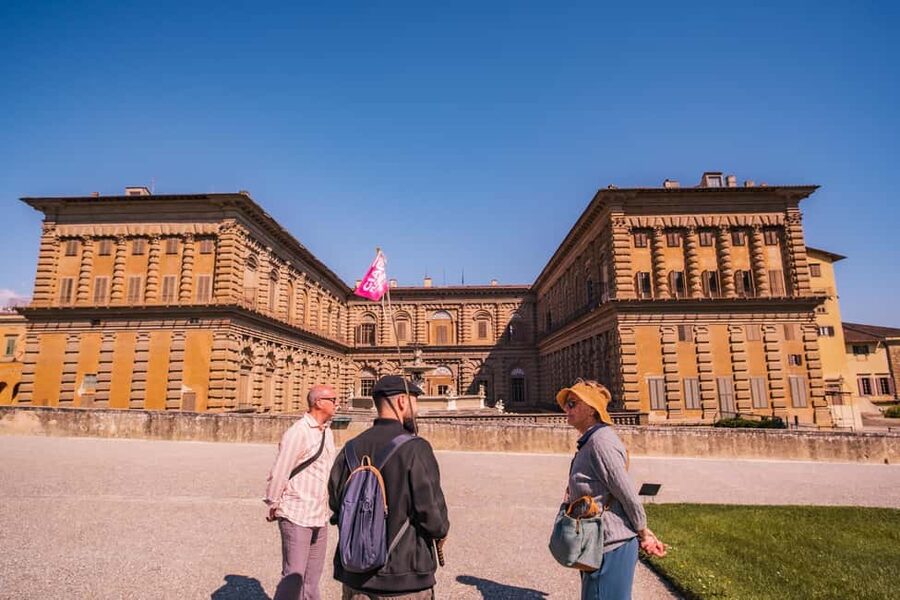
After the indoor portion, the route continues into Boboli Gardens. The change is welcome. You move from dark, decorated rooms into an outdoor setting where paths, sculptures, fountains, and terraces spread across the grounds.
Boboli is often described as an open-air museum, and that description fits. The gardens were designed as a place for nature and art to work together. They also influenced European royal garden design, including the gardens at Versailles.
The most important shift for you is pace. Inside, you look closely at paintings and decoration. Outside, you walk between landmarks and take in the larger arrangement. The gardens are not simply a patch of lawn beside the palace. They are a designed setting where routes, views, and sculpture create a sense of ceremony.
The Buontalenti Grotto is one of the most distinctive stops. Its name suggests something natural, but its setting is shaped by art and design. It gives the garden route a theatrical quality, especially after the formal rooms of the palace.
The Fountain of Neptune provides another recognizable landmark. The Amphitheater adds a large architectural feature to the walk and helps show how the garden was organized for spectacle as well as leisure.
You should wear comfortable shoes. The supplied guidance specifically recommends them, and that advice is worth taking seriously. You may also want a water bottle, particularly on a warm day. Bring a camera if you like, but flash photography is not allowed.
More Palace and Castle Gardens in Italy
- Florence: Pitti Palace and Boboli Gardens Walking Tour
★ 4.6 · 182 reviews - Florence: Museum Pass–David, Uffizi, Pitti Palace & Gardens
★ 4.2 · 134 reviews - Timed Entry Ticket to Pitti Palace and Boboli Gardens in Florence
★ 3.5 · 118 reviews - Florence: Boboli Gardens Guided Tour
★ 4.5 · 69 reviews
What the two-hour schedule really gives you
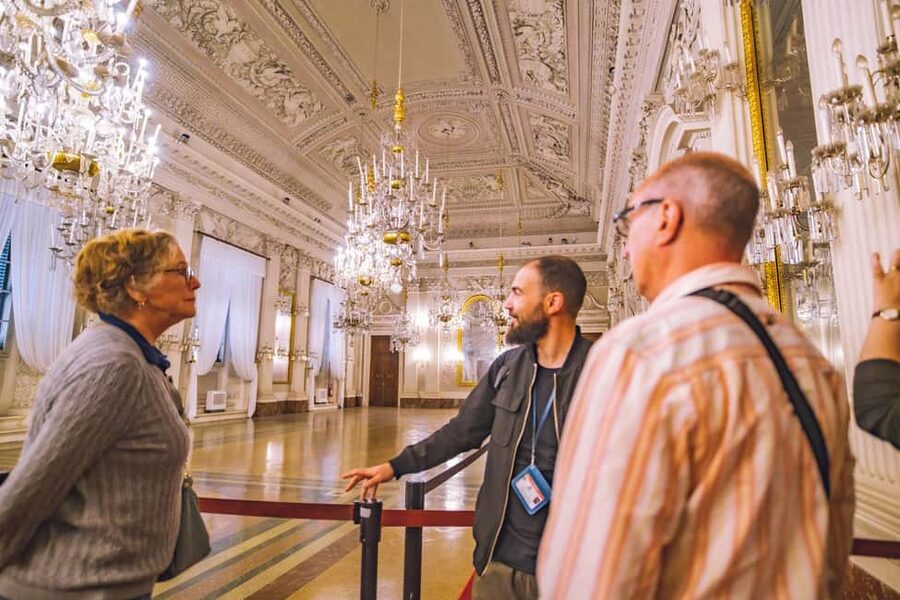
Two hours is a useful length for a focused introduction. You get enough time to understand the Medici connection, see major Palatine Gallery works, and walk through selected parts of Boboli Gardens without giving up an entire day.
The limit is coverage. Pitti Palace contains several museum areas, and Boboli Gardens are extensive. You will not inspect every gallery, apartment, path, and sculpture during the guided portion.
I would treat the tour as your orientation. Let the guide handle the major story and the best-known works. Then use the extra ticket time to choose your own priorities. If you want more art, return to the palace galleries. If you prefer costumes, court life, or decorative objects, the additional sections give you room to follow those interests.
The tour’s pace has been especially well received, which is important in a short itinerary. A sensible pace lets you look without turning each stop into a long lecture. If your group is larger, earphones help you keep up with explanations while moving between rooms.
Busy days may bring short delays at museum entrances. Skip-the-ticket-line access reduces the usual ticket queue, but it does not guarantee that every entrance will be immediate. Leave some flexibility around the start and end of the visit.
Making good use of the 24-hour ticket

The extra ticket is one of the best practical features. It remains valid for 24 hours and lets you visit the remaining Pitti Palace galleries at your own speed.
Those galleries include:
- Gallery of Modern Art
- Museum of Costume and Fashion
- Treasury of the Grand Dukes
- Imperial and Royal Apartments
This changes the value calculation. At $85 per person, you are paying for a guide, admission to Pitti Palace and Boboli Gardens, a focused route through the Palatine Gallery, and the option to continue exploring after the tour.
If you only attend the two-hour guided portion and leave, the price may feel high compared with a basic entry ticket. If you use the 24-hour access well, the cost makes more sense. You can spread the museum visit across a second period instead of trying to absorb every room at once.
The ticket is also useful if your concentration fades after the gardens. You can stop for a café break, enjoy the surroundings, and return later to the museum areas. Food and drinks are not included, so plan to pay separately at a nearby café or make your own arrangements.
A closer look at the extra galleries
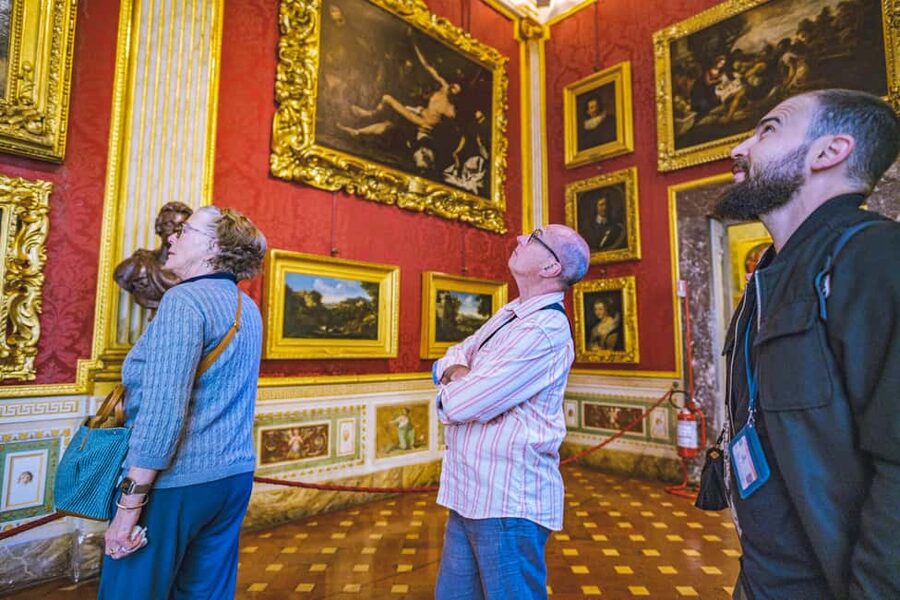
The Gallery of Modern Art gives you a chance to move beyond the Renaissance and court collections. The title is broad, but the important point is that your ticket is not limited to the rooms visited with the guide.
The Museum of Costume and Fashion shifts attention toward clothing and style. This can help you see court life through objects rather than paintings alone.
The Treasury of the Grand Dukes offers another change of focus, with the emphasis on the possessions associated with the court. The Imperial and Royal Apartments return you to the world of formal residence and power.
You should not assume the guided route will provide a full tour of all four sections. It will not. The ticket gives you access and time, while your own follow-up visit determines how much value you get from them.
Who will enjoy this tour most
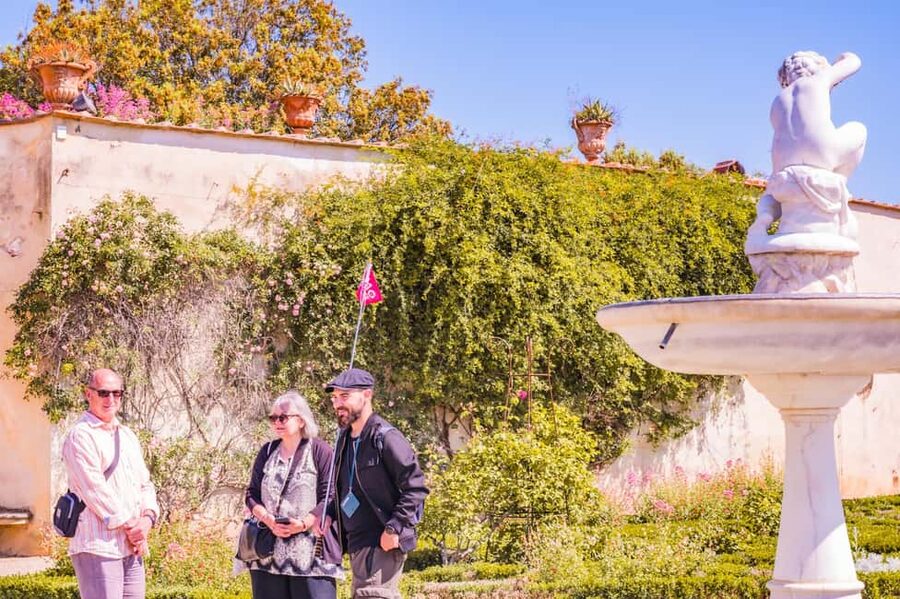
I would recommend this tour to first-time Florence visitors who want the main ideas explained clearly. It suits anyone interested in the Medici family, Renaissance painting, grand interiors, and formal Italian gardens.
It is also a good choice if you like a mixture of indoor and outdoor sightseeing. Two hours in palace rooms can feel intense, while two hours in a garden can feel less focused. This format gives you both.
Art lovers will appreciate the chance to see Raphael, Titian, and Caravaggio in the Palatine Gallery. Even if you are not an art specialist, the guide can help turn a wall full of paintings into a manageable set of highlights.
Families and mixed-interest groups may find the 24-hour ticket helpful. One person can spend more time with paintings, while another can focus on fashion, apartments, or garden views later.
This is not the right choice for visitors who need step-free access or cannot manage uneven walking routes. The activity is listed as unsuitable for wheelchair users and people with mobility impairments. You should also reconsider it if you strongly dislike crowded museum displays or want a slow, room-by-room study of the entire palace.
Is $85 per person good value?
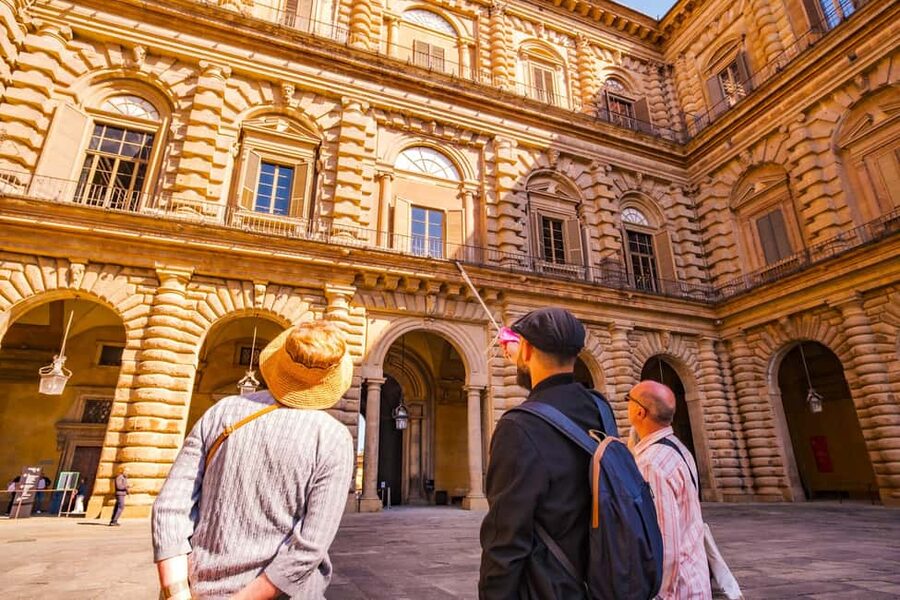
The price is reasonable only if you use the tour and the ticket as a package. The guided introduction provides structure, interpretation, and a way to see the key Palatine Gallery works without spending your first minutes trying to understand the layout.
The 24-hour admission adds real value. You can return for the Gallery of Modern Art, Museum of Costume and Fashion, Treasury of the Grand Dukes, and Imperial and Royal Apartments. That extra time is the difference between a short highlights visit and a fuller look at the Pitti complex.
I would not book this mainly for the promise of a quick visit. The tour works better when you reserve time to return or continue exploring after the two-hour route. Bring comfortable shoes, water, and a little patience for possible entrance delays on the busiest days.
Free cancellation up to 24 hours before the activity and the reserve-now, pay-later option also make planning easier. These policies are useful if your Florence schedule is still changing, but they should not replace checking the starting time before you book.
Final call: should you book it?
Book this tour if you want an English-speaking guide to connect Medici power, palace decoration, famous paintings, and Boboli’s garden design in one compact visit. The strongest reasons are the well-paced guiding, the Palatine Gallery highlights, and the 24-hour ticket that lets you return to the rest of the museum.
Skip it if you want full independent freedom from the start, have serious mobility concerns, or plan to spend only a short time in the Pitti complex. For most first-time visitors with two hours available and enough energy for a follow-up visit, the $85 price is justified by the combination of guidance and extended admission.
FAQ
Where does the Pitti Palace and Boboli Gardens tour meet?
Meet your English-speaking guide in front of the main entrance of Palazzo Pitti.
How long does the guided tour last?
The guided tour lasts two hours.
What language is the tour conducted in?
The live tour guide speaks English.
Does the ticket include the Palatine Gallery?
Yes. Admission includes a visit to the Palatine Gallery, with works by artists including Raphael, Titian, and Caravaggio.
Can I visit other Pitti Palace galleries after the tour?
Yes. The ticket remains valid for 24 hours and includes the Gallery of Modern Art, Museum of Costume and Fashion, Treasury of the Grand Dukes, and Imperial and Royal Apartments.
Is Boboli Gardens suitable for wheelchair users?
The activity is listed as unsuitable for wheelchair users and people with mobility impairments.
What should I bring?
Bring comfortable walking shoes, water, and a camera if you wish. Flash photography is not allowed.
Just added around Florence
- Pitti Palace and Boboli Gardens Private Tour★ 4.5 · 38 reviews
- Timed Entry Ticket to Pitti Palace and Boboli Gardens in Florence★ 3.5 · 118 reviews
- Timed Entry Ticket to the Boboli Gardens★ 3.5 · 50 reviews
- Market Tour & Traditional Tuscan cooking class in a garden★ 5.0 · 4 reviews
- Private Tour of Pitti Palace with Boboli Garden★ 5.0 · 28 reviews
- Florence Cooking Class with Wine Pairing in Mirella’s Garden Home★ 5.0 · 29 reviews
- Pitti Palace – Private Tour At Galleria Palatina Incl. Tkts To Boboli Gardens★ 4.5 · 7 reviews
- Palazzo Vecchio, Palazzo Pitti and Boboli gardens private tour★ 5.0 · 18 reviews
Palace and Castle Gardens, compared.
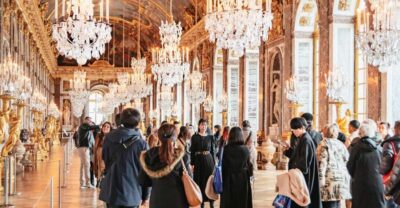
Versailles Palace and Gardens Full Access Ticket
Read our review →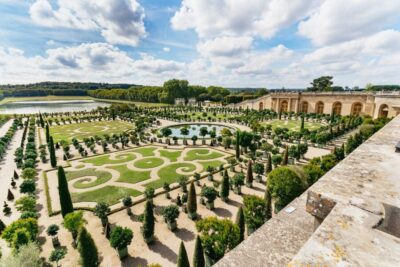
Skip-the-Line Tour of Palace and Gardens Access
Read our review →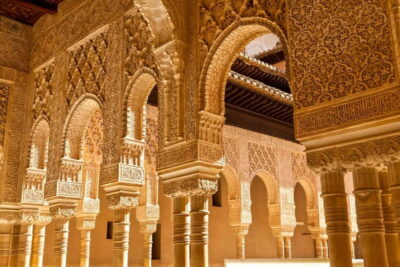
Alhambra & Gardens Tour w/Nasrid Palaces Option
Read our review →
Versailles Palace & Gardens with Transportation
Read our review →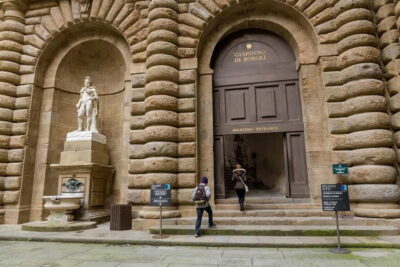

Versailles Palace Guided Tour & Gardens Access
Read our review →
Versailles Palace and Gardens Tour from Paris
Read our review →
Versailles Full Day Bike Tour with Palace, Gardens, & Picnic
Read our review →Browse the lists this tour appears in