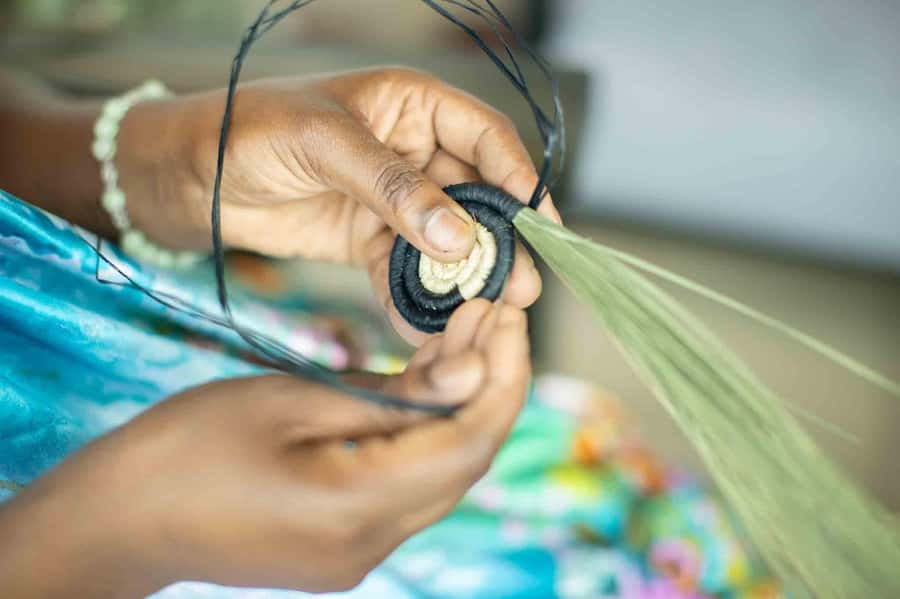
Review · KIGALI
Kigali: Traditional Basket Weaving in a Garden
Small crafts can open big doors. This two-hour Kigali workshop lets you learn basket weaving from Rwandan women while hearing how patterns, materials, and skills connect to local life. I like the patient hands-on teaching, and I like that your $30 fee supports local artisans rather than only paying for a sightseeing middleman.
You will receive the needed materials and tools, then make a small item such as a coaster, bowl, or basket to take home. The setting is another plus: several participants describe a quiet garden or cozy coffee-shop setting, with time for coffee or tea. The main consideration is that the finished piece may be small, and transport to the location is not included.
At a glance
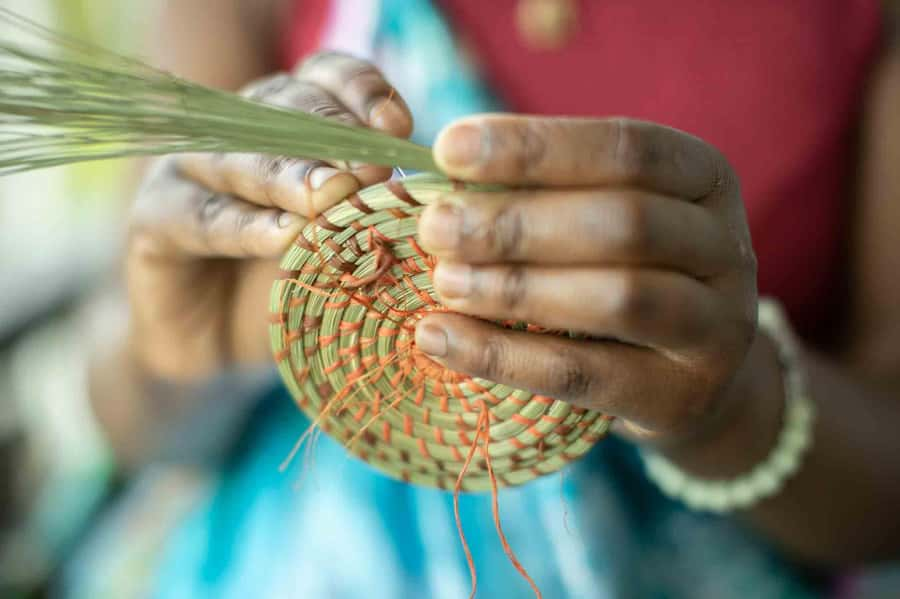
- You learn from working Rwandan artisans: The women leading the class explain the craft and guide you through each stage.
- Sandrine earns repeated praise: She is described as kind, patient, highly skilled, and clear with beginners.
- Your souvenir may be a coaster or small bowl: The final item depends on your pace and the project offered that day.
- The garden setting slows the experience down: You can weave, talk, and have coffee or tea in a pleasant setting.
- A translator may help: English and French are listed languages, and translation support has been used during instruction.
- The $30 price has a clear purpose: Materials, teaching, and direct support for local craftspeople are included.
Why basket weaving belongs on a Kigali itinerary
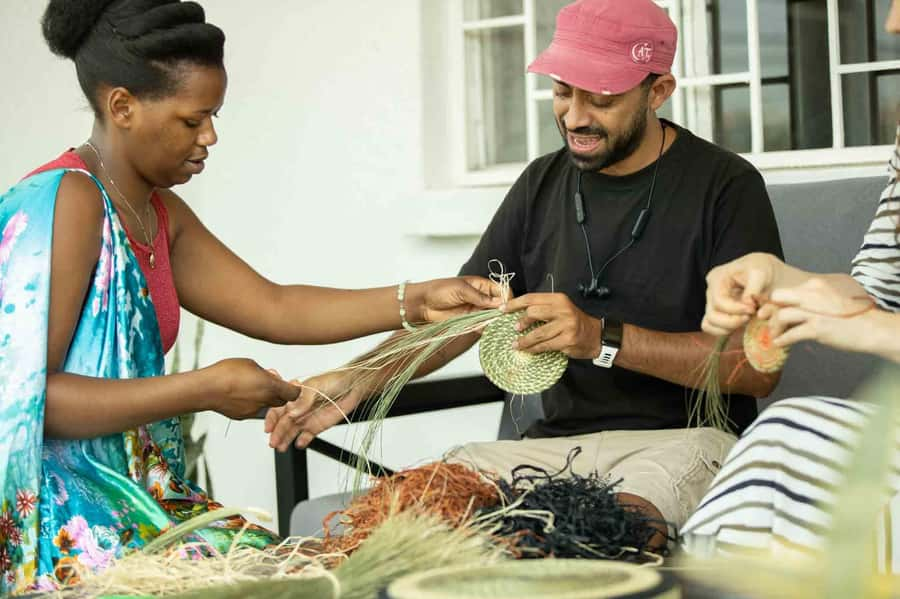
Kigali has museums, memorials, restaurants, and viewpoints, but a short craft class gives you a different way to understand Rwanda. You are not only looking at a finished basket behind glass. You are handling the material, trying to keep the shape even, and learning why these designs matter.
That practical contact is the best part. Basket weaving looks simple when an experienced artisan does it. Your own first few rows may be less tidy. That small struggle helps you respect the time and skill behind the finished work.
The activity also creates space for conversation. Your hosts introduce themselves, explain the cultural role of basket making, and share personal stories. You can ask questions while your hands stay busy, which often makes conversation easier than a formal lecture.
I especially like the way the workshop links cultural learning with direct economic support. The activity is designed to benefit local women and craftspeople. If you want your spending in Kigali to reach people doing the teaching and making, this has a stronger case than a generic souvenir stop.
More Garden Tours in the world:
- Paris: Versailles Palace and Gardens Full Access Ticket
★ 4.6 · 41,579 reviews - Versailles: Skip-the-Line Tour of Palace and Gardens Access
★ 4.7 · 10,429 reviews - Marrakesh: Majorelle Garden Entry Tickets
★ 4.5 · 9,651 reviews
A warm welcome from local artisans
The session begins with an introduction from the women who lead the class. You receive the materials and tools, then learn the basic method before starting your own piece.
The exact project can vary. Some people finish a coaster made from papyrus leaves. Others make a small bowl, tiny basket, or similar keepsake. You should not arrive expecting to produce a large storage basket in two hours. Think of this as a beginner workshop and a chance to complete a compact souvenir.
The instructors work at your pace. Sandrine is singled out for her patience and clear help, while other participants describe the instructors as friendly and generous with their time. One session ran a little overtime so everyone could finish. That is useful to know, though you should not count on extra time if you have another appointment afterward.
Learning the first loops and patterns
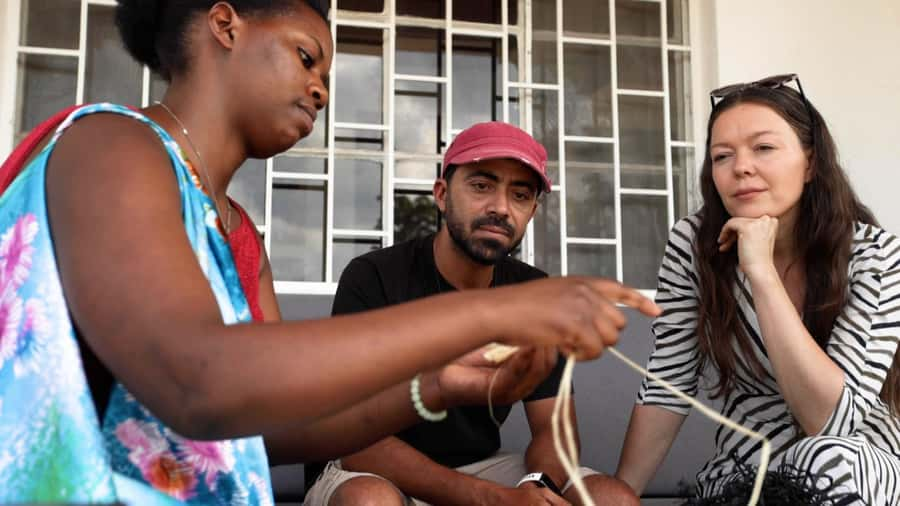
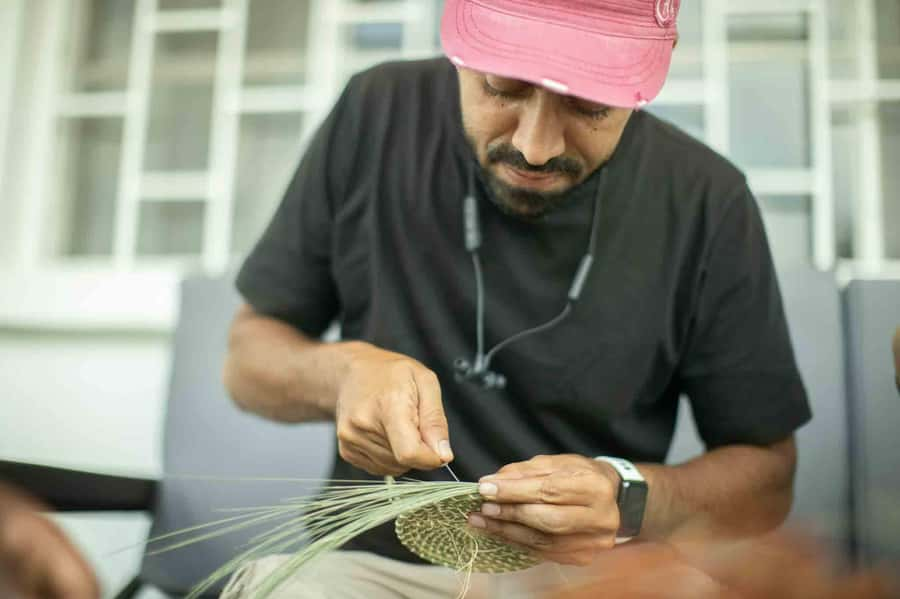
The most satisfying part comes when the material begins to hold its shape. At first, you may focus on simple tasks: placing the strands, tightening them, and keeping the rows together. Your instructor demonstrates the movement, then corrects your hands as you work.
This is not a show where you sit quietly and watch. You make the piece yourself. The result may have uneven sections, especially if this is your first attempt, but that is part of the charm. A handmade coaster with a few imperfect lines tells a better story than a mass-produced souvenir.
The colors and patterns also give the lesson cultural meaning. Your hosts explain what different designs can represent and how weaving skills pass from one generation to the next. The information is delivered alongside the work, so the lesson feels active rather than like a classroom presentation.
If you are not good with detailed handwork, do not let that stop you. One participant openly admitted that basket weaving was not a natural talent, yet still enjoyed the class and went home with a small basket. You only need patience and a willingness to try.
Sandrine, translation, and the value of patient teaching
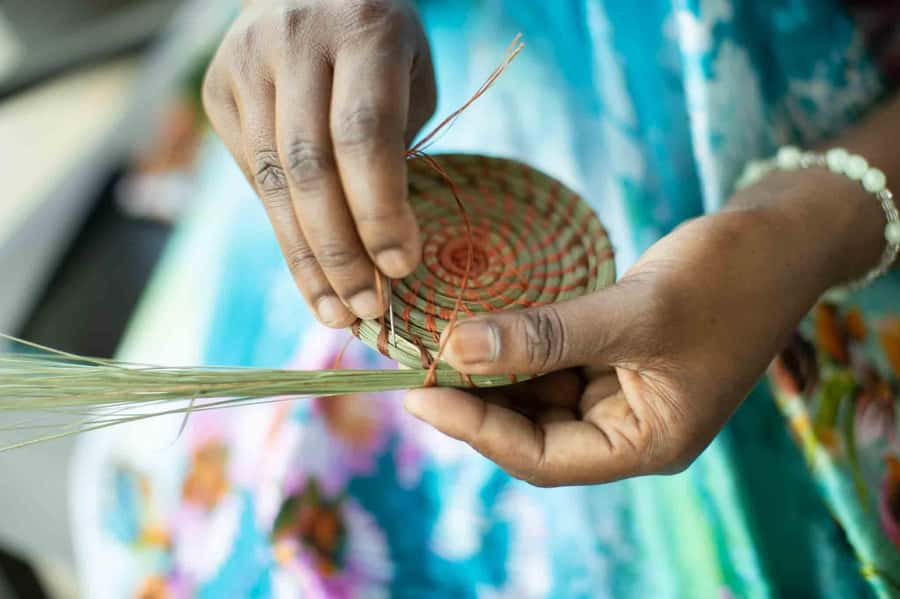
Sandrine receives especially warm praise for her calm approach. She is described as kind, skilled, and willing to show the process more than once. That matters because weaving has a rhythm that is hard to grasp from verbal instructions alone.
The listed teaching languages are English and French. Translation support has also been used when needed, so you should still be able to follow the process if neither language is your first language. The important information is shown by hand as well as explained aloud.
The class appears to work well for beginners because instruction is personal. Several people describe receiving close help rather than being left alone with a pile of materials. If you want a fast demonstration and a finished object handed to you, this is not the right format. If you want to learn by trying, adjusting, and asking questions, it fits well.
One small criticism is worth noting. A participant wanted more stories about weaving culture and suggested adding music during the work. The hosts clearly explain the basics, but the amount of storytelling may depend on the instructor, the group, and how much conversation develops naturally.
Same place, a different sort of green day out:
- Vienna: Schönbrunn Palace & Gardens Skip-the-Line Tour
★ 4.7 · 7,739 reviews - Granada: Alhambra & Gardens Tour w/Nasrid Palaces Option
★ 4.2 · 7,022 reviews - From Paris: Versailles Palace & Gardens with Transportation
★ 4.6 · 6,222 reviews - Vienna: Skip-the-Line Sisi Museum, Hofburg and Gardens Tour
★ 4.8 · 5,918 reviews
The garden and coffee-shop setting
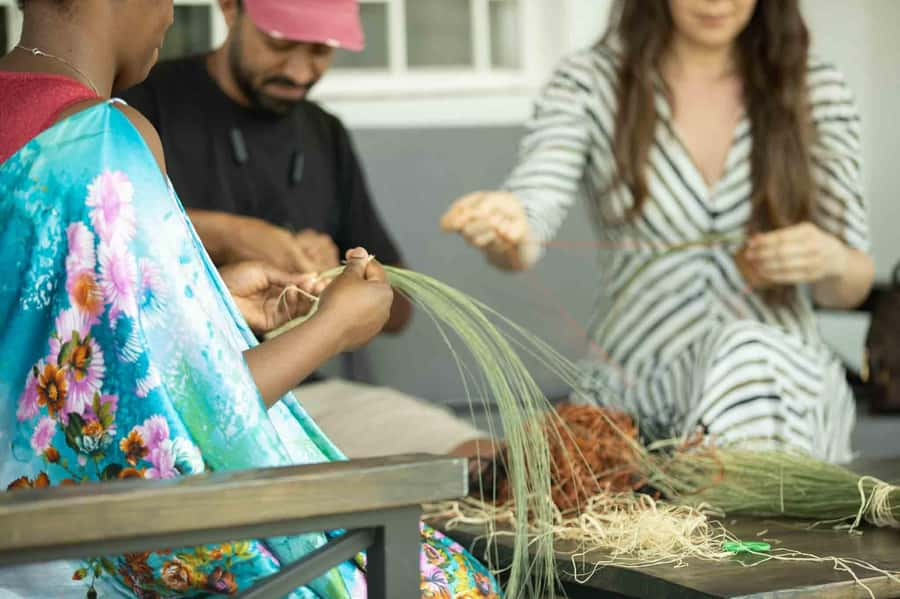
The location adds much to the mood. Descriptions point to a comfortable garden setting, and one participant specifically enjoyed having tea while weaving. Another praised the coffee shop and suggested treating yourself to a coffee there.
That setting makes the two hours feel social rather than rushed. You can sit with the craft, talk with the instructor, and watch the process at close range. It also gives companions something to enjoy even if they are not confident with handwork.
The setting is not an attraction in its own right based on the information available, so I would not book this solely for a garden visit. Its value comes from the combination of a pleasant place, local instruction, and a simple project. The coffee or tea is not listed as part of the included activity, so plan to pay for personal refreshments yourself.
The food allergy note is unusual because the main activity is weaving. Since the experience may take place in a coffee-shop setting and drinks or food may be available, contact the provider before booking if you have a food allergy.
What you take home
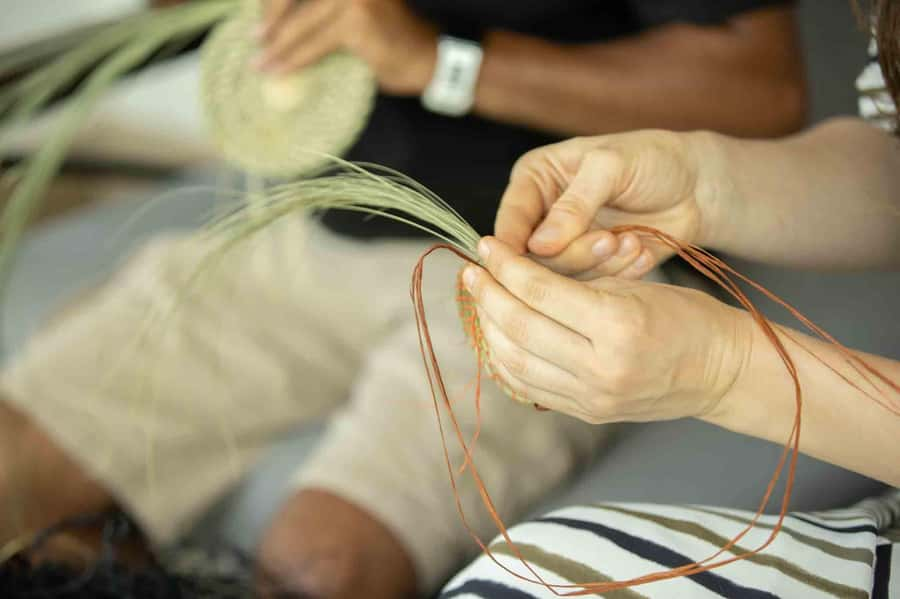
Your finished piece is small, useful, and easy to pack. Depending on the project, it may be a coaster, little bowl, or small basket. One participant planned to use a handmade coaster at home, while another was proud of the basket she completed.
The souvenir matters because it carries the memory of the lesson. You will remember the first loose row, the correction from your instructor, and the point when the shape finally begins to work. That is more personal than buying a finished basket in a shop.
Do keep your expectations sensible. Two hours is enough for a beginner project, not for mastering the craft. The item may not be perfectly symmetrical, and you may need help near the end. The instructors appear willing to support you, but the point is learning the method, not producing professional work.
Price, timing, and practical value
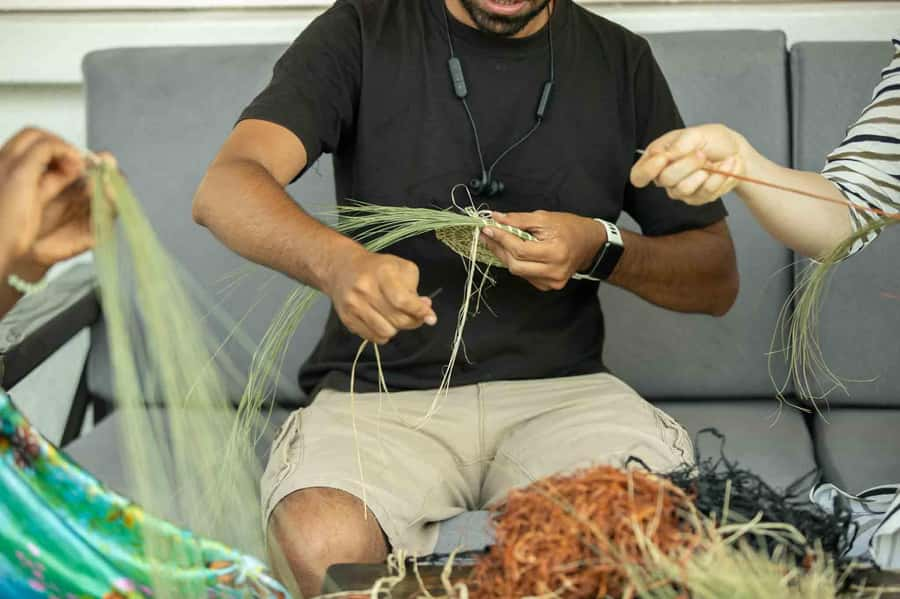
The cost is $30 per person for two hours. That is a fair price if you value direct instruction, supplied materials, cultural conversation, and a handmade item to take home.
The strongest value comes from the small-group feel reported by participants and the personal attention from the instructors. You are paying for time with a craftsperson, not just admission to a venue. The money also supports local communities and women who preserve and teach the skill.
Transportation is not included, so you need to arrange your own way to the activity location. The exact meeting point and starting time should be confirmed when you book. The class runs for two hours, but one group received a little extra time, so allow some flexibility if your schedule is tight.
Cancellation is free up to 24 hours before the activity for a full refund. You can also reserve now and pay later, which helps if your Kigali plans are still moving around.
Who will enjoy this workshop most
I would recommend it to people who want a quiet cultural activity rather than another stop where they only look and listen. It suits solo visitors, couples, families with patient older children, and small groups looking for something creative.
It is also a good fit if you are interested in ethical shopping. You receive a direct lesson from local artisans, and your payment helps support their work. That connection gives the price more meaning.
This may not suit someone who dislikes detailed handwork or wants a fast, polished result. The process requires concentration, and your fingers may not immediately cooperate. It is also less suitable if you need a fully fixed schedule, since the class may run slightly over while people finish.
Men should feel entirely welcome. One participant noted being the only man in the group but still had a good time and made a coaster for home. The activity is about learning the craft, not fitting a particular profile.
How to make the most of your two hours
Arrive ready to work with your hands. Wear something comfortable, and avoid packing the rest of your day too tightly in case you need a few extra minutes to finish.
Ask early about the project options. If you would rather make a coaster than a basket, or a bowl rather than another shape, the instructor may be able to guide you toward the right choice. The available project can depend on the materials and the group.
Take time to look closely at the instructor’s technique before rushing into your own piece. The speed and neatness of an experienced weaver can make the craft look effortless. Watching the hand position carefully will save you frustration later.
Use the conversation. Ask where the materials come from, what the patterns mean, and how the skill is passed along. The workshop is most rewarding when you treat it as a meeting with a craftsperson, not only as a take-home souvenir project.
Should you book it?
Yes, if you want a thoughtful two-hour break from Kigali’s major sights and like the idea of learning by doing. The patient teaching, garden setting, small handmade souvenir, and support for local women give this activity real value at $30.
Book it with realistic expectations. You are likely to finish a coaster, bowl, or small basket, not a large showpiece. Arrange your own transport, allow a little schedule flexibility, and mention any food allergy before you go.
If Sandrine is leading your session, you can expect a particularly patient teacher based on the feedback available. Even if another artisan teaches you, the basic appeal remains the same: local instruction, cultural context, and a small object that carries your own effort.
FAQ
How long does the basket weaving activity last?
The workshop lasts two hours. One group received a little extra time so everyone could finish, but you should plan around the stated two-hour duration.
How much does the experience cost?
The price is $30 per person. Materials, tools, the workshop, cultural information, and storytelling are included.
What will I make during the workshop?
You may make a coaster, small bowl, tiny basket, or a similar compact item. The finished project can vary according to the session and your pace.
Are materials and tools provided?
Yes. All materials and tools needed for the activity are provided.
Which languages are available?
Instruction is listed in English and French. Translation support has also been provided during some sessions.
Is transportation included?
No. You must arrange transportation to and from the activity location yourself.
Can I cancel the booking?
Yes. You can cancel up to 24 hours in advance for a full refund. The activity also offers a reserve now and pay later option.
Just added around the world
- Royal Horticultural Society: Harlow Carr Garden Ticket★ 4.7 · 14 reviews
- Zanzibar: Jozani Monkeys, Butterfly Garden & Reptile Park★ 5.0 · 2 reviews
- Yu Garden Shanghai Entry Tickets Booking And Trip★ 3.6 · 9 reviews
- York: Castle Howard House and Gardens – Self-Guided★ 4.8 · 120 reviews
- Xochimilco floating gardens, Coyoacan and UNAM murals★ 4.0 · 6 reviews
- York: Castle Howard Gardens and Grounds Entry Ticket★ 4.5 · 23 reviews
- Woodside: Filoli Historic House and Garden Entry Ticket★ 4.9 · 9 reviews
- Woking: Royal Horticultural Society Wisley Garden Ticket★ 4.7 · 24 reviews
Garden Tours, compared.

Versailles Palace and Gardens Full Access Ticket
Read our review →
Skip-the-Line Tour of Palace and Gardens Access
Read our review →

Schönbrunn Palace & Gardens Skip-the-Line Tour
Read our review →
Alhambra & Gardens Tour w/Nasrid Palaces Option
Read our review →
Versailles Palace & Gardens with Transportation
Read our review →
Skip-the-Line Sisi Museum, Hofburg and Gardens Tour
Read our review →