
Review · IRELAND
Kildare: Irish National Stud & Gardens
Racehorses are only part of the story. The Irish National Stud and Gardens gives you a close look at Ireland’s famous thoroughbred industry, along with two very different gardens and an excellent interactive racehorse exhibit. Set on 850 acres in County Kildare, it is about 40 minutes from Dublin and makes a worthwhile full-day outing.
I especially like the chance to see stallions, mares, and foals in their working home, rather than only learning about racing in a museum. The Japanese Gardens are another strong point, with their quiet paths and symbolic Life of Man route. The main consideration is seasonal: from October onward, the stud has fewer horses on site and shorter public tour times.
The ticket costs $22 per person, including the stud, gardens, public tour, and Irish Racehorse Experience. That is fair value if you allow enough time for all three parts. A visitor who rushes through the grounds or arrives late in the day will miss much of what makes the place special. The experience has a 4.6 rating from 58 reviews, and the repeated praise for the guides, especially Sue and Amanda, is well deserved.
Key points before you go
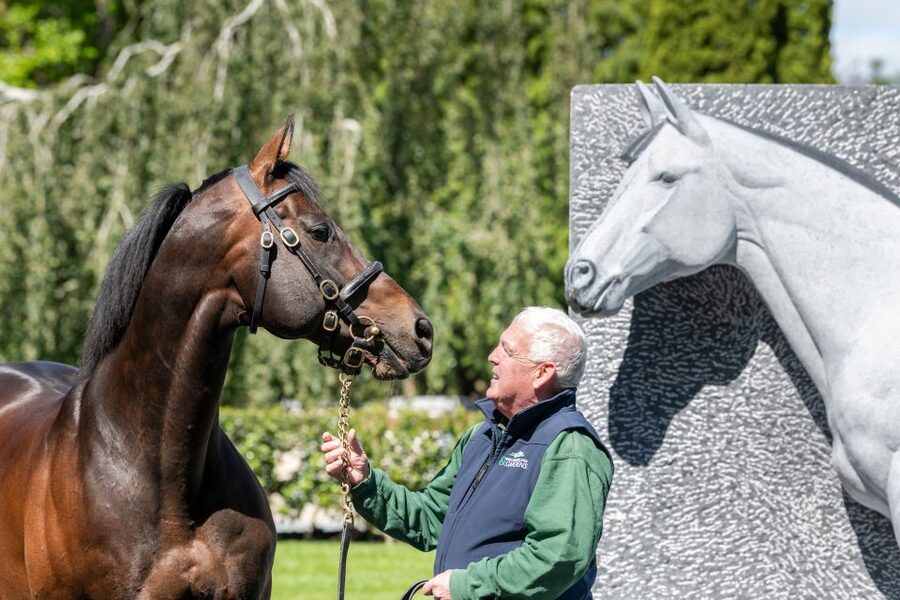
- See famous retired racehorses: The Living Legends team includes Hurricane Fly, Beef, Salmon, and Faugheen.
- Plan around the public tour: Tour times vary by season, with more departures in summer and only 11 a.m. and 2 p.m. from October.
- Allow at least several hours: The racehorse exhibit alone can take about 40 minutes, while the gardens reward a slower walk.
- Visit from February through September: This is when the stud has the most activity and stock on the grounds.
- Do not skip the Japanese Gardens: Their Life of Man route gives the garden a clear story, not just pretty planting.
- Families should note the age rule: Children under seven cannot enter the Irish Racehorse Experience unless accompanied by an adult.
Reaching the stud from Dublin
The Irish National Stud is in County Kildare, roughly 40 minutes outside Dublin. The setting feels far removed from the city, with open green ground and rolling hills around the stud’s 850 acres.
The ticket is for a full day, but you do not need to spend every minute on site to enjoy it. I would set aside at least three to four hours if you want the public tour, the racehorse exhibit, the Living Legends area, and both gardens. A longer visit works well if you want lunch on site and time to walk without watching the clock.
Your arrival time matters. The last entry is at 5 p.m., but that does not mean every part remains available until then. The Irish Racehorse Experience runs from 11 a.m. to 4 p.m., so arriving late can leave you with only the outdoor areas and gardens.
If the public tour is important to you, check the current departure time before booking. Standard times are 10:30 a.m., noon, 2 p.m., and 4 p.m. In summer, extra departures are added at 1 p.m. and 3 p.m. From October, tours are reduced to 11 a.m. and 2 p.m. A phone call has even been used to offer an earlier tour time when space allowed, so keep your schedule a little flexible.
More Garden Tours in Ireland:
- Westport House and Gardens Admission Ticket
★ 5.0 · 284 reviews - Self-Guided Bike Tour of Killarney National Park, Muckross Gardens & Waterfall
★ 5.0 · 223 reviews - Irish National Stud & Gardens Skip the line Entrance
★ 4.5 · 106 reviews
Meeting the stud’s stallions, mares, and foals
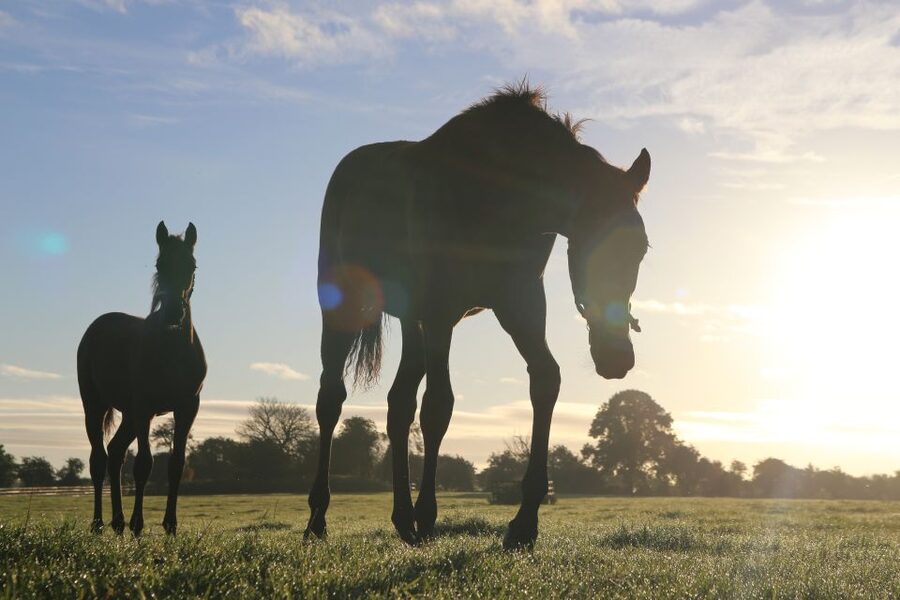
The working stud is the heart of the visit. A free public tour takes you through the areas where thoroughbred horses are cared for and bred. You see the stallions, then the protective mares and their young foals.
This is more direct than a standard horse display. The animals are not performing tricks for an audience. You are looking at a serious breeding operation, where careful selection and care shape the future of racing. That makes the guide’s explanation especially useful, since the value is in understanding what you are seeing.
The tour lasts just over an hour, according to the timing of one particularly well-organized visit. It covers how the stud works, how it generates income, and how a possible future stallion is selected. That business side adds weight to the experience. You are not only looking at beautiful horses, you are learning how a major thoroughbred operation functions.
Seeing foals is one of the most memorable parts, but their presence can vary with the season. February through September is the best period to visit. From October, the stud begins to wind down and there may be limited stock on the grounds.
The guides are a major asset. Sue has been praised for making the tour informative and enjoyable, while Amanda received special praise for her clear talk about the horses and the stud. If you have even a passing interest in horses, listen closely. The explanations give shape to what could otherwise be a pleasant but fairly brief walk past paddocks.
Living Legends and the careers after racing
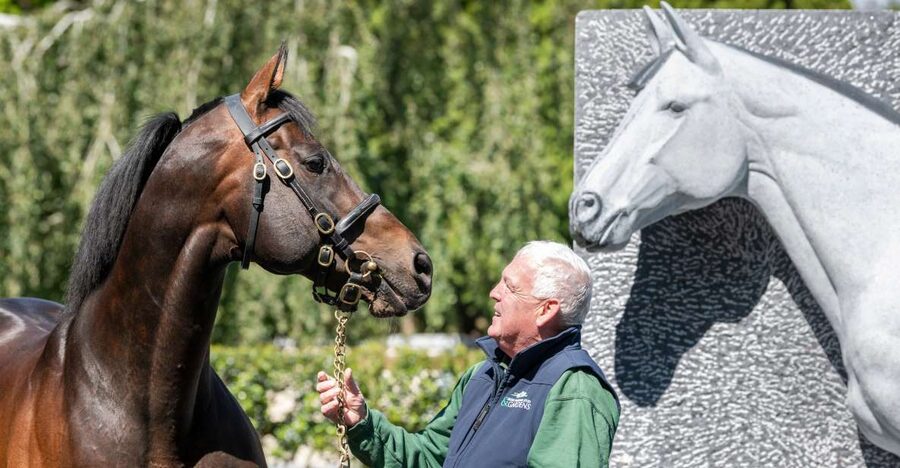
The Living Legends area introduces retired stars of the sport, including Hurricane Fly, Beef, Salmon, and Faugheen. These are household names for people who follow Irish racing, but the exhibit also works for newcomers because it explains why these horses mattered.
The appeal here is simple: you see celebrated racehorses after their competition years. Their lives are not reduced to a list of victories. The exhibit also looks at life after racing and shows how famous horses and people connected with the stud have spread around the world.
The Living Legend room ends the Irish Racehorse Experience, with large windows looking out toward the retired horses grazing in their paddock. That view gives the indoor material a real-world finish. You can connect the records and race stories with the animals outside.
For children and adults who know little about racing, this section provides useful context. It explains the difference between a racehorse’s public fame and the quieter routine that follows retirement. It also gives the visit an emotional note without turning sentimental.
The Irish Racehorse Experience, from foal to finish line
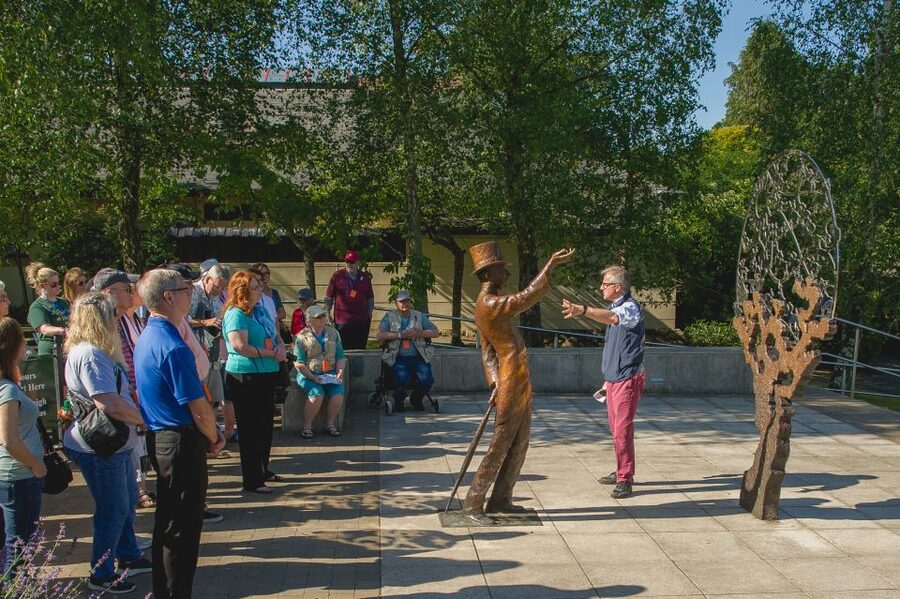
The award-winning Irish Racehorse Experience is the most polished part of the attraction. It takes you through the life of a racehorse, from birth and early years to training, racing, and retirement.
You receive a horse box that lets you play the role of a racehorse owner. The interactive format gives children something to do, but adults can enjoy it too, especially if you like the business and drama around horse racing.
One of the cleverest sections is the auction. After learning about foaling and the early stages of a thoroughbred’s life, you enter an interactive sale and try to purchase an unbroken yearling. This shows that racing involves risk and judgment long before a horse reaches a track.
The route then covers training, racecourses, jockeys, and the anatomy and physiology of the horses. These rooms explain why a racehorse is built and prepared in a particular way. The details help you understand the physical demands behind the sport, rather than seeing racing only as speed and spectacle.
Race day brings in the showmanship. You get fashion, betting, and animated commentary, followed by a simulated ride. You can ride your chosen horse and see how your investment performs in the race. The result is playful, but it also explains the financial and emotional gamble at the center of the industry.
Allow about 40 minutes for this section. That is enough time to move through it at a reasonable pace, but you may want longer if you are visiting with children or enjoy reading every display. Children under seven cannot use the experience unless accompanied by an adult, so check the age requirement before planning your visit around it.
Same place, a different sort of green day out:
- Easy Access Blarney Stone and Castle Gardens Tour
★ 4.5 · 105 reviews - Fota House, Arboretum & Gardens Admission Ticket
★ 5.0 · 67 reviews - Lafcadio Hearn Japanese Gardens Admission Adult Ticket
★ 4.5 · 64 reviews - Tickets to Explore Ireland’s Global Garden
★ 4.0 · 32 reviews
The Japanese Gardens and the Life of Man path
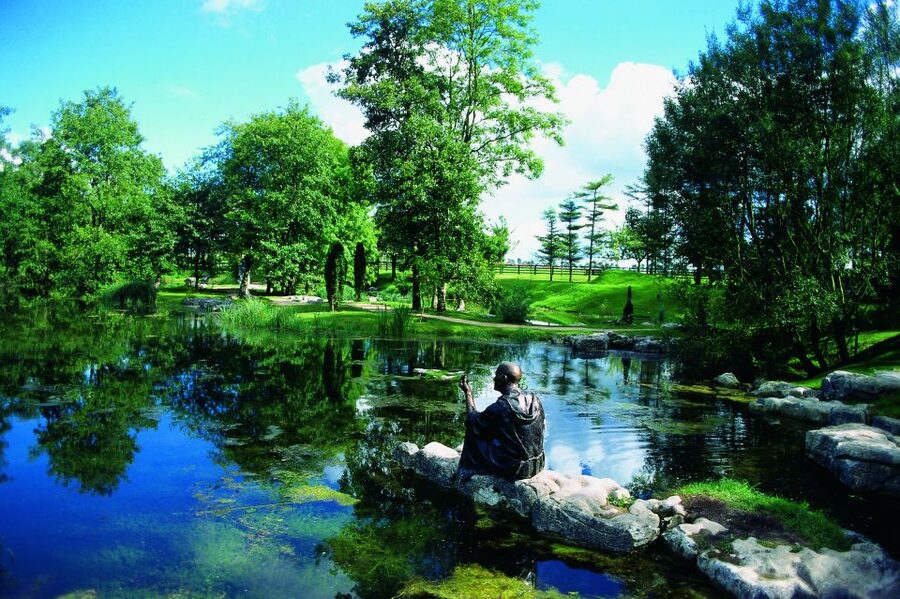
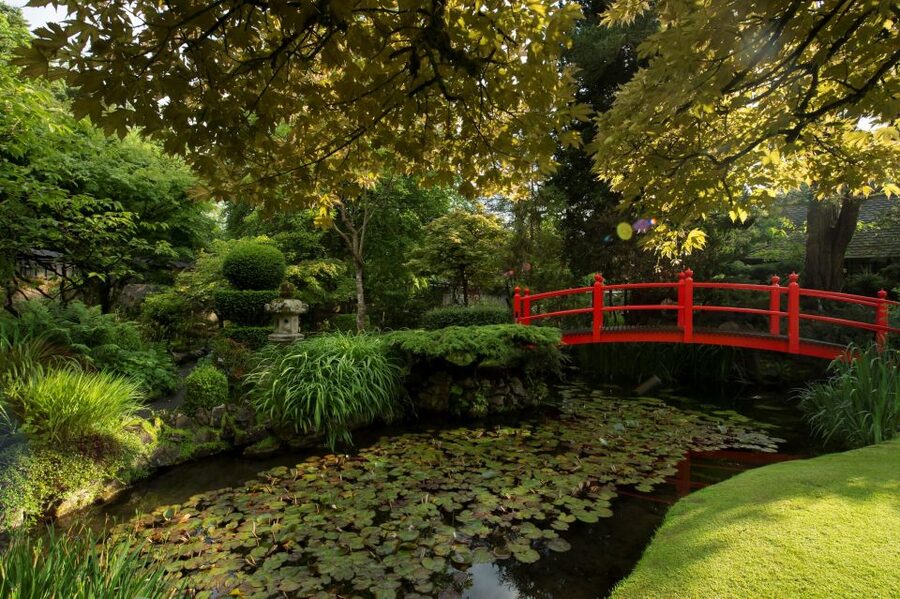
The Japanese Gardens provide a sharp change of pace from the horses and racing displays. Instead of noise, speed, and competition, you get an ordered garden designed for quiet walking.
The key feature is the Life of Man path. It traces the passage of a soul from birth to death and beyond, giving the walk a symbolic structure. I like this because it turns the garden into more than a collection of attractive views. You can follow an idea as you move through the space.
The garden is also a useful pause between the more information-heavy parts of the visit. After a public tour or the racehorse exhibit, you can slow down and enjoy the planting, paths, and atmosphere without needing to absorb more facts.
Weather does not have to ruin this part of the outing. One visit remained enjoyable despite rain coming and going, and the gardens were described as clean and well kept. Still, you will get more from the paths in dry weather, so bring suitable clothing if the forecast is uncertain.
St Fiachra’s Garden and native Irish wildlife
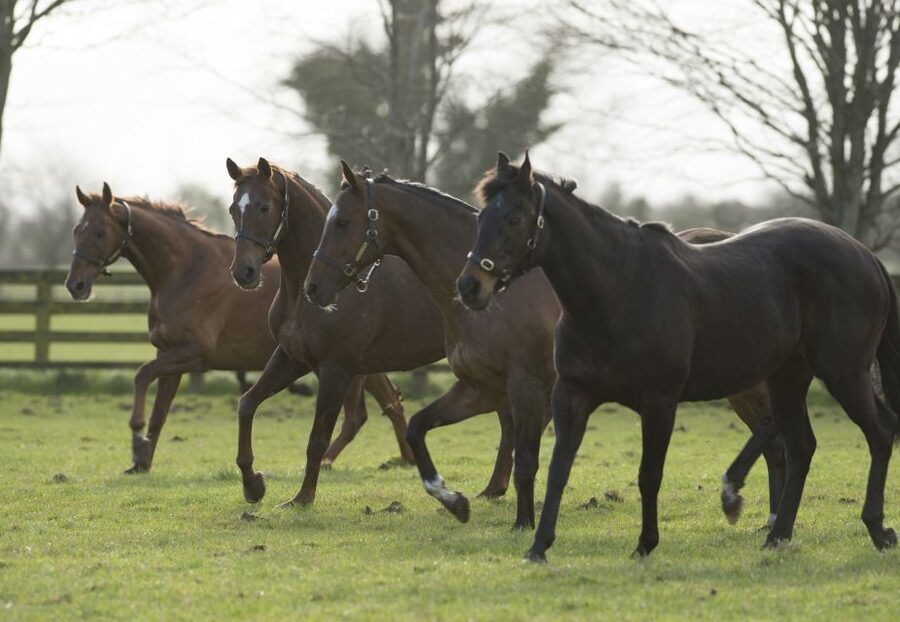
St Fiachra’s Garden offers a different idea of Ireland. The Japanese Gardens are carefully symbolic and structured, while St Fiachra’s Garden represents the power of the Irish setting and its native species.
Look for Irish wildlife as you walk, along with planting that fits the character of the country. The garden gives you a more local sense of place and helps balance the international story of thoroughbred racing.
You should not expect both gardens to feel alike. That contrast is part of the reason the ticket works well. The Japanese Gardens focus on a spiritual journey and controlled beauty. St Fiachra’s Garden connects more directly with Irish nature and identity.
If gardens are your main reason for visiting, give them proper time. It is easy to spend too long inside the interactive exhibit and then hurry through the outdoor spaces. I would visit at least one garden before lunch and return to the other afterward.
How much time should you allow?
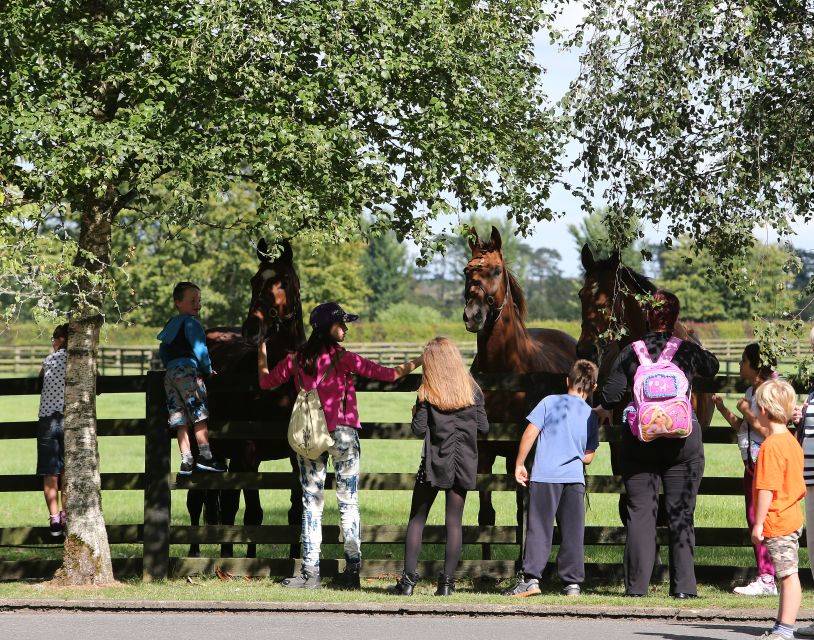
You can see the main attractions in a few hours, but the Irish National Stud works best as a relaxed day visit. A practical plan looks like this:
- Start with the Irish Racehorse Experience, especially if you arrive between 11 a.m. and 4 p.m.
- Join the next suitable public tour and allow just over an hour.
- Walk through the Living Legends area and see the retired horses.
- Visit the Japanese Gardens and St Fiachra’s Garden.
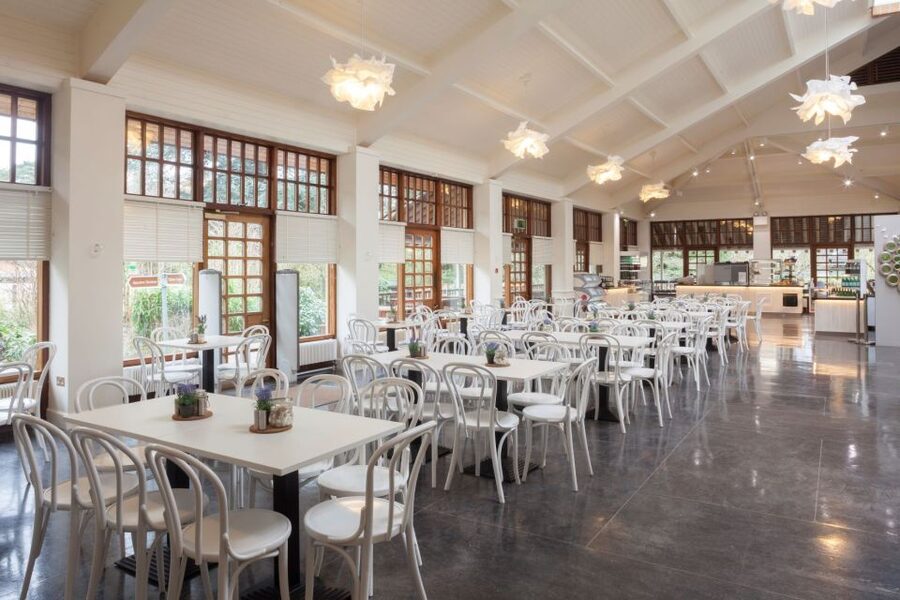
- Stop for lunch at the on-site restaurant if you want to break up the visit.
Do not schedule the public tour too tightly against the interactive exhibit. One visitor had to leave the racehorse experience early to reach the tour. Give yourself about 40 minutes for the exhibit, then add a little buffer for walking and finding the meeting point.
The order can change depending on the day’s tour times. The important point is to protect the fixed public tour and the closing time of the Racehorse Experience.
Is the $22 ticket good value?
At $22, the ticket covers a lot: entry to the stud, the gardens, the public tour, and the Irish Racehorse Experience. The value is strongest when you use the whole package rather than treating it as a quick horse stop.
The public tour gives you access to parts of a thoroughbred breeding farm that are not normally open to the public. The gardens offer a second reason to visit, while the interactive exhibit adds structure for anyone who does not already follow racing.
The price may feel less attractive if you arrive after 4 p.m., miss the racehorse exhibit, or visit when few horses are on the grounds. That is why February through September is the safer choice, especially if seeing foals and active stud stock is important to you.
The included free tour also improves the value. A guide such as Sue or Amanda can explain the operation in a way that displays alone cannot. If you are curious about how the stud earns income and selects future stallions, the tour is more than a short introduction.
The experience is wheelchair accessible. Free cancellation is available up to 24 hours in advance, and you can reserve now and pay later, which helps if your Dublin plans are still shifting.
Who will enjoy this visit most?
I would recommend the Irish National Stud to horse lovers first, but you do not need to know racing terminology to enjoy it. The guides and interactive displays explain the basics, and the gardens give non-racing visitors plenty of reasons to come along.
Families can make good use of the horse box, auction, simulated race, and ride. Keep the under-seven rule in mind for the Irish Racehorse Experience, and remember that outdoor walking remains a major part of the day.
Garden lovers should visit for the Japanese Gardens and St Fiachra’s Garden alone, though the stud and Living Legends displays add depth. The site also suits anyone looking for a day trip from Dublin that feels connected to Ireland’s rural culture.
You may want to skip it if your schedule allows only a short stop, if you dislike outdoor walking, or if your main goal is to see a large number of active racehorses late in the year. From October, the reduced tour schedule and lower stock levels can make the visit feel quieter.
Should you book the Irish National Stud?
Book it if you want a well-rounded County Kildare outing rather than a single museum visit. The best combination is the public tour, the Living Legends horses, the interactive racehorse story, and both gardens.
I would choose a morning or early afternoon arrival between February and September. Check the public tour times, allow 40 minutes for the racehorse exhibit, and do not leave the gardens until the end if you can help it. At $22, the visit is good value when you treat it as a half-day or full-day experience, not a quick photo stop.
FAQ
Where is the Irish National Stud and Gardens?
It is in County Kildare, about 40 minutes outside Dublin.
How much does admission cost?
The ticket costs $22 per person.
What does the ticket include?
Admission includes the stud, the gardens, the Irish Racehorse Experience, and the public tour.
How long does the visit last?
The ticket is valid for one day. The Irish Racehorse Experience takes about 40 minutes, and the public tour lasts just over an hour. Extra time is useful for the gardens and Living Legends area.
What are the public tour times?
Regular public tours run at 10:30 a.m., noon, 2 p.m., and 4 p.m. During summer, additional tours run at 1 p.m. and 3 p.m. From October, tours run at 11 a.m. and 2 p.m.
What time does the Irish Racehorse Experience open?
It is open from 11 a.m. to 4 p.m. The last entry to the site is at 5 p.m.
Can young children enter the Irish Racehorse Experience?
Children under seven cannot enter unless accompanied by an adult.
When is the best time to visit?
February through September is the best period if you want to see more horses and active stock. From October onward, the stud begins to wind down and stock on the grounds is limited.
Just added around Ireland
- Waterford: Mount Congreve Gardens Entry Ticket★ 5.0 · 7 reviews
- Guided Thursday Tours at Mount Congreve Gardens★ 5.0 · 2 reviews
- Tickets to Explore Ireland’s Global Garden★ 4.0 · 32 reviews
- Muckross House and Gardens, Killarney – Scenic Tour (Minimum 4 People – 1 way).★ 5.0 · 2 reviews
- Private Garden of Ireland Wicklow Tour from Dublin★ 5.0 · 5 reviews
- Private Tour of Glendalough and Powerscourt Gardens, (1-7 ppl)★ 5.0 · 4 reviews
- Private Tour of Wicklow, Glendalough & Powerscourt Gardens★ 5.0 · 3 reviews
- Fota House, Arboretum & Gardens Admission Ticket★ 5.0 · 67 reviews
Ireland Garden Tours, compared.
Self-Guided Bike Tour of Killarney National Park, Muckross Gardens & Waterfall
Read our review →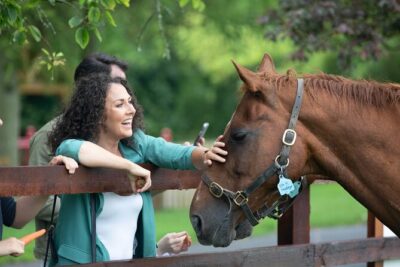
Irish National Stud & Gardens Skip the line Entrance
Read our review →
Easy Access Blarney Stone and Castle Gardens Tour
Read our review →
Fota House, Arboretum & Gardens Admission Ticket
Read our review →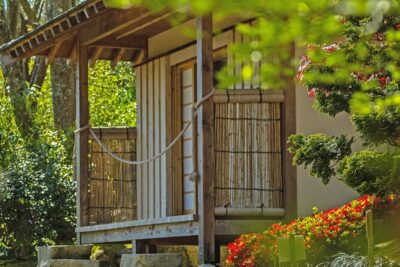
Lafcadio Hearn Japanese Gardens Admission Adult Ticket
Read our review →
Browse the lists this tour appears in