
Review · INDIA
Mumbai:Dhobi Ghat Laundry,Dharavi Slum & Flower market Tour
Mumbai starts moving before breakfast. This low-cost tour links a train ride, Dhobi Ghat, a flower market, and Dharavi in one concentrated look at working Mumbai. I like the way it uses ordinary public transport rather than keeping you inside a tourist bubble, and I especially like the chance to see local business, family life, and industry explained by guides who have lived in Mumbai’s slum communities for generations.
The strongest guide praise goes to Shivam, whose clear English and detailed knowledge of Dharavi helped make the narrow lanes easier to understand. The main consideration is that this is not a gentle sightseeing outing: crowded trains, tight passageways, working neighborhoods, and close contact with daily life may feel intense, and you should approach Dharavi with respect rather than treating it as a photo stop.
Key points to know before booking
- Train travel is part of the tour: You travel with your local guide by train to reach Dhobi Ghat, adding a real slice of Mumbai life to the outing.
- Dhobi Ghat is a working laundry: You can watch hundreds of clothes being washed and dried in the city’s famous open-air laundry.
- The flower market brings color and scent: A short ride takes you to a busy market where flowers are prepared and sold for daily use.
- Dharavi is more than its stereotype: The walk covers homes, shops, schools, recycling work, leather production, garments, and pottery.
- Local guides give the tour its value: Shivam was praised for clear English, warmth, and his close knowledge of Dharavi.
- The $9 price is unusually low: Train tickets, taxi fare, bottled water, and a guide are included, while snacks and tips are extra.
Why this $9 tour offers unusual value
At $9 per person, this is one of those Mumbai outings where the price tells only part of the story. You are not paying for a polished attraction with signs and displays. You are paying for local guidance, transport between several working areas, and help making sense of places that can otherwise feel confusing or difficult to visit on your own.
The included train ticket matters. Mumbai’s rail system is central to daily life, and riding it with a guide lets you see how the city connects its neighborhoods. You will not simply look at Mumbai from a vehicle window. You will move through it as residents do, with the pace, noise, and crowding that come with public transport.
The package also includes taxi fare and bottled water. Snacks are not included, and you should plan to buy or carry anything else you need. A tip for the guide is also separate, so keep a little extra cash available if the tour gives you useful context and patient help.
No tour duration is provided, so do not build a tightly timed flight, meal, or appointment around it. The activity begins inside Churchgate station and returns to that meeting point, which is useful if you are staying or sightseeing in South Mumbai.
More Flower Markets and Flower Fields in India
- Jaipur Tuk-Tuk Tour with Flower Market Visit
★ 5.0 · 124 reviews - Jaipur Tour by Tuk-Tuk or Car with Flower Market
★ 5.0 · 120 reviews - Jaipur: Half-Day Guided Sightseeing Tour with Flower Market
★ 4.9 · 119 reviews
Meeting your guide inside Churchgate station
Your guide meets you inside Churchgate station at the train ticket counter, near the Wheelers bookstall. This is a precise meeting point, but stations can still be crowded and noisy, so arrive with enough time to find the counter without rushing.
The tour is offered in English. That is important here because the guide’s explanations are a large part of the experience. The places themselves are visually striking, but the meaning comes from knowing what you are seeing, how the work functions, and how different communities fit into the city.
Guides from Mumbai Experiences are local and passionate, and some have lived in slum communities for generations. Shivam received especially warm praise for being friendly, patient, and easy to understand. His close familiarity with Dharavi is the kind of advantage you want on a walk through lanes that can be hard to interpret from the outside.
Taking the train to Dhobi Ghat
The train ride gives the tour a practical beginning. Instead of starting with a distant view of Mumbai, you begin by moving through the city’s daily transport system with someone who can point out what matters.
This part may be the least comfortable for anyone expecting a quiet, private tour. Trains can be crowded, and you will need comfortable shoes and a willingness to keep pace. Still, that minor discomfort is part of the value. You see Mumbai as a city in motion, not as a collection of isolated attractions.
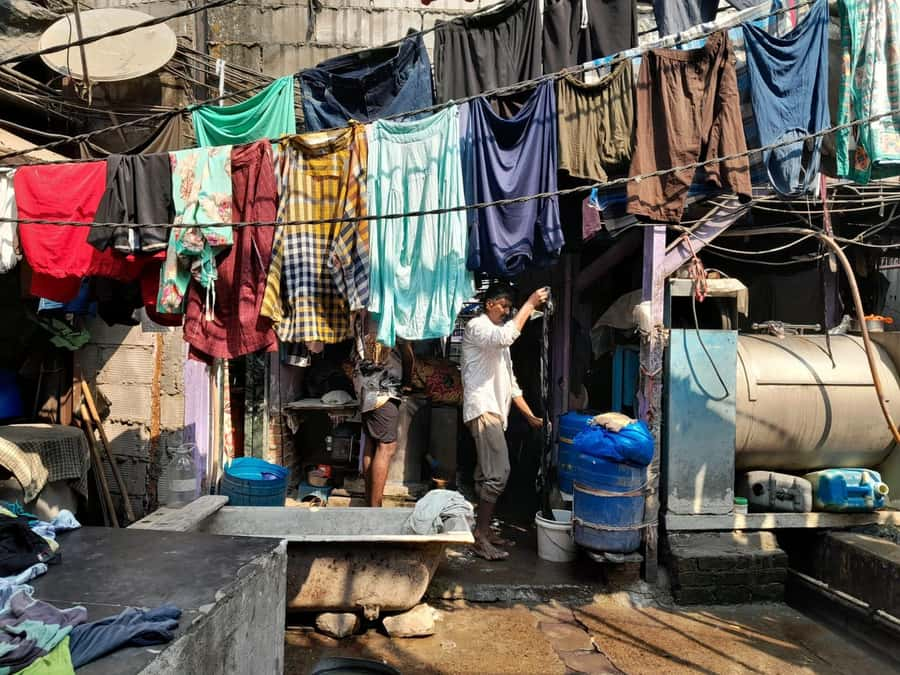
The train brings you to Dhobi Ghat, widely described as the world’s largest open-air laundry. Here, hundreds of pieces of clothing are washed and dried in a large working operation. The appeal is not only the scale, but also the coordination required to handle so much laundry in one place.
You can expect rows of clothes, people working by hand, and a setting that feels far removed from a hotel laundry room. Your guide can help explain the work and its place in Mumbai’s daily system. Keep your camera ready if you want pictures, but ask before photographing individual workers and avoid turning a workplace into a stage.
Dhobi Ghat may be brief in physical size but large in impact. It shows how an old, labor-intensive service continues to support a modern city. I like this stop because it is easy to understand at a glance, yet still rewards a few questions about who uses the laundry and how the work is organized.
The flower market’s early-day color
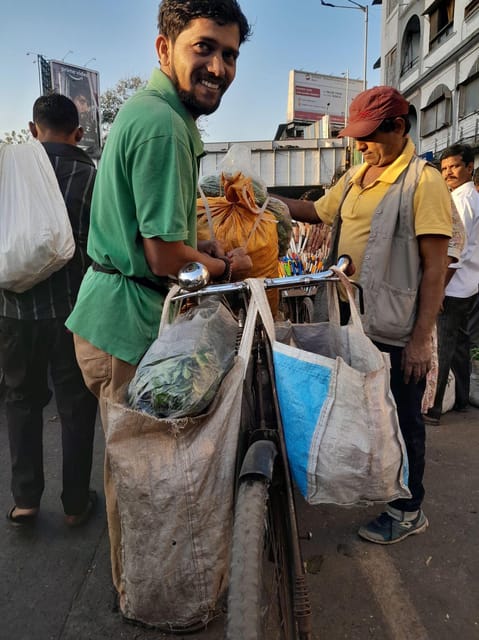
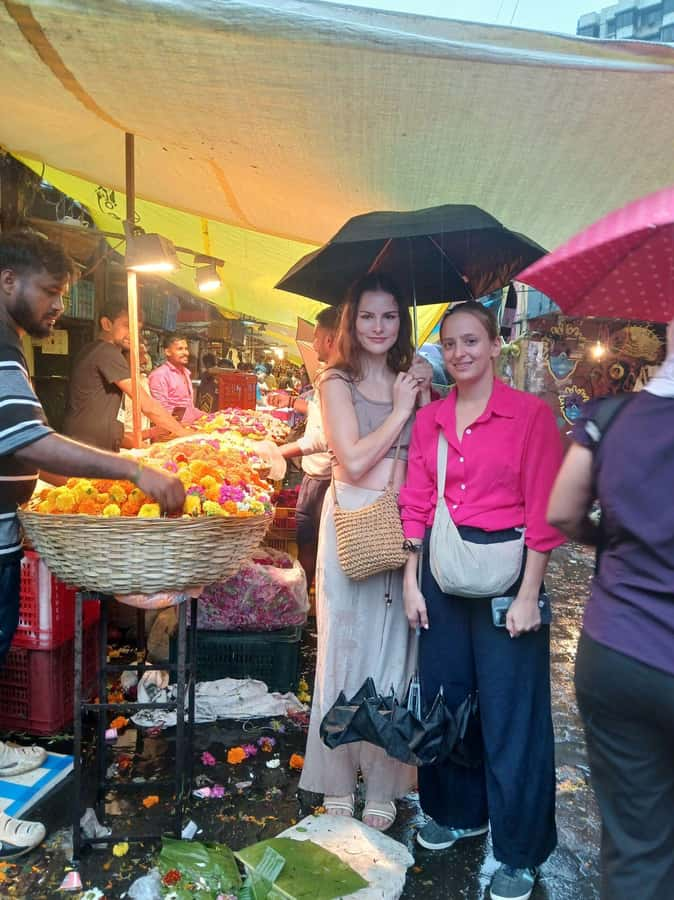
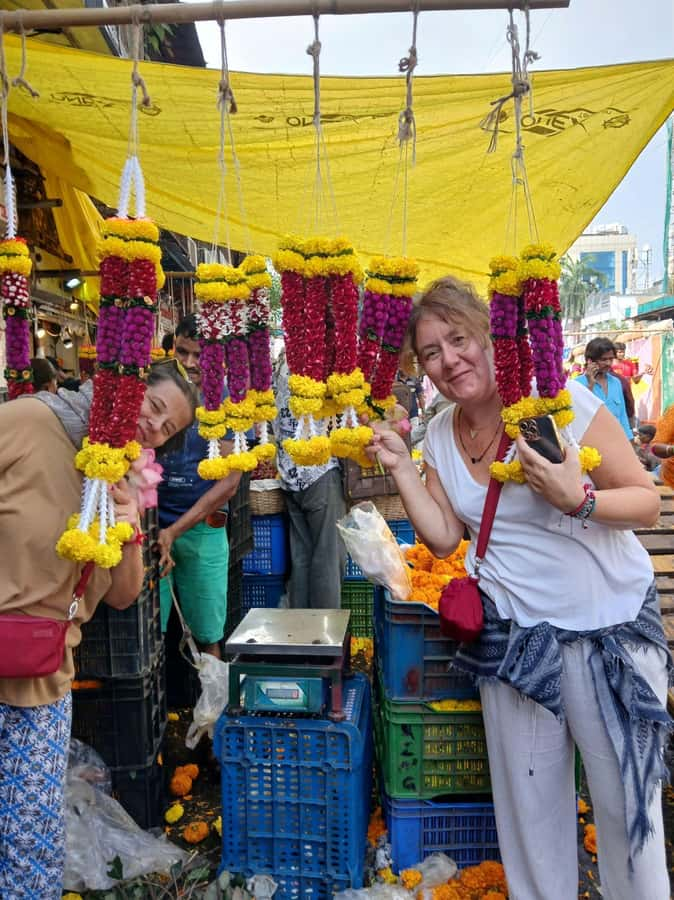
After Dhobi Ghat, a short ride takes you to a busy flower market. This stop changes the mood. Instead of laundry and rail travel, you get piles of flowers, strong scents, quick transactions, and the visual variety of flowers being prepared for sale.
The market is valuable because it connects ordinary commerce with local custom. Flowers are not simply decorative here. They are part of the daily rhythm of the city, and the market shows the work that happens before flowers reach homes, shops, ceremonies, or places of worship.
You should expect a crowded working market rather than a staged display. Watch where you step, keep your belongings secure, and give sellers room to work. The market may be especially appealing if you enjoy food markets, craft districts, and other places where the best sightseeing comes from watching people perform ordinary tasks.
This is also a good place to rely on your guide. A mass of color can be enjoyable for a few minutes, but explanations give it lasting meaning. Ask what the flowers are used for and how the market fits into the neighborhood. The tour description does not promise purchases or tastings, so treat this as a viewing and learning stop rather than a shopping excursion.
Same place, a different sort of green day out:
- Private Jaipur Full-Day Tour with Block Printing
★ 5.0 · 206 reviews - Private Custom Full Day Sightseeing Tour of Kolkata
★ 5.0 · 128 reviews - Jaipur: Half or Full Day Sightseeing Tour with Flower Market
★ 5.0 · 94 reviews - Delhi: Yoga in Lodhi Garden
★ 4.9 · 53 reviews
Walking through Dharavi’s working neighborhoods

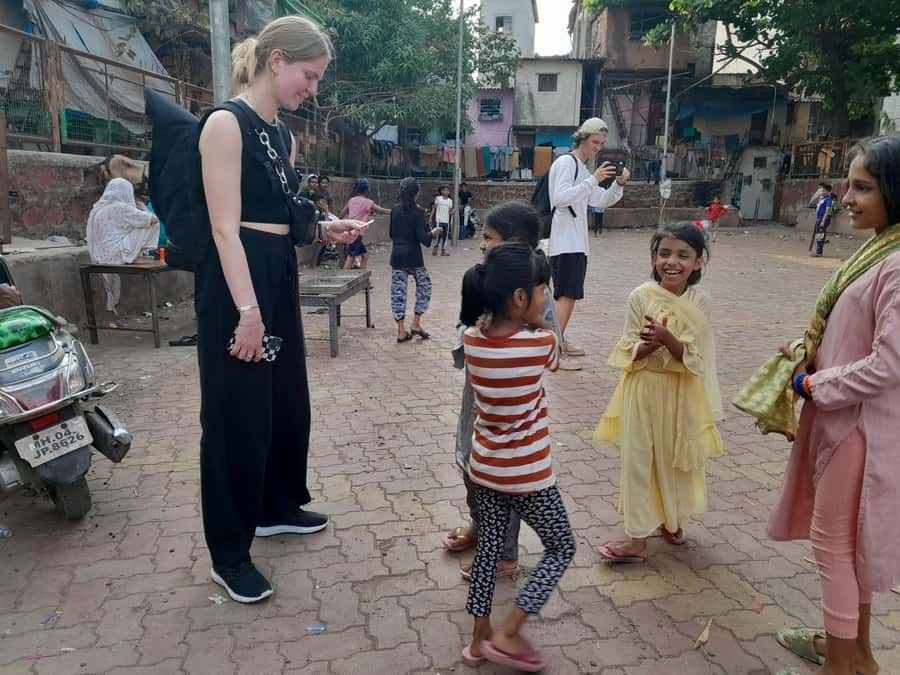
Dharavi is the most sensitive and substantial part of the outing. The walk takes you through narrow lanes and shows small homes, local markets, a school, recycling industries, leather work, garment production, and pottery.
That list matters because it challenges the simple image many outsiders carry. Dharavi is a dense residential area, but it is also a place where thousands of small businesses operate. The tour presents the community as a major economic center, generating more than $1 billion annually according to the supplied description.
You will see homes and work areas close together. That closeness can make the walk feel crowded and intense, but it also helps explain how residents create businesses with limited space. Recycling, leather, clothing, and pottery are not abstract topics here. They are part of the streets you are walking through.
The tour also points to Dharavi’s diverse population. Families have come from different parts of India, and several languages are spoken. That mix gives the neighborhood a broader place in Mumbai’s story. You are not looking at one uniform community, but at many families and businesses sharing a compact area.
The most useful approach is to listen more than you photograph. Ask permission before taking pictures of people, homes, workshops, or schoolchildren. Do not block a lane, touch merchandise, or interrupt workers. A respectful visitor can learn a great deal here, while a careless visitor can make an already crowded place harder for residents.
What makes the Dharavi walk worthwhile
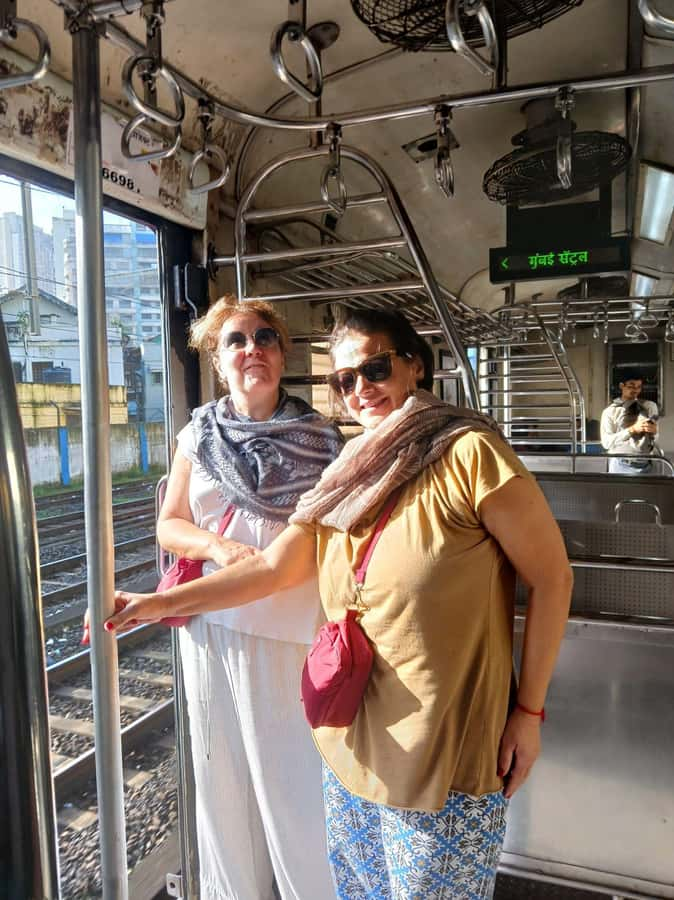
I value this section because it shows capability and enterprise without pretending that life is easy. The tour focuses on business activity, community pride, and the contribution residents make to Mumbai, while still allowing you to recognize the limits imposed by small spaces and difficult conditions.
The guide’s role is vital. Without context, a narrow lane can look like disorder. With a local explanation, you may notice how shops operate, how goods move, and how homes and workplaces share the same streets. Shivam was praised for knowing Dharavi exceptionally well and for explaining it in clear English, two qualities that matter when the subject is complex and sometimes uncomfortable.
The walk is not designed to give you an all-encompassing account of Dharavi. No short tour can do that. It gives you an introduction to selected industries and community spaces, along with a chance to see the area as a living neighborhood rather than a symbol of poverty.
That distinction should guide your expectations. If you want a conventional monument tour, this is the wrong choice. If you want to understand how ordinary people build businesses, maintain families, and support one another in a dense part of Mumbai, it offers a rare opportunity.
How to prepare for the walking and train sections
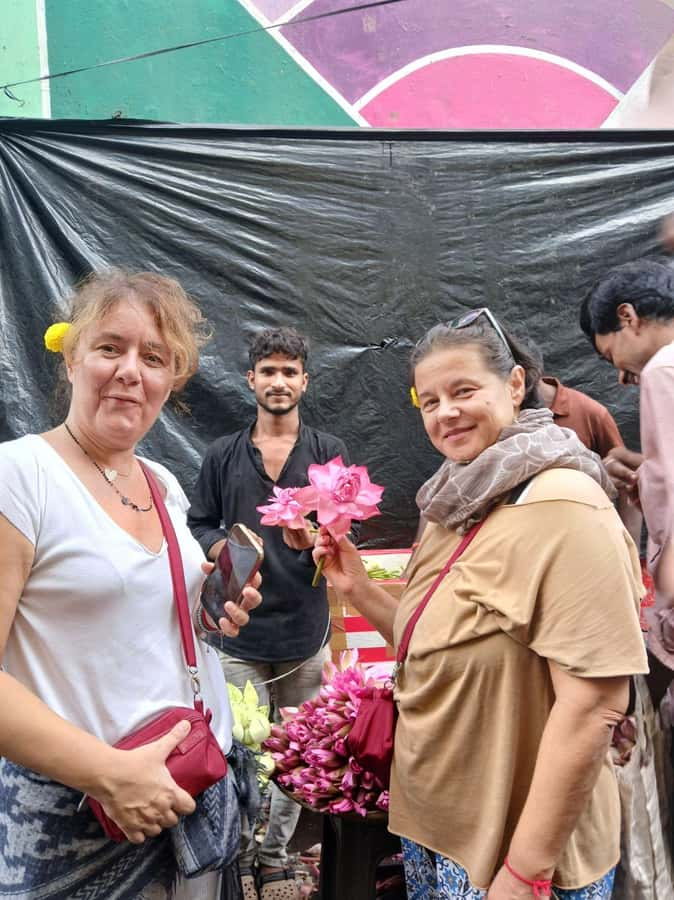
Comfortable shoes are essential. You will ride a train, walk through tight lanes, and move through busy public areas, so sandals or shoes with poor support may become annoying quickly.
Bring water, although a bottle is included. A camera is also listed as useful, but use it thoughtfully. The best photographs may be of wider scenes, flowers, laundry, or architecture rather than close images of people at work.
Dress for practical movement and respect the setting. The supplied information does not specify a dress code, weather policy, or accessibility arrangements, so you should contact the provider if you have mobility needs or require special assistance.
Keep your group together and follow the guide’s instructions around trains and workshops. The tour is built around movement through active places, not controlled attractions. Paying attention will make the outing safer and less disruptive.
Who will enjoy this Mumbai outing most
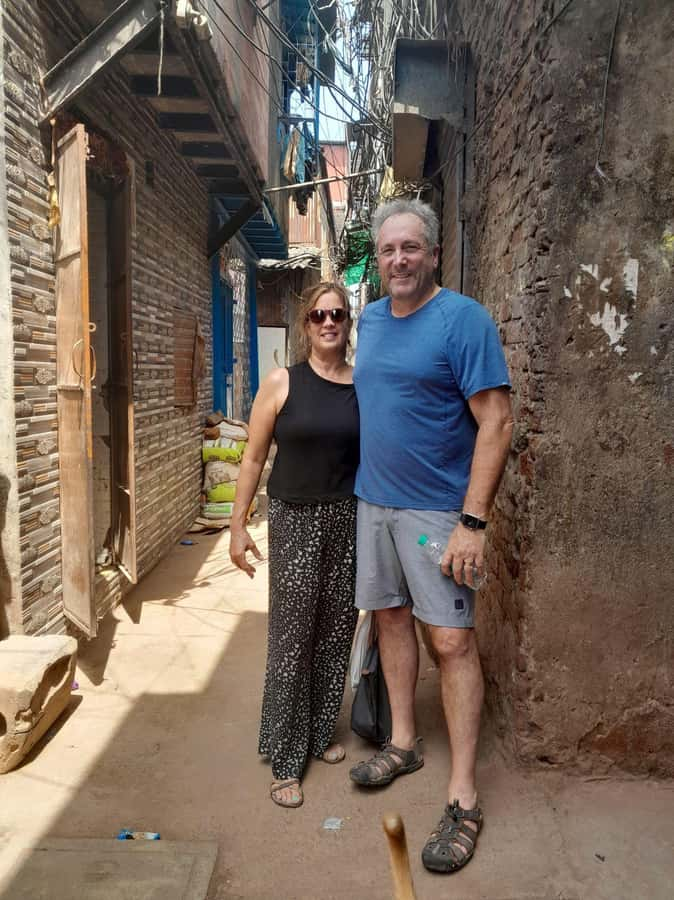
I would recommend it to you if you want to see working Mumbai, use public transport, and learn about local industries. It suits curious visitors who prefer neighborhoods and everyday activity to a checklist of famous buildings.
It is also a strong choice for budget-conscious visitors. For $9, the combination of a guide, train ticket, taxi fare, bottled water, Dhobi Ghat, the flower market, and Dharavi offers a lot of access for very little money.
You should think twice if you dislike crowds, walking, public trains, or uncertain conditions. Dharavi is not presented as a comfortable attraction, and the tour may raise serious questions about poverty, work, housing, and tourism. That is not a flaw, but it requires the right attitude.
Families with older children may find the tour educational, though the crowded streets and mature subject matter may not suit every child. The experience is especially useful for students of cities, business, migration, community life, and urban development, provided they understand that residents deserve privacy and respect.
What the guide quality adds
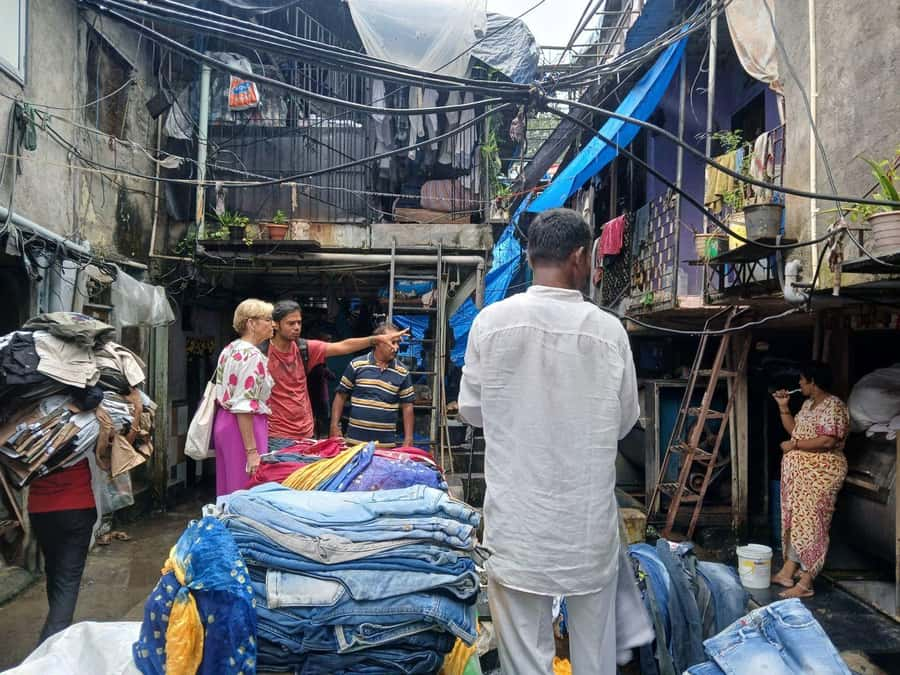
The guide is the difference between looking and understanding. At Dhobi Ghat, the guide can explain the work behind the rows of clothing. At the flower market, the guide can help you read the speed and purpose of the trade. In Dharavi, the guide provides the local frame that keeps the walk from becoming a string of disconnected impressions.
Shivam’s strengths were clear English, friendliness, patience, and a close knowledge of the neighborhood. Those qualities are repeatedly important throughout the outing because you will have questions. Why is this work here? Who uses these services? How do several industries fit into such a small area? A guide who takes time to answer can turn a quick visit into a useful lesson.
The company describes its guides as local people with long connections to slum communities. That local connection is a major reason to choose this tour instead of attempting the same route without help.
Booking, cancellation, and practical value
You can reserve now and pay later, which keeps your plans flexible. Cancellation is allowed up to 24 hours in advance for a full refund, according to the supplied conditions.
The meeting and ending point are both at Churchgate station, inside near the train ticket counter and Wheelers bookstall. Since the tour returns there, you can use the start and finish to organize nearby plans, but allow extra time because no total duration is provided.
The $9 price does not include snacks or a tip. That is easy to manage, but remember it when calculating your actual spending. The included train ticket, taxi fare, and bottled water keep the basic cost low.
Should you book this Dhobi Ghat and Dharavi tour?
Book it if you want a direct look at Mumbai’s working communities and you are comfortable with trains, crowds, narrow lanes, and sensitive subjects. The flower market adds color, Dhobi Ghat provides a memorable working scene, and Dharavi gives the outing its strongest human and economic focus.
Skip it if you want a relaxed sightseeing ride or a polished attraction with lots of personal space. For the right visitor, though, this is excellent value: a low-cost, locally guided route that connects laundry, transport, trade, industry, and community life in one morning or day outing, depending on the schedule. Go with comfortable shoes, a bottle of patience, and respect for the people whose homes and workplaces you are visiting.
FAQ
How much does the tour cost?
The tour costs $9 per person.
Where does the tour begin?
The guide meets you inside Churchgate station at the train ticket counter, near the Wheelers bookstall.
Where does the tour end?
The activity ends back at the meeting point inside Churchgate station.
What is included in the price?
A tour guide, train ticket, taxi fare, and bottled water are included.
What should you bring?
Bring comfortable shoes, a camera, and water. Snacks are not included, so you may want to bring or purchase your own.
Is the tour offered in English?
Yes. The tour language is English. You can cancel up to 24 hours in advance for a full refund, and you may reserve and pay later.
Just added around India
- Visit to Sahelion Ki Bari, Garden of the Maidens, Udaipur★ 4.0 · 2 reviews
- Kashmir Tulip Festival★ 5.0 · 43 reviews
- Lodhi Garden Heritage Walk★ 5.0 · 7 reviews
- Delhi historical Gardens & Ruins★ 5.0 · 3 reviews
- Dhobi Ghat, Ancient Stepwell and Lodhi Gardens Tour★ 5.0 · 2 reviews
- Sunder Nursery Delhi’s Heritage Garden Walk Tour★ 5.0 · 3 reviews
- Private Half-Day Delhi Flower Market Tour★ 5.0 · 5 reviews
- Flower Market Colors and Ganges Ghat Experience★ 5.0 · 2 reviews
Flower Markets and Flower Fields, compared.

Night Bike Tour with Temples & Flower Market Visit
Read our review →
Keukenhof: Flower Fields Small-Group Cultural Bike Tour
Read our review →Night Bike Tour with Temples & Flower Market Visit
Read our review →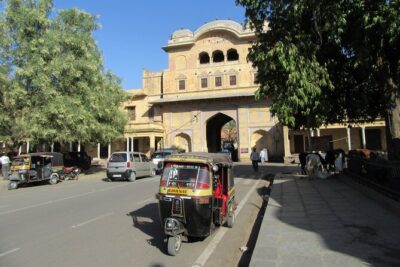

Jaipur Tour by Tuk-Tuk or Car with Flower Market
Read our review →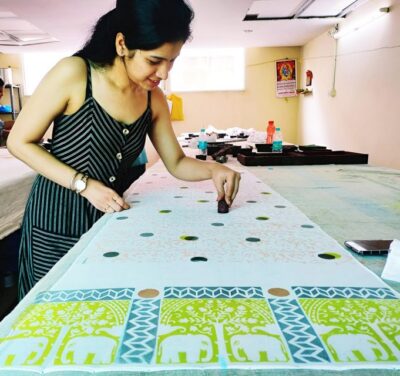
Half-Day Guided Sightseeing Tour with Flower Market
Read our review →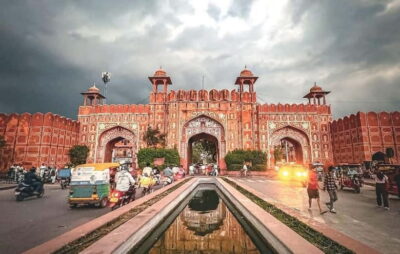
Half or Full Day Sightseeing Tour with Flower Market
Read our review →
Longwood Gardens from Philadelphia Spring Flowers Pop Up Tour
Read our review →Browse the lists this tour appears in