
Review · MALTA
Mysterium Fidei Monastery & Secret Garden in Valletta
Quiet places tell powerful stories.
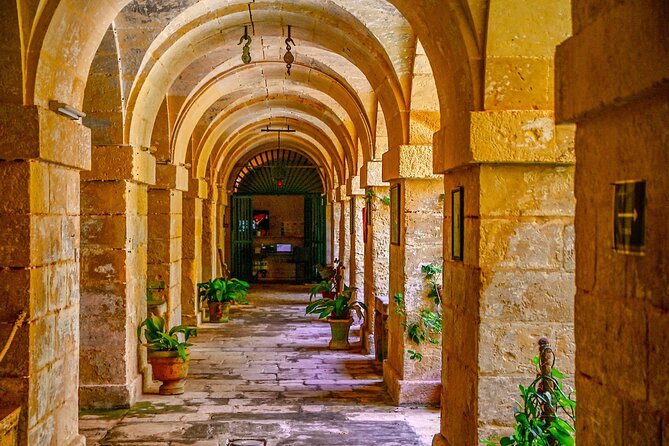
Mysterium Fidei opens a rarely seen corner of Valletta: a centuries-old monastery with original kitchens, bedrooms, washrooms, crypts, and a small enclosed garden. I especially like the audio guide, which helps explain the rooms and the cloistered life of the nuns, and the garden, a calm break from Valletta’s busy streets. The main drawback is important: only the ground floor is open, so some promotional images may suggest more access than you actually receive.
At $12.10 per person, this is a fairly priced short stop, especially if you enjoy architecture, religious history, and quiet spaces more than grand views. I would allow about an hour, though a quick visit can take 30 minutes and a slower visit with photos may take up to 90 minutes. The closed cloister remains active, so the experience is respectful and limited by the monastery’s present-day life.
Key points to know before you go
- A 400-year-old garden has reopened: The Secret Garden was closed to the public for more than four centuries before becoming part of this experience.
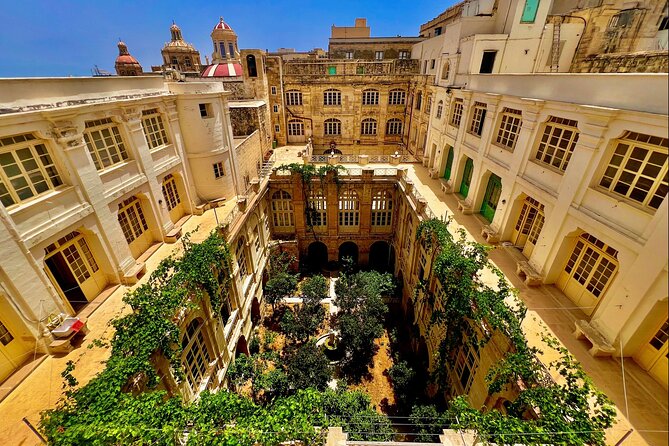
- The upper floors are not accessible: You visit the ground level because the monastery remains a closed cloister.
- Original working spaces survive: Kitchens, bedrooms, washrooms, and crypts help you picture the nuns’ daily lives.
- The audio guide adds useful context: You can listen to explanations as you move through the rooms and garden.
- The garden is peaceful but small: It is best understood as a quiet courtyard oasis, not a large botanical garden.
- The visit is easy to fit into Valletta: Opening hours are 10 a.m. to 5 p.m. daily, and the site is near public transportation.
Entering St. Catherine’s Monastery in Valletta
Mysterium Fidei sits inside St. Catherine’s Monastery in the heart of Valletta. The setting matters. Valletta is compact and full of stone streets, churches, shops, and busy pedestrian routes. Behind the monastery door, the mood changes quickly. You enter a place built around silence, enclosure, and routine.
The monastery has existed for hundreds of years. Historical information connected with the site places St. Catherine’s Monastery in 1575, and it was associated with female orphans. That long timeline gives the visit weight, but the appeal is not simply the age of the building. You are looking at spaces that were used for ordinary tasks over many generations.
The nuns who lived here followed a cloistered life. On entering the monastery, they took vows never to leave. Their days were shaped by prayer, work, household duties, and limited contact with the outside world. You do not just see an old religious building. You get a plain look at how a community organized daily life behind thick walls.
The experience is called multisensory, but do not expect a large theatrical production. Its strength is the combination of the preserved rooms, the audio commentary, the architecture, and the stillness of the garden. I find that approach more convincing than a heavily staged attraction.
More Garden Tours in the world:
- Paris: Versailles Palace and Gardens Full Access Ticket
★ 4.6 · 41,579 reviews - Versailles: Skip-the-Line Tour of Palace and Gardens Access
★ 4.7 · 10,429 reviews - Marrakesh: Majorelle Garden Entry Tickets
★ 4.5 · 9,651 reviews
The original kitchens and daily work areas
The ground-floor rooms give the visit its most useful details. The original kitchens show the practical side of monastic life, away from grand altars and formal religious art. Kitchens tell you how people actually lived, prepared food, and kept a household running.
You can also see original bedrooms and washrooms. These spaces are modest and stark rather than luxurious. That simplicity is part of the point. The rooms help you picture how the nuns lived with limited contact with the city outside.
The terms kitchen, bathroom, and washroom can sound similar in a short description, but together they suggest a broad look at the domestic side of the monastery. You move beyond a single chapel or courtyard and see several types of working space. The audio guide helps connect those rooms to the nuns’ daily routine.
Some people will find the preserved interiors fascinating because they are left in a fairly plain state. Others may feel there is not enough to see if they expect a large museum collection. I would set your expectations correctly: this is a small historical experience built around atmosphere and surviving spaces, not a vast exhibition.
The crypt and the monastery’s final resting place
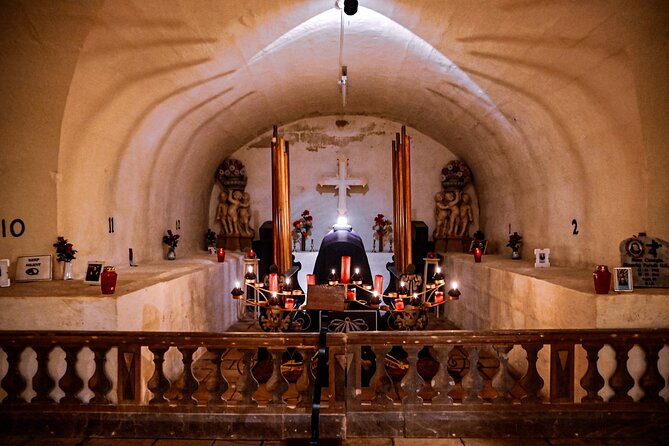
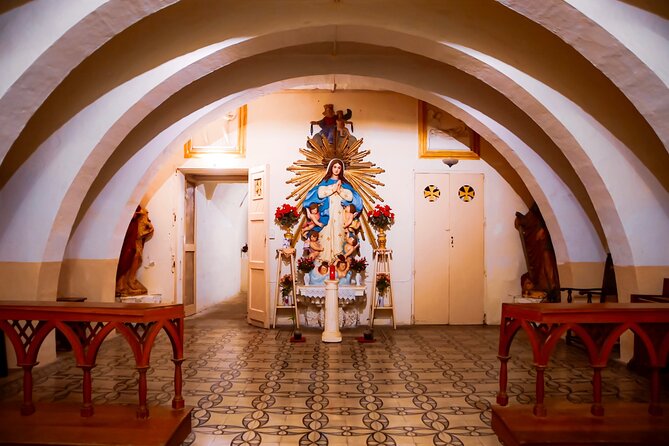
One of the most memorable parts is the crypt, where the dead sisters were laid to rest. The monastery’s enclosed way of life extended beyond death, with burials within the walls of the community. That detail gives the visit a solemn edge.
The crypt is valuable because it makes the history personal. Dates and architectural details can feel distant. A burial place brings you closer to the people who spent their lives here. You begin to think about the commitment required to enter a cloistered order and remain apart from ordinary public life.
The room may not suit everyone. If you prefer light, open spaces and cheerful displays, the crypt can feel stark. I would treat it as a quiet place for reflection rather than a photo stop. Take care with your camera and follow any instructions given on site.
A relic connected with the Holy Cross is also associated with the monastery. The relic is described as certified as authentic under a Vatican seal. If this forms part of what is displayed during your visit, it adds another layer to the religious importance of the site, though the main experience remains the building and its preserved way of life.
The Secret Garden after four centuries
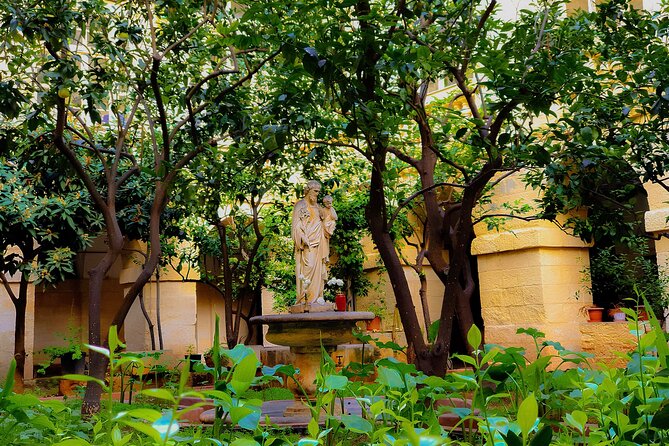
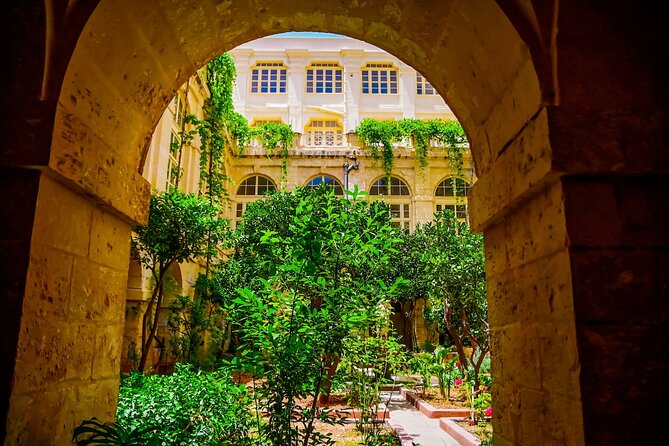
The Secret Garden is the most immediately appealing feature for many people. Its door was closed to the public for more than 400 years, and it now offers access to a peaceful enclosed space at the center of the monastery.
Keep the scale in mind. The garden is tiny. It is not a large park, formal estate, or place where you will spend half a day wandering. Think of it as a sheltered courtyard with strong historical atmosphere. You can sit with the quiet, take photographs, and enjoy a pause from Valletta’s stone streets.
I like the contrast between the garden and the rooms. Inside, you see the restrictions of cloistered life. Outside, plants and open air soften the mood without erasing the sense of enclosure. The garden explains why such a space mattered to the nuns. It offered light, air, and a small connection with nature while keeping the community inside its walls.
The audio guide gives the garden a story rather than treating it as simple decoration. Listen as you walk, then take a little time without the audio playing. The best part may be the change in pace. Valletta rewards quick sightseeing, but this place asks you to slow down.
The garden can also feel underwhelming if you are expecting elaborate planting or a grand view. There is no suggestion that you can look over the city from an upper terrace. The experience is about privacy and calm, not scenery.
Same place, a different sort of green day out:
- Vienna: Schönbrunn Palace & Gardens Skip-the-Line Tour
★ 4.7 · 7,739 reviews - Granada: Alhambra & Gardens Tour w/Nasrid Palaces Option
★ 4.2 · 7,022 reviews - From Paris: Versailles Palace & Gardens with Transportation
★ 4.6 · 6,222 reviews - Vienna: Skip-the-Line Sisi Museum, Hofburg and Gardens Tour
★ 4.8 · 5,918 reviews
Why the audio guide matters
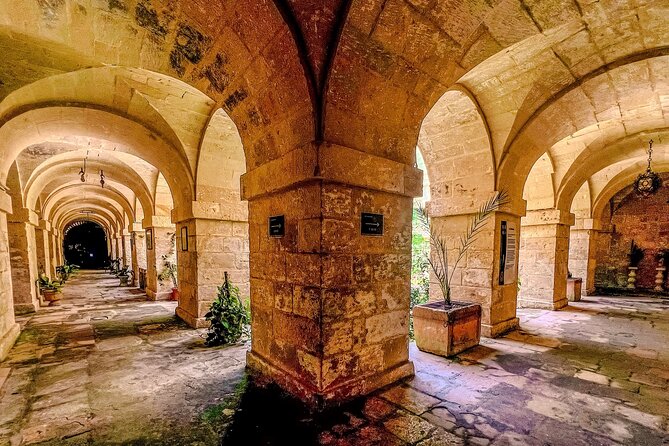
The audio guide is important because much of the monastery’s meaning is not obvious at first glance. A kitchen may look like a plain old room. A washroom may seem unremarkable. The commentary gives these areas a human connection by explaining how the nuns lived and why the spaces mattered.
You can follow the descriptions through the various rooms and the garden. That makes the visit more focused than simply walking into a small chapel and leaving. The audio format also suits the site because a live guide or large group could disturb the quiet atmosphere.
The information is offered in English. If you want a detailed history lecture or a chance to ask many questions, this may feel limited. If you prefer to move at your own pace and pause when a room catches your attention, the format works well.
I would use the audio guide fully rather than rushing through it. The visit is short enough that you can listen to the explanations and still have time for photographs. A 30-minute visit is possible, but an hour gives the rooms and garden more breathing room.
What you can and cannot see
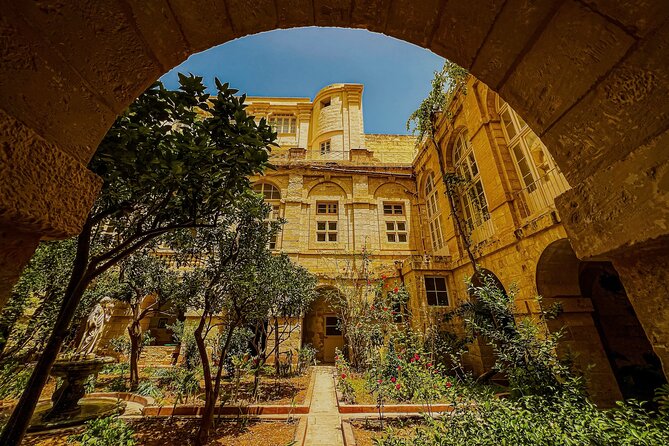
The most important practical point is that the monastery is still a closed cloister. The upper floors are not open to the public. You visit the ground level only.
This restriction is not a minor detail. Some photographs may lead you to expect rooftop or upper-floor views, but you will not get those views during the standard visit. The limited access protects the nuns’ continuing private life, and it also explains why the experience feels smaller than a full monastery tour.
I see the limitation as part of the site’s character, but you should know about it before paying. If your main goal is a panoramic view of Valletta or a complete architectural tour, choose another attraction. If your interest is the daily life of cloistered nuns and a preserved ground-floor setting, the available rooms are enough to make the visit worthwhile.
The site includes a small chapel as well. It may appeal to visitors interested in devotional spaces, though it is not presented as a large church interior with extensive decoration. The monastery’s appeal lies in the combination of simple rooms, religious details, the crypt, and the garden.
Photography and the right pace
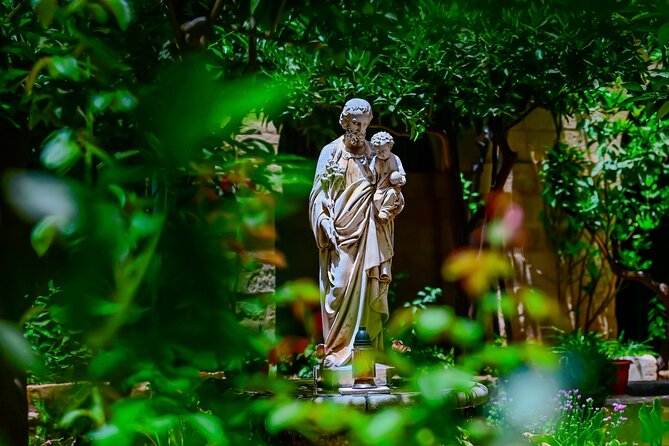
The garden is the natural place for photographs. Its enclosed design, old stone, and quiet atmosphere create images that feel different from the usual Valletta street scenes. You can also photograph architectural details and selected interior spaces, subject to any rules in place during your visit.
Bring your camera, but do not let photography turn the whole experience into a quick checklist. The garden is small, so you can take your pictures without spending much time. Then listen to the audio guide and consider what the enclosure meant to the women who lived there.
The presence of animals adds a small, everyday touch. The garden has sheltered turtles and a cat. There has also been a white rabbit kept in a pen, reflecting Malta’s rabbit-eating tradition. That detail may be uncomfortable for some people, so the site can feel more like a living monastery space than a polished tourist garden.
Price, duration, and daily planning
At $12.10 per person, Mysterium Fidei offers reasonable value for a short cultural stop. You are paying for access to a rare enclosed garden, preserved monastery rooms, the crypt, and the audio experience. The price makes more sense if you appreciate atmosphere and historical context.
The value is weaker if you expect a large number of rooms, upper-floor access, or a long guided tour. The garden is small, and much of the monastery remains private. You should not book this expecting a two-hour attraction packed with displays.
Plan on 30 minutes to 1 hour 30 minutes. A quick visitor can see the main rooms and garden in half an hour. I would allow around an hour if you want to listen carefully, pause in the crypt, and take photographs without hurrying.
The site is open daily from 10 a.m. to 5 p.m. for the stated operating period, January 6, 2025 through May 31, 2026. It is near public transportation, and mobile tickets make it easy to keep the booking on your phone. Confirmation is provided when you book.
Free cancellation is available if you cancel at least 24 hours before the start time. Changes or cancellations made within 24 hours are not accepted for a refund. Service animals are allowed, and most people can participate.
Who will enjoy Mysterium Fidei most
I would recommend this experience to you if you like:
- Small historic interiors rather than major museums
- Religious history and the daily lives of monastic communities
- Quiet courtyards and enclosed gardens
- Audio-guided visits you can take at your own pace
- Photography focused on stone, architecture, and atmosphere
- Short attractions that fit between larger Valletta sights
Families may appreciate the short duration, though the crypt and solemn subject matter may not suit very young children. The experience also works for adults who want a peaceful pause during a day of sightseeing.
You may want to skip it if you need wide city views, extensive gardens, or full access to a monastery. The limited ground-floor route is a real restriction, not a minor footnote. People with strong expectations based on photographs should be especially careful.
Should you book Mysterium Fidei?
Book it if you want a quiet, unusual look at Valletta’s cloistered past. The best parts are the original domestic rooms, the crypt, and the Secret Garden with its 400-year history. At $12.10, it is a sensible add-on for anyone who values small places with a strong sense of human history.
Do not book it for panoramic views or a large garden. You will stay on the ground floor, and the garden is compact. For the right visitor, that restraint is exactly what makes the experience feel respectful and genuine.
FAQ
Where is Mysterium Fidei located?
Mysterium Fidei is located inside St. Catherine’s Monastery in the heart of Valletta, Malta.
How much does admission cost?
The listed price is $12.10 per person.
How long does the visit take?
The visit takes approximately 30 minutes to 1 hour 30 minutes, depending on how carefully you listen, explore, and take photographs.
What are the opening hours?
The experience is open Monday through Sunday from 10 a.m. to 5 p.m. during the stated operating period from January 6, 2025 through May 31, 2026.
Is the Secret Garden open to the public?
Yes. The Secret Garden, which had been closed to the public for more than 400 years, is included in the experience.
Can I visit the upper floors of the monastery?
No. The upper floors are not open to the public because the monastery remains a closed cloister.
What rooms can I see?
You can see original kitchens, bedrooms, washrooms, a small chapel, and the crypt.
Is an audio guide included?
Yes. The Secret Garden and the monastery rooms are explained with an audio guide, offered in English.
Is the experience accessible by public transportation?
Yes. The monastery is near public transportation.
Can I cancel for a refund?
Yes, if you cancel at least 24 hours before the experience start time. Cancellations or changes made less than 24 hours before the start time are not refunded.
Just added around the world
- Royal Horticultural Society: Harlow Carr Garden Ticket★ 4.7 · 14 reviews
- Zanzibar: Jozani Monkeys, Butterfly Garden & Reptile Park★ 5.0 · 2 reviews
- Yu Garden Shanghai Entry Tickets Booking And Trip★ 3.6 · 9 reviews
- York: Castle Howard House and Gardens – Self-Guided★ 4.8 · 120 reviews
- Xochimilco floating gardens, Coyoacan and UNAM murals★ 4.0 · 6 reviews
- York: Castle Howard Gardens and Grounds Entry Ticket★ 4.5 · 23 reviews
- Woodside: Filoli Historic House and Garden Entry Ticket★ 4.9 · 9 reviews
- Woking: Royal Horticultural Society Wisley Garden Ticket★ 4.7 · 24 reviews
Malta Garden Tours, compared.
Malta: Mdina, Dingli Cliffs and San Anton Botanical Gardens
Read our review →
Valletta: Monastery and Secret Garden Entry Ticket
Read our review →
Mdina, Rabat, Dingli cliffs, San Anton gardens, Ta’ Qali & Mosta guided tour
Read our review →

Malta: Dingli Cliffs & Buskett Gardens Segway Tour
Read our review →
Scenic Tour by Vintage Bus to Buskett Garden & Dingli Cliffs
Read our review →
The Limestone Heritage Park and Gardens (Entry Ticket)
Read our review →
Rabat Mdina and San Anton Gardens Group Tour with St. Paul’s Catacombs
Read our review →Browse the lists this tour appears in