
Review · ROME
Rome Golf Cart Tour from Villa Borghese Gardens
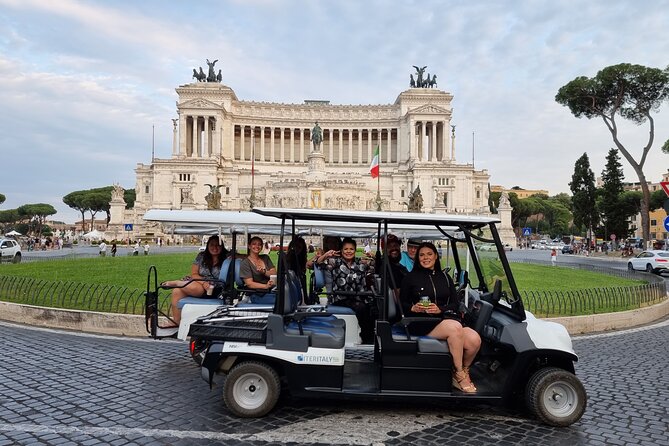
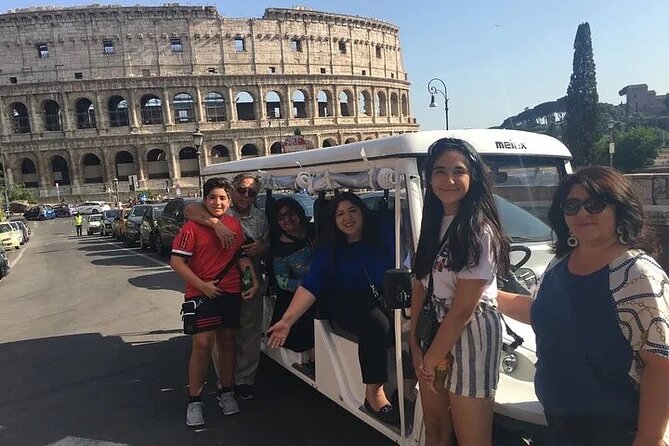
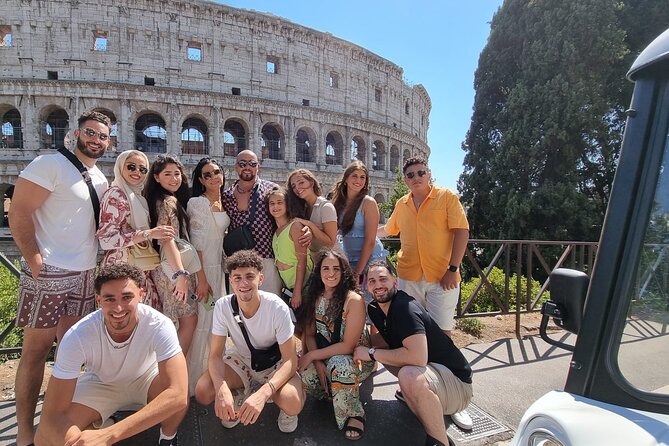
Rome rewards walkers, but Rome can also wear them out. This golf cart tour gives you a quick, comfortable look at the city’s major sights, from Villa Borghese to the Trevi Fountain and Spanish Steps. I especially like the small-group size of up to seven people and the way the open cart reaches narrow streets and viewpoints that are tiring to cover on foot. The English-speaking driver-guide adds useful context as you ride.
I also like the relaxed mix of short stops and scenic drives. You can see a great deal in about three hours, with time for photos at places such as the Orange Garden, Piazza Navona, and the Pantheon. The main drawback is pace: this is an introduction to Rome, not a deep visit to its monuments. The price, $171.68 per person, is reasonable for families or visitors short on time, but high if you want long indoor visits.
Key points at a glance
- A fast first look at Rome: Cover Villa Borghese, ancient ruins, famous piazzas, fountains, and hilltop views in one outing.
- A maximum of seven people: The small cart keeps the ride more personal and informal than a large bus tour.
- Less walking in heat or rain: The cart gives your feet a break while still reaching central sights and small lanes.
- Strong guide-led sightseeing: Guides such as Gian-Luca, Sabrina, Pietro, Marco, Paul, and Nikolai have been praised for history, humor, patience, and help with photos.
- Mostly exterior sightseeing: Stops are designed for views, explanations, and pictures. No admission tickets are listed for the monuments.
- A useful orientation tour: It works best early in a Rome visit, helping you decide where to return for a longer visit.
Why a golf cart works so well in Rome
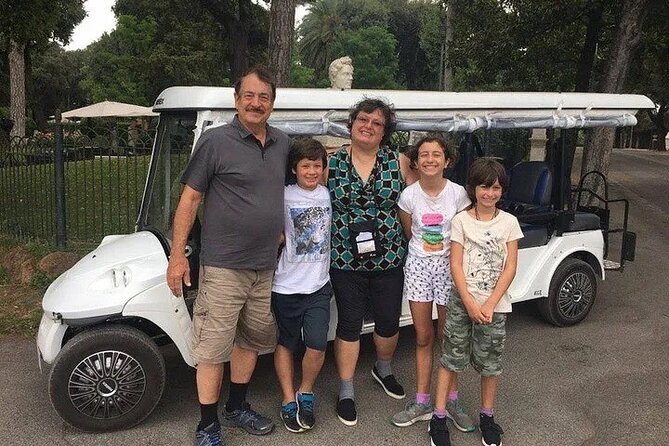
Rome’s center is compact on a map, but the distances between its famous sights add up. Add heat, uneven streets, crowds, and the city’s hills, and a walking route can become hard work. A golf cart solves much of that problem without sealing you inside a tour bus.
You sit above street level, hear the guide as you move, and get short breaks to look around. The cart can also use smaller streets, giving you a view of Rome beyond the grand avenues. One especially useful feature is the blend of major landmarks with less expected stops, including the Temples of Hercules and Portunus, the Theatre of Marcellus, and the Aventine Hill.
The group is capped at seven people. That matters because you can ask questions without shouting across a vehicle, and the guide can make the route feel more personal. Several guides have been praised for taking photos, offering water, adjusting to the group, and keeping people comfortable in hot weather.
Still, keep your expectations clear. Three hours is enough to see Rome, not to study it. You will usually be looking at monuments from outside, hearing a concise explanation, and taking a few pictures before moving on.
More Garden Tours in Rome:
- Rome: Borghese Gallery & Gardens Small Group Guided Tour
★ 4.5 · 2,190 reviews - Rome: Bioparco di Roma Zoological Garden Entry Ticket
★ 4.6 · 1,414 reviews - Vatican: Vatican Gardens with Bus Tour & Vatican Museums
★ 4.2 · 392 reviews
Starting among the pines of Villa Borghese
The meeting point is at Pic Nic, Just Amir srl, on Piazzale delle Canestre in Villa Borghese. The park is one of Europe’s largest urban parks, with ponds, fountains, and broad green spaces shaped in the English garden style during a major 19th-century redesign.
This is a pleasant place to begin because the tour starts away from the most crowded streets. Your guide can set the scene with the Borghese family and the park’s role in Rome, then take you toward the city from an elevated, leafy setting.
The first stop lasts about 15 minutes and is free. You should use it for photos and orientation rather than expecting a visit to the Borghese Gallery. The gallery itself is not listed as part of this experience, and the short stop does not allow time for a museum visit.
Piazza del Popolo and the Mausoleum of Augustus
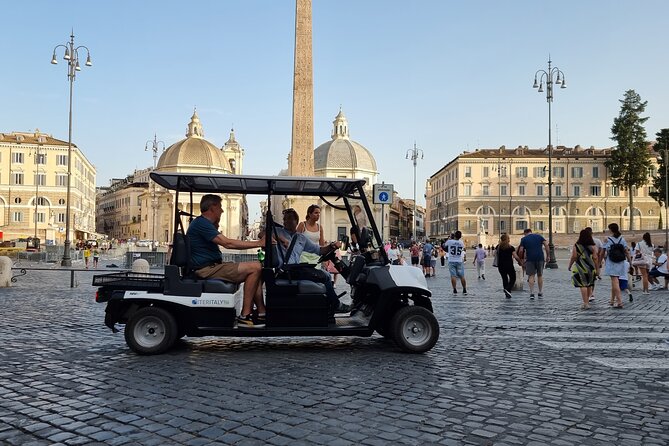
Piazza del Popolo is a natural first look at central Rome. The broad square marks the area around the Porta Flaminia, the historic northern gateway into the city. Its open shape gives you a good sense of how Rome connects its old roads, churches, and public spaces.
The scheduled stop is about 10 minutes. That is enough for a quick look and photos, but not a leisurely examination of every building around the piazza.
The route also passes the Mausoleum of Augustus, the large circular tomb linked to Rome’s first emperor. Its story is a good example of how ancient buildings can be reused, altered, forgotten, and rediscovered over time. Since the itinerary does not assign a separate stop or admission to the mausoleum, treat it as a guide-led exterior sight unless your guide says otherwise.
Ancient Rome from Piazza Colonna to Piazza Venezia
The Column of Marcus Aurelius rises in Piazza Colonna. Its carved reliefs show military campaigns along the Danube during the reign of Marcus Aurelius, and the monument gives you a chance to see how Roman power was presented through stone, scale, and public display.
The stop lasts about 10 minutes. A good guide will help you read the reliefs, since the details are far above street level and easy to miss without explanation.
Next comes Piazza Venezia, where modern Rome, imperial Rome, and the grand Monument to Vittorio Emanuele II meet. The square sits between Via del Corso and Via dei Fori Imperiali, making it a useful viewing point for the ancient city.
You will also see the area associated with Trajan’s Markets and the Imperial Forums. The nearby museum explains Trajan’s 2nd-century market complex and the wider forum area with displays, panels, and archaeological objects. The tour does not include a museum entry, so the value here comes from the guide’s explanation and your view from the cart.
This section can feel busy and visually crowded, but that is part of the lesson. Rome often places ancient ruins, modern traffic, grand monuments, and ordinary city life within a few steps of one another.
Same place, a different sort of green day out:
- Tivoli Italian Gardens Tour from Rome
★ 5.0 · 122 reviews - Vatican Museums, Sistine Chapel with Gardens Minibus Tickets
★ 3.5 · 54 reviews - Rome: Vatican Museums and Gardens Private Tour – Pick up included
★ 5.0 · 53 reviews - 4 Hr Tour: Vatican Museums, Vatican Gardens with skip line passes & St. Peter’s
★ 4.0 · 52 reviews
Circus Maximus and the Aventine view

The cart continues to the Circus Maximus, the huge ancient racing ground between the Aventine and Palatine Hills. Ancient sources associate the site with seating for up to 300,000 spectators, a figure that helps you grasp the scale of Roman public entertainment.
The stop is only about five minutes. You will not explore the entire site, but the guide can point out the shape of the former arena and its position beside the Palatine.
The Orange Garden on Aventine Hill is one of the tour’s strongest stops. You get about 15 minutes for a panorama across Rome, and the setting gives you a calmer pause after the traffic and monuments of the center. If time allows, the guide may also stop at the famous keyhole view.
The exact timing depends on the day, since traffic and the group affect the route. If the Orange Garden matters most to you, tell the guide early. This is also a good place to ask for a group photo. Guides including Paul and Pietro have been praised for helping with pictures.
The Mouth of Truth and Rome’s river port
At the Bocca della Verità, or Mouth of Truth, you will see an ancient carved face linked to the old tale that it bites the hand of a liar. The stop lasts about five minutes, so expect a quick photo opportunity and a short explanation rather than a long visit.
The nearby Forum Boarium adds a more serious layer to this part of the route. The Temple of Hercules is the only surviving sacred structure in ancient Rome made from Greek marble, and it is one of the city’s oldest surviving buildings. The Temple of Portunus, close to the Tiber, once watched over the river port and the goods moving into Rome.
You also pass the Theatre of Marcellus, completed in the late first century BCE under Augustus. Its design influenced theatres across the Roman world and later architectural forms. These sights are particularly valuable because they are easy to miss on a standard route focused only on the Colosseum and Vatican.
The short stops mean you should listen closely. The guide’s commentary is what turns a quick look at old stone into a readable story about trade, religion, entertainment, and daily life.
Piazza Navona, the Pantheon, and Campo de’ Fiori
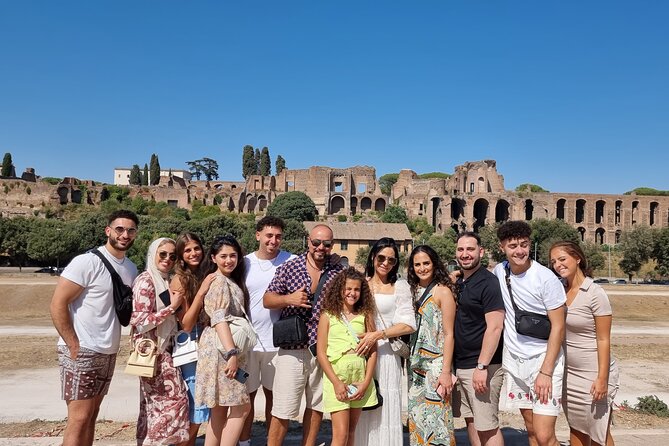
The tour’s central section brings you to Piazza Navona, the Pantheon, and Campo de’ Fiori. This is one of the best combinations in the route because it shows three different sides of Rome: an ancient sporting ground reshaped as a Baroque square, a remarkable Roman building, and a lively public market area.
Piazza Navona follows the long oval shape of the Stadium of Domitian, built for athletic contests in 86 CE. The square’s present form reflects later building and decoration, but the ancient outline remains clear.
The Pantheon is one of Rome’s great architectural achievements. Built in its present form around the early second century CE, it has survived remarkably well. Its concrete dome and central oculus remain the key things to notice. The opening brings in daylight and creates a changing circle of light inside.
The listed stop lasts about 15 minutes for this group of sights. That is enough to see the exteriors and perhaps enter the Pantheon only if timing and arrangements allow, but no admission is included in the tour details. If you want a full interior visit, plan to return on your own.
Campo de’ Fiori adds a more everyday Roman setting, though the exact stop time is not separately stated. The guide can help connect the square to the larger story of central Rome, where food, politics, religion, and tourism overlap.
Trevi Fountain and the Spanish Steps
The Trevi Fountain is one of the tour’s most popular stops. Designed by Nicola Salvi and completed by Giuseppe Pannini in 1762, it is a late Baroque showpiece filled with carved movement and water.
You get about 10 minutes here. That is enough for a look and a coin toss, but not always enough for a quiet visit. The area can be crowded, so keep your belongings secure and follow the guide’s instructions about where to gather.
The final stop is Piazza di Spagna, home to the Spanish Steps. The square takes its name from the Spanish Embassy to the Vatican, which has been located here since the 17th century. The stop lasts about five minutes, so you will have time to see the steps and take a photo, but not much time to sit and watch the square.
The route then returns to the Villa Borghese meeting point. Ending where you started keeps the tour simple, especially if you have plans elsewhere afterward.
What the $171.68 price buys you
At $171.68 per person, this is not the cheapest way to see Rome. The price makes more sense if you value time, comfort, and a private-feeling small group. You are paying for a three-hour route, an English-speaking driver-guide, city transport, commentary, and a long list of photo stops.
For a family with children, older visitors, or anyone who finds long walks difficult, the value can be strong. Several people found the cart especially helpful in hot weather, and one couple with limited mobility said they could see Rome this way when a walking tour would not have worked.
The value is weaker if your main goal is museum time or detailed archaeological study. You will need separate tickets and extra time for major interiors. Think of this tour as a city overview, not a replacement for the Colosseum, Roman Forum, Pantheon, or Borghese Gallery.
Prices can change, so check the current amount when you book. The experience includes a mobile ticket and is offered in English.
Who will enjoy this tour most
I would choose this for a first day in Rome, especially if you have only a short stay or are arriving at the end of a cruise. It quickly shows you where the main areas are and helps you decide where to return.
It also suits families with young children. One guide created a route that worked well for a family seeing Rome for the first time, and the cart avoids the need to keep everyone moving through long stretches of hot pavement.
People with limited mobility may find it useful, though you should confirm your personal access needs before booking. The tour can reduce walking, but the provided information does not describe a lift, step-free boarding, or wheelchair storage.
The experience is less suited to anyone who wants long, quiet visits at individual monuments. The stops are short, and the route covers a lot of ground.
Practical details before you book
The tour lasts about three hours and begins and ends at Pic Nic, Just Amir srl, Piazzale delle Canestre, in Villa Borghese. The meeting instructions have been described as less clear than ideal, so double-check the exact point before setting out.
Public transportation is nearby, and most people can participate. The maximum group size is seven. Guides named in the feedback include Gian-Luca, Sabrina, Pietro, Paul, Marco, and Nikolai. Names and assignments can change, but the repeated strengths are clear: history, humor, patience, photo help, and care during hot weather.
Free cancellation is available up to 24 hours before the start time for a full refund. Cancellations or changes made less than 24 hours before the start are not refunded or accepted.
Should you book the Rome golf cart tour?
Book it if you want to see Rome’s major sights quickly, avoid a long walking day, and hear the city explained by an engaging English-speaking guide. The best reasons are the small group, the comfortable ride, the Orange Garden viewpoint, and the chance to connect famous monuments with quieter ancient sites.
Skip it if you want substantial time inside museums and monuments, or if $171.68 feels too high for exterior sightseeing. For most first-time visitors, families, short-stay visitors, and anyone facing Rome’s heat or hills, this is a practical and enjoyable introduction. Use it to get your bearings, then return on foot to the places that deserve more time.
FAQ
How long does the Rome golf cart tour last?
The tour lasts approximately three hours.
Where does the tour begin?
It begins at Pic Nic, Just Amir srl, Piazzale delle Canestre, 00197 Rome, in Villa Borghese Gardens.
Where does the tour end?
The tour ends back at the meeting point in Villa Borghese.
How much does the tour cost?
The listed price is $171.68 per person.
What language is the tour offered in?
The tour is offered in English and includes an English-speaking driver-guide.
How many people can join the tour?
The maximum group size is seven travelers.
Are admission tickets included?
No admission tickets are listed as included. The stops are described as free photo and sightseeing stops.
Which major sights does the tour visit?
The route includes Villa Borghese, Piazza del Popolo, the Column of Marcus Aurelius, Piazza Venezia, Circus Maximus, the Orange Garden, the Mouth of Truth, Piazza Navona, the Pantheon, Campo de’ Fiori, Trevi Fountain, and Piazza di Spagna.
Is the tour suitable for most people?
The tour information says most people can participate and that it is near public transportation. The golf cart can reduce walking, but specific boarding and wheelchair details are not provided.
Can I cancel for a full refund?
Yes. You must cancel at least 24 hours before the experience start time for a full refund. Cancellations or changes made less than 24 hours before the start are not accepted.
Just added around Rome
- Vatican Gardens & Castel Sant’Angelo Skip-the-line tickets★ 4.3 · 20 reviews
- Vatican Museums, Sistine Chapel with Gardens Minibus Tickets★ 3.5 · 54 reviews
- Best tour in Tivoli garden minimum 4 people★ 5.0 · 3 reviews
- Tivoli Gardens and Hadrian’s Villa full day guided tour★ 5.0 · 44 reviews
- Tivoli Villas and Gardens (Driver Only/Self Touring)★ 5.0 · 2 reviews
- Vatican Pass: Gardens, Museums, Sistine Chapel and Basilica Entry★ 4.5 · 19 reviews
- A Private Journey Through the Borghese Gallery & Gardens★ 4.5 · 44 reviews
- All Vatican incl. Vatican Gardens with SKIP LINE passes★ 4.0 · 4 reviews
Rome Garden Tours, compared.
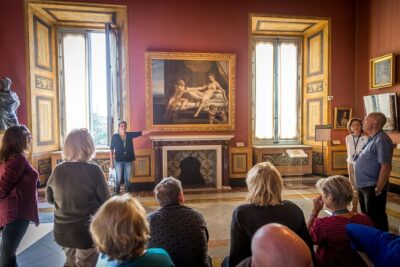
Borghese Gallery & Gardens Small Group Guided Tour
Read our review →
Bioparco di Roma Zoological Garden Entry Ticket
Read our review →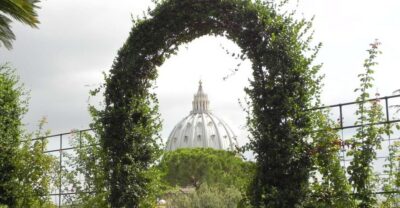
Vatican: Vatican Gardens with Bus Tour & Vatican Museums
Read our review →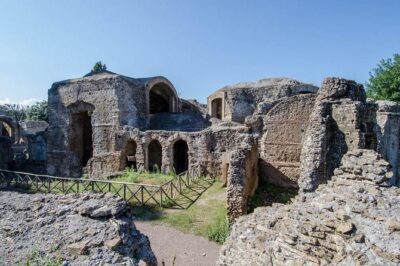
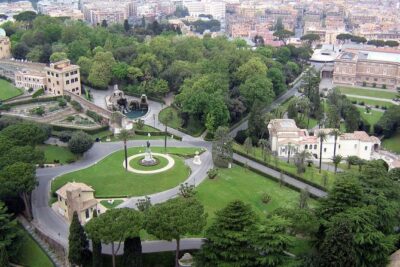
Vatican Museums, Sistine Chapel with Gardens Minibus Tickets
Read our review →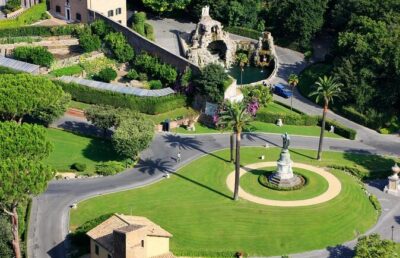
Vatican Museums and Gardens Private Tour – Pick up included
Read our review →
4 Hr Tour: Vatican Museums, Vatican Gardens with skip line passes & St. Peter’s
Read our review →
A Private Journey Through the Borghese Gallery & Gardens
Read our review →Browse the lists this tour appears in