
Review · SEATTLE
Seattle: Chihuly Garden and Glass Entry Ticket
Color meets sunlight here. Chihuly Garden and Glass makes glass feel less like a museum subject and more like a full sensory show, with eight indoor galleries, a large outdoor garden, and a 100-foot suspended sculpture in the Glasshouse. I especially like the striking scale of the art and the way the garden extends the exhibition outdoors. The main drawback is price: at $45 per person, it is a significant spend for a visit that many people complete in about two hours.
The setting helps make the ticket easier to justify. You are in Seattle Center, right near the Space Needle, so it is simple to pair both attractions in one day. I also value the short films, gallery talks, live glass demonstrations, and complimentary photo download, since they add context to art that can otherwise look like beautiful, expensive decoration.
Key points to know before you go
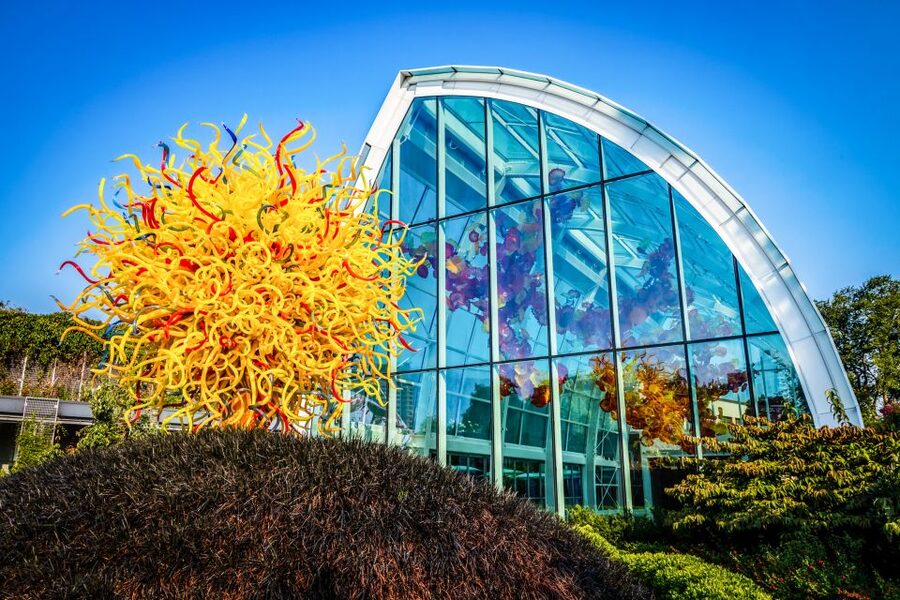
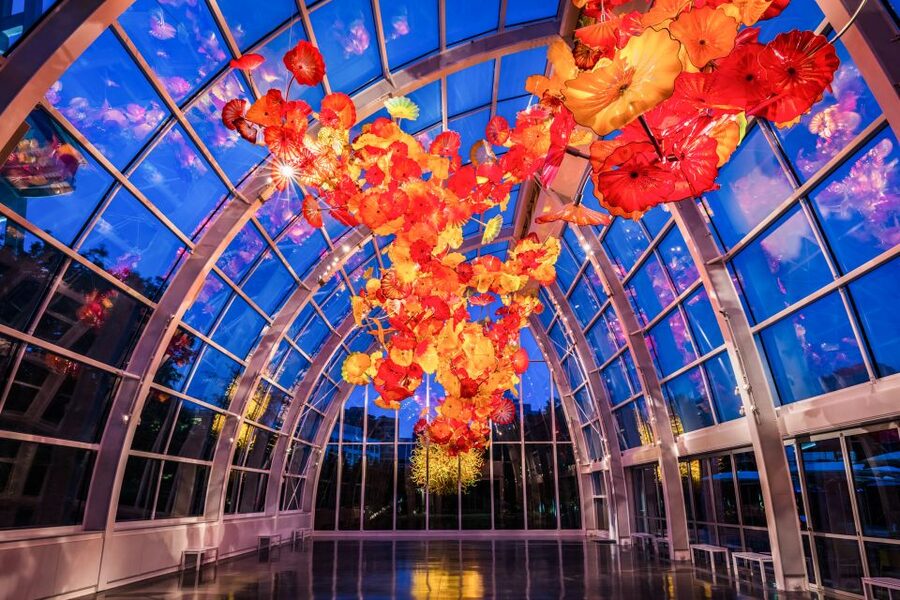
- The Glasshouse is the visual centerpiece: A 40-foot-tall glass and steel structure shelters a 100-foot sculpture made from reds, oranges, yellows, and amber.
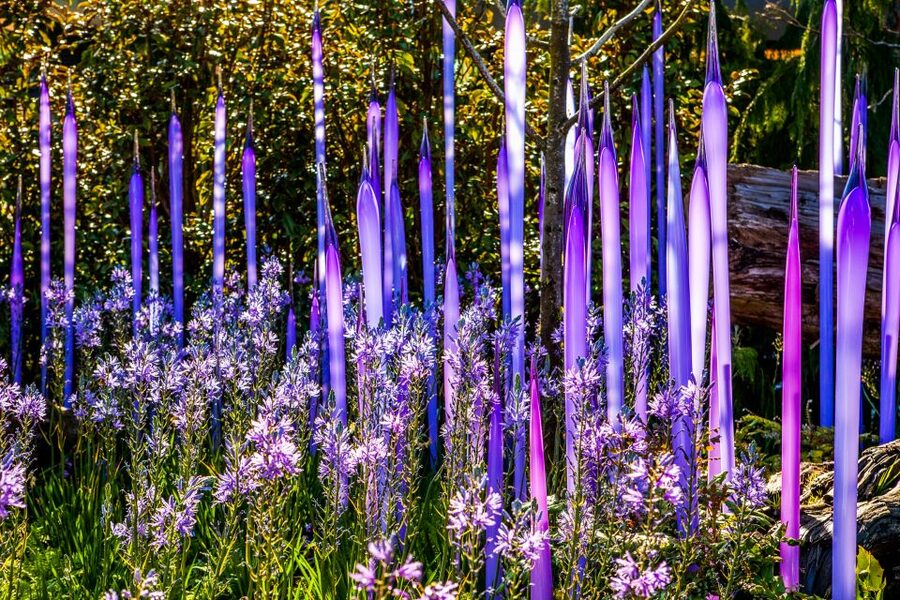
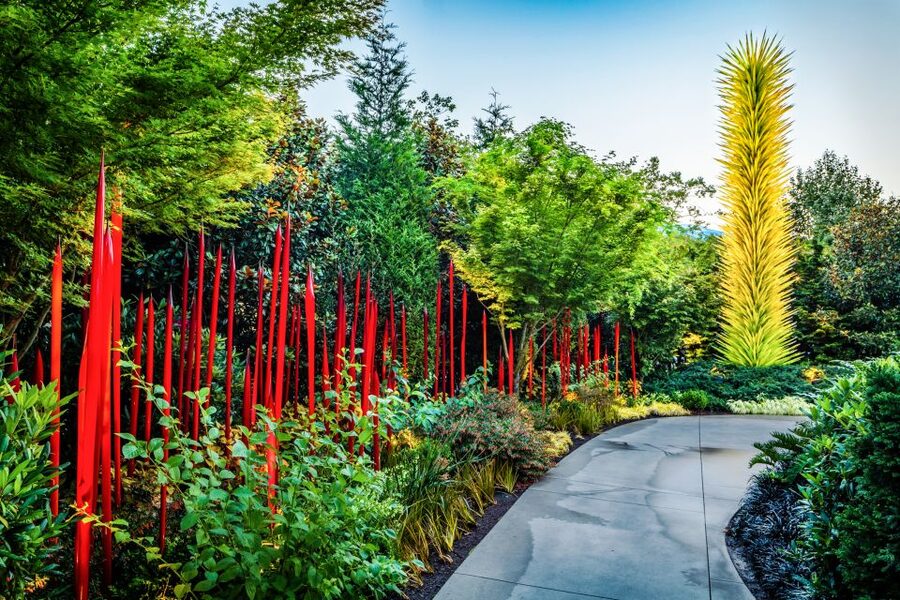
- The outdoor garden is part of the art: Glass forms sit among plants, trees, and flowers, creating a different experience from the indoor galleries.
- Plan on roughly two hours: That is enough for a focused visit, but films, talks, and demonstrations can make your stay longer.
- Arrive early for better photographs: The first hour can give you more room in the galleries, especially if taking pictures matters to you.
- Live demonstrations add real value: Seeing glass shaped by heat and hand gives meaning to the scale and difficulty of the finished pieces.
- The ticket is wheelchair accessible: The exhibition is designed for wheelchair access, and children aged four and younger enter free.
Why Chihuly Garden and Glass works so well in Seattle
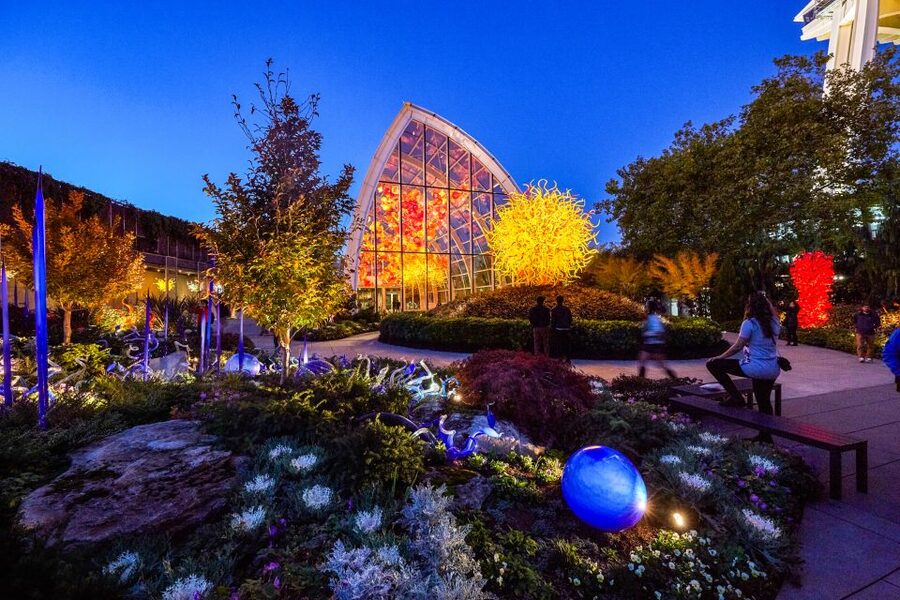
Dale Chihuly is closely associated with the Pacific Northwest, and this exhibition feels made for Seattle. The Space Needle rises nearby, the city is never far away, and the glass itself catches the gray Northwest light in a way that photographs cannot fully reproduce.
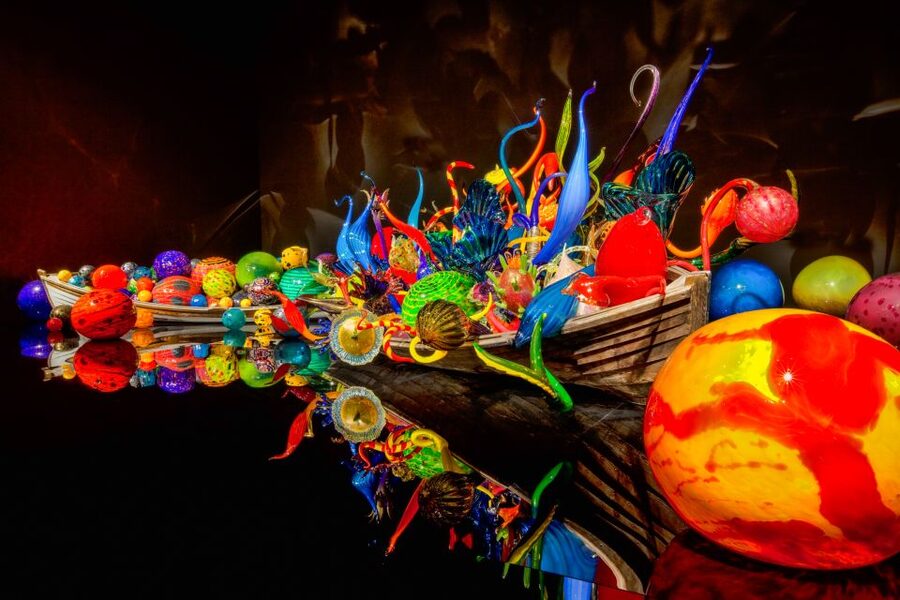
The exhibition is not arranged like a quiet display of fragile objects. It is theatrical. Colors fill entire rooms. Forms twist, curl, spike, and droop. Some pieces resemble flowers or sea life, while others look almost extraterrestrial. You move from one enclosed gallery to the next, then step outside into a garden where the work meets living plants.
That change in setting matters. Inside, you can study the detail and technique. Outside, you notice scale, weather, and the relationship between glass and natural color. A glass sculpture that feels bold in a dark room can look surprisingly playful among leaves and flowers.
I would not recommend coming only because you think you like traditional museums. This is closer to a carefully staged visual experience. You do not need a background in art to enjoy it, but you should be open to color, spectacle, and objects designed to provoke a reaction before they invite analysis.
More Tickets in the USA:
- Seattle: Space Needle & Chihuly Garden and Glass Ticket
★ 4.7 · 1,890 reviews - Space Needle and Chihuly Garden and Glass Combination Ticket
★ 4.5 · 1,551 reviews - National Mall Tour with 10+ Stops, Boat Cruise, Entry Tickets
★ 4.5 · 1,212 reviews
Start with the eight indoor galleries
Your visit begins indoors, where the exhibition moves through eight galleries devoted to different aspects of Chihuly’s work. The layout gives you a clear path without forcing you into a formal guided group, so you can move at your own pace.
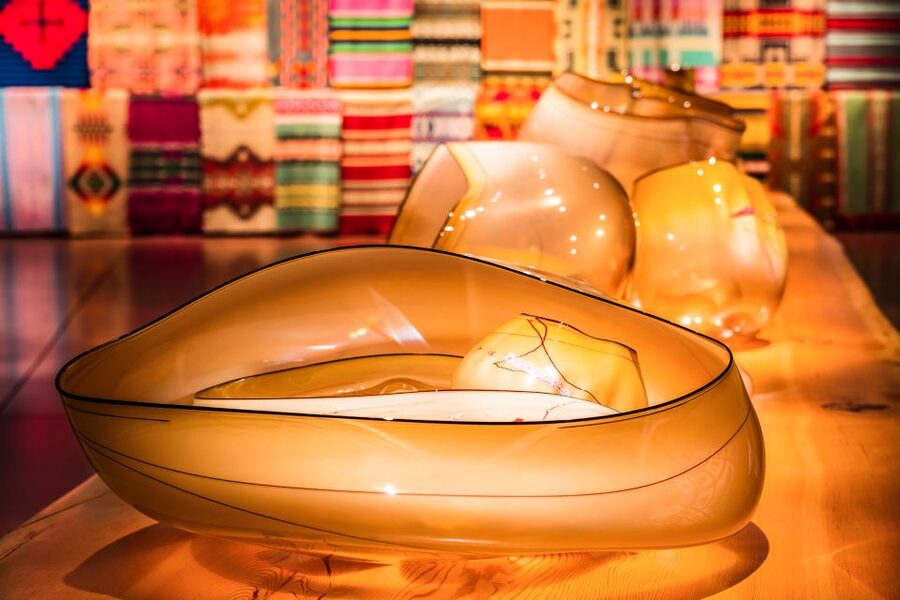
The early rooms help you see how far glass can be pushed. You will encounter blown-glass forms in unusual shapes and combinations, often grouped to create a larger scene rather than displayed as isolated objects. This is important because Chihuly’s work is usually about the relationship between pieces. One glass form may be striking on its own, but a cluster can suggest a garden, a reef, or a strange natural event.
Take your time with the lighting. The color is not simply painted onto the glass. It changes as light passes through, reflects from the surface, or reaches the piece from behind. Darker rooms make the color appear stronger, while open displays let you see the transparency and curves.
The short films are worth stopping for. They show Chihuly discussing his work and the ideas behind several installations. If you want more than a procession of pretty objects, these clips are the best way to hear the artist explain his process.
You can also use the complimentary audio tour on your smartphone. It is in English and gives the self-guided visit a little more structure. I would use it selectively rather than listening to every word. Choose the sections that explain a work you find confusing or especially appealing.
The Glasshouse delivers the biggest moment
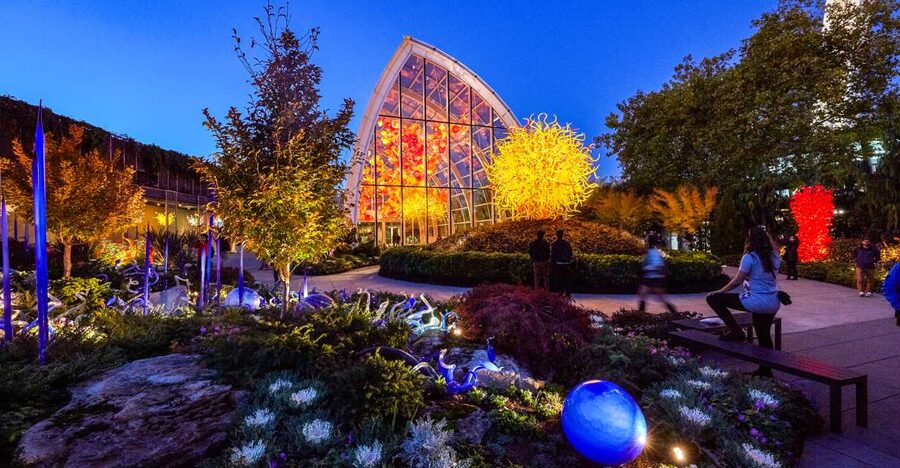
The Glasshouse is the part most likely to justify the ticket for first-time visitors. The building is 40 feet tall and covers 4,500 square feet, giving the central sculpture plenty of room to hang overhead.
The sculpture stretches about 100 feet and uses a palette of red, orange, yellow, and amber. It is made from many separate glass elements, but from the floor it reads as one sweeping form. The scale changes your reaction. You are not simply looking at a vase or bowl. You are standing beneath a piece that fills the room from end to end.
This is also the best place to understand why ordinary photographs can disappoint. The camera may record the colors, but it usually misses the sense of height and the way the individual forms seem to move above you. Look up, then step back and look again from another angle.
If you want a clear photograph, early arrival helps. The exhibition opens 363 days a year, although hours can change by season and the venue can close fully or partly for private events, holidays, or facility upgrades. Check the official opening time before setting out, since one visitor arrived expecting a 10 a.m. opening and had to wait elsewhere until 11.
The outdoor garden changes the mood
After the indoor galleries, the garden gives you a welcome change of pace. Glass sculptures sit among carefully planted greenery, so the display feels less like a museum room and more like a series of discoveries along a garden path.
This is one of the strongest parts of the experience. The plants provide scale and contrast, while the glass brings impossible colors and shapes into an ordinary outdoor setting. A red or yellow form can look almost floral from a distance, then reveal sharp edges, folds, or translucent layers when you get closer.
The garden is not merely a backdrop for the indoor collection. It changes how you read the work. Indoors, the lighting controls your attention. Outdoors, daylight, shadows, weather, and the surrounding plants all take part.
Rain does not necessarily ruin the visit. The garden may feel quieter and more reflective in wet weather, though you will want suitable clothing and should not expect every photograph to look the same as one taken in sunshine. The garden is especially appealing if you enjoy photography, but do not let the camera keep you from looking directly at the pieces. Some details are easy to miss while framing a shot.
More Garden Tours in the USA:
- Princeville Botanical Gardens Tour and Chocolate Tasting Ticket
★ 5.0 · 774 reviews - Busch Gardens Williamsburg Admission Ticket
★ 3.0 · 603 reviews - Big Island Waterfalls Tour with Swimming and Botanical Garden
★ 5.0 · 513 reviews - Hilo Shore Excursion: Active Volcano, Lava Tube, Waterfall and Gardens
★ 5.0 · 393 reviews
Watch the glass demonstration if one is scheduled
A live glass demonstration can be the most useful part of the visit for anyone who wants to understand the craft. You see the heat, tools, timing, and teamwork required to form glass into a vase or another object.
The demonstration helps correct a common misconception. The finished works may look effortless, but the process is not. Even a simple shape requires control while the material is hot and moving. Seeing the makers work gives the displayed sculptures more weight, both literally and artistically.
Daily gallery talks and live demonstrations are included, but times can vary. Check the schedule when you arrive. If you see a demonstration starting soon, I would give it priority over a second quick pass through the galleries. You can always return to the rooms afterward.
Some demonstrations are more substantial than a quick souvenir-making display. Visitors have described seeing vases and glassware formed rather than only tiny trinkets. The exact program can change, so treat the demonstration as a valuable addition, not a guaranteed fixed performance.
Allow time for films and gallery talks
The exhibition is easier to appreciate when you know something about how the pieces came together. The films and talks provide that missing link.
Gallery talks can point out details you might otherwise pass by, while the films let you hear Chihuly discuss his ideas in his own words. One especially useful approach is to watch a film after seeing several galleries. You will already have your own reactions, and the explanation can help you notice patterns in his use of color, grouping, and scale.
The content is in English. The audio tour is also in English, so this visit may offer less support if you do not understand English well. Still, the art communicates visually, and the route does not depend on a guide leading a group.
The exhibition is self-guided, which is a practical advantage for families and couples. You can linger over a favorite room or move quickly through one that does not interest you. No one is waiting for you to catch up.
Food, drinks, and the Space Needle pairing
Chihuly Garden and Glass includes a place for craft cocktails and food, so you can pause without leaving Seattle Center. That makes the exhibition easier to fit into a longer afternoon, especially if you are combining it with the Space Needle.
The food and drinks are not the main reason to buy admission, but they can turn a short museum stop into a fuller outing. I would not plan the entire day around the café. Instead, use it as a convenient break after the indoor rooms and garden.
The Space Needle pairing is the practical advantage of this location. Both attractions sit in the same Seattle Center area, near the base of the Space Needle. A combined ticket can let you handle two major sights in one day, though you should check the exact ticket terms and availability before booking.
The two attractions offer different experiences. The Space Needle is about views over Seattle. Chihuly Garden and Glass is about looking closely at objects, color, and light. Together, they make a more varied day than visiting either one alone.
What $45 gets you
At $45 per person, admission is not cheap. If you move quickly through the galleries and skip the films or demonstration, you may feel the visit is expensive for two hours. That concern is fair, especially for families buying several tickets.
The value improves if you use what is included. Admission covers eight indoor galleries, the Glasshouse, the outdoor garden, the smartphone audio tour, daily gallery talks, and access to live glass demonstrations when scheduled. You also receive a complimentary digital photo download.
I would aim for two to three hours rather than treating this as a quick photo stop. Watch at least one film, spend time in the garden, and look for a demonstration. If you combine the visit with the Space Needle, the cost becomes easier to judge as part of a full Seattle Center day.
Children four and younger enter free, which helps families with very young children. The exhibition also works well for couples and families with older children who can appreciate the unusual forms and large displays.
Timing, entry, and practical tips
This is a self-guided visit, so there is no meeting group or bus transfer to manage. Redeem your ticket at Chihuly Garden and Glass in Seattle Center, near the Space Needle.
One entry detail deserves attention. If your confirmation includes a QR code that must be exchanged for a physical ticket, handle that before joining the main entry line. A visitor reported waiting in line and then being sent back to a kiosk. That is an avoidable annoyance.
Opening times change during the year. The venue is generally open 363 days annually, but special events, private functions, holidays, and facility work can lead to a full or partial closure. Check the official website on the day you plan to go.
For the best visit:
- Arrive near opening if you want fewer people in the rooms and cleaner photographs.
- Check demonstration and gallery talk times first.
- Bring a charged smartphone for the audio tour.
- Allow extra time if you want to watch several films.
- Keep your ticket exchange instructions handy before reaching the entrance.
- Plan a Space Needle visit around this one if you want a full Seattle Center day.
The exhibition is wheelchair accessible. That makes the indoor galleries, Glasshouse, and outdoor route available to a wider range of visitors, although you should still confirm any current route changes before arrival.
Who will enjoy it most
I would recommend this experience to anyone who likes design, sculpture, photography, gardens, or unusual museums. It is especially good for a first Seattle visit because the location is convenient and the exhibition feels distinctively tied to the city’s glassmaking identity.
Families with older children should find plenty to discuss. The colors and strange shapes catch attention quickly, while the films and demonstrations offer a chance to explain how the work is made. Very young children may enjoy the color but may not have much patience for the films.
Couples can easily make this a relaxed stop with food or drinks afterward. Art-focused visitors may want to give it more than two hours, especially if they have already seen Chihuly installations elsewhere. The Seattle collection is praised for its scale and variety, so repeat exposure does not necessarily make it feel identical to smaller displays in other cities.
If you are on a strict budget, you may decide to skip it. Seattle has many costly attractions, and $45 is a lot for a compact museum. But if Chihuly’s work interests you, seeing the pieces close up, under controlled light, and then in the garden offers something that photographs and smaller installations cannot.
Should you book Chihuly Garden and Glass?
Book it if you want a colorful, highly visual experience that fits neatly beside the Space Needle. Make the most of the ticket by arriving early, watching a film, checking for a live demonstration, and taking your time in the garden.
Skip it if your main goal is a low-cost museum day or if abstract glass art does not appeal to you. For everyone else, this is one of Seattle’s easiest major attractions to recommend. The price is the sticking point, but the Glasshouse, outdoor garden, and live craft demonstrations give the visit more substance than a quick gallery walk.
FAQ
Where is Chihuly Garden and Glass located?
It is in Seattle Center, near the base of the Space Needle in Seattle, Washington.
How much does admission cost?
The listed price is $45 per person.
How long is the ticket valid?
The ticket is valid for one day.
Is the visit guided?
No. This is a self-guided visit, with an English audio tour available on your smartphone.
Is Chihuly Garden and Glass wheelchair accessible?
Yes, the exhibition is wheelchair accessible.
Are young children admitted free?
Children aged four and younger are free.
Can the venue close or change its hours?
Yes. It may close fully or partly for special events, private events, holidays, or facility upgrades. Opening times can also change by season, so check the official website before visiting.
Just added around the USA
- Woodside: Filoli Historic House and Garden Entry Ticket★ 4.9 · 9 reviews
- Williamsburg: Busch Gardens Ticket & Water Country Option★ 4.2 · 101 reviews
- Miami: Vizcaya Museum & Gardens Ticket with Transport★ 4.6 · 9 reviews
- DC Bus Tour with 10+ Stops & Potomac Cruise, Optional US Capitol★ 5.0 · 2 reviews
- National Mall & Cherry Blossoms with Washington Monument Ticket★ 4.5 · 21 reviews
- Narrated Boat Cruise & DC Bus Tour with 10 Stops, Entry Tickets★ 4.5 · 61 reviews
- Full Day DC: City Bus Tour, Seasonal Boat Cruise, Entry Tickets★ 4.5 · 70 reviews
- DC Kenwood Cherry Blossoms Half-Day Small Group Tour★ 3.5 · 17 reviews
Seattle Garden Tours, compared.

Seattle: Space Needle & Chihuly Garden and Glass Ticket
Read our review →
Space Needle and Chihuly Garden and Glass Combination Ticket
Read our review →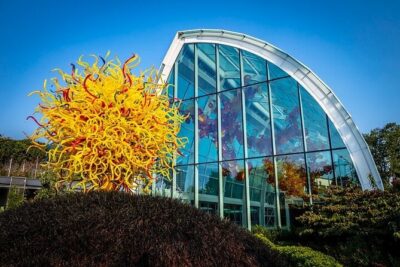

Tulip Festival in Skagit Valley Tour from Seattle
Read our review →
Skagit Valley Tulip Festival Day Tour from Seattle
Read our review →
Tulip Festival at Skagit Valley ,La Conner and Deception Pass
Read our review →Browse the lists this tour appears in