
Review · UK
Skip the Line: House and Garden Admission Ticket
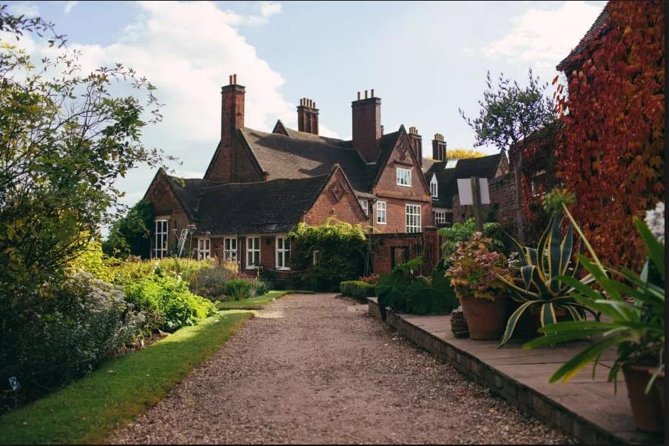
Slow down beside Birmingham’s finest garden rooms. Winterbourne House and Garden gives you a calm break from the city, with an Edwardian Arts and Crafts villa, thoughtful planting, and winding paths that reward a leisurely visit. I especially like the Gertrude Jekyll-inspired garden design and the chance to combine a house visit with a botanical collection from around the world.
The $14.17 admission price is reasonable for an outing that can fill one to four hours, and the mobile ticket keeps things simple. My main reservation is the promise of skipping the line: one visitor still had to join a queue, so advance booking may not always mean instant entry.
The best time to come depends on what you want to see. The walled garden is at its strongest from May through October, while the house and woodland paths give you reasons to visit outside peak flower season. Allow extra time if you want to sit on the benches, study the planting, and take the visit at a quiet pace.
Key points to know before you go
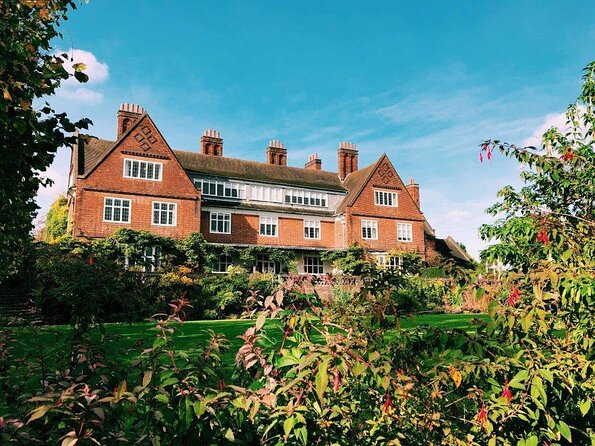
- A rare Edwardian suburban garden: Winterbourne is one of Birmingham’s best surviving examples of an Edwardian Arts and Crafts villa garden.
- Gertrude Jekyll’s influence: Margaret and John Nettlefold used Jekyll’s books as guides when creating the garden.
- Four distinct hours of exploring: You can see the house quickly, but the gardens reward a much slower visit.
- Strong seasonal colour: The restored walled garden brings its brightest show from May through October.
- A peaceful city escape: Lawns, themed borders, woodland paths, and benches make this a good place to pause.
- Advance booking with a small caveat: The $14.17 mobile ticket is convenient, but a queue may still be possible.
Why Winterbourne feels far from Birmingham’s city noise

Winterbourne is appealing because it does not try to entertain you with a packed schedule. You enter a period home, walk through carefully planned garden rooms, and find places to sit without needing to rush from one attraction to the next.
That slower rhythm is the main attraction. I would allow at least two hours for a proper visit, though the stated visit length ranges from one to four hours. If you are keen on plants, you may easily use the longer end of that range. If you mainly want a quiet break and a look inside the house, an hour may be enough.
The garden is also close enough to the city to make an easy half-day stop, yet its lawns and woodland walk create a strong change of mood. One person considered it worth a 45-minute walk from a hotel, which gives you a useful sense of its appeal as a destination rather than a quick photo stop.
More Skip-the-Line Entries in the UK:
- Skip-the-Line: Botanic Garden Entry Ticket
★ 4.5 · 53 reviews - Versailles: Skip-the-Line Tour of Palace and Gardens Access
★ 4.7 · 10,429 reviews - Vienna: Schönbrunn Palace & Gardens Skip-the-Line Tour
★ 4.7 · 7,739 reviews
The Edwardian house and the Nettlefold story
The visit begins with the setting created by Margaret and John Nettlefold. Their home and garden reflect the Edwardian Arts and Crafts taste for useful beauty, hand-shaped details, and a close relationship between the house and its planting.
You are not simply looking at an old building surrounded by flowers. The garden was planned as part of the home, with views, borders, lawns, and walls working together. That matters because it gives the place a sense of order without making it feel stiff.
The house is a good choice for anyone interested in domestic history. You can see the period atmosphere and then step outside to understand how the owners extended their ideas into the garden. One useful feature is the manageable scale. The house is not described as crowded, so you may have time to examine the rooms without being pushed along.
The property also reflects 20th-century changes. Its current role as a botanical garden adds another layer to the original home, bringing plants from China, North and South America, and Alpine parts of the world into the old suburban setting.
That mixture gives Winterbourne more substance than a standard historic-house visit. You get a home, a designed garden, and plant collections with a wider botanical reach.
Gertrude Jekyll’s influence in the borders
Garden lovers will find the strongest reason to visit in the way the planting is arranged. The Nettlefolds used Gertrude Jekyll’s books for guidance, and her influence can be seen in the emphasis on colour, structure, and carefully linked planting areas.
The lawns are edged with colour-themed borders. This lets you notice how different shades work beside one another rather than seeing one large mass of unrelated flowers. The arrangement gives the garden a clear visual rhythm, with open grass followed by planted edges, walls, rocks, and woodland.
You do not need to be an expert gardener to enjoy this. The themed borders make it easy to understand what you are looking at, and the variety keeps the walk interesting. Gardeners may pause to study combinations and planting choices, while families can simply follow the changing scenes.
The garden is Grade II listed, a status that reflects its historic and architectural interest. That does not mean every part feels formal or precious. There are restful areas, shaded paths, and benches where you can stop looking closely and simply enjoy the setting.
The walled garden, crinkle-crankle wall, and seasonal colour
The restored walled garden is one of the most distinctive parts of Winterbourne. Its crinkle-crankle wall is an eye-catching feature, with its looping shape adding character to a space that might otherwise feel like a simple enclosed garden.
From May through October, this area is described as a riot of colour. If flowers are your main reason for coming, those months offer the best chance of seeing the walled garden at full strength. The wording of the seasonal information matters here: a winter or early spring visit can still be worthwhile, but you should not expect the same display.
The garden’s seasonal changes are part of its appeal. A visit in early March may show less flower colour, yet the structure of the borders, walls, lawns, and house remains. One early spring visitor planned to return throughout the year, which is sensible if you are nearby and want to see how the planting changes.
Do not plan around a single flower alone. One visit found the wisteria was not yet in full bloom, except for the plant at the house. Flowering dates vary, and even a beautiful garden can look different from one week to the next.
More Tickets in the UK:
- London: Kew Gardens Admission Ticket
★ 4.6 · 3,252 reviews - Kew Gardens Entrance Ticket
★ 4.0 · 1,055 reviews - The Alnwick Garden: Entry Ticket
★ 4.3 · 241 reviews - Birmingham: Winterbourne House and Garden Admission Ticket
★ 4.7 · 199 reviews
Rock garden and woodland walk
Beyond the lawns, Winterbourne becomes less formal. The original sandstone rock garden introduces a different texture, while the woodland walk gives you a more enclosed route through large Gunnera leaves and rhododendron displays.
This change of setting helps the garden feel larger than its stated visit length might suggest. You move from open lawn to planted borders, then into rocks and woodland. Each area offers a different view and a different reason to slow down.
The Gunnera leaves can be especially striking because of their scale. The rhododendron displays add seasonal interest, though the exact condition of the planting will depend on when you visit. The supplied information confirms colour and interest throughout the year, but the most impressive flowering periods will not be identical in every season.
Benches are placed around the garden, giving you useful pauses along the way. I like this for a simple reason: you can enjoy Winterbourne without treating it as an exercise in covering every path. Sit down, look back toward the borders or house, and let the garden do its work.
A botanical collection with a global reach
Winterbourne’s plant collection extends well beyond the local climate. The botanical garden includes plants from China, North and South America, and Alpine regions around the world.
That global range gives the visit extra value for anyone who enjoys comparing plant forms and growing conditions. You are not seeing only one traditional English garden style. The formal Edwardian design provides the framework, while the plant collections bring in species from very different parts of the world.
For families, this can turn into an informal lesson in how plants vary. For keen gardeners, the collections may be the part that justifies a return visit. For everyone else, they add variety to a walk that could otherwise become repetitive.
You will get more from this section if you resist the urge to rush. Look at how plants sit beside walls, lawns, rocks, and woodland rather than treating each specimen as an isolated display.
How long to stay and when to visit
The advertised visit lasts roughly one to four hours. I would plan for two hours as a practical middle ground, then add time if you like gardens or want to sit quietly.
The opening hours vary by season:
- From January 13 through February 28, the site is open daily from 10:30 a.m. to 3:30 p.m.
- From March 1 through October 31, it is open daily from 10:30 a.m. to 4:30 p.m.
The longer hours from March through October give you more time to explore, and they match the period when the planting begins to show more colour. The May to October period is especially useful for the restored walled garden.
A morning visit may suit you if you want a quieter start, though the available information does not promise that any particular time will be free of queues. If you are visiting in early spring, expect the garden’s structure and peaceful atmosphere to matter more than peak flower displays.
Is $14.17 good value?
At $14.17 per person, this is a fair admission price for access to both the house and garden. You are paying for more than a short walk around a single flower bed. The ticket covers a period home, a Grade II listed garden, an Arts and Crafts design, a walled garden, a rock garden, woodland paths, and botanical collections from several world regions.
The value improves if you stay for two hours or more. A quick one-hour visit can still work, but the experience is better suited to people who enjoy taking their time. The garden has benches and varied areas, so you do not need to keep moving to feel that you are getting your money’s worth.
Food and drinks are not included. You should treat the ticket as admission only, not as a package with refreshments. That is not a serious problem, but it matters if you are planning a full day around the visit.
The 4.6 rating from 122 reviews and 92 percent recommendation rate support the idea that the experience offers dependable value. The strongest praise centres on beauty, quiet, helpful staff, and the pleasure of having time to look around the house without heavy crowds.
The skip-the-line promise and practical limits
The ticket is delivered to your mobile phone and offered in English. Confirmation arrives when you book, and the maximum group size is 30 people, although this is primarily an admission visit rather than a guided tour.
Advance purchase can still be useful. It gives you a confirmed booking and may reduce uncertainty when you reach the entrance. But do not treat the words skip the line as a guarantee of walking straight in. One person still joined a queue, so you should allow a little flexibility in your timing.
Parking deserves attention too. One account found the car parking difficult because the approach was narrow. If you are driving, do not assume parking will be effortless. The supplied information does not give a parking layout or transport directions, so check your route before setting out.
Wheelchair and pushchair access reaches some areas, but not every part of the garden may be equally easy to use. Because the property includes lawns, a rock garden, woodland paths, and historic spaces, you should confirm current access details directly if full step-free access is important to you.
Who will enjoy Winterbourne most?
I would recommend Winterbourne to you if you like historic homes, garden design, or quiet places where you can set your own pace. It is especially suited to keen gardeners, history fans, couples wanting a calm outing, and families who prefer open-air exploring to a tightly scheduled attraction.
It also works well for anyone who simply wants somewhere peaceful near Birmingham. You do not need specialist plant knowledge. The themed borders, house, woodland walk, and sitting areas provide enough variety for a relaxed visit.
You may want to choose another activity if you need a fast, highly guided experience or a guaranteed queue-free entrance. The visit is self-paced, and its value depends on your willingness to look carefully rather than race through.
The house may appeal most during a shorter visit, while garden enthusiasts will find reasons to stay much longer. If you are able to return, different seasons should give you a noticeably different view of the planting.
Should you book the Winterbourne ticket?
Book it if you want a modestly priced, peaceful Birmingham outing with real character. The combination of an Edwardian Arts and Crafts home, Jekyll-inspired borders, a crinkle-crankle wall, woodland paths, and global plant collections gives the visit more depth than the low ticket price suggests.
Go in with realistic expectations. The line may not disappear completely, car parking can be awkward, food is not included, and flowering displays change with the season. Book ahead for convenience, aim for May through October if the walled garden is your priority, and allow at least two hours if you want to enjoy the place rather than simply check it off.
FAQ
Where is Winterbourne House and Garden?
It is in Birmingham, England.
How much does admission cost?
The listed price is $14.17 per person.
How long does a visit take?
The approximate visit length is one to four hours. The time you need depends on how closely you explore the house and gardens.
What are the opening hours from January 13 to February 28, 2026?
The site is open daily from 10:30 a.m. to 3:30 p.m.
What are the opening hours from March 1 to October 31, 2026?
The site is open daily from 10:30 a.m. to 4:30 p.m.
Is the ticket available on a mobile phone?
Yes. The ticket is provided as a mobile ticket, and the experience is offered in English.
Can I cancel for a full refund?
Yes. You can cancel at least 24 hours before the experience start time for a full refund. Cancellations or changes made less than 24 hours before the start time are not accepted for a refund.
Just added around the UK
- Royal Horticultural Society: Harlow Carr Garden Ticket★ 4.7 · 14 reviews
- York: Castle Howard House and Gardens – Self-Guided★ 4.8 · 120 reviews
- York: Castle Howard Gardens and Grounds Entry Ticket★ 4.5 · 23 reviews
- Woking: Royal Horticultural Society Wisley Garden Ticket★ 4.7 · 24 reviews
- London: Westminster Walking Tour and Visit to Kew Gardens★ 4.7 · 7 reviews
- ULLAPOOL PORT Cruise Ship Tour, Ardvreck Castle, Rocks & More★ 5.0 · 5 reviews
- RHS Garden Wisley and Tea in the Garden Entry Ticket★ 4.0 · 10 reviews
- RHS Garden Wisley Entry Ticket★ 4.0 · 86 reviews
Skip the Line, compared.

Skip-the-Line Tour of Palace and Gardens Access
Read our review →
Schönbrunn Palace & Gardens Skip-the-Line Tour
Read our review →
Skip-the-Line Sisi Museum, Hofburg and Gardens Tour
Read our review →
Skip-the-Line Schönbrunn Palace & Gardens Tour
Read our review →

Skip the Line Schönbrunn Palace and Gardens Guided Tour
Read our review →
Schönbrunn Palace & Garden Skip-the-Line Guided Tour
Read our review →
Sintra: National Palace and Gardens Skip-the-Line Ticket
Read our review →Browse the lists this tour appears in