
Review · CHINA
Suzhou:Humble Administrator’s Garden Ticket for Adult
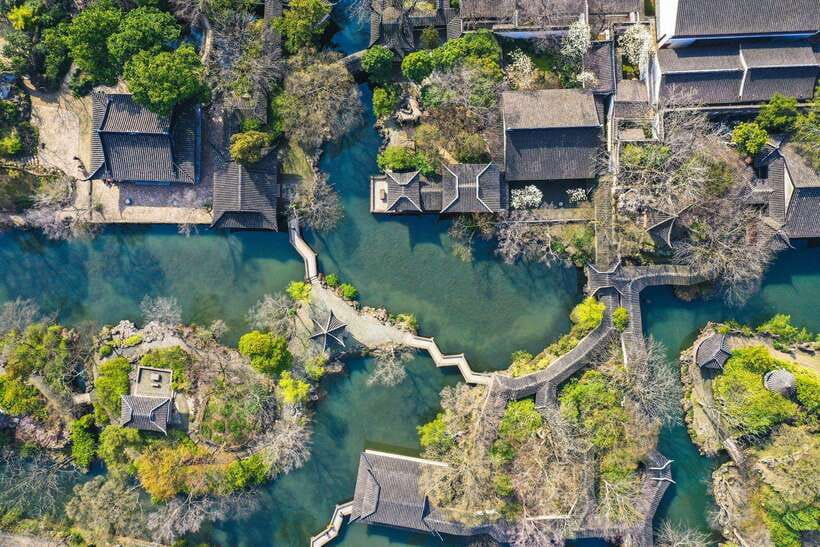
A garden built for slow looking. Suzhou’s Humble Administrator’s Garden offers ponds, lotus flowers, rockeries, old trees, and elegant pavilions in one of China’s finest classical gardens. I like the way the ticket gives you direct access to a UNESCO World Heritage Site, and I like that the garden is large enough to feel like a real retreat rather than a single decorative courtyard. The main drawback is the booking system: two recent customers reported invalid QR codes, and one said buying at the entrance cost half as much.
I also like the garden’s clear division into eastern, central, and western sections. Each area has its own character, while the central section brings together the ponds, paths, pavilions, and planting that make the garden famous. You need your passport ID to book, and you should carry the passport itself when you visit.
Key points to know before you go
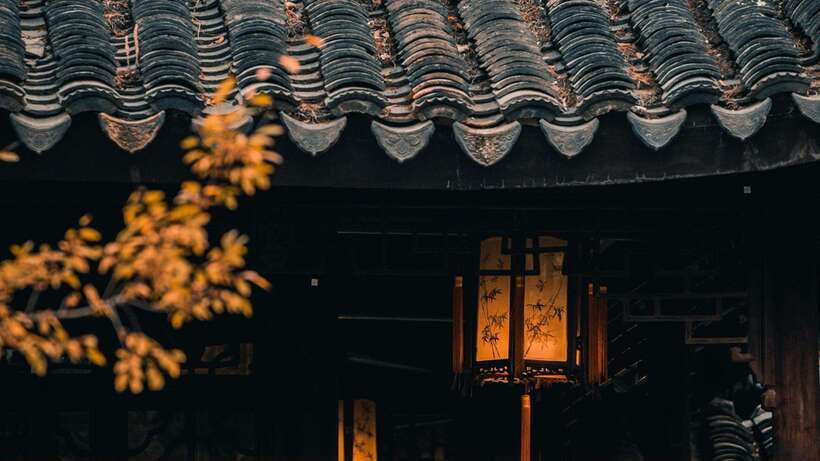
- 52,000 square meters of classical design: You get access to Suzhou’s largest famous garden, with three distinct sections to explore.
- The central section is the main prize: Lotus ponds, winding paths, rockeries, and pavilions form the garden’s most memorable setting.
- The Hall of Drifting Fragrance and Pavilion of Lotus: These are two important stops for views across the water and plantings.
- The QR code needs careful checking: Two recent bookings had invalid QR codes, so keep your voucher ready and confirm it before arriving.
- The ticket covers admission only: The separate Zhuozheng Wenya night presentation is described as an evening option, but cultural performances are not listed as included.
- On-site purchase may be cheaper: One customer reported paying half the online price at the entrance, with Alipay and cash accepted.
Why Humble Administrator’s Garden matters in Suzhou
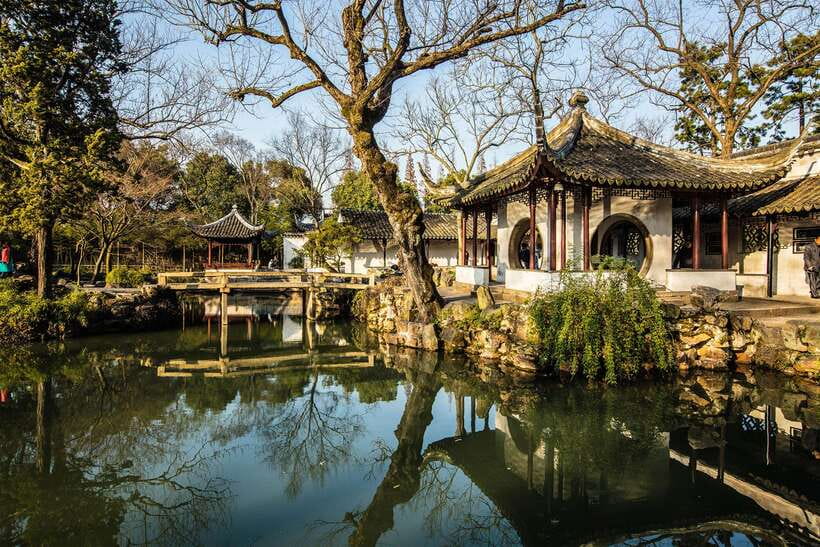
Suzhou is famous for classical gardens designed as private worlds. They were made for quiet thought, poetry, painting, and conversation, not simply for displaying flowers. Humble Administrator’s Garden, also called Zhuozheng Garden, is the largest of Suzhou’s nine classical gardens and one of the clearest places to see how Chinese designers joined buildings and nature into one composition.
The garden dates from the early 16th century, during the Ming Dynasty. Its design reflects an old Chinese ideal: people should live alongside nature rather than dominate it. Water suggests openness, rocks suggest mountains, plants mark the seasons, and small buildings frame carefully chosen views.
I find the garden most rewarding when I stop thinking of it as a checklist of sights. The pleasure comes from the changing views. A path bends around a pond. A wall hides part of a pavilion. A gap in the planting reveals an old tree or a small bridge. The garden is designed to make you look twice.
At 52,000 square meters, it is not a quick photo stop. You have room to wander through three main sections, each with different arrangements of water, plants, stones, and architecture. The central area receives the most attention, but the eastern and western sections help you understand the garden as a complete work rather than a single postcard view.
More Tickets in China:
- Shanghai: Yu Garden Admission Ticket
★ 4.6 · 260 reviews - Beijing:Jingshan Park (Palace Museum Garden) Ticket
★ 4.5 · 185 reviews - Shanghai: Yu Garden Ticket+Lantern Festival Entry combo
★ 3.7 · 49 reviews
Entering at 178 Dongbei Street
The listed entrance is at Zhuozheng Garden, 178 Dongbei Street, in Suzhou’s Gusu District. The ticket is valid for one day and is intended for use during the garden’s operating hours. No starting time is specified, so you need to check availability for the date you want.
Your electronic voucher is meant to be shown for direct verification. Here is the practical warning I would take seriously: a recent booking from Italy produced a QR code that did not work, and another customer from Kazakhstan reported the same problem. That person bought a replacement ticket at the entrance in about two minutes and paid half as much, using Alipay or cash.
This does not prove that every digital ticket will fail, but it does make the voucher the weak point of this purchase. Save it on your phone before you arrive, keep your passport with you, and check that the booking details match your identification. If the code is rejected, go directly to the ticket counter rather than spending too long trying to refresh the same screen.
The booking requires your passport ID. The supplied information does not give a different identification option, so I would not rely on a national identity card or a photograph of your passport unless the provider confirms that it is acceptable.
The eastern section: a gentle introduction
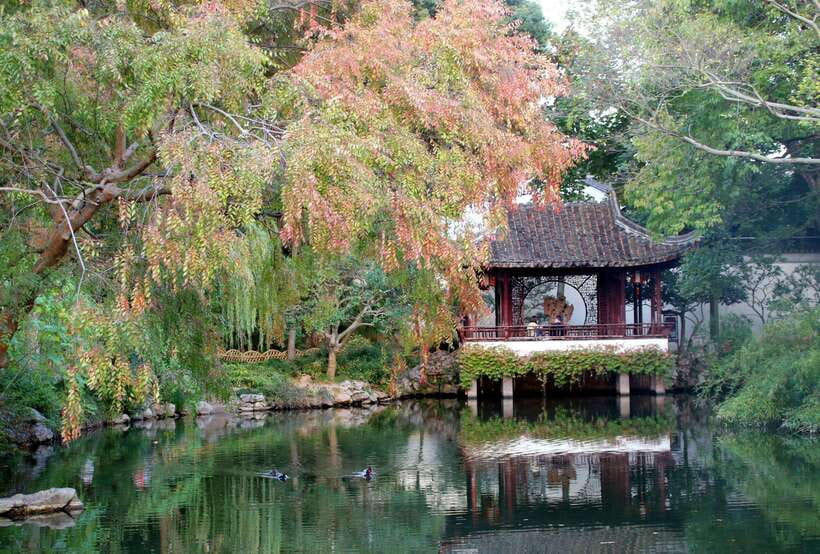
The garden is divided into eastern, central, and western parts. The eastern section is a useful place to begin because it lets you get used to the garden’s style before reaching the more famous central ponds.
Expect the design to work through contrasts. Open water is set against solid rock. Broad views give way to narrow passages. Trees and planted areas soften the hard lines of walls and halls. This is not a garden where every feature is placed in the open for easy viewing. Some of its charm comes from partial views and deliberate pauses.
I would take this section slowly, even if you are eager to reach the central area. Look for how the paths control your sightline. A garden like this is built around movement, and the order in which you see things matters. The eastern section helps set up that visual rhythm.
The available details do not identify every hall or path in this part of the garden, so I would not arrive expecting a fixed route. Instead, use it as a calm start, especially if you visit early in the day or want to avoid rushing through the main sights.
The central section and its lotus ponds
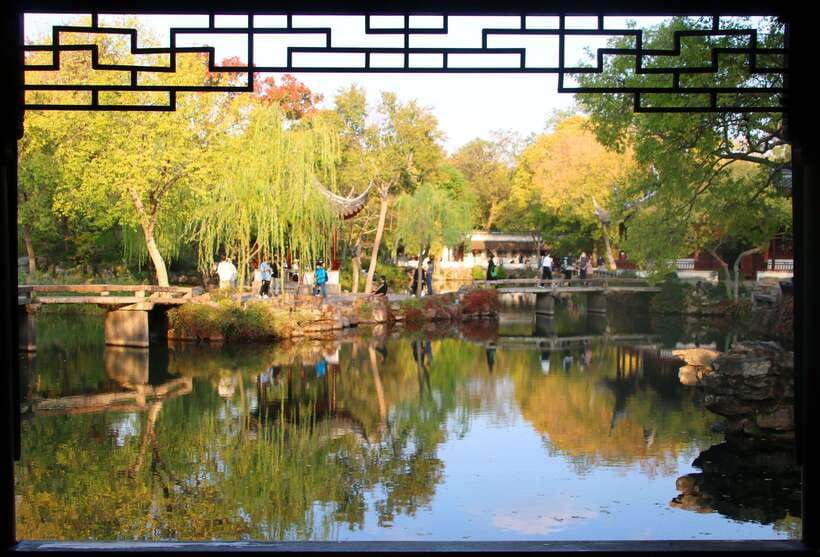
The central section is the heart of Humble Administrator’s Garden. It is the part most closely associated with the garden’s classical image: winding paths, broad ponds, lotus flowers, pavilions, rockeries, and carefully framed views.
The water does much of the work here. Ponds reflect buildings and trees, while lotus planting adds color and seasonal interest. The effect is not flashy. It depends on space, balance, and the way the water creates breathing room between one feature and the next.
The Pavilion of Lotus is one of the named highlights. From here, you can enjoy views across the central water area. The pavilion matters not only as a building but also as a viewing point. Classical gardens often use architecture to frame nature, and this is a good example of that idea.
The Hall of Drifting Fragrance overlooks a pond decorated with lotus flowers. Its name points to the garden’s attention to the senses, especially the scent of plants carried over the water. The supplied information does not promise lotus blooms on every date, so your view will depend on the season. Still, the pond and hall remain important parts of the garden’s design even when flowers are not at their peak.
I like this central section because it rewards both photography and quiet observation. You can take the obvious pond-and-pavilion picture, then look beyond it at the smaller details: the shape of a rock, the edge of a roof, or the way an old tree changes the view. Give yourself time here. A rushed visit will show you the objects but miss the relationships between them.
More Garden Tours in China:
- Shanghai: Zhujiajiao Private Tour w/ Boat Ride & Garden
★ 5.0 · 460 reviews - Best of Shanghai Day Tour, including Jade Buddha Temple & Bund & Yuyuan Garden
★ 4.0 · 338 reviews - Yu Garden, Old Street, Bund & Zhujiajiao Water Town Bus Tour
★ 4.7 · 244 reviews - Beijing Historical Tour II including Summer Palace, Lama Temple & Panda Garden
★ 4.0 · 187 reviews
Rockeries, old trees, and the art of suggestion
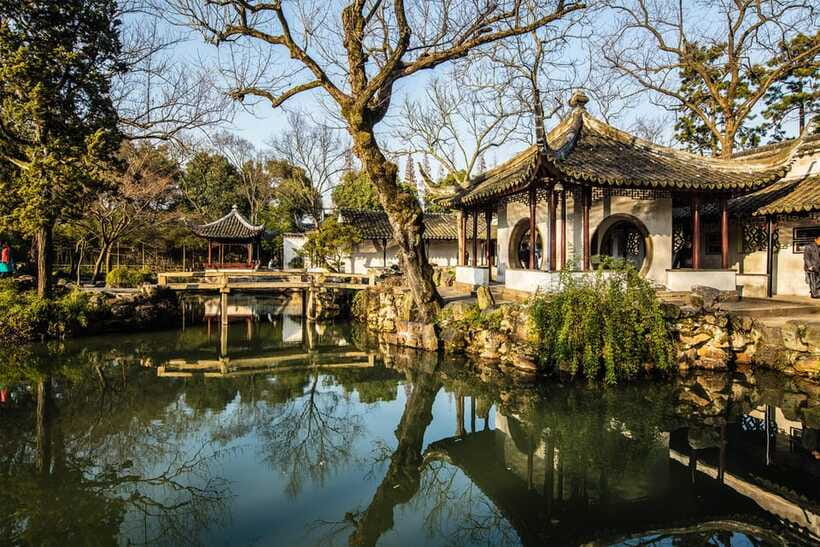
The garden’s rockeries represent mountains. That may sound simple, but it is central to classical Chinese garden design. A compact arrangement of stones can suggest a much larger natural world, especially when paired with water, trees, and a partial view.
The old trees add another sense of time. They are not just background decoration. They help connect the garden’s present appearance with its Ming Dynasty origins and give the pavilions a settled, mature setting.
I would pay attention to the way the garden suggests more than it reveals. Walls, openings, plants, and rock formations divide the space into smaller scenes. You may see only part of a building before the path turns, or catch a pond through a framed opening. This keeps the visit active without making it feel hurried.
That design is also why the garden can feel crowded at popular times, even though the grounds are large. People naturally gather at the best viewing points, especially around the central water area and named pavilions. If you want a quieter visit, use the less famous corners for pauses instead of stopping only at the obvious photo spots.
Three sections, one connected idea
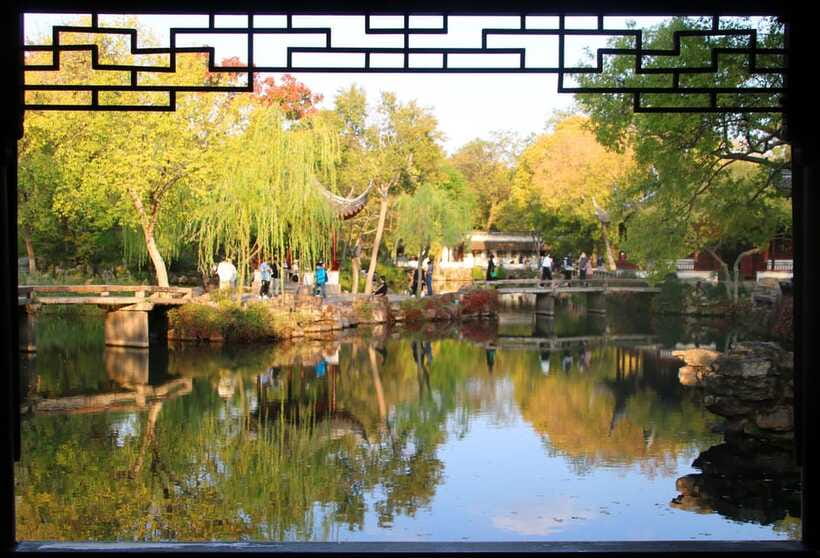
The eastern, central, and western sections each have a distinct arrangement, but they all follow the same basic principle: water, rock, plant life, and architecture should work together.
The eastern section provides a gradual introduction. The central section gives you the most famous ponds and pavilions. The western section completes the experience with another set of views and spaces. The supplied information does not provide a room-by-room route through the western area, so I would treat it as a place for discovery rather than hunting for a specific list of monuments.
This is a good garden for you if you enjoy places that ask for patience. It is less suitable if you want a tightly scheduled tour with a guide explaining every feature or a series of dramatic attractions one after another. The ticket includes admission only. There is no guide, transport, meal, or separate activity listed.
The small-group label may sound like a guided visit, but the information provided does not identify a guide or describe a tour commentary. The group size is limited to 10 participants, yet the actual product is admission to the garden. I would read that as a limited booking group rather than a promise of a guided walk.
Daytime beauty and the night option
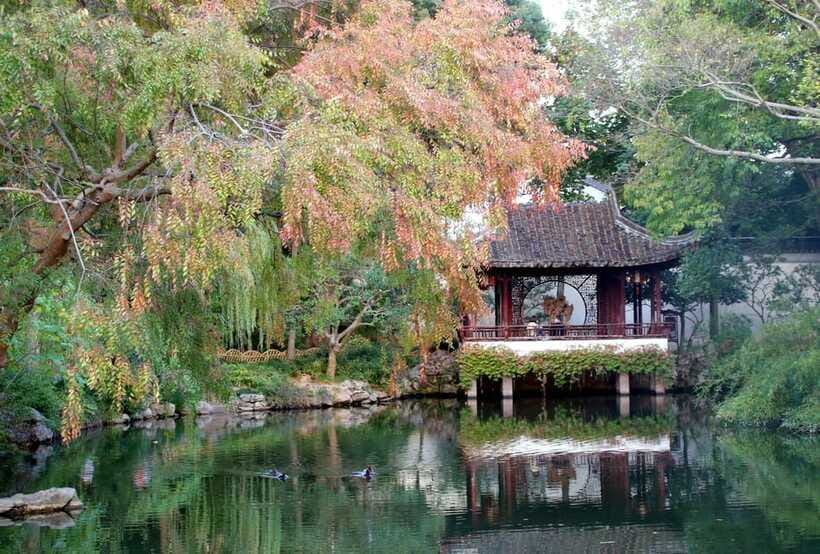
During the day, the garden’s main appeal is the balance of sunlight, shadow, water, stone, and planting. Light changes the appearance of the ponds and walls as you move, so the same scene can look different from one path to the next.
The garden also offers a separate night experience called Zhuozheng Wenya. It is described as a presentation with soft lighting and cultural performances that bring the garden’s past to life. That could add a very different mood, especially if you have already seen the garden in daylight.
Be careful with expectations. The adult ticket described here includes admission to Humble Administrator’s Garden. It does not say that the Zhuozheng Wenya night presentation or its performances are part of the $22 ticket. Check the date, operating hours, and exact inclusions before paying for anything connected with the evening program.
For a first visit, I would prioritize the daytime garden. The daylight makes it easier to understand the relationship between the ponds, rockeries, paths, and buildings. The night option is best treated as an additional experience, not as something automatically covered by this admission ticket.
Is the $22 price good value?
At $22 per adult, this ticket can be reasonable if you want the ease of arranging admission before your visit. You are paying for entry to a major UNESCO-listed garden with a large area to explore and a long cultural history. For someone with a firm schedule, that convenience may be worth the extra cost.
But the price deserves a careful look. One recent purchaser reported buying at the entrance for half the online price, with payment available through Alipay or cash. That is a substantial difference, not a minor saving.
The tradeoff is certainty. Buying ahead may feel simpler, especially if you are planning several Suzhou sights around one day. Buying in person may save money, but the supplied information does not confirm entrance availability or the exact current local price for every date.
I would compare the online price with the entrance option if you are already nearby. If you choose the digital voucher, keep your passport and booking details ready, and allow time to solve a QR problem. The free cancellation policy helps: you can cancel up to 24 hours in advance for a full refund. You can also reserve now and pay later, which is useful if your Suzhou schedule is still changing.
Who will enjoy this garden most?
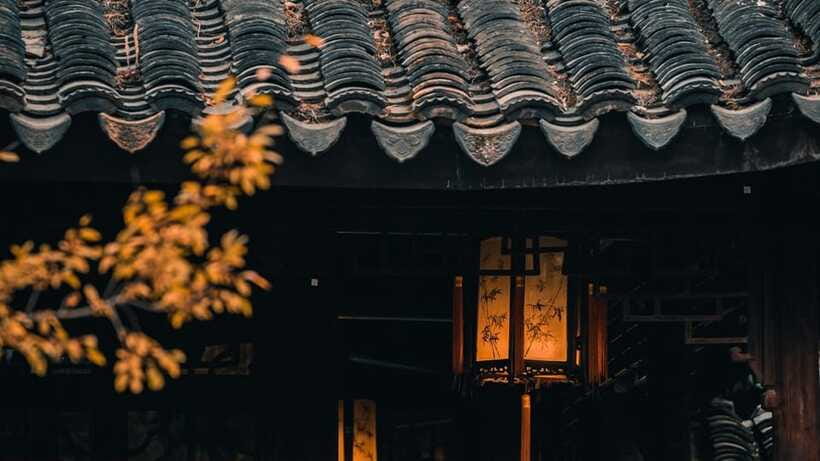
I would recommend Humble Administrator’s Garden to you if you enjoy architecture, Chinese art, plants, reflective water, and historic settings. It is also a strong choice if you want a break from city streets without leaving Suzhou.
The garden suits photographers, people interested in classical design, and anyone who prefers an unhurried cultural visit. It offers enough variety for a full day of valid admission, though you can choose to spend less time if your schedule is tight.
You may find it less satisfying if you need detailed explanations at every stop. No guide is identified, and the admission does not include commentary. A little reading before you go will help you notice why the rockeries, ponds, old trees, and pavilions are arranged as they are.
Families and older visitors should also think about pace. The grounds cover a large area, and the appeal comes from walking between different scenes. The supplied information does not give details about accessibility, seating, or restroom facilities, so I would confirm those points directly if they matter to your visit.
Should you book the Humble Administrator’s Garden ticket?
I would book this ticket if you value advance planning, can confirm that the QR code is valid, and do not mind paying more than the reported entrance price. The garden itself is an excellent reason to visit Suzhou, with the central ponds, Pavilion of Lotus, Hall of Drifting Fragrance, rockeries, and old trees offering plenty to see.
I would pause before booking if saving money is your main concern. The reported on-site price was half the online price, and the same purchase also avoids the QR problem reported by two recent customers.
My practical choice would be simple: check the local entrance price first if you are already in Suzhou. If you buy online, use the cancellation window wisely, enter your passport details carefully, save the voucher offline, and carry the passport used for booking. The garden deserves your time. The ticketing process deserves your attention.
FAQ
Where is Humble Administrator’s Garden located?
It is at 178 Dongbei Street, Gusu District, Suzhou, China.
What does this ticket include?
It includes admission to Humble Administrator’s Garden.
How long is the ticket valid?
The ticket is valid for one day.
How do I use the electronic voucher?
Present the electronic voucher for direct verification at the garden.
Do I need my passport?
Yes. A passport ID is needed to book, and you should bring your passport with you.
Is the ticket for an adult?
Yes. The product is an adult admission ticket.
How much does the ticket cost?
The listed price is $22 per person.
Is the night Zhuozheng Wenya program included?
The ticket information does not list the night program or cultural performances as included. Confirm the exact inclusions before booking an evening activity.
Can I cancel the booking?
Yes. You can cancel up to 24 hours in advance for a full refund.
Can I reserve now and pay later?
Yes. The booking option allows you to reserve your place and pay later.
Just added around China
- Yu Garden Shanghai Entry Tickets Booking And Trip★ 3.6 · 9 reviews
- Xiamen Layover Day Tour-Gulangyu,Shuzhuang Garden And Piano Museum★ 5.0 · 6 reviews
- Xiamen Half-Day Private Tour include Gulang Yu Island and Garden★ 5.0 · 12 reviews
- Private Customized Suzhou Highlights Tour with Tongli Water Town and Tuisi Garden★ 5.0 · 4 reviews
- Private Tour with Suzhou Museum, Humble Administrator’s Garden and Tongli Town★ 3.5 · 2 reviews
- 4-Hour Suzhou Private Flexible Tour with Garden and Boat Ride Option★ 5.0 · 5 reviews
- Tongli Water Town Private Day Trip from Shanghai with Tuisi Garden and Boat Ride★ 5.0 · 7 reviews
- Shanghai Yu Garden Admission Ticket★ 4.0 · 16 reviews
China Garden Tours, compared.
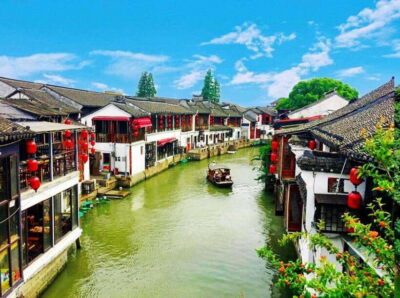
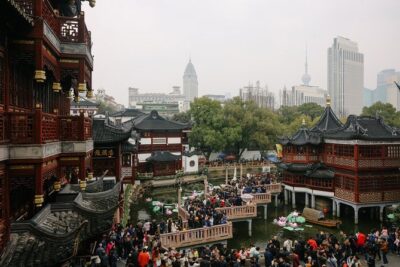
Best of Shanghai Day Tour, including Jade Buddha Temple & Bund & Yuyuan Garden
Read our review →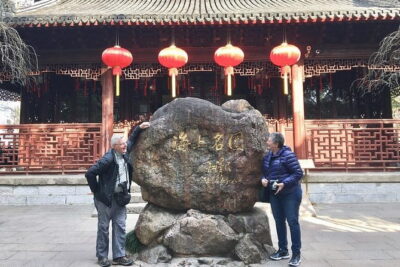
Yu Garden, Old Street, Bund & Zhujiajiao Water Town Bus Tour
Read our review →
Beijing Historical Tour II including Summer Palace, Lama Temple & Panda Garden
Read our review →
Beijing:Jingshan Park (Palace Museum Garden) Ticket
Read our review →
Shanghai Day Tour to Zhujiajiao Water Town, Yu Garden, Bazaar, Bund
Read our review →
Private Yu Garden, The Bund, French Concession, Pudong Half-Day Tour
Read our review →Browse the lists this tour appears in