
Review · AUSTRALIA
The Explorer – Cranbourne Gardens
A short ride reveals a very large garden. The Explorer is a practical way to see Royal Botanic Gardens Cranbourne without wearing yourself out, especially if you want an introduction before walking. I like the live commentary from the driver and the chance to reach far-flung parts of the Australian Garden, including the Red Sand Garden, Ian Potter Lake, and Dry River Bed. The main drawback is simple: 25 minutes goes quickly, so this is an overview rather than a full visit.
I also like the low price of $10.76 per person, which makes the bus a sensible add-on to a day at the gardens. It is particularly useful for families, older visitors, and anyone with limited mobility. If you are arriving during school holidays, check the Kids Explorer details carefully, since children are advertised as free on that special service but one booking issue involved a child being charged.
Key points at a glance
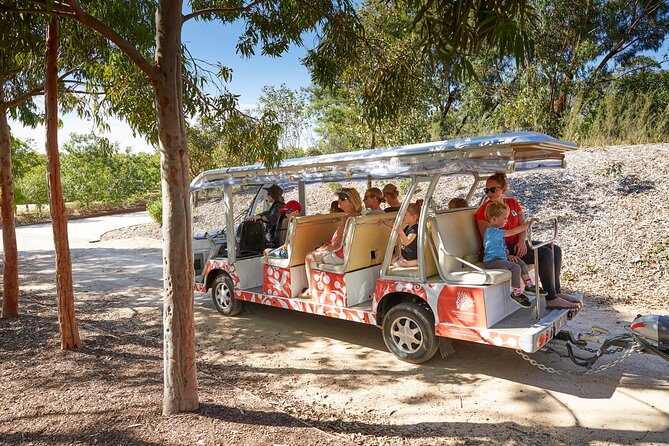
- 25-minute open-air minibus ride: A quick, comfortable circuit through the 15-hectare Australian Garden.
- Red Sand Garden to Peppermint Garden: The route links several distinct plant and design areas rather than simply circling the entrance.
- Live driver commentary: You hear stories about the gardens, plants, cultural meaning, and design as you travel.
- Hop-off flexibility: Your ticket includes the option to get off at various stops within the Australian Garden.
- Useful for limited mobility: The bus lets you see more of the grounds without relying on long walks.
- Small group size: The service has a maximum of 25 people, which should keep the ride fairly personal.
Why the bus matters in a 15-hectare garden
Cranbourne Gardens is not a place you can understand from the entrance alone. The Australian Garden covers about 37 acres, or 15 hectares, and its paths lead through very different plant displays and outdoor spaces. You can walk, of course, but the size may turn a relaxed visit into a tiring one, especially on a warm day.
The Explorer gives you a quick orientation. Instead of studying a map and choosing which paths to skip, you sit back and let the route connect the main sections. I find this useful on a first visit because you can note which places deserve more time on foot.
The ride is also a good answer for mixed-age groups. Children may lose interest during a long botanical walk, while an older parent or anyone with mobility issues may not be able to cover the full garden. The bus gives everyone a shared first look, then you can decide if a shorter walk suits your group.
The open-air minibus offers a pleasant way to see the plantings, though you should dress for the weather. The experience requires good weather and may be cancelled if conditions are poor. In that case, you are offered another date or a full refund.
More Garden Tours in Australia:
- Maleny Botanic Gardens Bird Aviary Experience Ticket
★ 4.5 · 579 reviews - Aboriginal Heritage Walk – Royal Botanic Gardens Victoria, Melbourne Gardens
★ 5.0 · 314 reviews - The Explorer – Melbourne Gardens
★ 5.0 · 224 reviews
Starting at the Visitor Centre
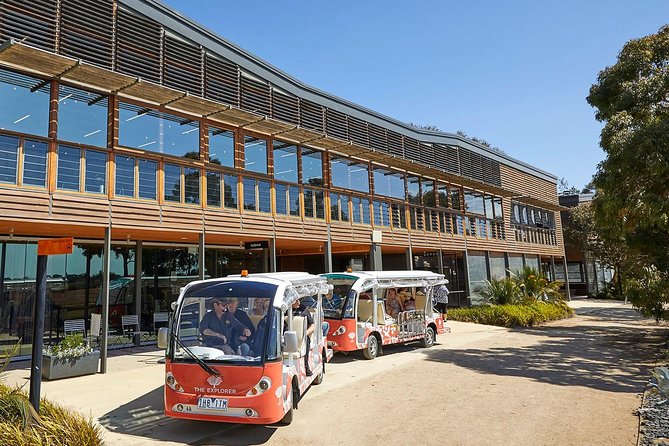
The ride begins at the Royal Botanic Gardens Cranbourne meeting point on Ballarto Road and Botanic Drive, Cranbourne VIC 3977. The Explorer departs from the Visitor Centre, so you should allow time to find that starting point before the ride.
Your ticket includes a driver-guide, live commentary, and a professional guide service. The driver is not simply operating a shuttle. The commentary covers garden history, plant life, cultural significance, and the ideas behind the different spaces.
That added explanation gives the ride more purpose. Without it, you would see red earth, native plants, water, and winding paths. With it, you get a better sense of why those elements have been arranged in this way and what they represent within the Australian Garden.
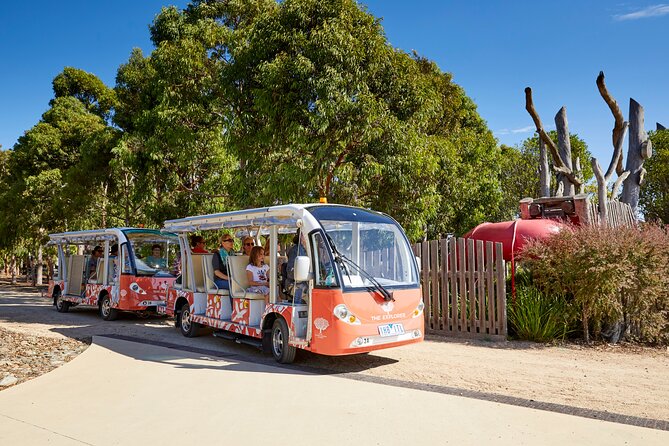
The vehicle carries a maximum of 25 people. That is small enough to feel more manageable than a large sightseeing coach, though busy school holiday periods may still feel lively. The service is near public transportation, and hotel pickup and drop-off are not included, so you need to make your own way to the gardens.
Red Sand Garden: a strong opening
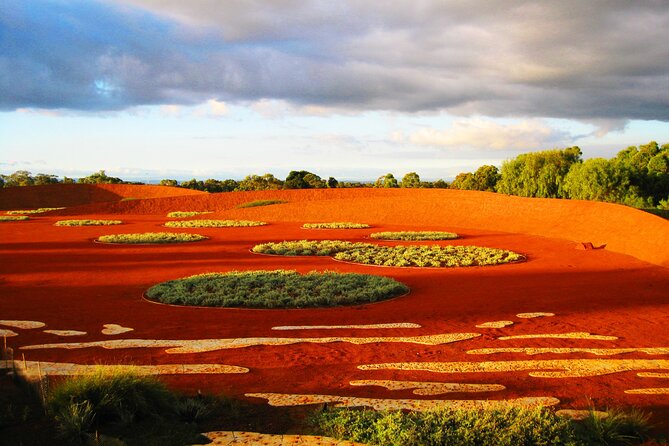
The route begins at the Red Sand Garden, one of the clearest visual markers on the ride. The red earth gives this section a strong sense of place and introduces the dry, distinctly Australian character of the garden.
This is a good opening because it makes clear that Cranbourne is not trying to copy a European botanic garden. The planting, colour, and materials point toward Australian environments. You can take in the broad design from the bus, then return on foot if the red earth and plant combinations catch your eye.
The benefit of seeing it from the vehicle is scale. From ground level, individual plants compete for your attention. From the bus, you get a wider view of how the garden has been shaped. The limitation is that the ride does not give you unlimited time at each area, so anyone interested in plant labels or detailed photography should plan to walk afterward.
Along the east coast of the Australian Garden

From the Red Sand Garden, The Explorer travels along the east coast section of the Australian Garden. The route gives you a sense of movement through different plant communities and garden styles, rather than presenting one repeated display.
The commentary is important here. A plant collection can be beautiful without being easy to understand, and the driver’s explanations help connect what you see with the garden’s themes. You may hear about plant use, local meaning, garden design, and the natural settings represented by each area.
Several people have praised the drivers for making the trip friendly and entertaining. Peter received especially warm praise for his plant and garden knowledge, while another driver was credited with keeping children interested. The quality of a short tour often depends on the person speaking, and here the host is a real part of the experience.
I would treat this section as your first chance to decide how much walking you want to do. If the route shows a path or planting area that appeals to you, use the hop-off option where available. If you are visiting with children or someone who tires easily, staying aboard gives you a useful overview without turning the day into an endurance test.
Same place, a different sort of green day out:
- Wave Rock, York and Aboriginal Cultural Day Tour from Perth
★ 4.5 · 393 reviews - Melbourne: 1-Hour Gardens and Sporting Precinct River Cruise
★ 4.1 · 196 reviews - River Gardens Melbourne Sightseeing Cruise
★ 3.5 · 193 reviews - Night Walk in Cairns Botanic Gardens – Let’s Go Buggin
★ 5.0 · 153 reviews
Howson Hill and Ian Potter Lake
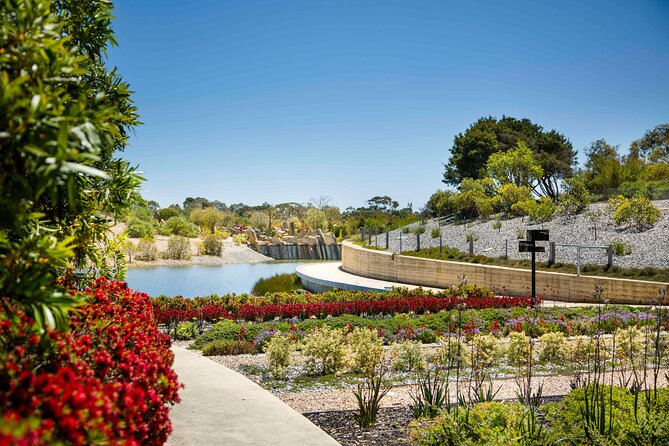
Howson Hill adds a change in viewpoint. A raised area can help you understand how the garden’s sections fit together, giving you a broader view than a level path. You may find this especially helpful if you are trying to orient yourself before exploring on foot.
Ian Potter Lake brings water into the route. The contrast between open water, dry garden features, native plantings, and sculpted paths helps show the range of settings within Cranbourne. It also breaks up the ride visually, so the 25-minute circuit does not feel like one long run of similar vegetation.
The lake is one of the places where I would keep a camera ready, though the bus ride is not designed as a dedicated photo stop. If you want careful shots or time to sit by the water, use the ride as reconnaissance and return later on foot.
This is also where the bus can help visitors with limited mobility. Level walking paths are available in parts of the gardens, but the whole site is large. The Explorer lets you enjoy the water and hill areas without requiring you to walk the full distance between them.
Arid Garden and Dry River Bed
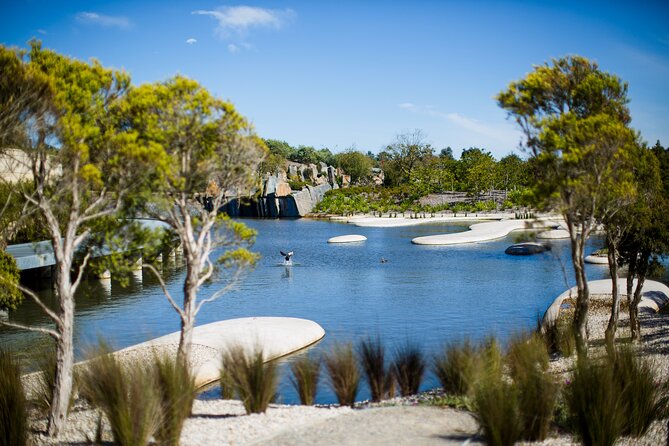
The Arid Garden and Dry River Bed bring the Australian Garden’s dry-country ideas into sharper focus. These areas show how rock, soil, water patterns, and hardy plants can create a compelling garden without relying on lush greenery.
The Dry River Bed is particularly useful as a teaching feature. Even when there is no flowing water, the shape of the bed explains how water has influenced the setting. From the minibus, you get a moving view of the feature as it fits into the wider design.
The Arid Garden makes the ride worthwhile for keen gardeners. You can observe planting combinations and design choices that may inspire ideas for a home garden, especially if you are interested in native plants or gardens that suit dry conditions. The commentary adds context, but the short duration means serious gardeners will want extra time afterward.
These sections also explain why the bus is more than transport. It takes you to design ideas that might otherwise seem scattered across a large property. You are not just saving steps. You are seeing the garden as a connected sequence.
Returning through Peppermint Garden
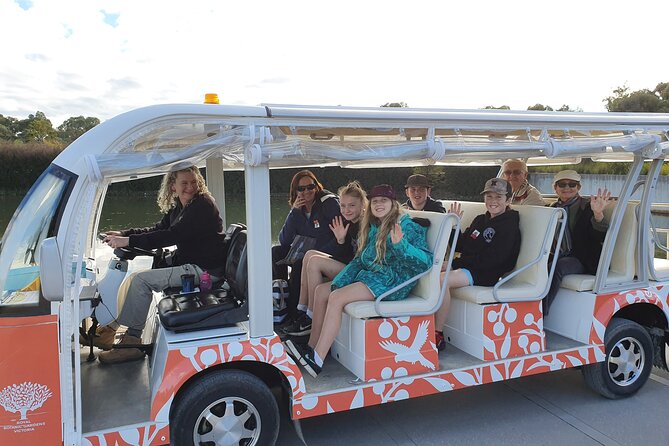
The route winds back through the Peppermint Garden before returning. This return section gives the trip a quieter finish and another chance to compare the different planting styles you have seen.
The winding route is part of the appeal. You are not simply taking a straight shuttle between two points. The vehicle moves through the garden so you can see how one area transitions into another.
If you take the ride before walking, the return journey helps you build a mental map. You may remember the Red Sand Garden as your starting point, the lake as a central landmark, and the dry sections as places to revisit. That is a much better plan than wandering until your energy runs out.
The ride lasts about 25 minutes, so do not expect a full explanation of every plant. The commentary is designed to give you engaging information about the gardens and their meaning, not a botanical lecture. I see that as the right balance for a mixed group.
What the commentary adds
The strongest feature of The Explorer is the combination of movement and explanation. You learn about the gardens’ history, cultural significance, plants, and design while the relevant areas pass in front of you.
That timing matters. A general introduction at the Visitor Centre might tell you what to expect, but commentary beside the Red Sand Garden or Dry River Bed connects the information to something you can see immediately. It makes the setting easier to remember.
The hosts also seem to understand that this is a family activity, not a formal class. The ride can be entertaining for children while still giving adults useful information. One family found the bus made the garden more interesting for children, which is a real advantage when you are trying to keep a young group engaged.
Still, the experience will vary slightly with the driver and the group. If you prefer silence, long pauses, or detailed botanical identification, you may find the format too brisk. If you want a friendly introduction with facts along the way, it should suit you well.
Is $10.76 good value?
At $10.76 per person, I think The Explorer offers good value if you plan to spend time at Cranbourne Gardens. You get a 25-minute guided circuit, access to a large part of the Australian Garden, and information that would be difficult to absorb from signs alone.
The value is highest for three types of visitors:
- You have limited time and want a quick overview.
- You are visiting with children who may not manage a long walk.
- You have mobility concerns or want to reduce the amount of walking.
For a keen gardener with a full day, the ticket is still useful, but it will not replace exploring on foot. Think of it as a low-cost orientation ride rather than the main event.
The price also makes sense for a stop on the way to Phillip Island. If you have only a short window, the bus helps you see the garden’s main character without spending the entire visit walking between sections. If you have a full day, ride first, then choose your favourite areas for a slower look.
During school holidays, children can ride free on the Kids Explorer Bus. The special service is designed for families and focuses on the sights, sounds, and scents of the Australian Garden. Because one booking problem involved a child being charged despite the free offer, check the child fare and booking conditions before paying.
Who should book The Explorer?
I would recommend it to families, older adults, visitors with mobility issues, first-time visitors, and anyone who wants a quick introduction to Australian plant life. The small vehicle, short duration, and live explanations make it easy to fit into a wider day.
Keen gardeners should also consider it, but with the right expectations. You will see useful design ideas and native plant displays, yet you will need time on foot for close inspection. The bus helps you decide where that time is best spent.
I would be less enthusiastic if you want a long, quiet walk through the gardens or a highly detailed plant-by-plant tour. The Explorer is active, social, and concise. It shows you the big picture, then leaves the slower discovery to you.
The service is accessible to most people, and service animals are allowed. Transportation to the gardens and hotel transfers are not included, so plan those parts separately. Since the ride depends on good weather, keep some flexibility in your schedule.
FAQ
How long does The Explorer at Cranbourne Gardens last?
The ride lasts approximately 25 minutes.
Where does The Explorer depart from?
It departs from the Visitor Centre at Royal Botanic Gardens Cranbourne, at Ballarto Road and Botanic Drive, Cranbourne VIC 3977, Australia.
What places does the route visit?
The route includes the Red Sand Garden, Howson Hill, Ian Potter Lake, the Arid Garden, the Dry River Bed, and the Peppermint Garden.
Is live commentary included?
Yes. A driver-guide provides live commentary covering garden history, cultural significance, plants, and nature interpretation.
Can children ride free?
Children ride free on the Kids Explorer Bus during school holidays. Check the fare details carefully when booking, as the free offer applies to that special family service.
Can I cancel for a full refund?
Yes, you can cancel at least 24 hours before the experience start time for a full refund. Cancellations or changes made less than 24 hours before the start time are not refunded, and poor weather may result in a new date or full refund.
Should you book The Explorer?
Book it if you want a friendly, low-cost overview of a very large garden. The ride saves energy, gives you useful context, and helps families or mixed-mobility groups enjoy more of Cranbourne. The best plan is to take the bus early, listen for areas you want to revisit, and then explore those places at your own pace.
Skip it only if you already know the gardens well or want every minute spent walking and stopping among the plants. For most first visits, $10.76 is a modest price for better orientation, less fatigue, and a more enjoyable start to the Australian Garden.
Just added around Australia
- 5 Days Walking with Wildflowers – Fitzgerald Biosphere★ 5.0 · 2 reviews
- Garden Entry Ticket★ 4.5 · 48 reviews
- Deluxe Dinner Package by Luke Nguyen at Botanic House★ 5.0 · 2 reviews
- Explore Sydney’s Botanic Gardens In a Series of Fun Cryptic Clues★ 5.0 · 2 reviews
- Southern Highlands Private Tour with Wine, Waterfall and Garden★ 5.0 · 4 reviews
- Secret Sydney: Hidden Beaches and Gardens★ 5.0 · 4 reviews
- PRIVATE Sydney City Bondi Beach Opera House & Botanic Garden Tour★ 5.0 · 2 reviews
- Orchids and Wildflowers Photographic Day tour from Perth★ 5.0 · 3 reviews
Australia Garden Tours, compared.

Maleny Botanic Gardens Bird Aviary Experience Ticket
Read our review →
Wave Rock, York and Aboriginal Cultural Day Tour from Perth
Read our review →
Aboriginal Heritage Walk – Royal Botanic Gardens Victoria, Melbourne Gardens
Read our review →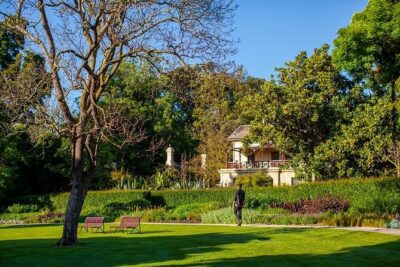

1-Hour Gardens and Sporting Precinct River Cruise
Read our review →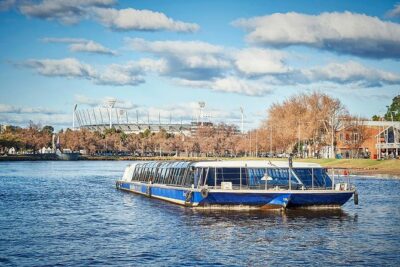

Night Walk in Cairns Botanic Gardens – Let’s Go Buggin
Read our review →
Near Gold Coast: Crystal Castle Admission Ticket
Read our review →Browse the lists this tour appears in