
Review · VENICE
Venice: Secret City Gardens Walking Tour
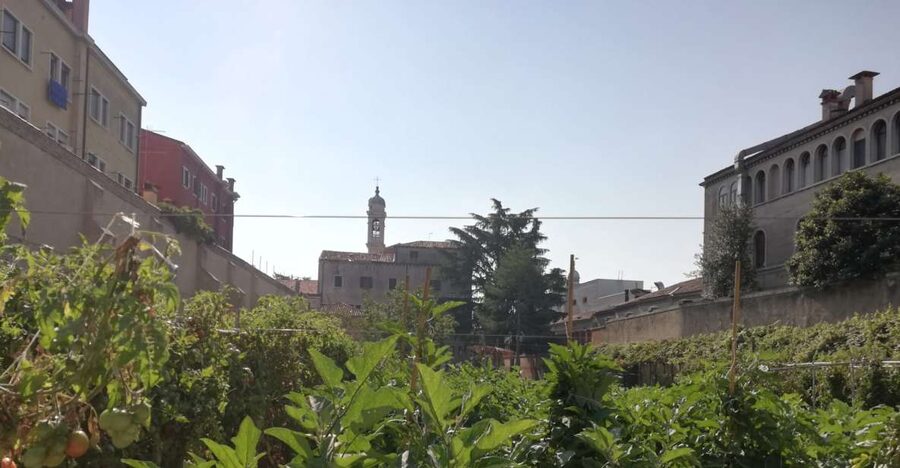
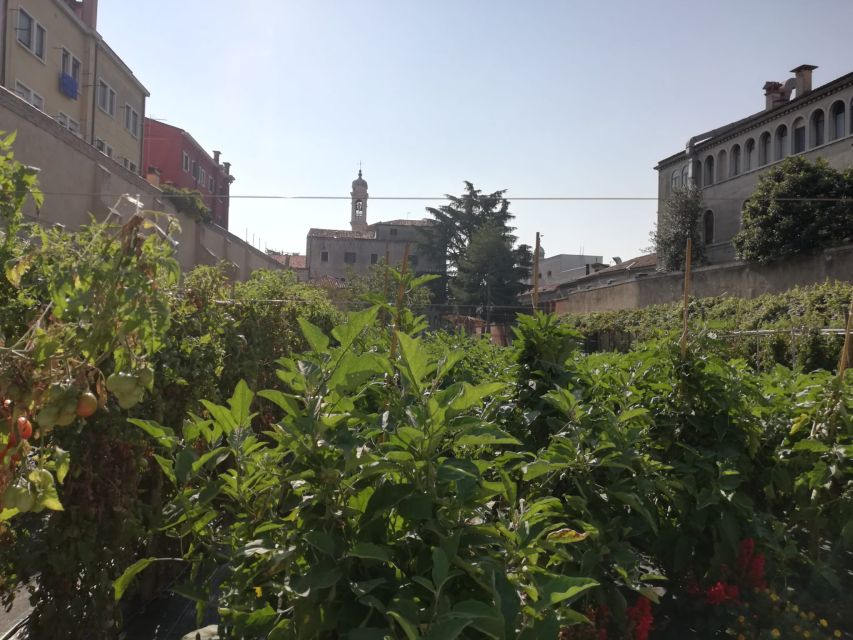
Venice has gardens behind its walls. That surprise is the main appeal of this two-hour walk, which takes you away from the usual canals and postcard views and into private villas, monastery gardens, public parks, a nursery, and a garden theatre. Guide Valerio Coppo adds the stories and local context that turn a pleasant stroll into a fresh look at the city.
I like the chance to see four very different gardens, including places most independent visitors would not find on their own. I also like the cool, quiet rhythm of the route: flowers, fruit trees, medicinal plants, and shaded paths offer a welcome break from Venice’s hard stone streets. The main drawback is value. At $93 per person, the tour needs a strong guide and several worthwhile garden visits to feel fairly priced, and one public park may feel less special than the private sites.
The meeting point is at Combo on Fondamenta Gasparo Contarini, near the bridge. From there, you walk through Cannaregio and other less visited corners of Venice with a licensed guide. The route takes place rain or shine, and it is not suitable for wheelchair users or people with mobility impairments.
Key details before you book
- Four distinct garden stops: The route can include private gardens, a public park, a monastery garden, a Renaissance villa, and other green spaces.
- A lagoon view from a nunnery garden: One terrace provides a striking outlook over the water and a quiet place for reflection.
- Local life in Cannaregio: You see areas where Venetians spend time with family, rather than only streets built for sightseeing.
- A stop at a neighborhood nursery: Cyclamens and geraniums give you a glimpse of how local residents add color to balconies.
- A short but active walk: The tour lasts two hours, with walks between sites and garden surfaces that may not suit everyone.
- Small-group or private options: Spanish, English, German, and Italian tours are available.
Why Venice’s gardens change the way you see the city
Venice is usually presented as stone, water, bridges, and grand palaces. That picture is accurate, but incomplete. The city also has about 500 parks and gardens, many of them tucked behind walls or enclosed within old religious and residential properties.
This tour makes that contrast its central idea. You move from narrow streets and historic facades into spaces filled with flowers, herbs, trees, and open air. The change can be surprisingly sharp. One moment you are following a city lane, and the next you are in a courtyard where the city noise softens.
I like this approach because it gives you more than a list of botanical names. It shows how Venice works as a place to live. A nursery selling balcony plants, a public park used by local families, and a monastery garden used for calm and meditation all reveal different parts of daily life.
The route also helps explain why Venice can feel crowded without every part of the city being busy. The main sights draw the crowds, but the garden entrances and residential corners create a different pace. You still remain in central Venice, yet the experience feels removed from the standard sightseeing circuit.
More Garden Tours in Italy:
- Florence: Reserved Entry Ticket to the Boboli Gardens
★ 4.4 · 5,275 reviews - Rome: Borghese Gallery and Gardens Guided Small-Group Tour
★ 4.6 · 2,783 reviews - Rome: Borghese Gallery & Gardens Small Group Guided Tour
★ 4.5 · 2,190 reviews
Starting at Combo and walking into Cannaregio
The tour begins at Fondamenta Gasparo Contarini, near the bridge, by Combo. You should arrive ready to walk rather than expecting a vehicle-based outing. Hotel pickup and drop-off are not included, so you need to make your own way to the meeting point.
Cannaregio is a useful setting for this experience. It is one of the areas where you can see more ordinary Venetian life, including places where families spend time together. The tour does not treat the neighborhood as a quick passage between attractions. Your guide explains details about Venice beyond the familiar tourist routes.
That local focus is one of the tour’s strengths. A guide can point out why a courtyard matters, how a garden fits behind a palace wall, or why a particular site is connected to religious or civic life. Without that explanation, some of the entrances and enclosed spaces would simply look like attractive stops.
The walk between gardens is part of the experience, but it also affects the pace. You are not spending the entire two hours inside gardens. Some time goes to streets, bridges, and transitions, so the tour works best if you enjoy the walk itself and not only the destinations.
Private villas and Renaissance architecture
One of the stops may include a Renaissance villa, giving the route an architectural angle as well as a botanical one. These villas help you understand how wealthy Venetian families used enclosed outdoor areas. Behind the elegant facades, a garden could provide shade, privacy, and a place for plants that were difficult to grow in the dense city.
The appeal here is not simply a grand building. It is the relationship between the building and its garden. A palace facade can look formal and sealed from the street, while the space behind it may feel open and personal.
You should expect each garden to have its own character rather than a polished, uniform design. Some may feel formal, others more practical or peaceful. Flowers, fruit trees, and medicinal plants are part of the sensory appeal, with scent playing a major role. The aroma can be strong, especially in a smaller enclosed garden.
This stop will suit you if you enjoy history told through places rather than long museum displays. It may be less satisfying if you want a major architectural interior or an extensive botanical collection. The tour is about access, atmosphere, and context, not a full study of Renaissance gardening.
The monastery garden and its lagoon terrace
The most memorable stop is likely the garden run by a nunnery. Here, you can look from a terrace across a splendid lagoon view. The combination matters: you get an open outlook over Venice while standing in a quiet garden shaped by religious life.
This is where the tour’s theme comes together best. Venice is famous for looking outward across water, but this garden encourages you to look inward as well. The setting is described as an oasis for calm and meditation, which makes it a natural pause in the walk.
I would pay close attention to how long the group spends here. A terrace view can be enjoyed in a few minutes, but the setting deserves more than a quick photograph. If your guide explains the nunnery and its garden well, this may become the emotional center of the tour.
The site also shows why access matters. You can find plenty of lagoon viewpoints in Venice, but a terrace connected to a religious garden offers a different angle and a quieter mood. It is not just another waterfront stop.
Still, expectations should remain sensible. This is a walking tour with several visits, not a long retreat or a full afternoon in one garden. The stop is valuable because it is unusual and peaceful, not because you spend hours there.
Same place, a different sort of green day out:
- Rome: Bioparco di Roma Zoological Garden Entry Ticket
★ 4.6 · 1,414 reviews - Florence: Pitti Palace and Boboli Gardens Ticket & eBook
★ 4.5 · 835 reviews - Caserta Royal Palace & Gardens Small Group Tour with Shuttle
★ 4.9 · 632 reviews - Florence: Pitti Palace, Boboli Garden, Palatine Gallery Tour
★ 4.9 · 558 reviews
The nursery where Venetians shop for balcony color
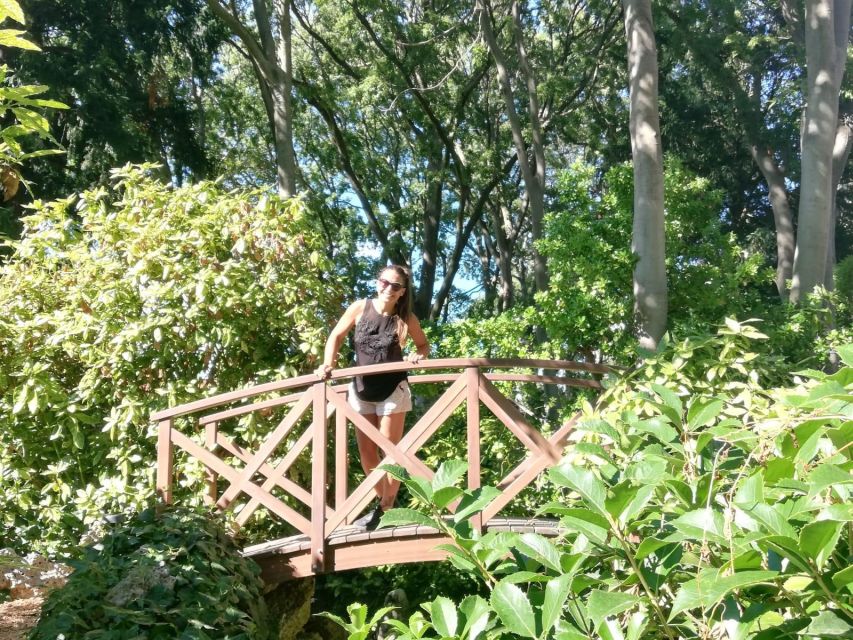
The nursery is one of the most useful stops for understanding local habits. Venetians buy cyclamens, geraniums, and other colorful flowers here to decorate their balconies. That simple detail connects the gardens you visit with the smaller touches you see throughout the city.
Venice has little spare ground, so balconies and window boxes matter. A nursery gives you a practical view of how residents bring plants into a city built on water and masonry. The stop also adds variety to the route. You are not only looking at historic gardens; you are seeing a place used by people today.
I like this kind of stop because it avoids treating Venice as a preserved stage set. The flowers are not there solely for visitors. They are part of ordinary life, and the nursery shows how local residents make their homes feel more personal.
Do not expect this to be a shopping excursion unless the guide specifically permits purchases. The value is in seeing the plants and understanding their role, not in adding a bag of flowers to your luggage. The stop should appeal to anyone interested in gardens, balconies, or the small ways people adapt to Venice.
A public park and an outdoor theatre
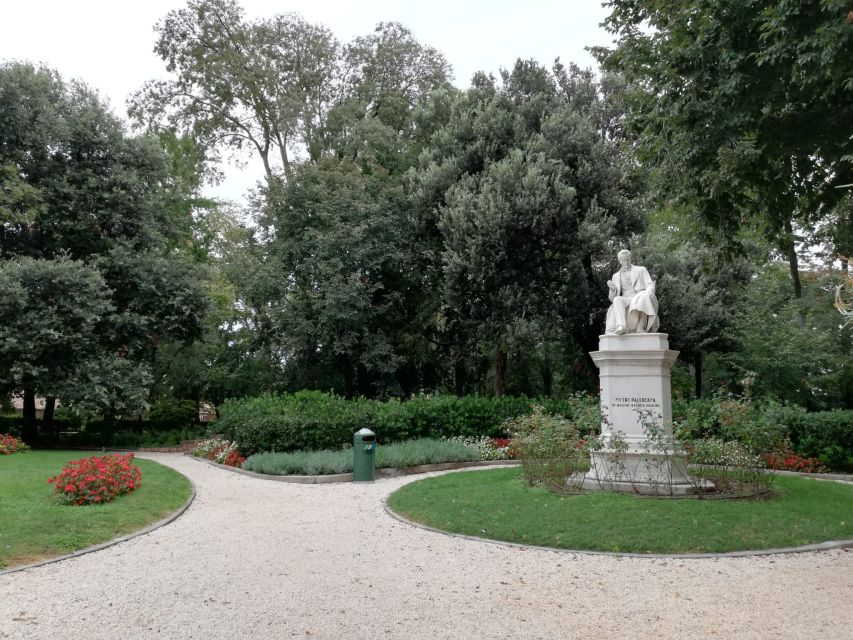
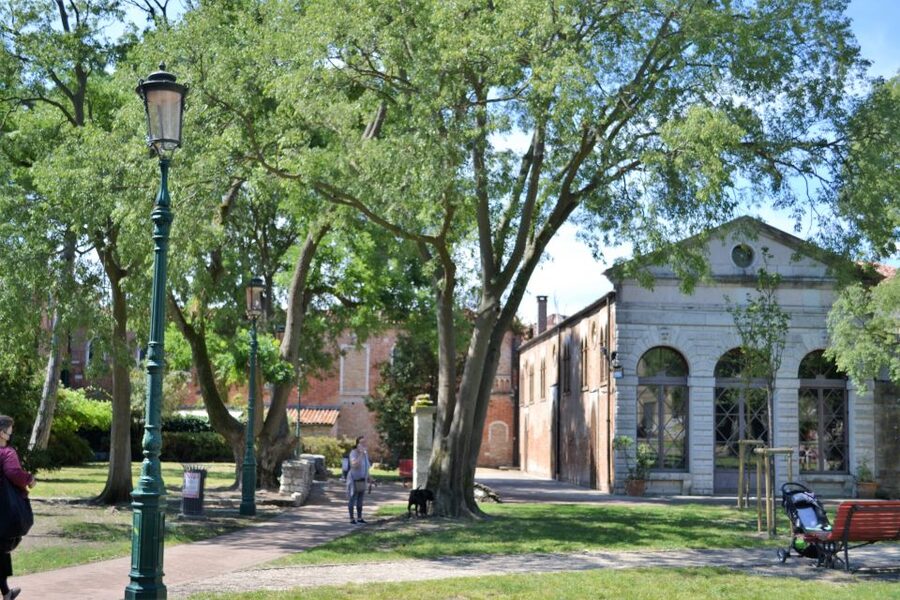
The route can include a public park where Venetian families spend time. This gives you a useful comparison with the private gardens and monastery grounds. Private spaces may feel more secluded, while a public park shows how green space functions as part of community life.
This is also the point where the tour’s quality may feel uneven. One public park has been described as less attractive than the other gardens. You should keep that possibility in mind before paying $93. The tour depends on the full mix of stops, and not every garden will have the same visual impact.
Another unusual feature is an in-nature theatre. The setting places performance and outdoor space together, adding a cultural element to the walk. You may find the theatre more interesting for its atmosphere and placement than for any single architectural detail.
The tour also includes contemporary art set within a garden atmosphere. That can add a modern note to a route otherwise filled with villas, monasteries, and older public spaces. It is a reminder that Venice’s gardens are not all historic relics. Some continue to be used as settings for present-day creative work.
The guide makes the difference
Guide Valerio Coppo receives strong praise for being funny, friendly, enthusiastic, and well informed about Venice and gardens. Those qualities matter here because the sites are not all famous enough to explain themselves.
A good guide needs to manage two jobs at once. First, the history and curiosities should give each garden a reason to exist. Second, the pace should allow people to see and enjoy the spaces without feeling rushed.
That second point deserves attention. One participant found the guide walked too far ahead, focused on his phone, and did not notice when someone was struggling to keep up. This is an important caution for older walkers or anyone who prefers a slower pace. The tour is not suitable for people with mobility impairments, and even able walkers may want to tell the guide early if they need a gentler rhythm.
The tour can be arranged as a private or small-group experience. A smaller group should make it easier to hear the guide and ask questions. It may also help the group stay together on bridges and narrow streets, though the supplied information does not guarantee a specific group size.
The guide’s language options are Spanish, English, German, and Italian. If garden design, Venetian history, or local customs interest you, ask questions as you go. The best value comes when the tour feels like a conversation rather than a march from gate to gate.
Is $93 per person a fair price?
At $93, this is not a budget walk. You are paying for a licensed guide, entry fees to the gardens, and access to places you may not find on your own. The price makes more sense for a private or small-group format, especially if the guide gives detailed context and the route includes several private gardens.
The cost is harder to justify if the public park takes up a large share of the tour or if the pace leaves you feeling hurried. Since the activity lasts only two hours, you should think of it as a focused specialty tour, not a full day of sightseeing.
Compared with a standard city walk, this experience offers a narrower subject and more unusual access. That makes it a good choice for a return visit to Venice, a garden enthusiast, or anyone who has already seen St. Mark’s Square and wants a different side of the city.
It may not be the best first tour for someone visiting Venice for a single day. If this is your only organized activity, a broad introduction to the main sights could provide more basic context. If you already know the major landmarks, the garden walk offers a better change of pace.
Practical advice for enjoying the two-hour route
Wear comfortable shoes. This is an active walking tour with streets, bridges, and garden paths, and the activity is not designed for wheelchair users or people with mobility impairments.
Bring water, since food and drinks are not included. The gardens may provide shade for much of the route, which can make the tour appealing in warm weather, but you still spend time outside walking between stops.
Plan for changing weather. The tour runs rain or shine, so a light rain jacket or umbrella is sensible. Rain may alter the mood of a garden, but it will not cancel the walk under the stated conditions.
Keep your expectations flexible. The four gardens are not identical, and one public green space may feel plain beside the nunnery terrace or a private villa. The reward comes from the range: religious, residential, public, commercial, historic, and contemporary spaces appear within a short route.
Free cancellation is available up to 24 hours before the start time, and you can reserve now and pay later. Those options help if your Venice schedule is still taking shape, but the main booking decision remains the physical demands and the relatively high price.
Who should book this Venice garden walk?
I would recommend it to you if you enjoy plants, architecture, local customs, and quiet corners more than a checklist of famous sights. It is also a good fit if you have already visited Venice and want to see how residents use the city beyond the main monuments.
Garden enthusiasts should find plenty to enjoy in the mix of flowers, fruit trees, medicinal plants, balcony plants, and garden art. People interested in religious spaces may especially appreciate the nunnery garden and its meditation-focused atmosphere.
Families may like the public parks and the change from crowded sightseeing streets, though the walking pace and mobility limits deserve consideration. Older participants should tell the guide if they need to walk slowly and should not assume every bridge or garden surface will be easy.
I would be more cautious if your main goal is grand architecture, long time in one garden, or a slow photography session. The tour covers several areas in two hours, so its strength is variety rather than extended visits.
Should you book it?
Book this tour if the idea of Venice behind the walls excites you. The nunnery terrace, local nursery, Renaissance villa, monastery gardens, and outdoor theatre offer a fresh view of a city often reduced to canals and palaces.
At $93, I would book it for a small group or private outing, particularly with Valerio Coppo, and I would treat the guide as a major part of the value. Go in expecting a few excellent spaces, a few more modest ones, and a steady walk between them.
Skip it if you want the lowest-cost way to see Venice or if you have limited mobility. For the right visitor, this is a thoughtful two-hour detour into the city’s quieter green side, with enough local detail to make familiar streets look different afterward.
FAQ
How long does the Venice Secret City Gardens Walking Tour last?
The tour lasts two hours.
Where does the tour meet?
Meet the guide at Fondamenta Gasparo Contarini, near the bridge, by Combo.
What languages are available?
The tour is available in Spanish, English, German, and Italian.
Are entrance fees included?
Yes. Entrance fees to the gardens are included, along with a licensed tour guide and the walking tour.
Is the tour suitable for wheelchair users?
No. The activity is not suitable for wheelchair users or people with mobility impairments.
Does the tour run in bad weather?
Yes. The tour takes place rain or shine. Food and drinks are not included.
Just added around Italy
- Lake Maggiore Gourmet: Gardens, Lake Cruise, & Food Tasting★ 4.5 · 19 reviews
- Venice: Convent Garden of Redentore Entry Ticket★ 4.3 · 5 reviews
- Vatican Gardens & Castel Sant’Angelo Skip-the-line tickets★ 4.3 · 20 reviews
- Vatican: Gardens, Museums and Sistine Chapel Guided Tour★ 4.2 · 98 reviews
- Valley of the Temples: Kolymbethra Garden Entry Ticket★ 3.5 · 43 reviews
- Varenna: Villa Cipressi Gardens Entry Ticket on Lake Como★ 4.6 · 39 reviews
- Typical Apulian menù in the garden of an ancient Trullo★ 5.0 · 11 reviews
- Secret gardens of Venice in the Dorsoduro district with Cichetti tasting★ 3.0 · 2 reviews
Venice Garden Tours, compared.


Royal Gardens & St.Mark Basin View Casanova Aperitif
Read our review →
panoramic lunch in St. Mark’s Square Royal Gardens
Read our review →

Secret gardens of Venice in the Dorsoduro district with Cichetti tasting
Read our review →Browse the lists this tour appears in