
Review · SRI LANKA
Sri Lanka: Ceylon Cinnamon Experience & Spice Garden Tour
Cinnamon has a story worth seeing. At Warala Watta Farm in Sri Lanka’s Central Province, you learn how bark becomes a cinnamon quill, taste garden spices and tropical fruit, and walk through a working plantation. I like the hands-on cinnamon-making session, and I like the friendly, small-group setting, with no more than 10 people. The main catch is that you must arrange your own transport, and much of the visit takes place outdoors on foot.
The farm feels like a working place rather than a polished show built only for tourists. Guides including Roha and Dilan have been praised for their warm welcome and clear explanations. You may even end up with a private tour if no one else has booked your time, but that cannot be guaranteed.
Key points at a glance
- Make a cinnamon quill yourself: Watch bark being peeled, shaped, and prepared, then try the traditional process with guidance.
- Taste spices in useful combinations: Sample fresh garden spices, tropical fruit with Sri Lankan spice blends, and local tea.
- Walk through a working spice garden: See cinnamon, black pepper, cloves, cardamom, and other plants where they grow.
- Visit the processing factory: Follow spices from farm work to preparation and quality checks.
- Keep the group small: Tours are limited to 10 people, which makes questions and hands-on work easier.
- Plan for a rural outing: Transport, meals, and wheelchair access are not included, so prepare before setting out.
Why the cinnamon lesson is the heart of the tour
Cinnamon is easy to recognize in a jar and surprisingly interesting as a living crop. At Warala Watta, you see the process from harvested bark to finished quill. That change is the central lesson of the visit, and it gives you a better sense of the labor behind a spice most of us use without a second thought.
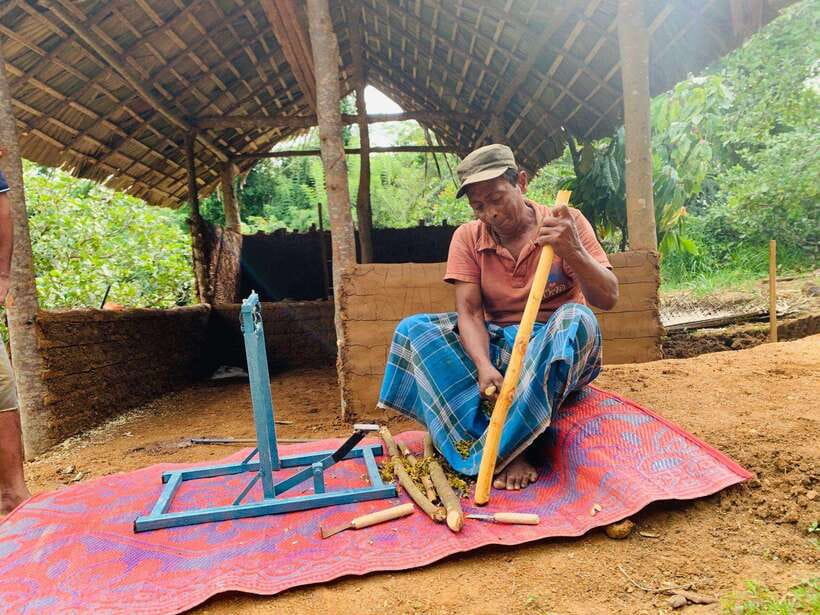
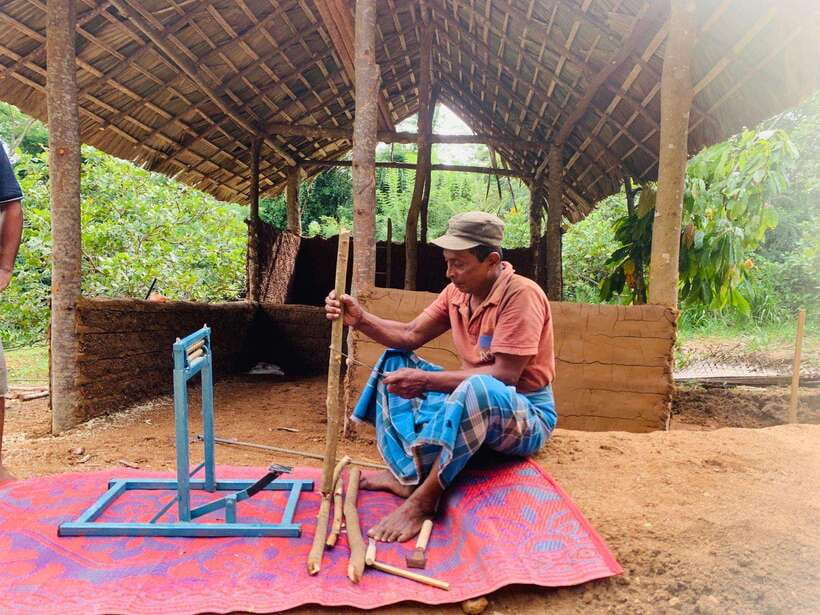
The process includes peeling the outer bark, working with the inner layer, and preparing the cinnamon into its familiar rolled form. You do not only watch. You get a chance to help make a cinnamon roll yourself, with the guide showing you how to handle the material.
I like this part because it turns a basic farm explanation into a physical memory. You feel the bark, watch the shape take form, and understand why neatly rolled cinnamon is not simply cut from a tree ready for supermarket shelves. The activity is also a good fit for curious adults and older children who learn better by doing.
The work is traditional and practical, not a staged cooking class. That means the pace may depend on the guide, the group, and what is happening at the farm that day. Think of it as a close look at a real process, not a polished performance with a fixed script.
More Spice and Herb Gardens in the world:
- Ella : Cooking class with amazing Spice Garden Tour
★ 5.0 · 239 reviews - Alcamo Farm Animals and Aromatic Garden
★ 4.0 · 45 reviews - Day Tour to Elephant Orphanage / spice garden
★ 5.0 · 20 reviews
Walking through cinnamon, pepper, cloves, and cardamom
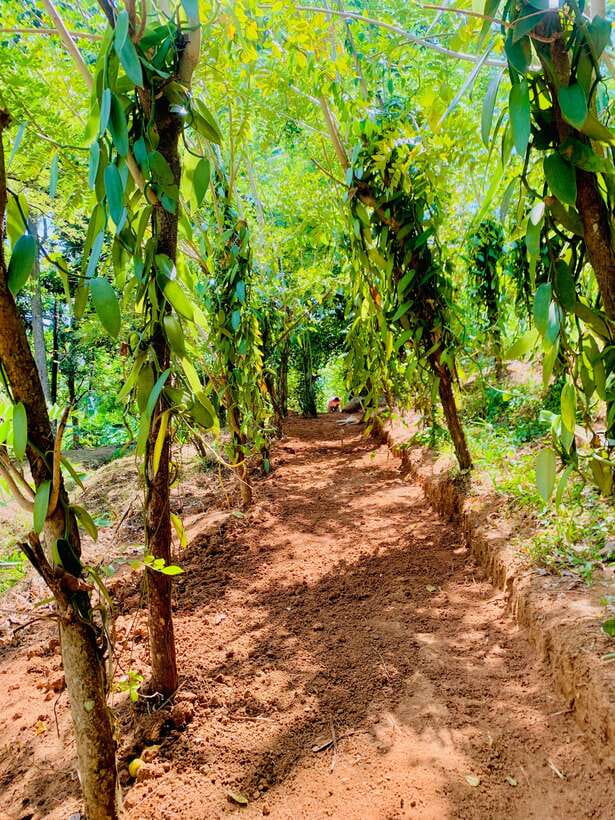
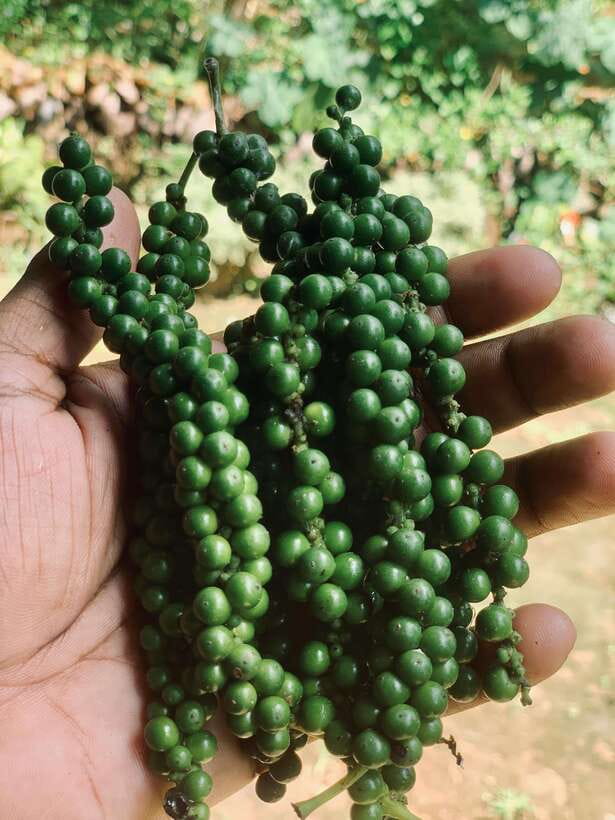
The guided garden walk takes you among several Sri Lankan spices, including cinnamon, black pepper, cloves, cardamom, and other plants. The value here is learning to connect a spice with its plant. Once you have seen where cinnamon grows or how pepper appears on the vine, the packets in a shop become easier to understand.
The guide explains cultivation, uses, and the place of spices in cooking and traditional medicinal practices. The walk also covers organic farming and seasonal harvesting. If you visit during an active harvest period, you may see more hands-on farm work, but seasonal activities cannot be guaranteed throughout the year.
Take your time with the sensory side of the walk. Leaves, bark, seeds, and fruit can look unfamiliar, especially if you are used to seeing spices only dried and packaged. You are asked not to touch plants without permission, an important rule in a working garden where careless handling can damage crops.
Wear proper walking shoes. The garden is not suitable for people with mobility impairments or wheelchair users, and the experience includes outdoor walking rather than a fully accessible route. A hat, sunscreen, water, and insect repellent are sensible additions to your day bag.
A tasting that explains how Sri Lanka uses spice
The tasting is more useful than simply sampling one strong flavor after another. Fresh garden spices are presented with explanations about taste and possible health uses. You get a chance to notice the differences between sweet, hot, earthy, sharp, and fragrant ingredients.
One interactive element is the spice sensory challenge. You may be asked to identify spices through smell, taste, and touch. This is a simple idea, but it works well because it makes you pay attention. A familiar name can feel very different when the ingredient is fresh or presented in another form.
The tropical fruit tasting adds another layer. Fruit is paired with selected Sri Lankan spice blends, showing how seasoning can change a food’s character without hiding it. This is especially useful if you want ideas for tasting local ingredients beyond the usual restaurant meal.
Tea also forms part of the flavor experience. The visit includes spice and tea pairings, though the exact selection can vary. You should expect tasting and explanation, not a full meal. Meals are not included, so plan lunch separately if the timing of your visit runs across midday.
Inside the spice processing factory
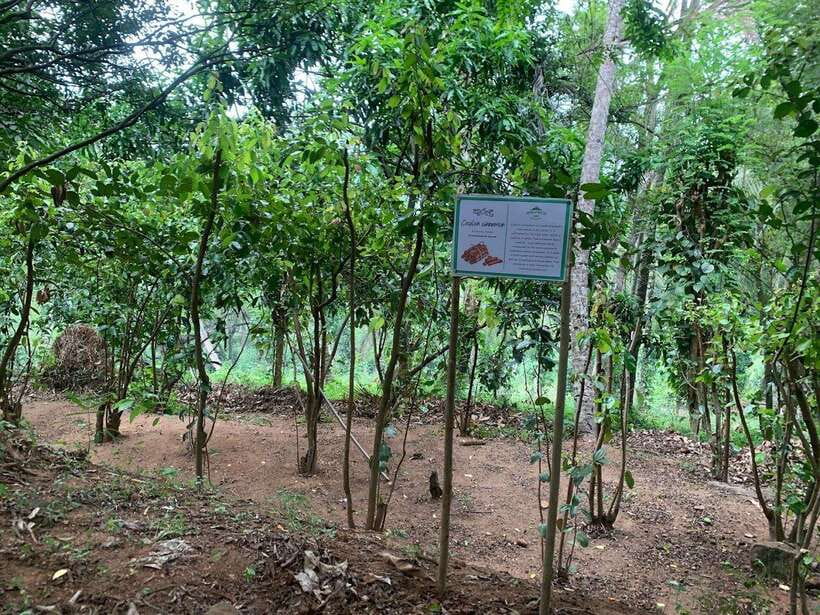
The factory visit follows the garden walk and cinnamon demonstration with a look at processing. Here you see how farm products are prepared beyond the first stage of harvesting. The tour includes discussion of quality assurance, which helps explain why drying, sorting, handling, and presentation matter.
This stop gives the experience a useful sense of scale. The garden shows where spices begin, while the factory shows the work needed before they can be sold. You are not simply tasting a finished product. You are tracing it through several steps.
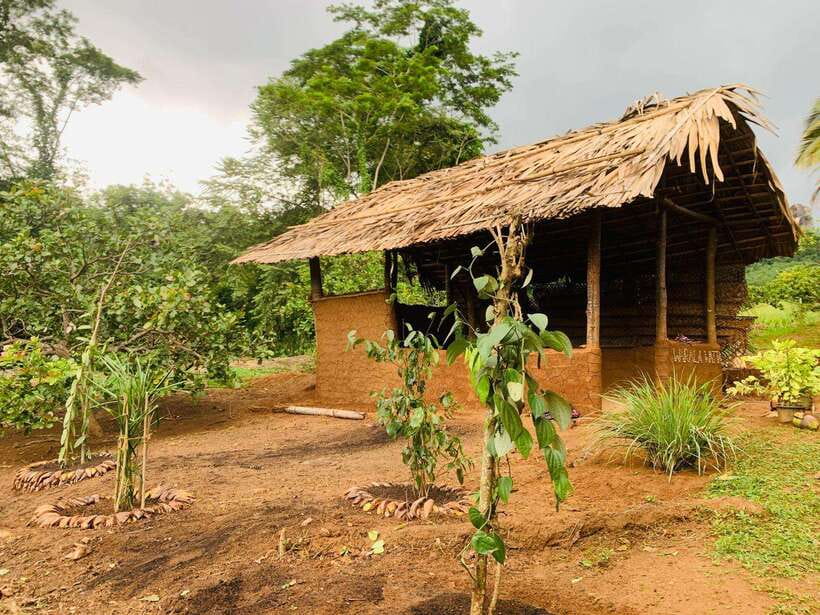
Do not expect a large industrial plant based on the information provided. Warala Watta is a local farm and factory that has opened its working operation to small groups. That local scale is part of the appeal, but it also means the visit may feel practical and modest rather than highly polished.
A shop offers spices such as cinnamon, cloves, black pepper, and chili powder. Prices have been described as fair, making this a sensible place to buy ingredients if you want a useful souvenir. Pack purchases carefully in your luggage, especially powders and strongly scented spices.
More Garden Tours in the world:
- Paris: Versailles Palace and Gardens Full Access Ticket
★ 4.6 · 41,579 reviews - Versailles: Skip-the-Line Tour of Palace and Gardens Access
★ 4.7 · 10,429 reviews - Marrakesh: Majorelle Garden Entry Tickets
★ 4.5 · 9,651 reviews - Vienna: Schönbrunn Palace & Gardens Skip-the-Line Tour
★ 4.7 · 7,739 reviews
The people make a real difference
A farm tour depends heavily on the guide. At Warala Watta, the personal welcome is one of the strongest parts of the experience. Roha, Dilan, and their team have been praised for being warm, patient, and eager to help.
The English-language tour is designed for a small group, with a maximum of 10 participants. That matters during the cinnamon activity because you need room to see the work and ask questions. A smaller party also makes the sensory tasting less rushed.
There is a particularly reassuring detail for solo visitors. One woman who joined alone described feeling safe and well looked after, with the staff taking care to make her comfortable. That does not replace normal travel awareness, but it is a helpful sign for anyone visiting independently.
The tone is friendly rather than formal. You can expect questions, tasting, and practical demonstrations. If you want a quiet garden walk with no participation, this may feel more active than you expect. If you enjoy meeting local people and trying the work yourself, the format should suit you well.
What three hours feels like

The advertised duration is three hours, although one completed visit lasted about two and a half hours. I would reserve a full three-hour block, since the actual pace can depend on group size, questions, and the amount of time spent at each station.
A typical visit includes:
- An introduction to the spice garden and its farming practices
- A guided walk among cinnamon and other spice plants
- The cinnamon harvesting and preparation demonstration
- Your own attempt at making a cinnamon quill
- Spice tasting and the sensory challenge
- Tropical fruit with Sri Lankan spice combinations
- Tea or spice pairings
- A visit to the processing factory
- Time to consider spice purchases
The order may change. The key point is that this is not just a plantation walk. You get a mix of farming, craft, tasting, and processing.
Three hours is long enough to give the subject proper attention without turning the visit into a full-day commitment. Still, the outdoor sections can feel tiring in strong sun. Drink water before and during the walk, and use sunscreen even if the morning seems mild.
Getting there and planning your visit
Transport to and from Warala Watta is not included. You need to arrange your own ride, so confirm the route and allow extra time before booking other activities. The farm is in the Central Province, but the supplied details do not specify a pickup service or public transport connection.
This is the main practical drawback. The $20 price is appealing, but your real cost includes getting to the farm and returning afterward. If you are already staying nearby or combining the visit with another Central Province outing, the value becomes stronger.
The tour is offered in English. Reserve ahead if you want a particular starting time, since availability varies. The booking terms allow you to cancel up to 24 hours in advance for a full refund, and you can reserve without paying immediately. Those flexible terms help if your Sri Lanka route is still changing.
Smoking is not allowed anywhere on the garden premises. Bring a camera for personal use, but respect the farm’s rules about plants and do not pick or handle them without permission.
Is $20 good value?
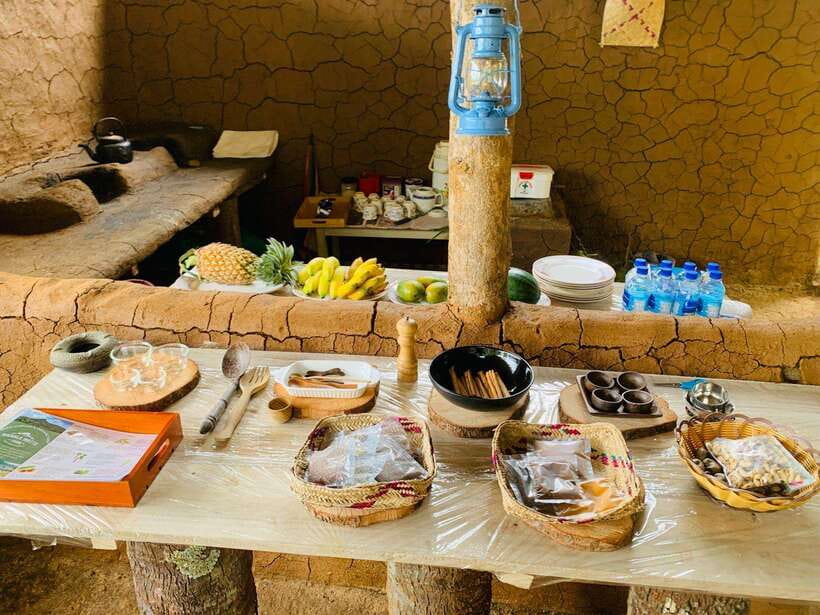
At $20 per person, the experience offers a lot for a three-hour outing. The price includes the garden walk, cinnamon activity, spice tasting, fruit tasting, and factory visit. You are paying for access to a working farm, a guide, several demonstrations, and food samples rather than only an admission ticket.
The hands-on cinnamon session is what makes the price feel worthwhile. Many farm visits stop at looking and listening. Here, you get to take part in one stage of the process, then taste spices and fruit connected to the same agricultural setting.
The value is strongest for people who enjoy food, farming, and local production. If you only want scenic views or a quick photo stop, the visit may feel too instructional. The factory section may also appeal more to curious visitors than to anyone seeking a relaxed garden stroll with no scheduled activities.
Remember that meals and transport cost extra. Even so, the included tastings add enough substance to prevent the price from feeling like a simple walk-through charge.
Who should book this experience?
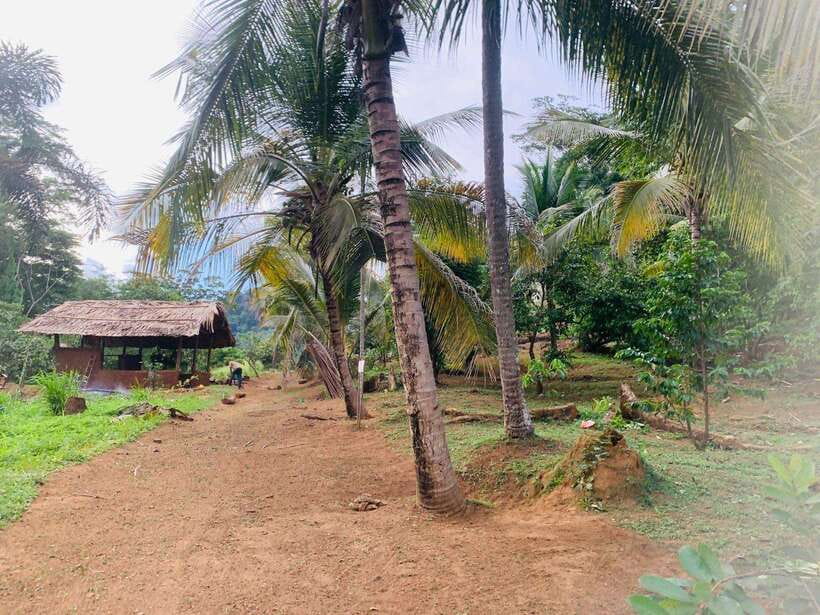
I would recommend Warala Watta to you if you want to understand Sri Lankan spices beyond a souvenir packet. It works particularly well for food-focused visitors, small groups, solo visitors, and anyone interested in organic farming or traditional production.
Families may enjoy the sensory challenge and cinnamon activity, though adults should judge for themselves whether younger children can manage the walking and follow the rule about not touching plants. The tour is also a good choice during a longer stay in the Central Province when you want an activity tied to local agriculture.
You should think twice if you have limited mobility, use a wheelchair, or find outdoor walking difficult. The experience is not suitable for wheelchair users or people with mobility impairments. Pregnant women are also listed as unsuitable for the activity.
Bring comfortable shoes, a hat, sunscreen, water, insect repellent, and a camera. Those items sound basic, but they matter here. The farm setting is part of the charm, and it also means you need to prepare for sun, insects, and uneven walking conditions.
Should you book the Warala Watta spice tour?
Book it if you want a friendly, hands-on look at how Sri Lankan spices move from plant to finished product. The cinnamon-making session, fresh tastings, and small-group format give the visit more substance than a standard garden stop.
Skip it if you want a fully accessible outing, a prepared meal, or transport included from your hotel. For everyone else, $20 is a fair price, provided you factor in your ride to the farm. The best reason to go is simple: you leave with a clearer understanding of cinnamon, a better feel for Sri Lankan flavors, and perhaps a packet of spices that brings the lesson home.
FAQ
Where is the Ceylon Cinnamon Experience held?
It is held at Warala Watta Farm Spice Garden and Organic Farm in Sri Lanka’s Central Province.
How long does the tour last?
The listed duration is three hours. One visit lasted about two and a half hours, so you should allow a full three hours.
How much does the experience cost?
The price is $20 per person.
Is transportation included?
No. You need to arrange your own transportation to and from the spice garden.
What is included in the price?
The price includes the guided spice garden walk, Ceylon cinnamon activity, farm-to-table spice tasting, tropical fruit tasting with Sri Lankan spices, and factory visit.
Are meals included?
No. Meals are not included.
What language is the tour offered in?
The live guided tour is offered in English.
How large is the group?
The tour is a small-group activity limited to 10 participants.
What should I bring?
Bring comfortable walking shoes, a hat, sunscreen, water, insect repellent, and a camera.
Is the tour suitable for wheelchair users?
No. The experience is not suitable for wheelchair users or people with mobility impairments. Pregnant women are also listed as unsuitable for the activity.
Just added around the world
- Royal Horticultural Society: Harlow Carr Garden Ticket★ 4.7 · 14 reviews
- Zanzibar: Jozani Monkeys, Butterfly Garden & Reptile Park★ 5.0 · 2 reviews
- Yu Garden Shanghai Entry Tickets Booking And Trip★ 3.6 · 9 reviews
- York: Castle Howard House and Gardens – Self-Guided★ 4.8 · 120 reviews
- Xochimilco floating gardens, Coyoacan and UNAM murals★ 4.0 · 6 reviews
- York: Castle Howard Gardens and Grounds Entry Ticket★ 4.5 · 23 reviews
- Woodside: Filoli Historic House and Garden Entry Ticket★ 4.9 · 9 reviews
- Woking: Royal Horticultural Society Wisley Garden Ticket★ 4.7 · 24 reviews
Spice and Herb Gardens, compared.

Ella : Cooking class with amazing Spice Garden Tour
Read our review →

Penang Round Island Tour With Tropical Spice Garden & Entopia Butterfly Farm
Read our review →
Penang: Tropical Spice Garden Entrance Ticket & Guided Tours
Read our review →
Kobe: Guided Tour of Nunobiki Waterfalls and Herb Garden
Read our review →
Grenada: Spice and Herb Garden Tour with Beach Visit
Read our review →
Aromatic Experience in the Medicinal Garden in Ibiza
Read our review →Browse the lists this tour appears in