
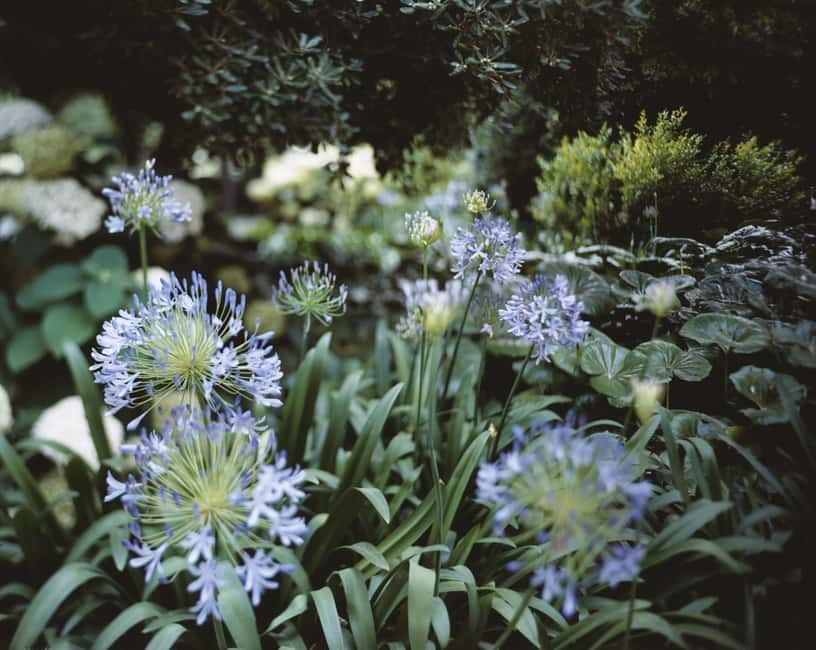
Review · VENICE
Venice: Convent Garden of Redentore Entry Ticket
Venice has a quiet side worth seeking. I like the shaded chestnut pergolas covered with roses and wisteria, and I like the Water Lily Pond, which gives this one-hectare garden a calm center. The main drawback is value: the advertised price is $18 per person, while one booking record found an on-site price of €12 per person.
This is not a guided tour or a packed sightseeing circuit. It is a self-paced visit beside the Church of the Most Holy Redeemer, with access to historic workshops and a Lagoon-front Café. I would choose it when I wanted a peaceful hour in Venice, but I would compare the online price with the gate price before paying, since the reservation cost may be higher.
Key points at a glance
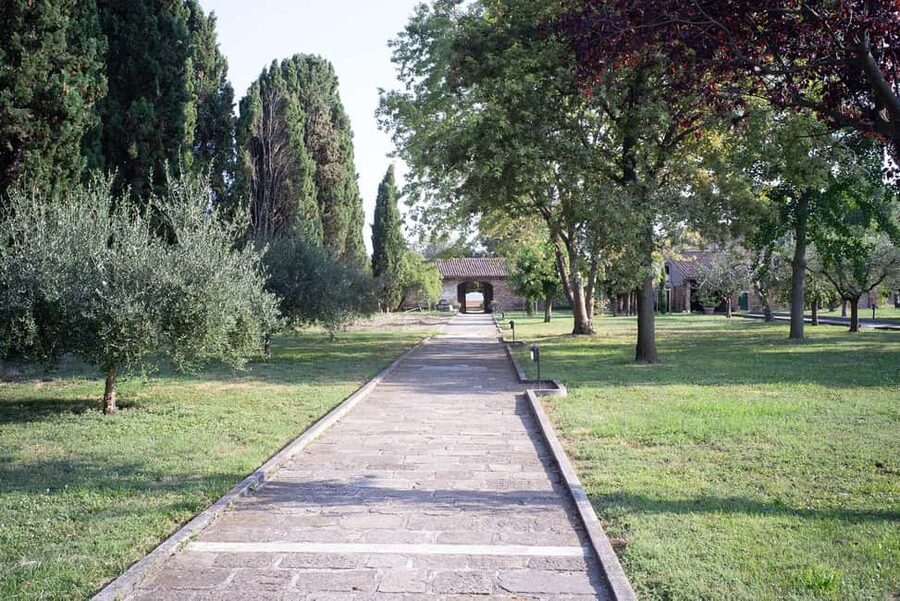
- A one-hectare garden beside Redentore Church: The setting gives you a quiet break without taking you far from central Venice.
- Paolo Pejrone’s garden design: Pergolas, olive groves, orchards, herbs, and the Water Lily Pond create a visit built around slow wandering.
- Rose-covered paths and lagoon views: Chestnut wood structures support climbing roses, wisteria, vines, and Rose banksiae ‘Alba Plena.’
- Historic Workshops with art exhibitions: Your ticket includes more than outdoor scenery, adding a cultural stop to the garden visit.
- Café access included: You can finish beside the Venetian Lagoon, though food and drinks cost extra.
- Price needs checking: The listed rate is $18 per person, but an on-site comparison cited €12 per person and a €31 booking charge for two people.
A peaceful corner beside the Church of the Redeemer
The garden sits at the Compendium beside the Church of the Most Holy Redeemer, known as Redentore. That location matters. You are not committing half a day to a distant attraction. You can pair the garden with a church visit or use it as a pause between Venice’s crowded streets and major sights.
The garden covers one hectare, large enough to feel like a proper retreat but compact enough to see comfortably during a single visit. Your ticket is valid for one day, so you are not forced to rush through every section in one pass. Check the available starting times when you book, and remember that final entry is 30 minutes before closing.
I like the garden’s scale. It offers room to slow down without asking you to plan a full country-house outing. You can follow the paths, stop at the pond, inspect the plants, visit the workshops, and end at the café. The experience has a natural rhythm, but you decide how long to spend at each stop.
More Tickets in Italy:
- Florence: Reserved Entry Ticket to the Boboli Gardens
★ 4.4 · 5,275 reviews - Rome: Bioparco di Roma Zoological Garden Entry Ticket
★ 4.6 · 1,414 reviews - Florence: Pitti Palace and Boboli Gardens Ticket & eBook
★ 4.5 · 835 reviews
Following the rose-covered pergolas
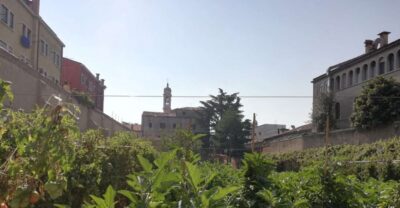
Your first impressions come from the garden’s structure. Chestnut wood pergolas shade the paths, and climbing roses, wisteria, and vines soften the overhead frames. These passages are among the most appealing parts of the visit because they provide shade and give the garden a strong sense of enclosure.
The paths are not simply a way to move from one attraction to the next. They are the experience. You walk under plant-covered pergolas, pass from open planting areas into cooler sections, and gradually reach different garden rooms. If you enjoy garden design, you will have plenty to study in the way the planting, timber structures, and lagoon views work together.
The garden was designed by Paolo Pejrone, a noted Italian landscape architect. His approach here uses Mediterranean plants and formal elements without making the place feel stiff. You will find cultivated sections, but the visit still feels restful rather than like a checklist of named specimens.
There is no guided commentary included, so you will need to appreciate the design at your own pace. That suits visitors who prefer quiet observation. If you want detailed explanations about the plants, the convent complex, or the design process, this ticket alone will not provide them.
Olive groves, orchards, and Mediterranean planting
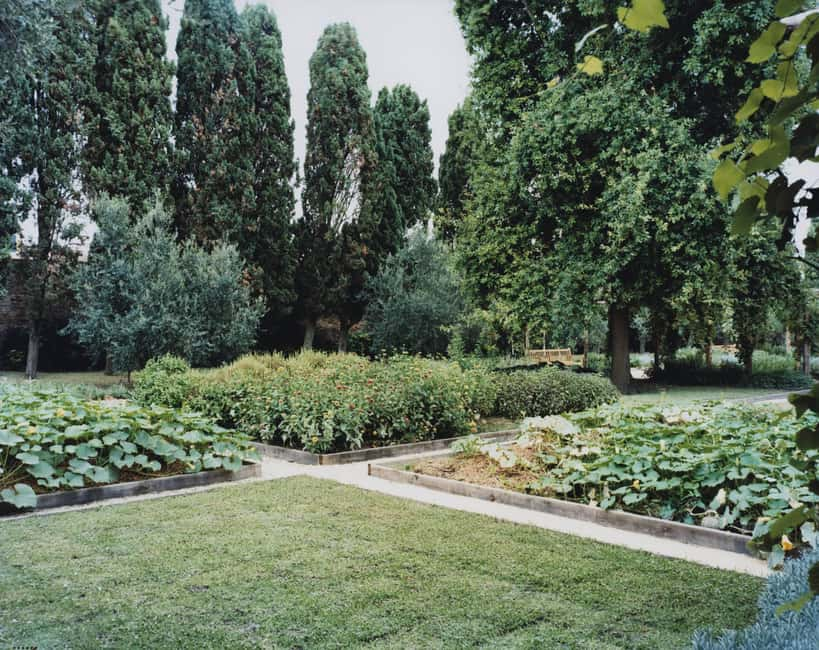
After the pergolas, look for the cypress-lined olive groves and orchards. These areas give the garden a distinctly Mediterranean character. Herbs, vegetables, and medicinal plants grow among the trees, adding practical and historical interest to the ornamental planting.
I like this part because it makes the garden feel connected to everyday life. You are not looking only at flowers arranged for display. The orchards and useful plants suggest how a religious complex could relate to cultivation, food, and remedies. The garden’s appeal comes from that mix of beauty and purpose.
The information provided does not identify every plant or explain the seasonal calendar, so you should not expect a botanical tour. The appearance of the garden will change through the year, too. Roses and wisteria are central to its character, but flowering conditions depend on the season.
For a photographer, these planted areas offer variety. For a visitor who simply wants a break from Venice, they offer benches and slower views, though the exact seating arrangement is not specified. Follow the site rules and do not picnic in the garden. Food and drinks belong at the café, where purchases are separate from admission.
The Water Lily Pond as the garden’s center
The Water Lily Pond is described as the garden’s centerpiece, and it gives your walk a clear focal point. Water changes the mood of a garden. It reflects the surrounding planting, creates a place to pause, and provides a visual contrast to the stone and architecture elsewhere in Venice.
I would not treat the pond as a quick photo stop. Take a few minutes to look at how it relates to the paths and plantings around it. The pond is likely to appeal most to visitors who enjoy quiet scenes rather than dramatic monuments.
This stop also helps break up the visit. You can move from the pergolas and orchards to the pond, pause, then continue toward the lagoon. The garden works best when you allow yourself to wander instead of trying to finish it as quickly as possible.
Photography is subject to site rules, and unauthorized photography is not allowed. That wording means you should follow any instructions posted on-site rather than assuming every type of photo is acceptable. Video surveillance is also in use.
More Garden Tours in Italy:
- Rome: Borghese Gallery and Gardens Guided Small-Group Tour
★ 4.6 · 2,783 reviews - Rome: Borghese Gallery & Gardens Small Group Guided Tour
★ 4.5 · 2,190 reviews - Caserta Royal Palace & Gardens Small Group Tour with Shuttle
★ 4.9 · 632 reviews - Florence: Pitti Palace, Boboli Garden, Palatine Gallery Tour
★ 4.9 · 558 reviews
The Pitosporum Garden by the Venetian Lagoon
The Pitosporum Garden brings you closer to the lagoon. This section uses evergreen foliage and pergolas covered with Rose banksiae ‘Alba Plena.’ Its strongest feature is the view outward, especially around sunset, when the lagoon becomes the main event.
The setting gives the garden a useful second identity. It is both a planted retreat and a viewing point. You get the quiet of enclosed garden rooms, then a more open outlook toward the water. If you are choosing between a standard café stop and this garden, the lagoon setting makes the visit more distinctive.
Sunset is presented as a highlight, but timing matters. Last admission is 30 minutes before closing, and the garden may not remain open late enough for the best light on every date. Check the operating details before building your evening around it. Do not assume that a sunset visit is guaranteed simply because the view faces west or the lagoon is visible.
The evergreen planting should help frame the water in any season, while the roses and wisteria may have a stronger seasonal effect. You get a good reason to return at a different time of year, although the ticket remains valid for one day only.
A quiet stop at the Meditation Chapel
The Meditation Chapel offers a smaller, more reflective part of the visit. It is intended for a moment of stillness rather than sightseeing theater. If you have spent the day moving between churches, palaces, and crowded lanes, this may be the place where you most appreciate the garden’s purpose.
The available information does not describe the chapel’s interior, artwork, or religious services. Keep expectations modest. It is a designated place for reflection, not a guided historical attraction with a published program.
Respect the tone of the space. Avoid treating it as a casual photo backdrop, and follow any local instructions. The garden’s value depends partly on its calm atmosphere, and that atmosphere is easy to disturb.
Historic Workshops and artistic exhibitions
The Historic Workshops add an indoor cultural element to the outdoor visit. Artistic exhibitions are included with admission, so you are not paying a second fee to see them.
This is useful on a hot day or during a short spell of poor weather. It also gives the garden visit more variety. You can move from plants and lagoon views to objects and art connected with the site’s working spaces. The exact exhibition content is not fixed in the information provided, so do not book expecting a particular artist or display.
I would allow time to look properly rather than treating the workshops as a corridor on the way to the café. The garden is about more than pretty planting. The combination of restored spaces, exhibitions, and the chapel helps explain why this place feels different from a public park.
Still, art-focused visitors should note that no guided tour is included. You may find labels and exhibition information, but the ticket itself does not promise personal interpretation or a curator-led explanation.
Finishing at the Lagoon-front Café
The visit concludes at the Lagoon-front Café, where you can sit with views over the Venetian Lagoon. Café access is included, but meals and beverages are not. That distinction matters when you calculate the total cost.
The café is a practical ending point. After walking through the garden, you can stop without searching for another place nearby. The view gives the final part of the experience a sense of occasion, especially if you arrive when the light is soft.
Do not confuse café access with a complimentary drink or meal. You will pay separately for anything you order. Smoking is permitted only in designated café areas, while smoking elsewhere, alcohol, and drugs are not allowed.
I would use the café as a pause, not as the sole reason to buy a ticket. If you only want a lagoon view with a drink, other parts of Venice may offer that more cheaply. The café has value because it completes a garden visit that includes the pergolas, pond, orchards, workshops, and chapel.
What the $18 price really buys you
The stated price is $18 per person and includes garden entry, café access, artistic exhibitions, and the booking fee. For a one-day ticket, that can be reasonable if you value quiet space, garden design, and a lagoon-side finish.
The price becomes less attractive if you plan to stay only 20 minutes or mainly want to see the water. This is a visit that rewards slow walking. You are paying for access to a collection of spaces, not a single monument.
There is also a practical price warning. A verified booking record from Austria reported paying €31 to reserve two people, while the on-site admission price was €12 per person. That means the booking platform total was higher than the gate price by €7 for two people in that specific case. Prices can change, but you should compare the current online total with the direct admission price if saving money matters.
The online booking does offer a confirmed ticket and may be more convenient on a busy day. However, the activity is non-refundable. I would only reserve once your Venice schedule is firm.
Who should choose this garden?
I would recommend the Redentore garden to:
- Garden lovers who enjoy pergolas, Mediterranean planting, orchards, water features, and careful garden rooms.
- Couples and solo visitors looking for a quiet place to slow down beside the lagoon.
- Art and history fans who want exhibitions and a chapel along with outdoor scenery.
- Photographers interested in roses, wisteria, the pond, evergreen framing, and sunset views.
- Visitors with limited time who want a peaceful attraction that lasts one day and does not require a full guided excursion.
- Wheelchair users, since the activity is listed as wheelchair accessible.
I would be more cautious if you want a structured tour, extensive historical explanation, or a full meal included. This is a self-guided garden visit, and the ticket does not include a guide.
The site also has firm rules. No picnics, ball games, unauthorized photography, smoking outside designated café areas, alcohol, or drugs are allowed. The garden is closed on January 1 and 6, March 5, and December 25, 26, and 31.
Should you book the Redentore garden?
Book it if you want a calm, attractive pause in Venice and will give yourself enough time to enjoy the pond, orchards, workshops, chapel, and lagoon café. The strongest features are the shaded pergolas, the Mediterranean planting, and the Pitosporum Garden’s view toward the water.
Think twice if your schedule is tight or if you are focused only on price. Check the direct admission cost before booking online, since one purchase was cheaper at the site than through the reservation. Also remember that the ticket is non-refundable.
My practical choice would be to visit in the late afternoon, allowing enough time before the last admission cutoff and leaving room for the café. Just do not count on a perfect sunset unless the closing time and date work in your favor.
FAQ
Where is the Redentore convent garden?
The garden is at the Compendium beside the Church of the Most Holy Redeemer in Venice, in Italy’s Veneto region.
How long is the ticket valid?
The ticket is valid for one day.
What does the admission ticket include?
It includes entry to the garden, access to the Lagoon-front Café, admission to artistic exhibitions, and the booking fee.
Are food and drinks included?
No. Meals and beverages are not included. Café access is included, but you pay separately for anything you order.
Is a guided tour included?
No. Guided tours are not included, so you explore the garden and exhibitions independently.
Is the garden wheelchair accessible?
Yes. The activity is listed as wheelchair accessible.
Can I smoke in the garden?
Smoking is allowed only in designated café areas. Smoking elsewhere in the garden is not allowed.
When is the garden closed?
The site is closed on January 1 and 6, March 5, and December 25, 26, and 31. Last admission is 30 minutes before closing time.
Just added around Italy
- Lake Maggiore Gourmet: Gardens, Lake Cruise, & Food Tasting★ 4.5 · 19 reviews
- Vatican Gardens & Castel Sant’Angelo Skip-the-line tickets★ 4.3 · 20 reviews
- Vatican: Gardens, Museums and Sistine Chapel Guided Tour★ 4.2 · 98 reviews
- Valley of the Temples: Kolymbethra Garden Entry Ticket★ 3.5 · 43 reviews
- Varenna: Villa Cipressi Gardens Entry Ticket on Lake Como★ 4.6 · 39 reviews
- Typical Apulian menù in the garden of an ancient Trullo★ 5.0 · 11 reviews
- Secret gardens of Venice in the Dorsoduro district with Cichetti tasting★ 3.0 · 2 reviews
- Hidden Verona & Giusti Garden- 3 hour private walking tour★ 5.0 · 2 reviews
Venice Garden Tours, compared.


Royal Gardens & St.Mark Basin View Casanova Aperitif
Read our review →
panoramic lunch in St. Mark’s Square Royal Gardens
Read our review →
Secret gardens of Venice in the Dorsoduro district with Cichetti tasting
Read our review →Browse the lists this tour appears in