
Review · RIO DE JANEIRO
Green Rio: Guided Tour of Botanical Garden and Lage Park
Green Rio gives you a calm, leafy side of Rio de Janeiro that is easy to miss between beaches, traffic, and famous viewpoints. The two-stop route pairs the historic Botanical Garden with Parque Lage, where tropical plants, forest paths, art, and views of Christ the Redeemer share the same half-day.
I like the tour’s focus on Brazil’s plant life and its included transport from Copacabana, Ipanema, or Leblon. I also like the mix of formal gardens and less polished forest, which gives you both quiet beauty and a sense of Rio’s wild setting. The main consideration is weather: some areas may be closed during rain, and Parque Lage may be replaced by Tijuca Forest during ongoing renovations.
You get a specialized guide in English, Portuguese, or Spanish, admission to both sites, and round-trip hotel transport. Five hours is enough for a useful introduction, though not enough to explore every path at a slow pace.
Key points to know before booking
- The Royal Palms are the Botanical Garden’s signature sight: A long avenue of imperial palms creates one of Rio’s most memorable garden views.
- Parque Lage mixes art with tropical forest: The old mansion, central courtyard, pool, grottoes, and wooded trails give this stop a different mood.
- The guide adds plant and conservation context: You learn why Brazil’s flora matters, rather than simply walking past attractive flowers.
- Hotel pickup is centered on the southern beach districts: Pickup options include Leblon, Ipanema, and Copacabana, with meeting points available in Botafogo, Flamengo, and Lapa.
- Weather can change the plan: The order of the stops may vary, and access to some areas can be limited in poor weather.
- The tour is not suitable for wheelchair users: Expect walking on garden paths and forest trails.
Why this half-day works well in Rio
Rio can fill a day quickly with beaches, viewpoints, museums, and long drives. This tour offers a useful change of pace without asking you to give up an entire day. You spend about five hours in two green spaces below Corcovado Mountain, then return to the beach districts.
I see the route as especially helpful if you want more than a quick photo stop. The Botanical Garden gives you the scale and order of a major scientific garden. Parque Lage is more atmospheric, with old architecture, art-school connections, forest, and a famous view toward Christ the Redeemer.
The tour also removes some practical friction. Hotel transfer is included, and the main pickup areas are among the most common places to stay in Rio. During busy periods, you may be directed to a nearby meeting point instead of receiving door-to-door service, since this helps the vehicle avoid long hotel stops and heavy traffic.
If no pickup address is provided, the default meeting point is Socialtel Lapa on Rua Visconde de Maranguape, 9. Other meeting points include Botafogo Praia Shopping, Uliving Rio Hotel in Flamengo, and Selina Lapa Rio de Janeiro. At these points, the guide arrives and calls you by name, so keep your phone available and arrive ready to identify yourself.
More Botanical Gardens in the world:
- Osaka: teamLab Botanical Garden Entry Ticket
★ 4.5 · 1,710 reviews - Blanes: Marimurtra Botanical Garden Entry Ticket
★ 4.7 · 998 reviews - Malta: Mdina, Dingli Cliffs and San Anton Botanical Gardens
★ 4.3 · 991 reviews
Walking beneath the palms at the Botanical Garden
The Botanical Garden was established in 1808 and contains more than 7,000 plant species. That date matters. This is not simply a pretty public park, but an important institution tied to Brazil’s long effort to study and protect its plant life.
The guided walk takes you along shaded paths lined with tropical growth. You can expect orchids, bromeliads, tall palms, lakes, fountains, and several carefully designed garden areas. The guide’s role is important here because the collection is too large to understand from labels alone.
The Avenue of Royal Palms is the garden’s most recognizable feature. Its imperial palms rise in a straight line and create a grand entrance into the garden’s calm interior. I would treat this as a place to slow down for photographs, but also as a reminder that the garden’s appeal comes from its structure. The trees are impressive because the route frames them so well.
The Botanical Garden also gives you a chance to compare plants that grow in different ways. Some are low and tightly arranged. Others climb, spread, or rise high above the path. You are not merely seeing isolated specimens. You are watching a collection of tropical plant forms arranged in a setting that still feels connected to the forest around Rio.
Japanese Garden, lakes, and quieter corners
The Japanese Garden offers a pause from the taller tropical plants. Its ponds, bridges, and lanterns create a more controlled setting, with space for quiet observation. I like this part of the route because it changes the rhythm of the walk without leaving the broader garden.
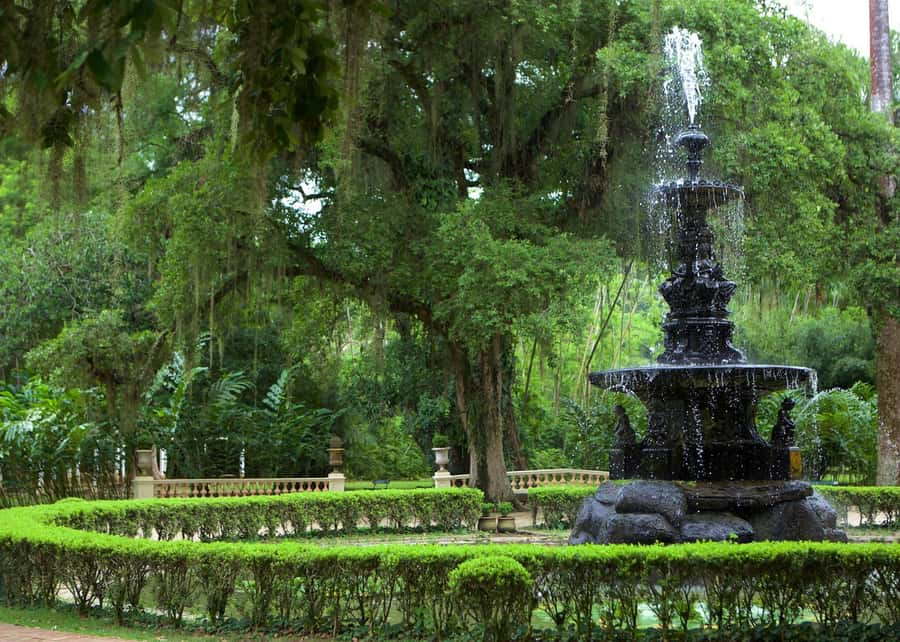
Lakes and fountains provide additional resting points. They are useful if you want a few minutes away from the group, though the pace of a guided tour means you should not expect unlimited time at every feature. Ask your guide when you can stop for photographs if a particular view matters to you.
The garden also has an educational purpose. You will hear about conservation efforts and the importance of protecting Brazil’s plant diversity. That information gives the visit more weight. You leave with a clearer sense that the garden is not just decorative, but part of a larger effort to preserve flora that can be threatened by habitat loss and other pressures.
The route is outdoors, so plan for Rio’s heat and moisture. Comfortable clothing, sunscreen, water, and insect repellent are sensible choices. Smoking and touching the plants are prohibited, rules that protect both the collection and the calm atmosphere.
Entering Parque Lage’s historic courtyard
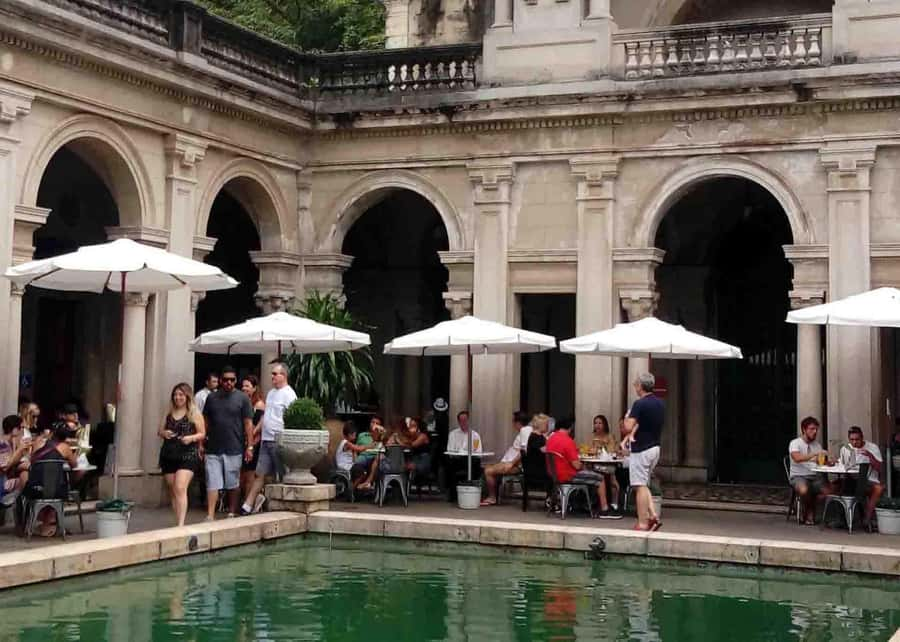
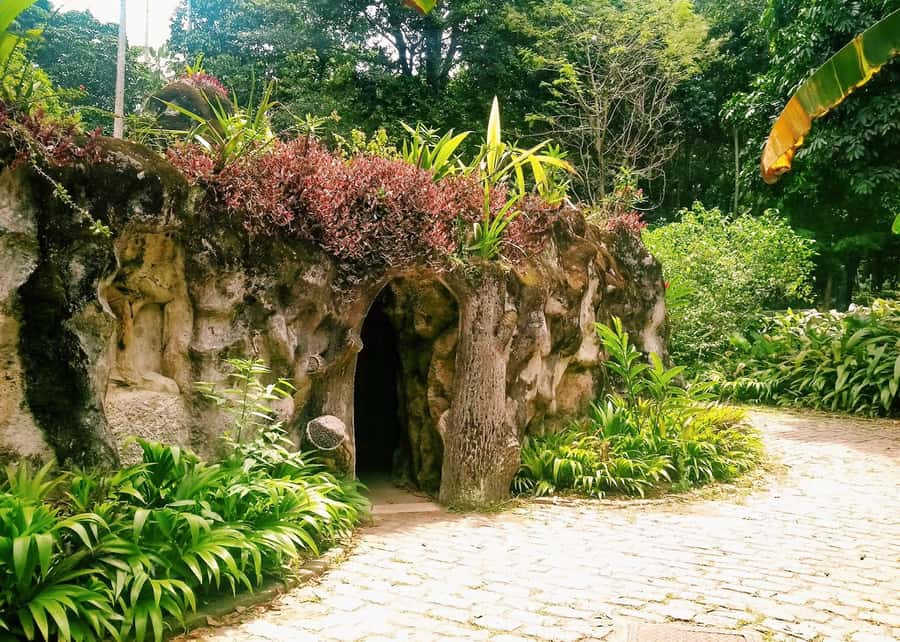
After the Botanical Garden, the tour continues to Parque Lage. The park has English-style gardens, artificial grottoes, and forest trails, so the feel changes quickly. Instead of a carefully ordered plant collection, you get a more mixed setting where paths move between cultivated gardens and thicker woodland.
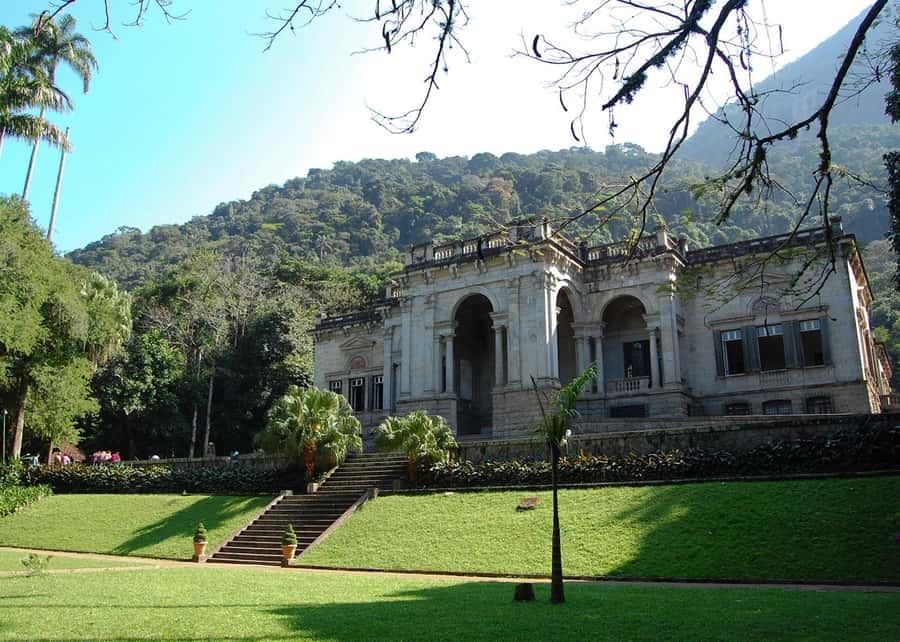
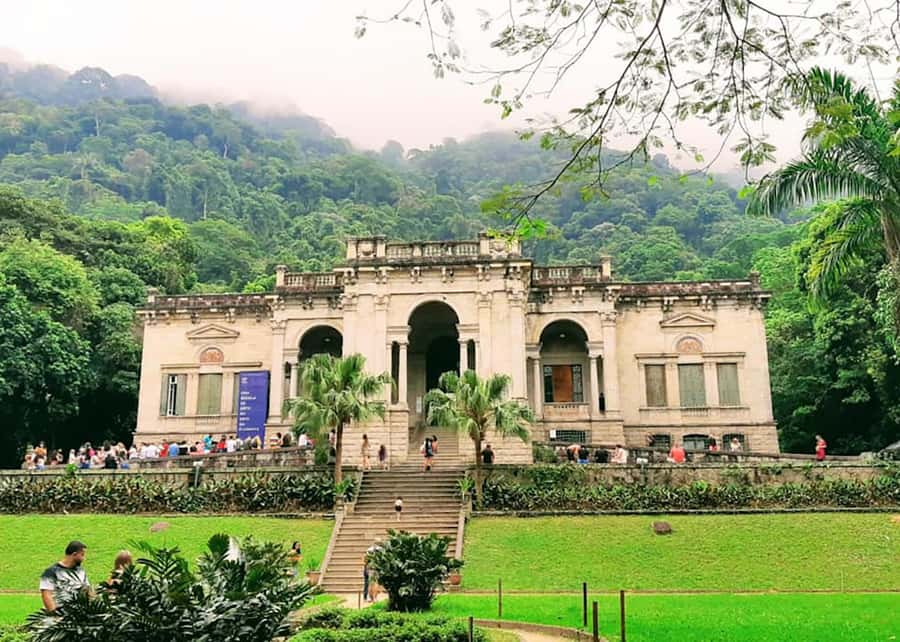
The mansion is the park’s center. It now houses the School of Visual Arts, giving the site a direct link to Rio’s cultural life. Its architecture, central courtyard, and clear pool make it one of the city’s favorite photo settings.
The courtyard is particularly striking because of its view toward Christ the Redeemer. Weather and visibility will affect that view, but when the conditions cooperate, the statue gives the old mansion a dramatic backdrop. You can appreciate the setting without treating it as only a place for a photograph. The courtyard shows how Rio often places art, history, religion, and nature within a few steps of one another.
I would not expect the mansion to function like a traditional museum visit. The value here comes from the building, the courtyard, the art-school setting, and the way the park frames the mountain. Your guide explains the mansion’s story and its place in Rio’s cultural life, which helps the site feel like more than a scenic stop.
More Garden Tours in the world:
- Paris: Versailles Palace and Gardens Full Access Ticket
★ 4.6 · 41,579 reviews - Versailles: Skip-the-Line Tour of Palace and Gardens Access
★ 4.7 · 10,429 reviews - Marrakesh: Majorelle Garden Entry Tickets
★ 4.5 · 9,651 reviews - Vienna: Schönbrunn Palace & Gardens Skip-the-Line Tour
★ 4.7 · 7,739 reviews
Forest trails and artificial grottoes
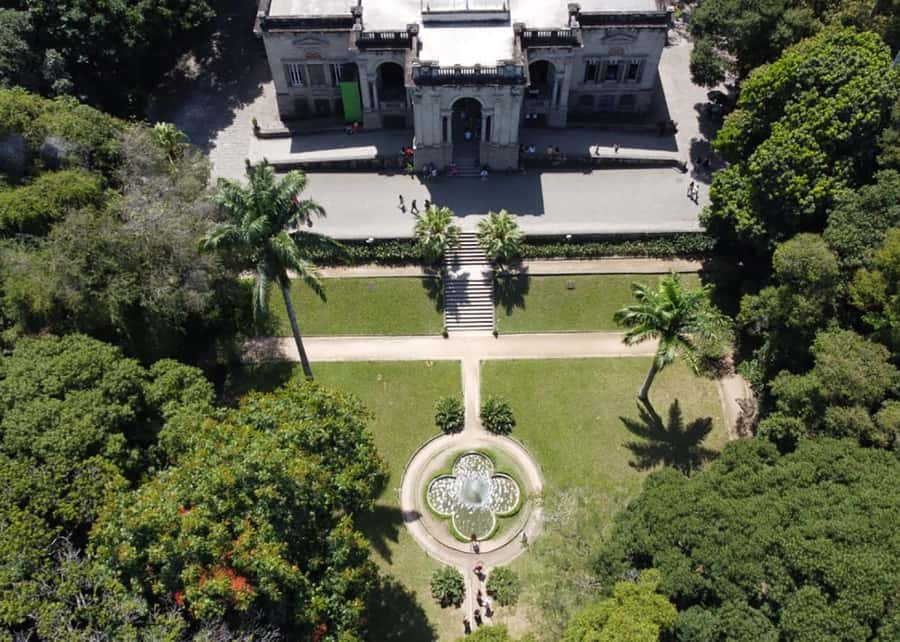
The forest paths at Parque Lage are the more active part of the tour. You move away from the courtyard and into a setting with thicker vegetation, uneven walking surfaces, and a stronger sense of being in nature. Exact access can vary with weather and park conditions.
The artificial grottoes add a slightly theatrical touch. They belong to the park’s old-fashioned garden design, where natural scenery was shaped to create surprise and atmosphere. I find that contrast useful: the Botanical Garden teaches you to look closely at plants, while Parque Lage asks you to notice how buildings, trails, water, and forest fit together.
The walking should be manageable for many visitors who are comfortable on outdoor paths, but this is not a good choice for wheelchair users. The tour information does not promise a fully accessible route, and the combination of trails, weather changes, and park renovations makes that limitation important.
A published rating for the experience is 5 out of 5 from four ratings, but the small number means I would keep expectations measured. One verified booking from Mexico noted that some areas were inaccessible because of the weather. That detail is useful because it confirms the main risk of an outdoor tour: even an excellent plan can lose access to certain paths when rain or conditions intervene.
What the guide adds to the visit
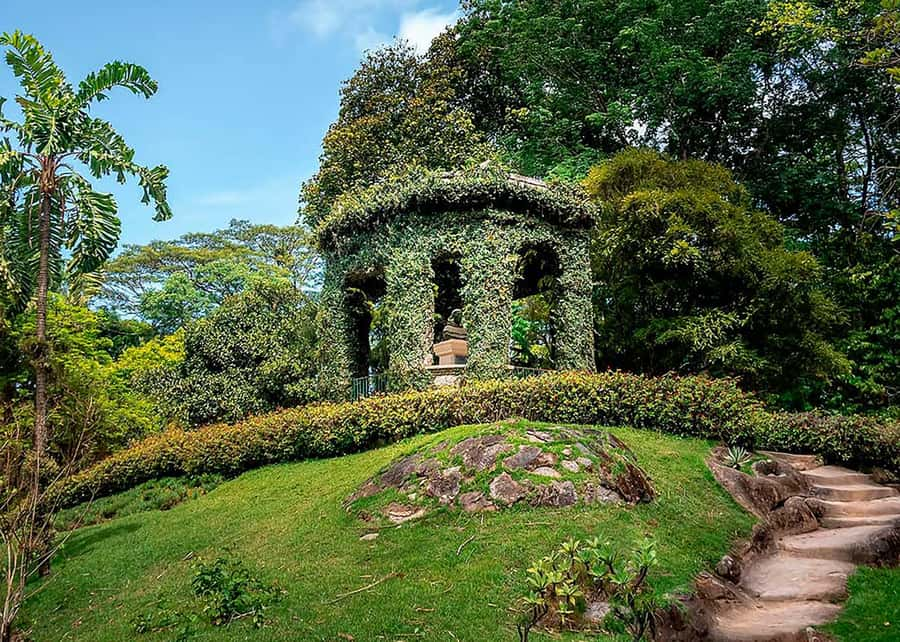
A guide makes the Botanical Garden far more rewarding than a quick independent walk. The plants can be beautiful without explanation, but the guide helps you understand why particular species matter and how conservation work fits into the garden’s purpose.
The same applies at Parque Lage. Without context, you might see a mansion, pool, and forest path. With a guide, you get the connection between the building, the School of Visual Arts, Rio’s cultural identity, and the Corcovado setting.
Guiding is available in English, Portuguese, and Spanish. Since the tour is described as specialized, you should expect interpretation of the sites rather than simple transport between entrances. Still, the supplied information does not provide a guide’s name or a guaranteed group size, so do not book expecting a private tour or a particular guide.
Transport, timing, and the five-hour schedule

The tour lasts five hours, including the two guided visits and round-trip transfer. Pickup is offered in Leblon, Ipanema, and Copacabana, with meeting-only points in Botafogo, Flamengo, and Lapa.
The order of the Botanical Garden and Parque Lage may change according to weather. That flexibility is practical, since one site may offer better conditions at a given time. It also means you should avoid planning a tight appointment immediately afterward.
Pickup and drop-off options are centered on Ipanema, Leblon, and Copacabana. If you are staying elsewhere, the stated meeting points give you alternatives, but you will need to reach one of them on your own. During high season, nearby meeting points may replace hotel pickup.
Bring a passport or identity card. The tour information does not specify a meal break, and food and drinks are not included, so have water with you and plan to eat before or after the outing. Personal expenses such as souvenirs are also separate.
Is $107 a fair price?
At $107 per person, this is not the cheapest way to enter Rio’s green spaces. You are paying for admission to both attractions, a guide, and round-trip transfer rather than only for access.
I think the price can make sense if you value convenience and explanation. Getting between the sites without arranging your own transport is useful, especially in a city where traffic can complicate short distances. The guide also turns two attractive places into a connected lesson about plants, conservation, architecture, art, and Rio’s mountain setting.
The value is weaker if you prefer to move at your own pace, spend a long time photographing one courtyard, or stop whenever you see an interesting plant. A self-guided visit may offer more freedom, but you would need to handle admission, transport, navigation, and the interpretation yourself.
For a first visit to Rio, I see this as a practical way to spend a half-day. It is particularly useful for people who want nature without committing to a longer excursion outside the city. Just remember that weather can reduce access while the price remains the same.
Who should book this tour?
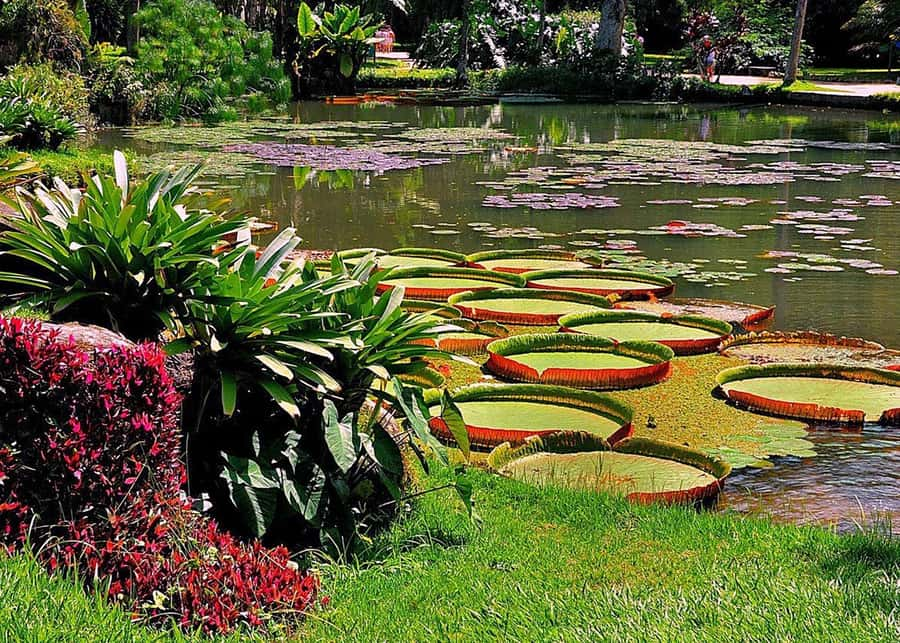
I would recommend Green Rio to you if you enjoy gardens, tropical plants, architecture, or cultural sites and want them combined in one outing. It also suits visitors who prefer a guide and included transportation rather than piecing together the day alone.
Families and casual sightseers may appreciate the variety. The route does not depend on one single attraction, so a quiet garden, a palm avenue, a mansion, forest paths, and a mountain view all share the day.
I would be more cautious if you have limited mobility, dislike outdoor walking, or need a guaranteed view of Christ the Redeemer. The tour is not suitable for wheelchair users, and weather may close some areas or limit visibility. During Parque Lage renovations, the park may be closed and replaced by Tijuca Forest, which preserves the nature focus but changes the planned experience.
Free cancellation is available up to 24 hours before the start time, and reserve-now-pay-later booking keeps the immediate cost down. Those policies are useful when Rio’s weather or your schedule is uncertain, but they do not remove the need to check the exact meeting point and start time before booking.
Should you book Green Rio?
Book it if you want a guided introduction to Rio’s plant life and prefer a half-day outing with transport included. The strongest part is the combination of the Botanical Garden’s carefully arranged collections with Parque Lage’s art, old mansion, courtyard, and forest.
Skip it if you want a completely flexible day or need guaranteed access to every path. For most able-bodied visitors who enjoy a steady outdoor walk, $107 is a defensible price for two major green spaces, admission, transport, and multilingual guiding. Bring water, sunscreen, insect repellent, and an open mind about weather changes.
FAQ
How long does the Green Rio tour last?
The tour lasts five hours, including the guided visits to the Botanical Garden and Parque Lage and the round-trip transfer.
What is included in the price?
Admission to the Botanical Garden and Parque Lage, a specialized guide, and round-trip transfer to and from the hotel are included.
Which languages are available?
The live guide is available in English, Portuguese, and Spanish.
Where can pickup and drop-off take place?
Main pickup options are in Leblon, Ipanema, and Copacabana. Drop-off options are Ipanema, Leblon, and Copacabana. Meeting-only points are available at Botafogo Praia Shopping, Uliving Rio Hotel in Flamengo, and Selina Lapa Rio de Janeiro in Lapa.
What happens if Parque Lage is closed?
Because of ongoing renovations, Parque Lage may be closed on the selected date. If that happens, the tour is changed to Tijuca Forest.
What should I bring?
Bring a passport or identity card, comfortable clothing, sunscreen, water, and insect repellent. Smoking and touching the plants are prohibited.
Just added around the world
- Royal Horticultural Society: Harlow Carr Garden Ticket★ 4.7 · 14 reviews
- Zanzibar: Jozani Monkeys, Butterfly Garden & Reptile Park★ 5.0 · 2 reviews
- Yu Garden Shanghai Entry Tickets Booking And Trip★ 3.6 · 9 reviews
- York: Castle Howard House and Gardens – Self-Guided★ 4.8 · 120 reviews
- Xochimilco floating gardens, Coyoacan and UNAM murals★ 4.0 · 6 reviews
- York: Castle Howard Gardens and Grounds Entry Ticket★ 4.5 · 23 reviews
- Woodside: Filoli Historic House and Garden Entry Ticket★ 4.9 · 9 reviews
- Woking: Royal Horticultural Society Wisley Garden Ticket★ 4.7 · 24 reviews
Botanical Gardens, compared.
Blanes: Marimurtra Botanical Garden Entry Ticket
Read our review →
Malta: Mdina, Dingli Cliffs and San Anton Botanical Gardens
Read our review →
Princeville Botanical Gardens Tour and Chocolate Tasting Ticket
Read our review →
Icod de los Vinos: Dragon Tree & Botanical Garden Ticket
Read our review →
Maleny Botanic Gardens Bird Aviary Experience Ticket
Read our review →
Dubrovnik Countryside and Arboretum ATV Tour with Brunch
Read our review →
Big Island Waterfalls Tour with Swimming and Botanical Garden
Read our review →Browse the lists this tour appears in