
Review · ITALY
Join us for a Sicilian cooking class in a professional kitchen on Etna, using fresh ingredients from our organic garden
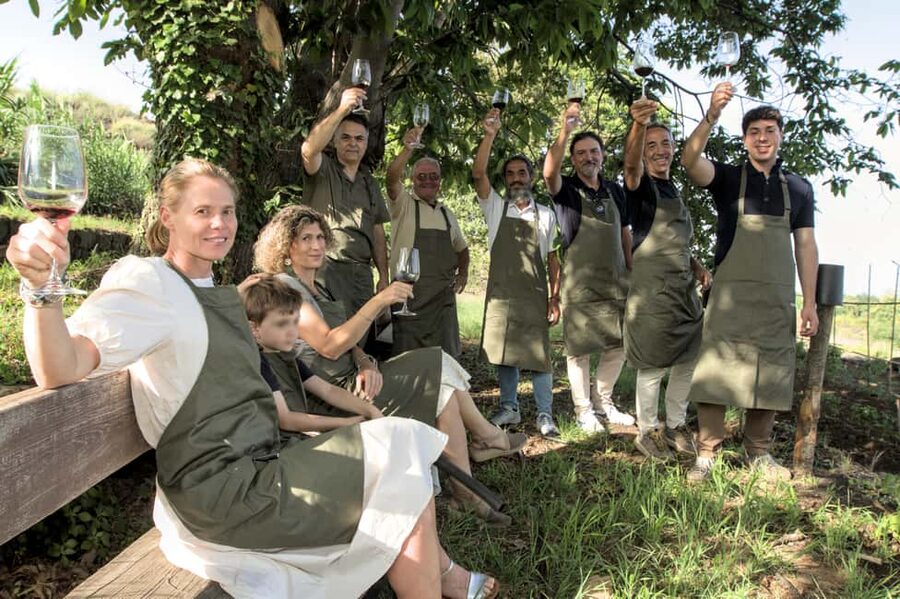
Fresh pasta tastes better near a volcano. This two-hour Sicilian cooking class at Favazza Etna Winery brings you into a professional kitchen on Mount Etna, where seasonal vegetables and herbs come from the property’s organic garden. I like the direct link between garden and plate, and I like that you eat the dish with a glass of Favazza wine afterward. The small group, limited to eight people, also gives the class a personal feel.
My main caution is the amount of hands-on cooking. You will make pasta, but parts of the sauce and final dish may already be prepared. The advertised duration has also caused confusion: some participants finished in about an hour and a half, while the stated duration is two hours. At $94 per person, that shorter format may feel expensive if you expect several dishes or a full morning in the kitchen.
What makes this Etna cooking class different
- Garden-to-table ingredients: Pick seasonal vegetables and aromatic herbs from the organic garden before using them in your dish.
- Fresh pasta by hand: You take part in making the pasta, one of the most practical and memorable parts of the class.
- Pasta alla Norma: The featured recipe is a classic Sicilian preparation built around pasta and local vegetables.
- Small professional kitchen: With no more than eight participants, the setting is better suited to conversation and individual help than a large demonstration class.
- Wine with lunch: The finished dish is served with Favazza wine, shared among the group.
- Zero-waste cooking: The chef explains how to use every part of the ingredients rather than throwing useful food away.
Arriving at Favazza Etna Winery on Mount Etna
The class meets at Favazza Etna Winery, Via Fossapoliti Formazzo 46, 95010 Sant’Alfio CT, Italy. This address matters. One participant accidentally went to a nearby house and lost about 30 minutes, so check the meeting point carefully before setting out.
The location gives the lesson a strong sense of place. This is not a generic cooking studio in a city center. You are cooking on the slopes of Mount Etna, surrounded by the source of at least some of the food on your plate. The organic garden is part of the experience, not just a marketing detail.
The property’s setting is especially useful for people who want food to explain Sicily. You see where the vegetables and herbs begin, then handle them in the kitchen, and finally eat the finished dish with local wine. That chain from soil to table gives the class more meaning than a recipe demonstration alone.
The meeting information does not include transport from Catania or other towns, so you need to arrange your own way to the winery. The class is wheelchair accessible, which is useful to know when planning. Italian and English are spoken.
More Cooking Classes in Italy:
- Shared Cooking Class with Fresh Garden Ingredients in Sorrento
★ 5.0 · 194 reviews - Cooking Class in a Typical Sorrento Garden
★ 5.0 · 100 reviews - Cooking Class with garden visit
★ 5.0 · 57 reviews
A short walk through the organic garden
The class begins with a look at the garden and a chance to gather ingredients. This part appears to be fairly brief, but it adds an important touch. You are not simply handed a basket of vegetables with no explanation. You get a sense of the season and see the produce in its growing environment.
Expect seasonal vegetables, herbs, and other local ingredients. The exact selection can change, since the cooking follows what is available in the garden. That is a good thing for anyone interested in real Sicilian home cooking, where the menu bends to the time of year instead of forcing the same ingredients into every class.
I would not book this expecting a long farm visit. The garden stop is a short introduction to the ingredients, not a separate agricultural tour. Still, it helps you understand why the food should taste fresh and why the menu may vary.
This is also where the zero-waste idea begins. The chef explains how to make use of the whole ingredient. That may sound like a small lesson, but it gives you something useful to carry home. A cooking class has more value when it teaches a habit rather than only one dish.
Making fresh pasta with the chef beside you
The most clearly hands-on part is the pasta. You make fresh dough yourself, with the chef nearby to guide the group. You get your hands into the process, rather than watching someone else do all the work.
For many people, this will be the best part of the class. Fresh pasta is tactile and easy to remember. You can see how the dough changes as you work it, and the simple act of making it gives you a better feel for the food than reading a recipe at home.
The class materials include an apron, dishcloth, pencil, notebook, and handouts. That is a useful touch if you want to remember the recipe later. You are not left with only a plate of food and a vague memory of what went into it.
The chef also shares local recipes and food traditions. The available information does not identify the chef by name, but the format promises close guidance rather than a distant stage presentation. With a maximum of eight participants, you should have a better chance of seeing the technique clearly and asking questions.
One important point: the pasta-making is the part you are most likely to do yourself. The rest of the recipe may involve more watching than doing. If your priority is learning to shape pasta, this class fits. If you want every participant to prepare each part of a multi-course menu, you may find it limited.
Preparing Pasta alla Norma in a professional kitchen
The featured dish is Pasta alla Norma, one of Sicily’s best-known pasta dishes. It is a fitting choice for this setting because it highlights vegetables and the straightforward, generous cooking associated with the island.
You help prepare the pasta, while the chef explains the sauce and other steps. Based on the way the class has operated, the sauce may be partly prepared before you arrive. Participants may help with individual steps, but the chef handles much of the final cooking.
That arrangement has two sides. It keeps the class moving and helps ensure that the meal comes together properly. It also means you should not expect a full recipe workshop in which you independently cook every element from start to finish.
The kitchen itself is fully equipped and described as cozy and professional. That combination matters. A professional kitchen gives the chef the tools needed to work safely and efficiently, while a smaller room keeps the event from feeling like a stage show.
The chef’s stories about ingredients and local cooking add another layer. You are not only learning instructions such as when to add an ingredient. You are also hearing why the recipe belongs to Sicily and how local produce shapes the result.
More Garden Tours in Italy:
- Florence: Reserved Entry Ticket to the Boboli Gardens
★ 4.4 · 5,275 reviews - Rome: Borghese Gallery and Gardens Guided Small-Group Tour
★ 4.6 · 2,783 reviews - Rome: Borghese Gallery & Gardens Small Group Guided Tour
★ 4.5 · 2,190 reviews - Rome: Bioparco di Roma Zoological Garden Entry Ticket
★ 4.6 · 1,414 reviews
Sitting down to eat with Favazza wine
At the end, the class becomes lunch. The pasta you helped make is served, and the meal includes a glass of Favazza wine. This is a simple finish, but it gives the two hours a clear reward: you prepare the food, then sit down and enjoy it.
The wine is shared by the group. One participant described sharing a bottle among four people, so you should not treat this as a private tasting or a large wine flight. It is a modest pairing with lunch, not a separate winery program.
That distinction affects the value. If you are mainly paying for a cooking lesson followed by a meal, the wine adds a pleasant local touch. If you are expecting a substantial wine tasting alongside several courses, this experience will not meet that expectation based on the information provided.
The finished food has been praised for its flavor, and the use of organically grown vegetables gives the meal a clear point of difference. Still, the menu appears to center on one main pasta dish. There is no stated second course, dessert, or tasting menu.
For me, the meal works best as the social end of the lesson. You can compare your pasta-making effort with the rest of the group, talk with the staff, and enjoy the setting. The informal conversation may stretch the visit, but the cooking itself can be fairly short.
How long does the class really take?
The stated duration is two hours, and starting times vary according to availability. In practice, the active cooking portion may be closer to an hour and a half, depending on how quickly the group works and how much time is spent eating and talking.
This is the biggest practical concern. Some participants expected a three-hour class and finished much earlier. The supplied details for this experience list two hours, so you should use that as your planning figure, not three. Even then, allow for the possibility that the hands-on part will be shorter than the total visit.
The difference matters because $94 is a serious price for a short class. That fee includes the chef-led lesson, ingredients, materials, lunch, and wine. It does not include a second dish or a broader wine tasting.
I think the price makes more sense if you value the setting, the garden connection, the small group, and the local food story. It is harder to justify if you measure value by cooking time alone. Before booking, ask yourself which type of experience you want: a polished introduction to Sicilian food, or an intensive class where you prepare an entire meal yourself.
Group size, language, and accessibility
The class is limited to eight participants. That is a useful number for a cooking lesson. You should be close enough to watch the chef and take part without the crowded feeling of a large workshop.
Italian and English are the stated languages. Some material may appear in its original language, so the class may not be fully translated word for word at every moment. If your Italian is limited, the hands-on pasta work should still be easy to follow, but the stories and explanations may vary in detail.
The activity is wheelchair accessible. The provided information does not describe every surface or facility at the winery, so you may want to confirm any specific mobility needs before booking.
The small group also affects the social side. The meal is shared, and conversation with other participants is part of the experience. If you prefer a private lesson, this is not described as a private class.
Who will enjoy this class most?
I would recommend it most strongly to people who want a food-focused Etna experience with a local setting. It suits couples, friends, and families who like the idea of making pasta, eating lunch, and learning how garden produce becomes a Sicilian dish.
It is also a good match for anyone interested in seasonal and low-waste cooking. The zero-waste lesson gives the experience a practical angle, especially if you enjoy taking home ideas you can use in your own kitchen.
People who value organic ingredients and lighter, produce-focused meals may appreciate it. One participant specifically found the fresh organically grown vegetables memorable and praised the kindness of the staff and the flavor of the finished food.
I would be more cautious if you are an experienced cook seeking advanced instruction. The class focuses on an iconic dish and fresh pasta, not a long series of technical lessons. Likewise, anyone expecting a three-hour workshop or several courses should lower those expectations.
Booking details worth knowing before you go
The price is $94 per person. You can reserve now and pay later, which helps if your Sicily plans are still shifting. Cancellation is free up to 24 hours before the activity for a full refund.
The meeting point is Favazza Etna Winery, not simply Mount Etna in general. Use the full address when planning your route, and allow time to find the correct entrance. A wrong turn can cost you much of a short class.
The class includes the chef-led cooking session, lunch with Favazza wine, and the listed materials. Anything not specifically included is your responsibility, so do not assume transport, extra wine, additional courses, or other winery activities are part of the price.
Should you book the Favazza Etna cooking class?
Book it if you want a small, friendly introduction to Sicilian cooking in a real Etna setting. The organic garden, fresh pasta, seasonal produce, local wine, and personal scale give the class a clear identity. The kind staff and flavorful food are strong reasons to consider it.
Skip it if you want a long, highly hands-on course with multiple dishes. At $94, the experience can feel costly when much of the sauce preparation is handled by the chef and the active class may finish in roughly an hour and a half.
My practical advice is to book this as a short food experience, not an intensive culinary workshop. Arrive at the correct winery, expect to make the pasta but watch some of the remaining preparation, and judge the price by the full setting and meal rather than by kitchen time alone.
FAQ
Where does the Sicilian cooking class take place?
The class takes place at Favazza Etna Winery, Via Fossapoliti Formazzo 46, 95010 Sant’Alfio CT, Italy.
How long does the activity last?
The stated duration is two hours. Starting times vary, so you need to check availability when booking.
What dish will I prepare?
The class focuses on a typical Sicilian dish, identified in the available information as Pasta alla Norma. You also make fresh pasta during the lesson.
Are the ingredients locally grown?
Yes. The class uses seasonal vegetables and aromatic herbs from the property’s organic garden, along with other local ingredients.
Is wine included?
Yes. Lunch includes Favazza wine served with the dish you prepare.
How many people are in the class?
The class is limited to eight participants, making it a small-group activity.
Is the class offered in English?
Yes. The instructor and activity are available in Italian and English. Some content may appear in its original language.
Just added around Italy
- Lake Maggiore Gourmet: Gardens, Lake Cruise, & Food Tasting★ 4.5 · 19 reviews
- Venice: Convent Garden of Redentore Entry Ticket★ 4.3 · 5 reviews
- Vatican Gardens & Castel Sant’Angelo Skip-the-line tickets★ 4.3 · 20 reviews
- Vatican: Gardens, Museums and Sistine Chapel Guided Tour★ 4.2 · 98 reviews
- Valley of the Temples: Kolymbethra Garden Entry Ticket★ 3.5 · 43 reviews
- Varenna: Villa Cipressi Gardens Entry Ticket on Lake Como★ 4.6 · 39 reviews
- Typical Apulian menù in the garden of an ancient Trullo★ 5.0 · 11 reviews
- Secret gardens of Venice in the Dorsoduro district with Cichetti tasting★ 3.0 · 2 reviews
Cooking Classes, compared.
Cooking Class, Market & Thai Herbs Garden Tour
Read our review →

Ella : Cooking class with amazing Spice Garden Tour
Read our review →
Krabi: Authentic Thai Cooking Class+Thai Herbs Garden Tour
Read our review →
Half day Thai cooking Class + Market tour+Garden tour
Read our review →
Cooking Morning Class Chiang Mai Visit Organic Garden and Market
Read our review →Browse the lists this tour appears in