
Review · GREECE
Karpathos: Botanical Clay Workshop & Pottery in a Vineyard
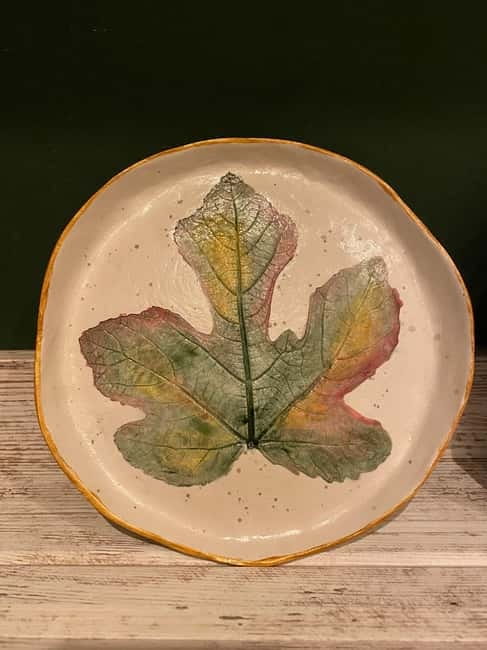
Clay, leaves, and a quiet hillside setting make a fine match. This 2.5-hour workshop near Othos lets you choose seasonal herbs, leaves, and flowers, then press their shapes into a handmade clay plate. I like the hands-on creative work and the freedom to gather plants from the garden. The main drawback is that transportation is not included, so you need to arrange your own way to the workshop.
I also like that you do not need any pottery experience. Renate gives help when needed without taking over, and the activity works for couples, friends, and children. Bring cash and clothes that can get dirty, since clay has a way of finding fabric even when you think you are being careful.
Key points to know before booking
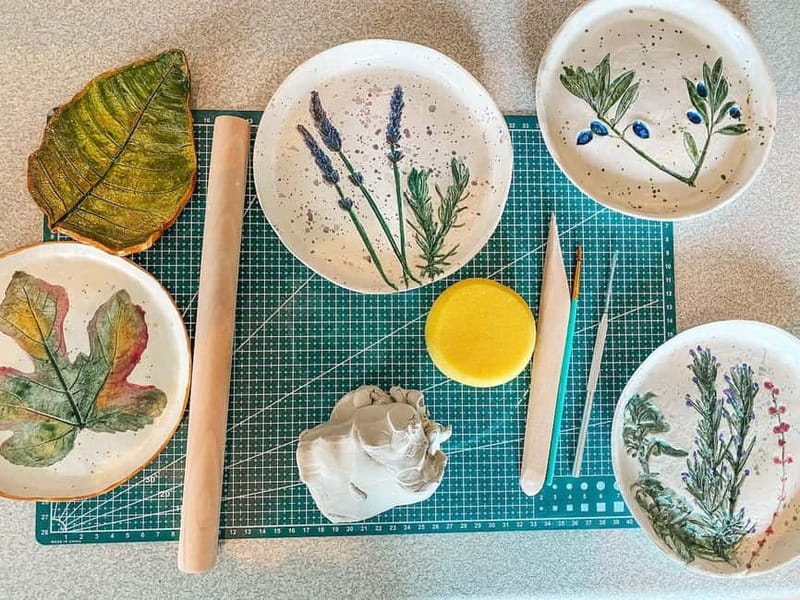
- Seasonal plant designs: Choose leaves, herbs, and flowers from the surrounding garden for natural patterns in your clay.
- Beginner-friendly pottery: You make a slab-rolled botanical plate without needing previous clay experience.
- Personal guidance from Renate: The instructor helps you solve problems while leaving room for your own ideas.
- Hill setting near Othos: The meeting point is just past the Othos sign, heading into the hills of Lastos.
- Good value at $56: Materials, instruction, and your own botanical clay piece are included.
- Plan for practical limits: Food, drinks, and transportation cost extra, and the workshop is not suitable for wheelchair users.
A pottery workshop shaped by Karpathos plants
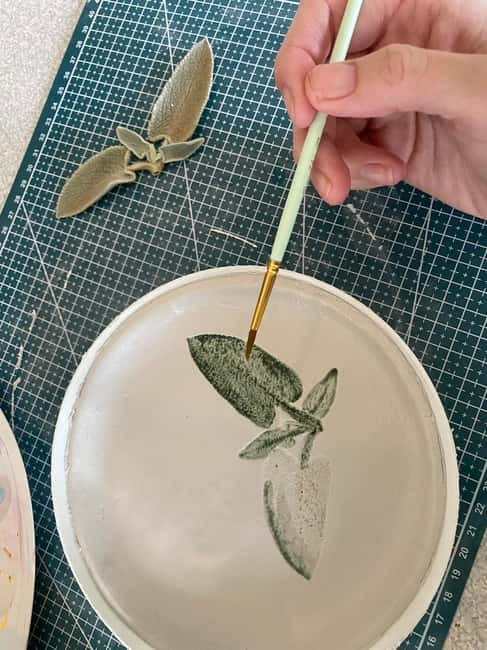
The appeal here is simple: you do not make a generic souvenir from a fixed template. You select plant material from the area around the studio, then turn those natural shapes into part of your own design.
That makes the piece personal from the start. A narrow leaf, a small herb, or a flower can create a different mark in the clay. You are not just decorating a plate after it has been made. You are helping shape the surface and deciding how the botanical pattern will sit across it.
The workshop takes place in the hills of Lastos, just past the Othos sign. The setting matters because the plants around you become part of the activity. Instead of sitting at a table with a prepared collection of artificial designs, you get a direct link between the island’s plant life and the object you create.
The word vineyard is part of the experience’s identity, but the practical focus is the botanical clay work. Do not book this expecting a full wine tasting or a meal. Food and drinks are not included, and the time is built around making your piece.
More Botanical Gardens in Greece:
- Rethymno:Matala ,Agia Galini,Botanic Garden & Spili Day Trip
★ 4.6 · 21 reviews - Off-Road Safari, Traditional Villages & Botanic Garden Walk
★ 5.0 · 5 reviews - Botanical Gardens of Crete Private SUV Tour
★ 3.5 · 4 reviews
Arriving near Othos and Lastos
The meeting point is just past the Othos sign as you head into the hills of Lastos. Since transportation is not included, you need to plan the approach yourself before the day of the workshop.
That detail is easy to overlook when booking. If you are already exploring the central hills of Karpathos, the location can fit nicely into your day. If you are staying elsewhere on the island, check your route and allow enough time to find the meeting point. Arrive five minutes early so you can settle in before the work begins.
The supplied directions are short rather than elaborate, so pay attention to the Othos sign and the instruction to continue into the hills. If you are driving, it is wise to avoid arriving at the last moment. A pottery class is more enjoyable when you are not trying to find the entrance with clay work already underway.
The setting receives especially warm praise for its beauty and calm feel. That makes this a good choice if you want a slower activity away from the busiest parts of an island day. It also means the workshop may not suit someone looking for a central, walk-up attraction.
Choosing leaves, herbs, and flowers
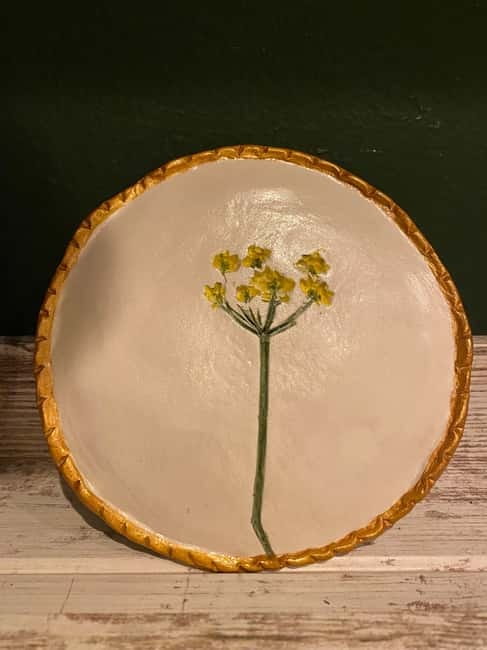
The first creative decision is selecting the botanical material for your plate. You can look around the garden and choose seasonal leaves, herbs, or flowers that appeal to you.
This is one of the strongest parts of the workshop because it gives you control. You might choose a plant for its shape, another for its texture, and a third because it reminds you of the setting. The point is not to find a perfect specimen. Small imperfections can make the finished plate feel more connected to the place where you made it.
Seasonality also keeps the activity from feeling repeated. The available plants can change with the time of year, so the pattern you create is tied to your visit. That gives the finished object more character than a standard souvenir bought from a shelf.
You should expect some freedom rather than a strict, step-by-step design. That can be liberating if you like making your own choices. It may feel a little uncertain if you want an exact model to copy. Renate’s approach helps here. She is present to guide and suggest, but she does not appear to force everyone toward the same result.
Rolling the clay into your own plate
After choosing your plant material, you make a slab-rolled clay plate. The clay is prepared and the needed materials are supplied, so you can focus on shaping and decorating rather than buying tools or gathering supplies.
A slab technique means the clay is rolled into a broad, even sheet before you form the plate. This makes sense for a botanical design because it gives you a flat surface where the leaves and flowers can leave clear impressions.
You then arrange your chosen plants and press them into the clay. The pressure needs to be firm enough to create a mark, but the process is not presented as a test of strength or technical skill. First-time clay workers can take part, and the activity is suitable for all ages and skill levels.
The natural patterns are the main visual feature. A leaf can leave a clear outline, while a smaller plant may create a fine texture. Your choices about spacing, direction, and overlap will shape the final look. You do not need an artistic background to make something attractive, but you do need to accept that handmade work has its own character.
More Garden Tours in Greece:
- Athens Cooking Class and Lunch in our beautiful garden in Greece
★ 5.0 · 130 reviews - Athens Market Tour and Cooking Class in a Beautiful Garden
★ 5.0 · 122 reviews - National Gardens Segway Tour
★ 4.5 · 93 reviews - Cooking experience in the most beautiful garden near Rethymno
★ 4.5 · 19 reviews
Working with Renate’s relaxed teaching style
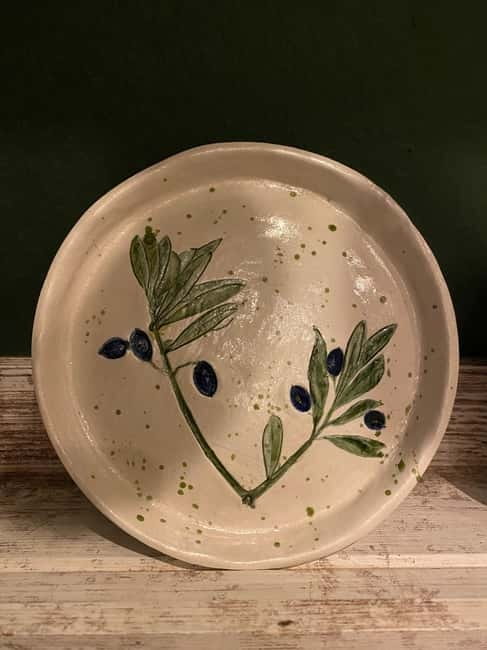
The instructor’s role seems to be one of the workshop’s biggest strengths. Renate helps when someone needs a hand and thinks through options with you, while still allowing plenty of personal freedom.
That balance is important in a beginner class. Too little help can leave you unsure how to handle the clay. Too much instruction can make every plate look alike. Here, you can ask for guidance without giving up ownership of the design.
The instruction is available in English, Dutch, and Spanish. That makes the workshop easier to follow for a wider range of visitors, especially when you are learning a hands-on process with several small steps.
I would expect the tone to be friendly and low-pressure rather than formal. The experience is not built around mastering a pottery wheel or producing professional ceramics in one sitting. It is about trying a creative process, learning enough to make a pleasing object, and enjoying the setting while you work.
What you take home from the 2.5 hours
Your finished botanical clay piece is included, giving the workshop a clear result beyond the time spent at the table. The piece serves as a souvenir, but it also records your choices: the plants you selected, the arrangement you made, and the marks created by your hands.
The exact final condition of the piece is not specified, so you should not assume that it will be ready to pack immediately in the same way as a shop-bought object. The activity information confirms that you receive your botanical clay creation to take home, but it does not provide details about firing, drying, or protective packaging. If those points matter to you, ask the provider before booking.
That missing detail is worth noting because clay objects can need careful handling. You will want to know how the piece is prepared for transport, especially if you are continuing your holiday or flying home.
Even with that question, the value is clear. At $56 per person, the price covers all workshop materials, instruction, and your own piece. You are paying for an activity as well as an object, so the value is strongest if you enjoy making things rather than simply collecting souvenirs.
Who will enjoy this activity most
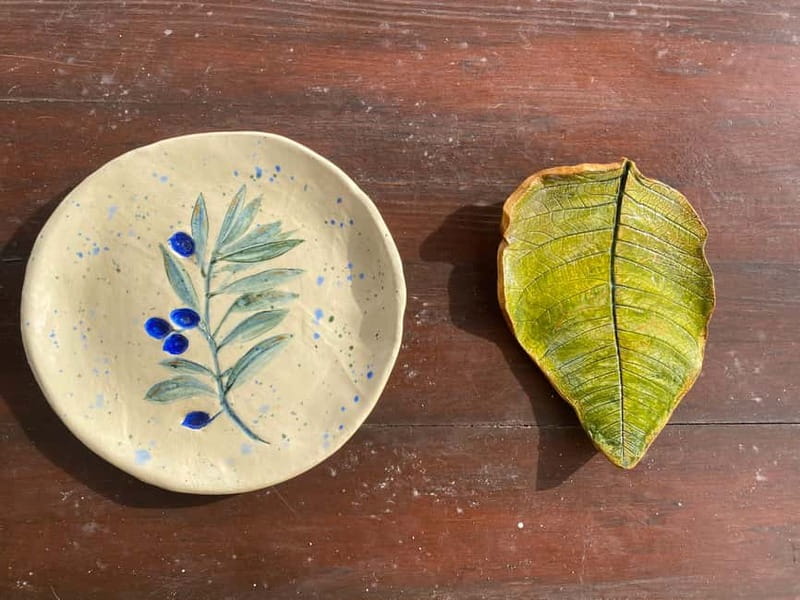
This workshop fits people who like creative activities, local settings, and a slower pace. It is particularly well suited to:
- Couples who want a shared activity with a personal result
- Friends looking for something different from sightseeing
- Families with children who can work carefully with clay
- First-time pottery makers
- Anyone who prefers a handmade souvenir to a mass-produced item
- Visitors who enjoy plants, texture, and simple design
The activity is also a good choice if you want a break from a packed sightseeing schedule. Two and a half hours is long enough to feel substantial without taking over an entire day.
It may be less suitable if you dislike getting messy, prefer highly structured instruction, or want an activity that includes food and drinks. The workshop is not suitable for wheelchair users, so accessibility should be considered before booking.
What to bring and how to prepare
Wear clothes that you do not mind getting a little dirty. You may also want practical shoes, although the supplied information only specifically requires clothing that can handle clay.
Bring cash. The activity information lists cash among the things to bring, even though the workshop price covers the materials and instruction. Having cash with you is a sensible part of preparing for the visit.
Do not arrive exactly at the starting time. Five minutes early is requested, and that small buffer lets you find your place and get settled. Since the location is beyond the Othos sign and into the hills of Lastos, extra time is useful if you are unfamiliar with the route.
You do not need previous clay experience. That is important because pottery can seem intimidating when you see polished finished pieces. This class is built for beginners, and the aim is to help you make something personal rather than judge your technical skill.
How the $56 price compares with the experience
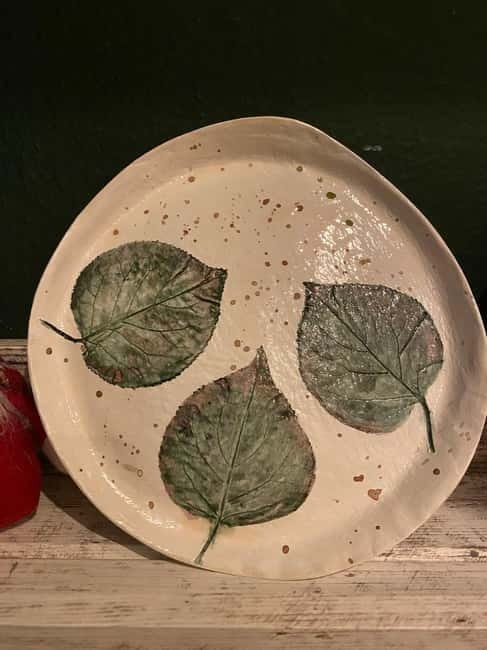
At $56, this is not the cheapest way to fill a morning, but it offers more than a short craft demonstration. You receive the materials, instruction from an experienced instructor, and a clay piece made by you.
The strongest value comes from the combination of setting and creative freedom. You are not only sitting indoors and following a fixed design. You are choosing plants from the surrounding area and using them to make a one-off pattern.
The price does not include transportation, food, or drinks. Those extra costs are modest in concept but important in planning. If you need a taxi or a longer drive to reach the hills, your total outing will cost more than the advertised workshop price.
For a family or group, the cost adds up quickly. For a couple or two friends who will genuinely enjoy making something together, the experience can be easier to justify. I would compare it with the price of a quality island souvenir plus a short guided activity. On that basis, $56 feels fair, provided you value the process as much as the finished plate.
A calm alternative to standard island sightseeing
Karpathos offers plenty of reasons to spend the day moving around, but not every good holiday memory comes from covering more ground. This workshop gives you a reason to pause and pay attention to small things: the shape of a leaf, the texture of an herb, and the way a simple arrangement changes when pressed into clay.
The setting near Othos and Lastos adds to that slower rhythm. The activity takes place in a beautiful area, and the natural surroundings are not just scenery. They supply the raw visual ideas for your design.
I especially like that the class does not demand artistic confidence. You can arrive with no plan, look at the seasonal plants, and build your idea as you go. That is a better fit for most holidaymakers than a serious pottery course with technical targets.
The trade-off is that you need to organize your own transport and accept some uncertainty about the finished piece’s handling after the workshop. Those are not deal-breakers, but they deserve attention before you reserve.
Should you book the Karpathos botanical clay workshop?
Book it if you want a personal souvenir, enjoy making things with your hands, and like the idea of using plants from the surrounding garden in your design. It is especially appealing for couples, friends, families, and beginners who want a gentle creative activity with freedom to work at their own pace.
Skip it if you want a food-focused vineyard visit, a fully accessible activity, or a quick experience close to your hotel. Also confirm how your clay piece is prepared for transport if you need to carry it home safely.
For most people who enjoy a relaxed morning and do not mind a little clay on their clothes, the combination of nature, guidance, and personal design makes this a worthwhile $56 experience.
FAQ
How long does the botanical clay workshop last?
The workshop lasts 2.5 hours.
Where is the workshop located?
The meeting point is just past the Othos sign, heading into the hills of Lastos.
Do I need previous pottery experience?
No. The workshop is designed for beginners, and no previous clay experience is required.
What is included in the price?
The price includes all workshop materials, guidance from an experienced instructor, and your own botanical clay piece to take home.
What should I bring?
Bring cash and clothes that can get dirty. You should also arrive five minutes early.
Is the workshop accessible to wheelchair users?
No. The activity is not suitable for wheelchair users.
Just added around Greece
- Santorini Farm-to-Table Cooking Class with a Local Chef, Christos★ 4.5 · 16 reviews
- Off-Road Safari, Traditional Villages & Botanic Garden Walk★ 5.0 · 5 reviews
- Cooking experience in the most beautiful garden near Rethymno★ 4.5 · 19 reviews
- Half Day Private Tour to Botanical Garden in Chania★ 5.0 · 2 reviews
- Cooking Class at Diamond Roof Garden★ 5.0 · 14 reviews
- Athens with Kids: Myths & Family Games in the National Garden★ 5.0 · 8 reviews
- Rethymno:Matala ,Agia Galini,Botanic Garden & Spili Day Trip★ 4.6 · 21 reviews
- Melanes Tour: Village Highlights & Garden-to-Table Meal★ 4.5 · 5 reviews
Botanical Gardens, compared.

Blanes: Marimurtra Botanical Garden Entry Ticket
Read our review →
Malta: Mdina, Dingli Cliffs and San Anton Botanical Gardens
Read our review →
Princeville Botanical Gardens Tour and Chocolate Tasting Ticket
Read our review →
Icod de los Vinos: Dragon Tree & Botanical Garden Ticket
Read our review →
Maleny Botanic Gardens Bird Aviary Experience Ticket
Read our review →
Dubrovnik Countryside and Arboretum ATV Tour with Brunch
Read our review →
Big Island Waterfalls Tour with Swimming and Botanical Garden
Read our review →Browse the lists this tour appears in