
Review · TOKYO
Tokyo: Edo Castle & East Garden of the Imperial Palace Tour
History feels close here. This two-hour walk through Tokyo’s Imperial Palace East Gardens lets you follow the old grounds of Edo Castle, where shoguns once ruled Japan. I like the calm garden setting and the way a good guide turns stone walls, gates, ponds, and surviving ruins into a story. I also like the easy pace, which suits seniors, families, and anyone who wants history without a full-day commitment.
The main catch is simple: you do not enter the Imperial Palace itself. You tour the East Gardens on the former castle grounds. At $42 per person, that price is reasonable if you want context and company, but it may feel high if you are happy to stroll through a free public garden on your own.
Guides make much of the difference. Hitoshi, Masahito, Shigeru, Naoko, Mikio, and several others have earned praise for clear English, patience, historical detail, and help with photographs or onward directions. The meeting point is Wadakura Fountain Park, where your guide holds a sign marked Gotcha.
Key points to know before booking
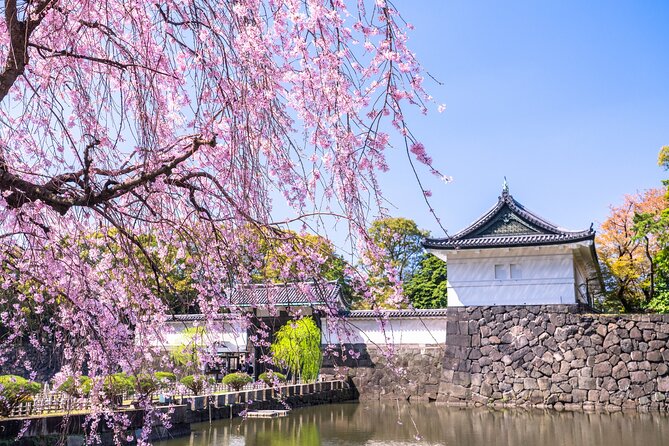
- Edo Castle survives mostly in traces: You see walls, foundations, gates, and open grounds rather than a preserved castle building.
- The East Gardens are free to enter: The $42 pays for the English-speaking guide, interpretation, and a structured two-hour visit.
- The Imperial Palace remains off-limits: This tour does not enter the Inner Palace or private royal areas.
- The gardens are closed Mondays and Fridays: Pick another day before you reserve.
- A baggage inspection is required: Leave Japanese knives and similar items in a coin locker before meeting the guide.
- The famous koi add a playful touch: Look for the distinctive fish in the garden ponds during your walk.
Starting at Wadakura Fountain Park
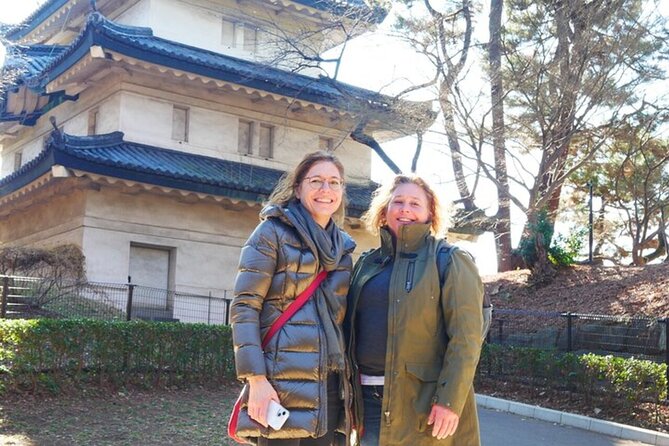
Your tour begins in front of the fountain at Wadakura Fountain Park. Look for the guide holding a sign that says Gotcha. This clear meeting instruction matters in central Tokyo, where a few minutes spent searching can quickly become a stressful start.
From the fountain, the tour heads toward the East Gardens. The walk is not built around a long list of photo stops. Instead, it uses the garden as a history lesson, linking what you see today with the former castle city of Edo.
Your guide may begin with a broad introduction to Japanese history before entering the garden. That background helps, especially if shoguns, daimios, ninjas, emperors, and the Meiji period are new subjects for you. The best guides use photographs and visual explanations to show how the site looked in earlier centuries.
This is also where the English quality matters. Guides such as Shigeru, Hitoshi, Masahito, and Naoko received repeated praise for speaking clearly and answering questions. That makes a difference when names, titles, and periods begin to blur together.
More Garden Tours in Tokyo:
- Imperial Palace East Garden and Edo Castle Walking Tour in Tokyo
★ 5.0 · 510 reviews - Tokyo: Imperial Palace East Gardens Walking Tour
★ 4.8 · 353 reviews - Tokyo Private Tour! Edo Castle & Imperial Palace East Gardens
★ 5.0 · 105 reviews
Walking through the former grounds of Edo Castle
The East Gardens occupy part of the old Edo Castle grounds. During the shogun era, this was the center of political power in Japan. The castle was not simply a residence. It was a huge fortified compound tied to the Tokugawa government and the officials who controlled the country.
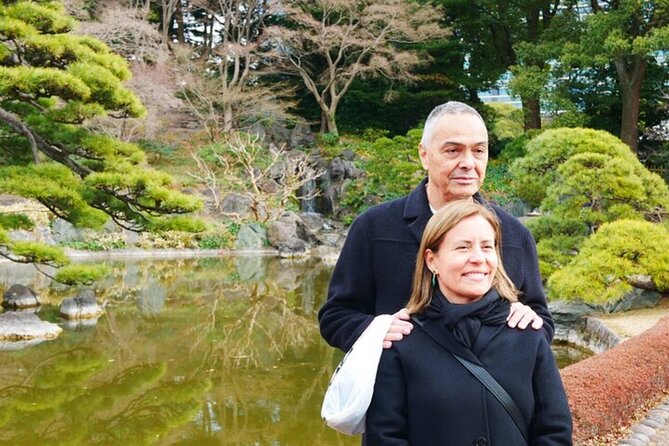
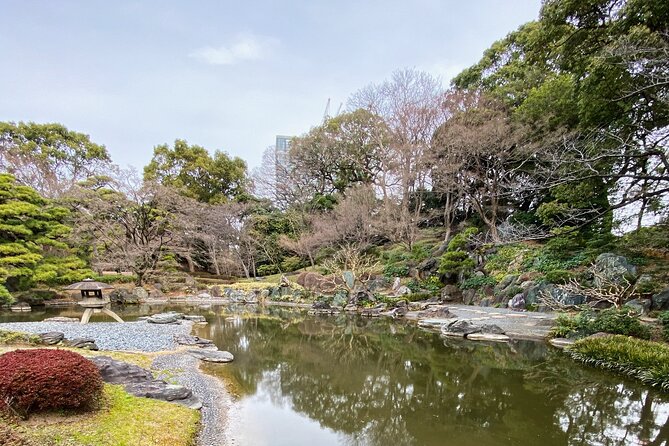
Today, the setting can seem surprisingly peaceful. You walk past clipped trees, broad lawns, ponds, stonework, and formal garden spaces. Tokyo’s modern towers may be close by, but the garden creates a useful pause from the city’s traffic and crowds.
The tour’s value comes from learning what is no longer visible. Edo Castle was largely lost to fires, earthquakes, war, and later changes to the site. You should not expect a complete castle interior or a restored wooden keep. Instead, the guide points out what remains and uses images and stories to help you picture the former complex.
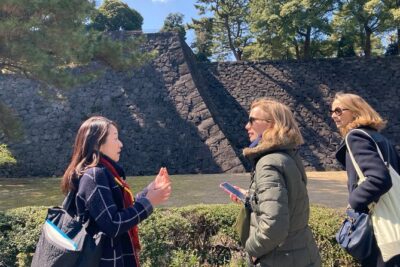
Mikio was especially praised for bringing the Edo period back to life with pictures and accounts of shoguns, daimios, and ninjas. That style works well here because the physical remains can be easy to overlook without explanation. A stone wall may look like a wall until you learn its defensive purpose, scale, and place in the castle system.
What makes the garden walk worthwhile
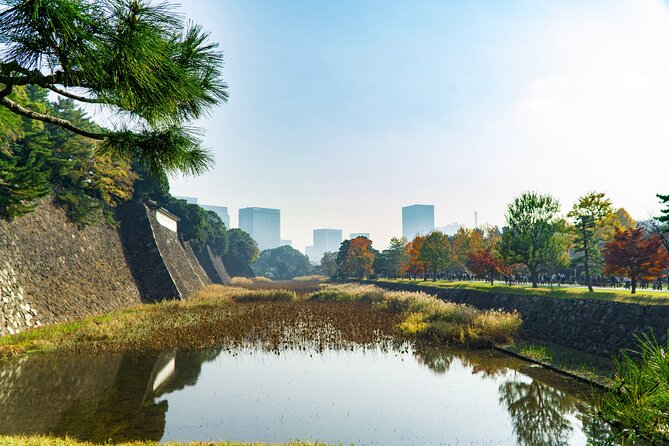
The garden is not just decoration between historical stops. It shows how Japanese design combines open space, water, trees, stone, and carefully framed views. Guides explain the cultural meaning of plants and the purpose of different garden areas.
The pace is leisurely. That gives you time to look around, ask questions, and take photographs without feeling pushed from one stop to the next. Mike described the experience as a slow-paced walk, and that is a useful expectation. This is not a rapid checklist of palace highlights.
Spring can be especially appealing. One guide took a group to nearby cherry blossoms, while another pointed out extra seasonal sights. Those additions depend on the guide and the day, so do not book expecting a special detour. Still, the tour appears flexible enough for guides to respond to the interests of the group when time allows.
The garden also gives children a way into the subject. Hitoshi was praised for making the visit work for a nine-year-old, while other guides used stories and visual aids to keep the history approachable. Younger children who need constant activity may find two hours of historical walking demanding, but the ponds, trees, open spaces, and koi provide welcome breaks.
The castle remains, walls, gates, and old foundations
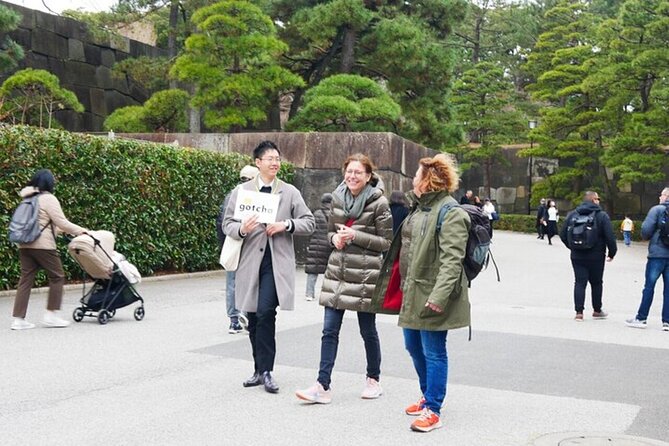
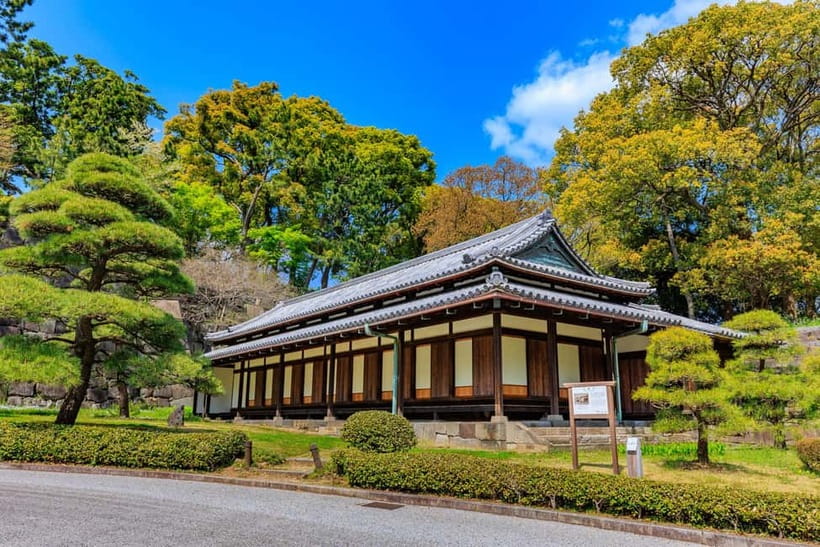
The most important sights are the pieces of Edo Castle that survived. Expect to see old walls, entrances, foundations, and traces of buildings rather than grand palace rooms.
One stop includes the remains of old structures and a discussion of what the area was like in the past. Another visit highlighted the ministers’ entrance. These details help explain how power moved through the castle, from official entrances to controlled inner areas.
A guide is useful because the site does not always announce its importance. There may be no dramatic building rising in front of you. Instead, you might see a platform or stone base and need help understanding what once occupied it.
That can also be the tour’s limitation. If your main goal is to photograph a complete Japanese castle, this will disappoint. The experience is about archaeology, memory, gardens, and explanation. The castle is present through its footprint and surviving pieces.
Same place, a different sort of green day out:
- Mt. Fuji Day Trip from Tokyo with English Speaking Driver Guide
★ 5.0 · 443 reviews - Mt. Fuji, Cherry Blossom & Shiba Sakura Pvt. Day Tour
★ 5.0 · 326 reviews - Mount Fuji & Lake Kawaguchiko Private Tour: Beyond the Ordinary
★ 5.0 · 78 reviews - Tokyo: Rainbow Bridge Day Cruise Show and Only Soft Drinks
★ 4.5 · 75 reviews
The Imperial Palace boundary you need to understand
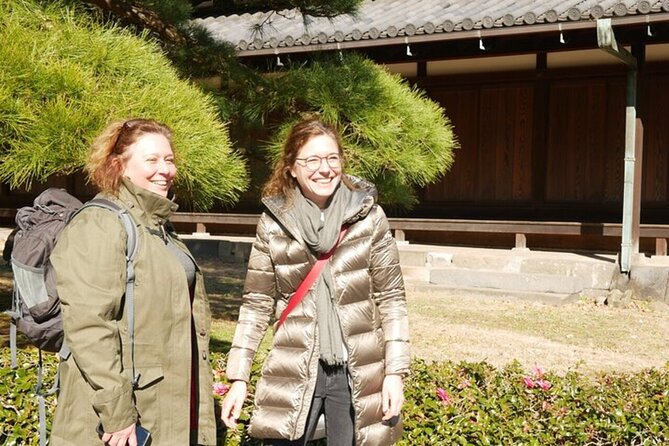
The name can create confusion. The tour takes place at the Imperial Palace East Gardens, but it does not take you inside the Inner Palace. The private and ceremonial areas of the Imperial Palace are not part of this visit.
You can still appreciate the connection between the modern Imperial Palace and the former Edo Castle site. The garden lets you walk through historical ground associated first with the shoguns and later with the imperial family. That change in power is one of the most useful themes of the tour.
The distinction should be clear before you pay. If you want an interior palace visit or access to private royal grounds, this is not the right activity. If you want a guided walk through a historic section of the palace grounds, it fits well.
Koi, ponds, and the lighter side of the visit
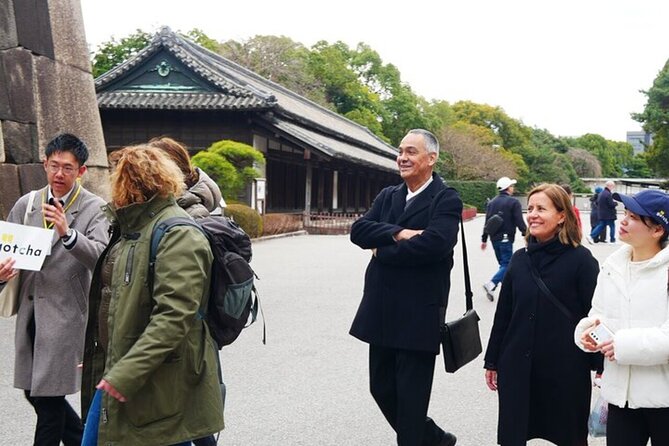
The tour promises a look at a special breed of koi, described as a one-of-a-kind magical fish. The wording is playful, but the fish give the garden walk a memorable detail beyond walls and political history.
Ponds and water features also slow the group down. They provide natural places for photographs and give your guide a chance to explain elements of Japanese garden culture. You do not need to be an expert in plants or design to enjoy these pauses.
This balance is one of the tour’s strengths. You receive a lesson in shoguns and emperors, then shift attention to trees, water, fish, and garden views. The visit does not feel like two straight hours of dates and names.
How much value do you get for $42?
The East Gardens themselves are free to enter, so the $42 price is paying for interpretation rather than admission. That is the central value question.
I think the fee is fair if you want a guide who can explain the castle remains, connect the site to Japanese history, answer questions, and keep the visit moving at a comfortable pace. Several guides also helped with photographs or directions to the next subway stop. Hitoshi and other guides were praised for walking guests toward onward transport, though you should treat that as personal help rather than a guaranteed part of the formal tour.
The price is less attractive for independent visitors who already understand Edo history and prefer to wander. One person specifically felt the cost was high when compared with a full-day trip to Nikko or Mount Fuji. That is a fair comparison, but it also compares two very different products. This tour is short, local, and easy to fit around other Tokyo plans.
For a first morning in Tokyo, the two-hour format can be useful. You learn enough history to make later visits to museums, temples, or castles easier to understand. You also avoid giving up an entire day.
Pace, comfort, and mobility
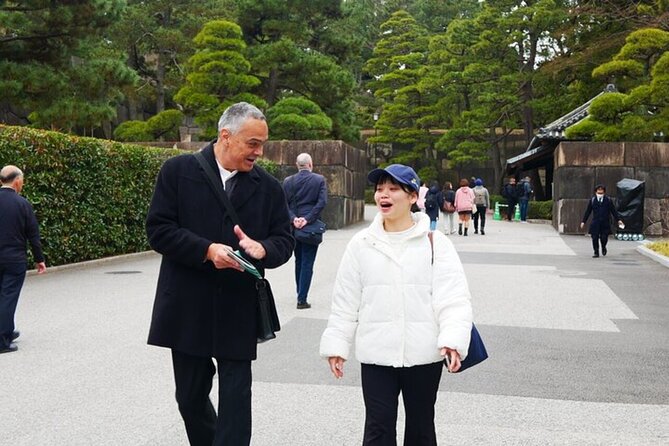
The tour is a walking experience, but the pace appears gentle. Guides adjusted for senior groups, stopped when needed, and answered questions without rushing. Naoko was praised for patiently guiding a group of eight seniors, while Mikio received appreciation for making regular stops for a pair who preferred to walk slowly.
One guide, Hitoshi, was specifically praised for helping a guest who uses a wheelchair. That is encouraging, but you should still confirm current access details before booking if mobility is a major concern. The supplied information does not promise a fully accessible route or describe every surface, slope, or entrance.
Wear comfortable shoes and prepare for outdoor conditions. A rainy day did not ruin the experience for some groups, but weather clearly affects a garden walk. A light rain jacket or umbrella can make the two hours much more pleasant.
The tour returns to Wadakura Fountain Park. It is not designed as transport to another attraction, although individual guides may help you find your next stop.
The guides are the real reason to book
The guide quality is the strongest part of this experience. Across many bookings, visitors praised clear English, patience, warmth, and a talent for explaining complicated periods in simple terms.
Shigeru was praised for a broad introduction to Japanese history, cultural details, photographs, and help with subway directions. Masahito was described as friendly, well prepared, good humored, and full of useful facts. Naoko received praise for her teaching style, visual explanations, and patience with older visitors.
Hitoshi appears particularly suited to people who want a careful, personal visit. He helped a wheelchair user, assisted another person after the tour, and was praised for giving groups enough time. Mikio adapted the pace and used images to explain parts of Edo Castle that no longer exist.
The exact guide is not guaranteed, so you should not book solely for one person. Still, the repeated praise suggests a strong guide pool rather than a single lucky match.
Who should book this two-hour tour?
I would recommend it to first-time visitors who want a clear introduction to Tokyo’s political and imperial past. It also suits families with older children, senior visitors, and anyone who prefers a calm walk instead of a packed sightseeing schedule.
It is a good choice if you enjoy asking questions. The guides appear willing to explain architecture, culture, garden design, shoguns, daimios, emperors, and daily life around the site.
You may want to skip it if you need to enter the Imperial Palace, see preserved castle rooms, or spend a full day outside Tokyo. Independent history fans may also prefer the free garden and their own guidebook.
Book carefully around the garden’s closure on Mondays and Fridays. At the entrance, expect a baggage inspection. If you plan to buy Japanese knives or another item that could be treated as a weapon at Tsukiji, Asakusa, or elsewhere, store it in a coin locker before the meeting.
Should you book the East Gardens tour?
Book it if you value explanation more than admission. The garden is free, but the right guide makes the old walls, foundations, entrances, ponds, and royal connections much easier to understand.
At $42, this is not Tokyo’s cheapest outing. Yet the short format, English guidance, relaxed pace, and strong record of helpful guides make it a sensible choice for many visitors. You will not enter the Inner Palace, and you will not see a fully restored Edo Castle. You will, however, walk through a peaceful part of central Tokyo with a clearer idea of how shogun rule and imperial history shaped the city.
FAQ
How long does the tour last?
The tour lasts two hours, including the guided walk through the Imperial Palace East Gardens.
Where does the tour begin?
Meet your guide in front of the fountain at Wadakura Fountain Park. The guide will hold a sign marked Gotcha.
Where does the tour finish?
The tour returns to Wadakura Fountain Park.
Does the tour enter the Imperial Palace?
No. The tour does not enter the Inner Palace or private Imperial Palace areas.
Is the East Garden open every day?
No. The East Garden is closed on Mondays and Fridays.
What language is the tour offered in?
The tour includes a live English-speaking guide.
Is admission to the East Gardens included?
The garden itself is free to enter. The $42 price covers the guided walking experience.
Is there a baggage inspection?
Yes. Visitors are subject to a baggage inspection when entering the Imperial Palace grounds. Leave Japanese knives and similar items in a coin locker before the meeting.
Just added around Tokyo
- Private tour – Scenic Fuji Escape: Hakone, Peace Park & More★ 5.0 · 4 reviews
- Tokyo: Serene Sakura & Sake: An Exclusive Brewery Pairing Lunch★ 5.0 · 2 reviews
- TOKYO: Tailored Gardens tour with Pro Gardener by E-bike -BASIC★ 5.0 · 2 reviews
- Tsukiji Food Strolling and Hama Rikyu Garden Walking Tour★ 5.0 · 7 reviews
- Full Guided Mt. Fuji & Shiba-Sakura Festival One Day Pvt.Tour★ 5.0 · 6 reviews
- Tokyo Cherry Blossom Half Day Walking Tour with a Local Guide★ 3.5 · 4 reviews
- Cherry Blossom Highlights, Asakusa, Ueno, Imperial Palace Garden★ 4.5 · 4 reviews
- Licensed Guide Tokyo Meguro Cherry Blossom Walking Tour★ 4.5 · 13 reviews
Tokyo Garden Tours, compared.
Imperial Palace East Garden and Edo Castle Walking Tour in Tokyo
Read our review →
Mt. Fuji Day Trip from Tokyo with English Speaking Driver Guide
Read our review →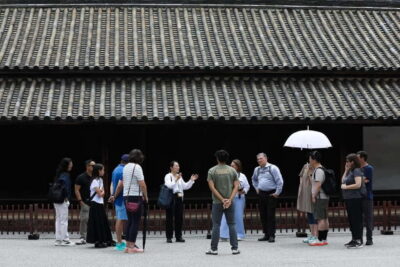
Tokyo Private Tour! Edo Castle & Imperial Palace East Gardens
Read our review →
Mount Fuji & Lake Kawaguchiko Private Tour: Beyond the Ordinary
Read our review →
Rainbow Bridge Day Cruise Show and Only Soft Drinks
Read our review →
Tsukiji Market and Hama-rikyu Gardens Guided Tour
Read our review →Browse the lists this tour appears in