
Review · TOKYO
Private tour – Scenic Fuji Escape: Hakone, Peace Park & More
Fuji rewards a day with room to roam. This private trip links Hakone, several Fuji lakes, forest shrines, volcanic scenery, and famous viewpoints without putting you on a large coach. I especially like the private vehicle for up to six people and the chance to adjust the day with an English-speaking guide such as Puskal, who has helped visitors with directions, photos, and local background. The main drawback is the ambitious route: nine stops in about nine hours can make the day feel rushed, and Mount Fuji itself is never guaranteed to appear through clouds.
I also like that the day goes beyond postcard views. You get old cedar forests, spring-fed ponds, a lakeside park, a Buddhist peace monument, and the chance to eat ramen along the way, although lunch and entrance fees cost extra. Check the exact schedule before booking, since the tour is described as about nine hours while the additional information refers to an eight-hour experience and charges for extra time.
Key details that shape the day
- A private route from Tokyo: Your group alone rides in an air-conditioned vehicle, with pickup and drop-off included.
- Nine major stops: The route covers Hakone, Lake Yamanaka, Oshino Hakkai, Lake Kawaguchi, Oishi Park, Mount Fuji’s 5th Station, Chureito Pagoda, and two important shrines or parks.
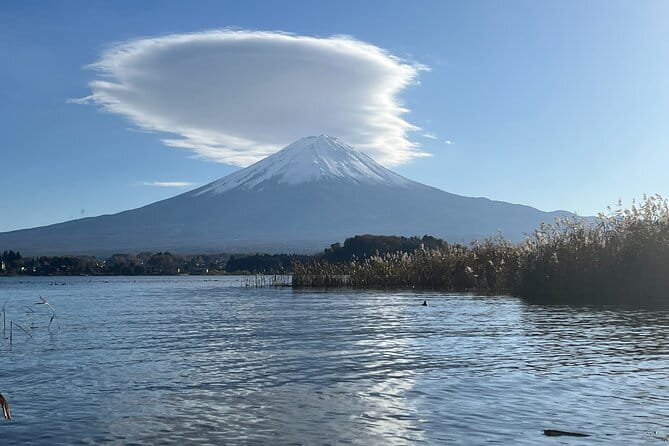
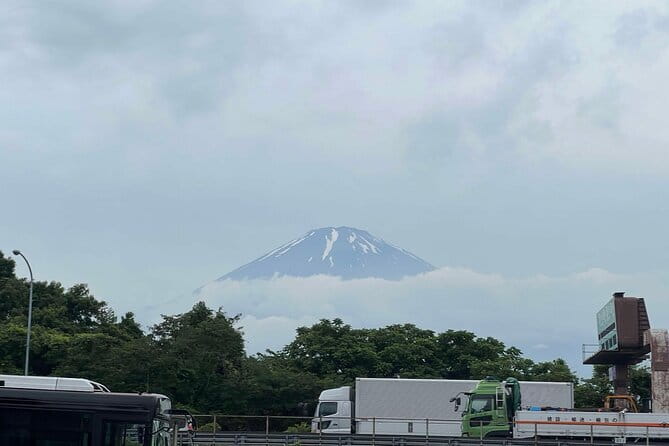
- Mount Fuji views come with weather risks: The tour offers many viewing points, but clouds and rain can hide the mountain.
- A useful mix of nature and culture: You move from volcanic valleys and lakes to Shinto shrines, Buddhist monuments, and rural villages.
- Moderate walking is required: Expect shrine paths, park walks, and 398 steps at Chureito Pagoda.
- The price favors a full group: At $465 per group for up to six people, the per-person cost falls sharply when shared among several people.
A long Fuji day from Tokyo
This is not a quick photo stop at Mount Fuji. It is a broad circuit through the Fuji and Hakone area, with the vehicle doing the hard work between widely separated sights.
The advertised duration is about nine hours, and that is a useful minimum expectation for planning your day. The listed stops alone add up to roughly seven and a half hours, before you account for Tokyo pickup, highway travel, traffic, meals, and transfers between sights. You should expect a full day rather than a relaxed afternoon outing.
The private format matters here. With only your own group in the vehicle, you do not have to wait for strangers at every stop. The guide can walk with you at places such as the shrine grounds and Chureito Pagoda, and Puskal has been praised for helping people find their way and take photographs. That kind of assistance is especially useful at busy viewpoints and large temple or shrine grounds.
The tradeoff is simple: more stops mean less time at each one. If you want a slow onsen visit in Hakone, a long lunch, or a full walk around a lake, this plan gives you limited room. If you want to see many sides of the Fuji region in one day, the route makes good sense.
Other gardens people visit around Tokyo:
- Imperial Palace East Garden and Edo Castle Walking Tour in Tokyo
★ 5.0 · 510 reviews - Mt. Fuji Day Trip from Tokyo with English Speaking Driver Guide
★ 5.0 · 443 reviews - Tokyo: Imperial Palace East Gardens Walking Tour
★ 4.8 · 353 reviews
Hakone and the volcanic side of Fuji
The day begins with Hakone, a mountain area west of Tokyo within Fuji-Hakone-Izu National Park. Hakone is known for hot springs, Lake Ashi, Hakone Shrine, and the sulfurous Owakudani Valley.
The listed time here is one hour, so think of this as an introduction rather than a full Hakone visit. The description highlights the ropeway and volcanic valleys, which are among the area’s most memorable sights. From the ropeway, you can see steep mountain terrain and, when conditions cooperate, Mount Fuji. Owakudani adds a different mood, with volcanic activity and sulfur fumes rather than polished resort scenery.
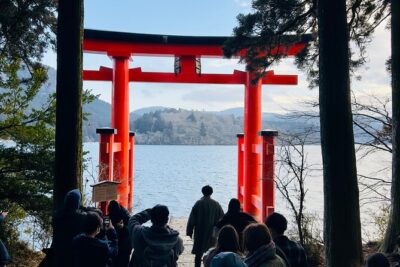
Hakone also gives the trip historical and spiritual weight. Hakone Shrine sits near Lake Ashi, with its famous red torii gate over the water. The itinerary mentions a boat tour as part of the area, but the schedule does not clearly promise a cruise here, so ask your guide what is included on your date.
One hour goes quickly. You may need to choose between a short look at the lake, the shrine area, and volcanic scenery. The tour description also mentions riding the ropeway, but specific admission costs are not included. Set aside money for any paid attractions you choose.
Lake Yamanaka and the first open Fuji views
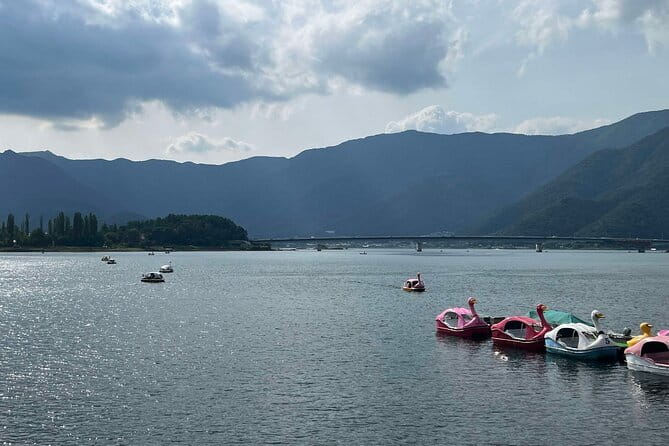
Lake Yamanaka receives only 30 minutes, but it adds a quiet pause after Hakone’s mountain roads. It is one of the Fuji Five Lakes and is known for boating, fishing, walking paths, and views toward Mount Fuji.
This is a good place to stretch your legs and see the mountain in a broad natural setting. The lake is more about calm water and open views than monuments or formal attractions. If the sky is clear, you may get one of the day’s cleanest views of Fuji.
The short stop also reveals the limits of the schedule. You will not have time for boating or a long walk in half an hour. Admission is not included, although simply stopping near the lake may not require a ticket. Treat this as a scenic break, not a full lake excursion.
Oshino Hakkai and Fuji’s spring water
Oshino Hakkai offers one of the most distinctive stops on the route. Its eight clear ponds are fed by snowmelt from Mount Fuji, and the surrounding village has traditional thatched-roof houses and a rural feel.
The one-hour visit should give you time to walk among the ponds, look at the water, and explore the nearby paths. This is a more intimate view of the Fuji area than a roadside lookout. Instead of seeing the mountain only as a distant peak, you see how its snowmelt shapes the local countryside.
Oshino Hakkai can also be a pleasant place to pause for food, and the tour description specifically mentions authentic ramen. Lunch is not included, so you will pay separately. Keep in mind that the stop has an admission cost listed as not included, and your guide can clarify what you need to pay for access.
The clear pools and old-style buildings make this a strong stop for photographs. Still, the visit is not designed for a long village stay. If you like taking time with local food or browsing every small shop, you may wish the schedule allowed more than an hour.
Same place, a different sort of green day out:
- Mt. Fuji, Cherry Blossom & Shiba Sakura Pvt. Day Tour
★ 5.0 · 326 reviews - Tokyo: Edo Castle & East Garden of the Imperial Palace Tour
★ 4.7 · 112 reviews - Tokyo Private Tour! Edo Castle & Imperial Palace East Gardens
★ 5.0 · 105 reviews - Mount Fuji & Lake Kawaguchiko Private Tour: Beyond the Ordinary
★ 5.0 · 78 reviews
Kitaguchi Hongu Fuji Sengen Shrine beneath old cedars
For a quieter cultural stop, Kitaguchi Hongu Fuji Sengen Shrine may be the highlight of the day. This Shinto shrine honors the deity connected with volcanoes and Mount Fuji, and it forms part of the Mount Fuji UNESCO World Cultural Heritage site designated in 2013.
The approach is the real reward. Tall cedar trees shade a long path lined with mossy stone lanterns, creating a cool, solemn setting far removed from city streets. The shrine grounds cover about 99,000 square meters, and four enormous trees are believed to be about 1,000 years old, each with a girth of roughly 23 meters.
You have 45 minutes here. That is enough to absorb the atmosphere and see the main features, but not enough for an unhurried exploration of the entire grounds. Admission is not included. Wear shoes that handle uneven paths, and remember that this stop adds walking even before the pagoda stairs later in the day.
This shrine also gives context to Mount Fuji. The mountain is not only a scenic subject. It has long been tied to pilgrimage, volcano worship, and sacred geography. A guide who explains those connections can make the stop much more meaningful than a quick photograph.
Lake Kawaguchi and Oishi Park
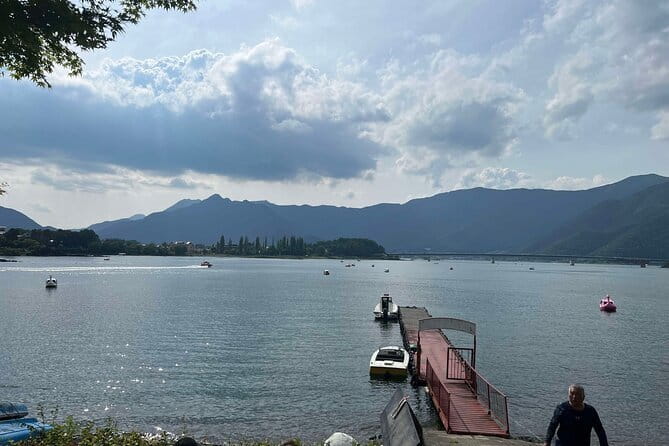
Fujikawaguchiko and Lake Kawaguchi provide the most polished viewing stretch of the itinerary. Lake Kawaguchi is the lowest and second-largest of the Fuji Five Lakes by surface area, and its north shore offers broad views across the water toward Mount Fuji.
The general lake stop lasts 45 minutes, followed by another 45 minutes at Oishi Park. That gives you a useful amount of time in the area, though the two visits may feel similar if the weather is poor.
Oishi Park is especially attractive during flower seasons. A lakeside promenade is planted with flowers that change throughout the year, framing views of the lake and Mount Fuji. On clear days, this is the kind of spot where you can take the classic three-part image: flowers in front, water in the middle, and Fuji behind.
The park has free parking and serves as a rest point for people touring by bicycle or motorcycle. For you, its main value is the easy walk and open view. If clouds hide Fuji, the flowers and lake still offer something to see, but the park loses much of its main appeal.
Mount Fuji’s 5th Station at high altitude
The Mount Fuji 5th Station brings you closer to the mountain itself. Fuji rises to 3,776 meters and has been a pilgrimage site for centuries, as well as one of Japan’s three sacred mountains.
A one-hour stop here offers a chance to experience the mountain environment without climbing to the summit. The 5th Station is a common starting point for summit hikes, but this tour does not promise a hike. It is best understood as a high viewpoint and mountain access point.
The elevation can make this stop feel different from the lakes below, though the supplied information does not specify the exact station altitude or seasonal access. Road conditions and weather can affect the visit, so confirm the day’s plan with your guide.
Admission is not included. Since this is one of the trip’s paid stops, budget for the fee before you go. Also remember that clouds can block the view even when you have made the drive. The mountain remains impressive as a physical presence, but clear photographs depend on luck.
Chureito Pagoda and its famous staircase
Chureito Pagoda is one of the best-known Fuji viewpoints, but reaching it requires effort. The pagoda sits in Arakurayama Sengen Park and is reached by 398 steps.
The one-hour stop gives you time to climb, pause, and take in the view if the weather is clear. The five-story pagoda was added in 1963 as a peace memorial and forms part of the Arakura Fuji Sengen Shrine grounds.
This is a place where the private guide can be genuinely useful. The path and viewpoint are straightforward, but you may appreciate help with directions and photos once you reach the upper area. The stairs are the clearest physical demand of the tour, so a moderate level of fitness is needed.
Chureito is also one of the stops most affected by bad weather. In rain or low cloud, you can still see the pagoda and surrounding park, but the famous combination of pagoda and Mount Fuji may disappear. Do not judge the entire day by one missed view. The itinerary gives you several more chances.
Fuji Bussharito Heiwa Park and its Buddhist monument
The final major stop is Fuji Bussharito Heiwa Park in Gotemba. The park sits on the mountainside of the outer rim of the Hakone crater and offers views over the city and toward Mount Fuji.
Its main symbol is a pale stupa containing Buddha’s ashes presented by former Indian Prime Minister Jawaharlal Nehru. Four golden Buddha images are also housed there, and guardian dogs representing different Asian countries line up in front of the stupa.
A circuit-style Japanese garden adds a slower, more reflective finish to the day. The visit lasts 45 minutes and admission is free. This is not simply another Fuji lookout. It brings Buddhist imagery, international connections, and a peace theme into a route that has already included Shinto worship and volcanic nature.
The park’s setting can make it a pleasant final stop, though the day may feel long by this point. You will have visited many sites, climbed stairs, and spent hours on the road. The private vehicle becomes particularly valuable on the return journey.
What the $465 group price really buys
The cost is $465 per group of up to six people. Split six ways, that is $77.50 per person before any extra fees. A group of four pays $116.25 each, while two people pay $232.50 each.
The price includes an air-conditioned vehicle, private transportation, highway charges, pickup and drop-off, and an English-speaking guide. Those inclusions matter on a route with several distant stops. You are paying for door-to-door transport and a guide who can keep the day moving, not just for admission to one attraction.
Lunch, tips, and entrance fees are extra. The listing also says additional hours beyond the stated eight-hour experience incur an extra charge, so confirm the time allowance before departure. The tour summary describes approximately nine hours, which makes this point especially important.
For six people, the price is attractive. For a couple, it is more of a convenience purchase than a budget outing. The value improves if you care about avoiding public transport changes, want a private schedule, or need help coordinating a complicated Fuji-area route.
Weather, pace, and practical comfort
Mount Fuji is a weather-dependent sight. One review describes a cloudy and rainy day, while another describes a same-day booking that was handled with a 10 a.m. pickup. The first detail is a reminder that careful planning cannot guarantee a clear mountain. The second shows that the provider may be able to respond quickly, although you should not assume same-day availability.
Bring clothing and footwear suited to a full day outdoors. You will walk at shrines and parks, climb 398 steps at Chureito, and move through mountain areas. The tour requires moderate physical fitness.
Pickup is offered in Tokyo, and the activity returns to the meeting point. Confirmation is received at booking, and the route is near public transportation, though the private vehicle is the main way to handle this itinerary.
Free cancellation is available if you cancel at least 24 hours before the start time. Cancellations within 24 hours are not refunded, and changes made inside that period are not accepted.
Should you book this Fuji escape?
Book it if you want to see many parts of the Mount Fuji region in one day and value a private vehicle, personal guiding, and pickup from Tokyo. It suits families, friends, and small groups who can share the $465 cost and who prefer convenience over a slower, more focused visit.
You should think twice if your priority is a long Hakone ropeway outing, an onsen visit, a full lake cruise, or a relaxed lunch. The route is ambitious, and clear Fuji views are never promised.
For the best fit, book on a day when you can accept some weather risk, confirm the eight-hour versus nine-hour timing, and budget for lunch and admission fees. If you want a broad first look at Fuji country, this private circuit gives you a lot in one day. If you want depth, choose fewer stops.
FAQ
Where does the tour begin and end?
The tour begins in Tokyo, Japan, with pickup offered, and ends back at the meeting point.
How long does the tour last?
The tour summary describes an approximately nine-hour experience. Additional information refers to an eight-hour experience and says extra hours incur an additional charge, so confirm the exact allowance before departure.
How many people can join the private tour?
The private vehicle can accommodate a group of up to six people. Only your own group participates.
Is transportation included?
Yes. The price includes an air-conditioned vehicle, private transportation, highway charges, pickup, and drop-off.
Are meals and entrance fees included?
No. Lunch, tips, and entrance fees are not included. Several stops list admission as not included, including Lake Yamanaka, Oshino Hakkai, Kitaguchi Hongu Fuji Sengen Shrine, and Mount Fuji’s 5th Station.
How physically demanding is the experience?
A moderate level of physical fitness is recommended. You will walk at several shrines and parks, and Chureito Pagoda requires climbing 398 steps.
Can I cancel for a full refund?
Yes, if you cancel at least 24 hours before the experience starts. Cancellations made less than 24 hours before the start time are not refunded, and changes within that period are not accepted.
Just added around Tokyo
- TOKYO: Tailored Gardens tour with Pro Gardener by E-bike -BASIC★ 5.0 · 2 reviews
- Tsukiji Food Strolling and Hama Rikyu Garden Walking Tour★ 5.0 · 7 reviews
- Tokyo: Serene Sakura & Sake: An Exclusive Brewery Pairing Lunch★ 5.0 · 2 reviews
- Full Guided Mt. Fuji & Shiba-Sakura Festival One Day Pvt.Tour★ 5.0 · 6 reviews
- Tokyo Cherry Blossom Half Day Walking Tour with a Local Guide★ 3.5 · 4 reviews
- Cherry Blossom Highlights, Asakusa, Ueno, Imperial Palace Garden★ 4.5 · 4 reviews
- Japanese Garden & Western Architecture: Akasaka exploration tour★ 5.0 · 9 reviews
- Licensed Guide Tokyo Meguro Cherry Blossom Walking Tour★ 4.5 · 13 reviews
Tokyo Garden Tours, compared.
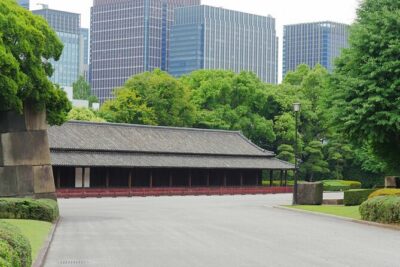
Imperial Palace East Garden and Edo Castle Walking Tour in Tokyo
Read our review →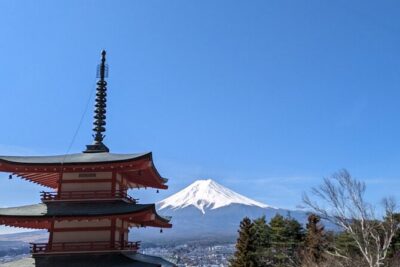
Mt. Fuji Day Trip from Tokyo with English Speaking Driver Guide
Read our review →
Edo Castle & East Garden of the Imperial Palace Tour
Read our review →
Tokyo Private Tour! Edo Castle & Imperial Palace East Gardens
Read our review →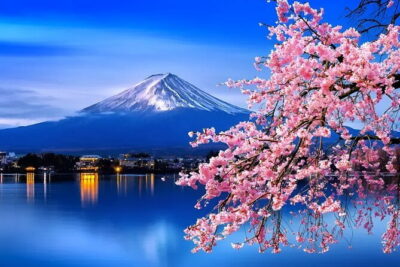
Mount Fuji & Lake Kawaguchiko Private Tour: Beyond the Ordinary
Read our review →
Rainbow Bridge Day Cruise Show and Only Soft Drinks
Read our review →Browse the lists this tour appears in