
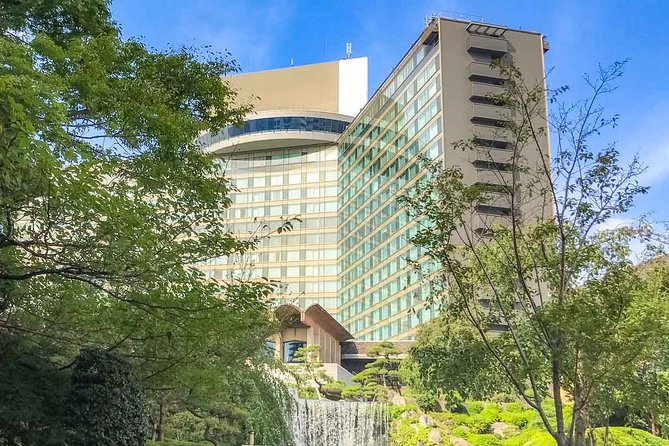
Review · TOKYO
Japanese Garden & Western Architecture: Akasaka exploration tour
Tokyo’s quiet side is waiting. This private Akasaka tour links a 400-year-old Japanese garden with Akasaka Palace, a Meiji-era museum, and the famous ginkgo-lined avenue. I like the mix of polished landmarks and peaceful green spaces, and I especially like having a local guide explain the Edo shogunate and modern Tokyo along the way. The main drawback is the extra ¥2,000 admission fee for Akasaka Palace, plus a good deal of walking.
The route takes about three to four hours and begins near Akasaka-Mitsuke Station before finishing at Gaiemmae Station. I would choose it if you want history with breathing room rather than a packed sightseeing bus, but you should check the day’s exact route if the Inari Shrine is a priority, since the listed main stops focus on the garden, palace, gallery, and ginkgo avenue.
Key points at a glance
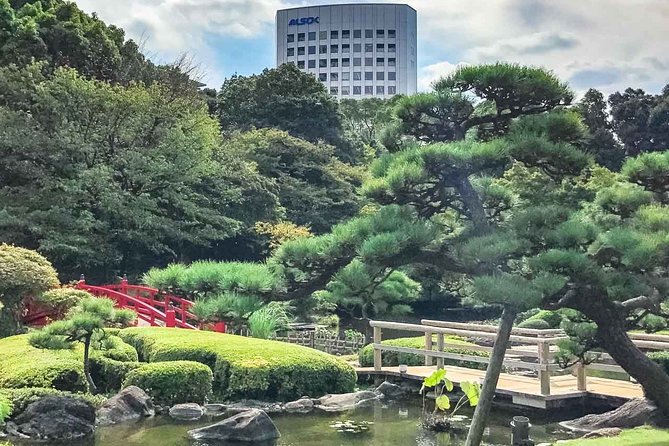
- A 400-year-old garden begins the walk: Hotel New Otani Japanese Garden offers waterfalls, seasonal plants, and a pondside setting in central Tokyo.
- Akasaka Palace is the major paid stop: The grand State Guesthouse feels more like a European castle than a typical Japanese palace.
- The Meiji Memorial Picture Gallery adds historical context: Its dome-shaped building and murals connect the route to Japan’s modernizing era.
- The tour finishes beneath ginkgo trees: Jingu Gaien’s tree-lined street gives you a calm, photogenic ending near Gaiemmae Station.
- This is a private walking experience: Your group has the guide to itself, allowing questions and some flexibility.
- Budget for more than the tour price: The listed price is $82.42 per person, with ¥2,000 per person for admission to Akasaka Palace.
Why Akasaka makes a fine change of pace
Tokyo can feel like a wall of towers, traffic, and train stations. Akasaka gives you a different view. Here, formal gardens, shrines, historic government buildings, museums, and broad avenues sit close together.
I like this area for that contrast. You can begin among carefully arranged rocks, ponds, and waterfalls, then move to a palace built for foreign dignitaries, and finish under a canopy of ginkgo trees. The route is not a single grand sight with a quick photo stop. It is a lesson in how old Japan and modern Japan occupy the same central district.
The historical thread begins with the Tokugawa shogunate and the Edo period. Your guide explains how power, ceremony, gardens, and public spaces developed during that era. The later stops shift toward the Meiji period, when Japan moved rapidly toward a modern state and opened itself more fully to the outside world.
That progression gives the tour purpose. You are not simply checking off four unrelated sights.
More Japanese Gardens in Tokyo:
- Tokyo Japanese Garden Lover’s Private Tour with Government-Licensed Guide
★ 5.0 · 27 reviews - Experience Crafting a Flower-Adorned Mini Japanese Garden
★ 4.7 · 15 reviews - Tokyo: Full-Day Japanese Garden Private Guided Tour
★ 4.6 · 13 reviews
Starting at Hotel New Otani Japanese Garden
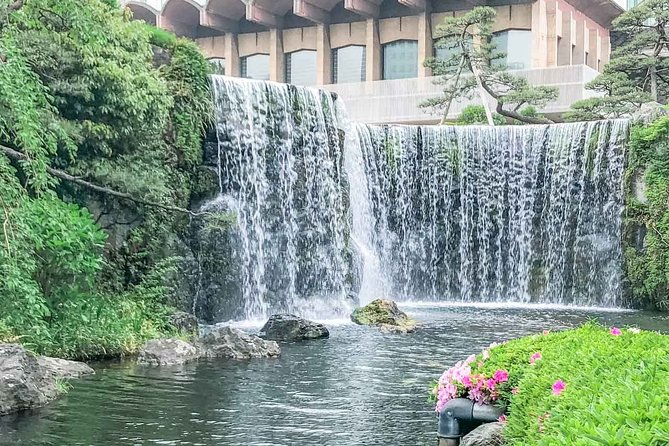
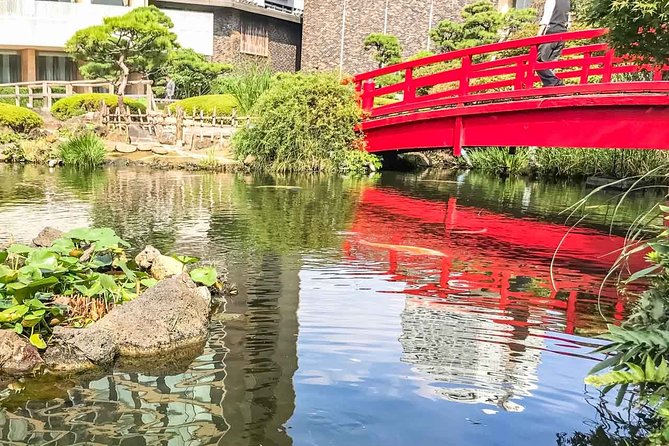
The first stop is the Hotel New Otani Japanese Garden, a large garden with about 400 years of history. The garden includes waterfalls and seasonal plants, and the setting changes with the calendar.
Spring brings cherry blossoms. Summer brings thick green growth. Autumn offers colorful foliage and illumination. Those seasonal changes matter in Japan, where gardens are designed to reward careful observation rather than provide one fixed display all year.
Allow about 40 minutes here. That is enough time for a gentle walk and an explanation of the garden’s design, though it will not allow you to inspect every corner at a slow pace. I would keep your camera ready, but also pause to watch the water and pond reflections. The appeal is quiet and measured, not dramatic.
One especially useful part of a private tour is the chance to ask why a garden is arranged as it is. A local guide can help you notice the relationship between rocks, water, plants, paths, and viewing points. Without that context, you may simply see a pretty garden. With it, the stop becomes an introduction to Japanese aesthetics and the way history survives in an urban setting.
A tea stop may also be possible through your guide. One guide helped arrange a reservation at an authentic tea shop for a guest, but tea is not included in the tour and should not be treated as a guaranteed part of the schedule. If that experience matters to you, ask in advance.
Akasaka Palace and the ¥2,000 decision
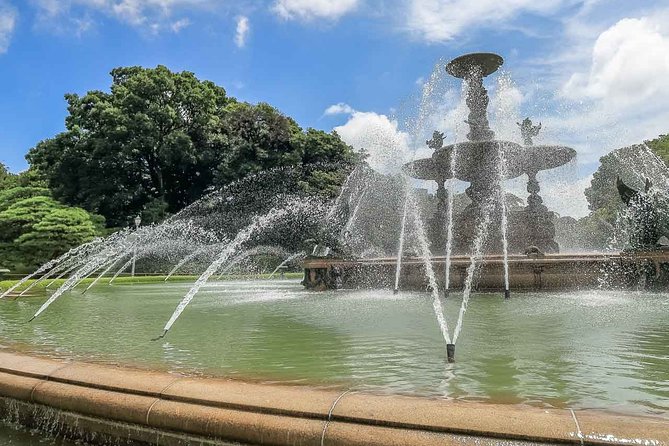
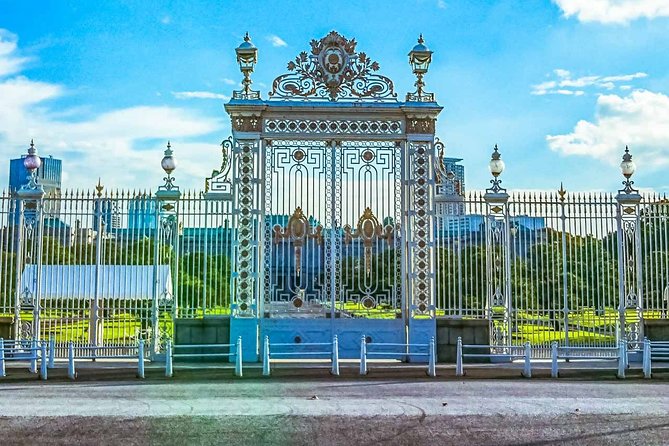
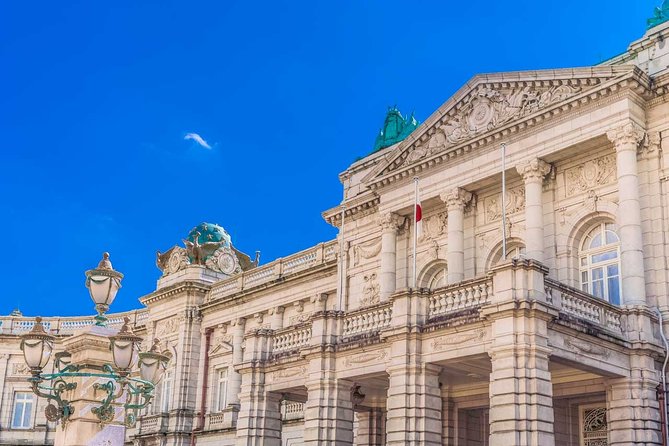
Akasaka Palace, also called the State Guesthouse, is the tour’s grandest sight. It receives kings, presidents, and other official visitors, and its exterior has the formal scale of a European castle.
Plan on roughly 50 minutes here. The palace is also the only clearly listed admission charge, at ¥2,000 per person. That fee is not included in the $82.42 tour price, so I would budget for it before booking.
The palace is a strong choice for anyone interested in diplomacy, architecture, or the public face of modern Japan. It offers a different kind of cultural experience from the garden. The garden is intimate and reflective. The palace is ceremonial, symmetrical, and designed to impress.
The building was opened to the public in 2016, which makes the visit feel relatively new as a public attraction, even though the site carries older political meaning. You can imagine the contrast between everyday Tokyo outside the gates and the formal world created for state occasions inside.
There is one practical point to keep in mind: the tour may not linger as long as an independent palace visit. The schedule allows about 50 minutes, and the guide needs to keep the full route moving. If Akasaka Palace is your main reason for booking, ask how much time will be spent inside and what areas are open on your date.
The Meiji Memorial Picture Gallery
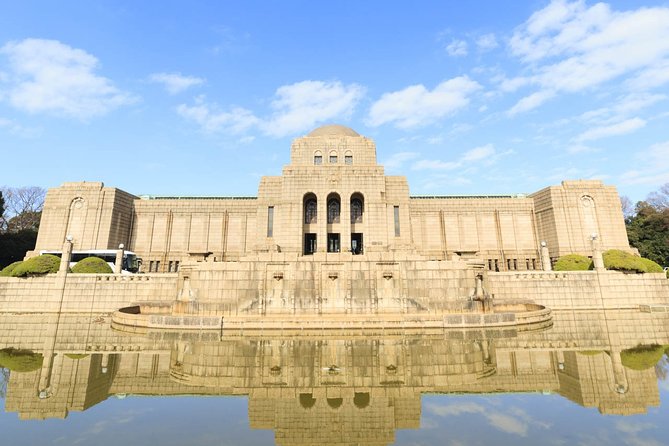
The third major stop is the Meiji Memorial Picture Gallery, a dome-shaped museum focused on the Meiji era. About 40 minutes is set aside here.
The gallery contains paintings and murals connected to the period. The building itself is part of the attraction, and the view from the entrance toward the outer garden and Aoyama Street adds a sense of place before you even study the displays.
This stop works best after Akasaka Palace because it helps explain Japan’s transition from the Tokugawa period into the Meiji era. The tour moves from an older garden tradition to state ceremony and then to an institution focused on the era of modernization.
Admission is not included. The supplied details identify the Akasaka Palace fee specifically, but they do not provide a separate entrance price for the gallery. Bring cash, since some places along the route do not accept credit cards.
I would not expect a major art museum visit here. The time is limited, and the purpose is to connect the building, paintings, and historical period. If you enjoy cultural context, the gallery should add real value. If you prefer gardens and outdoor sights, this is the stop most likely to feel less essential.
More Garden Tours in Tokyo:
- Imperial Palace East Garden and Edo Castle Walking Tour in Tokyo
★ 5.0 · 510 reviews - Tokyo: Imperial Palace East Gardens Walking Tour
★ 4.8 · 353 reviews - Tokyo: Edo Castle & East Garden of the Imperial Palace Tour
★ 4.7 · 112 reviews - Tokyo Private Tour! Edo Castle & Imperial Palace East Gardens
★ 5.0 · 105 reviews
Finishing under the Jingu Gaien ginkgo trees
The final stop is Jingu Gaien’s ginkgo tree-lined street, with about 20 minutes planned. The avenue is one of Tokyo’s recognizable seasonal scenes, especially when the trees turn yellow.
This is a simple ending, but a smart one. After a palace and museum, the open avenue gives you room to walk, take photographs, and absorb the change in atmosphere. The tree-lined setting also makes the tour feel less like a museum circuit and more like a neighborhood walk.
The route ends at Gaiemmae Station, not at the starting point. That is convenient if you plan to continue toward Aoyama or another western-central Tokyo district, but it requires a little planning if you left luggage or other belongings near Akasaka-Mitsuke Station.
The endpoint is also useful for understanding the tour’s shape. You start near Akasaka-Mitsuke and gradually work west toward Gaiemmae. Transportation costs are listed as zero, so the tour is intended to be experienced on foot rather than by a private vehicle or included train ride.
Where the Inari Shrine fits
The main description highlights Inari Shrine and the idea of kicking out bad spirits, along with gardens and parks. That gives the experience a shrine element and adds a more local, spiritual note to the historical theme.
However, the detailed four-stop schedule names Hotel New Otani Japanese Garden, Akasaka Palace, Meiji Memorial Picture Gallery, and Jingu Gaien’s ginkgo avenue. Since routes can change because of closures or weather, I would ask the operator whether the Inari Shrine is included on your date if it is important to you.
That small check can prevent a mismatch between what you expect and what the guide can deliver. The tour is still worthwhile without a shrine visit, but the shrine would add a useful contrast to the palace and museum.
The private guide makes the difference
This is a private tour, so only your group participates. That changes the pace and tone. You can ask why a garden feature matters, request clarification about the Edo period, or spend a little longer at a favorite view without worrying about a large group.
Several guides have received warm praise for being friendly, calm, and helpful. Sayaka was described as enthusiastic and ready for questions. Mutsuko Takano was praised for speaking great English and making the walk relaxing. Ume was especially good at showing secret gardens and quiet streets. Ayako, a new guide at the time, was appreciated for her calm and flexible approach.
Those details point to the main strength of the experience: the human guide. The tour is not built around a large supply of included attractions. It is built around interpretation, conversation, and help seeing familiar Tokyo in a more thoughtful way.
Guide experience may vary. One early visit with Ayako included a suggestion that the time at each destination should be decided more clearly. That is fair advice for a private tour. I would tell your guide at the start whether you care most about gardens, architecture, Japanese history, photography, or the palace. Clear priorities can make the limited three to four hours work better.
Walking, weather, and practical planning
Wear comfortable shoes and clothing. The tour involves substantial walking, and the four stops are spread between two stations. Most people can participate, but you should be prepared for an active half-day rather than a seated sightseeing experience.
Bad weather may change the transportation method, destinations, or route. Temporary closures can also lead to alternative stops. This flexibility is useful, but it means the exact experience is not fully fixed.
Bring cash. Some locations do not accept credit cards, and the palace admission is listed separately from the tour fee. The tour does not include meals or drinks, so plan to eat before or after, or ask your guide about a suitable stop if you need refreshments.
The starting point is Akasaka-Mitsuke Station at 3-chome-1-6 Akasaka, Minato City. The stated finishing point is Gaiemmae Station at 2-chome-7-16 Kitaaoyama, Minato City. If you want to end somewhere else, tell your guide. Do not assume the tour will return you to the start.
The mobile ticket is convenient, and confirmation is provided at booking. Free cancellation is available up to 24 hours before the start time. Cancellations or changes inside that window are not accepted for a refund.
Is $82.42 a fair price?
At $82.42 per person, this is not a bargain-basement walk. The value depends on how much you want a private guide.
You also need to add the ¥2,000 Akasaka Palace admission fee per person. Other entrance costs may apply if the gallery charges admission, since the available details do not give a separate amount. Food and drinks are entirely your responsibility.
For a private three to four-hour tour in central Tokyo, the price can make sense if you want historical explanation and help with the route. It is especially useful for a first visit, for couples or families who prefer their own pace, or for anyone who finds Japanese history difficult to place without a guide.
If you only want to see the garden and ginkgo trees, you can likely create a simpler outing independently. The price is harder to justify for a confident solo sightseer who is happy to use maps and read signs. The strongest value comes from the guide’s explanations and flexibility, not from transportation or included meals.
Group discounts are available, though no discount amount is provided. Since this is a private tour, larger groups may find the per-person cost more appealing.
Who should book this Akasaka walk?
I would recommend it to you if you want:
- A quieter side of Tokyo away from the main skyscraper districts
- A private guide rather than a large group
- Edo and Meiji history explained in plain language
- A mix of gardens, architecture, museums, and outdoor scenery
- A relaxed route that ends in a different neighborhood
- Help arranging an optional tea experience
I would hesitate if you want a food tour, a nightlife experience, or a full-day sightseeing schedule. There is no dining stop, no optional experience included, and no promise that every route detail will remain unchanged in poor weather.
Should you book it?
Book this tour if the idea of linking a Japanese garden, a formal state palace, Meiji-era art, and a famous ginkgo avenue appeals to you. The private format and strong guide feedback give it a personal feel, while the three to four-hour length fits neatly into a Tokyo morning or afternoon.
Before paying, confirm the Inari Shrine plans, ask about any additional museum admission, and remember the separate ¥2,000 palace fee. If you are happy walking and want history tied to real places, this is a thoughtful way to see Akasaka without rushing from one famous address to the next.
FAQ
How long does the Akasaka exploration tour last?
The experience lasts approximately three to four hours.
Where does the tour begin?
It begins at Akasaka-Mitsuke Station, at 3-chōme-1-6 Akasaka, Minato City, Tokyo 107-0052.
Where does the tour finish?
The stated endpoint is Gaiemmae Station, at 2-chōme-7-16 Kitaaoyama, Minato City, Tokyo 107-0061.
Is this a private tour?
Yes. Only your group participates in the private tour or activity.
What is included in the tour price?
A tour guide, the private tour, and the necessary expenses for the guide are included.
Is Akasaka Palace admission included?
No. Admission to Akasaka Palace costs ¥2,000 per person and is paid separately.
Are transportation costs included?
The estimated transportation cost is listed as ¥0 per person. The route involves walking between the featured locations.
Does the tour include food or drinks?
No. The tour does not include a dining stop, and food and drink costs are paid by the customer.
Can I cancel for a full refund?
Yes. You can cancel at least 24 hours before the local start time for a full refund. Changes or cancellations made less than 24 hours before the start time are not accepted.
Just added around Tokyo
- Private tour – Scenic Fuji Escape: Hakone, Peace Park & More★ 5.0 · 4 reviews
- TOKYO: Tailored Gardens tour with Pro Gardener by E-bike -BASIC★ 5.0 · 2 reviews
- Tsukiji Food Strolling and Hama Rikyu Garden Walking Tour★ 5.0 · 7 reviews
- Tokyo: Serene Sakura & Sake: An Exclusive Brewery Pairing Lunch★ 5.0 · 2 reviews
- Tokyo Cherry Blossom Half Day Walking Tour with a Local Guide★ 3.5 · 4 reviews
- Cherry Blossom Highlights, Asakusa, Ueno, Imperial Palace Garden★ 4.5 · 4 reviews
- Full Guided Mt. Fuji & Shiba-Sakura Festival One Day Pvt.Tour★ 5.0 · 6 reviews
- Licensed Guide Tokyo Meguro Cherry Blossom Walking Tour★ 4.5 · 13 reviews
Japanese Gardens, compared.
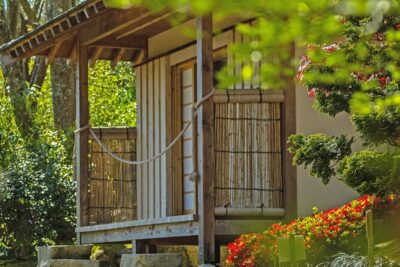
Lafcadio Hearn Japanese Gardens Admission Adult Ticket
Read our review →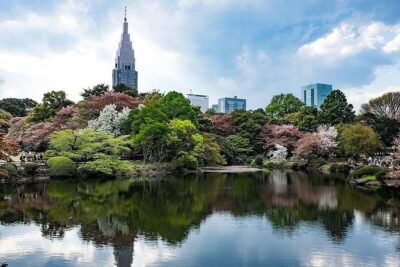
Tokyo Japanese Garden Lover’s Private Tour with Government-Licensed Guide
Read our review →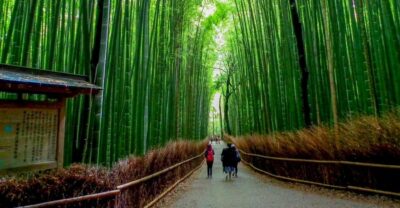
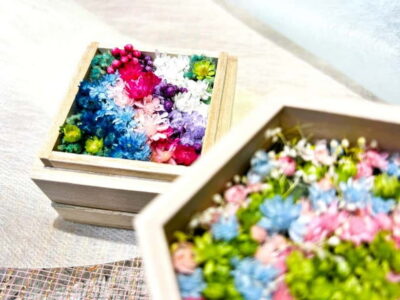
Experience Crafting a Flower-Adorned Mini Japanese Garden
Read our review →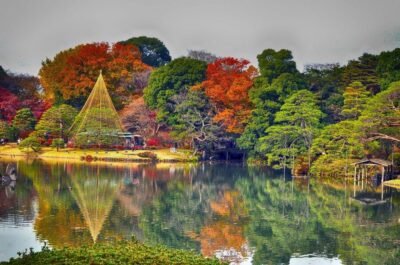
Kyoto Japanese Garden Lover’s Private Tour with Government-Licensed Guide
Read our review →
Historic Temple・traditional Japanese garden& Eating around at a shopping strip
Read our review →
Fairy Tale Colmar Tropicale, Japanese Garden, Genting Highlands
Read our review →Browse the lists this tour appears in