
Review · TOKYO
Tokyo: Full-Day Japanese Garden Private Guided Tour
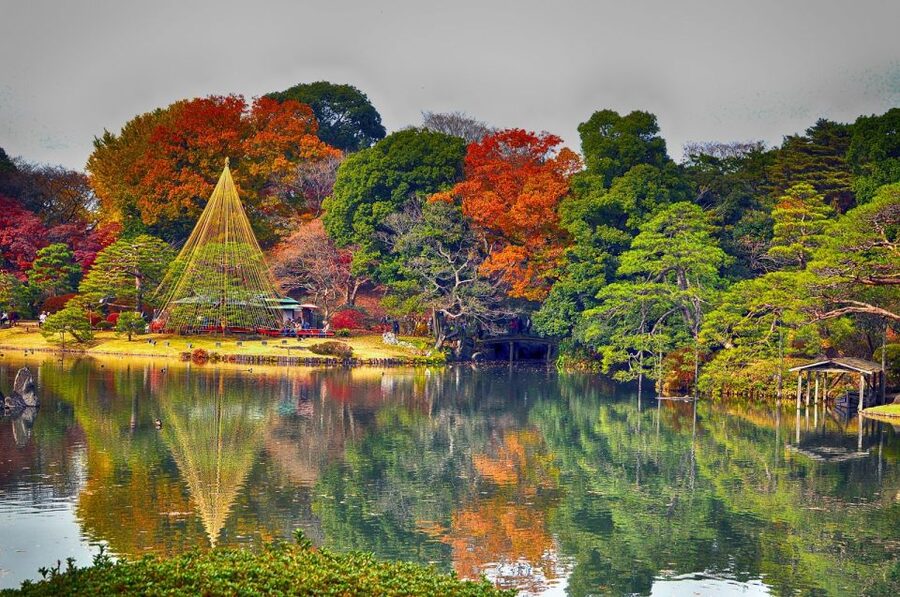
Tokyo’s gardens offer a calmer side of the city. This six-hour private tour gives you a licensed local guide, a flexible route, and a chance to connect grand palace grounds, shrine gardens, ponds, teahouses, and carefully planted public parks. You can choose your priorities, or let your guide build the day around them.
I like the private format, which lets you set the pace and focus on gardens that fit your interests. I also like the local help with transport, food, and timing, especially during busy cherry blossom periods. The main drawback is that the day can involve a lot of subway travel and walking, and the tour price does not include admission, meals, or transport costs.
Guides such as Yoshi, Kumi, Hiro, Tachi, and Yoko have provided friendly, flexible service on this experience. Yoshi, in particular, helped shape the day around his guests’ interests and offered useful advice about Tokyo restaurants and public transportation. Still, your exact route depends on your guide, the season, garden opening hours, and your chosen priorities.
Key points to know before booking
- A six-hour private route: You can request gardens that appeal to you, rather than follow a fixed group itinerary.
- A strong choice for first-time visitors: Your guide can connect several widely separated gardens and help you use Tokyo’s public transport.
- Three very different garden styles in one day: Shinjuku Gyoen can include a Japanese garden, a French rose garden, and an English-style park.
- Good support during cherry blossom season: Hiro helped guests reach the best sakura areas efficiently during a crowded spring visit.
- Walking and transit are part of the experience: The advertised route may include several train rides, so the day is not simply a quiet stroll from one garden to another.
- Extra costs matter: Food, entrance tickets, trains, and taxis are not included in the $151 per-person price.
Why a private garden tour works well in Tokyo
Tokyo is not a city where you casually wander from one major garden to the next. Its finest green spaces are spread across different districts, and each one has its own opening days, entrance arrangements, and nearby train stations. A guide can save you from spending half the day planning routes on your phone.
The private setup is the biggest benefit. You can tell your guide that you care most about ponds, teahouses, seasonal flowers, shrine grounds, formal planting, or quiet paths. You can also set a slower pace if you want time for photographs or explanation.
This flexibility matters because a garden can mean very different things in Japan. A formal garden tied to the Imperial family offers one kind of experience. A shrine garden offers another. A large city park may provide several design traditions in one place, while a smaller garden may be valuable for its calm atmosphere and carefully framed views.
The tradeoff is that flexibility requires clear communication. Before the day begins, tell your guide which gardens matter most to you and how much walking you can comfortably manage. Yoshi received praise for discussing interests in advance, while other guides adjusted the schedule during the day. That early conversation can make the difference between a well-paced outing and a rushed checklist.
More Japanese Gardens in Tokyo:
- Tokyo Japanese Garden Lover’s Private Tour with Government-Licensed Guide
★ 5.0 · 27 reviews - Experience Crafting a Flower-Adorned Mini Japanese Garden
★ 4.7 · 15 reviews - Japanese Garden & Western Architecture: Akasaka exploration tour
★ 5.0 · 9 reviews
Starting at the Imperial Palace garden
A sample route begins with pickup at your Tokyo hotel or another agreed meeting point. If your accommodation is within a reasonable walking distance, pickup on foot is included. Your guide waits in the hotel lobby or at a requested train station ten minutes before the scheduled meeting time.
The first stop may be the garden area connected with the Imperial Palace. This is a good opening because it introduces the formal side of Japanese garden design and places you in one of Tokyo’s most important historic settings.
Expect a stately garden rather than a wild park. The appeal is in the arrangement of paths, trees, water, open space, and views. Your guide can explain how the setting connects to Japan’s political and cultural past, giving more meaning to details you might otherwise pass without noticing.
The exact Imperial Palace areas visited can depend on access, timing, and the route your guide creates. Since admission costs are not included, ask your guide early about any entrance fees and whether the planned section is open that day.
Meiji Jingu Shrine and a quiet teahouse garden
The suggested route then moves to Meiji Jingu Shrine. The shrine itself is not a garden in the same formal sense as the Imperial Palace grounds, but it adds an important cultural layer to the day. Here, the setting connects religious practice, wooded paths, and modern Tokyo.
A guide is especially useful at a shrine because customs and symbols may not be obvious at first glance. You can ask about the role of the shrine, how visitors behave, and what separates a shrine setting from a Buddhist temple or a public garden.
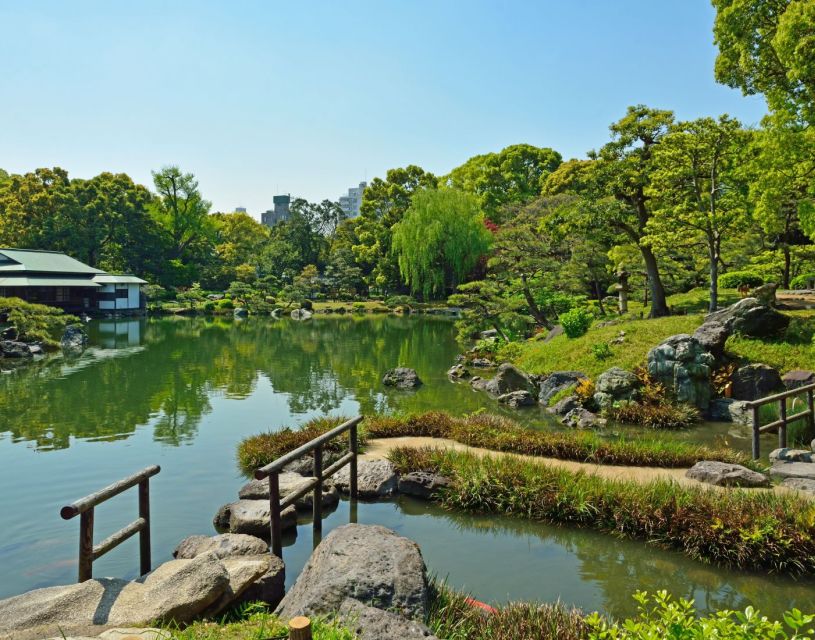
The itinerary may continue to a quieter garden with a pond and an appealing teahouse. This kind of stop provides a change of mood after the larger shrine grounds. Instead of grand scale, you get close views of water, planting, bridges, and architecture.
I would ask your guide how much time is planned for this garden. Smaller sites can be the most rewarding when you are not hurried, but they can feel brief if the route has already used too much time on transport. One disappointing experience involved two gardens that did not meet expectations, followed by a third garden that was closed. That is a useful warning: ask for a backup plan if a garden is unavailable.
Lunch near Harajuku
Lunch is not included, but Harajuku gives you many choices and fits naturally into a route that includes Meiji Jingu. Your guide can help you decide where to eat, and Kumi was praised for taking guests to one of her favorite Roman restaurants.
That detail points to one of the pleasant extras of a private guide. The tour is not only about garden gates. A local guide can help you make practical choices during the day, from restaurants to train routes and other places worth visiting later.
You should still treat lunch as part of the schedule, not an included feature. Food and drinks are your responsibility, and a long sit-down meal will reduce time available in the gardens. If gardens are your main reason for booking, tell your guide that clearly before the day starts.
More Full-Day Outings in Tokyo:
- Versailles Full Day Bike Tour with Palace, Gardens, & Picnic
★ 5.0 · 2,217 reviews - Giverny Monet’s Garden & Auvers-sur-Oise with Van Gogh House Full Day From Paris
★ 5.0 · 369 reviews - From Marseille: Valensole Lavender Full-Day tour
★ 4.7 · 259 reviews - From Aix-en-Provence: Valensole Lavender Full-Day Tour
★ 4.7 · 222 reviews
Shinjuku Gyoen’s three garden traditions
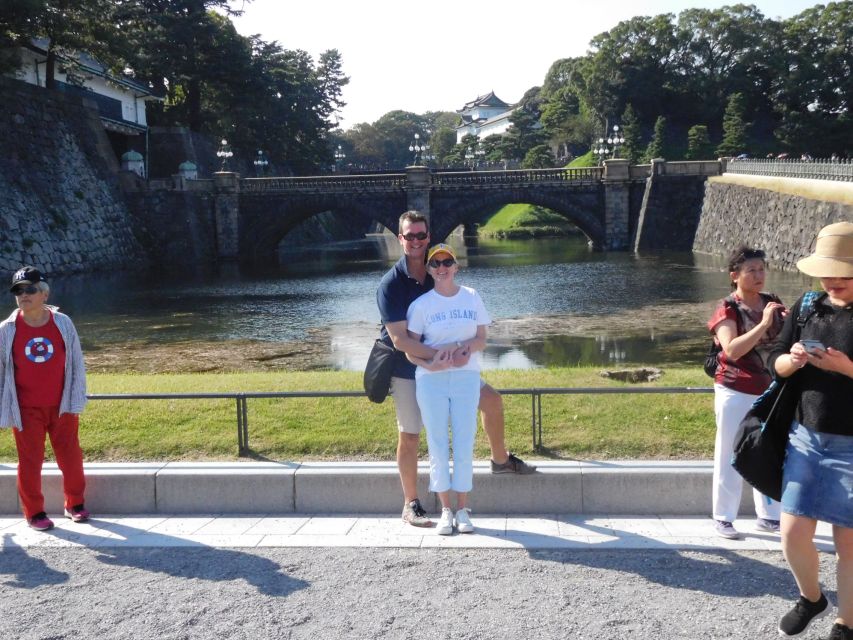
Shinjuku Gyoen is likely to be the most varied stop on the sample six-hour route. The park has several distinct sections, including a traditional Japanese garden, a formal French garden with large displays of roses, and an English-style garden with broad open views.
That variety gives you a useful lesson in how garden design changes across cultures. In the Japanese section, you can look for composed views, water, bridges, and carefully placed plants. The French section is more formal and geometric, with roses planted in massed displays. The English section uses open lawns and a looser arrangement.
The park is also a strong seasonal choice. During cherry blossom season, it can draw large crowds. Hiro received praise for arranging a spring route that reached the best sakura areas efficiently despite the crowds. If you visit during blossom season, the private guide may be most valuable as a timing and navigation resource, not simply as a source of facts.
The downside is scale. Shinjuku Gyoen is large, and seeing its main sections takes time and walking. You will not get a full, leisurely experience of every area if you also want to visit several other gardens in the same six-hour period.
Choosing from Tokyo’s other major gardens
The tour can include different sites depending on your interests. These options are not interchangeable, so your choices should reflect the kind of day you want.
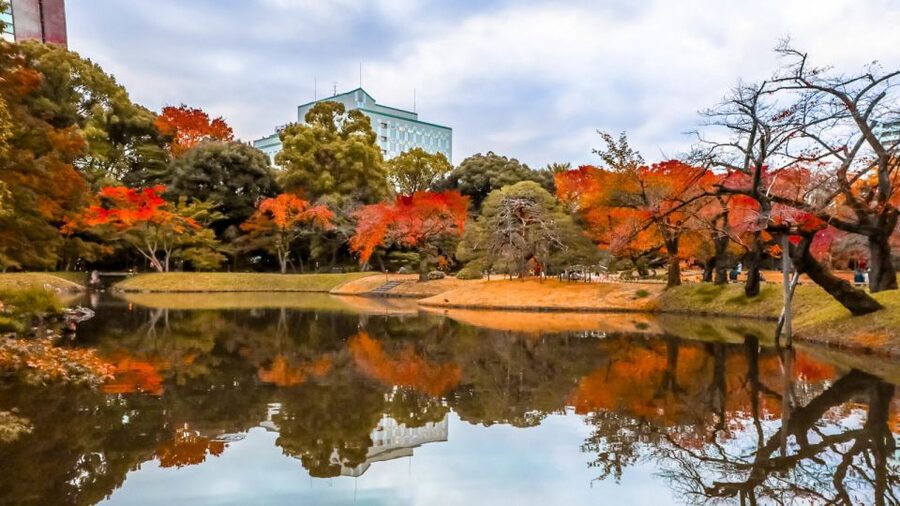
Koishikawa Korakuen Garden is a strong choice if you want a classic Japanese garden with composed views and water features. It pairs well with a discussion of traditional garden planning.
Hama Rikyu Gardens offers a different city setting, with a historic garden surrounded by modern Tokyo. It can suit you if you want a clear contrast between old garden design and the present-day city.
Rikugien Garden is another good choice for traditional design and seasonal beauty. Ask your guide how much time the route allows, since a garden of this type rewards a measured pace.
Yoyogi Park is more open and relaxed than a formal garden. It works well if you want a green break near Meiji Jingu and Harajuku rather than another carefully arranged historic garden.
Ueno Park combines open park space with a major cultural district. It may suit you if you want your garden time linked with other sights in the area.
Koishikawa Botanical Garden is a practical pick if plants themselves interest you. It offers a different focus from a highly designed strolling garden.
Kiyosumi Teien Garden is worth considering if ponds, stones, bridges, and framed views appeal to you. Its character is different from a broad city park.
Former Shiba Rikyu Gardens can fit a route focused on compact historic gardens. It may be useful when you want several contrasting stops without committing to only one large park.
Nezu Museum and Happo-en Garden add refined cultural settings to the list. Confirm access and any admission arrangements with your guide before making them central to the day.
You should not try to visit every place listed. In six hours, a focused route is usually better than a long series of rushed stops. Two or three well-chosen gardens may give you more than five quick visits separated by train rides.
Walking, trains, taxis, and the real pace of the day
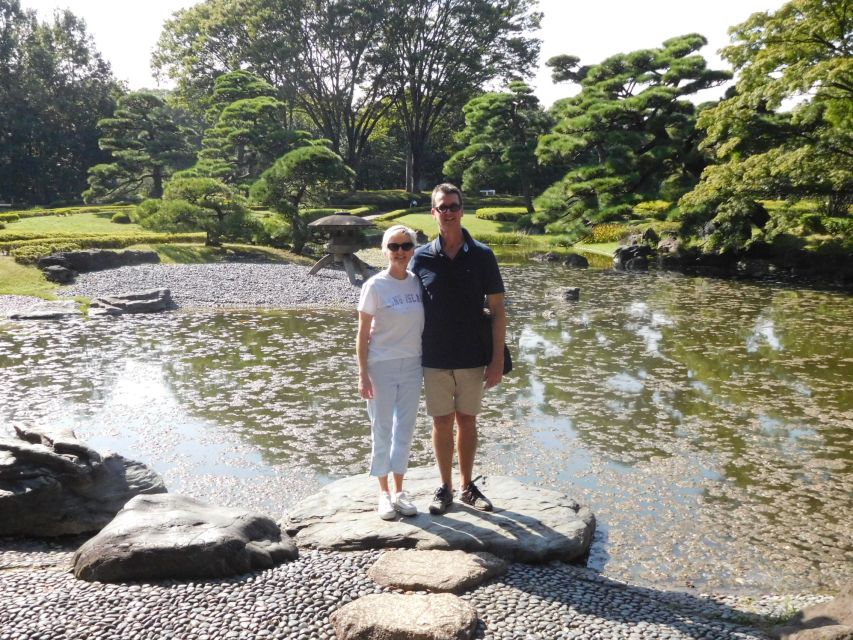
This is described as a walking tour, but Tokyo’s size means public transport is part of the experience. The sample itinerary includes a short train ride between areas, and transport can be arranged at additional cost. You pay for public or private transportation during the tour, along with any taxi rides you choose.
The French visitor who gave the experience a low rating felt that too much of the day went by on the subway. That criticism is worth taking seriously. A guide may know the fastest route, but a geographically ambitious itinerary still takes time.
You can reduce this risk by choosing gardens in the same broad part of Tokyo. You can also ask your guide to prioritize the sites you care about rather than trying to cover the entire city. If you have limited mobility, request a route with fewer transfers and less walking. The experience is wheelchair accessible, but the practical ease of a specific route can depend on the chosen gardens and transport connections.
Comfortable shoes are essential. The day lasts six hours, and one spring visit was described as a long day with plenty of walking. Rain does not automatically cancel the experience, so bring suitable clothing and keep your plans flexible.
What the $151 price really buys you
At $151 per person, this is not a cheap way to see Tokyo’s gardens. The price covers a private six-hour tour and a licensed local guide. It does not cover meals, garden entrance fees, trains, or taxis.
The value comes from personal attention. If you are traveling with family, friends, or a couple who want the same pace, the private format can be more useful than joining a fixed group. You can ask questions freely, adjust the route, and receive help with restaurants and future Tokyo plans.
The price is harder to justify if you already know the gardens you want and feel comfortable using Tokyo’s trains. In that case, you may prefer to pay individual admission fees and explore independently.
I see the best value for first-time visitors, people with limited time, and anyone who wants cultural explanation rather than a simple walk through park grounds. It is also useful during cherry blossom season, when crowds can make navigation and timing difficult.
Communication, guide quality, and planning ahead
The guides named in the available feedback were a major strength. Yoshi was praised for clear communication before the tour, adapting the schedule, matching the group’s pace, and sharing ideas for transport and restaurants. Kumi received praise for her local restaurant choice, while Hiro was valued for punctual pickup and efficient springtime routing. Tachi and Yoko were also praised for hosting customizable days that matched personal interests.
That said, guide quality and route planning can vary. The experience is not fully confirmed until a guide contacts you. Most guides make contact within seven days, but a guide may not accept the booking right away. If no guide is available, the local team continues looking and sends updates until 24 hours before the tour.
For that reason, do not wait until the morning of the tour to explain your priorities. State your preferred gardens, walking limits, interest in flowers or history, lunch wishes, and willingness to use taxis. The clearer you are, the easier it is for the guide to shape a useful day.
Who should book this Tokyo garden experience?
I would recommend it to you if you want a private day with room for questions and changes. It fits first-time Tokyo visitors who want help with public transport, garden selection, and cultural context.
It also suits families and small private groups that need a flexible pace. English and Japanese guiding are available, and the experience is wheelchair accessible.
I would be more cautious if your main goal is a slow, uninterrupted garden visit. The six-hour format may include several train journeys, and trying to see too many districts can make the day feel rushed. Independent planning may be better if you already know your favorite gardens and are comfortable handling tickets and trains.
Should you book it?
Book this tour if you value a personal route and local guidance more than a low-cost day out. Tell your guide to limit the number of gardens, group nearby sites, and protect enough time for the places you most want to see.
Skip it if you want a simple, inexpensive visit to one or two gardens and do not need help with transport or cultural context. At $151 per person before meals, tickets, and transport, the tour earns its price through convenience, flexibility, and personal attention, not through the number of gates you manage to pass.
FAQ
How long is the Tokyo Japanese garden tour?
The tour lasts six hours.
Is this a private tour?
Yes. All bookings are private, and the tour is arranged for a private group.
Can I choose which gardens to visit?
Yes. The experience can be personalized according to your preferences. You can suggest a route or allow your guide to plan the day.
Which languages are available?
Live guiding is available in English and Japanese.
Is hotel pickup included?
Pickup from your accommodation on foot is included when it is within a reasonable distance. Your guide can also meet you at a requested train station.
Are meals included?
No. Food and drinks are not included. The sample route includes lunch in Harajuku, where you choose and pay for your meal.
Are entrance fees included?
No. Garden and other entrance fees are paid separately.
Is transportation included?
No. Public transportation and private transportation fees are not included. The tour can use public transport, and taxis can be arranged if you wish.
Is the tour wheelchair accessible?
Yes. The experience is described as wheelchair accessible, although the exact route should be discussed with your guide in advance.
Does the tour operate in bad weather?
Yes. The experience takes place rain or shine.
When is the booking confirmed?
The tour is not confirmed until a guide contacts you. Most guides contact you within seven days, but the local team may continue searching for a guide until 24 hours before the start time.
Just added around Tokyo
- Private tour – Scenic Fuji Escape: Hakone, Peace Park & More★ 5.0 · 4 reviews
- TOKYO: Tailored Gardens tour with Pro Gardener by E-bike -BASIC★ 5.0 · 2 reviews
- Tsukiji Food Strolling and Hama Rikyu Garden Walking Tour★ 5.0 · 7 reviews
- Tokyo: Serene Sakura & Sake: An Exclusive Brewery Pairing Lunch★ 5.0 · 2 reviews
- Tokyo Cherry Blossom Half Day Walking Tour with a Local Guide★ 3.5 · 4 reviews
- Cherry Blossom Highlights, Asakusa, Ueno, Imperial Palace Garden★ 4.5 · 4 reviews
- Full Guided Mt. Fuji & Shiba-Sakura Festival One Day Pvt.Tour★ 5.0 · 6 reviews
- Licensed Guide Tokyo Meguro Cherry Blossom Walking Tour★ 4.5 · 13 reviews
Japanese Gardens, compared.
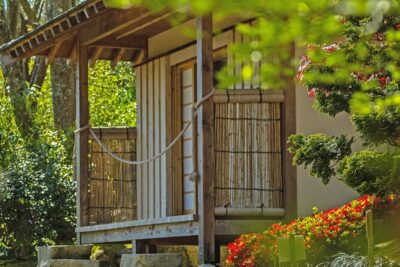
Lafcadio Hearn Japanese Gardens Admission Adult Ticket
Read our review →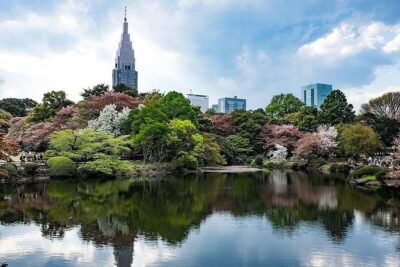
Tokyo Japanese Garden Lover’s Private Tour with Government-Licensed Guide
Read our review →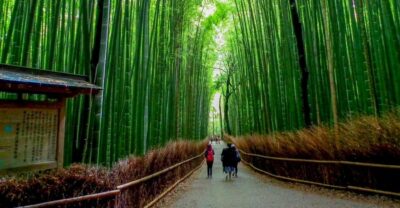

Experience Crafting a Flower-Adorned Mini Japanese Garden
Read our review →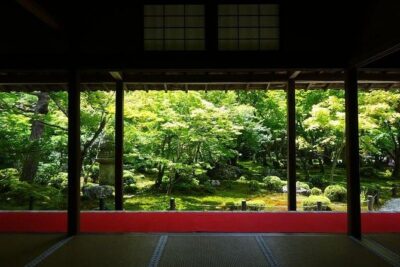
Kyoto Japanese Garden Lover’s Private Tour with Government-Licensed Guide
Read our review →
Japanese Garden & Western Architecture: Akasaka exploration tour
Read our review →
Historic Temple・traditional Japanese garden& Eating around at a shopping strip
Read our review →
Fairy Tale Colmar Tropicale, Japanese Garden, Genting Highlands
Read our review →Browse the lists this tour appears in