
Review · KYOTO
Kyoto Japanese Garden Lover’s Private Tour with Government-Licensed Guide
Kyoto’s gardens reward slow looking. This private six-hour tour lets you choose three or four sites from a long menu of temples, imperial villas, moss gardens, and famous Kyoto landmarks. I like the custom route, which lets you focus on dry Zen gardens or mix them with Arashiyama and Uji. I also like having a government-licensed guide, especially when rocks, sand, water, and plants carry meanings that are easy to miss. The catch is time: three or four major sites in six hours can feel tight, and transportation, admission, lunch, and a private vehicle cost extra.
This is a good fit if you want a private day with room to change plans. Past guests especially praised guides Kaeko and Shun for being flexible, friendly, and willing to adjust the route, even when the weather turned rainy. Just remember that pickup means meeting the guide on foot in a designated Kyoto area, not being collected in a tour car.
Key points to know before booking
- Choose three or four places: You select your priorities from a long list rather than following one fixed route.
- A guide explains the design: Licensed guides can put Zen gardens, imperial villas, plants, and rocks into cultural context.
- Private means flexible: Only your group takes part, and guides have adjusted plans during the day when possible.
- Six hours goes quickly: Kyoto is spread out, so trying to cross the city for distant sites may leave little time at each garden.
- Costs are not all included: You pay separately for transportation, most entrance fees, lunch, and personal expenses.
- Best for garden-focused visitors: The tour works especially well for people who want more than the usual Golden Pavilion photo stop.
Why Kyoto gardens are worth a full day
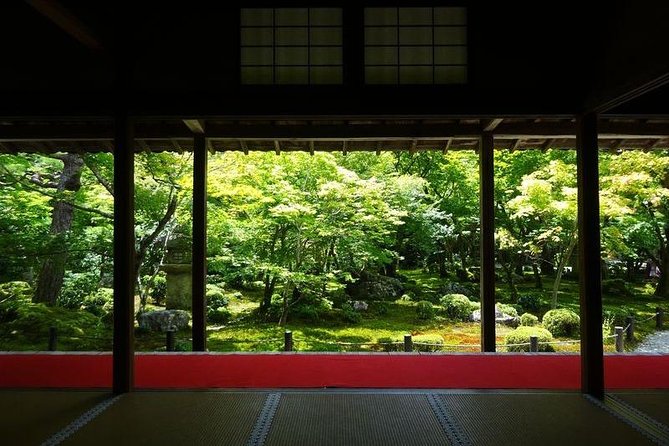
Kyoto’s traditional gardens are not simply pretty places with trimmed trees. They use rocks, moss, sand, water, borrowed mountain views, pathways, and carefully framed buildings to guide your attention.
A dry Zen garden may have no water at all. Raked gravel can suggest waves, while rocks suggest islands or mountains. A moss garden changes with weather and light. An imperial villa may use a pond and walking path to reveal one view at a time.
I like this tour because the guide gives you a way to read those choices. Without help, you can still enjoy the calm, but you may miss why a gate, sand mound, bridge, or clipped pine was placed where it is.
The private format also matters. You can ask about details that interest you, spend longer in a garden you love, or change direction when rain makes one site less appealing. That flexibility came through strongly in the experiences with Kaeko and Shun. Shun, in particular, handled several itinerary changes and kept the day pleasant in wet weather. Kaeko also accommodated a late request and helped her group find quiet garden time at Taizo-in before more people arrived.
More Japanese Gardens in Kyoto:
- Kyoto: Japanese Gardens Private Customizable Tour
★ 4.1 · 18 reviews - Lafcadio Hearn Japanese Gardens Admission Adult Ticket
★ 4.5 · 64 reviews - Tokyo Japanese Garden Lover’s Private Tour with Government-Licensed Guide
★ 5.0 · 27 reviews
The northern Kyoto choices: Kinkakuji, Ryoanji, and Daitokuji
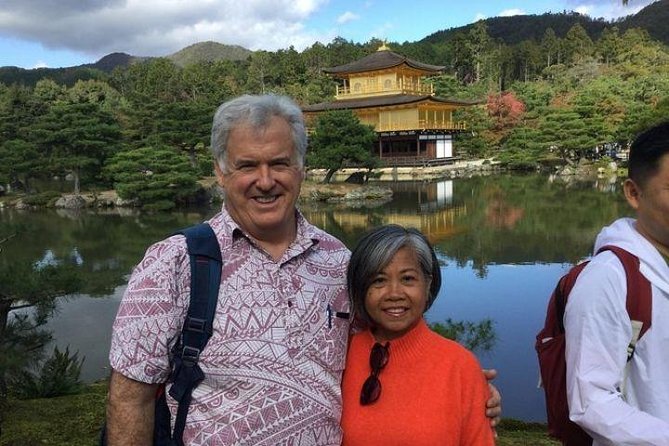
Kinkakuji, the Golden Pavilion, is one of Kyoto’s familiar sights for a reason. The upper two floors of this Zen temple are covered in gold leaf, and the building is reflected in the surrounding pond. It gives you an immediate, highly polished image of Kyoto.
The drawback is that this is a popular stop, and the visit can feel more like viewing a famous scene than wandering through a quiet garden. A listed visit is only about 20 minutes, and admission is extra. I would choose Kinkakuji if it is a first visit or a must-see, but not let it consume the whole day.
Ryoanji offers a very different mood. Its famous rock garden is spare, controlled, and designed for contemplation. The arrangement rewards sitting still rather than rushing from one photo point to the next.
This is one of the strongest choices for a garden-focused day, though 20 minutes may be brief if you want time to sit and study the gravel and stones. The temple also draws many people, so your guide’s timing and explanation can make the visit more useful.
Daitokuji is a large Zen complex with smaller temples within it. Its gardens give you a broader sense of Zen temple design than a single famous viewpoint can provide. Since individual subtemples may differ in opening arrangements and admission, ask your guide exactly which areas are planned before setting out.
Taizo-in, one of the subtemples connected with Myoshinji, is another fine garden choice. It is known for a garden that works well in every season. The strongest practical tip here is timing: an early or well-timed visit may give you a quiet stretch before a group arrives.
Eastern Kyoto: Ginkakuji, Honen-in, and Nanzenji
Ginkakuji, the Silver Pavilion, began as the retirement villa of shogun Ashikaga Yoshimasa. Despite its name, it is not covered in silver. Its appeal comes from the setting, garden design, and refined restraint rather than glitter.
The surrounding paths and plantings make this a useful counterpoint to Kinkakuji. If you visit both, you see two different ideas of prestige: one bright and showy, the other quieter and more controlled. Again, the suggested stop is about 20 minutes, so ask whether you will have enough time to walk beyond the first views.
Honen-in has a scenic approach leading to a moss-covered gate. That entrance alone gives the visit a softer, more secluded feel. Inside, sand mounds and moss create a small but carefully composed setting.
This is a good choice if you prefer atmosphere over famous architecture. It may also pair well with Nanzenji, although crossing between several eastern sites still takes time.
Nanzenji is one of Kyoto’s major Zen temples, set at the foot of the wooded Higashiyama mountains. Its grounds are spacious, and the red-brick Suirokaku aqueduct adds an unusual European-looking structure to the temple setting.
Nanzenji gives your guide plenty to discuss, from Zen history to the way temple buildings, gates, paths, and waterworks sit together. With only 20 minutes listed, you will need to keep moving if you try to cover both the main grounds and nearby garden areas.
The imperial gardens: Shugakuin and Katsura
Shugakuin Imperial Villa was built in the 17th century for Emperor Gomizuno and is now managed by the Imperial Household Agency. It includes upper, middle, and lower villas, so it is not a quick single-garden stop.
The scale is part of its appeal, but it also creates a planning issue. If this is your top choice, build the day around it rather than combining it with faraway sites. The tour description presents it as one option among many, but its size deserves more time and careful timing than a short temple visit.
Katsura Imperial Villa is one of Japan’s finest examples of garden and building design. Its present form was completed in 1645 as a residence for the imperial family. The relationship between the buildings, pond, paths, and views is the main attraction.
Katsura suits you if you want design, proportion, and controlled movement through a garden rather than a single famous object. As with Shugakuin, confirm the practical visit arrangements with the guide before booking your final route. These imperial sites are not sensible add-ons to an already crowded day.
More Garden Tours in Kyoto:
- Kyoto Zen Meditation & Garden Tour at a Zen Temple with Lunch
★ 5.0 · 441 reviews - Kyoto Arashiyama Bamboo forest & Garden Half-Day Walking Tour
★ 5.0 · 413 reviews - Kyoto Kiyomizu Tea Ceremony with Scenic Garden Views
★ 5.0 · 101 reviews - Kyoto: Private Tea Ceremony with a Garden View
★ 4.9 · 61 reviews
Arashiyama: bridge, bamboo, Okochi Sanso, and Gioji
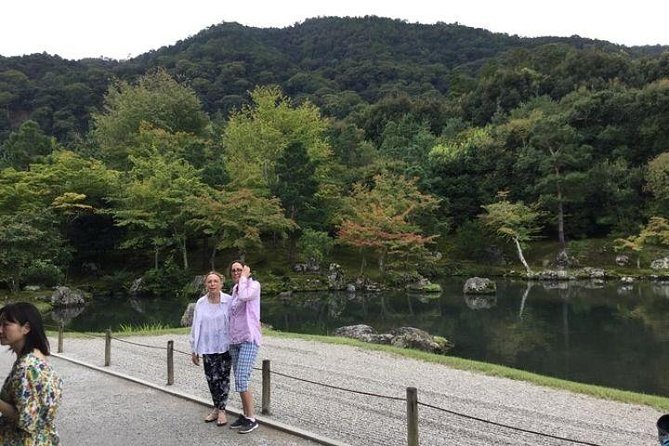
Togetsukyo Bridge is Arashiyama’s best-known landmark. Its name means Moon Crossing Bridge, and it has a long history dating to the Heian period, with the present bridge rebuilt in the 1930s.
The bridge itself is free to see, so it can be a useful low-cost part of the day. It is also an outdoor public sight, meaning your experience depends more on timing and foot traffic than on an admission schedule.
Nearby, Bamboo Forest Street offers a walk through tall bamboo groves. A light breeze can make the stalks sway above the path, creating one of Kyoto’s most recognizable scenes.
The limitation is simple: the bamboo path is not a private garden, and a short stop may feel more like checking off a famous view than studying garden design. I would pair it with one quieter Arashiyama site rather than make it the main purpose of the tour.
Okochi Sanso Garden was the former villa of actor Okochi Denjiro. It includes several gardens and buildings, with the property set behind the bamboo groves. The planned visit is about 30 minutes, longer than most stops on the list.
That extra time makes sense. You get more than one framed view, and the site offers a different story from the old temples and imperial properties. Admission is extra, so include it in your budget.
Gioji Temple is known for its moss garden, tall maple trees, thatched entrance gate, and small main hall. It has a more intimate feeling than the broad temple compounds.
This is one of the best choices if you want moss and forest atmosphere. The 30-minute stop gives you a little more breathing room, though it still may not be enough if you like to photograph every corner.
Southern Kyoto and Uji: Tofukuji and Byodoin
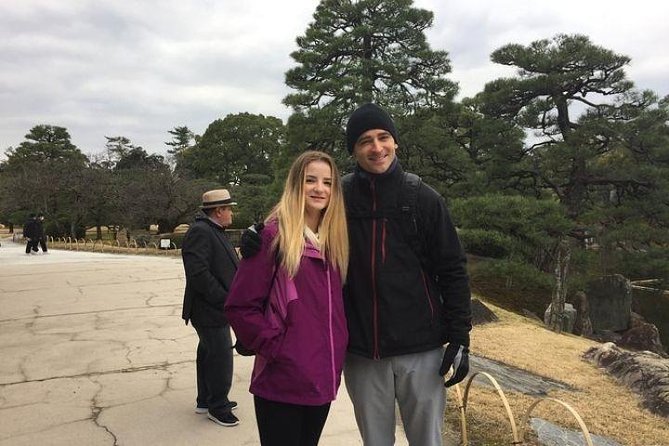
Tofukuji Temple is a large Zen temple in southeastern Kyoto, founded in 1236. It is especially famous for autumn color, when maples transform the temple grounds.
Season matters here. If you visit outside autumn, the temple remains important, but the most dramatic effect may not be present. It is also another large site, so check how much of the grounds your six-hour plan can reasonably include.
Byodoin Temple is in Uji, outside central Kyoto, and adds extra travel time. Its Phoenix Hall is a National Treasure and a UNESCO World Heritage Site, making it one of the most significant choices on the menu.
Byodoin is worth considering if it is a personal priority, but I would not combine it casually with distant northern Kyoto sites. The extra travel can turn a relaxed garden day into a sequence of short stops. Choose it as the center of your route, not as an afterthought.
Two central options: Kyoto Imperial Palace and Kenninji
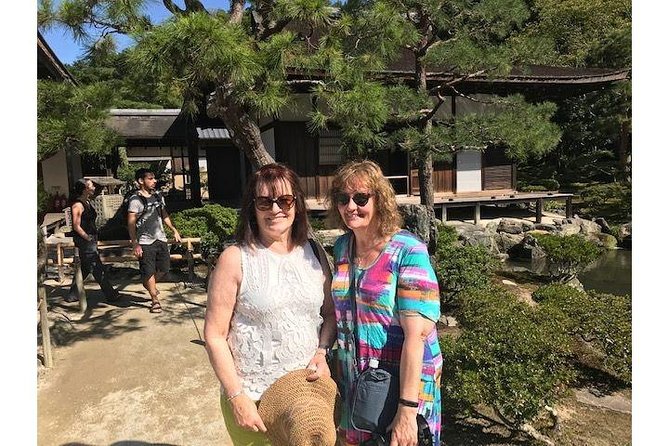
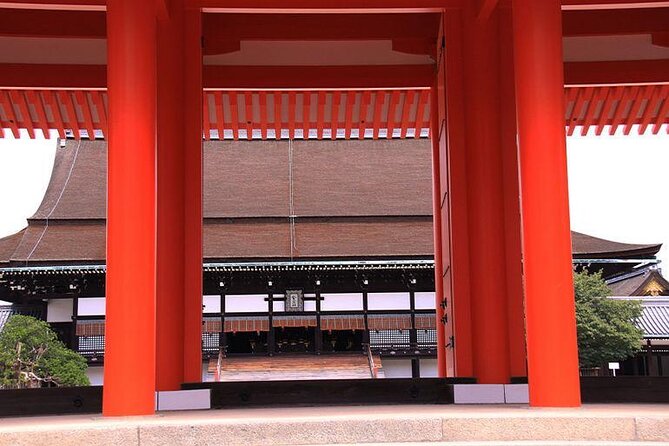
Kyoto Imperial Palace was the residence of Japan’s Imperial Family until 1868, when the emperor and capital moved to Tokyo. Its spacious grounds offer a different look at Kyoto, with broad formal areas rather than the compact, meditative feel of a Zen subtemple.
This can be a smart choice for first-time visitors who want royal history along with garden scenery. It also gives your guide a chance to connect Kyoto’s former political role with its religious sites.
Kenninji Temple lies close to Hanamikoji and Shijo streets. Its grounds are pleasant to walk, and it has two dry gardens. The location makes it easier to combine with central Kyoto plans than sites such as Katsura, Shugakuin, or Byodoin.
The stop is listed at only one minute, which is far too short to treat it as a full garden visit. I would ask the guide about the intended timing and whether it is being used as a quick add-on rather than a principal stop.
The Kyoto Botanical Garden is another option, with a broad collection of plants and seasonal interest. It is described as affordable and often overlooked, making it a useful choice if you want something different from temple architecture.
What the 153.11 dollar price really buys
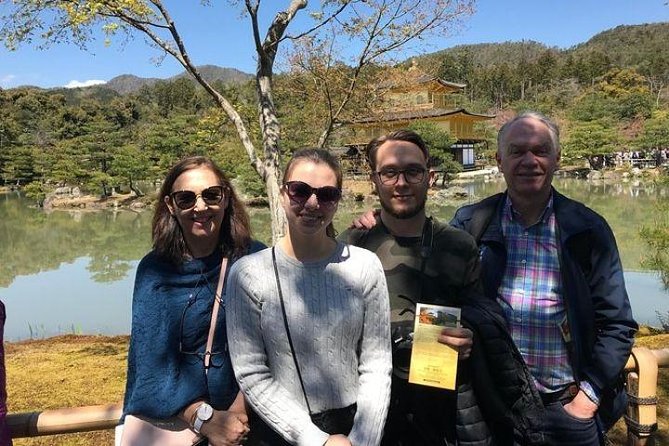
At $153.11 per person, this is not a bargain sightseeing bus. You are paying for a private, customizable day and a licensed English-speaking local guide, not for entrance tickets and transport.
The value is strongest for two or more people who care about gardens and want explanations tailored to their interests. A private guide can save you from spending half a day crossing Kyoto without knowing which sites fit together. Group discounts may improve the price for larger private parties.
The price is harder to justify if you want only the Golden Pavilion, bamboo forest, or another single famous sight. You can visit many individual attractions without a private guide. The tour earns its keep when you want comparison: dry garden versus moss garden, Zen temple versus imperial villa, central Kyoto versus Uji.
Budget separately for transportation, admissions, lunch, and personal expenses. There is no private vehicle, and the meeting arrangement is on foot within a designated Kyoto area. Public transportation is nearby, but the exact route and fares depend on the sites you choose.
How to build a sensible six-hour route
I would avoid picking four far-apart sites from the full menu. Instead, choose one area and add nearby places.
A northern plan might combine Kinkakuji, Ryoanji, Daitokuji, and Taizo-in. An eastern plan could focus on Ginkakuji, Honen-in, Nanzenji, and perhaps Kenninji if travel time allows. An Arashiyama plan might use Togetsukyo Bridge, Bamboo Forest Street, Okochi Sanso, and Gioji.
For imperial architecture, choose Katsura or Shugakuin as the main event rather than squeezing either into a temple-heavy day. For Uji, make Byodoin the priority and accept the extra travel.
Tell the guide your top one or two must-see sites, then let the remaining choices fill the route. The guides have shown flexibility, but even a flexible guide cannot remove Kyoto’s distances or busy roads.
Who should book this private garden tour?
I would recommend it to you if:
- Japanese garden design is a main reason for visiting Kyoto.
- You want private guiding instead of a fixed group schedule.
- You value cultural explanation, not just photographs.
- You are traveling with family or friends and can share the private cost.
- You want the option to adjust plans for weather, opening arrangements, or personal interests.
I would be cautious if you prefer a slow half-day at one temple, dislike paying extra for transport and admissions, or want a vehicle-based tour. The six-hour format covers a lot, but it does not make Kyoto compact.
The experience has a 4.6 rating from 10 reviews, with 90 percent recommending it. The strongest praise centers on guide flexibility, personal attention, and the ability to change the route. That is exactly where this tour makes sense.
FAQ
How long is the Kyoto Japanese Garden Lover’s Private Tour?
The tour lasts approximately six hours.
How many places can I choose?
You can create a customized route using three or four sites from the available choices.
Is transportation included?
No. Transportation fees are not included, and the tour does not provide a private vehicle. You meet the guide on foot within a designated area of Kyoto.
Are entrance fees included?
Admission fees are generally not included. Guide entry fees are covered only for sights listed under the tour’s included places.
Is the tour private?
Yes. Only your group takes part, and multiple separate tour groups cannot be combined.
What is the cancellation policy?
You can cancel up to 24 hours before the experience start time for a full refund. Changes or cancellations made less than 24 hours before the start time are not accepted for a refund.
Should you book it?
Book this tour if you want Kyoto’s gardens explained and compared, and if choosing your own route matters to you. I would especially consider it for a garden-loving couple, family, or small group that can agree on three or four priorities.
Before booking, decide whether your day belongs in northern Kyoto, eastern Kyoto, Arashiyama, or Uji. Give the guide a clear must-see list, then leave room for one flexible choice. That approach gives you the best chance of enjoying Kyoto’s quiet details instead of spending the whole day hurrying between them.
Just added around Kyoto
- Stunning Private Tea Ceremony: Camellia Garden Teahouse★ 5.0 · 28 reviews
- Kyoto-Nara Adventures Private Tour With Hotel Pick Up★ 4.0 · 5 reviews
- Kyoto Hidden Treasures: Special Temple & Garden Access Tour★ 4.5 · 25 reviews
- Guided Kyoto City Cherry Blossom One Day Private Tour★ 5.0 · 16 reviews
- Kyoto: Kinkaku-ji Temple & Serene Garden Guided Tour with Tickets★ 5.0 · 9 reviews
- Kyoto ITALIAN GUIDE Golden Pagoda Bamboo Forest Dry Garden★ 4.0 · 2 reviews
- The Art of Mindful Living: Tea Ceremony in Kyoto★ 5.0 · 16 reviews
- Bamboo Grove Temple and Garden Views Tour★ 5.0 · 41 reviews
Japanese Gardens, compared.
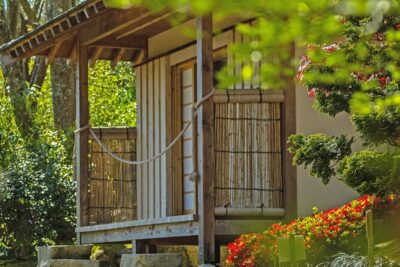
Lafcadio Hearn Japanese Gardens Admission Adult Ticket
Read our review →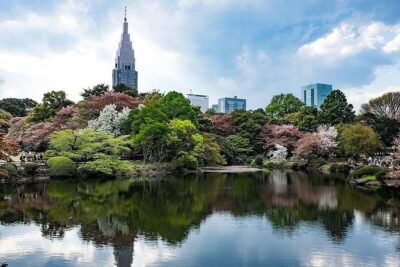
Tokyo Japanese Garden Lover’s Private Tour with Government-Licensed Guide
Read our review →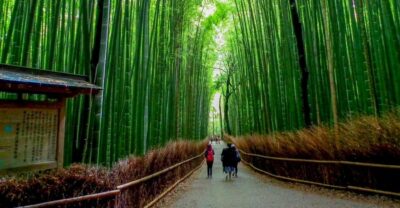

Experience Crafting a Flower-Adorned Mini Japanese Garden
Read our review →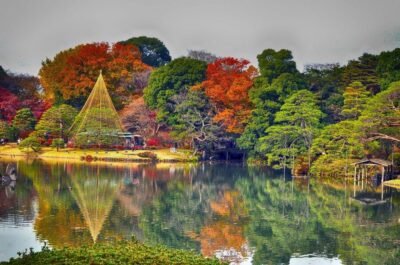

Japanese Garden & Western Architecture: Akasaka exploration tour
Read our review →
Historic Temple・traditional Japanese garden& Eating around at a shopping strip
Read our review →
Fairy Tale Colmar Tropicale, Japanese Garden, Genting Highlands
Read our review →Browse the lists this tour appears in