
Review · KYOTO
Kyoto: Private Tea Ceremony with a Garden View
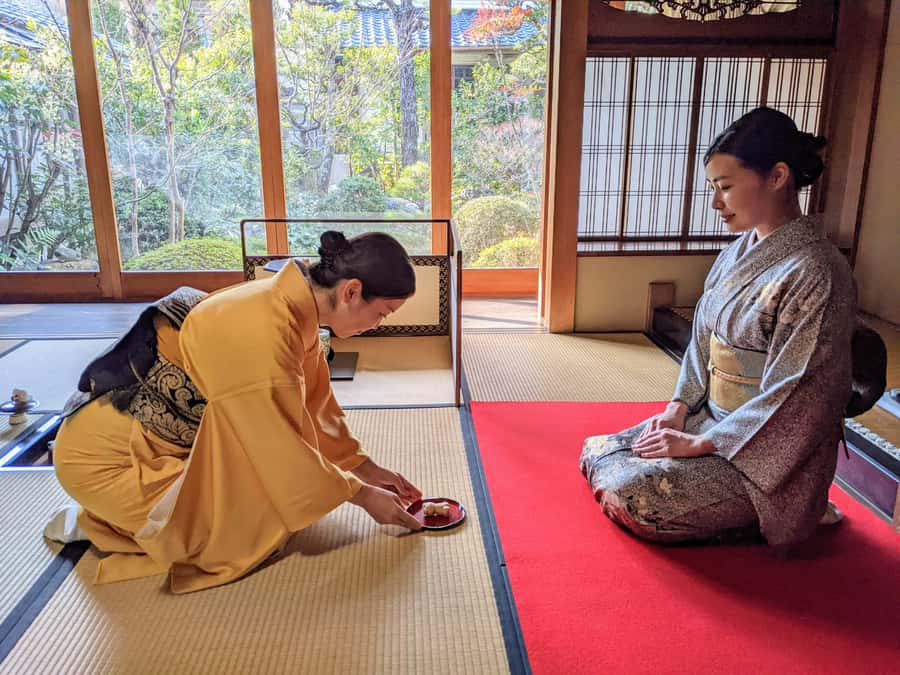
Quiet tea, beautiful gardens, real Kyoto. This private ceremony takes place in a 100-year-old house across from Ryoan-ji, where an English-speaking instructor explains the customs, serves seasonal sweets, and shows you how to whisk your own matcha. I especially like the privacy and the garden view. You have the house to yourself, rather than sharing a formal ritual with a large crowd.
I also like the thoughtful food detail: the sweets are vegan, gluten-free, nut-free, and supplied by one of Kyoto’s respected confectioners. The main drawback is the price, $116 per person for one hour. That is a lot for a short activity, though the private setting and personal instruction make it easier to justify than a quick group demonstration.
Four things to know before you book
- The house sits across from Ryoan-ji: You can pair the ceremony with Ryoan-ji, Ninna-ji, Kinkaku-ji, or nearby Myoshin-ji.
- You receive private instruction: The house is reserved for your group, giving the ceremony a quiet, personal feel.
- You make your own matcha: After watching the host, you prepare your own bowl and can ask questions.
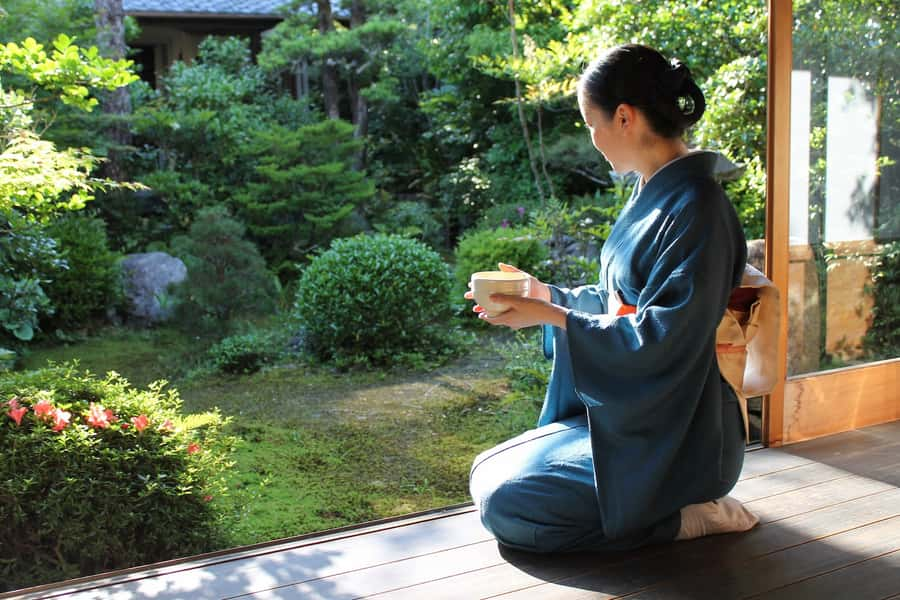
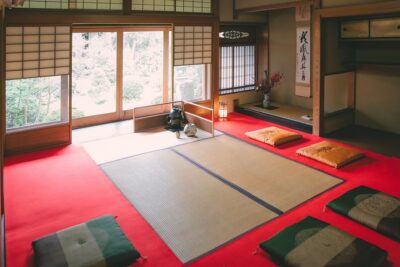
- The gardens frame the ceremony: You first look toward the front garden, then move to a tearoom overlooking the main garden.
- Chairs are available: You do not have to sit on the floor if that is uncomfortable or difficult.
- It is a one-hour cultural stop: This is focused and manageable, but not a full meal or half-day workshop.
Why this Kyoto tea ceremony feels different
Kyoto has no shortage of tea ceremonies. Some take place in hotel rooms, shops, or busy cultural centers. This one has a stronger sense of place. You enter a traditional house that has been connected with Ryoan-ji for many years, then spend the session looking out toward Japanese gardens.
That setting matters. Tea ceremony is not only about matcha. It is also about the room, the objects, the movements, the sweets, the garden, and the quiet attention given to each step. Here, those elements are gathered in one private property rather than presented as a quick stage show.
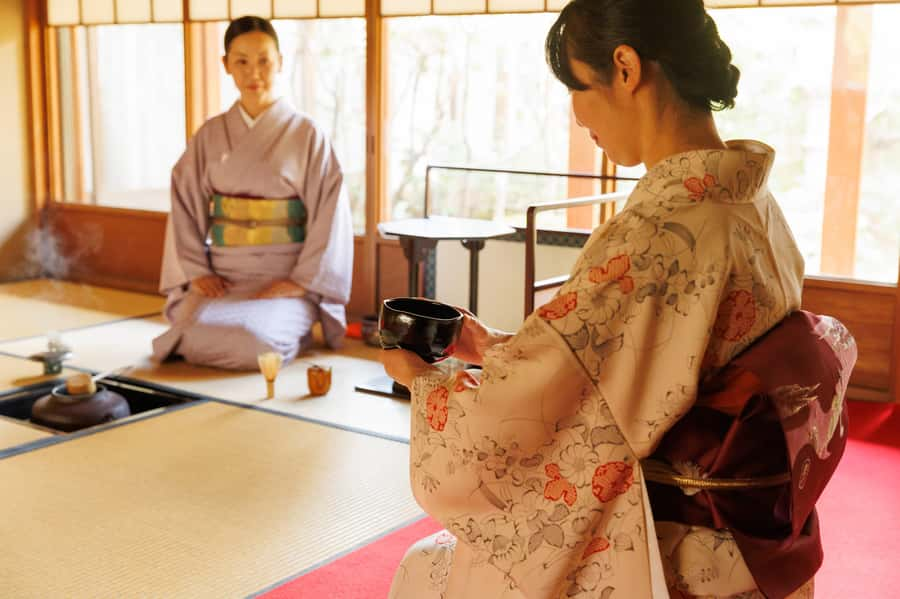
I like the balance between explanation and participation. You are not expected to understand every custom before you arrive. The instructor begins with an introduction to tea culture and its background, then shows you the ceremony before asking you to make tea yourself.
The private arrangement also changes the mood. With no other group sharing the room, you can ask basic questions without feeling rushed or self-conscious. You can take photographs throughout the experience, as long as you turn off the flash. Video recording is not permitted.
More Garden Tours in Kyoto:
- Kyoto Zen Meditation & Garden Tour at a Zen Temple with Lunch
★ 5.0 · 441 reviews - Kyoto Arashiyama Bamboo forest & Garden Half-Day Walking Tour
★ 5.0 · 413 reviews - Kyoto Kiyomizu Tea Ceremony with Scenic Garden Views
★ 5.0 · 101 reviews
Arriving near Ryoan-ji
Camellia Garden is across the road from Ryoan-ji, one of Kyoto’s best-known Zen temples. From the Ryoan-ji Mae Bus Stop, follow the small path slightly downhill toward a residential street. The house is the first one you can see on the right, behind a high wall.
That last detail is useful. Kyoto’s residential lanes can be confusing, especially when you are trying to match a meeting point to a map. Look for the high wall and the first house on the right rather than expecting a large commercial sign.
You can also reach the teahouse in less than 10 minutes on foot from Ryōanji-eki station on the Keifuku Randen tram line. The Randen line connects with Hakubaicho, convenient for Kitano Tenmangu Shrine, as well as Arashiyama and Shijo Omiya near the west side of central Kyoto.
For many people, the best plan is to build the tea ceremony into a western Kyoto sightseeing day. Ryoan-ji, Ninna-ji, and Kinkaku-ji are all within walking distance of the teahouse. Myoshin-ji, Kyoto’s largest Zen complex, is also nearby.
You are responsible for reaching the meeting point. Transportation is not included, though one parking space is available for the duration of the ceremony. A taxi can be arranged if you ask upon arrival.
A calm introduction with seasonal sweets
The session begins in a sofa room looking toward the front garden. This is a practical choice because it lets you settle in before the more formal part of the ceremony.
Your instructor introduces the history and culture of tea, with a focus on matcha and the meaning behind the ceremony. The explanations are in English, and the personal format gives you room to ask questions as you go.
The seasonal sweets arrive during this first part. They are made by one of Kyoto’s well-regarded confectioners, and they are vegan, gluten-free, and nut-free. That makes this activity easier to plan for people with several common dietary restrictions.
The sweets are not just a snack before the tea. In a traditional tea setting, the sweetness prepares your palate for the slightly bitter taste of matcha. You may find that the tea tastes smoother and more balanced after eating them.
The front garden also gives you an early sense of the property. You are not simply waiting in a reception room. The view is part of the welcome, and the pace is deliberately unhurried.
Watching the ceremony in the main tearoom
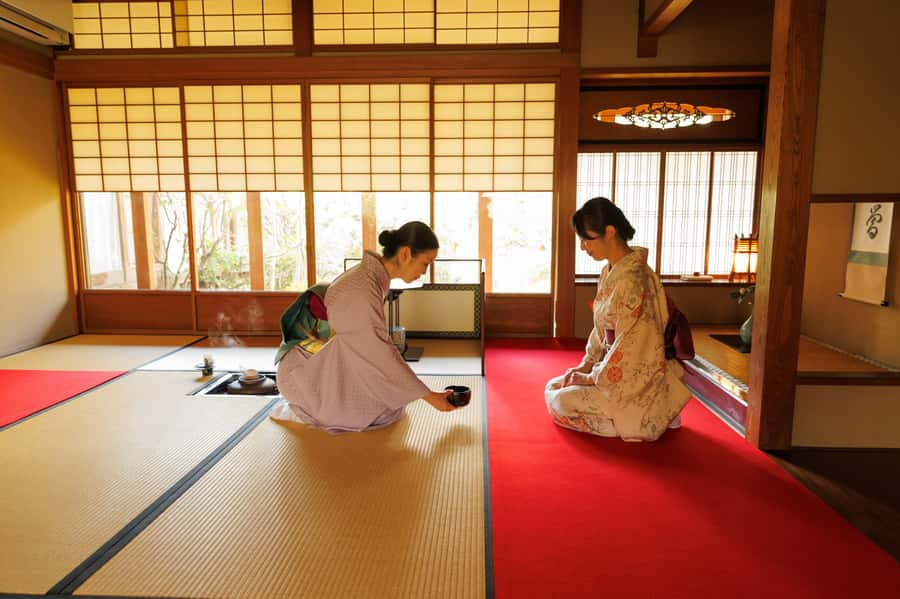
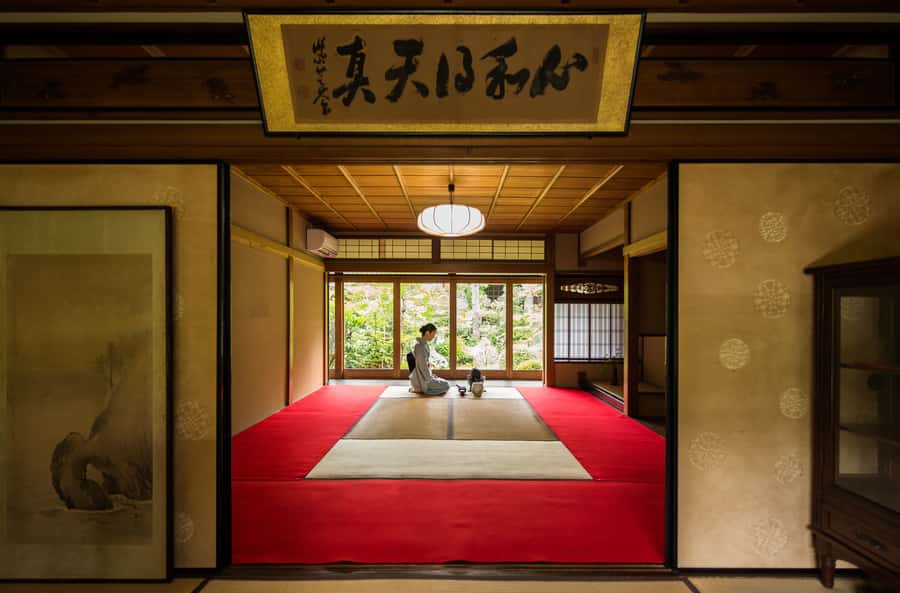
Next, the instructor moves you into the tearoom. Here, the main garden becomes the backdrop for the ceremony.
You first watch an authentic preparation before making tea yourself. Pay attention to the order of the movements and the care given to each item. Tea ceremony can look simple from a distance, but the sequence is precise, and the quiet actions are part of the lesson.
This is the strongest part of the activity for anyone who wants cultural context rather than only a taste of matcha. The instructor explains what is happening and why, so the ritual does not feel like a series of unexplained gestures.
The garden view adds to the sense of calm, but it is worth keeping your expectations realistic. This is a one-hour session, not a long formal tea-school lesson. You receive an accessible introduction designed for visitors who want to understand and try the tradition without committing to a more demanding study.
The house also has chairs and tables for anyone who finds floor seating difficult. That is an important practical point. Traditional rooms often suggest sitting on tatami, but you can take part without forcing yourself into an uncomfortable position.
Same place, a different sort of green day out:
- Bamboo Grove Temple and Garden Views Tour
★ 5.0 · 41 reviews - Stunning Private Tea Ceremony: Camellia Garden Teahouse
★ 5.0 · 28 reviews - Kyoto Hidden Treasures: Special Temple & Garden Access Tour
★ 4.5 · 25 reviews - Kyoto: Japanese Gardens Private Customizable Tour
★ 4.1 · 18 reviews
Making your own bowl of matcha
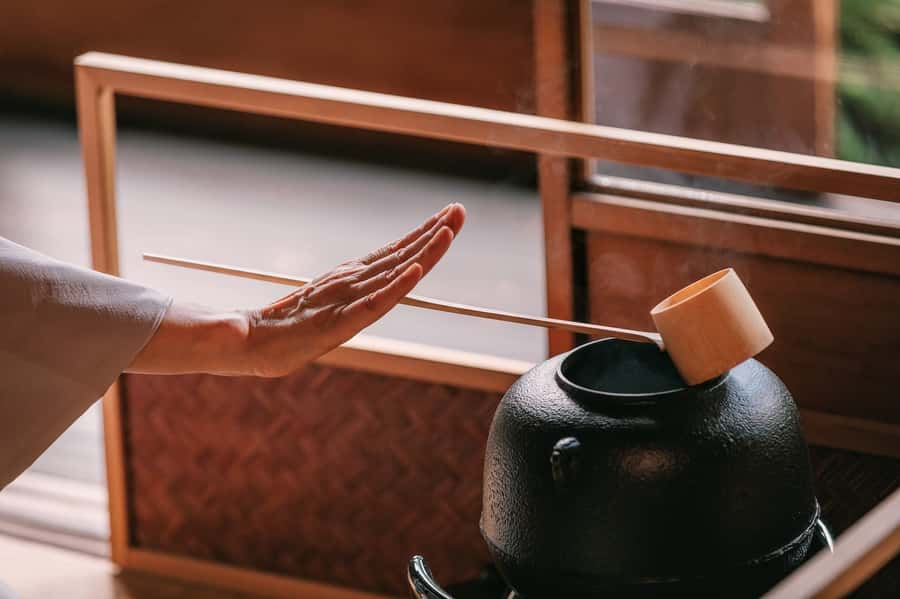
After watching the ceremony and being served tea, you prepare your own bowl of matcha. Everything you need is provided, and your personal instructor guides you through the process.
This hands-on part makes the session more memorable. Watching a host whisk tea can be interesting, but making it yourself gives you a physical sense of the technique. You can ask questions, adjust your movements, and see how much care goes into producing a smooth bowl.
Do not worry about performing perfectly. The purpose is to learn and take part, not to pass an examination. The instructor is there to explain the steps and help you understand the practice.
You also have time for photographs and questions. Keep the flash off, since bright flashes are not suitable for the setting or the objects used in the ceremony. Video recording is not allowed, so plan to be present rather than trying to capture the full session on your phone.
For families or small groups, the private format can be especially helpful. Each person can have a turn without competing with a large class. The activity is also suitable for people who prefer a quieter cultural experience instead of a loud demonstration.
What the $116 price includes

At $116 per person, this is not Kyoto’s budget tea option. The session lasts one hour, and it does not include a meal, transportation, or kimono rental.
The value comes from the setting and the private format. You are paying for access to a historic house, two traditional gardens, an English-speaking personal instructor, seasonal sweets, matcha, and the chance to prepare tea yourself. The full property is reserved for your group during the experience.
I think the price makes the most sense if you care about privacy and explanation. A solo traveler, couple, or small group can receive direct attention and ask questions that might be harder to raise in a larger class.
It may feel expensive if your main goal is simply to taste matcha. In that case, a tea ceremony is likely to be more than you need. But if you want a setting connected to Ryoan-ji and a short cultural activity with real participation, the cost is easier to defend.
The 4.9 rating from 61 bookings supports the activity’s strong reputation, especially for the calm atmosphere, careful explanations, and chance to make tea. The most useful praise focuses on the host’s kindness, the cultural background, the peaceful room, and the value of preparing a bowl yourself.
Planning the ceremony around western Kyoto
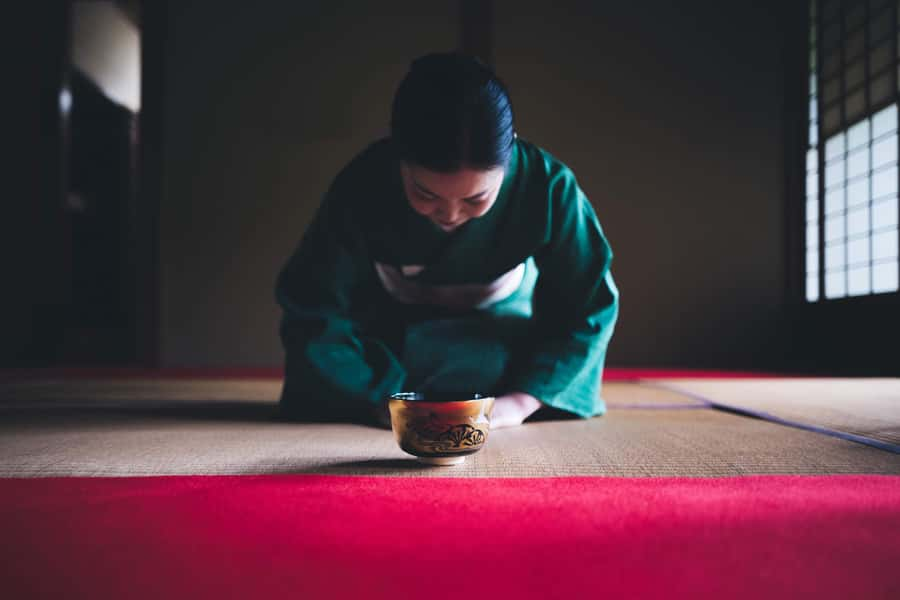
The location is one of the activity’s biggest advantages. You can visit Ryoan-ji before or after the tea ceremony, then continue on foot to Ninna-ji or Kinkaku-ji. Myoshin-ji gives you another nearby option if you want a quieter temple complex.
Allow enough time to find the house, especially if you are arriving from a bus stop and have not yet visited this part of Kyoto. The meeting point is on a residential street, not inside the temple grounds.
The Randen tram is useful if you are combining the ceremony with western Kyoto sights. It can take you toward Arashiyama, Hakubaicho, or Shijo Omiya. Public transport toward central Kyoto is within a short walk of the teahouse.
I would avoid placing this activity between two rushed appointments. Its value comes partly from slowing down. Give yourself time to arrive calmly, enjoy the garden view, and stay for questions and photographs at the end.
Who will enjoy this experience most
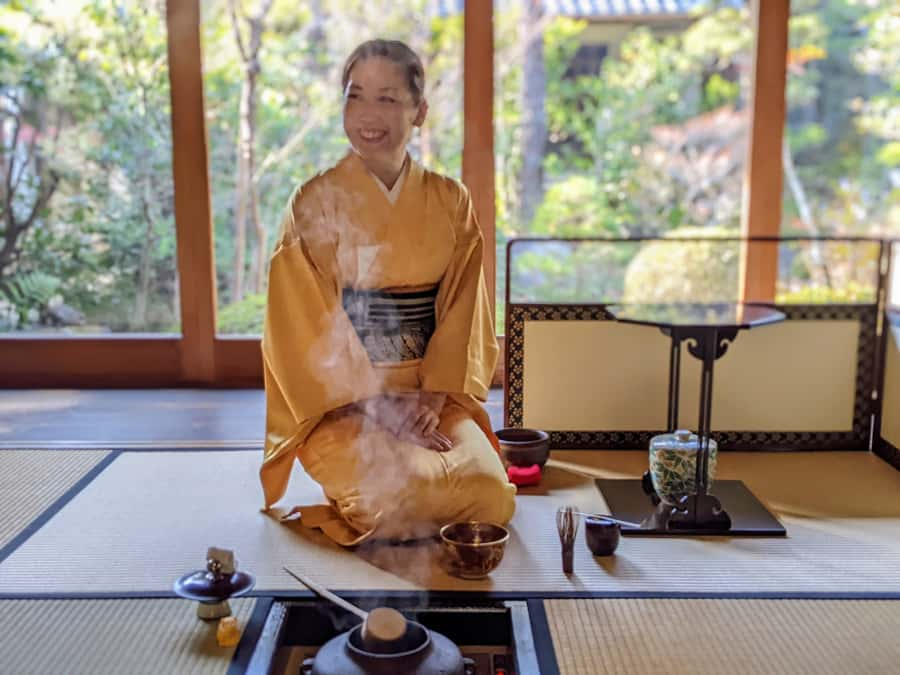
This ceremony suits you if you want a private introduction to Japanese tea culture, especially in a traditional setting. It works well for couples, families, and small groups who prefer personal attention.
It is also a good choice if you are already visiting Ryoan-ji, Ninna-ji, or Kinkaku-ji. The location saves you from crossing Kyoto for a one-hour activity.
People with mobility concerns should appreciate the wheelchair-accessible teahouse and the availability of chairs and tables. If you have special requirements, contact the provider in advance. Guides and translators may join as an additional person at no extra charge.
The activity may be less suitable if you want to wear a kimono, eat a full meal, or spend several hours studying tea ceremony. Kimono rental and meals are not included, and the session remains tightly focused on tea, sweets, gardens, and instruction.
The vegan, gluten-free, and nut-free sweets also make this an easy option for many dietary needs. Still, if you have a serious allergy, it is sensible to explain your requirements before arrival.
My booking advice
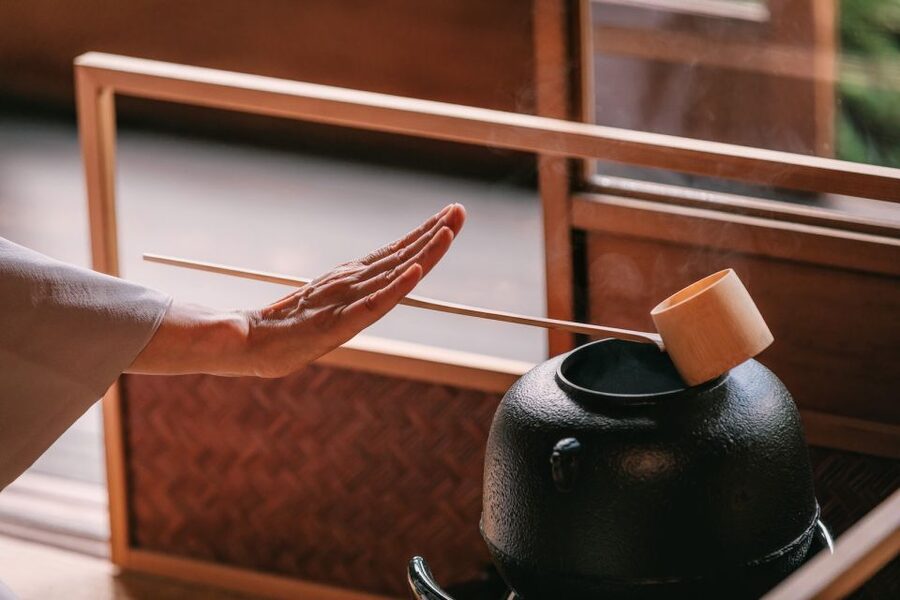
I would book this tea ceremony if you want a quiet, private Kyoto activity with a strong setting and a clear English explanation. The garden view, the 100-year-old house, and the chance to make your own matcha give it more substance than a simple tasting.
I would skip it if $116 feels too high for one hour or if you mainly want a quick cup of tea. The price is justified by privacy and place, not by length.
For the best use of your time, schedule it alongside Ryoan-ji and the other western Kyoto sights. Arrive early enough to find the residential entrance, keep your camera flash off, and treat the hour as a pause in your sightseeing day. That is when this ceremony makes the most sense.
FAQ
Where does the tea ceremony take place?
It takes place at Camellia Garden, across the road from Ryoan-ji temple in Kyoto. The house is the first property on the right after following the small path downhill from the Ryoan-ji Mae Bus Stop.
How long does the tea ceremony last?
The experience lasts one hour.
Is the tea ceremony private?
Yes. The house is reserved entirely for your group during the ceremony, and you receive your own personal instructor.
Is the instruction available in English?
Yes. The instructor speaks English.
Can I make my own matcha?
Yes. After watching the ceremony and being served tea, you can prepare your own bowl of matcha using the provided equipment.
Are seasonal sweets included?
Yes. Seasonal sweets are included. They are vegan, gluten-free, and nut-free.
Do I have to sit on the floor?
No. Chairs and tables are available for people who find floor seating difficult.
Can I take photographs?
Yes. You can take photographs throughout the experience, but you must turn off the flash. Video recording is not permitted.
Is the teahouse wheelchair accessible?
Yes. The teahouse is wheelchair accessible. Contact the provider in advance if you have special requirements.
Just added around Kyoto
- Stunning Private Tea Ceremony: Camellia Garden Teahouse★ 5.0 · 28 reviews
- Kyoto-Nara Adventures Private Tour With Hotel Pick Up★ 4.0 · 5 reviews
- Kyoto Hidden Treasures: Special Temple & Garden Access Tour★ 4.5 · 25 reviews
- Guided Kyoto City Cherry Blossom One Day Private Tour★ 5.0 · 16 reviews
- Kyoto Japanese Garden Lover’s Private Tour with Government-Licensed Guide★ 4.5 · 10 reviews
- Kyoto: Kinkaku-ji Temple & Serene Garden Guided Tour with Tickets★ 5.0 · 9 reviews
- Kyoto ITALIAN GUIDE Golden Pagoda Bamboo Forest Dry Garden★ 4.0 · 2 reviews
- The Art of Mindful Living: Tea Ceremony in Kyoto★ 5.0 · 16 reviews
Kyoto Garden Tours, compared.
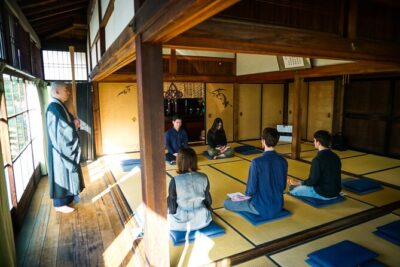
Kyoto Zen Meditation & Garden Tour at a Zen Temple with Lunch
Read our review →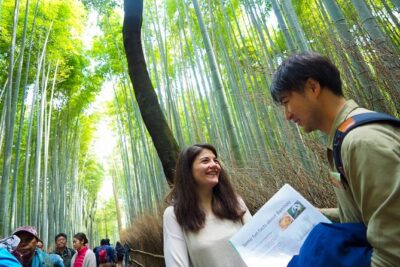
Kyoto Arashiyama Bamboo forest & Garden Half-Day Walking Tour
Read our review →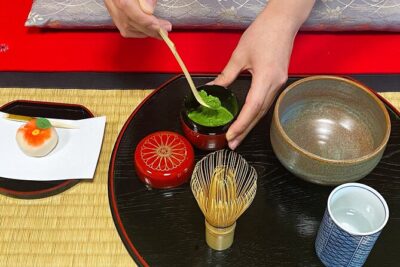
Kyoto Kiyomizu Tea Ceremony with Scenic Garden Views
Read our review →
Stunning Private Tea Ceremony: Camellia Garden Teahouse
Read our review →
Kyoto Hidden Treasures: Special Temple & Garden Access Tour
Read our review →

The Art of Mindful Living: Tea Ceremony in Kyoto
Read our review →Browse the lists this tour appears in