
Review · KYOTO
The Art of Mindful Living: Tea Ceremony in Kyoto
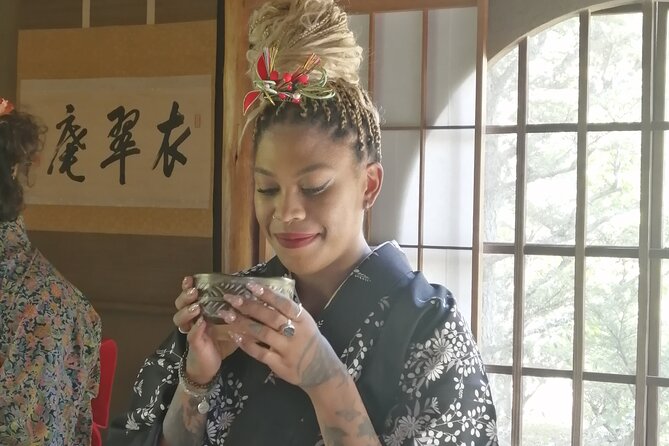
Slow down for one beautiful hour. This tea ceremony takes place in a traditional Kyoto home, where Naomi explains the customs of matcha before serving tea, sweets, and a chance to whisk your own bowl. I especially like the quiet garden setting and the fact that you take part rather than simply watch. The use of organic Uji matcha from Kyoto is another welcome touch. The main drawback is location: the house is in Ukyo Ward, toward Kinkakuji and Arashiyama, so it is not a quick stop from central Kyoto.
At $44.42 per person, this is a fair price for a small cultural activity that includes instruction, matcha, and one Japanese sweet. I also appreciate the flexible setup, with vegan and allergy-friendly choices, chairs, cocoa for children, and optional kimono rental. Just clarify any private-session or costume upgrade costs before you arrive, since one participant reported confusion about additional fees.
Key points at a glance
- A traditional Kyoto setting: The ceremony takes place inside an old Japanese residence with a tea room and a peaceful garden.
- You make your own matcha: After watching Naomi prepare tea, you learn enough to whisk a bowl yourself.
- Organic Uji matcha: The tea comes from Kyoto, and the experience includes an explanation of matcha, Japanese tea types, and proper drinking customs.
- Small-group feel: Standard sessions allow up to six people, with private bookings available by prior arrangement.
- Flexible food and clothing choices: Choose a bean-paste sweet or fresh-fruit daifuku, with vegan and allergy-friendly options and optional kimono rental.
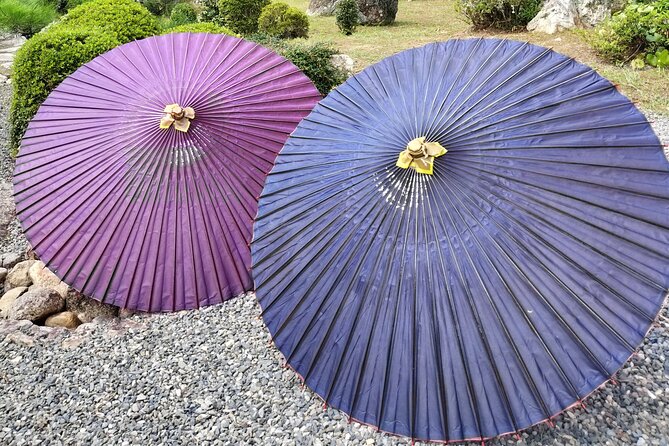
- A photo-friendly garden: You may take pictures during the activity and in the garden, with traditional umbrellas and an imitation sword available for private-session photos.
Entering an old Kyoto home
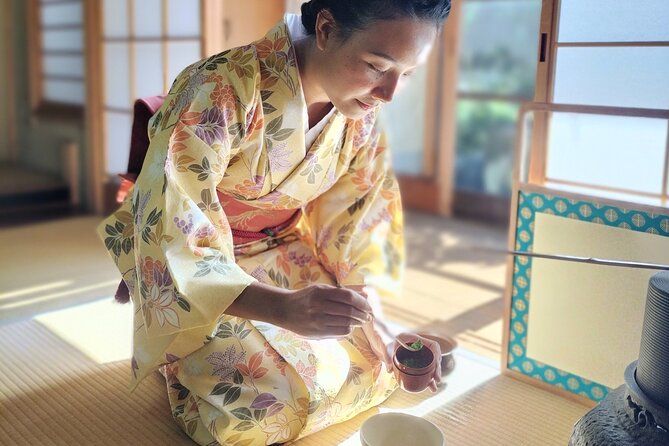
The appeal begins before the first sip. You meet at Kaze no Waon, at 14 Utanokitanoincho in Kyoto’s Ukyo Ward, and enter a traditional Japanese residence rather than a modern studio or hotel event room.
Inside, there is a dedicated tea room and a garden at the back. That setting matters. A tea ceremony can feel like a quick demonstration when it takes place in a generic room, but here the house, garden, and quiet pace help explain why the ceremony developed as a careful break from ordinary life.
The location does require planning. It is away from central Kyoto and in the direction of Kinkakuji Temple and Arashiyama. That can make the experience a good companion to sightseeing in the northwest or western part of the city, but less convenient if your day is centered around Gion, Kyoto Station, or the eastern temples.
The activity lasts about one hour. That is long enough to learn the basics and participate without taking over half your day. I would allow extra time for the journey, especially if you have timed plans afterward.
Other gardens people visit around Kyoto:
- Kyoto Zen Meditation & Garden Tour at a Zen Temple with Lunch
★ 5.0 · 441 reviews - Kyoto Arashiyama Bamboo forest & Garden Half-Day Walking Tour
★ 5.0 · 413 reviews - Kyoto Kiyomizu Tea Ceremony with Scenic Garden Views
★ 5.0 · 101 reviews
Naomi’s introduction to matcha
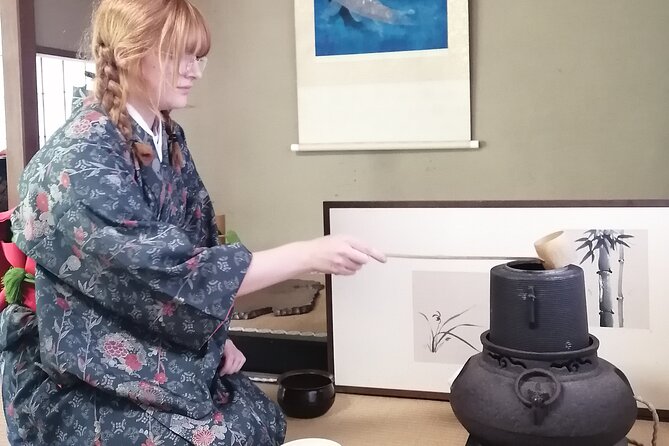
Naomi begins by explaining the tea ceremony and how to drink matcha. The lesson also covers the history of the ceremony, the effects associated with matcha, the different types of matcha and Japanese tea, and the customs behind drinking it.
This part gives the experience more value than a simple photo opportunity. You learn why the bowl is handled in a certain way and how to approach the tea respectfully. You do not need prior knowledge, and the explanations are designed for people encountering the ceremony for the first time.
Naomi’s style is one of the strongest parts of the experience. She speaks English well and has been praised for making the subject clear, friendly, and easy to follow. The tone is serious enough to respect the tradition, but not so formal that you feel nervous about making a mistake.
That balance is important. Japanese tea ceremony has precise movements, yet a short introduction cannot cover every school, rule, or historical detail. You should expect a welcoming introduction rather than a full professional tea-school lesson. For most visitors, that is the right level.
Watching the tea ceremony with a Japanese sweet
After the introduction, Naomi leads the ceremony while you watch. You receive matcha and one Japanese sweet, included in the price.
The sweet choice adds a useful bit of variety. You can choose a traditional bean-paste cake or a fresh-fruit daifuku. If you want both, there is an additional charge of ¥500 per person. The fruit daifuku has been especially noted as a soft, enjoyable match for the tea, while the small cookie served on one occasion offered a simpler extra bite.
The food is modest, not a meal. That is worth keeping clear in your plans. The snack is there to balance the slightly bitter matcha and show the traditional pairing, so eat beforehand if you need lunch or breakfast.
Food allergies and vegan diets can be accommodated. Contact the provider in advance so the right sweet can be prepared. For children, cocoa can replace matcha, which makes the session more workable for families who want to share the setting without asking a young child to drink tea they may not enjoy.
The ceremony is also a good chance to watch the details. You can pay attention to the quiet preparation, the serving style, and the way the sweet comes before the tea. Naomi also allows photos during the ceremony, although you should still be mindful of when to put the camera down and watch.
Making your own bowl of matcha
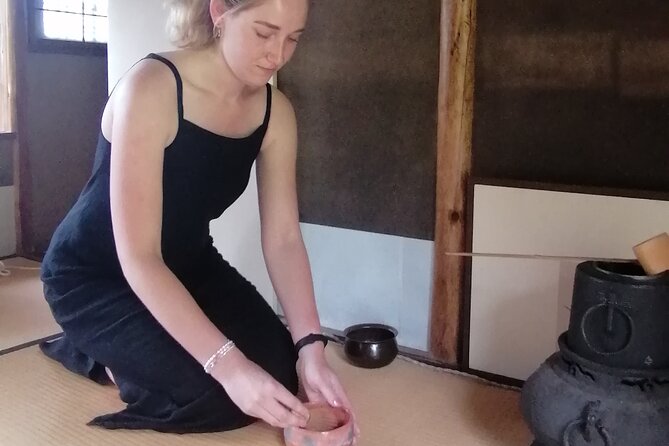
The most satisfying part for many people is the hands-on section. After watching Naomi, you try making matcha yourself.
This turns the activity from a passive display into a small lesson you can remember. You get to handle the tea-making process and see how much care goes into creating a smooth bowl. It is not presented as an exam, and Naomi’s friendly approach helps keep the mood relaxed.
I like this format because it gives you something practical to take home. You may not remember every term from the history lesson, but you are more likely to remember the feel of whisking the tea and the difference between watching and doing.
The experience also treats tea ceremony as a form of quiet attention. One participant described the session as almost meditative and suggested that the calm focus could even change the way you approach coffee at home. That is a useful way to view this activity. You are not only learning a Japanese custom. You are being encouraged to slow your pace for a little while.
Chairs are provided, so you are not required to sit on the floor for the entire activity. That is helpful for anyone with mobility concerns or limited comfort with traditional seated positions. A stroller may enter the grounds, but it cannot be taken inside the building.
Same place, a different sort of green day out:
- Kyoto: Private Tea Ceremony with a Garden View
★ 4.9 · 61 reviews - Bamboo Grove Temple and Garden Views Tour
★ 5.0 · 41 reviews - Stunning Private Tea Ceremony: Camellia Garden Teahouse
★ 5.0 · 28 reviews - Kyoto Hidden Treasures: Special Temple & Garden Access Tour
★ 4.5 · 25 reviews
The garden and photo opportunities
The garden is a major part of the experience. You can take pictures there before the ceremony, and the quiet outdoor space provides a natural setting for portraits.
The garden has been praised for its calm atmosphere and the number of good photo spots. The setting is especially useful if you want a cultural activity that also gives you images of your Kyoto visit, though the ceremony itself should remain the main event rather than a costume photo session.
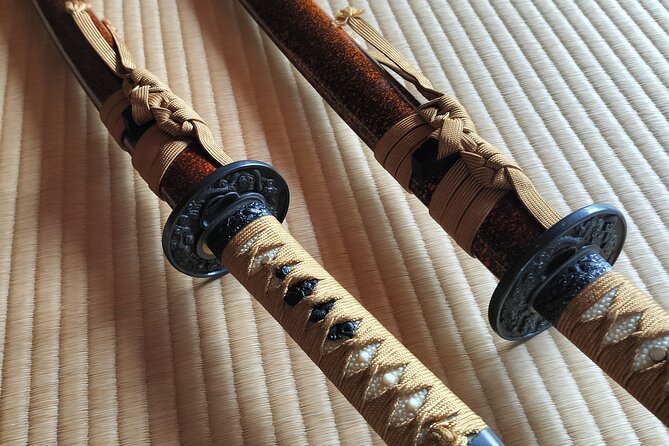
During a private tea ceremony, you can use a traditional Japanese umbrella and an imitation sword for pictures. These are props only. They are not part of the tea instruction, and the sword is not real.
Rain does not automatically end the photo opportunity. You may take pictures while holding an umbrella, but you cannot take outdoor kimono photos in the rain without an umbrella. That rule protects the clothing and keeps the photo experience practical.
Kimono rental, hakama, and family options
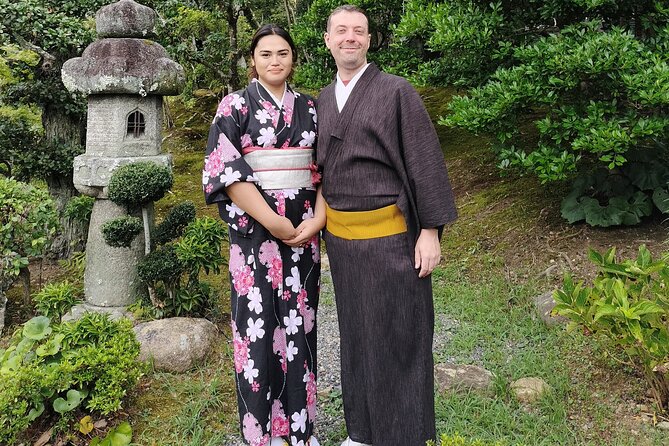
Kimono rental is available for ¥4,000 while the ceremony takes place. A hakama rental costs ¥8,000. There is also a baby romper-style kimono for ¥600 and an undershirt rental for ¥200.
These extras can make the visit feel more special, especially if you want family portraits in the garden. But they also affect the schedule. Getting dressed takes time, and the experience provider does not offer hair styling or makeup. Hair accessories are available for you to use, so arrive with realistic expectations rather than expecting a full salon preparation.
The clothing option is best for people who want a simple cultural portrait and are comfortable handling a few extra arrangements. If your main goal is learning about tea, you can skip the rental and keep the hour more focused.
For a private session, contact the provider before booking. Private arrangements may suit couples, families, or small groups who want more control over the pace and pictures. The standard group limit is six people, although larger groups may be accommodated by arrangement.
What the $44.42 price includes
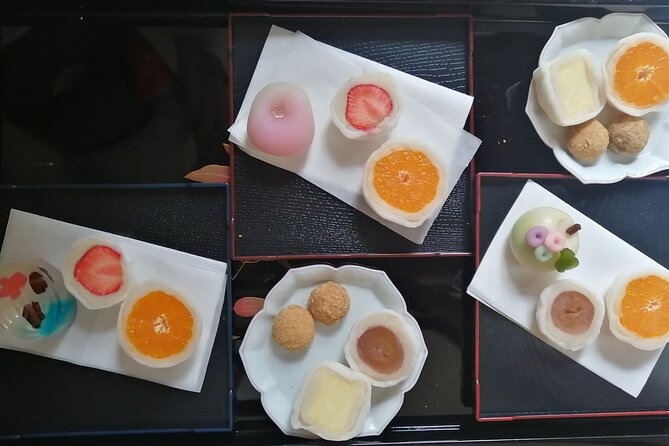
The $44.42 cost covers the tea ceremony, instruction, matcha, and one snack. The activity does not include alcoholic drinks, which is hardly surprising for a tea lesson, but useful to know if you are planning a meal or celebration around it.
I consider the price reasonable because the setting is part of the experience. You are paying not only for a cup of tea but also for access to a traditional home, an organized cultural lesson, a garden, and a hands-on activity. The small-group format also gives the session a more personal feel than a large demonstration.
The value drops if you only want a quick taste of matcha or if you are already familiar with tea ceremony customs. In that case, much of the hour will repeat material you know. It also becomes more expensive once you add kimono, hakama, a second sweet, or a private session.
For most first-time visitors, the core price is the sensible choice. Add the clothing only if photographs are a key part of your plan.
Getting there and planning your day
The meeting point is Kaze no Waon, 14 Utanokitanoincho, in Ukyo Ward. The activity ends at the same place.
The house is near public transportation, but the area is not close to the center of Kyoto. I would pair it with nearby sightseeing rather than cross the city for a one-hour appointment and then hurry back. The provider specifically places the experience toward Kinkakuji and Arashiyama, so check your route and leave enough time.
Confirmation is sent within 48 hours of booking, subject to availability. The session normally has a maximum of six people, while private sessions can be requested. Since it requires good weather and a minimum number of participants, a cancellation caused by weather or insufficient bookings brings a choice of another date or a full refund.
You can cancel for a full refund up to 24 hours before the start time. Changes or cancellations inside that window are not accepted or refunded, so keep your Kyoto schedule firm once you are within the final day.
Who will enjoy this tea ceremony?
I would recommend this experience to first-time visitors who want a gentle introduction to Japanese tea culture. It also suits families, thanks to the cocoa alternative, chairs, child kimono option, and flexible food choices.
Couples and small groups will appreciate the garden and photo opportunities. If you want the most personal version, ask about a private session before booking rather than arranging an upgrade at the last minute.
This is less suitable for anyone seeking a full-day cultural course, an elaborate meal, or a formal ceremony conducted entirely in traditional Japanese. The one-hour format gives you an accessible introduction, not an advanced study of tea schools.
I would also think carefully about the location. If your schedule is already packed with central Kyoto sights, the travel time may outweigh the benefits. If you are visiting Kinkakuji or Arashiyama, it becomes a much easier fit.
Should you book it?
Book it if you want to understand matcha through a calm, personal activity rather than a rushed tasting. Naomi’s warm teaching, the old residence, the garden, and the chance to prepare your own tea give the experience real substance.
Skip it if you want a meal, a quick central-city stop, or an advanced ceremony with no introductory material. For everyone else, the core booking offers good value, especially if you enjoy small groups, photos, and cultural activities that let you take part. Confirm any private or clothing upgrades in advance, plan the route carefully, and you should get a peaceful hour that feels distinct from ordinary sightseeing.
FAQ
How long does the tea ceremony last?
The experience lasts approximately one hour.
Where does the tea ceremony take place?
It takes place at Kaze no Waon, 14 Utanokitanoincho, Ukyo Ward, Kyoto, 616-8201, Japan. The activity ends back at the same meeting point.
How many people can join a standard session?
The standard maximum is six participants. Larger groups may be accommodated by arrangement, and private sessions are available if requested before booking.
Is matcha included in the price?
Yes. The experience includes matcha and one Japanese sweet, along with the tea ceremony instruction.
Can I make matcha myself?
Yes. You first watch the ceremony and learn how to drink matcha, then try making matcha yourself.
Are vegan and allergy-friendly sweets available?
Yes. Food allergies and vegan requirements can be accommodated. You should provide the details in advance.
Is kimono rental available?
Yes. Kimono rental costs ¥4,000, hakama rental costs ¥8,000, baby romper-style kimono rental costs ¥600, and an undershirt rental costs ¥200. Hair styling and makeup are not provided.
What is the cancellation policy?
You can cancel at least 24 hours before the start time for a full refund. Cancellations or changes made less than 24 hours before the experience are not accepted or refunded. If bad weather or insufficient bookings cancels the activity, you can choose another date or receive a full refund.
Just added around Kyoto
- Stunning Private Tea Ceremony: Camellia Garden Teahouse★ 5.0 · 28 reviews
- Kyoto-Nara Adventures Private Tour With Hotel Pick Up★ 4.0 · 5 reviews
- Kyoto Hidden Treasures: Special Temple & Garden Access Tour★ 4.5 · 25 reviews
- Kyoto Japanese Garden Lover’s Private Tour with Government-Licensed Guide★ 4.5 · 10 reviews
- Guided Kyoto City Cherry Blossom One Day Private Tour★ 5.0 · 16 reviews
- Kyoto: Kinkaku-ji Temple & Serene Garden Guided Tour with Tickets★ 5.0 · 9 reviews
- Kyoto ITALIAN GUIDE Golden Pagoda Bamboo Forest Dry Garden★ 4.0 · 2 reviews
- Bamboo Grove Temple and Garden Views Tour★ 5.0 · 41 reviews
Kyoto Garden Tours, compared.
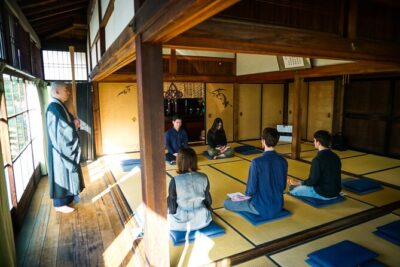
Kyoto Zen Meditation & Garden Tour at a Zen Temple with Lunch
Read our review →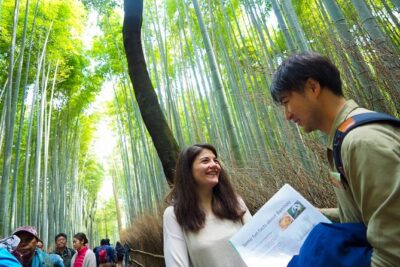
Kyoto Arashiyama Bamboo forest & Garden Half-Day Walking Tour
Read our review →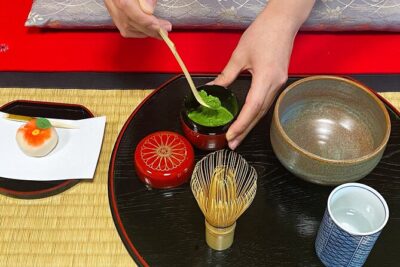
Kyoto Kiyomizu Tea Ceremony with Scenic Garden Views
Read our review →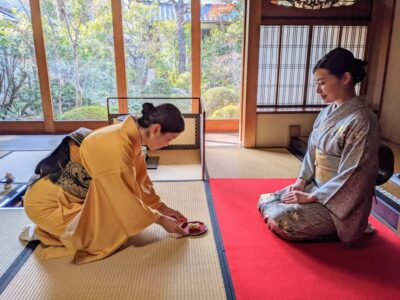
Stunning Private Tea Ceremony: Camellia Garden Teahouse
Read our review →
Kyoto Hidden Treasures: Special Temple & Garden Access Tour
Read our review →
Browse the lists this tour appears in