
Review · TOKYO
Tokyo: Imperial Palace East Gardens Walking Tour
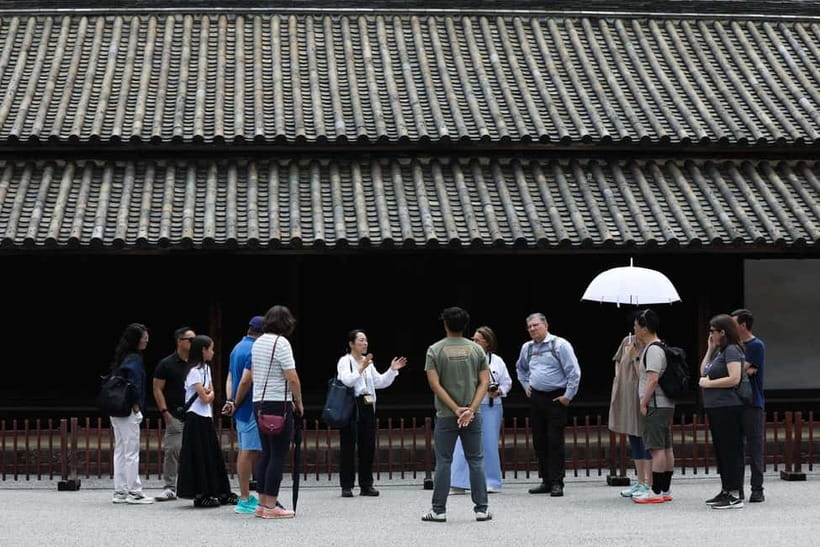
Tokyo’s past survives behind modern office towers. I like this $19 walking tour for its clear look at Edo Castle ruins and its calm route through Ninomaru Garden. The guides also add warmth, humor, and useful Tokyo advice, with Mei, Kei, Wakana, and Tatsie earning especially strong praise for making the history easy to follow. The main limitation is simple: this tour does not enter the Imperial Palace itself.
You will walk for 150 minutes, so comfortable shoes matter. I also like the printed maps and old images some guides use to explain places where little of the original castle remains. Just remember that entry to the Imperial Palace is not included, and the meeting point is near Starbucks at Kokyo Gaien Wadakura Fountain Park, not inside the palace grounds.
Key points to know before you book
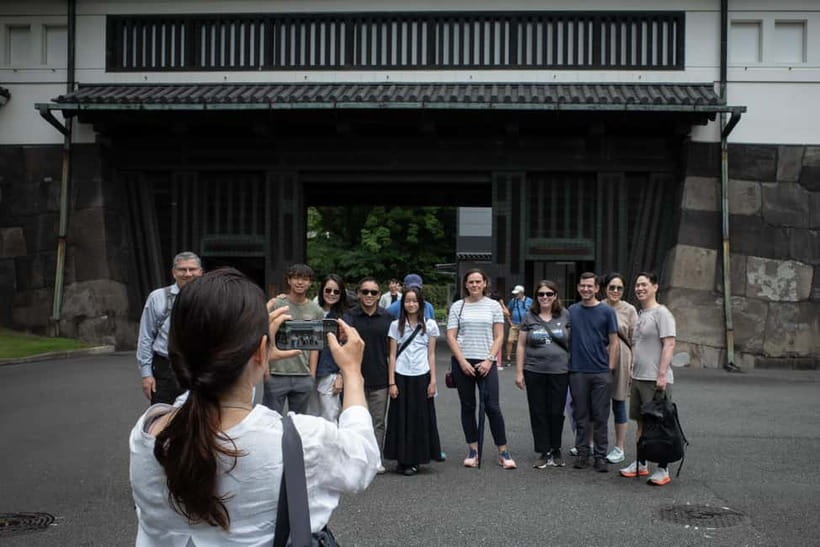
- Edo Castle survives in foundations and defenses: The Honmaru area lets you read the old castle layout through foundations, gates, stone walls, and military structures.
- Ninomaru Garden is the visual centerpiece: Ponds, bridges, clipped trees, stone lanterns, and bonsai create a quieter side of central Tokyo.
- The guide makes the difference: Mei, Kei, Wakana, Tatsie, Midori, Mieko, and others are praised for clear English, humor, patience, and strong storytelling.
- Seasonal timing matters: Cherry blossoms in spring and red and gold foliage in fall can give the gardens their best color.
- It is a palace grounds tour, not a palace interior visit: You explore the East Gardens and former Edo Castle grounds, but you do not go inside the Imperial Palace.
- The pace suits a history-minded walk: The tour lasts 2.5 hours and returns to the same Starbucks meeting area.
Why the East Gardens tell Tokyo’s story so well

Tokyo can feel like a city of glass towers, train lines, and neon signs. The Imperial Palace East Gardens offer a useful change of pace, but their real value is not just the greenery. These grounds were once part of Edo Castle, the seat of the Tokugawa shoguns during the Edo period.
That gives the walk two layers. You see a carefully maintained Japanese garden, then notice that the garden sits inside an old military center. A pond or stone wall is not just decoration. A gate may suggest how people moved through the castle, while a broad foundation hints at the size and importance of buildings that are gone.
I like this contrast because it helps you understand Tokyo as more than a modern capital. The tour connects feudal power, the shoguns, emperors, castle defenses, and present-day Japan without asking you to study a textbook before you arrive.
The setting also gives you a break from Tokyo’s heavy traffic and crowded shopping districts. The gardens are still in the middle of the city, but the mood changes quickly. You can focus on clipped trees, bridges, ponds, and stonework instead of traffic lights and department-store signs.
More Garden Tours in Tokyo:
- Imperial Palace East Garden and Edo Castle Walking Tour in Tokyo
★ 5.0 · 510 reviews - Tokyo: Edo Castle & East Garden of the Imperial Palace Tour
★ 4.7 · 112 reviews - Tokyo Private Tour! Edo Castle & Imperial Palace East Gardens
★ 5.0 · 105 reviews
Meeting near Wadakura Fountain Park
The tour begins near Starbucks Coffee at Kokyo Gaien Wadakura Fountain Park. Your guide waits nearby at the listed coordinates, 35.68299330000001, 139.7611971, so arrive with enough time to identify the correct meeting area.
The start and finish at the same place make the tour easy to fit into a day near Tokyo Station. You are not left at an unfamiliar corner of the city at the end. That is useful if you plan to continue sightseeing, meet a restaurant reservation, or return to your hotel.
The meeting point is worth treating as a practical detail, not an afterthought. Large parks and palace approaches can feel confusing, especially when you are watching the clock. Keep the Starbucks name and the fountain park in your phone, and confirm the guide before setting off.
The tour is offered in English with a live guide. It is also listed as wheelchair accessible, although you should still consider that this is a 2.5-hour outdoor walking experience. The supplied information does not specify the exact surface conditions or route assistance, so ask the provider about your particular needs before booking.
Honmaru: reading the castle through what remains
The Honmaru area was once the main compound of Edo Castle. Today, the experience comes from examining the remains rather than walking through intact palace rooms.
You can expect to see castle foundations, gates, defensive structures, stone walls, guard houses, and watch towers. These pieces help you picture how the compound was arranged and protected. The military side of the site is one of the tour’s strongest features, especially if you enjoy architecture and strategy as much as gardens.
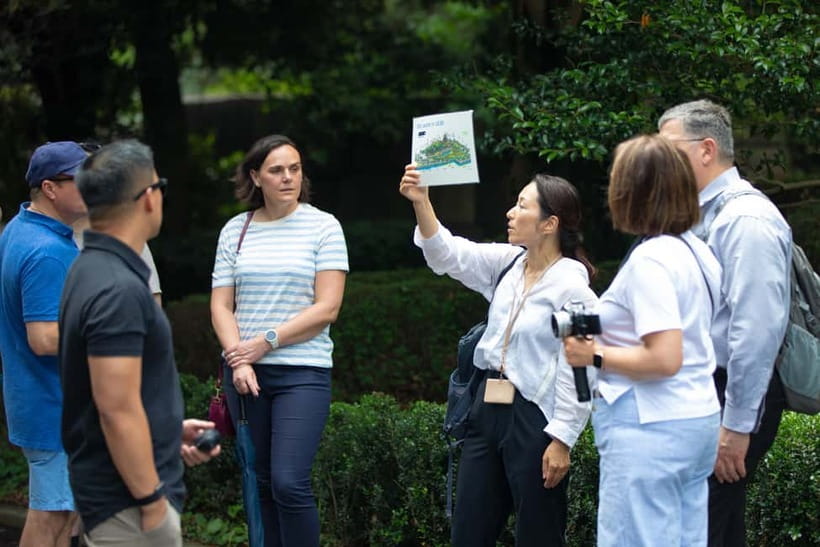
This is also where a guide earns the $19 price. A bare stone foundation can be easy to overlook if you do not know what once stood there. Several guides use maps, photographs, or printed visual aids to show the old castle plan and explain the missing buildings. That extra context helps you see more than a pleasant patch of stone.
Mei received repeated praise for using laminated maps and old images to make the vanished castle easier to understand. Miracle was also praised for using visual material and keeping the walk at a comfortable pace. If you are the sort of person who enjoys knowing where walls and buildings once stood, this explanation will matter.
The drawback is that the ruins are fragmentary. Do not expect a reconstructed castle interior or a grand palace room. The pleasure comes from piecing together the site with your guide, and that requires some imagination.
Ninomaru Garden and the art of restraint
After the castle remains, Ninomaru Garden offers a softer view of the former grounds. Its traditional Japanese design uses arranged trees and shrubs, stone lanterns, ponds, bridges, and carefully maintained planting to create a calm place for looking rather than rushing.
I like this section because it prevents the tour from becoming a long military history lecture. You get time to notice shapes, reflections, spacing, and small details. The design is controlled, but it does not feel empty. Every tree and stone seems placed to guide your eye.
The tour description also points to bonsai and other carefully pruned trees. These details provide a direct look at Japanese gardening ideals, where form and maintenance matter as much as color. Your guide can explain what you are seeing in a way that turns a pretty garden into a cultural lesson.
Do not expect the entire visit to feel equally dramatic. Ninomaru is quiet and measured. If you want constant spectacle, the slow garden sections may seem restrained. I think that pause is useful, particularly after the stonework and defensive remains, but it is worth knowing the rhythm before you book.
The gardens change with the calendar. Spring can bring cherry blossoms, while fall can add red, orange, and yellow foliage. The timing of peak color is never guaranteed, so book this tour for the history and setting first, with seasonal beauty as a welcome bonus.
Same place, a different sort of green day out:
- Mt. Fuji Day Trip from Tokyo with English Speaking Driver Guide
★ 5.0 · 443 reviews - Mt. Fuji, Cherry Blossom & Shiba Sakura Pvt. Day Tour
★ 5.0 · 326 reviews - Mount Fuji & Lake Kawaguchiko Private Tour: Beyond the Ordinary
★ 5.0 · 78 reviews - Tokyo: Rainbow Bridge Day Cruise Show and Only Soft Drinks
★ 4.5 · 75 reviews
What the guides add to the walk
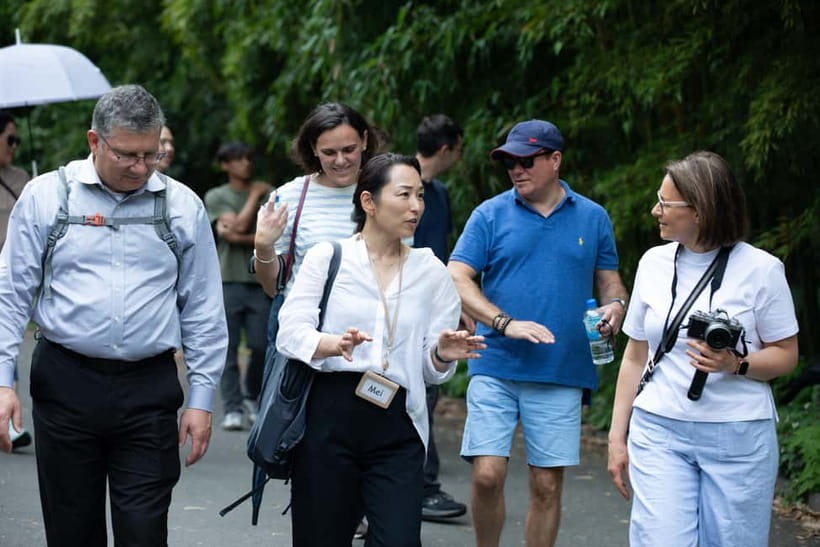
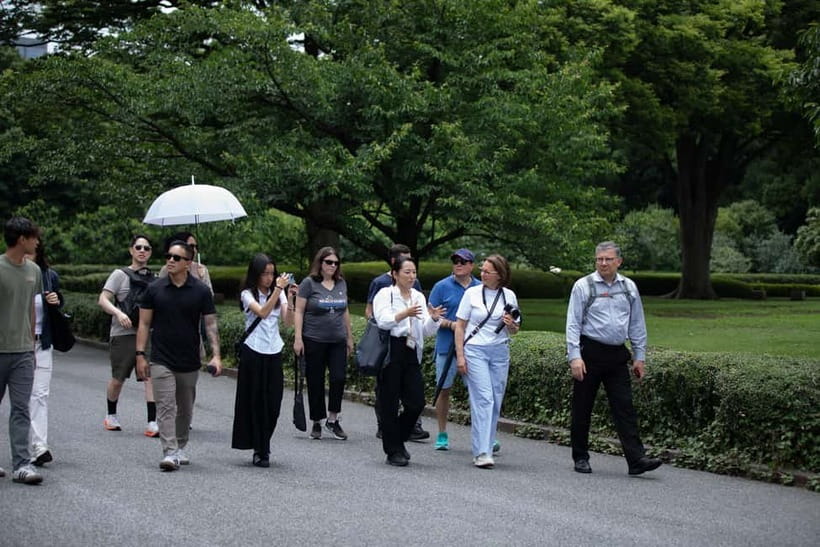
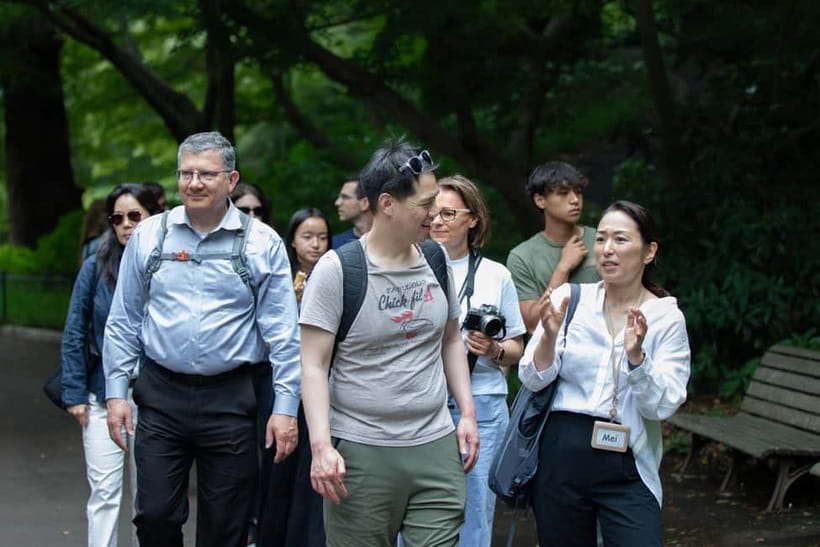
The strongest pattern in the guide feedback is not a single script or a special stop. It is the quality of the explanation. Mei is repeatedly praised for being friendly, funny, patient, and well prepared. Kei is described as warm, willing to answer questions, and strong on history. Wakana receives praise for clear English, helpful advice, and an easy pace.
Tatsie is a good match for visitors who enjoy history and Japanese customs presented in a relaxed way. Midori is praised for personalizing the experience despite poor weather. Mieko, Meiko, Miyu, Loc, Fuku, and Wakan also receive positive comments for making the walk enjoyable and informative.
That range of guide names tells you something practical. Your experience will depend partly on who leads your departure, but the guide team appears to place real weight on conversation and questions. You are not simply marched from sign to sign.
Several guides also add modern references, stories about the imperial family, and practical suggestions for the rest of your Tokyo visit. That can be helpful on a first day in the city, when you still need ideas for temples, restaurants, and nearby sights.
The humor is another plus. Historical dates and feudal titles can blur together, especially when you are jet-lagged. Light jokes and unusual stories give the information something to cling to. The best guides keep the tone friendly without losing the importance of the site.
How the 150 minutes feel on foot
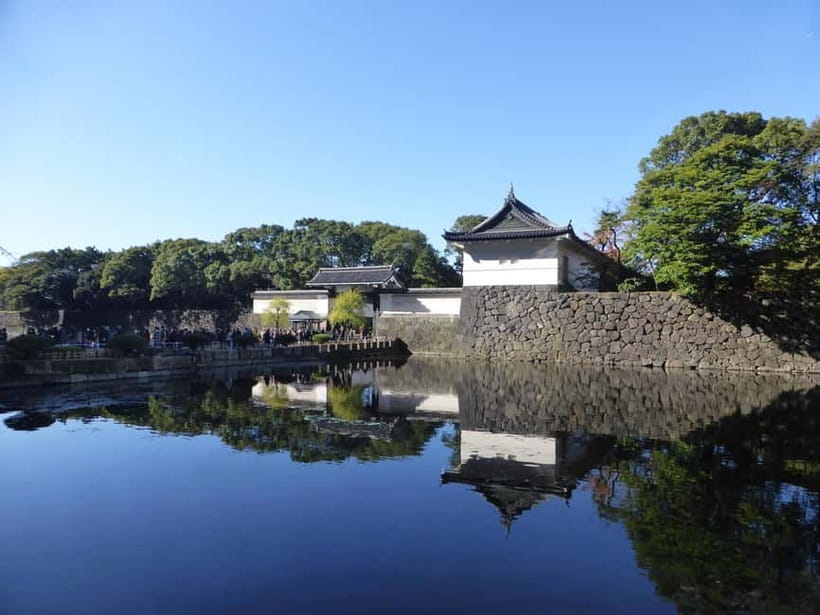
The stated duration is 150 minutes, or 2.5 hours. You begin and end near Wadakura Fountain Park, with the East Gardens as the central stop.
The walk combines moving between historic features with pauses for explanation and photographs. It is not presented as a race, and several comments praise the pacing. That matters because the site works best when you have time to look at a wall, listen to the story behind it, and then move on without feeling hurried.
You should wear comfortable shoes and prepare for outdoor conditions. One guide kept a group engaged in the rain, and another tour continued successfully despite difficult weather. Still, rain can make garden paths less pleasant, while summer heat or winter wind may affect your comfort.
There is no stated hotel pickup, private vehicle, or transport between stops. This is a walking tour from the meeting point and back. If you have limited mobility, the accessible designation is encouraging, but confirm the route details in advance because the information provided does not describe slopes, surfaces, rest stops, or restroom access.
Families can benefit from the visual mix of gates, walls, ponds, and gardens, especially if children enjoy castles. Adults with an interest in Japanese history, gardening, architecture, or photography will likely get the most from the pace.
What the $19 price really buys you
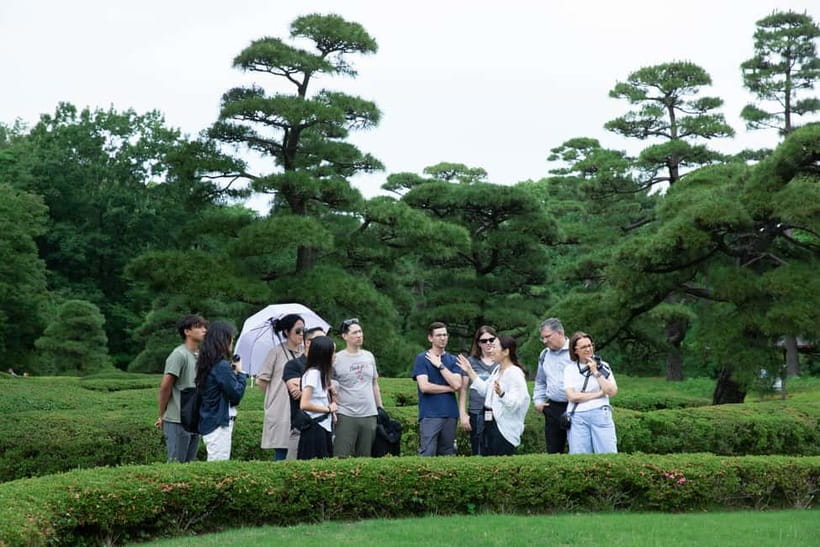
At $19 per person, this is a modestly priced guided experience for 2.5 hours in central Tokyo. The value does not come from admission to an exclusive room or a special viewing area. It comes from having a live English-speaking guide explain a site whose remaining structures can otherwise be difficult to interpret.
You are paying for orientation, historical context, questions, and a route through several different parts of the former castle grounds. That is a fair exchange if you would otherwise wander past a foundation or guard house without understanding its role.
The price is less compelling if you only want to stroll through the gardens at your own speed. You may prefer an unstructured visit if you dislike fixed timing or extended explanations. The tour also does not include entry to the Imperial Palace, so check the wording carefully and do not book expecting an interior palace visit.
The reserve-now-and-pay-later option adds flexibility, and free cancellation is available up to 24 hours in advance for a full refund. Those terms reduce the risk of fitting the walk into a changeable Tokyo schedule.
Best seasons, weather, and photo opportunities
Spring is the obvious choice if cherry blossoms are your priority. Fall can be just as appealing, with colorful foliage adding contrast to the stone walls and traditional garden design.
The gardens also have value outside those peak seasons. In winter, the bare structure of the trees may make the layout easier to see, while summer brings full greenery. The provided information does not promise a particular bloom or foliage date, so treat seasonal color as timing-dependent.
Your guide can point out good places for photographs, and some guides offer to take pictures for you. This is a small but useful touch, especially for couples or families who want more than one hurried selfie.
Rain does not automatically ruin the experience. A guide such as Miko helped keep a group comfortable and engaged during wet weather. Still, bring suitable clothing and protect your phone or camera. The gardens are outdoors, and the walk remains a walk in all seasons.
The limits you should understand first
The largest limitation is the absence of an interior palace visit. You will not tour the Imperial Palace rooms. Instead, you explore the East Gardens and former Edo Castle grounds, with the ruins and garden features providing the main substance.
The second limitation is the condition of the remains. Edo Castle is not presented as a fully restored fortress. You will see foundations, gates, walls, guard houses, and related defensive features, then use the guide’s maps and stories to understand the original complex.
The third is the fixed length. Two and a half hours gives the tour enough time to cover the major themes, but it may feel long if gardens and history are not your interests. On the other hand, it is short enough to combine with a Tokyo Station visit or another central Tokyo plan.
These limits are not reasons to dismiss the tour. They simply tell you what kind of experience you are buying: a guided interpretation of an historic garden and castle site, not a full palace tour or a private photography session.
Who should book this East Gardens walk
I would choose this tour if you want a first, clear introduction to Edo Castle, the shoguns, Japanese garden design, and the Imperial Palace area. It is especially useful when you want historical context but do not want to spend hours inside a museum.
It suits visitors who prefer a human guide to signs and audio commentary. The repeated praise for Mei, Kei, Wakana, Tatsie, and other guides suggests that friendliness and explanation are central strengths.
Families may appreciate the changing scenery and stories about castle defenses. Couples and solo visitors can enjoy the gardens at a gentle pace, with chances for photographs and questions. Wheelchair users should contact the provider about exact route conditions despite the accessible listing.
I would skip it if your main goal is entering the Imperial Palace, seeing a complete castle, or wandering alone without a schedule. For those priorities, the tour’s strengths will not match your needs.
Should you book it?
For $19, I think this is a strong-value choice for a history-minded visit to central Tokyo. Book it if you want the East Gardens to make sense, especially if maps, castle strategy, shogun stories, and traditional gardens appeal to you.
Choose a spring or fall departure if seasonal scenery matters most, but do not depend on perfect blossoms or foliage. Confirm the meeting point, wear good shoes, and remember that the palace interior is not part of the tour.
If you want a relaxed walk with clear English explanations, friendly guides, and a useful bridge between old Edo and modern Tokyo, I would book it.
FAQ
How much does the Imperial Palace East Gardens walking tour cost?
The tour costs $19 per person.
How long does the tour last?
The guided walk lasts 150 minutes, or 2.5 hours.
Where does the tour begin?
It begins near Starbucks Coffee at Kokyo Gaien Wadakura Fountain Park. The listed coordinates are 35.68299330000001, 139.7611971.
Where does the tour finish?
The tour returns to the same Starbucks Coffee meeting area near Kokyo Gaien Wadakura Fountain Park.
Is the tour conducted in English?
Yes. The activity includes a live English-speaking guide.
Does the tour enter the Imperial Palace?
No. The tour does not go inside the Imperial Palace. It visits the East Gardens and the former Edo Castle grounds.
What is included in the price?
The price includes the walking tour and a guide.
Is entry to the Imperial Palace included?
No. Entry to the Imperial Palace is not included.
Is the tour wheelchair accessible?
Yes. The activity is listed as wheelchair accessible. The available information does not specify the exact route surfaces or accessibility features.
Can I cancel for a refund?
Yes. You can cancel up to 24 hours in advance for a full refund. The activity also offers reserve now and pay later booking.
Just added around Tokyo
- Private tour – Scenic Fuji Escape: Hakone, Peace Park & More★ 5.0 · 4 reviews
- TOKYO: Tailored Gardens tour with Pro Gardener by E-bike -BASIC★ 5.0 · 2 reviews
- Tsukiji Food Strolling and Hama Rikyu Garden Walking Tour★ 5.0 · 7 reviews
- Tokyo: Serene Sakura & Sake: An Exclusive Brewery Pairing Lunch★ 5.0 · 2 reviews
- Full Guided Mt. Fuji & Shiba-Sakura Festival One Day Pvt.Tour★ 5.0 · 6 reviews
- Tokyo Cherry Blossom Half Day Walking Tour with a Local Guide★ 3.5 · 4 reviews
- Cherry Blossom Highlights, Asakusa, Ueno, Imperial Palace Garden★ 4.5 · 4 reviews
- Licensed Guide Tokyo Meguro Cherry Blossom Walking Tour★ 4.5 · 13 reviews
Tokyo Garden Tours, compared.
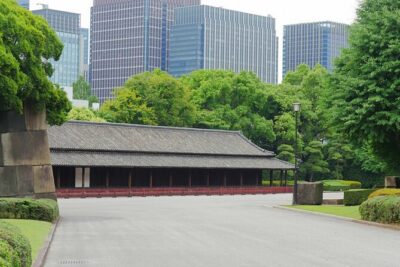
Imperial Palace East Garden and Edo Castle Walking Tour in Tokyo
Read our review →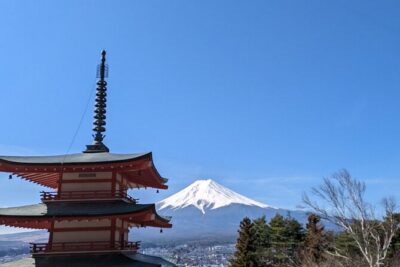
Mt. Fuji Day Trip from Tokyo with English Speaking Driver Guide
Read our review →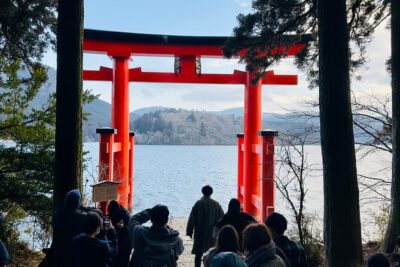
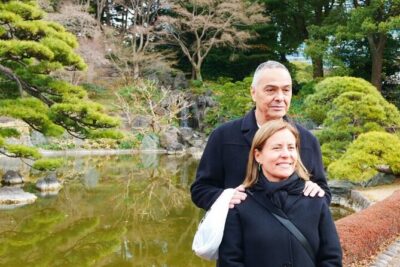
Edo Castle & East Garden of the Imperial Palace Tour
Read our review →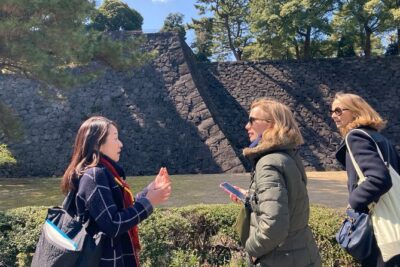
Tokyo Private Tour! Edo Castle & Imperial Palace East Gardens
Read our review →
Mount Fuji & Lake Kawaguchiko Private Tour: Beyond the Ordinary
Read our review →
Rainbow Bridge Day Cruise Show and Only Soft Drinks
Read our review →
Tsukiji Market and Hama-rikyu Gardens Guided Tour
Read our review →Browse the lists this tour appears in