
Review · TOKYO
Tokyo: Tsukiji Market and Hama-rikyu Gardens Guided Tour
Tokyo wakes up at the market. I like the mix of Tsukiji’s food stalls and Hama-rikyu’s quiet gardens, with a temple visit adding a thoughtful start to the morning. You get seafood, sweets, flowers, and skyline views in one compact outing.
The main consideration is the amount of walking. The route lasts from 150 minutes to three hours, and food purchases cost extra. Also, the accessibility information conflicts, so anyone using a wheelchair or managing limited mobility should confirm details before booking.
Key points to know before you go

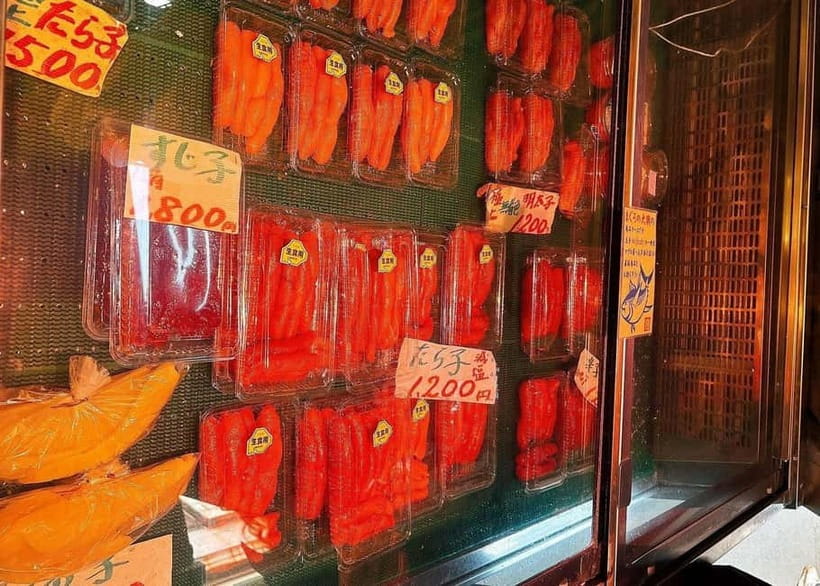
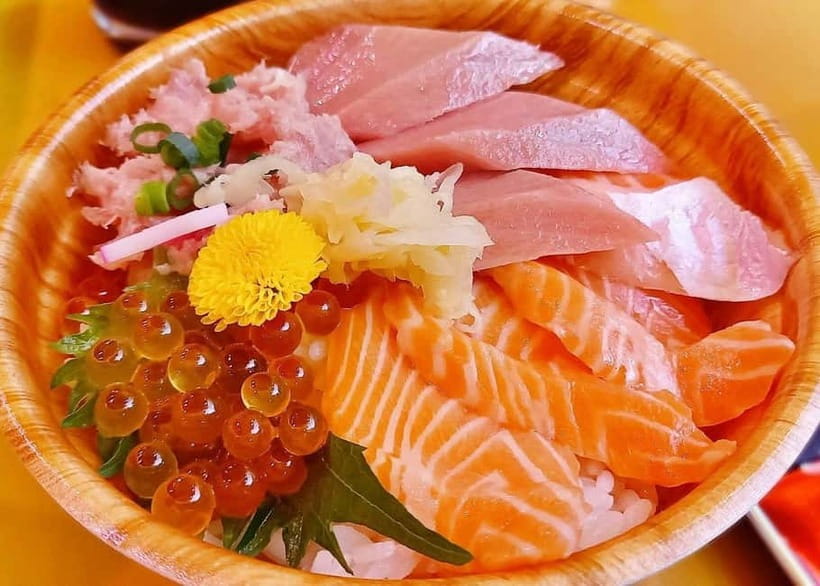
- Tsukiji offers far more than sushi: Browse seafood, produce, tamagoyaki, grilled scallops, wagyu skewers, and matcha sweets.
- The route begins at Tsukiji Hongwanji Temple: Its unusual architecture and calm interior provide a quiet pause before the market crowds.
- Hama-rikyu changes with the season: Flowers may be in full bloom, depending on when you visit.
- The tour is entirely on foot: Allow for narrow market lanes, outdoor walking, and a 15-minute walk between Tsukiji and the gardens.
- Matcha and wagashi are optional: The tea and sweet tasting costs about 1,000 yen, paid locally.
- The $31 price is fair for a guided introduction: It includes the garden admission and guide, but not snacks, meals, or transport.
A compact Tokyo morning with three very different moods
This tour works because the stops contrast so sharply. You begin at a temple, move into the noise and aromas of Tsukiji Outer Market, then finish among ponds, flowers, and old garden paths at Hama-rikyu.
I like this structure for a first visit to the area. You are not spending three hours looking at one attraction from every possible angle. Instead, you get a quick cultural sampler: religious architecture, Japanese food culture, and an Edo-period garden with modern Tokyo behind it.
The tour starts at Starbucks Coffee in front of Tsukiji Station. Your guide meets you there, and the group walks first to Tsukiji Hongwanji Temple. The experience is offered with live guides in English, Chinese, French, Korean, and Spanish.
The stated duration ranges from two and a half hours to three hours. The planned stops account for about two hours and 15 minutes, including the temple, market, walk, and garden. Extra time may come from browsing, shopping, food sampling, or the optional tea service.
More Garden Tours in Tokyo:
- Imperial Palace East Garden and Edo Castle Walking Tour in Tokyo
★ 5.0 · 510 reviews - Tokyo: Imperial Palace East Gardens Walking Tour
★ 4.8 · 353 reviews - Tokyo: Edo Castle & East Garden of the Imperial Palace Tour
★ 4.7 · 112 reviews
Tsukiji Hongwanji Temple: a calm beginning
The first stop lasts about 15 minutes, so expect an introduction rather than an extended temple visit. That is enough time to see the building, hear some background, and take in the quiet atmosphere before entering the market.
Tsukiji Hongwanji is known for its unusual architecture. It does not look like a simple neighborhood temple, and that difference makes it a useful opening stop. Your guide can help explain what you are seeing instead of leaving you to guess at the details.
I appreciate the order of the itinerary here. Starting with the temple gives you a few peaceful minutes before the narrow lanes and food stalls of Tsukiji. If you arrive hungry and eager to eat, the temple may feel brief. Still, it gives the outing a stronger cultural frame than a market-only food walk.
Keep this stop short in your own planning. The main event is still ahead, and the temple visit is designed as a measured introduction rather than a major sightseeing block.
Tsukiji Outer Market: seafood, produce, and small bites
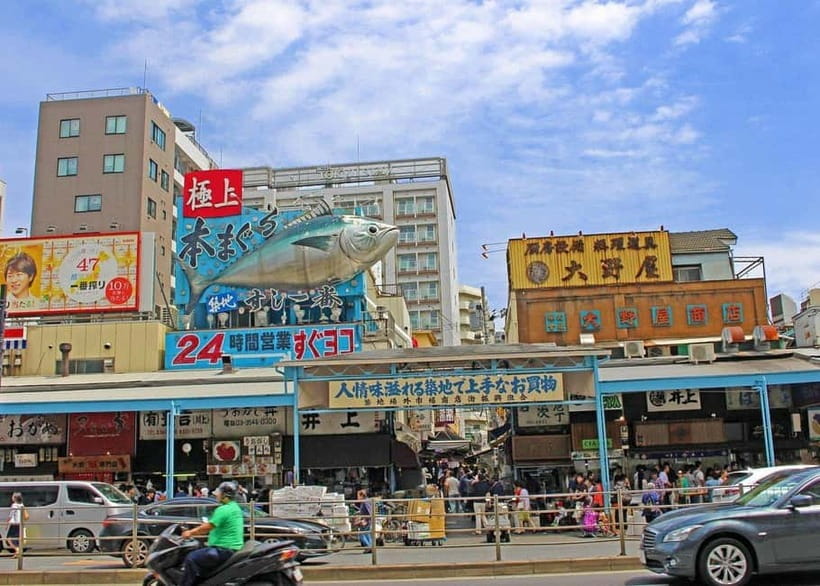
You spend about 45 minutes on a guided visit to Tsukiji Outer Market, with time for shopping and free exploration. This is the section most likely to appeal to your appetite and curiosity.
The market handles roughly 480 types of seafood and 270 types of produce. You will not see every one of them during a short visit, but those numbers give you a sense of the market’s scale and variety. Narrow alleys bring you close to counters, displays, cooking smells, and vendors working with ingredients central to Japanese food.
The market has an 83-year history as one of Tokyo’s central wholesale markets. Your guide’s role matters here. Without context, you might see attractive food and crowded lanes but miss how the market fits into Tokyo’s food system and daily eating habits.
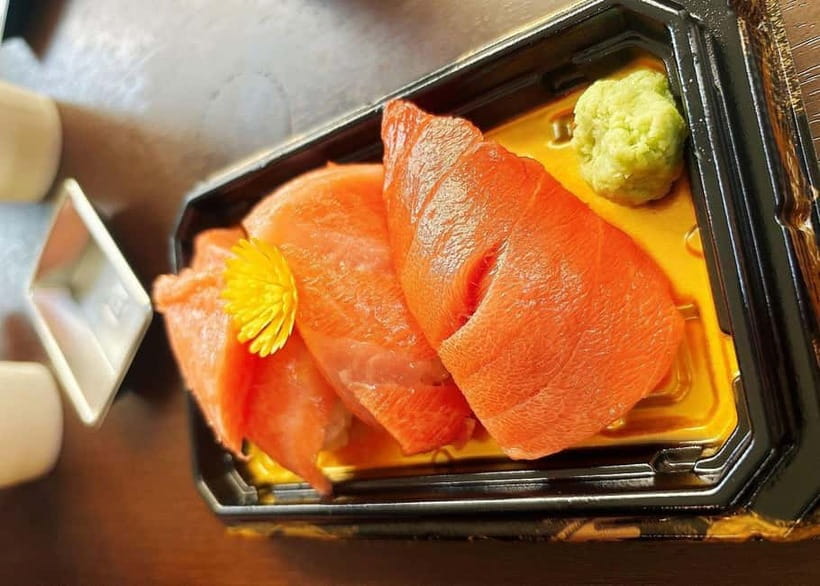
The listed foods include grilled scallops, tamagoyaki, sushi, wagyu skewers, and matcha sweets. These are optional purchases, not part of the tour price. That is useful to know before you arrive, because a $31 tour can become a more expensive morning if you sample everything that catches your eye.
Tamagoyaki is Japanese omelette, often cooked in a rectangular shape and served in neat pieces. It is a good choice if you want a quick, mild snack rather than raw seafood. Grilled scallops and sushi suit visitors who want a more direct taste of the market.
Wagyu skewers offer a hearty option, while matcha sweets finish on a sweeter note. You can choose your own pace and budget instead of being locked into a fixed tasting menu. I see that as a strength, especially for families or mixed groups where one person wants sushi and another wants something cooked.
The drawback is the limited market time. Forty-five minutes passes quickly if you want to eat, shop, take photographs, and listen to the guide. You may need to choose two or three priorities rather than trying every stall.
The market also rewards comfortable shoes and a little patience. The route uses narrow lanes, and you will be walking while looking at food displays and other people. Keep your hands free when possible, and bring water. Smoking is not allowed during the activity.
The 15-minute walk to Hama-rikyu
After Tsukiji, the group walks for about 15 minutes to Hama-rikyu Gardens. This transfer is simple, but it reinforces an important point: this is a walking tour, not a hop-on sightseeing trip.
You do not need to arrange transport between the attractions. Transportation to and from the attractions is not included because the route is walked. You are responsible for reaching the Starbucks meeting point and for making your own way onward after the tour ends.
The walk also helps the day feel connected. You move from a working food district into a formal garden without boarding a bus or disappearing underground. It is a practical transition, though anyone with mobility concerns should treat the distance and total walking time seriously.
Same place, a different sort of green day out:
- Mt. Fuji Day Trip from Tokyo with English Speaking Driver Guide
★ 5.0 · 443 reviews - Mt. Fuji, Cherry Blossom & Shiba Sakura Pvt. Day Tour
★ 5.0 · 326 reviews - Tokyo Private Tour! Edo Castle & Imperial Palace East Gardens
★ 5.0 · 105 reviews - Mount Fuji & Lake Kawaguchiko Private Tour: Beyond the Ordinary
★ 5.0 · 78 reviews
Hama-rikyu Gardens: Edo calm beneath the skyline
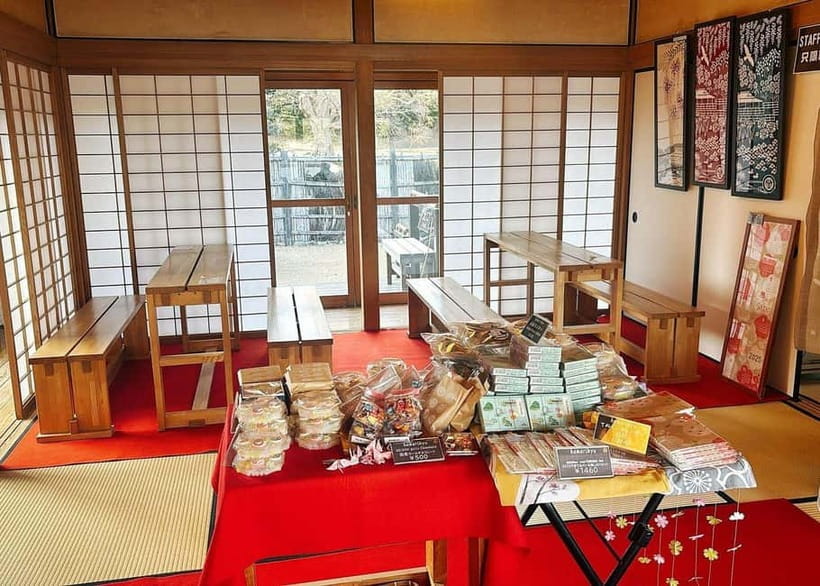
The garden visit lasts about one hour, including guided explanation and free time. Hama-rikyu was created during the Edo period more than 370 years ago, giving the final section a different sense of time from the busy market.
Here, the pace slows. You can walk among ponds, paths, and planted areas while looking up at Tokyo’s modern skyline. That contrast is one of the clearest reasons to choose this tour. You get old Japanese garden design and present-day city towers in the same view.
Flowers vary with the season. At the right time of year, you may see colorful blooms that give the garden an extra lift. The wording matters, though: no single flower display is guaranteed year-round. If seasonal flowers are your main reason for booking, check the timing before you commit.
The garden is also where the tour gives you the most room to breathe. The market can feel packed with things to see and taste, while Hama-rikyu lets you pause, photograph, and absorb the setting. I would save some of your camera battery for this part, since the garden and skyline make a strong final scene.
The experience finishes at Hama-rikyu Gardens. That is convenient if you want to continue sightseeing nearby, but it means you should plan your next stop yourself. There is no return transfer included.
Optional matcha and wagashi in the garden
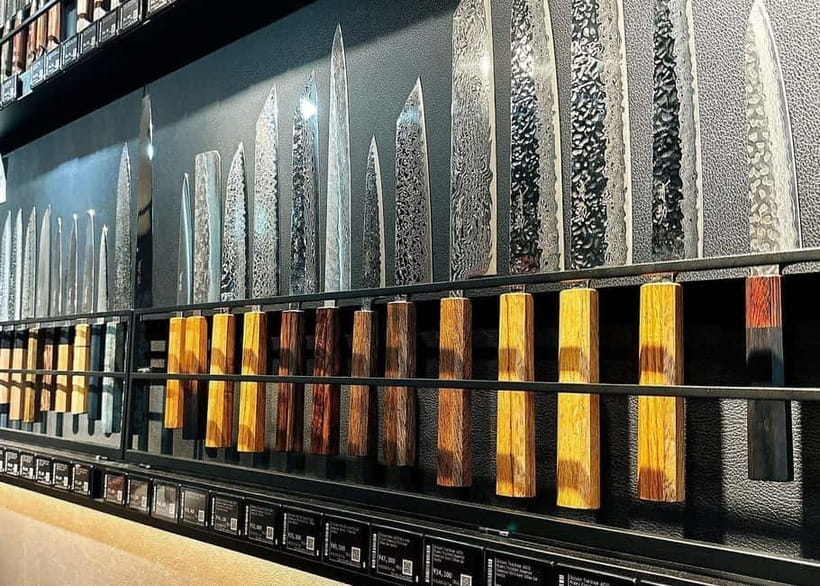
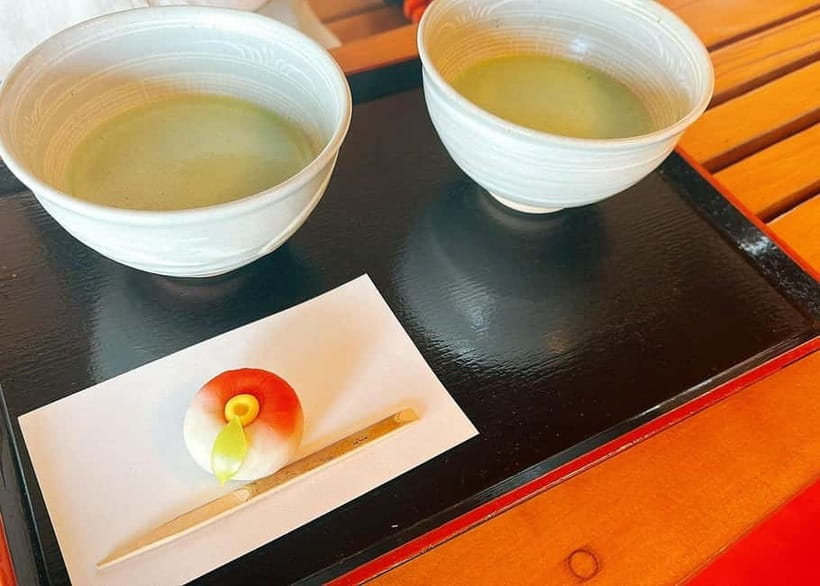
You can add a matcha and wagashi tasting for about 1,000 yen, paid on-site. The tasting is optional, so you can keep the tour focused on sightseeing if you do not want another food stop after Tsukiji.
Matcha is powdered Japanese green tea, and wagashi are traditional Japanese sweets. The pairing can introduce basic Japanese etiquette as well as familiar flavors in a more formal setting than a market snack.
I see this as a pleasant add-on rather than a must-have. You already have many food options at Tsukiji, so your decision depends on your interests and appetite. Choose it if you want a cultural activity connected to tea service. Skip it if you prefer extra free time in the garden or need to keep spending down.
The additional fee is modest, but bring yen because payment is made locally. The tour price does not cover this tasting.
What the $31 price really includes
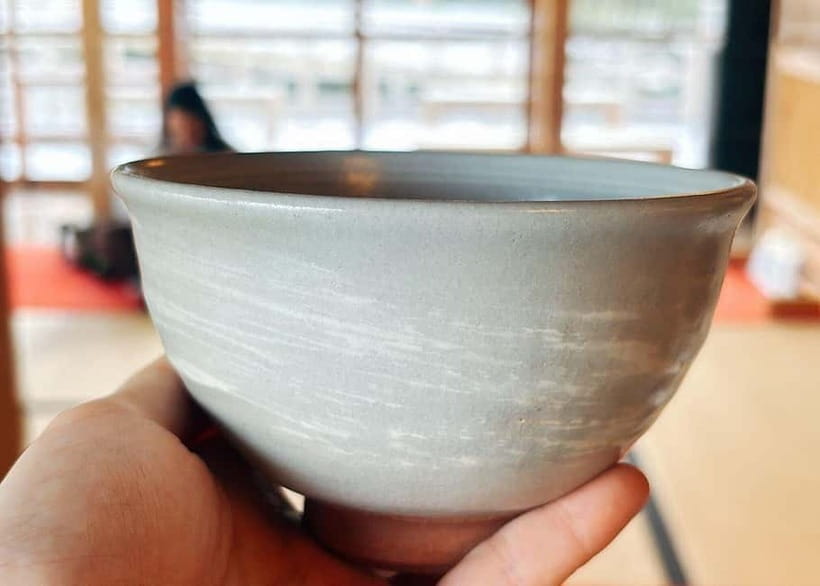
At $31 per person, the tour offers reasonable value for visitors who want structure and explanation. The price includes a local guide and admission to Hama-rikyu Gardens. You do not have to pay a separate garden entrance fee or work out the route between the three main stops.
Food is not included. That is not a serious flaw for Tsukiji, where fixed meal arrangements could limit your choices. You can spend nothing on food, buy one small snack, or create your own tasting session. Just budget separately for anything you eat.
The tour also does not include transportation to the meeting point or after the garden. Since the route is walked, that is easy to understand, but it matters when you compare the price with bus-based city tours.
The strongest value comes from the guide. Tsukiji is easy to enter but harder to interpret. A guide can point out what you are seeing, explain the market’s role, and help connect the temple, food stalls, and garden. If you already know Tsukiji well and prefer to browse alone, you may get less from the paid format.
Timing, languages, and practical comfort
The start time varies, so you need to check availability for your date. Morning is likely the most natural fit for a market visit, but the supplied details do not promise a specific departure time. Plan your wider Tokyo schedule with some flexibility.
Guided tours are available in English, Chinese, French, Korean, and Spanish. Choose the language that lets you ask questions comfortably, particularly if you want cultural explanation rather than just directions between stops.
Wear comfortable shoes. You will walk through the market, cover the route to the gardens, and continue around Hama-rikyu. Bring water and a camera, but avoid carrying more than you need.
The accessibility details require care. One part of the information describes the activity as wheelchair accessible, while another says it is not suitable for wheelchair users or people with mobility impairments. The route includes narrow market lanes and substantial walking, so you should contact the provider before booking if this affects you.
Pregnant people are also listed as not suitable for the activity. If you have any health concern related to walking or standing, get clear advice before reserving.
The tour offers free cancellation up to 24 hours before the start time, with a full refund, and you can reserve now and pay later. Those policies are useful if your Tokyo plans are still shifting.
Who will enjoy this Tsukiji and Hama-rikyu tour?
I would choose this experience if you want a guided introduction to several sides of Tokyo in one morning. It suits first-time visitors, food-minded sightseers, and anyone who likes to combine major sights with smaller cultural stops.
It is especially useful if you are unsure how to approach Tsukiji. The guide provides a route, market context, and ideas for what to sample. You can still make your own food choices, which keeps the outing flexible.
Families with different interests may also find it practical. One person can focus on seafood, another on sweets, and everyone gets the temple and garden. The walking requirement, however, means young children or anyone who tires quickly may find the pace demanding.
I would be less inclined to book it if your main goal is a long, leisurely food crawl. Forty-five minutes at the market is a useful introduction, not enough time for an unhurried feast and serious shopping.
It may also be the wrong choice if you want a private experience. The supplied information does not promise a private group, so ask before booking if group size matters to you.
Should you book it?
Book this tour if you want a well-shaped introduction to Tsukiji, with the added benefits of a temple and Hama-rikyu Gardens. The $31 cost is sensible because it includes the garden entrance and a guide, while optional food spending lets you control your final bill.
Go with realistic expectations. You will sample the character of the market rather than cover every stall, and you will walk for much of the outing. Wear good shoes, budget separately for food and the 1,000-yen tea option, and confirm the accessibility question directly.
For a first look at this part of Tokyo, I think the combination is strong: one stop feeds your curiosity, one can feed you, and the last gives you a quiet view of the city.
FAQ
Where does the tour begin?
The meeting point is in front of Starbucks Coffee near Tsukiji Station.
Where does the tour finish?
The tour finishes at Hama-rikyu Gardens.
How long does the experience last?
The stated duration is between 150 minutes and three hours. The planned route includes 15 minutes at Tsukiji Hongwanji Temple, 45 minutes at Tsukiji Outer Market, a 15-minute walk, and about one hour at Hama-rikyu Gardens.
Is transportation included?
No. This is a walking tour, and transportation to and from the attractions is not included.
Is food included in the price?
No. Food from market stalls is optional and must be paid for on-site.
How much does the matcha tasting cost?
The optional matcha and wagashi tasting costs about 1,000 yen and is paid locally.
Which languages are available?
Live guides are available in Chinese, English, French, Korean, and Spanish.
Is the tour wheelchair accessible?
The information provided is conflicting. One section says it is wheelchair accessible, while another says it is not suitable for wheelchair users or people with mobility impairments. Contact the provider before booking to confirm whether the route works for your needs.
Just added around Tokyo
- Private tour – Scenic Fuji Escape: Hakone, Peace Park & More★ 5.0 · 4 reviews
- TOKYO: Tailored Gardens tour with Pro Gardener by E-bike -BASIC★ 5.0 · 2 reviews
- Tsukiji Food Strolling and Hama Rikyu Garden Walking Tour★ 5.0 · 7 reviews
- Tokyo: Serene Sakura & Sake: An Exclusive Brewery Pairing Lunch★ 5.0 · 2 reviews
- Tokyo Cherry Blossom Half Day Walking Tour with a Local Guide★ 3.5 · 4 reviews
- Cherry Blossom Highlights, Asakusa, Ueno, Imperial Palace Garden★ 4.5 · 4 reviews
- Full Guided Mt. Fuji & Shiba-Sakura Festival One Day Pvt.Tour★ 5.0 · 6 reviews
- Licensed Guide Tokyo Meguro Cherry Blossom Walking Tour★ 4.5 · 13 reviews
Tokyo Garden Tours, compared.
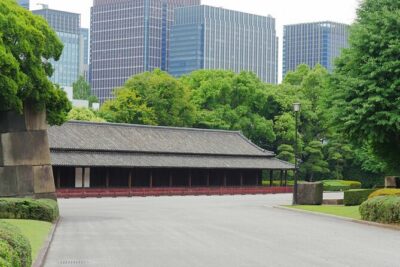
Imperial Palace East Garden and Edo Castle Walking Tour in Tokyo
Read our review →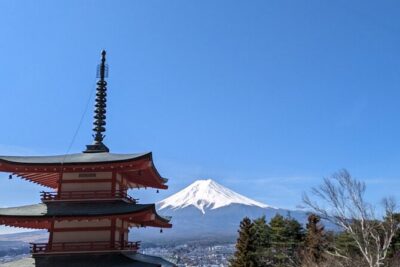
Mt. Fuji Day Trip from Tokyo with English Speaking Driver Guide
Read our review →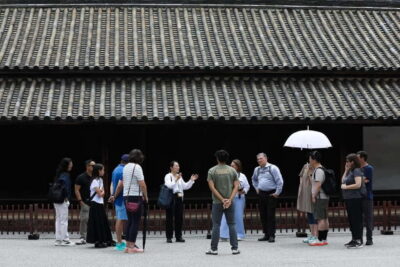
Edo Castle & East Garden of the Imperial Palace Tour
Read our review →
Tokyo Private Tour! Edo Castle & Imperial Palace East Gardens
Read our review →
Mount Fuji & Lake Kawaguchiko Private Tour: Beyond the Ordinary
Read our review →
Rainbow Bridge Day Cruise Show and Only Soft Drinks
Read our review →Browse the lists this tour appears in