
Review · KYOTO
Kyoto Spring Evening (Cherry Blossom) Food Tour
Kyoto after dark feels different. This three-hour evening walk combines cherry blossoms, local snacks, a Hanami picnic, and a sit-down seasonal dinner in the Demachiyanagi district. I like the chance to see Kyoto beyond its best-known sightseeing routes, and I also like the small maximum group of 10, which should make conversation with the guide easier.
I especially like the mix of seasonal food and local history, plus the route through places such as Tadasu no Mori, Shimogamo Jinja, and Kawai Jinja. The main drawback is the price: at $217 per person, you pay a large premium for guidance and convenience when much of the area can be explored independently.
- Starts at 4:30 pm at Demachiyanagi Station, a practical base for an evening around northern Kyoto.
- Includes two drinks, local snacks, sweets, and a seasonal restaurant dinner.
- Pairs cherry blossom viewing with a real Hanami stroll and picnic, rather than treating Sakura as a quick photo stop.
- Visits local and historic places, including Kawai Jinja, Honmanji Temple, Tadasu no Mori, and Shimogamo Jinja.
- Keeps the group small, with no more than 10 people.
- Works for vegetarian and pescatarian diets, although you should provide your dietary needs when booking.
What the $217 Price Really Buys
At $217, this is not a budget food walk. You are paying for three hours of a planned route, a local guide, a restaurant meal, two drinks, several tastings, and help navigating Kyoto during one of the city’s busiest seasons.
I can see the value for someone making a short visit to Kyoto who wants an organized evening without having to choose a restaurant, find seasonal snacks, or work out where to see blossoms. The food and cultural setting are the point, not simply transportation from one attraction to the next.
Still, the price deserves a clear-eyed look. Demachiyanagi is accessible by public transportation, and the temples, shrines, shopping street, and wooded paths can be visited without a tour fee. One past participant felt the same experience could be arranged independently for about one-tenth of the cost.
My advice is simple: book this for the guide, food planning, and company, not for exclusive access. You are not buying admission to a private garden or a reserved cherry blossom viewing area. If you enjoy arranging your own meals and walks, the price may feel hard to justify.
Beginning at Demachiyanagi Station at 4:30 pm
The meeting point is Demachiyanagi Station at 32-1 Tanaka Kamiyanagicho in Sakyo Ward. The tour returns to this same meeting point, so you do not need to arrange a separate pickup at the end.
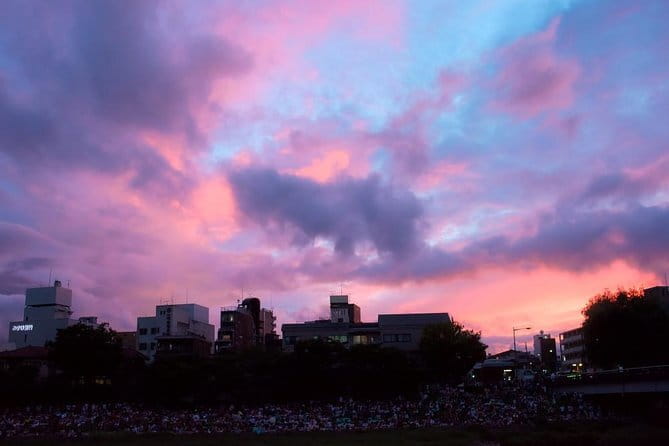
Starting at 4:30 pm is well judged for a spring evening. You have time to move through the shopping street and cultural sites while daylight fades, then settle into the seasonal meal later in the outing. The exact balance may change with restaurant schedules, public holidays, weather, or other local conditions.
Hotel pickup is not included. It can be arranged for an additional charge, but most people should plan to reach Demachiyanagi by public transportation. Transportation costs are also extra.
Arrive on time. A previous outing had a delay while the rest of a five-person group assembled, and that sort of wait matters on a three-hour tour. The small-group size is a benefit, but the evening depends on everyone being ready at the meeting point.
More Cherry Blossom Tours in Japan
- Guided Kyoto City Cherry Blossom One Day Private Tour
★ 5.0 · 16 reviews - Private & Unique Kyoto Cherry Blossom “Sakura” Experience
★ 5.0 · 5 reviews - Mt. Fuji, Cherry Blossom & Shiba Sakura Pvt. Day Tour
★ 5.0 · 326 reviews
Demachiyanagi Shopping Street and the Taste of Local Kyoto
The first part of the walk takes you through Demachiyanagi Shopping Street, a local shopping arcade where everyday Kyoto life takes center stage. This is a useful change from a route built only around famous temples.
You can expect time for shopping, along with tastings of local snacks and sweets. The format gives you a chance to notice how spring appears in Japanese food, not just in the trees. Seasonal cooking is a major theme here, and one particularly positive account described the food as a powerful way to understand the importance of seasonality in Japan.
The tastings are not the same as a full meal, so keep that distinction in mind. They are small samples woven into the walk, followed by dinner at a classic restaurant. Additional food and drinks can be purchased at your own expense.
This section will suit you if you like food with context. If you want a long, restaurant-heavy evening with many generous courses, three hours and several small tastings may feel more modest than expected.
Kawai Jinja and the Quiet Side of Hanami
Kawai Jinja is one of the stops included on the route. Together with the nearby shrines, temple grounds, and wooded paths, it helps frame cherry blossom viewing as a cultural practice rather than a simple hunt for the biggest tree.
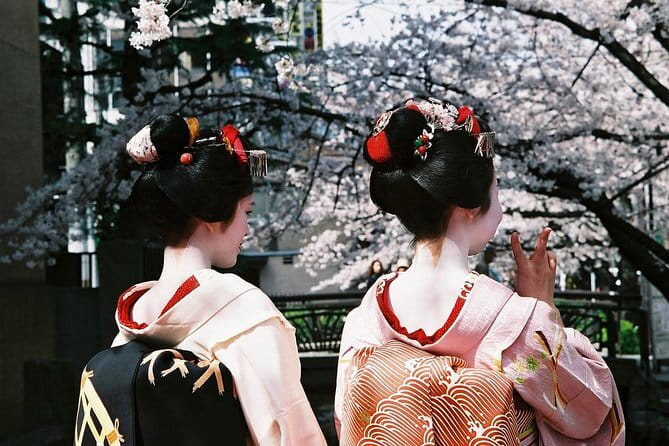
The tour presents Hanami as an evening stroll and picnic with a local guide. That matters because cherry blossom season can become a checklist of crowded photo spots. Here, the focus is on slowing down, looking around, and connecting the blossoms with local customs and seasonal food.
You should not expect every listed place to receive the same amount of time. The experience lasts about three hours, and the route can change because of weather, restaurant schedules, public holidays, or other unexpected issues. Substitutions may be made when needed.
The strongest part of this approach is the setting. You get a guided walk through a less standard part of Kyoto, with stories intended to make the temples and trees more meaningful. One very warm account praised the historical stories for making the evening feel more alive.
Kyoto Imperial Palace and Kyoto Botanical Gardens
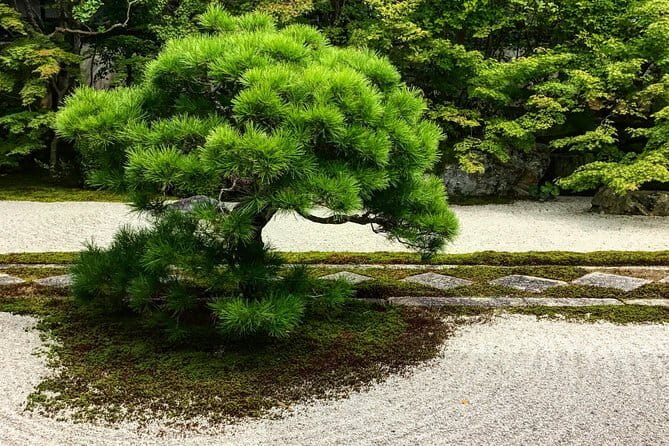
Kyoto Imperial Palace and Kyoto Botanical Gardens appear among the possible stops connected with the Demachiyanagi-area route. Their inclusion suggests a broader view of spring in Kyoto, reaching beyond a single temple or one famous blossom-lined road.
Because the tour description does not promise an admission visit or a fixed amount of time at either place, I would not book this expecting a full tour of the palace or botanical gardens. Treat them as part of the wider route rather than guaranteed extended visits inside each site.
That distinction is important. A three-hour food and walking tour cannot give you a detailed visit to every named location. The charm lies in the combination: a glance at major cultural spaces, a wooded walk, local shopping, snacks, and dinner.
If you want to explore the Imperial Palace or Botanical Gardens in depth, plan a separate visit. This evening is better suited to someone who wants an introduction to several parts of northern Kyoto without spending the whole night at one attraction.
More Cherry Blossom Tours in Kyoto:
- The DC Cherry Blossom Bus Tour with Tidal Basin Guided Walk
★ 4.5 · 151 reviews - National Mall & Cherry Blossoms Tour with Optional Museum Tickets
★ 4.5 · 112 reviews - Washington DC Cherry Blossoms By Bike Tour
★ 4.5 · 88 reviews - Washington: Cherry Blossom Tour
★ 4.5 · 61 reviews
Honmanji Temple, Tadasu no Mori, and Shimogamo Jinja
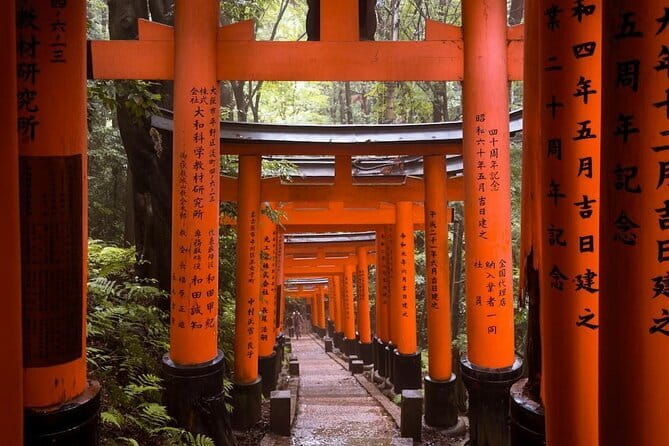
Honmanji Temple adds a temple stop to the evening, while Tadasu no Mori and Shimogamo Jinja bring the route into one of Kyoto’s most atmospheric wooded and shrine-centered areas.
Tadasu no Mori is especially well suited to a spring walk. The name refers to a forested area associated with Shimogamo Jinja, and the tour uses this kind of setting to move away from busy streets and toward a calmer Hanami experience. I would expect the mood here to be more reflective than commercial.
Shimogamo Jinja gives the evening a strong cultural anchor. It is paired with Kawai Jinja in the stated route, so you can expect shrines to be a meaningful part of the outing rather than a quick backdrop for food photos.
The route may be adjusted, and the provider does not promise that every stop will be visited exactly as listed. That flexibility is sensible in cherry blossom season, but it also means you should avoid treating the stops as a fixed sightseeing schedule.
The Hanami Picnic and Seasonal Restaurant Dinner
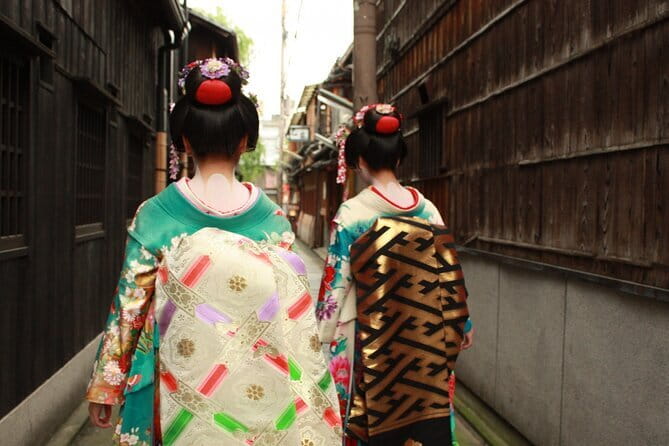
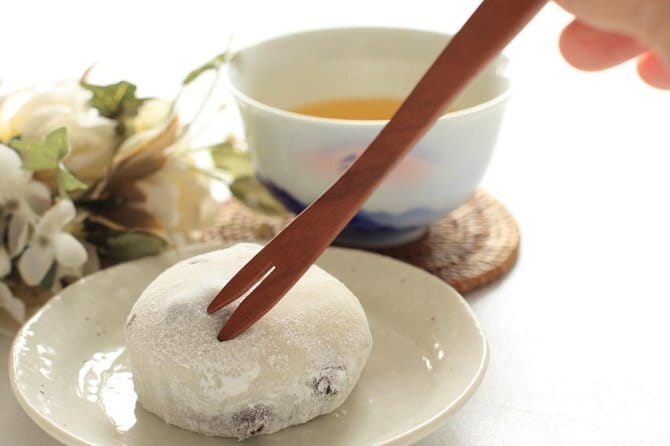
The food is the heart of this experience. You receive local snacks and sweets along the way, two drinks, and a dinner of local and seasonal dishes at a classic restaurant.
The Hanami picnic adds a social element that a self-guided walk may lack. Instead of simply passing under the blossoms, you have a set moment to appreciate the season with your guide and group. The experience is designed to connect what you eat with the time of year.
Vegetarian and pescatarian options are supported. I would still communicate your needs in advance, since the tour includes restaurant food and several tastings. The provided information does not promise that every possible dietary restriction can be handled.
The minimum drinking age is 21. Two drinks are included, while extra drinks and food cost more. You should also budget for gratuity and local transportation, neither of which is included in the $217 price.
One important question is how much food you will receive. The description promises a seasonal dinner and various tastings, but it does not list a menu, number of courses, or restaurant name. If you need exact ingredients or portion details, ask before booking.
Group Size, Guides, and the Pace of the Evening
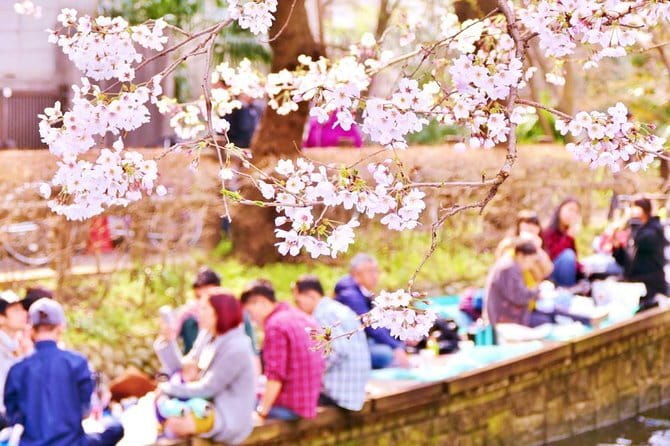
The maximum group size is 10. That is small enough for a guide to keep the outing personal, though the actual group may be smaller. One earlier group had five people, while another account praised the company of both the guide and fellow participants.
A guide named Lauren received especially warm praise for creating a pleasant evening. The guide’s role is important here because the tour’s value rests on stories, food explanations, local direction, and pacing rather than on admission to exclusive attractions.
The experience is family-friendly, and children must be accompanied by an adult. Children aged 10 and above require a copy of passport information, according to the booking conditions. Solo participants should email the provider before booking.
The tour is suitable for most people, but it is still a walking evening with multiple stops. The supplied information does not provide a precise walking distance or accessibility details, so ask the provider if you have mobility concerns.
What Could Go Wrong
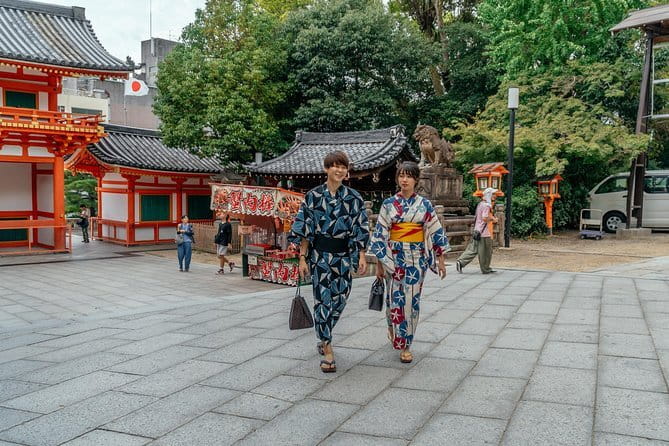
The biggest risk is weather. This experience requires good conditions, and poor weather can lead to a different date or a full refund. Cherry blossom timing itself also brings uncertainty. Blooms may not be at their best on your exact date, even during the general spring season.
The route can change because of restaurant schedules, holidays, weather, and other unforeseen circumstances. That flexibility protects the evening from local disruptions, but you should not expect a rigid list of stops.
The other concern is timing at the meeting point. A past participant was unhappy about waiting for the rest of a small group to arrive. Make your own arrival early, and recognize that a group activity can lose time when someone is late.
Finally, the price is high enough that expectations matter. If you mainly want to see blossoms and eat inexpensive local food, do it yourself. If you want a ready-made evening with a guide and planned dinner, the cost becomes easier to defend.
Cancellation and Practical Details
You receive confirmation at booking, and the ticket is mobile, so you can keep the booking on your phone. Free cancellation is available up to 24 hours before the 4:30 pm start time for a full refund.
Cancellations or changes made less than 24 hours before the start are not accepted for a refund. If the minimum number of participants is not reached, the provider may offer another date or experience, or issue a full refund.
The tour ends where it begins. Remember to arrange your own route to and from Demachiyanagi Station, and set aside money for transportation, gratuity, and anything extra you buy during the evening.
Who Should Book This Kyoto Evening?
I would choose this tour if you have limited time in Kyoto, want help making sense of Hanami customs, and prefer a social evening with food already arranged. It is also a good fit if you enjoy local shopping streets, seasonal tasting, temple and shrine walks, and conversation with a guide.
Families can consider it, provided children are accompanied by an adult and the passport requirement is handled for children aged 10 and above. Vegetarians and pescatarians also have a reasonable starting point, since those diets are supported.
I would skip it if you are a confident independent explorer, especially if you are comfortable finding Demachiyanagi, choosing restaurants, and building your own blossom walk. You can visit many of the same public areas without paying $217.
Should You Book the Kyoto Spring Evening Food Tour?
Book it for the guided Hanami experience, seasonal food, and easy social structure. The strongest elements are the local shopping arcade, the stories connected with Kyoto’s shrines and temples, the picnic atmosphere, and the included restaurant dinner.
Skip it if exclusive access or a fixed sightseeing schedule is important to you. The route may change, the weather may interfere, and the cost is substantial for a three-hour outing.
For the right visitor, this is a pleasant way to spend a spring evening in Kyoto, particularly if you want more than a blossom photograph. Just arrive promptly, check the dietary details, and decide honestly if the convenience and company are worth the premium.
FAQ
Where does the Kyoto Spring Evening Food Tour start?
The tour starts at Demachiyanagi Station, at 32-1 Tanaka Kamiyanagicho, Sakyo Ward, Kyoto, 606-8205, Japan. The start time is 4:30 pm.
Where does the tour end?
The activity ends back at the Demachiyanagi Station meeting point.
How long does the tour last?
The tour lasts approximately three hours.
What food and drinks are included?
The experience includes two drinks, a seasonal and local dinner at a restaurant, and various tastings of local snacks and sweets. Extra food and drinks are not included.
Is the tour suitable for vegetarians and pescatarians?
Yes. Vegetarian and pescatarian options are supported.
Can I cancel for a full refund?
Yes, if you cancel at least 24 hours before the experience start time. Cancellations made less than 24 hours before the start are not refundable.
More Food in Kyoto
- Balinese Vegan Cooking Class with Fresh Harvesting & Garden Tour
★ 5.0 · 86 reviews - Sorrento: Walking Tour in Lemon Garden w/ Food Tasting
★ 4.8 · 72 reviews - Bangkok Street Food and Night Lights by Tuk Tuk
★ 4.6 · 49 reviews - Delhi Street Art Walk in Lodhi Art District with Chai & Food
★ 5.0 · 34 reviews
Just added around Kyoto
- Stunning Private Tea Ceremony: Camellia Garden Teahouse★ 5.0 · 28 reviews
- Kyoto-Nara Adventures Private Tour With Hotel Pick Up★ 4.0 · 5 reviews
- Kyoto Hidden Treasures: Special Temple & Garden Access Tour★ 4.5 · 25 reviews
- Kyoto Japanese Garden Lover’s Private Tour with Government-Licensed Guide★ 4.5 · 10 reviews
- Guided Kyoto City Cherry Blossom One Day Private Tour★ 5.0 · 16 reviews
- Kyoto: Kinkaku-ji Temple & Serene Garden Guided Tour with Tickets★ 5.0 · 9 reviews
- Kyoto ITALIAN GUIDE Golden Pagoda Bamboo Forest Dry Garden★ 4.0 · 2 reviews
- The Art of Mindful Living: Tea Ceremony in Kyoto★ 5.0 · 16 reviews
Cherry Blossom Tours, compared.
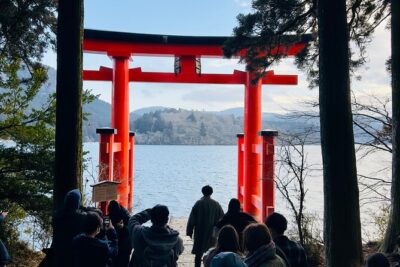

The DC Cherry Blossom Bus Tour with Tidal Basin Guided Walk
Read our review →
National Mall & Cherry Blossoms Tour with Optional Museum Tickets
Read our review →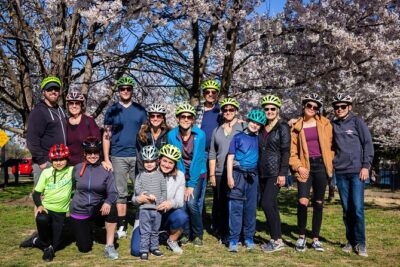


Nagano: 1-Day Snow Monkey & Cherry Blossom Tour in Spring
Read our review →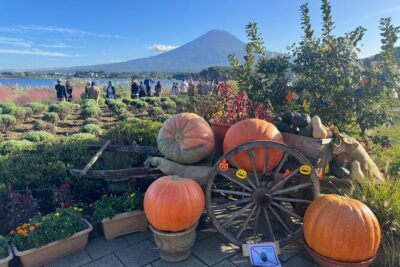
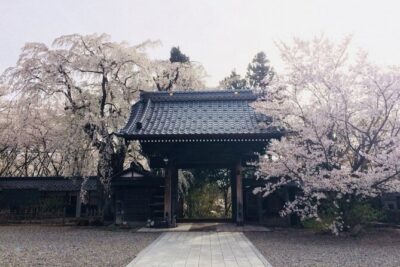
Nagano Spring: 1-Day Cherry Blossoms & Snow Monkeys Guided Tour
Read our review →Browse the lists this tour appears in