
Review · TOKYO
Cherry blossom tour in Tokyo
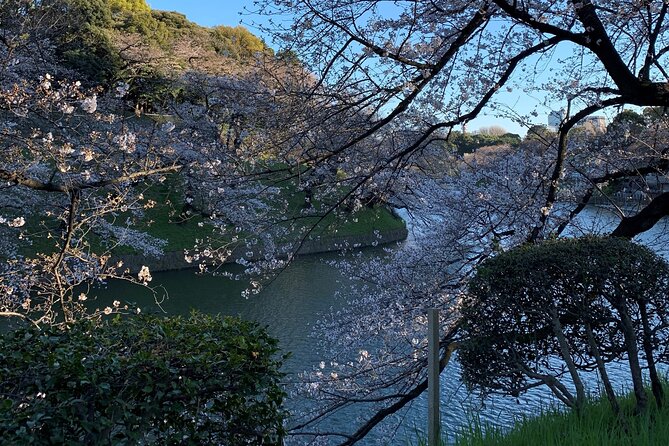
Cherry season rewards a flexible plan. This six-hour Tokyo walking tour pairs cherry blossom viewing with the Imperial Palace, Asakusa, Hamarikyu Gardens, Chidorigafuchi, and Shinjuku Gyoen. I like the guide’s willingness to choose two or three blossom sites based on what is actually blooming, and I like that this is a private experience rather than a large group march.
The main consideration is transportation. Public transit is the normal way to move around, and a private car costs extra. Hotel pickup and drop-off can also add about 30 minutes each way, so the advertised six hours may become a longer day.
Key points to know before booking
- Blossoms guide the route: The guide selects two or three places with the best cherry displays at the time of your tour.
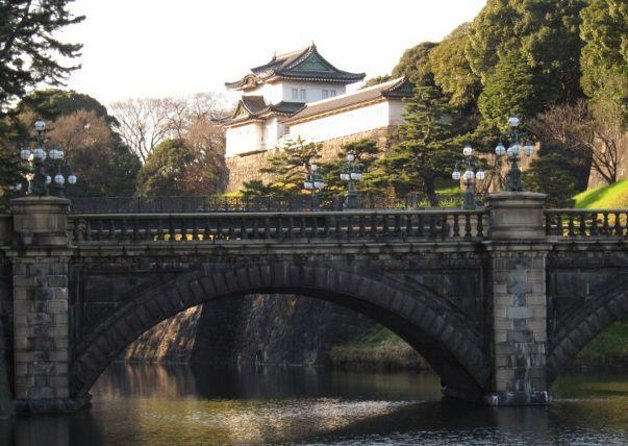
- Five major Tokyo sights are covered: The route includes Imperial Palace East Gardens, Asakusa, Hamarikyu Gardens, Chidorigafuchi, and Shinjuku Gyoen.
- Rieko personalizes the day: Guide Rieko has adjusted plans for early-season blossoms and accommodated a guest who needed rest breaks.
- Public transportation is central: You should expect to use Tokyo’s trains and other public transit unless you arrange a private car.
- The start and finish are different: You meet near Tokyo Station and finish at Shimbashi Station.
- The price covers the guide only: At $128.26 per person, you still pay for admissions, lunch, and private transportation.
A cherry blossom tour built around timing
Cherry blossoms are beautiful, but they are also famously brief. A park can be too early one day and past its best a few days later. That makes the flexible design of this tour useful. Instead of promising one fixed blossom spot, the guide chooses two or three locations according to the conditions during your visit.
That approach matters most if you are visiting Tokyo specifically for sakura. You may see several famous places during the day, but the guide’s blossom choices should determine where you spend the most time enjoying the flowers. This is a better plan than treating a printed route as fixed when nature refuses to follow a timetable.
The tour lasts about six hours and is private, meaning only your party participates. That gives you more room to ask questions, adjust the pace, or pause when needed. Rieko also showed practical care by scouting parks ahead of time when blossoms were still early and by allowing a guest with health needs to rest.
The route combines history, gardens, religion, shopping, and city scenery. You will not spend the entire day looking at flowers. That is a strength for some people and a drawback for others. If you want an all-day photography session in one park, this is not that kind of outing. If you want cherry blossoms woven into a broad introduction to Tokyo, the plan makes good sense.
More Cherry Blossom Tours in Japan
- Mt. Fuji, Cherry Blossom & Shiba Sakura Pvt. Day Tour
★ 5.0 · 326 reviews - Mt. Fuji & Hakone Cherry Blossom private One Day Tour
★ 4.5 · 35 reviews - Tokyo Cherry Blossoms blooming spots E-bike Tour, 3hrs
★ 5.0 · 27 reviews
Starting at Tokyo Station and the Imperial Palace gardens
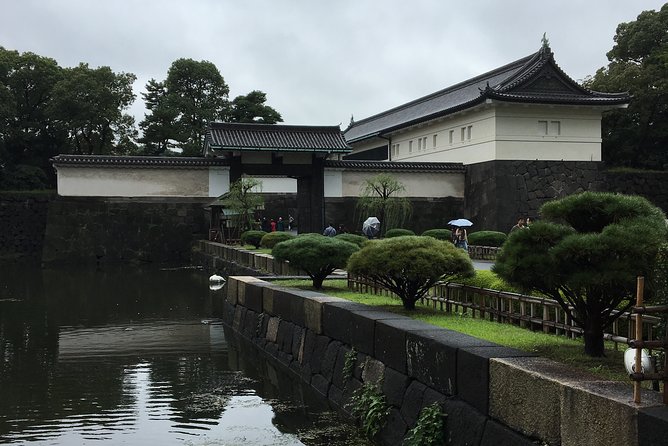
The meeting point is Tokyo Station’s Marunouchi North Exit, at 1 Chome-9 Marunouchi. This is a central and practical starting place, close to public transportation. You then head to the East Gardens of the Imperial Palace, where about an hour is planned.
The gardens occupy part of the former Edo Castle grounds. The remaining castle ruins give the visit a clear link to Japan’s feudal age, while the garden design offers a quieter break from Tokyo’s modern office district. You can expect the guide to explain the site’s connection with the shogun period as you walk through the grounds.
Admission to the East Gardens is free, which helps keep this part of the day affordable. There is one important catch: the garden is closed on Mondays and Fridays. Check your date before booking, since this closure affects the route and could remove one of the tour’s strongest history stops.
The one-hour allocation is enough for an introduction, but it is not a long garden visit. If you like taking photographs or moving slowly, tell the guide early. A private tour makes that conversation easier than it would be in a large group.
Asakusa: Tokyo’s oldest temple and shopping street
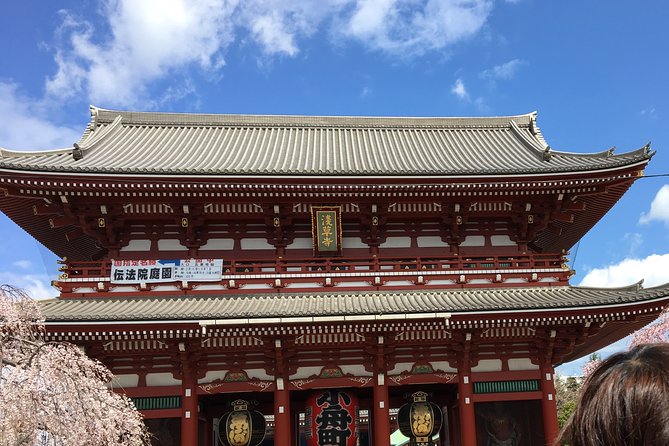
The next planned stop is Asakusa, with about an hour to visit Tokyo’s oldest temple and walk along its oldest shopping street. This section gives you a very different view of the city from the Imperial Palace area.
The appeal here is variety. You can see a major religious site, browse traditional-style shops, and observe one of Tokyo’s best-known historic districts in a single stop. The tour does not charge an admission fee for this portion, although the details of any personal purchases are naturally up to you.
An hour goes quickly in Asakusa. You will need to balance temple viewing with shopping and questions for the guide. If you prefer to linger over shops, you may want to say so rather than assuming the schedule will stretch automatically.
Asakusa also adds cultural texture to a blossom day. Cherry trees are lovely, but a tour made only of parks can begin to feel repetitive. Here, the temples and shopping street change the pace and give the day more substance.
Hamarikyu Gardens and the former shogun hunting grounds
Hamarikyu Gardens receives about an hour. The site was once a duck hunting ground for the shogun family, a detail that gives the garden a more specific past than simply being a pretty green space.
You can expect scenery designed for strolling and viewing rather than a quick photo stop. The garden is a good place to slow down after moving through central Tokyo, and the guide can connect the grounds to the city’s former ruling family.
Admission is not included. The tour price covers the guide fee, but entrance fees at Hamarikyu Gardens must be paid separately. The same applies to Shinjuku Gyoen later in the day. You should allow for these extra costs when comparing the tour with a lower-priced group outing.
The one-hour visit is a useful middle ground. It gives you time to see the garden without making the whole tour depend on one location. Still, the exact amount of cherry blossom viewing here depends on the guide’s selection and the timing of your visit.
More Cherry Blossom Tours in Tokyo
- Cherry Blossom Private Tour
★ 4.5 · 18 reviews - Licensed Guide Tokyo Meguro Cherry Blossom Walking Tour
★ 4.5 · 13 reviews - Evening Hanami (Cherry Blossom) Experience with a Local
★ 3.5 · 10 reviews - Tokyo: Mt. Fuji & Hakone Cherry Blossoms Private Day Tour
★ 3.5 · 9 reviews
Chidorigafuchi: a short walk beside the Imperial Palace moat
Chidorigafuchi is scheduled for about 30 minutes. The Japanese description highlights the beautiful cherry trees lining the moat around the Imperial Palace. This is one of the most direct blossom-focused sections of the route.
The short timing tells you how to use this stop. Think of it as a scenic walk and photo opportunity, not a full garden visit. If the trees are in good condition, the moat setting can provide a memorable change from formal gardens and temple grounds.
The stop is free, so there is no admission charge to factor in. Its location also fits naturally with the Imperial Palace portion of the day, although the broader route still requires movement between districts.
Because cherry conditions can change quickly, Chidorigafuchi may be one of the places the guide chooses for the day’s main blossom viewing. The tour description makes clear that two or three sites will be selected based on what is blooming, so the final emphasis can vary.
Shinjuku Gyoen and a long cherry blossom season
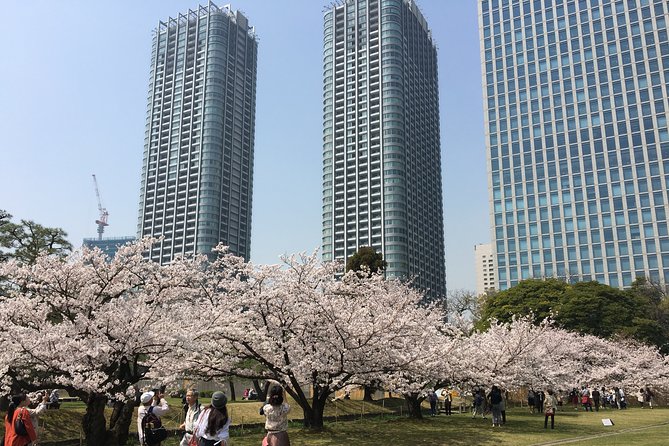
Shinjuku Gyoen National Garden is planned for about an hour. It is known for having different kinds of cherry trees that can be enjoyed over a longer period. That makes it especially useful when the season is early or late and some famous blossom spots are not yet at their best.
This is one of the tour’s strongest answers to Tokyo’s uncertain spring timing. A single variety may bloom and fade quickly, but a garden with several kinds of cherry trees can offer a better chance of seeing flowers during a wider window. The guide’s advance scouting is particularly valuable here or at similar parks when the season is not yet fully underway.
Admission is not included. You should treat the listed price as payment for private guiding, not as an all-inclusive ticket. If you are comparing costs, add the garden entrances, lunch, and any train or other public transportation fares.
The route lists both Chidorigafuchi and Shinjuku Gyoen, but the blossom plan remains flexible. You may visit two or three places selected for the best flowers rather than spending equal time at every possible site. Ask Rieko how she expects to divide the day when you meet.
How the transportation plan affects your day
The standard arrangement uses public transportation. That is practical for a Tokyo sightseeing route, but you should be ready for station transfers, walking between stops, and the ordinary movement of a city tour. The experience is described as a walking tour, so comfortable shoes are a sensible choice.
A private car is available upon request, but private transportation is not included. The extra cost is not stated, so ask for the price before confirming if you need or prefer a car.
Hotel pickup and drop-off are also offered if requested. Each direction takes about 30 minutes, which can add roughly one hour to the day. Pickup may be convenient, but the tour begins at Tokyo Station’s Marunouchi North Exit and ends at Shimbashi Station, so the standard meeting arrangement may be more efficient if you are already near central Tokyo.
The ending point is Shimbashi Station, at 2 Chome-17 Shinbashi. This is useful to know when planning dinner, returning to your hotel, or continuing sightseeing. The tour does not return you to the starting point unless you arrange something separately.
What $128.26 per person really buys
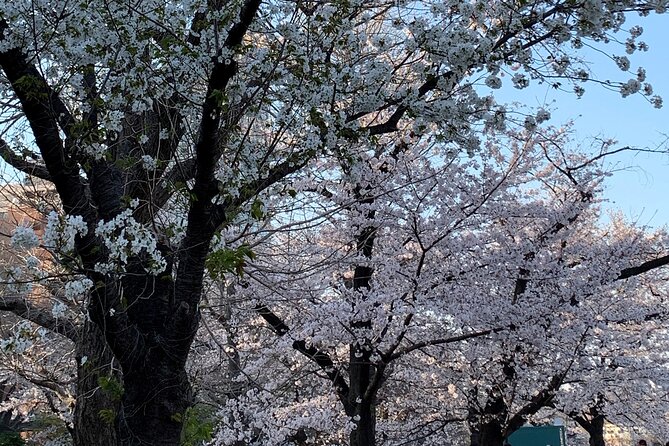
At $128.26 per person, this is not the cheapest way to see Tokyo’s spring flowers. The value comes from private guiding and route flexibility, not from included meals, tickets, or a vehicle.
I think the price makes the most sense for a small party that wants context and personal attention. You are paying for a guide who can explain the historical stops, watch blossom conditions, and adjust the plan for your group. Rieko’s preparation for an early bloom period shows why that flexibility can matter.
The value is weaker if you only want transportation between parks or prefer to explore independently. You will need to pay for admissions at Hamarikyu Gardens and Shinjuku Gyoen, plus lunch and transportation costs. Private-car service adds another expense.
Group discounts are offered, so larger parties should ask how the rate changes. Since this is a private experience, the per-person price may work better when shared among several people than it would for a solo visitor.
Who will get the most from this experience
I would recommend this tour to you if you want a first look at several important Tokyo districts and do not want to plan every train connection yourself. It also suits families or small groups who value the ability to set a comfortable pace.
It is particularly helpful for people visiting during uncertain blossom conditions. Rieko can choose the better two or three viewing places rather than blindly following one fixed flower route.
The tour can also suit anyone who wants history with their spring scenery. The Edo Castle ruins, shogun connection at Hamarikyu, temple district in Asakusa, and palace moat at Chidorigafuchi give the flowers a setting and a story.
You may want another option if you dislike public transportation, need a fully vehicle-based day, or want a slow visit to only one garden. You should also reconsider Monday and Friday bookings because the East Gardens of the Imperial Palace are closed on those days.
Most people can participate, according to the tour information, but the day includes walking and public transportation. If you need regular rests, say so when arranging the tour. Rieko has already shown that she can adapt the pace to health needs.
Booking details worth keeping in mind
Confirmation is provided when you book. The activity is near public transportation, and only your group takes part.
Free cancellation is available if you cancel at least 24 hours before the local start time. Changes made inside that 24-hour period are not accepted, and the payment is not refunded for a late cancellation.
The experience requires good weather. If poor weather causes cancellation, you are offered another date or a full refund. That policy matters for a blossom outing, since rain and strong weather can affect both comfort and flower conditions.
The guide fee is included. Lunch, admission fees, and private transportation are not. Plan for those extras instead of treating $128.26 as the final cost.
Should you book this Tokyo blossom tour?
Book it if you want a private, history-focused introduction to Tokyo with cherry blossoms built into the route rather than treated as the only attraction. The strongest reasons are Rieko’s personal attention, the ability to adjust blossom stops, and the mix of palace grounds, temple streets, gardens, and moat scenery.
Before you commit, check your date against the East Gardens closure, ask about the cost of a private car if needed, and budget for two garden admissions, lunch, and public transit. If your priority is a relaxed day with expert adjustment and several sides of Tokyo, this is a good value. If you want a cheap, flower-only outing, you can likely plan a simpler day yourself.
FAQ
How long does the cherry blossom tour last?
The tour lasts approximately six hours. Hotel pickup and drop-off can add about 30 minutes each way.
Where does the tour begin?
The tour begins at Tokyo Station’s Marunouchi North Exit, at 1 Chome-9 Marunouchi, Chiyoda City, Tokyo 100-0005.
Where does the tour end?
The tour ends at Shimbashi Station, at 2 Chome-17 Shinbashi, Minato City, Tokyo 105-0004.
Is this a private tour?
Yes. Only your group participates in the activity.
How many cherry blossom locations will be visited?
The guide chooses two or three places where cherry blossoms can be enjoyed at the time of the tour.
Is public transportation used?
Yes. The walking tour basically uses public transportation. A private car is available upon request, but private transportation is not included.
Are admission fees included?
No. Admission fees are not included. The East Gardens and Chidorigafuchi are listed as free, while Hamarikyu Gardens and Shinjuku Gyoen have admission fees that you pay separately.
What happens if bad weather cancels the tour?
You will be offered a different date or a full refund if the experience is canceled because of poor weather.
Just added around Tokyo
- Private tour – Scenic Fuji Escape: Hakone, Peace Park & More★ 5.0 · 4 reviews
- TOKYO: Tailored Gardens tour with Pro Gardener by E-bike -BASIC★ 5.0 · 2 reviews
- Tsukiji Food Strolling and Hama Rikyu Garden Walking Tour★ 5.0 · 7 reviews
- Tokyo: Serene Sakura & Sake: An Exclusive Brewery Pairing Lunch★ 5.0 · 2 reviews
- Full Guided Mt. Fuji & Shiba-Sakura Festival One Day Pvt.Tour★ 5.0 · 6 reviews
- Tokyo Cherry Blossom Half Day Walking Tour with a Local Guide★ 3.5 · 4 reviews
- Cherry Blossom Highlights, Asakusa, Ueno, Imperial Palace Garden★ 4.5 · 4 reviews
- Licensed Guide Tokyo Meguro Cherry Blossom Walking Tour★ 4.5 · 13 reviews
Cherry Blossom Tours, compared.

The DC Cherry Blossom Bus Tour with Tidal Basin Guided Walk
Read our review →
National Mall & Cherry Blossoms Tour with Optional Museum Tickets
Read our review →


Nagano: 1-Day Snow Monkey & Cherry Blossom Tour in Spring
Read our review →
Nagano Spring: 1-Day Cherry Blossoms & Snow Monkeys Guided Tour
Read our review →Browse the lists this tour appears in