
Review · TOKYO
Tokyo: Hama-rikyu Gardens tour with Japanese Tea & Sweets
Tokyo’s calmest hour may be in a garden. This small-group walk through Hama-rikyu Gardens pairs Edo-period design with matcha tea, Japanese sweets, and clear explanations of the garden’s purpose. I like the limited group size of four, which should make it easier to ask questions, and I like that the tea experience takes place inside the garden rather than at a separate café.
The main consideration is pace. The core walk lasts about 1 hour 30 minutes, but the full experience can stretch to 2 hours 30 minutes if the optional stops are included. You will also want comfortable walking shoes, and the $85.84 price makes the tour a better fit for people who value a personal guide and cultural context over a quick self-guided visit.
Key details before you book
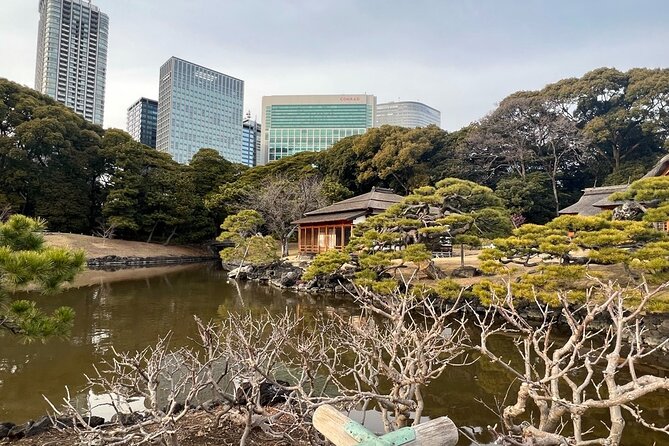
- Edo-period garden setting: Hama-rikyu was created as a daimyo garden during the years of the Tokugawa shogunate.
- Two garden styles explained: Your guide introduces the Karesansui dry garden and the Kaiyushiki circular garden.
- Matcha and sweets included: Tea and Japanese confectionery are part of the tour price.
- Very small group: The maximum is four people, a useful advantage for questions and photographs.
- Optional city stops: You may add the Advertising Museum Tokyo, Hayao Miyazaki’s giant clock, and Hibiya Shrine.
- Convenient finish: The tour ends at Shiodome Station, served by the Yurikamome and Toei Oedo lines.
Why Hama-rikyu feels different from a city park
Hama-rikyu Gardens gives you a sharp change of scene without taking you far from central Tokyo. Office buildings and commercial districts surround the garden, but inside the gates you find ponds, trees, carefully arranged paths, and views shaped by Japanese garden traditions.
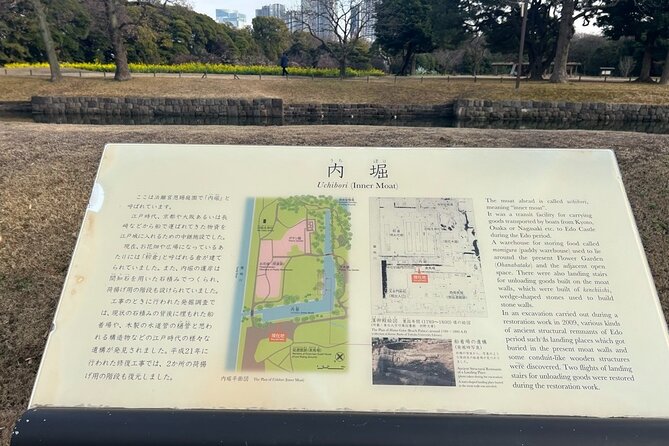
This is not simply a place to stroll past flowers. The garden was built during the Edo period, from 1603 to 1868, when samurai lords created large gardens within their estates. That background matters because the design was not random decoration. Water, open views, stones, plants, and walking routes were placed to create changing scenes as you moved through the grounds.
A guide can help you notice those choices. Without explanation, you might see a pleasant pond and a line of trees. With context, you begin to understand how a circular garden, a dry garden, and seasonal planting create different moods within the same place.
A few more gardens around Tokyo worth a look
- Tokyo: Hama-rikyu Gardens tour with Japanese Tea & Sweets
★ 4.7 · 14 reviews - Princeville Botanical Gardens Tour and Chocolate Tasting Ticket
★ 5.0 · 774 reviews - Grenada Spice Gardens, Rum & Chocolate Tour (Full/Half Day)
★ 4.5 · 94 reviews
Entering through Otemon Bridge
The meeting point is Otemon Bridge. This gives the experience a clear starting point and puts you at one of the historic entrances to Hama-rikyu Gardens.
You should arrive ready for a walking tour rather than a seated lecture. The route includes time outside, garden paths, stops for explanation, and chances to take photographs. The supplied guidance specifically recommends comfortable walking shoes, practical advice for a garden visit where the most rewarding views are found on foot.
The group limit of four is important here. A large group can turn a quiet garden into a follow-the-flag exercise, with explanations harder to hear and photographs harder to arrange. With only a few people, you should have more room to ask about garden design, Japanese customs, or details you notice along the way.
The guide’s role is central to the experience. Nori is specifically praised for being helpful, and the relaxed quality of her tour is worth noting. This is the kind of outing that works best when you want conversation and explanation, not just a route between photo points.
Reading the Karesansui dry garden
One of the main features is the Karesansui, or dry landscape garden. These gardens use stones, gravel, and carefully chosen forms rather than relying on a pond or stream to create a sense of nature.
The value of seeing this with a guide is that you get an introduction to how Japanese gardens can suggest larger natural scenes through a limited set of materials. You may notice how the arrangement encourages you to pause, look across a space, and consider shape and balance instead of rushing from one attraction to the next.
The tour description promises detailed explanation of the garden’s design and background. That makes the Karesansui more than a quick stop for a photograph. You can ask questions and connect the dry garden to the broader ideas behind Japanese garden culture.
If you prefer constant activity, this portion may feel quiet. That is part of its appeal, but it also means you should enjoy slower sightseeing. The tour is designed for looking closely, listening, and taking your time.
Following the Kaiyushiki circular garden
The Kaiyushiki garden is another major highlight. A circular garden is arranged for movement, with different views appearing as you follow its route. Instead of presenting one fixed scene, it gives you a sequence of changing perspectives.
That design makes the guided walk especially useful. Your view shifts as you move, and the guide can point out how the garden’s elements work together. You may see plants, trees, water, paths, and open spaces differently depending on where you pause.
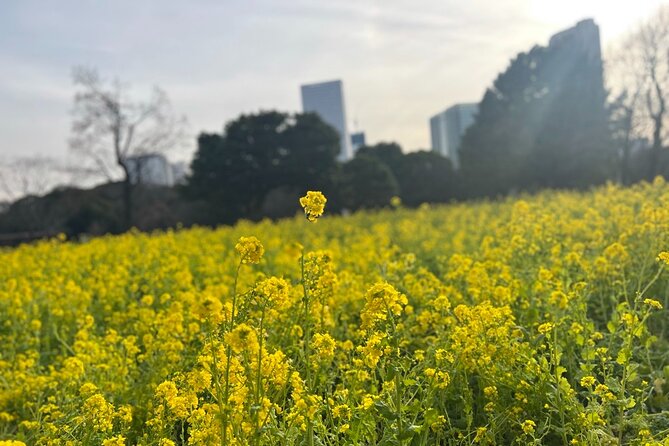
Seasonal change is part of Hama-rikyu’s appeal. The plants and trees look different through the year, so the same route will not have exactly the same character in every season. The provided information does not promise a particular bloom or foliage display, so I would not book this expecting one specific seasonal event. Instead, think of the garden as a place whose appearance changes gradually over the calendar.
You will have time for photographs, but the purpose is not only photography. The garden’s design is easier to appreciate when you understand why the route keeps offering fresh views.
More Garden Tours in Tokyo:
- Imperial Palace East Garden and Edo Castle Walking Tour in Tokyo
★ 5.0 · 510 reviews - Tokyo: Imperial Palace East Gardens Walking Tour
★ 4.8 · 353 reviews - Tokyo: Edo Castle & East Garden of the Imperial Palace Tour
★ 4.7 · 112 reviews - Tokyo Private Tour! Edo Castle & Imperial Palace East Gardens
★ 5.0 · 105 reviews
Matcha, Japanese sweets, and a slower finish
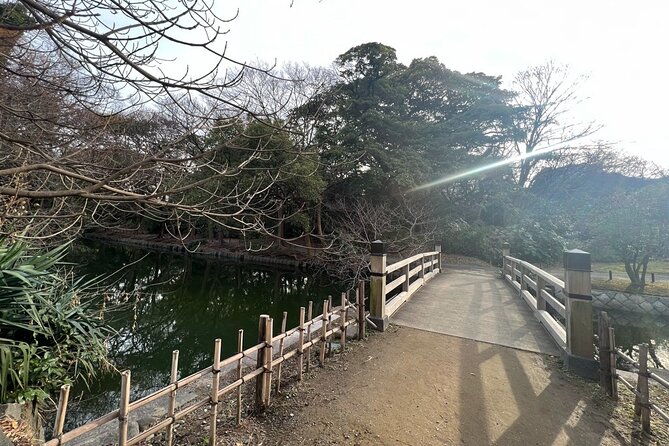
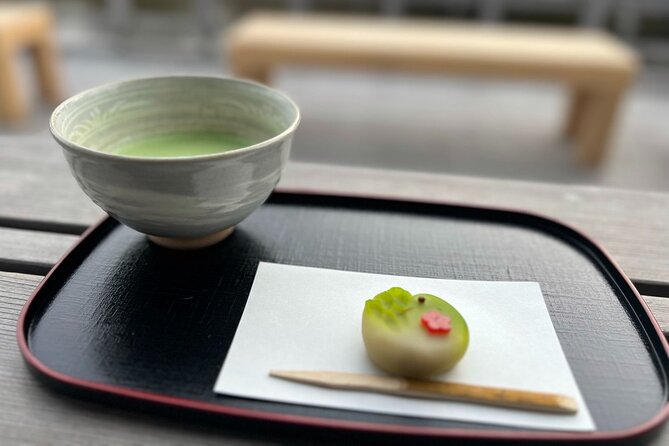
The tea portion takes place in a tea ceremony room within the garden. Matcha green tea and Japanese sweets are included in the $85.84 price, so you do not need to budget separately for those items.
I like this arrangement because the tea is tied directly to the setting. You are not leaving the garden for a generic refreshment stop. Instead, the experience links the garden’s visual calm with one of Japan’s most familiar cultural traditions.
Keep your expectations sensible. The description promises matcha and sweets, but it does not say that you will take part in a full formal tea ceremony or learn every step of tea preparation. You should expect an introduction and a chance to enjoy the tea in a dedicated room.
The sweets are more than a small extra. Japanese confectionery is often designed to complement tea, and this pairing gives you a simple way to connect taste with the season and setting. The tour information does not specify the type of sweet served, so the exact item may vary.
A published comment describes the tea and sweets as lovely and the overall visit as relaxed. That is a useful clue about the mood. This is a gentle cultural experience, not a rushed checklist of major Tokyo attractions.
Three optional stops near Shiodome
After the main garden visit, the route can include three optional stops. They add variety, but they also explain why the total duration ranges from 1 hour 30 minutes to 2 hours 30 minutes.
Advertising Museum Tokyo
The museum presents the development of Japanese advertising and comparisons between Japanese and foreign advertising. The suggested visit lasts about 35 minutes, and admission is free.
This stop will suit you if you enjoy graphic design, popular culture, business, or the way daily life changes over time. It also gives the tour a useful contrast: Hama-rikyu presents older ideas about place and design, while the museum focuses on modern communication and commercial imagery.
The museum is optional, so you can treat it as a bonus rather than a reason to book the tour. If your main goal is garden culture, you may prefer to spend more time around Hama-rikyu and tea.
Hayao Miyazaki’s Nippon Television Giant Clock
The next optional stop is a large copper karakuri clock designed in a steampunk style by Hayao Miyazaki, the Studio Ghibli animation director. It takes about 10 minutes.
At the appointed time, the lights come on and the clock begins moving with music. The stop offers a playful change after the restrained design of the garden. It is also a good choice if you enjoy animated film, mechanical displays, or unusual city sights.
Because the clock’s movement is tied to a set time, you should not assume it will perform whenever you arrive. The provided information does not give the exact schedule, so ask the guide if seeing the moving display matters to you.
Hibiya Shrine
Hibiya Shrine is an optional 15-minute stop in an office district. It has about 400 years of history and is dedicated to the god of agriculture and the god who drives away impurity.
This brief visit gives you a different type of cultural setting. Hama-rikyu is a large garden designed for a powerful samurai household, while Hibiya Shrine offers a smaller religious site among modern offices.
The stop is short, but that can be its strength. You get a quick look at how older religious places remain part of present-day Tokyo. If you want a long, quiet shrine visit, this tour does not promise that. If you enjoy seeing small cultural sites between larger attractions, it fits well.
What the $85.84 price really buys
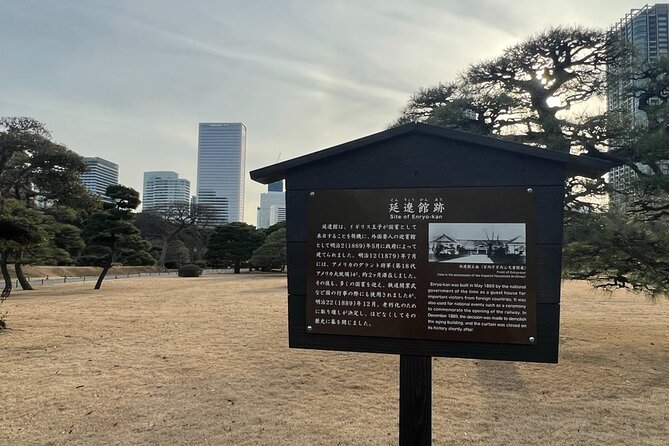
At $85.84 per person, this is not a bargain-priced garden entry with a quick explanation. You are paying for a private-feeling, small-group experience with a maximum of four people, a guide, the garden admission, matcha, Japanese sweets, and optional cultural stops.
The value depends on how you normally explore. If you are comfortable reading about Japanese gardens beforehand and walking alone, you can save money with a self-guided visit. You may also prefer that freedom if you want to stop for as long as you like.
I see stronger value for someone making a first visit to Tokyo or anyone who wants help understanding what they are seeing. Garden design can be subtle, and a guide can turn a pleasant walk into a more meaningful cultural lesson. The tea and sweets also give the outing a distinct finish that a basic admission ticket does not provide.
The small group changes the calculation. A maximum of four is far more personal than a large scheduled group, and it should make the guide’s explanations easier to follow. Nori’s helpful manner is an added reason to expect a comfortable visit, though guide assignments can vary.
Timing, transport, and the end at Shiodome
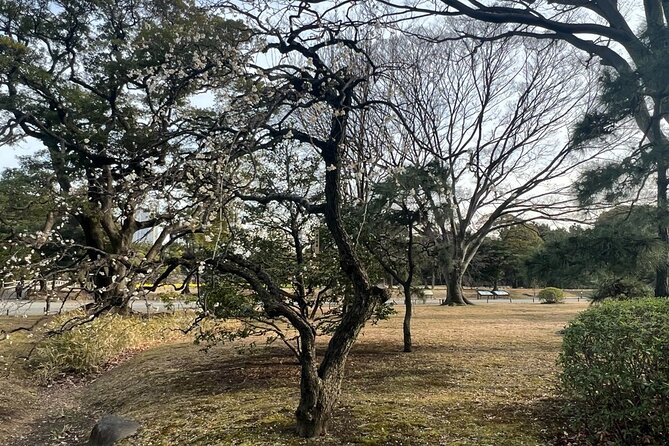
The experience begins at Otemon Bridge and ends at Shiodome Station. Shiodome is served by the Yurikamome and Toei Oedo lines, making the end point useful for continuing around Tokyo.
Because the optional stops can add up to about 60 minutes, check your plans before booking. The core garden visit is about 1 hour 30 minutes. With the Advertising Museum, giant clock, and Hibiya Shrine, the outing can reach approximately 2 hours 30 minutes.
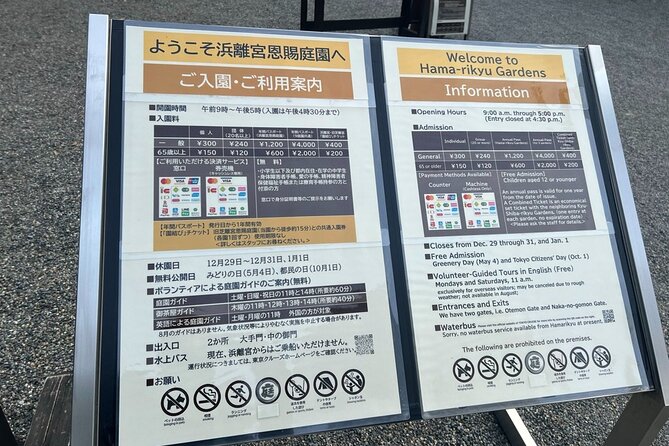
The tour is near public transportation, and most people can participate. Still, this is a walking experience, so comfortable shoes matter more than fashionable ones. You should also allow some flexibility after the stated duration if you plan to connect immediately to another timed activity.
Confirmation is provided when you book, and the experience has free cancellation up to 24 hours before the start time. A cancellation inside that window is not refunded, and changes are not accepted within 24 hours. The experience also requires a minimum number of participants, so a cancellation by the operator can result in another date or experience, or a full refund.
Who will enjoy this garden tour most
I would choose this for you if you want a calm break from Tokyo’s dense city streets and prefer a guide who explains cultural meaning along the way. It is especially suitable for couples, solo visitors, and small parties who value conversation over a large-group format.
It also works well for anyone curious about Japanese garden design. The Karesansui and Kaiyushiki features give the visit a clear subject, while the tea and sweets add a practical cultural experience.
Families with an interest in animation may enjoy the optional Miyazaki clock. People interested in modern culture can add the Advertising Museum, and anyone curious about small religious sites may appreciate Hibiya Shrine.
I would think twice if you have very little time in Tokyo, dislike walking, or only want a quick photograph at Hama-rikyu. The price is harder to justify if you plan to skip the guide, tea, and cultural explanation.
Should you book it?
Book this experience if you want Hama-rikyu Gardens explained rather than simply entered. The combination of Edo-period design, a four-person maximum, matcha, Japanese sweets, and a relaxed guide makes it a thoughtful choice for a quieter half-day in Tokyo.
Skip it if you are focused only on the lowest price or need a tightly timed attraction visit. For everyone else, especially those who enjoy gardens, design, and small cultural details, this tour offers a pleasant way to see a less hectic side of central Tokyo.
FAQ
Where does the tour begin?
The tour begins at Otemon Bridge in Tokyo.
Where does the tour end?
It ends at Shiodome Station, which is served by the Yurikamome and Toei Oedo lines.
How long does the experience last?
The main garden visit lasts about 1 hour 30 minutes. With the optional stops, the total duration can reach approximately 2 hours 30 minutes.
How much does the tour cost?
The listed price is $85.84 per person.
Is admission to Hama-rikyu Gardens included?
Yes, the garden admission ticket is included.
Are matcha and Japanese sweets included?
Yes. Matcha green tea and Japanese sweets are included in the tour fee.
How many people can join the tour?
The experience has a maximum of four participants.
Are the extra stops required?
No. The Advertising Museum Tokyo, Hayao Miyazaki’s giant clock, and Hibiya Shrine are listed as optional stops.
Is the tour suitable for most people?
The activity is near public transportation, and most people can participate. Comfortable walking shoes are recommended.
Can I cancel for a full refund?
Yes, if you cancel at least 24 hours before the experience start time. Cancellations made less than 24 hours before the start are not refunded.
Just added around Tokyo
- Private tour – Scenic Fuji Escape: Hakone, Peace Park & More★ 5.0 · 4 reviews
- TOKYO: Tailored Gardens tour with Pro Gardener by E-bike -BASIC★ 5.0 · 2 reviews
- Tsukiji Food Strolling and Hama Rikyu Garden Walking Tour★ 5.0 · 7 reviews
- Tokyo: Serene Sakura & Sake: An Exclusive Brewery Pairing Lunch★ 5.0 · 2 reviews
- Full Guided Mt. Fuji & Shiba-Sakura Festival One Day Pvt.Tour★ 5.0 · 6 reviews
- Tokyo Cherry Blossom Half Day Walking Tour with a Local Guide★ 3.5 · 4 reviews
- Cherry Blossom Highlights, Asakusa, Ueno, Imperial Palace Garden★ 4.5 · 4 reviews
- Licensed Guide Tokyo Meguro Cherry Blossom Walking Tour★ 4.5 · 13 reviews
Tokyo Garden Tours, compared.
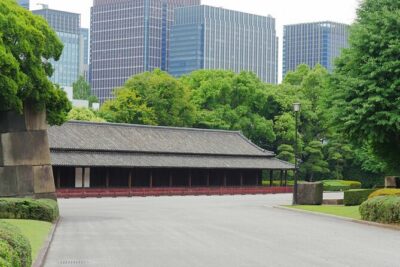
Imperial Palace East Garden and Edo Castle Walking Tour in Tokyo
Read our review →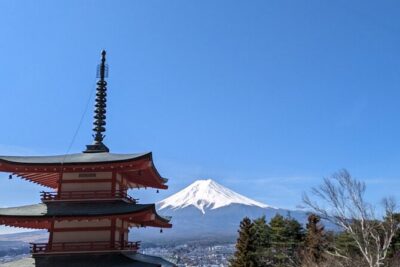
Mt. Fuji Day Trip from Tokyo with English Speaking Driver Guide
Read our review →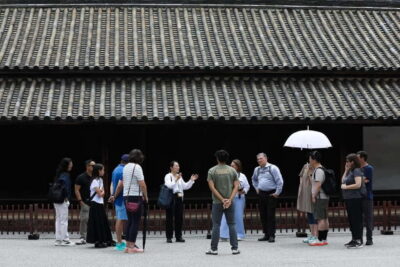
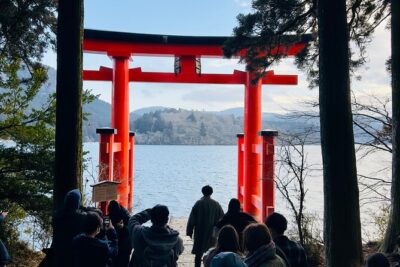
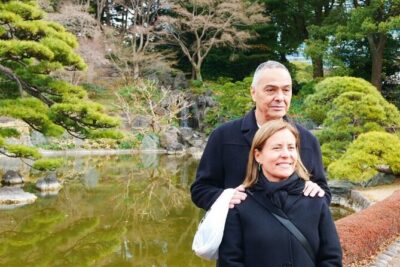
Edo Castle & East Garden of the Imperial Palace Tour
Read our review →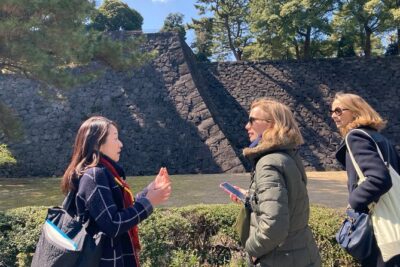
Tokyo Private Tour! Edo Castle & Imperial Palace East Gardens
Read our review →
Mount Fuji & Lake Kawaguchiko Private Tour: Beyond the Ordinary
Read our review →
Rainbow Bridge Day Cruise Show and Only Soft Drinks
Read our review →Browse the lists this tour appears in