
Review · TOKYO
Cherry blossom & Japanese Sake Tasting in Shinjuku
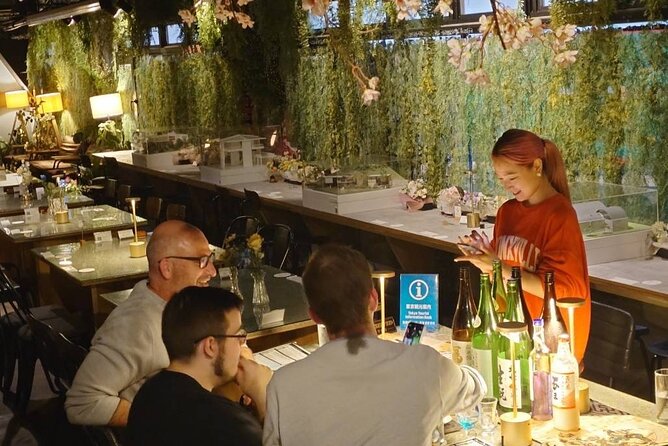
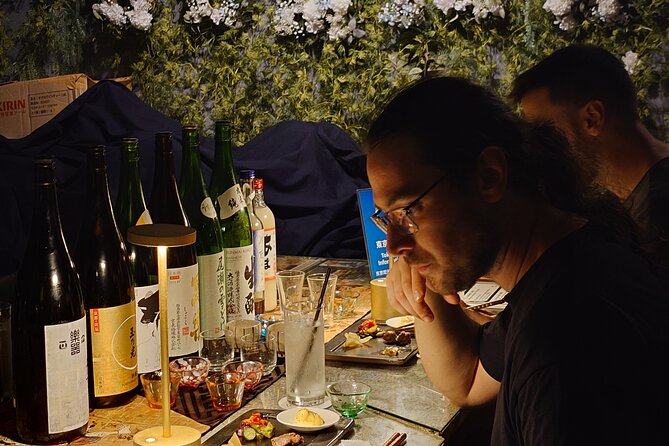
Sake makes Tokyo’s spring taste better. This one-hour Shinjuku experience offers eight Japanese sakes, moving from lighter pours to more aromatic styles, with traditional snacks and amazake to finish. I like the clear tasting progression and the food pairings, which give newcomers an easy way into sake without requiring prior knowledge. I also like the relaxed setting and the personal touch from host Shuma, who has been praised for the music, atmosphere, and careful sake arrangement.
The main consideration is the short running time. One hour passes quickly when you are tasting eight drinks, eating snacks, and comparing flavors. The experience also serves alcohol only, so everyone must be at least 20, and anyone hoping for a full meal or a long food tour will need other plans afterward.
Key points at a glance
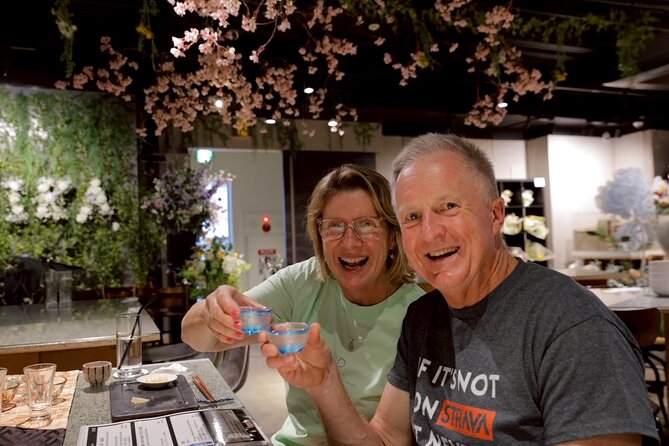
- Eight Japan-only sakes: Taste a broad selection from different parts of the country, with the range moving from simple styles to more distinctive aromas and flavors.
- A sensible tasting order: The session begins with sake around 15 to 16 percent alcohol before moving toward stronger character and more pronounced flavor.
- Traditional snack pairings: Small Japanese foods help show how sake changes when enjoyed alongside something savory or sweet.
- Amazake at the end: Finish with a sweet fermented rice drink made with koji, a gentle dessert-style close to the tasting.
- Shinjuku meeting point: Meet at A house with flowers, at 4F, Dai 6 Sanwa Building, 3-6-7 Shinjuku, Shinjuku City.
- Small enough to feel social: The maximum group size is 20, so the session should remain manageable while still having a group atmosphere.
What this Shinjuku tasting is really about
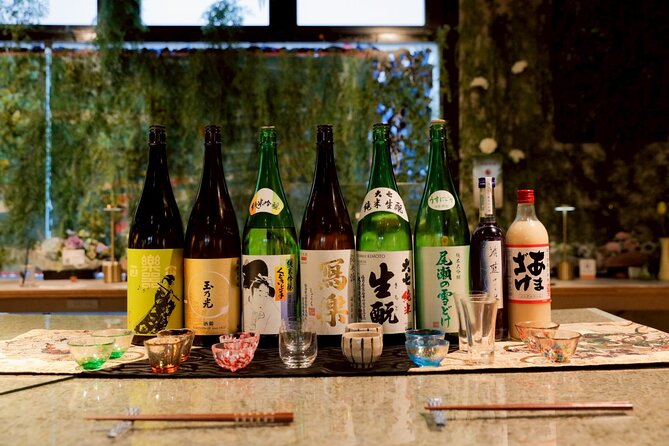
This is not a sake lecture followed by one token sample. The point is comparison. You taste eight sakes in a planned order, noticing how alcohol level, aroma, sweetness, and finish change from one glass to the next.
That structure matters if you are new to sake. Ordering a bottle in a Tokyo restaurant can feel like a guess, especially when the label is unfamiliar and the menu gives little explanation in English. Here, you can try several styles in one sitting and begin to work out what you like.
I also think the format suits someone who already knows a little about sake. Eight selections offer enough range to make the hour more than a basic introduction. You may find a style you want to seek out later, or discover that a sake you would have passed over has a flavor you enjoy.
The cherry blossom theme adds a seasonal touch, but the available details focus mainly on the tasting itself. Do not book this expecting a stated blossom-viewing walk or a guaranteed outdoor sakura setting. The experience takes place at a Shinjuku meeting address, and the drink, snacks, music, and company are the main attractions.
More Cherry Blossom Tours in Japan
- Mt. Fuji, Cherry Blossom & Shiba Sakura Pvt. Day Tour
★ 5.0 · 326 reviews - Mt. Fuji & Hakone Cherry Blossom private One Day Tour
★ 4.5 · 35 reviews - Tokyo Cherry Blossoms blooming spots E-bike Tour, 3hrs
★ 5.0 · 27 reviews
Starting with lighter sake at 15 to 16 percent
The tasting begins with simpler sake, generally around 15 to 16 percent alcohol. That is a sensible first step. You can get used to the taste without beginning with a powerful or heavily scented pour.
Starting gently also makes the differences easier to notice. The first sake may help you identify basic impressions such as sweetness, dryness, smoothness, or a clean finish. You do not need technical vocabulary. Pay attention to what you like, then compare the next glass with that first reference point.
The experience may include options with lower or higher alcohol levels, but the stated plan is to begin with the easier-drinking selections and gradually move toward sake with more distinctive aromas and flavors. This is useful because sake is not one single flavor category. Some pours can seem crisp and restrained, while others have a fuller nose or a more noticeable finish.
If you are sensitive to alcohol, remember that eight tastings in an hour can add up even when each serving is small. Eat the provided snacks, pace yourself, and use the hour as a tasting session rather than a race to finish every glass.
Comparing eight sakes from across Japan
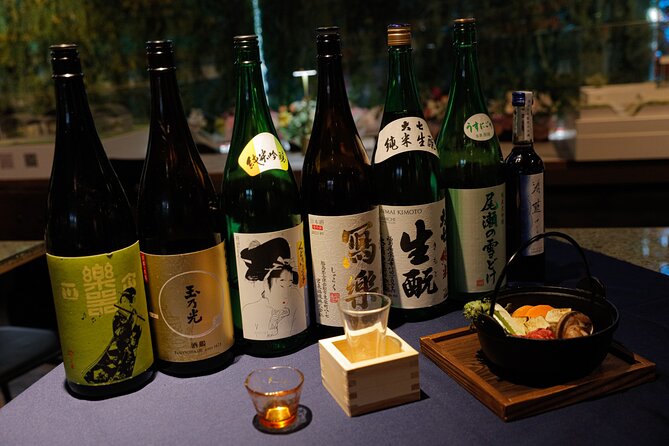
The strongest part of the experience is the eight-sake lineup. These are highly rated selections sourced from across Japan and described as available exclusively in Japan. That gives the tasting a local focus instead of treating sake as a generic Tokyo souvenir.
You should expect the lineup to build in character. Early pours are intended to be simpler. Later ones offer more noticeable aromas and flavors. This progression lets you test how your preferences change as the sake becomes more expressive.
Temperature is another important part of sake culture. Sake can be enjoyed at different temperatures depending on the season and the food. The information provided does not specify the exact temperature of every pour, so I would not expect a fixed hot-sake demonstration. Still, the tasting introduces the useful idea that temperature affects aroma, texture, and overall impression.
For you, the value is not just the number eight. It is the chance to compare several glasses side by side in one setting. A single restaurant order tells you what one bottle tastes like. This format gives you a small map of the category.
The one-hour limit keeps the experience focused, but it also means the explanations may be brisk. If you want a long technical discussion about brewing methods, rice polishing, regional production, or serving temperatures, this may feel too short. If you want a friendly introduction with plenty to taste, the compact format works better.
Traditional snacks that change the taste
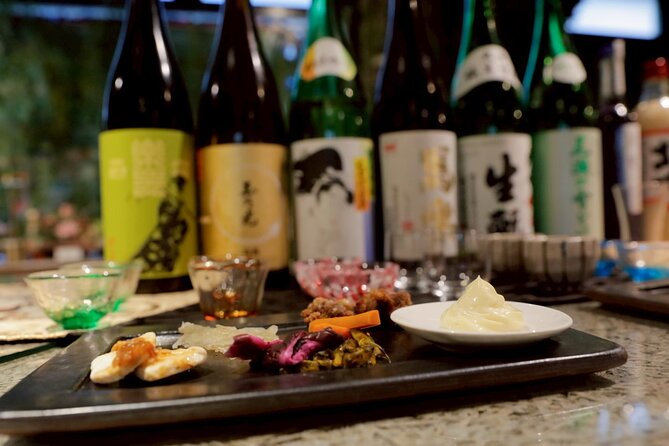
The food pairing is more than decoration. Traditional Japanese snacks are included so you can see how sake works with food. A sip that seems dry or sharp by itself may feel rounder with a salty bite. A more aromatic sake may become easier to understand when tasted alongside something savory.
The exact snacks are not listed, so you should not book this expecting a full menu or a particular dish. Think of them as tasting companions rather than lunch. Additional meals and drinks are not included, and the one-hour schedule is best followed by a separate meal if you are hungry.
I like this part of the plan because pairing gives beginners something concrete to notice. Instead of asking only if you like a drink, you can ask whether you like it with the food in front of you. That is closer to how sake is enjoyed in Japan, where the drink often belongs at the table rather than in isolation.
The pairing also helps explain why temperature and style matter. A crisp sake may suit one snack, while a sweeter or more aromatic selection may work better with another. You do not need to remember every tasting note. Simply notice which combinations make you want another sip.
More Cherry Blossom Tours in Tokyo
- Cherry Blossom Private Tour
★ 4.5 · 18 reviews - Licensed Guide Tokyo Meguro Cherry Blossom Walking Tour
★ 4.5 · 13 reviews - Evening Hanami (Cherry Blossom) Experience with a Local
★ 3.5 · 10 reviews - Tokyo: Mt. Fuji & Hakone Cherry Blossoms Private Day Tour
★ 3.5 · 9 reviews
Amazake provides a sweet finish
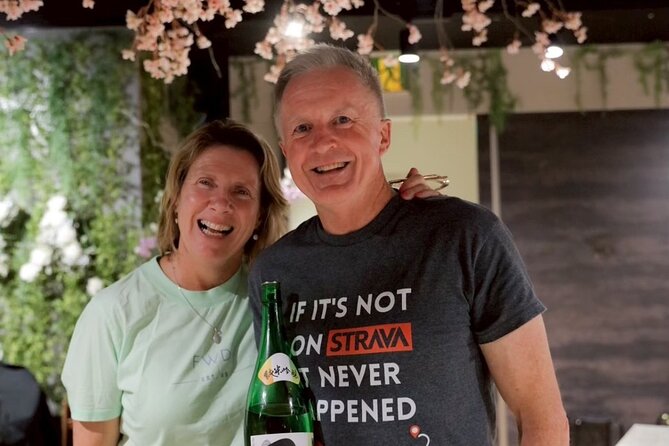
The final taste is amazake, a sweet fermented drink made from rice koji. It is served as a dessert-style ending and is not the same as another standard sake pour.
Amazake has a special place in Japan and is sometimes called drinkable IV because of its reputation as a nourishing drink. You can expect a softer, sweeter finish after the more varied sake samples. That contrast gives the session a clear ending rather than stopping abruptly after the eighth tasting.
This is a smart choice for a mixed group. Some people may prefer dry sake, while others may enjoy sweeter drinks. Amazake lets the tasting close on a gentle note and gives you one more example of how fermented rice can become something quite different.
If you are booking specifically for strong alcoholic drinks, keep in mind that amazake is presented as a sweet fermented drink and dessert. It is the change of pace at the end, not an extra round of sake.
The Shinjuku meeting point and one-hour timing
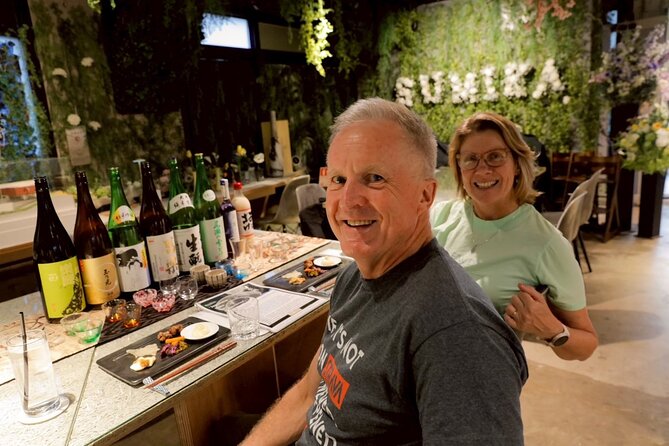
The meeting point is A house with flowers, located at the fourth floor of the Dai 6 Sanwa Building, 3-6-7 Shinjuku, Shinjuku City, Tokyo 160-0022. The activity ends back at the same meeting point, so you do not need to arrange a separate return transfer.
The location is near public transportation, which makes it practical to combine with other Shinjuku plans. You will need to pay for your own transportation to the meeting point, and hotel pickup and drop-off are not included.
Give yourself time to find the building and reach the fourth floor. The address includes a building name and floor number, so checking the details before leaving your hotel is wise. A mobile ticket is provided, which keeps the booking information on your phone.
The activity lasts about one hour. That makes it easy to fit before dinner, after shopping, or between other Tokyo plans. It also limits the amount of time available for conversation and second tastes. I would treat this as a focused tasting stop, not a full evening out.
Because the tasting involves alcohol, consider what comes next in your day. You may want to continue with dinner nearby, but the tasting itself does not provide a full meal.
The atmosphere and the role of host Shuma
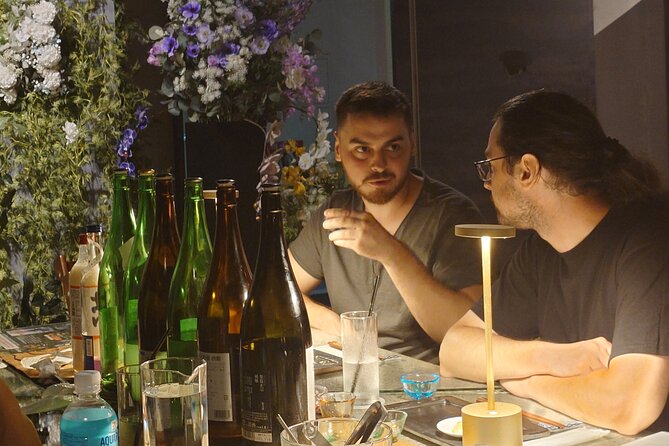
The available feedback gives particular praise to Shuma, who is described as a great host. The setting, music, and overall mood were also singled out, along with the way the sake and food pairings were arranged.
Those details matter. A tasting can feel stiff if it becomes a list of labels and alcohol percentages. Music and a relaxed host can make it easier for you to ask basic questions, admit that you do not know the difference between styles, and enjoy the social side of the hour.
The group can include up to 20 people. That is not an intimate private lesson, but it is still limited enough to avoid the scale of a large sightseeing excursion. The actual feel will depend on the number booked that day. With a full group, the session may be more social and less personal. With fewer people, there may be more room for direct conversation.
The strong praise for the pairing and atmosphere suggests that the experience aims for enjoyment as much as instruction. That is a good match for a casual evening in Shinjuku, especially if you want to meet people over something distinctly Japanese.
Is $39.02 good value?
At $39.02 per person, the price is reasonable if you want to sample several sakes and receive a guided tasting with snacks. Eight pours, traditional food pairings, amazake, and all fees and taxes are included.
The value depends on how you use the hour. If you would otherwise order several different sakes separately, this gives you a more organized comparison and removes the guesswork. It is also useful if you are visiting Japan briefly and want a compact introduction rather than committing to a long class.
The price is less attractive if you want a full meal, transportation, or extra drinks. None of those are included. You should budget separately for getting to Shinjuku and for dinner afterward.
I see the best value for first-time sake drinkers and curious food lovers. You are paying for selection, pacing, snacks, and a host-led setting. You are not paying for a long brewing seminar or an extensive meal.
The experience is booked an average of 36 days ahead, which suggests planning early is sensible. That is especially true if your Tokyo dates are fixed or you want a particular time during cherry blossom season.
Who should book this experience?
I would recommend it to you if you want a friendly introduction to sake without spending half a day in a classroom. The planned order, food pairings, and sweet amazake ending give the hour a simple shape that is easy to follow.
It also fits couples, solo visitors, and small groups who want an evening activity in Shinjuku. The music and relaxed mood make it sound more social than formal, while the eight-sake selection gives experienced drinkers enough variety to stay interested.
You should think twice if you are under 20, do not drink alcohol, or want a substantial meal. The experience cannot accept anyone under 20 because of Japan’s Minors’ Alcoholic Beverage Law. It is also not the right choice if your main goal is a guaranteed cherry blossom walk, since the available details do not promise one.
Free cancellation is available if you cancel at least 24 hours before the start time. Changes or cancellations inside that window are not accepted for a refund. Poor weather or failure to meet the minimum number of participants can also lead to a new date or a full refund.
Should you book the Shinjuku sake tasting?
Book it if you want to compare eight Japan-only sakes, learn through snacks, and finish with amazake in a relaxed setting. The $39.02 price is fair for a one-hour guided tasting, especially when all fees, taxes, and traditional snacks are covered.
Skip it if you need a full meal, dislike alcohol, or expect a detailed cherry blossom sightseeing tour. For most adults who are curious about Japanese drinks and have a free hour in Shinjuku, this is a practical and enjoyable introduction, with Shuma’s friendly hosting and the careful pairings adding welcome character.
FAQ
How much does the sake tasting cost?
The listed price is $39.02 per person. All fees and taxes are included.
How long does the experience last?
The tasting lasts approximately one hour.
How many sakes are included?
The experience includes eight carefully selected Japanese sakes.
Are traditional snacks included?
Yes. Traditional Japanese snacks are included to pair with the sake.
Is amazake included?
Yes. Amazake is served at the end as a sweet fermented rice drink and dessert-style finish.
Where does the tasting begin?
It begins at A house with flowers, 4F, Dai 6 Sanwa Building, 3-6-7 Shinjuku, Shinjuku City, Tokyo 160-0022.
Where does the activity end?
The activity ends back at the meeting point.
Are transportation and hotel transfers included?
No. Transportation to the meeting point, hotel pickup, and hotel drop-off are not included.
Can anyone under 20 participate?
No. Participants must be at least 20 because the experience serves Japanese sake.
What is the cancellation policy?
You can cancel up to 24 hours before the start time for a full refund. Cancellations or changes made less than 24 hours before the start time are not accepted for a refund.
More Drinking Tours in Tokyo
- Tokyo: Serene Sakura & Sake: An Exclusive Brewery Pairing Lunch
★ 5.0 · 2 reviews - Savannah Midnight in the Garden Pub Crawl
★ 4.5 · 75 reviews - Savannah: Midnight in the Garden Walking Tour and Pub Crawl
★ 4.5 · 37 reviews - Bangkok: White Orchid Chao Phraya Cruise, Thai Buffet & Beer
★ 4.3 · 14 reviews
Just added around Tokyo
- Private tour – Scenic Fuji Escape: Hakone, Peace Park & More★ 5.0 · 4 reviews
- TOKYO: Tailored Gardens tour with Pro Gardener by E-bike -BASIC★ 5.0 · 2 reviews
- Tsukiji Food Strolling and Hama Rikyu Garden Walking Tour★ 5.0 · 7 reviews
- Tokyo: Serene Sakura & Sake: An Exclusive Brewery Pairing Lunch★ 5.0 · 2 reviews
- Tokyo Cherry Blossom Half Day Walking Tour with a Local Guide★ 3.5 · 4 reviews
- Cherry Blossom Highlights, Asakusa, Ueno, Imperial Palace Garden★ 4.5 · 4 reviews
- Full Guided Mt. Fuji & Shiba-Sakura Festival One Day Pvt.Tour★ 5.0 · 6 reviews
- Licensed Guide Tokyo Meguro Cherry Blossom Walking Tour★ 4.5 · 13 reviews
Cherry Blossom Tours, compared.
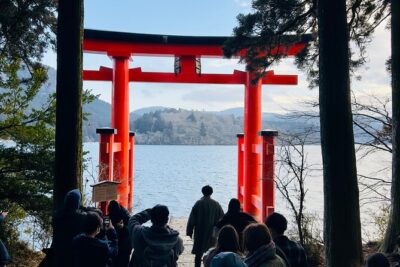

The DC Cherry Blossom Bus Tour with Tidal Basin Guided Walk
Read our review →
National Mall & Cherry Blossoms Tour with Optional Museum Tickets
Read our review →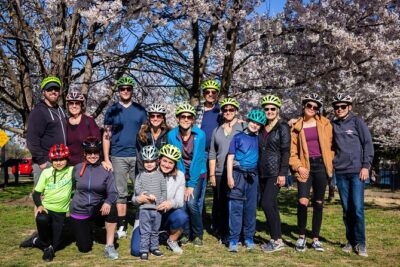

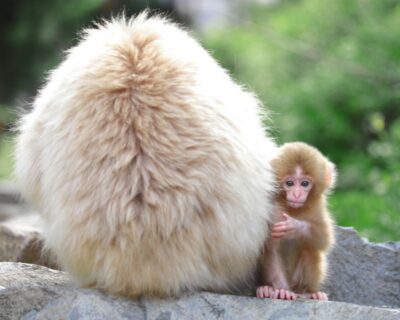
Nagano: 1-Day Snow Monkey & Cherry Blossom Tour in Spring
Read our review →
Nagano Spring: 1-Day Cherry Blossoms & Snow Monkeys Guided Tour
Read our review →Browse the lists this tour appears in