
Review · TOKYO
Tsukiji Food Strolling and Hama Rikyu Garden Walking Tour
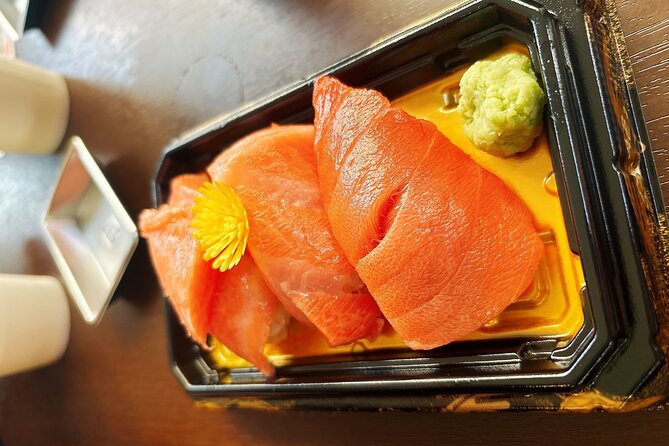
Tokyo starts with breakfast. This 2.5-hour walk pairs Tsukiji’s food stalls and seafood shops with the calm paths of Hama Rikyu Garden. I like the clear contrast between market energy and garden quiet, and I like that a local guide adds context rather than simply leading you from one stop to the next. The main drawback is that food costs extra, so the $32.32 price is only the starting point if you plan to sample several dishes.
The tour also includes Tsukiji Hongwanji Temple and admission to Hama Rikyu Gardens. Guides such as Masumi, Miyuki, Yuko, Erica, and Pepito have been praised for being friendly, helpful, and attentive to different interests. If you want the best market atmosphere, book a morning time and arrive ready to buy your own breakfast.
Key points to know before you book
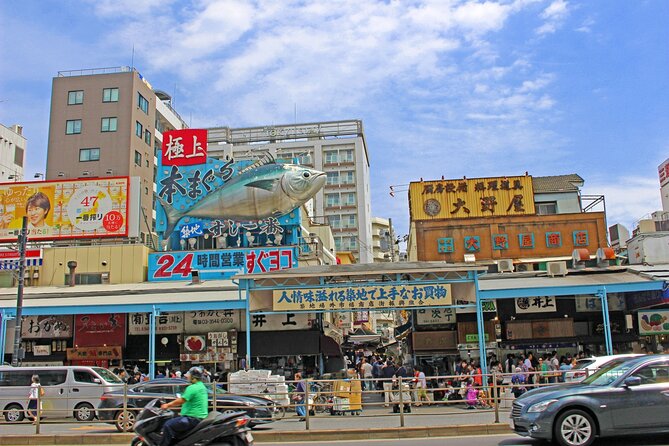
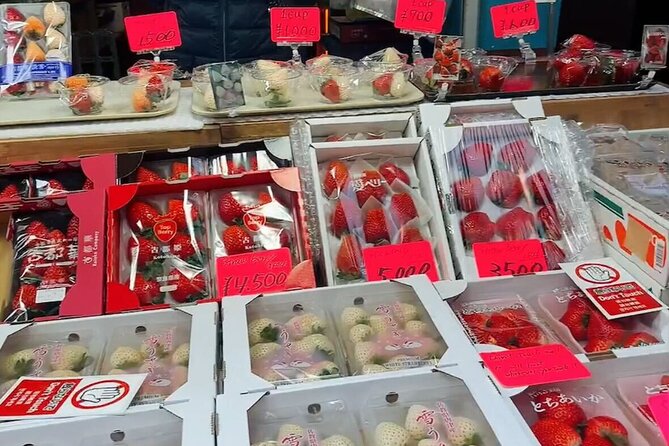
- Tsukiji market time lasts about one hour: You can browse a huge range of seafood, fruit, produce, and prepared food, but meals and snacks are not included.
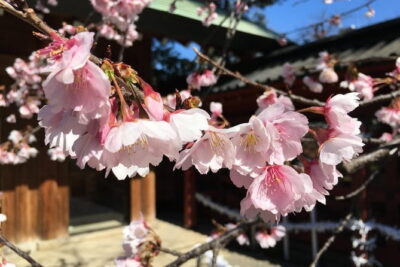
- Hama Rikyu adds a quiet change of pace: The garden offers a useful break from Tokyo’s dense city streets, with seasonal flowers and skyline views.
- The tour begins near Tsukiji Station: Meet at the Starbucks Coffee by Tsukiji Station, at 2-chōme 12-8 in the Daiko Building.
- Matcha and wagashi cost about 1,000 yen extra: The tea and sweet tasting is optional and paid on site.
- The group is capped at 12 people: That is small enough for questions and easier movement through busy market lanes.
- The $32.32 fee covers the guide and garden entry: Hama Rikyu admission is worth 300 yen per person, while all food and drinks are your responsibility.
Why this Tsukiji and Hama Rikyu pairing works
Many Tokyo walks focus on one mood. This one gives you two. Tsukiji is all about food, trade, movement, and close-up glimpses of Japan’s everyday eating culture. Hama Rikyu then slows the pace with ponds, flowers, old garden design, and tall buildings beyond the trees.
I like that the experience does not try to turn Tsukiji into a formal museum. You walk through the market, see the ingredients on offer, and hear about its history from your guide. That format suits you if you learn best while moving and looking rather than standing in one room.
The timing also makes sense. A morning visit lets you see Tsukiji when food shopping is most relevant, then gives you an easy way to walk off breakfast in the garden. One review specifically recommends doing the tour in the morning, and I agree with that advice based on the market focus.
Still, this is not a food-inclusive tasting tour. You may buy sushi, wagyu beef, fruit, sweets, or drinks, but you pay for each item yourself. Your final cost depends on your appetite. At the advertised price, the tour is a good-value guided walk, not a prepaid meal.
A few more gardens around Tokyo worth a look
- Tokyo Spring Daytime (Cherry Blossom) Food Tour
★ 5.0 · 6 reviews - Balinese Vegan Cooking Class with Fresh Harvesting & Garden Tour
★ 5.0 · 86 reviews - Sorrento: Walking Tour in Lemon Garden w/ Food Tasting
★ 4.8 · 72 reviews
Starting at Tsukiji Hongwanji Temple
The first stop is Tsukiji Hongwanji Temple, about 10 minutes from the tour schedule. The temple is close to the market but feels calmer once you enter. Its architecture draws on Indian and Western influences, giving it a look that differs from the wooden temple style many people expect in Tokyo.
This short stop works well as an introduction. You can pause before entering the market’s tighter streets, and your guide can explain the setting and the temple’s role near Tsukiji. It also gives you a useful visual reset: quiet interior space first, food stalls and shoppers next.
Do not expect a long temple visit. Ten minutes is enough for a brief look and a little quiet, not a full architectural study or religious tour. If you have special interest in the building, you may want to ask your guide questions early, since the schedule moves on fairly quickly.
The admission cost here is free. That keeps the opening stop simple and gives the tour a cultural beginning before food becomes the main subject.
Reading Tsukiji Jogai Market with a local guide
The main part of the experience is roughly one hour at Tsukiji Jogai Market. This is the outdoor market area that continued its food-trading identity after the wholesale market moved to Toyosu. The market’s stated 83-year history gives your guide a useful starting point for explaining how Tsukiji became one of Tokyo’s central food districts.
The scale is impressive. Tsukiji handles about 480 types of seafood and 270 types of produce, with ingredients arriving from around Japan and other parts of the world. You are not simply looking at one specialty. You may encounter fish, meat, fruit, vegetables, prepared foods, and small shops selling items connected to Japanese cooking.
This is where a guide adds real value. A good guide can help you understand what you are seeing, explain market customs, and point out items you might otherwise pass without noticing. The strongest praise for this experience goes to the guides’ personal approach. Masumi was praised for combining historical information with current knowledge. Miyuki was described as friendly and willing to shape the walk around personal interests. Yuko helped make the morning informative and earned praise for her excellent French.
Erica’s style was a little different. She was described as kind and useful with directions, though one review wanted more explanation. That is worth keeping in mind. The quality of the conversation may depend on your guide and on how actively you ask questions. If you want a lesson on every ingredient, speak up. If you mainly want a local person to help you navigate and offer suggestions, the experience may suit you very well.
The food buying system is important. Lunch, snacks, and drinks are not included. You might find sushi, wagyu beef, fresh fruit, and other market foods available for purchase, but the tour does not promise a set menu or a fixed number of tastings. One person described becoming completely full after buying several foods, but that was an individual choice rather than part of the tour fee.
I would budget extra money if food is central to your plans. You can keep spending modest by buying one or two items, or spend more on a full market breakfast. The guide can help you choose, but you remain responsible for payment and eating decisions.
What to eat, and how to plan your market budget
The tour gives you freedom, which is both its strength and its limitation. You choose what appeals to you instead of receiving a preset tasting list. That is useful if someone in your group dislikes seafood or wants to try a particular Japanese ingredient.
At the same time, people seeking a fully organized food tour may find the arrangement less satisfying. There is no included lunch, no included snack, and no stated food allowance. The $32.32 fee covers the guide and Hama Rikyu entry, not the market meal.
I would treat the market hour as a chance to build your own breakfast. You might buy a small item first, then decide if you want more. This is especially practical for families or groups with different appetites. You can also ask the guide for suggestions based on your interests.
Keep your expectations precise. The experience is a guided market walk with optional purchases, not an all-you-can-eat tasting. That distinction matters when comparing it with more expensive food tours.
More Garden Tours in Tokyo:
- Imperial Palace East Garden and Edo Castle Walking Tour in Tokyo
★ 5.0 · 510 reviews - Tokyo: Imperial Palace East Gardens Walking Tour
★ 4.8 · 353 reviews - Tokyo: Edo Castle & East Garden of the Imperial Palace Tour
★ 4.7 · 112 reviews - Tokyo Private Tour! Edo Castle & Imperial Palace East Gardens
★ 5.0 · 105 reviews
Hama Rikyu Gardens and the Tokyo skyline
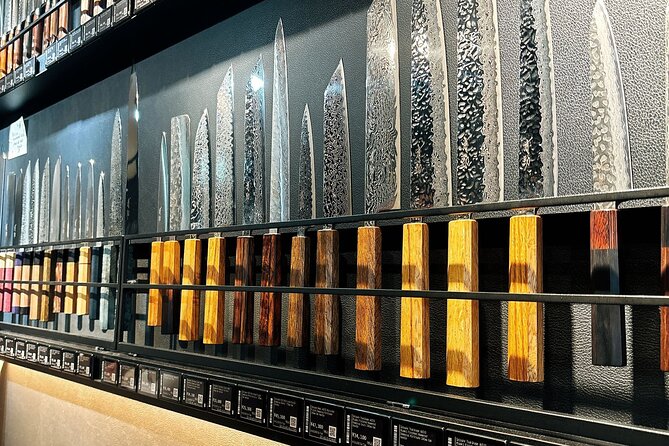
After Tsukiji, the tour continues to Hama Rikyu Gardens for about an hour. The garden was created during the Edo period more than 370 years ago, so it gives the walk a longer historical frame than the market alone.
Hama Rikyu is known for its calm setting in central Tokyo. The garden includes carefully arranged paths, water features, and seasonal flowers, with skyscrapers visible beyond the traditional grounds. That contrast is one of the best reasons to choose this tour. You can look from an old Japanese garden toward the modern city and see both sides of Tokyo in one view.
Season matters here. The garden’s flowers change through the year, so the exact color and feel of the visit will depend on your date. The tour description does not promise a particular bloom, but it does make clear that seasonal flowers are part of the experience.
The garden admission fee, 300 yen per person, is included. That is a small but useful saving, and it means you do not need to handle another ticket during the walk. The hour gives you enough time to enjoy the change in pace without turning the experience into a full garden study.
I especially like the order of the stops. After the market’s food smells, close lanes, and steady movement, the garden gives you room to breathe. You are still in central Tokyo, but the mood changes sharply.
Optional matcha and wagashi at the tea house
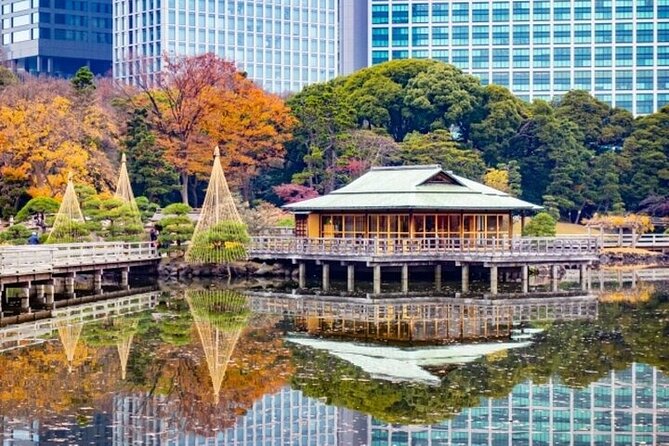
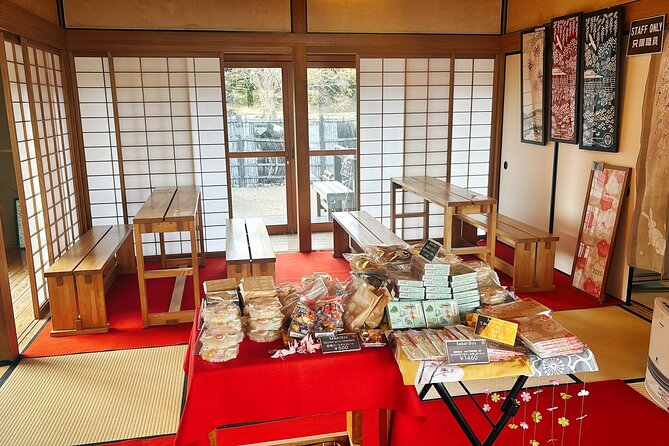
The tour finishes at a tea house in Hama Rikyu Gardens. If you wish, you can take part in a matcha and wagashi tasting for about 1,000 yen, paid on site.
This optional stop adds more than a drink and a sweet. You can learn basic Japanese etiquette while trying matcha with wagashi, the traditional sweet served alongside it. For someone new to tea customs, the guide’s explanation may make the experience easier to understand and enjoy.
The extra cost is reasonable, but it should be part of your planning. The tea experience is not included in the advertised price, and participation is optional. If you have already spent heavily at Tsukiji, you can skip it without losing the main garden visit.
The tour formally ends at the tea house. People who want help finding the exit can be escorted to the garden gate. This is a thoughtful detail if you are unfamiliar with the grounds or need to continue to another Tokyo sight.
Guide quality and the 12-person group size
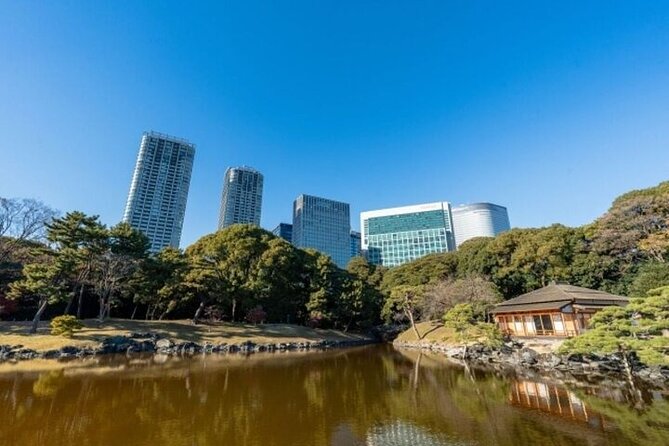
The guide is central to this experience. The route itself is easy to understand, but the explanation, food advice, and local suggestions shape how much you get from it.
The available feedback gives a strong picture of friendly guides. Masumi received praise for history and present-day information. Miyuki was appreciated for a relaxed manner and for responding to personal interests. Pepito was praised for showing authentic places and offering useful recommendations for later in the trip. Erica helped with directions and even accompanied someone to a train station for the next stop. Yuko earned special praise for guiding Tsukiji in excellent French.
There is also a useful note of balance: one person wanted more detailed explanation from Erica. I would not ignore that point. If you want the most from the walk, ask about ingredients, temple design, market customs, and the garden’s past. A small group makes that easier.
The maximum group size is 12 people. That is not a private tour, but it is much more manageable than a large coach group. You can usually hear the guide more easily, keep the group together in market lanes, and ask a question without holding up dozens of people.
Price, timing, and practical details
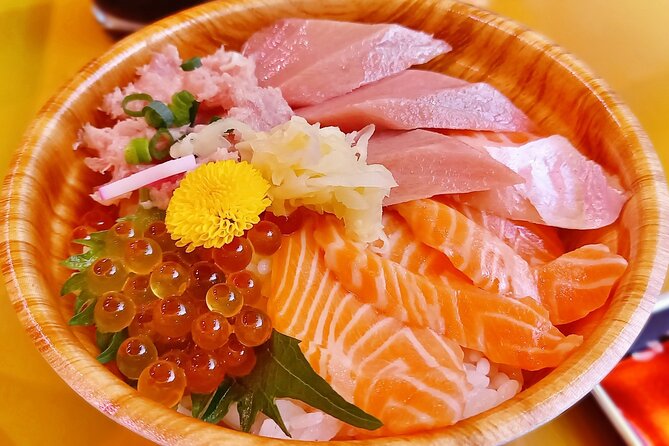
At $32.32 per person, the experience is priced fairly for a 2.5-hour guided walk that includes Hama Rikyu admission. You are paying for local guidance, a structured route, historical context, and the convenience of combining two nearby areas.
The value is strongest if you want help making sense of Tsukiji. If you already know the market well and prefer to shop alone, you may not need the guide. But if this is your first visit, the temple, market, garden, and optional tea stop make a tidy half-day plan.
The meeting point is the Starbucks Coffee near Tsukiji Station, at 2-chōme 12-8, in the Daiko Building. The end point is Hama Rikyu Gardens, with dismissal at the tea house and optional assistance to the entrance gate.
A mobile ticket is provided, and confirmation arrives when you book. The tour is near public transportation, service animals are allowed, and most people can participate. Free cancellation is available up to 24 hours before the start time. Changes or cancellations inside that window are not accepted, so check your plans before the cutoff.
Who should book this walk
I would recommend this tour if you want a short introduction to two very different parts of Tokyo. It suits first-time visitors, food-minded explorers, families who prefer a guided route, and anyone who likes history mixed with everyday city life.
It is also a good fit if you want suggestions for the rest of your trip. Pepito’s recommendations and Erica’s help with onward transport show how the guide may be useful beyond the official route.
I would be more cautious if you expect a complete meal, a fixed tasting menu, or a detailed specialist lecture at every stop. Bring extra money for food and tea, and ask questions if you want more explanation.
Should you book the Tsukiji and Hama Rikyu tour?
Book it if you want a reasonably priced morning walk that combines market food, temple architecture, Edo-era garden design, and modern Tokyo views. The best features are the sharp contrast between Tsukiji and Hama Rikyu, the small group size, and the friendly guide service praised by several people, including Masumi, Miyuki, Yuko, Erica, and Pepito.
Skip it if you want all food included or prefer to explore Tsukiji without a schedule. For everyone else, this is a practical way to get your bearings, eat what you choose, and finish with a quiet garden and optional matcha.
FAQ
How long does the Tsukiji and Hama Rikyu tour last?
The experience lasts about 2 hours and 30 minutes.
What is included in the tour price?
The price includes a local tour guide and admission to Hama Rikyu Gardens, listed at 300 yen per person.
Is food included?
No. Lunch, snacks, drinks, and all food purchased at Tsukiji must be paid for separately.
How much does the optional matcha and wagashi tasting cost?
The optional tea and sweet experience costs about 1,000 yen, paid on site.
Where does the tour begin and end?
The tour begins at Starbucks Coffee near Tsukiji Station in the Daiko Building. It ends at the tea house in Hama Rikyu Gardens, with optional guidance to the entrance gate.
How large is the tour group?
The experience has a maximum of 12 participants.
Just added around Tokyo
- Private tour – Scenic Fuji Escape: Hakone, Peace Park & More★ 5.0 · 4 reviews
- TOKYO: Tailored Gardens tour with Pro Gardener by E-bike -BASIC★ 5.0 · 2 reviews
- Tokyo: Serene Sakura & Sake: An Exclusive Brewery Pairing Lunch★ 5.0 · 2 reviews
- Full Guided Mt. Fuji & Shiba-Sakura Festival One Day Pvt.Tour★ 5.0 · 6 reviews
- Tokyo Cherry Blossom Half Day Walking Tour with a Local Guide★ 3.5 · 4 reviews
- Cherry Blossom Highlights, Asakusa, Ueno, Imperial Palace Garden★ 4.5 · 4 reviews
- Licensed Guide Tokyo Meguro Cherry Blossom Walking Tour★ 4.5 · 13 reviews
- Tokyo: Kimono Experience inside Shinjuku Gyoen National Garden★ 5.0 · 3 reviews
Food, compared.
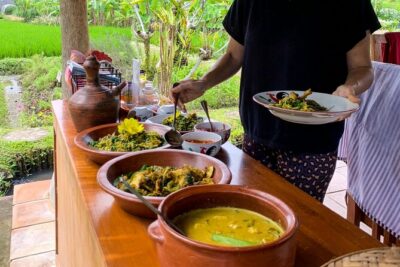
Balinese Vegan Cooking Class with Fresh Harvesting & Garden Tour
Read our review →

Delhi Street Art Walk in Lodhi Art District with Chai & Food
Read our review →
Lake Maggiore Gourmet: Gardens, Lake Cruise, & Food Tasting
Read our review →
Farmers Market & Royal Vegetable Garden Food Tour
Read our review →
Browse the lists this tour appears in