

Review · GERMANY
Hanover: Royal Gardens of Herrenhausen Guided Tour
Baroque order makes Hanover’s gardens sing. This 90-minute walk through the Great Garden reveals clipped boxwood, marble gravel, flower borders, the Great Fountain, and a wildly colorful grotto by Niki de Saint Phalle. I especially like the way the tour connects garden design with the Hanoverian link to Britain’s royal family. I also like that admission and a separate entrance are included for $18.
The main limitation is language: the live tour is in German only. That is no small point if you need English explanation, although the gardens themselves are easy to appreciate without understanding every word. The guides receive especially warm praise for being informed, relaxed, funny, and engaging, with names including Herr Kron, Frau Focke, and Roland Wagenführer.
Key points about the Herrenhausen tour

- A 300-year-old Baroque garden: The Great Garden follows the formal French style associated with Louis XIV and the grand gardens around Versailles.
- A royal family connection: Your guide explains how Hanover became linked with the English royal family.
- The Great Fountain: This is one of the garden’s major visual points and part of the guided route.
- Niki de Saint Phalle’s grotto: Colorful glass mosaics bring a strong modern contrast to the formal garden.
- A German-language experience: The tour is led in German, so language ability matters.
- Good value at $18: The fee includes the guide, garden admission, and a separate entrance to help you avoid the main line.
Why the Great Garden is worth your time
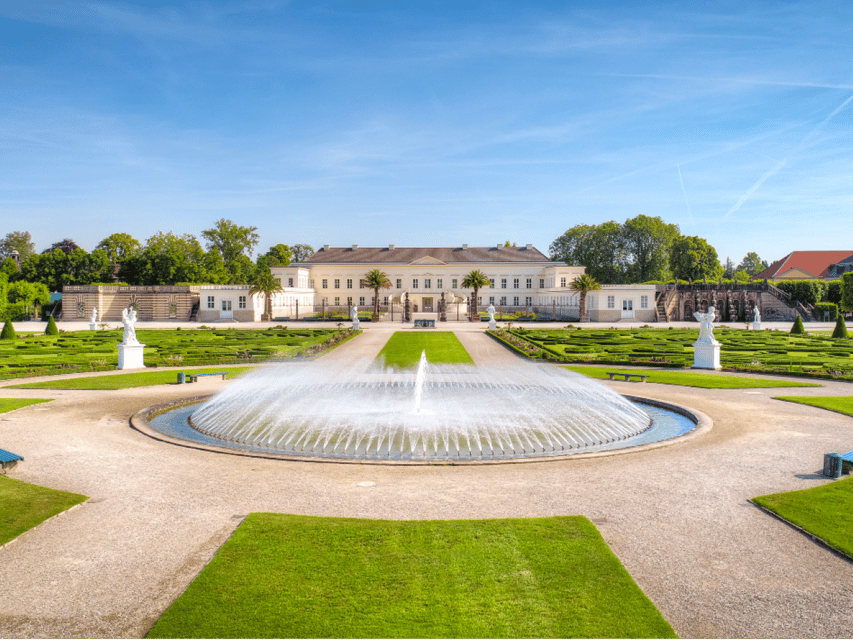
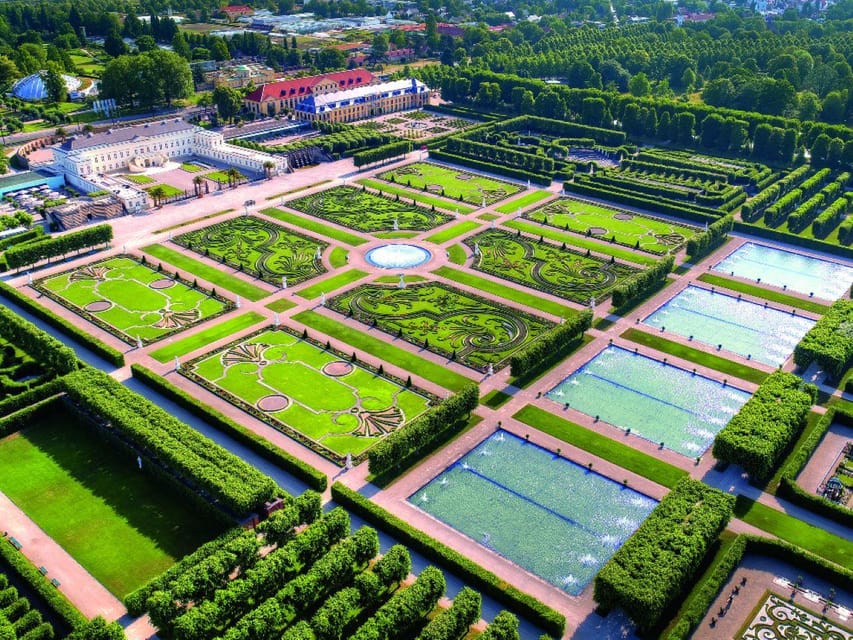
Hanover is not always the first German city that comes to mind for grand court culture. Herrenhausen changes that. The Great Garden gives you a clear look at how a powerful European court used geometry, water, plants, sculpture, and ceremony to make an impression.
The garden began more than 300 years ago through the efforts of Elector Sophie of the Palatinate. She took inspiration from the French court of Louis XIV and made the creation of this large formal garden a major part of her life. The result was a roughly 200-acre garden arranged according to French Baroque ideas.
You will not find a loose, natural park here. The pleasure comes from control. Paths, hedges, gravel, flowers, and water are arranged to create patterns that can be read from ground level and, in the original courtly setting, from grand viewpoints. Even if you know little about garden design, you can see the work involved in keeping these shapes crisp.
I like this kind of sight because it gives you something to look at and something to think about. A guide can point out why a line is placed where it is, how boxwood defines a pattern, and why the Great Fountain matters. Without that context, you might simply walk through, take a few pictures, and miss the garden’s larger purpose.
More Garden Tours in Germany:
- Stuttgart: Wilhelma Zoological-Botanical Garden Ticket
★ 4.7 · 121 reviews - Munich: Old Town and English Garden Rickshaw Tour
★ 4.9 · 112 reviews - From Berlin: Gardens & Palaces of Potsdam Bike Tour
★ 5.0 · 61 reviews
Meeting at Herrenhäuser Strasse 5
The tour begins at Herrenhäuser Str. 5. At the main entrance, go to the foyer and look for the area in front of the television. That is the stated meeting point, so you should arrive with enough time to find it without rushing.
The entrance arrangement is useful. Your ticket includes admission and access through a separate entrance, which can save time before the walk begins. The tour lasts 1.5 hours, and the route returns to the same location at the end.
Wear comfortable shoes. You will be walking through a large garden, and the focus is on seeing several parts of the grounds rather than sitting in one place. Pets, bikes, and drones are not allowed.
The tour is wheelchair accessible. Since the garden is large and the route includes several sightseeing sections, you may still want to confirm the exact route details when booking if you have specific mobility needs. The supplied information confirms accessibility, but it does not describe every surface or incline.
The opening garden views
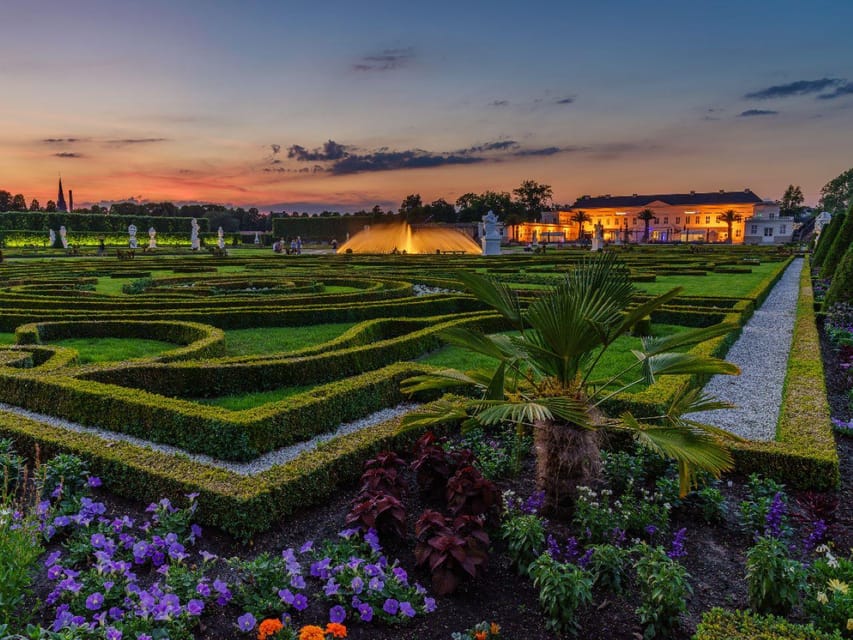
The first part of the experience is a gentle introduction to the Great Garden. The schedule divides the walk into several sightseeing sections, most lasting about 10 minutes, with one longer 20-minute portion. This pacing gives the guide room to explain individual areas without turning the visit into a long lecture in one spot.
At the start, pay attention to the overall arrangement. The power of the Great Garden is easier to understand when you see its repeated lines and carefully framed views. Boxwood patterns, marble gravel, and flower borders work together rather than appearing as separate decorations.
Your guide will likely help you notice details that are easy to skip. A trimmed border can look simple until you consider the planning and constant care needed to keep it in shape. Marble gravel adds a pale surface that makes the green hedges and flower colors sharper. The arrangement is formal, but not dull. There is plenty of contrast in texture and color.
The seasonal timing matters. The garden will not look exactly the same throughout the year. One October visit was described as appropriate for the season, with the guide explaining things well despite the time of year. If you expect every flower border to be at its summer peak, choose your dates carefully. The garden’s structure remains interesting outside the main flowering period, but the display of flowers will naturally change.
Boxwood, marble, and the art of control

The Great Garden is a good place to see how Baroque design turns maintenance into art. Boxwood is clipped into intricate patterns, while marble gravel helps outline and highlight the design. Colorful flower borders soften the strict geometry without breaking it.
I would give this section your full attention even if you are not especially interested in plants. The important point is not simply which flowers are growing. It is how every element supports the larger design. The garden is meant to guide your eye through repeating shapes, straight lines, framed views, and carefully placed focal points.
A guide adds value here because the patterns can be difficult to interpret on your own. You may recognize that the garden looks formal, but a German-language explanation can show you how the layout reflects court life and French influence.
This is also where the tour may appeal to people who prefer an experience with a slower rhythm. You are not rushing from one famous object to another. Instead, you are learning to read a place through its proportions and details. The drawback is that visitors who want constant spectacle may find the formal sections quiet. The reward is a better understanding of what you are seeing.
Same place, a different sort of green day out:
- Munich: Old Town Walking Tour
★ 4.7 · 589 reviews - Munich Old Town Walking Tour
★ 4.5 · 152 reviews - Private Munich Rickshaw City Tour and English Garden
★ 5.0 · 49 reviews - Private Tour of Nymphenburg Palace and Gardens
★ 5.0 · 26 reviews
The Great Fountain and royal ambition
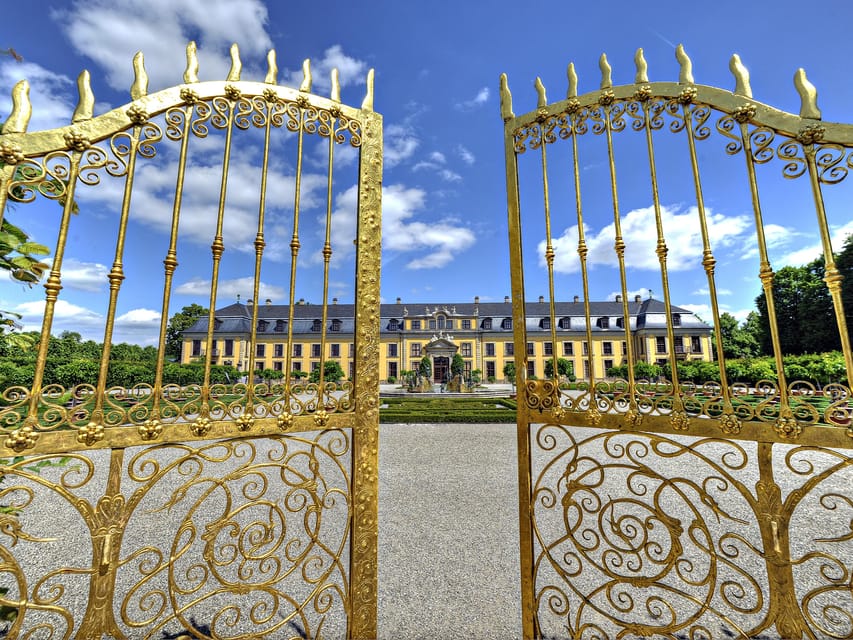
The Great Fountain is one of the main stops on the route. Water was central to the display of wealth and technical skill in Baroque gardens, and the fountain gives the garden a strong focal point.
Your guide discusses the fountain as part of the wider design, rather than treating it as an isolated photo stop. Look at how the water feature relates to the surrounding paths and garden structure. The Great Garden was not laid out casually. Its elements were planned to impress, direct movement, and express the power of the court.
This is also a good moment for the historical story of Elector Sophie. Her role gives the garden a human focus. Instead of hearing only about a ruler or dynasty, you learn about a woman who made the garden her life’s work and shaped Hanover’s most famous royal-era attraction.
The connection with England is another reason to listen closely. The tour explains the link between Hanover and the English royal family, a subject that can make the city’s royal past feel much less remote. If British royal history interests you, this part may be one of the tour’s strongest features.
Niki de Saint Phalle’s colorful grotto

The grotto offers the garden’s sharpest change of mood. Unlike the clipped hedges and pale gravel, this space was designed by artist Niki de Saint Phalle and decorated with colorful glass mosaics.
That contrast is exactly what makes it memorable. You move from a garden built around symmetry and restraint into an artistic space filled with color and visual energy. The grotto connects Herrenhausen’s older royal setting with a much more recent chapter of art.
You should not expect the grotto to feel like a traditional Baroque feature. It is a modern addition and has a different voice. That difference is part of the appeal. The Great Garden is not frozen in the 17th century. It also contains later work that responds to the older setting in its own bold way.
If you enjoy photography, this is likely one of the most rewarding parts of the walk. The mosaics create details that look different as you move through the space. Give yourself time to look at the glass pieces rather than taking one quick picture and moving on.
The information provided does not give a separate visit length for the grotto, so your guide’s timing may vary. The overall itinerary includes one 20-minute sightseeing section, which allows for a fuller explanation at one of the major parts of the garden.
What the guide adds
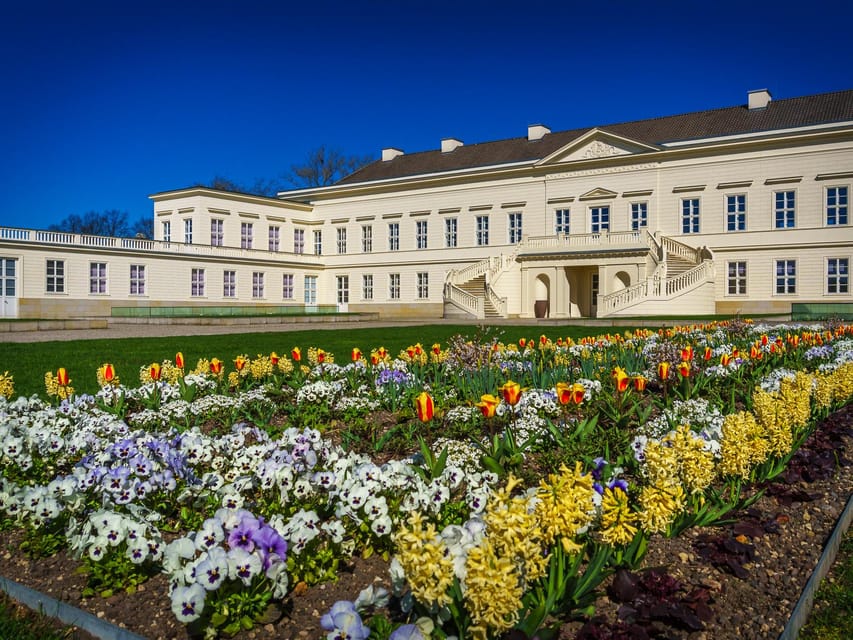
The guide is the main reason to choose this experience instead of simply entering the garden alone. The tour is designed to show you the most intricate corners, explain the Great Fountain, and place the garden within Hanover’s royal story.
The strongest praise focuses on the guides’ manner as much as their subject knowledge. Herr Kron is described as interesting, relaxed, entertaining, and informative. Frau Focke is praised for making the tour lively through her expertise. Roland Wagenführer is remembered for his friendliness, humor, and warm personality.
That pattern tells you what kind of experience to expect. This is not presented as a stiff, formal speech. The guide can make the history easier to follow and keep the 90 minutes moving.
The language remains important. The live tour is in German, and there is no English option listed. One English-speaking participant enjoyed hearing the German but did not understand everything. That is a fair warning. You can still admire the setting, but the historical explanations will be much more useful if you understand German.
If you speak some German, this could be a pleasant way to practice while seeing an important Hanover sight. If you speak no German, consider the tour mainly for the access, route, and visual experience, not for a fully understandable history lesson.
Is $18 a fair price?

At $18 per person, the price is reasonable for a 90-minute guided visit that includes entrance and a separate entry route. You are paying not only to get inside, but also for an organized explanation of a large historic garden.
The value is strongest if you care about context. A self-guided walk may show you the hedges, fountain, flowers, and grotto, but it may not explain Elector Sophie’s role or the Hanoverian connection to the English royal family with the same focus.
The price is less attractive if you speak no German and mainly want to wander at your own speed. In that case, the guide’s commentary may not add as much value, although the separate entrance and structured route still have practical benefits.
The reserve-now, pay-later option can help if your plans are still shifting. You can cancel up to 24 hours ahead for a full refund. Starting times vary, so check availability for your date before planning the rest of your Hanover visit.
Who will enjoy this garden walk?
I would recommend the tour most strongly to:
- People interested in royal gardens, court culture, and European design
- Visitors who enjoy history explained during a walk
- Garden enthusiasts who want to study boxwood patterns, gravel work, and flower borders
- Anyone curious about Hanover’s connection with the English royal family
- German speakers or visitors comfortable following a German-language tour
- Art lovers who want to see Niki de Saint Phalle’s mosaic grotto
Families may also find the variety helpful. The fountain and colorful grotto offer visual breaks from the formal garden design. Still, the tour is guided and timed, so it may not suit children who need a completely free-running visit.
You should also choose your shoes with care. The practical advice is simple: comfortable footwear will make the 90-minute walk more pleasant.
Final verdict: book it if the language works for you
Book this tour if you want the Great Garden explained rather than simply photographed. The combination of Baroque geometry, the Great Fountain, Elector Sophie’s story, the English royal connection, and Niki de Saint Phalle’s grotto gives the visit more range than a standard garden stroll.
The strongest reason to pause is the German-only guiding. If you need English commentary, this may not be the right choice. If you understand German, or are happy to enjoy the setting while catching what you can, $18 is a fair price for a well-organized introduction to Herrenhausen.
The repeated praise for guides such as Herr Kron, Frau Focke, and Roland Wagenführer suggests that the human side of the tour is a real strength. Choose it for the stories, the careful details, and the chance to see why this garden mattered to Hanover’s royal past.
FAQ
Where does the Herrenhausen garden tour begin?
It begins at Herrenhäuser Str. 5. Meet in the foyer in front of the television at the main entrance.
How long does the guided tour last?
The tour lasts 1.5 hours, or 90 minutes.
What is included in the price?
The price includes the guided tour, entrance to the garden, and access through a separate entrance.
Is the tour offered in English?
No. The listed live tour language is German.
Is the tour wheelchair accessible?
Yes, the activity is listed as wheelchair accessible.
What should I bring?
Bring comfortable shoes for the garden walk.
Can I bring a pet, bike, or drone?
No. Pets, bikes, and drones are not allowed.
Just added around Germany
- Sanssouci Park: A Self-Guide Audio Tour of the Garden’s Landmarks★ 3.0 · 2 reviews
- Private Tour of Nymphenburg Palace and Gardens★ 5.0 · 26 reviews
- Private and full rickshaw tour in the English Garden★ 4.5 · 10 reviews
- Munich Private City Bike Tour and English Garden★ 4.5 · 2 reviews
- City Bike and English Garden Tour★ 4.0 · 14 reviews
- Amazing Schwetzingen Garden Tour★ 4.5 · 4 reviews
- E-ticket to Berlin Botanical Garden with Audio Tour★ 5.0 · 2 reviews
- Berlin: Potsdam & Sanssouci Gardens Private Tour With Jacob★ 4.8 · 8 reviews
Germany Garden Tours, compared.

Stuttgart: Wilhelma Zoological-Botanical Garden Ticket
Read our review →



Heidelberg: Heidelberg Castle Garden & Outside Private Tour
Read our review →Browse the lists this tour appears in