

Review · GERMANY
Stuttgart: Wilhelma Zoological-Botanical Garden Ticket
One garden, two very different worlds. Wilhelma combines a major zoo with historic Moorish architecture and carefully tended plant collections, making it far more varied than a standard animal park. I especially like the rare Australian animals, including koalas and Europe’s only quokkas, and the way the botanical displays give you a calmer break between animal habitats. The main drawback is simple: Wilhelma is large enough that a rushed afternoon will leave important sections unseen.
Plan on spending most of a day here if you want to enjoy both the zoo and the gardens. A 3 to 4 hour visit can cover plenty, but it may not leave enough time for the botanical collections, aquarium displays, and every themed area.
Key points to know before you go
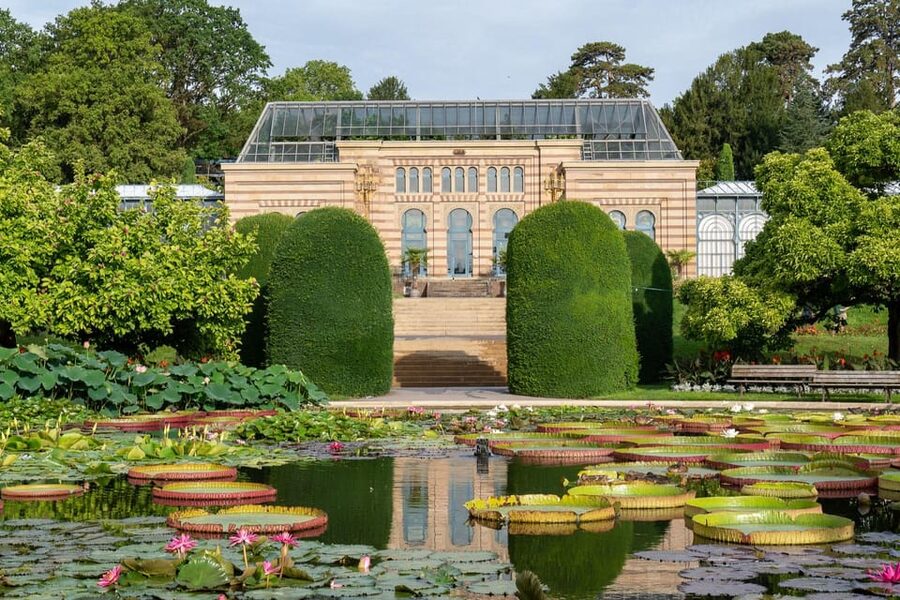
- More than 11,000 animals: Wilhelma houses about 1,200 species from every continent, with exhibits ranging from giraffes and African animals to Australian marsupials.
- A zoo inside a historic garden: The Moorish Garden, historic buildings, subtropical terraces, and greenhouse row give the visit a setting you will not find at an ordinary zoo.
- Rare Australian wildlife: Koalas are kept at only four zoos in Germany, and Wilhelma is the only place in Europe where you can see quokkas.
- Terra Australis is a major highlight: This modern area includes naturalistic habitats and nocturnal animals from Australia and nearby regions.
- A full-day value at $26: The ticket includes all animal exhibits and botanical gardens, so the price works best when you stay long enough to see both sides of Wilhelma.
- A small conservation contribution is included: Most adult ticket types include a €1 conservation contribution supporting wildlife projects and endangered habitats.
Why Wilhelma feels different from a normal zoo

Wilhelma is Germany’s only zoological-botanical garden, and that unusual combination shapes the whole visit. You are not simply moving from one animal enclosure to the next. Instead, animal habitats sit among palms, orchids, seasonal flowers, historic buildings, and garden paths.
That variety matters because it changes the pace. After watching animals, you can slow down in a greenhouse or garden courtyard. If you are visiting with children, the plants and architecture also provide useful pauses when young legs need a break from one exhibit to another.
The setting dates to a 19th-century park with Moorish design elements. The Moorish Garden is one of the best places to appreciate this character, with decorative architecture and planted spaces that make the surroundings feel more like a historic pleasure garden than a conventional zoo.
I like that Wilhelma gives you two reasons to visit. The animals provide the main excitement, but the plants and buildings keep the day interesting even when an animal is sleeping, hiding, or simply refusing to perform for the public. That is normal zoo life, and the botanical side helps make the experience less dependent on animal activity.
More Botanical Gardens in Germany:
- E-ticket to Berlin Botanical Garden with Audio Tour
★ 5.0 · 2 reviews - Osaka: teamLab Botanical Garden Entry Ticket
★ 4.5 · 1,710 reviews - Blanes: Marimurtra Botanical Garden Entry Ticket
★ 4.7 · 998 reviews
Start in the Moorish Garden
Begin with the Moorish Garden if you want to understand Wilhelma’s identity from the start. This area introduces the historic side of the park, with ornamental design, lush planting, and buildings that set the garden apart from a modern wildlife park.
It is also a good place to get your bearings. Wilhelma provides a routed map that can help you follow the attractions in an orderly sequence. Use it rather than wandering without a plan, especially if you have limited time or want to reach specific areas such as Terra Australis, Amazonia, or the Mountain Worlds.
The architecture is not just background decoration. It gives the garden a strong sense of place and makes the plant collections feel connected to the site’s past. You can pause for photographs here, though private photography is allowed only for personal use. Commercial photography requires permission.
The Moorish Garden can also be a gentle opening for children. It offers something to see before the larger animal habitats, and the paths provide an easy way to settle into the scale of the park.
Meeting animals from every continent

Wilhelma houses over 11,000 animals representing around 1,200 species. That is a large collection, so you should expect a broad range of habitats rather than one single theme.
African animals include giraffes, while other sections bring you closer to wildlife from Australia, South America, and mountain regions. The themed areas are designed to suggest the animals’ native environments, which gives you more context than a row of isolated enclosures.
The best approach is to treat the visit as a series of distinct worlds. Instead of trying to see every animal quickly, spend time in the areas that matter most to you and use the map to avoid unnecessary backtracking.
If you are visiting with a family, the range is a major advantage. Children can move from large mammals to birds, reptiles, and smaller creatures without the day feeling repetitive. Adults may appreciate the plant collections and conservation information just as much as the animal exhibits.
You should also keep your expectations realistic. No zoo can guarantee that every animal will be visible at every moment. Some animals may be resting or out of sight, so the strength of Wilhelma is the variety of the entire park, not one guaranteed encounter.
Terra Australis and Wilhelma’s rarest animals
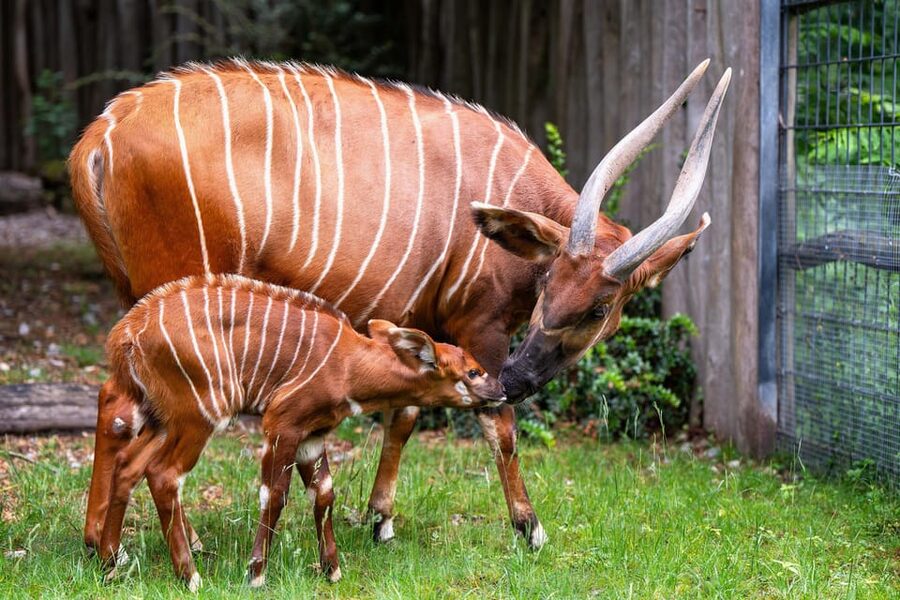
Terra Australis deserves special attention. It is described as one of Europe’s most modern facilities, with naturalistic enclosures for animals from Australia and nearby regions.
The area includes fascinating nocturnal species, so it offers a different mood from the brighter open-air sections. Nocturnal exhibits are especially useful for showing how animals behave when darkness, shelter, and quiet matter more than open views.
Koalas are among the most sought-after animals here. Only four zoos in Germany keep koalas, including Wilhelma. That makes this section a strong reason to include the garden in a Stuttgart visit if Australian wildlife interests you.
The quokka is an even rarer sight. Wilhelma is the only place in Europe where quokkas are kept, giving this small marsupial an unusual importance within the collection. If you have a short visit, Terra Australis should be high on your list.
This section also shows why a longer visit pays off. It is easy to focus on the most famous animals and miss the smaller species that make the collection distinctive. Give yourself time to look closely and read the educational material rather than simply moving on after a quick photograph.
More Tickets in Germany:
- Erfurt: Egapark garden Entrance Ticket
★ 4.6 · 16 reviews - Berlin: Charlottenburg Palace & Gardens Ticket & Audio Tour
★ 4.2 · 9 reviews - Paris: Versailles Palace and Gardens Full Access Ticket
★ 4.6 · 41,579 reviews - Marrakesh: Majorelle Garden Entry Tickets
★ 4.5 · 9,651 reviews
Amazonia and the Mountain Worlds
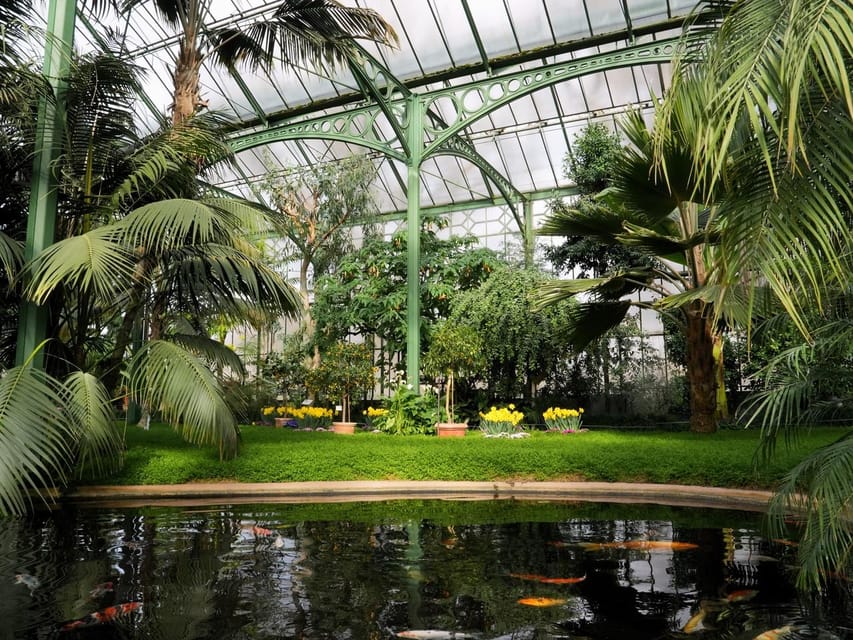
Amazonia adds a tropical theme to the day, with animals and plants connected to South American environments. The area helps show how species live within larger ecosystems rather than existing as separate displays.
The botanical setting is important here. Tropical planting can make the area feel visually different from the open garden paths and European-style historic sections. You might find the change in climate and plant character useful after spending time outdoors.
The Mountain Worlds offer another shift in subject. This themed area focuses on flora and fauna from mountain regions, giving you a chance to compare animals adapted to high, colder, or more rugged environments with those from tropical habitats.
These sections are valuable for the way they organize information. Wilhelma is not just presenting a long list of species. It is using regional themes to help you connect animals with climate, habitat, and conservation needs.
If you are mainly interested in large mammals, you may move more quickly through these areas. If you enjoy ecology, plants, and habitat design, allow extra time. The value here comes from seeing how each themed world changes the story of the visit.
Greenhouses, orchids, and seasonal flowers
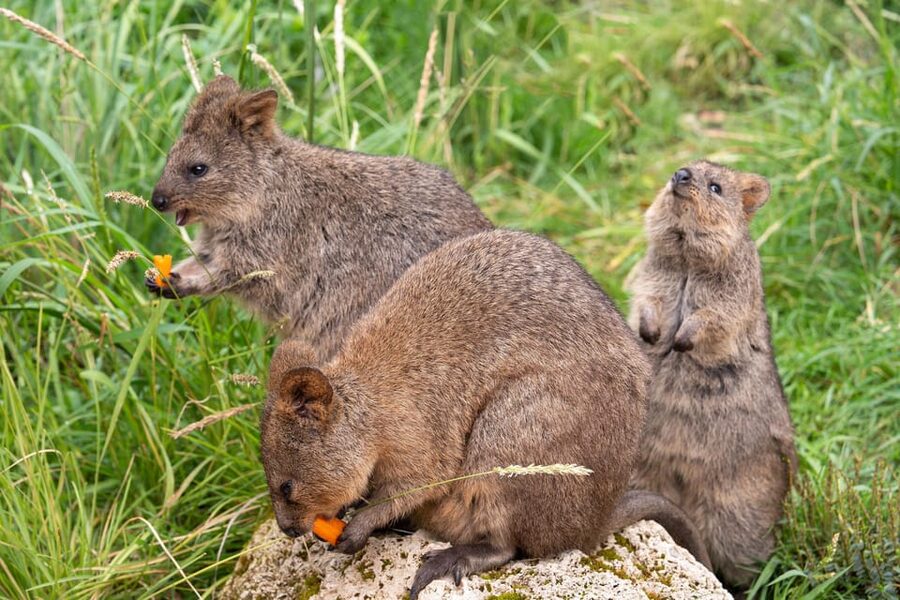
The botanical collections are not a side attraction. They are one of the main reasons to allow a full day.
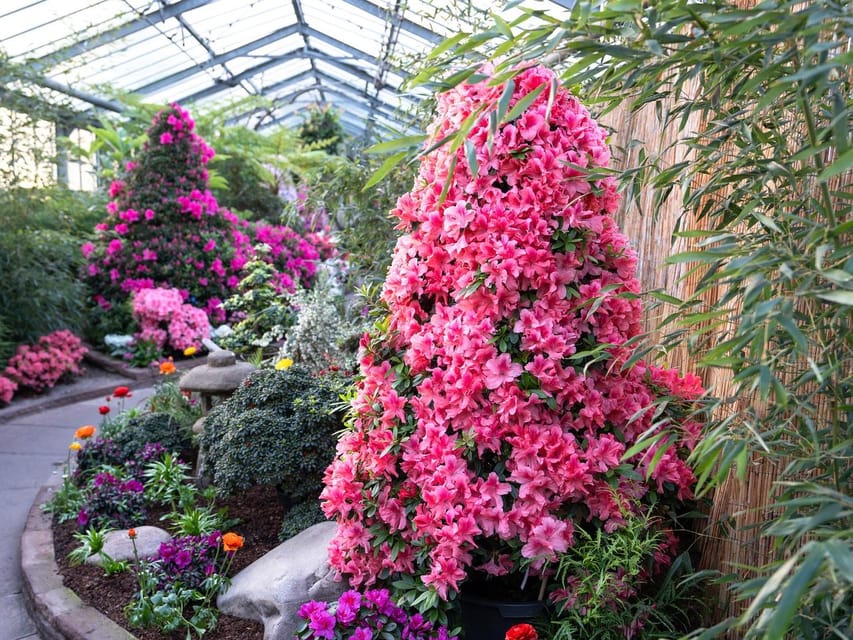
The Historical Greenhouse Row contains exotic orchids, tall palms, and seasonal displays. These spaces can be especially rewarding in spring, when flowers add strong color to the gardens. The plant collections also offer a quieter part of the day, with a slower rhythm than the animal habitats.
Subtropical terraces add another layer to the botanical experience. You can see how Wilhelma uses different growing environments to present plants from around the world. For anyone who enjoys gardens, these areas may become the most memorable part of the visit.
I would not leave the greenhouses until the last few minutes. One visitor who arrived in the afternoon found there was not enough time for the botanical garden and aquarium displays. That is a useful warning: the zoo alone can fill several hours, and the plant collections need their own place in your schedule.
Spring is a particularly good time for the gardens, but the greenhouse collections help keep the botanical side worthwhile beyond the outdoor flowering season. Seasonal displays also mean the appearance of the park can change during the year.
Education, conservation, and interactive displays

Wilhelma connects its exhibits with education, research, and conservation. Interactive programs explain global ecosystems and the problems facing endangered animals and their habitats.
That educational work gives more purpose to the displays. You are not only looking at an animal from a distance. You can also learn about the conditions it needs, the pressure on its habitat, and the wider work required to protect species in the wild.
Every ticket type except Kids and Youth includes a €1 Conservation Euro. This money supports wildlife conservation projects around the world. It is a small amount, but it gives your admission a direct connection to conservation work.
The rules are straightforward and worth following carefully. Do not touch or feed the animals, and do not damage plants, buildings, or facilities. Bicycles, skateboards, and similar vehicles are not allowed, while assistance dogs are permitted even though ordinary pets are not.
Private photography is welcome. If you plan to use images commercially, you need permission, so personal holiday photos are the safer assumption.
How long should you spend at Wilhelma?
A 3 to 4 hour visit can work if you choose a focused route. You can see several major animal areas, follow the map, and still get a useful sense of the park.
I would choose a full day if you want the complete experience. The animal exhibits alone are extensive, and the botanical gardens, aquarium displays, greenhouse row, and themed worlds add substantial time.
The timing matters most in the afternoon. Arriving late may give you enough time for the animals but not for the plants. If gardens and architecture are a priority, start earlier and avoid treating the botanical sections as leftovers.
A full day also gives you flexibility. You can spend longer with a favorite animal, pause in the gardens, and return to a section without feeling that every minute is counted. That relaxed pace is part of the value.
Is the $26 ticket good value?
At $26 per person, the admission is not a bargain for a quick stop, but it is fair for a full day with access to both the zoo and botanical gardens.
The value becomes stronger because one ticket covers all animal exhibits and the plant collections. You are paying for a large, varied park rather than a single exhibit or short guided activity. The included €1 conservation contribution also sends a small portion of the admission toward wildlife protection.
For families, the price can make sense if you arrive early and stay several hours. Children have many different subjects to explore, while adults can spend time with the historic garden, greenhouses, and conservation displays.
The ticket also includes skip-the-ticket-line access, which can save time at entry. Flexible booking is available, with the option to reserve now and pay later. You can cancel up to 24 hours before the visit for a full refund.
Visitors with disabilities receive free admission with valid identification. The site is wheelchair accessible, adding practical value for visitors who need step-free access.
Who will enjoy Wilhelma most?
I would recommend Wilhelma to families, plant lovers, zoo enthusiasts, and anyone looking for a full-day Stuttgart activity with several different kinds of scenery.
It is particularly good for:
- Families who want animal exhibits and garden paths in the same place
- People interested in koalas, quokkas, and Australian wildlife
- Visitors who enjoy orchids, palms, seasonal flowers, and historic architecture
- Anyone who prefers a flexible self-guided day rather than a fixed tour
- Visitors with limited mobility who need a wheelchair-accessible attraction
It may be less suitable if you only have an hour or two in Stuttgart. The park’s size is part of its appeal, but it also means a short visit will involve choices and compromises.
Should you book Wilhelma?
Book it if you can give it at least half a day, and ideally most of a day. The strongest reasons are the rare Australian animals, the Moorish architecture, and the unusual mix of a major zoo with serious botanical collections.
Start early if you want the full range of exhibits. Follow the routed map, make Terra Australis a priority, and protect enough time for the greenhouse row and seasonal gardens.
Skip it only if your Stuttgart schedule is already packed or if you want a quick indoor attraction. For everyone else, the $26 ticket offers a substantial day out, with enough variety to keep children interested and enough history, plants, and conservation material to reward adults.
FAQ
How long is the Wilhelma ticket valid?
The ticket is valid for one day.
How much does admission cost?
The listed price is $26 per person.
What does the ticket include?
It includes entry to Wilhelma Zoological-Botanical Garden, access to all animal exhibits, and access to the botanical gardens.
Can I see koalas at Wilhelma?
Yes. Wilhelma keeps koalas, which are held at only four zoos in Germany.
Where can I see quokkas in Europe?
Wilhelma is the only place in Europe where quokkas are kept.
Is Wilhelma wheelchair accessible?
Yes, Wilhelma is wheelchair accessible. Visitors with disabilities receive free admission with valid identification.
Are pets allowed inside Wilhelma?
Ordinary pets are not allowed. Assistance dogs are permitted.
Can I take photographs?
Yes, private photography is welcome. Commercial photography requires permission.
Does the ticket support conservation?
Yes. All ticket types except Kids and Youth include a €1 Conservation Euro that funds wildlife conservation projects around the world.
Just added around Germany
- Sanssouci Park: A Self-Guide Audio Tour of the Garden’s Landmarks★ 3.0 · 2 reviews
- Private Tour of Nymphenburg Palace and Gardens★ 5.0 · 26 reviews
- Private and full rickshaw tour in the English Garden★ 4.5 · 10 reviews
- Munich Private City Bike Tour and English Garden★ 4.5 · 2 reviews
- City Bike and English Garden Tour★ 4.0 · 14 reviews
- Amazing Schwetzingen Garden Tour★ 4.5 · 4 reviews
- E-ticket to Berlin Botanical Garden with Audio Tour★ 5.0 · 2 reviews
- Berlin: Potsdam & Sanssouci Gardens Private Tour With Jacob★ 4.8 · 8 reviews
Botanical Gardens, compared.
Blanes: Marimurtra Botanical Garden Entry Ticket
Read our review →
Malta: Mdina, Dingli Cliffs and San Anton Botanical Gardens
Read our review →
Princeville Botanical Gardens Tour and Chocolate Tasting Ticket
Read our review →
Icod de los Vinos: Dragon Tree & Botanical Garden Ticket
Read our review →
Maleny Botanic Gardens Bird Aviary Experience Ticket
Read our review →
Dubrovnik Countryside and Arboretum ATV Tour with Brunch
Read our review →
Big Island Waterfalls Tour with Swimming and Botanical Garden
Read our review →Browse the lists this tour appears in