
Review · TOKYO
From Asakusa: Old Tokyo, Temples, Gardens and Pop Culture
Tokyo changes block by block. This four-hour walk shows you how. Starting in Asakusa and moving through Ueno, Okachimachi, Akihabara, and Koishikawa Korakuen, it connects old temples, street markets, electronics, anime culture, and a quiet Edo-era garden. I like the small group of up to eight and the way local train rides and standard admissions are covered.
I also like the contrast between the stops. You move from incense and temple gates to market stalls, neon signs, and carefully shaped garden paths. The main consideration is pace: four hours is not long for this much ground, so you will see selected highlights rather than explore every museum, shop, or neighborhood at leisure.
Key points to know before you go
- Four Tokyo worlds in one outing: Asakusa, Ueno and Okachimachi, Akihabara, and Koishikawa Korakuen each show a different side of the city.
- Senso-ji gets useful context: The temple visit is short, but your English-speaking guide explains why this early Buddhist site matters.
- Local train rides are included: You are not expected to pay standard transport costs during the tour.
- Ameya-Yokocho adds street-level Tokyo: Okachimachi offers food stalls, small shops, and an energetic market feel rather than polished department stores.
- Guides receive strong praise: Taka, Takee, Michelle, and Toru are singled out for being friendly, engaging, and well informed. Michelle also speaks Italian fluently.
- The final garden changes the mood: Koishikawa Korakuen gives you a calm green setting after the noise of the city.
Why this East Tokyo route works
Many Tokyo tours gather the most famous sights into one crowded checklist. This route takes a different approach. It uses several neighborhoods to explain how Tokyo developed, then lets you compare those layers with your own eyes.
Asakusa represents an older Tokyo shaped by temples, traditional commerce, and public entertainment. Ueno and Okachimachi show a rougher market tradition. Akihabara presents postwar technology and modern pop culture. Koishikawa Korakuen offers a reminder that carefully planned gardens and quiet spaces have long been part of urban life.
That range gives the tour its value. You are not simply visiting four unrelated places. You are seeing how the city has changed while keeping pieces of its earlier character.
The outing is private in the sense of a small, limited group, with no more than eight participants. That matters in narrow shopping streets and crowded public areas. A guide can answer questions more easily, and you are less likely to feel like one person in a large moving crowd.
The price is $68 per person. For four hours, that is a fair price if you value explanation and organization. Admissions and local train rides are included, which makes the cost easier to judge. Food, drinks, and any optional customization cost extra. The Tokyo National Museum is not included if you decide to add it, so museum lovers should budget separately.
More Garden Tours in Tokyo:
- Imperial Palace East Garden and Edo Castle Walking Tour in Tokyo
★ 5.0 · 510 reviews - Tokyo: Imperial Palace East Gardens Walking Tour
★ 4.8 · 353 reviews - Tokyo: Edo Castle & East Garden of the Imperial Palace Tour
★ 4.7 · 112 reviews
Starting in Asakusa at 1-chome-1-1
The meeting point is Kamiya Bar in Asakusa. From there, the walk begins in one of Tokyo’s most recognizable old districts.
Asakusa can feel busy around the temple approach, but the guide helps you read what you are seeing instead of treating the area as a backdrop for photographs. The focus is on how Asakusa has functioned over time and how its older identity continues today.
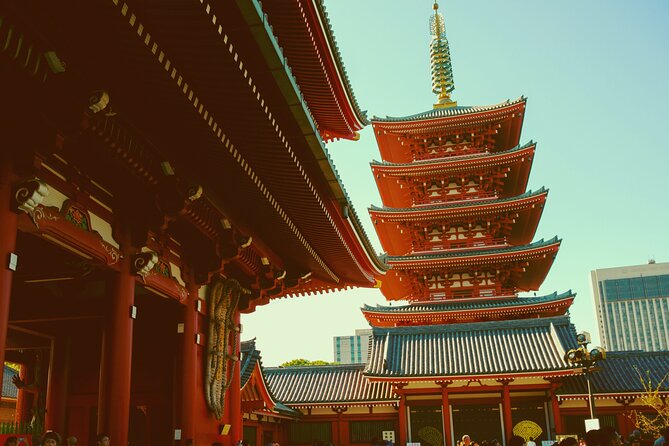
You will spend about 45 minutes touring the Asakusa area. That gives you time to understand the streets around Senso-ji, including the shopping route leading toward the temple. Nakamise-dori is lined with traditional-looking shops and souvenir stalls, but it is also a working commercial street. Look closely at the small goods and food displays rather than rushing straight to the gate.
One useful detail is the connection between Asakusa and Ueno. About a century ago, Asia’s first subway began operating between the two districts. That fact helps explain why these neighborhoods have long worked as linked centers of trade, movement, and entertainment.
The guide-led format is especially helpful here because Asakusa can be visually overwhelming. There are temple gates, crowds, shop signs, and religious customs all competing for your attention. A good explanation turns the scene into a story.
Senso-ji and the meaning behind the gates
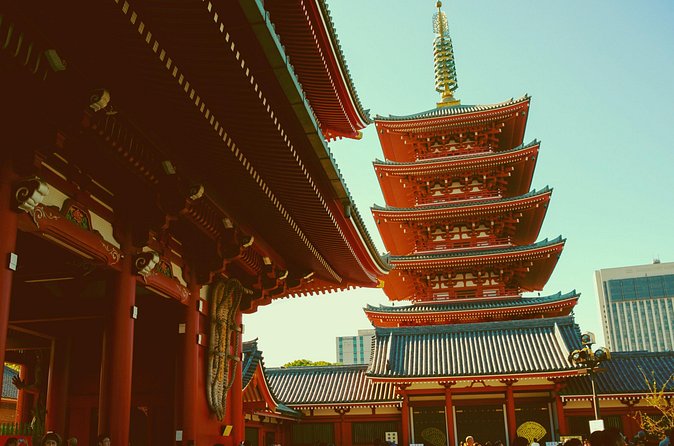
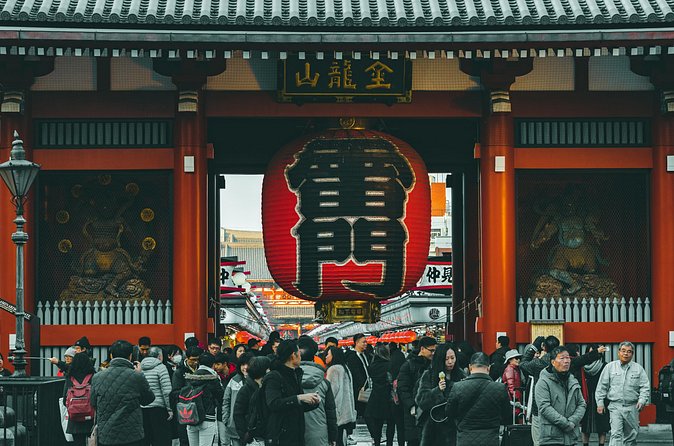
Senso-ji receives a separate 15-minute stop. That may sound brief, but it is enough for an introduction to the temple and its place in Japanese Buddhist history.
The aim is not an extended religious study. Instead, you get a focused explanation of why Senso-ji is important and how it fits into Asakusa’s identity. If you have never visited a Buddhist temple in Japan, the guide can also help you understand the difference between simply looking at the architecture and recognizing the purpose of the site.
You should expect this part to be busy. Senso-ji is one of Tokyo’s major sights, and the surrounding area can be crowded. The short timing keeps the tour moving, though it also means you may want to return on your own if you hope to spend more time with the details.
I would pay attention to the transition from Nakamise-dori to the temple grounds. That movement from commercial street to sacred space is one of the most telling features of Asakusa. The tour gives you enough background to notice it.
Ueno and Okachimachi: Tokyo without the polish
The next sections visit Ueno for about 25 minutes and Okachimachi for another 25 minutes. These districts bring the tour down to street level.
Ueno is known for museums, seasonal cherry blossoms, and public spaces. The area gives you a different feel from Asakusa, with cultural institutions and everyday city activity close together. The National Museum is not included, though you can choose to visit it separately. If art and history are your main interests, make a note of the museum for another part of your day.
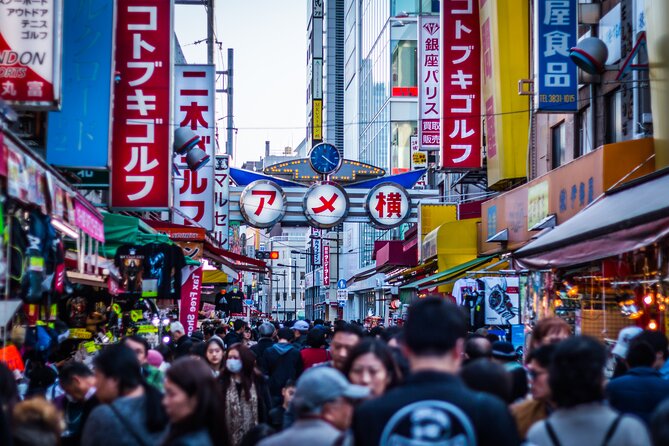
Okachimachi offers a sharper contrast. For generations, vendors and small shops have sold food and goods here. Ameya-Yokocho is the key draw, with a market atmosphere that feels practical and lived in rather than designed for luxury shopping.
I like this part because it avoids presenting Tokyo as only spotless avenues and giant department stores. The market shows a more direct form of commerce. Small shops, food sellers, and narrow paths create a sense of movement that feels very different from the controlled quiet of a temple or garden.
The drawback is that market streets can be crowded and noisy. You may need to stay close to the guide, especially if the group is moving through a busy section. This is also not the place for a long, relaxed lunch during the tour. Food and drinks are not included, and the schedule favors seeing the area rather than stopping for a full meal.
Same place, a different sort of green day out:
- Mt. Fuji Day Trip from Tokyo with English Speaking Driver Guide
★ 5.0 · 443 reviews - Mt. Fuji, Cherry Blossom & Shiba Sakura Pvt. Day Tour
★ 5.0 · 326 reviews - Tokyo Private Tour! Edo Castle & Imperial Palace East Gardens
★ 5.0 · 105 reviews - Mount Fuji & Lake Kawaguchiko Private Tour: Beyond the Ordinary
★ 5.0 · 78 reviews
Akihabara and the shift from electronics to anime
Akihabara receives about 45 minutes and supplies the tour’s biggest change in tone. Known as Electric Town, it has been associated with electronics since the prewar period. Over time, it became one of Tokyo’s main centers for anime, manga, gaming, and other forms of otaku culture.
The guide’s role here is more useful than it may first appear. Akihabara can seem like a wall of bright signs and themed shops if you do not know how the district developed. The tour explains the change from a technology center to a place where popular culture shapes the streets themselves.
You might see colorful displays, gaming-related businesses, and cosplayers presenting characters from anime or manga. The appeal is not only shopping. Akihabara creates a setting where fictional worlds influence everyday public space.
That makes the stop a good fit for families and anyone curious about Japanese pop culture. One family-focused account praised Takee for keeping children engaged, adding an informal pub stop and origami activity. Those details suggest that the guide may adapt the experience to the group, though they should not be treated as guaranteed parts of every departure.
Akihabara can also feel less comfortable if you prefer quiet historic districts. The energy comes from signs, crowds, shops, and pop-culture imagery. Some people will love the playful atmosphere. Others may find 45 minutes enough.
Koishikawa Korakuen and a quieter Tokyo
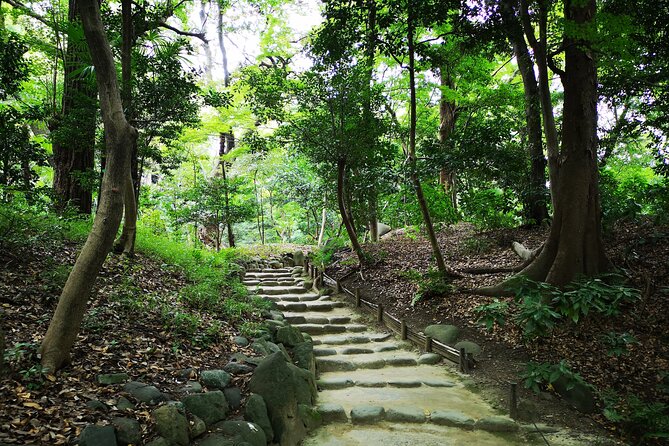
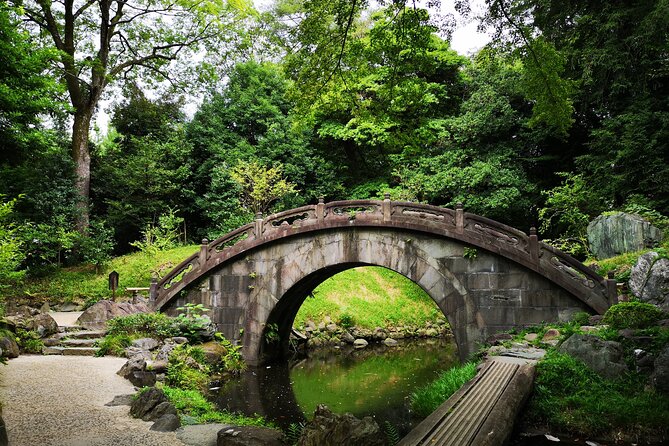
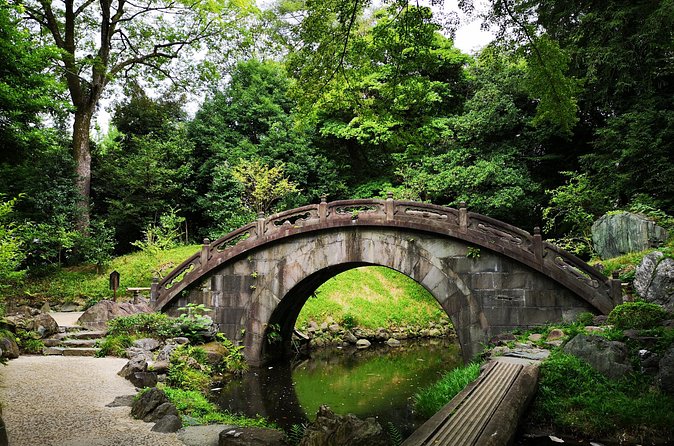
Koishikawa Korakuen gives the route its calmest stop. The garden is associated with the Edo period and uses paths, water, plantings, and framed views to create a controlled sense of space.
The contrast with Akihabara is the point. One moment you are surrounded by electronics and anime culture. Soon after, you are looking at a garden designed around balance and seasonal change. Spring brings cherry blossoms, while autumn brings strong red and gold colors.
The visit lasts about 45 minutes, including scenic views along the way. You should expect a walk rather than a quick photo stop. Comfortable shoes are important for the entire tour, but especially here, where you will be following garden paths after several hours on city streets.
This is a good place to slow down and think about the route. Tokyo is not only a city of speed and technology. It also preserves spaces built for quiet observation. Koishikawa Korakuen gives you that pause without requiring a separate trip far outside the central city.
Season matters. The garden may feel especially rewarding during cherry blossom season or in autumn, but its value is not limited to those periods. The design and change of pace remain the main reasons to visit.
What the guide adds to the experience
The guides are a major part of the tour’s appeal. Taka is praised for explaining Asakusa thoroughly, while Takee is described as engaging, informative, and good with children. Toru is praised for kindness and personal attention. Michelle is noted as professional, friendly, fluent in Italian, and able to guide in more than one language.
The scheduled language is English. The individual guide you receive may have additional language skills, but you should not book on the assumption that Italian or another language will be available.
The best guides on a route like this do more than name buildings. They explain why a neighborhood changed, point out the link between places, and adjust the amount of detail to the group. The supplied feedback gives this tour a 4.6 rating from 15 reviews, with especially strong praise for friendly, attentive, and engaging guiding.
A small group helps. Eight people is still enough for different interests, but it allows more conversation than a large bus tour. If you have children, older family members, or specific questions about food, religion, pop culture, or transport, a smaller group is useful.
Timing, walking, and practical value
The tour lasts four hours and includes local train rides plus standard admissions while you are on the tour. You should wear comfortable shoes. The route covers several neighborhoods, and even with public transport, you will spend much of the time walking and standing.
The schedule is fairly full:
- Asakusa: about 45 minutes
- Senso-ji: about 15 minutes
- Ueno: about 25 minutes
- Okachimachi: about 25 minutes
- Koishikawa Korakuen: about 45 minutes
- Akihabara: about 45 minutes
The timing does not add up neatly as walking time and transport are placed between stops. That is normal for a city tour, but you should not expect long breaks.
Wheelchair access is available. Still, the exact ease of every street, market passage, and garden path is not described, so you may want to confirm your specific needs before booking.
Cancellation is free up to 24 hours before the start, and you can reserve now and pay later. Those policies are useful if your Tokyo schedule is still changing. The tour is offered at different starting times, subject to availability.
Who should book this Tokyo tour?
I would recommend it to first-time visitors who want a broad introduction to East Tokyo without spending a full day on a single museum or temple. It also suits families, thanks to the small group and the evidence that guides can keep children involved.
It is a good choice if you want cultural context but also need pop culture and ordinary market life in the same outing. The route avoids giving you only the polished face of Tokyo.
You may prefer a different experience if you want extended temple photography, a long museum visit, or a relaxed market lunch. The four-hour schedule is designed for range, not depth at every stop.
Should you book it?
Book this tour if you want Tokyo explained through contrasts: temple and market, museum district and street commerce, electronics and anime, city noise and garden quiet. At $68, the combination of a small group, guide costs, admissions, and local transport makes good sense for a first look.
I would especially choose it early in a Tokyo visit. The route can help you decide which areas deserve a longer return visit. Just wear good shoes, keep your expectations realistic about the pace, and save extra time for the National Museum, shopping, or a proper meal if those are priorities.
FAQ
How long does the tour last?
The tour lasts four hours.
Where does the tour meet?
The meeting point is Kamiya Bar in Asakusa, at 1-chome-1-1 Asakusa.
What language is the tour offered in?
The tour is offered in English with a live guide.
Are train rides and admissions included?
Standard local train rides and standard costs while on the tour are included. Admission to the Tokyo National Museum is not included if you choose to visit it.
Is food included?
No. Food and drinks are not included.
Can I cancel for a full refund?
Yes. You can cancel up to 24 hours in advance for a full refund.
Just added around Tokyo
- Private tour – Scenic Fuji Escape: Hakone, Peace Park & More★ 5.0 · 4 reviews
- TOKYO: Tailored Gardens tour with Pro Gardener by E-bike -BASIC★ 5.0 · 2 reviews
- Tsukiji Food Strolling and Hama Rikyu Garden Walking Tour★ 5.0 · 7 reviews
- Tokyo: Serene Sakura & Sake: An Exclusive Brewery Pairing Lunch★ 5.0 · 2 reviews
- Tokyo Cherry Blossom Half Day Walking Tour with a Local Guide★ 3.5 · 4 reviews
- Cherry Blossom Highlights, Asakusa, Ueno, Imperial Palace Garden★ 4.5 · 4 reviews
- Full Guided Mt. Fuji & Shiba-Sakura Festival One Day Pvt.Tour★ 5.0 · 6 reviews
- Licensed Guide Tokyo Meguro Cherry Blossom Walking Tour★ 4.5 · 13 reviews
Tokyo Garden Tours, compared.
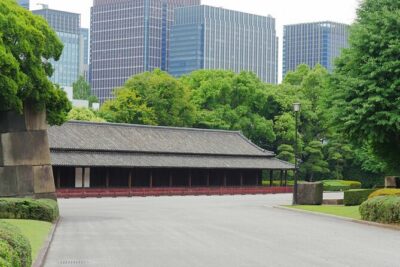
Imperial Palace East Garden and Edo Castle Walking Tour in Tokyo
Read our review →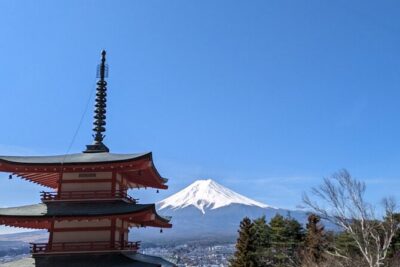
Mt. Fuji Day Trip from Tokyo with English Speaking Driver Guide
Read our review →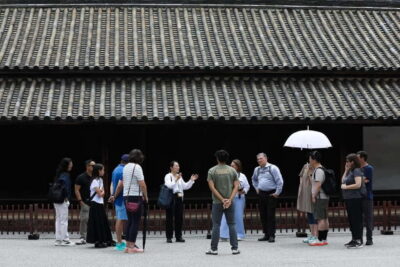
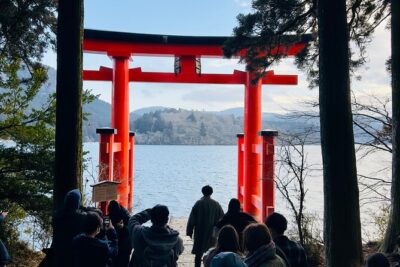
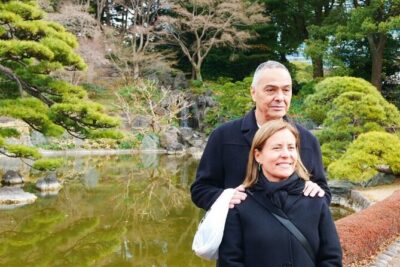
Edo Castle & East Garden of the Imperial Palace Tour
Read our review →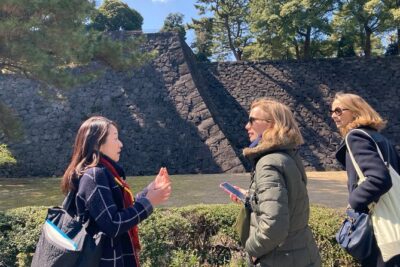
Tokyo Private Tour! Edo Castle & Imperial Palace East Gardens
Read our review →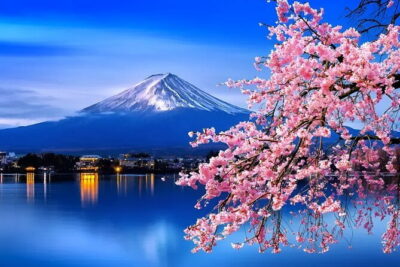
Mount Fuji & Lake Kawaguchiko Private Tour: Beyond the Ordinary
Read our review →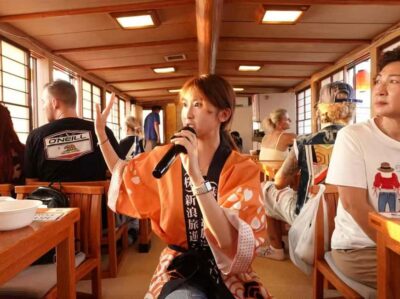
Rainbow Bridge Day Cruise Show and Only Soft Drinks
Read our review →Browse the lists this tour appears in