
Review · TOKYO
Sumida Riverside Walk: Garden &Temple Ritual (4 Meeting Points)
Tokyo slows beside the Sumida River. This small-group morning walk links a historic iron bridge, Kiyosumi Garden, and Fukagawa Fudōson in a calm three-hour outing. I like the mix of Japanese garden design and everyday temple customs, and I like the chance to ask questions from Hiroyuki, a friendly local guide who has even added an extra museum stop when time allowed. The main consideration is the early 8:30 am start and the fact that much of the appeal comes from walking and listening, not from a long list of major sights.
You will spend about an hour at the temple and 40 minutes in the garden, with a shorter riverside walk connecting the morning. The group is limited to six, which makes the cultural explanations feel personal. Still, if you want Tokyo’s famous towers, grand museums, or a packed sightseeing schedule, this gentle neighborhood tour may feel too quiet.
Key points at a glance
- A three-hour walk in eastern Tokyo: Begin and finish at Fukagawa Fudōson, with the Sumida River and nearby sights providing the setting.
- A small group of no more than six: The size should make it easier to hear Hiroyuki, ask questions, and pause without holding up a crowd.
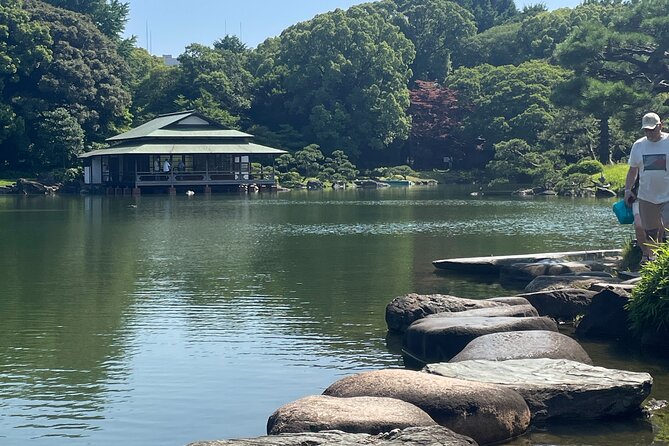
- Two very different cultural stops: Kiyosumi Garden focuses on stones, water, balance, and silence, while the temple shows faith through daily actions and omikuji.
- A useful local perspective: Hiroyuki explains both older customs and modern Japanese life, and an extra museum stop may sometimes be possible.
- Good value for a short morning: At $48.86, the price includes the guided experience and admission to Kiyosumi Garden, while temple entry is free.
- Simple transport connections: The meeting point is about a four-minute walk from Monzen-Nakachō Station.
A quiet start beside the Sumida River
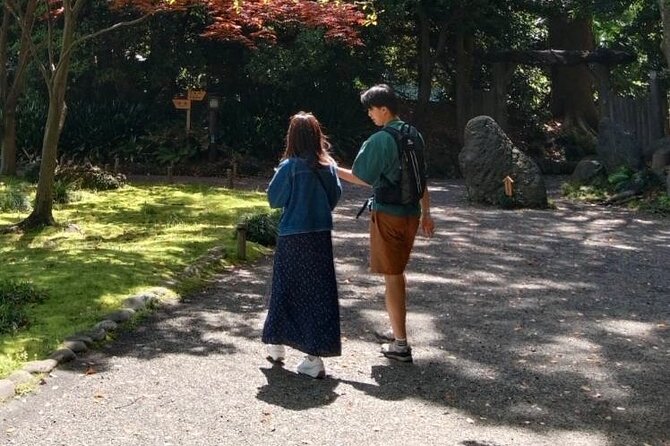
This tour begins at Fukagawa Fudōson, also called the Naritasan Tokyo branch temple, at 1-chōme-17-13 Tomioka in Koto City. You meet at 8:30 am, then set out on foot through an area that feels removed from the busiest visitor routes.
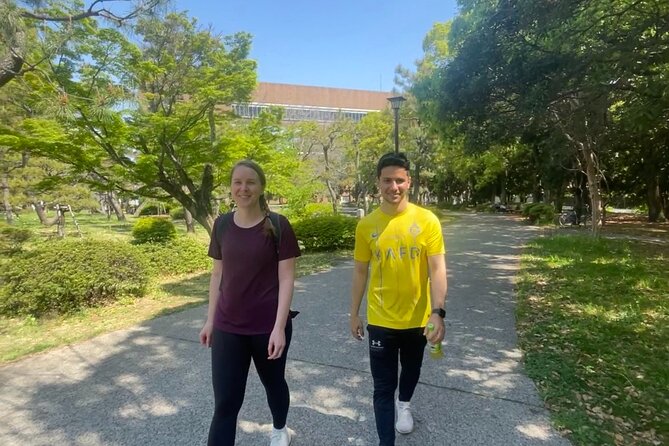
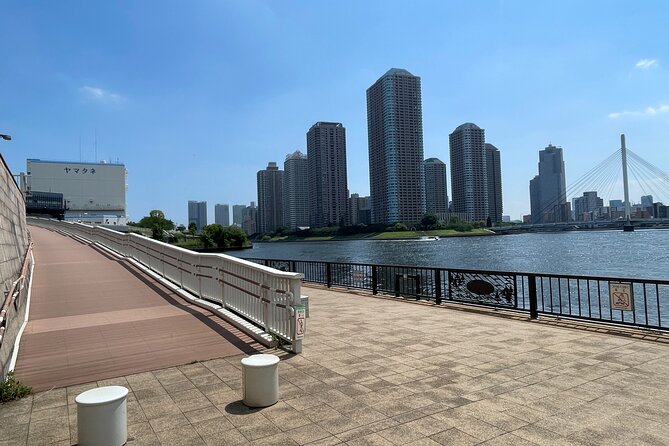
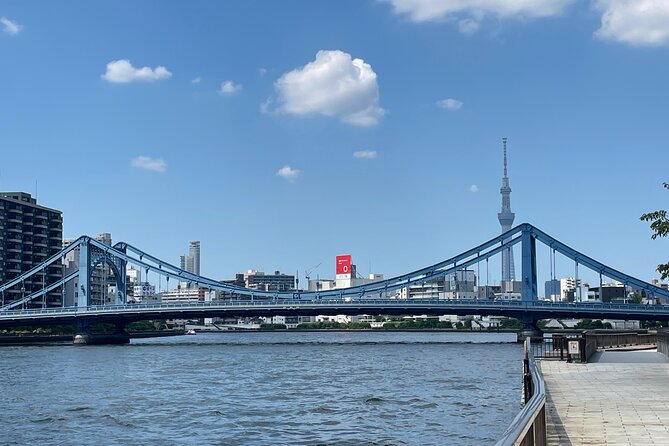
The first 35 minutes are built around the Sumida River walk. You pass a historic iron bridge and get an early look at the character of the neighborhood before spending longer inside the temple and garden. The river gives the morning some breathing room, especially if your Tokyo schedule has been heavy on stations, shopping streets, and tall buildings.
I like this opening because it gives you a sense of place before the formal sightseeing begins. You are not simply dropped at a garden gate and handed a few facts. The walk connects the three main parts of the morning, so the temple and garden feel like parts of the same local area.
The route is not described as a strenuous hike. Still, you should be comfortable walking for several hours, with time spent outdoors. Wear shoes that feel good on pavement and bring weather protection suited to the day. No special fitness level is listed, and most people can participate, but the experience is still a walking tour rather than a seated cultural demonstration.
More Garden Tours in Tokyo:
- Imperial Palace East Garden and Edo Castle Walking Tour in Tokyo
★ 5.0 · 510 reviews - Tokyo: Imperial Palace East Gardens Walking Tour
★ 4.8 · 353 reviews - Tokyo: Edo Castle & East Garden of the Imperial Palace Tour
★ 4.7 · 112 reviews
Fukagawa Fudōson and the meaning of small rituals
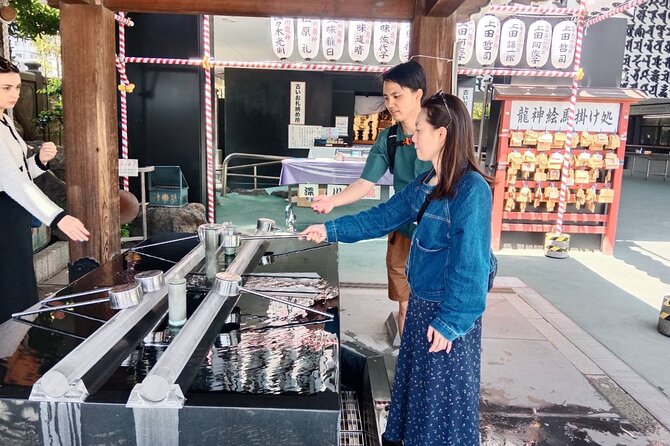
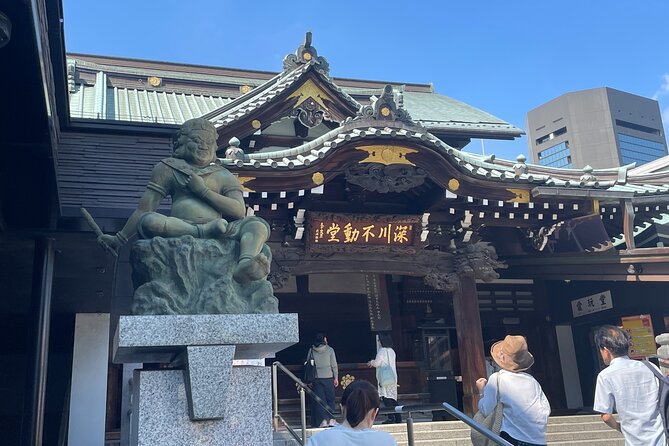
The temple portion lasts about one hour and is the heart of the cultural side of the experience. Fukagawa Fudōson has more than 300 years of history, and the visit looks at how spirituality appears in ordinary actions, sacred spaces, and quiet customs.
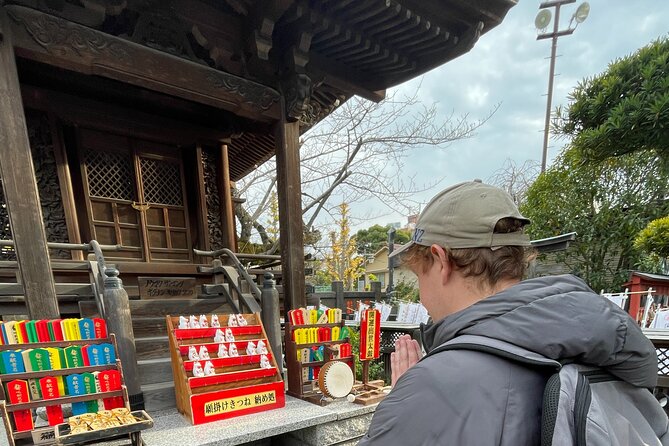
One example is omikuji, the familiar Japanese fortune slips found at many temples and shrines. Here, the focus is not just on pulling a fortune and taking a photograph. Hiroyuki explains how customs such as omikuji fit into daily life, helping you see religious practice as something lived rather than reserved for special ceremonies.
The temple architecture also receives attention. You can expect time to look closely, ask questions, and notice details that are easy to miss if you arrive alone. The explanations are intended to cover both older traditions and present-day Japanese life, a useful combination for anyone who wants more than a quick look at a religious building.
A fire ritual was a particular highlight for one person who took the tour. That detail is worth noting, but you should not treat a specific ritual as guaranteed unless the operator confirms it for your date. The tour description emphasizes temple rituals and everyday spirituality, so the visit may be especially rewarding if you are interested in how belief is expressed through repeated actions and spaces.
This stop may also suit first-time visitors who feel unsure about temple etiquette. The supplied information does not promise a formal lesson in every rule, but having Hiroyuki nearby gives you someone to ask. That can make a quiet temple visit more comfortable and help you observe respectfully.
Kiyosumi Garden, where stones and water set the pace
The final major stop is Kiyosumi Teien, known in English as Kiyosumi Garden. You spend about 40 minutes here, with admission included in the $48.86 price.
The garden is presented through Japanese ideas of harmony, balance, and respect for nature. Rather than treating it as a simple green break, the tour draws your eye to the relationship between stones, water, and open space. The appeal is measured and quiet. You are given time to look instead of being pushed from one photo point to the next.
A small Mount Fuji feature was singled out as especially scenic. It is the sort of detail you might walk past without context, yet it can become memorable once you understand how carefully garden designers use miniature forms, water, and stone to shape a view.
Forty minutes is enough for a thoughtful visit, though it is not enough to inspect every corner at length. That is a fair trade for a three-hour tour that also includes the river and temple. If gardens are your main reason for booking, you may wish you had more time. If you want a balanced morning with several kinds of Tokyo culture, the schedule works better.
I especially like the contrast between the garden and the temple. At Fukagawa Fudōson, you focus on human activity, ritual, and sacred architecture. At Kiyosumi Garden, the mood shifts toward stillness and careful design. The two stops give the morning a pleasing rhythm.
What Hiroyuki adds to the morning
A small group changes the feel of this experience. With a maximum of six people, you are not trying to hear a guide over a large crowd, and questions should be easier to fit into the walk. This matters at the temple, where the most useful information may come from asking about a custom or detail that catches your eye.
Hiroyuki is described as friendly and attentive, with a habit of explaining details carefully. He also once added an extra museum stop, which suggests some flexibility when timing and circumstances allow. Do not book on the assumption that the museum is part of the fixed route, but it is a nice sign that the guide may respond to your interests.
The tone appears more personal than theatrical. You are not promised a performance or a long lecture. Instead, the value comes from having someone help connect what you see with Japanese culture, old and new.
That approach is best for you if you enjoy asking why. Why do people draw omikuji? How does a garden create a feeling of balance? What role does a temple play in ordinary life? A guide can turn these small questions into the most lasting part of a morning.
Same place, a different sort of green day out:
- Mt. Fuji Day Trip from Tokyo with English Speaking Driver Guide
★ 5.0 · 443 reviews - Mt. Fuji, Cherry Blossom & Shiba Sakura Pvt. Day Tour
★ 5.0 · 326 reviews - Tokyo Private Tour! Edo Castle & Imperial Palace East Gardens
★ 5.0 · 105 reviews - Mount Fuji & Lake Kawaguchiko Private Tour: Beyond the Ordinary
★ 5.0 · 78 reviews
Is $48.86 good value?
At $48.86 per person, this is not the cheapest way to take a walk in Tokyo. You could pass the river, visit the temple, and explore parts of the neighborhood on your own for little or no admission cost. The garden admission is included, while the temple stop itself is listed as free.
The value rests in the interpretation and the small group. You are paying to have someone explain what you are seeing, point out cultural details, and create a smooth route between three nearby experiences. For a first visit to Tokyo, that guidance can save you from treating the temple and garden as attractive but puzzling backdrops.
The price is easier to justify if you are interested in local life, Japanese aesthetics, or religious customs. It is less attractive if you prefer independent wandering, already know the area well, or want a long list of paid attractions.
The three-hour length also makes the cost practical. You finish with much of the day still available for other plans. Since the tour begins and ends at the same temple, you are not left on the wrong side of the city after the walk.
Timing, meeting point, and planning advice
The meeting point is Fukagawa Fudōson, 1-chōme-17-13 Tomioka, Koto City, Tokyo 135-0047. It is about a four-minute walk from Monzen-Nakachō Station, which makes the start reasonably simple if you are using public transportation.
Arrive with enough time to locate the temple and settle in before 8:30 am. The supplied details identify Fukagawa Fudōson as both the start and end point, even though the experience title refers to four meeting points. Check your booking confirmation carefully for the exact instructions attached to your reservation.
A mobile ticket is provided, so keep your confirmation easy to open on your phone. Confirmation arrives at booking, and free cancellation is available if you cancel at least 24 hours before the local start time. Changes or cancellations inside that period are not accepted for a refund.
The early start is both a benefit and a limitation. You may enjoy a quieter pace and have plenty of time afterward, but it may not suit you if you are recovering from a late arrival or prefer slow mornings. Tokyo rewards an early start, yet this tour asks you to commit to one.
Who will enjoy this experience most
I would recommend this tour to a first-time Tokyo visitor who wants an introduction to Japanese culture without spending a full day in formal museums. It also suits repeat visitors who have already seen the famous central sights and want a quieter morning in Koto City.
It should work well for solo visitors and couples who prefer conversation over a large group. The six-person limit creates room for questions, and the combination of walking, garden viewing, and temple time gives the morning variety.
Culture-minded families may also find it useful, provided everyone is comfortable walking and starting early. Omikuji, temple architecture, garden stones, water, and the miniature Mount Fuji can give younger visitors concrete things to notice, though the experience is not described as a children’s program.
You should think twice if you want a high-energy schedule or major headline attractions. The tour is deliberately subtle. Its best moments come from noticing small details, listening to explanations, and allowing the neighborhood to set the pace.
Should you book the Sumida Riverside Walk?
Book it if you want a calm, guided introduction to local Tokyo, especially one that combines a historic temple with a carefully designed garden. The small group, included garden admission, and thoughtful cultural explanations make $48.86 a reasonable price for a three-hour morning.
Skip it if you dislike early starts, prefer to explore completely alone, or need a tour packed with famous landmarks. For the right visitor, this is a refreshing change from Tokyo’s busiest routes, with enough structure to teach you something and enough quiet to let you enjoy the setting.
FAQ
Where does the Sumida Riverside Walk begin?
It begins at Fukagawa Fudōson, also known as the Naritasan Tokyo branch temple, at 1-chōme-17-13 Tomioka, Koto City, Tokyo 135-0047, Japan.
Where does the tour end?
The tour ends at Fukagawa Fudōson, the same temple where it begins.
What time does the tour start?
The start time is 8:30 am.
How long does the experience last?
The experience lasts approximately three hours.
How large is the group?
The tour has a maximum of six participants.
Is cancellation allowed?
Yes. You can cancel for a full refund if you cancel at least 24 hours before the experience start time. Cancellations or changes made less than 24 hours before the start are not accepted for a refund.
Just added around Tokyo
- Private tour – Scenic Fuji Escape: Hakone, Peace Park & More★ 5.0 · 4 reviews
- Tokyo: Serene Sakura & Sake: An Exclusive Brewery Pairing Lunch★ 5.0 · 2 reviews
- TOKYO: Tailored Gardens tour with Pro Gardener by E-bike -BASIC★ 5.0 · 2 reviews
- Tsukiji Food Strolling and Hama Rikyu Garden Walking Tour★ 5.0 · 7 reviews
- Full Guided Mt. Fuji & Shiba-Sakura Festival One Day Pvt.Tour★ 5.0 · 6 reviews
- Tokyo Cherry Blossom Half Day Walking Tour with a Local Guide★ 3.5 · 4 reviews
- Cherry Blossom Highlights, Asakusa, Ueno, Imperial Palace Garden★ 4.5 · 4 reviews
- Licensed Guide Tokyo Meguro Cherry Blossom Walking Tour★ 4.5 · 13 reviews
Tokyo Garden Tours, compared.
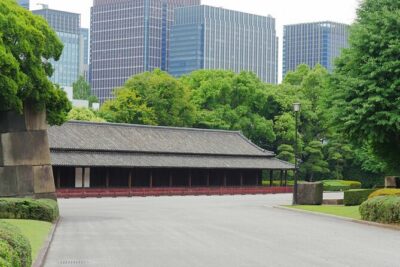
Imperial Palace East Garden and Edo Castle Walking Tour in Tokyo
Read our review →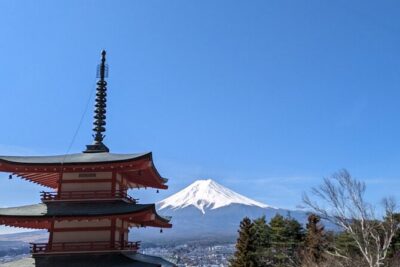
Mt. Fuji Day Trip from Tokyo with English Speaking Driver Guide
Read our review →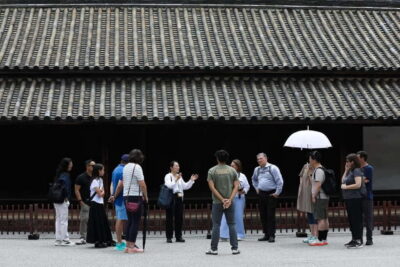
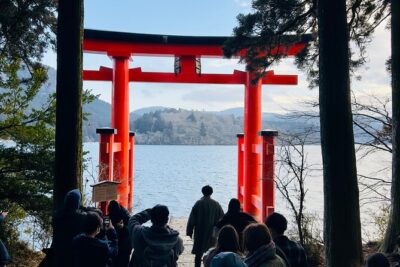
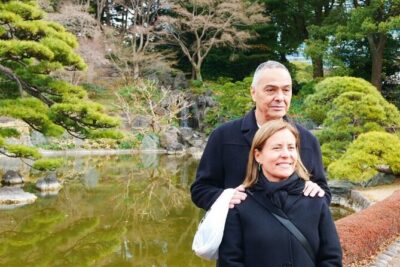
Edo Castle & East Garden of the Imperial Palace Tour
Read our review →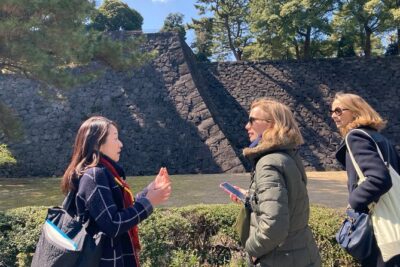
Tokyo Private Tour! Edo Castle & Imperial Palace East Gardens
Read our review →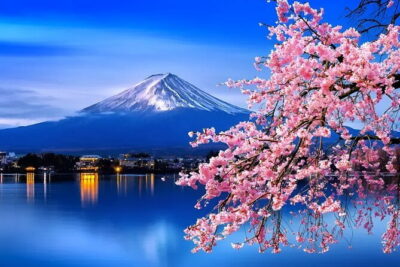
Mount Fuji & Lake Kawaguchiko Private Tour: Beyond the Ordinary
Read our review →
Rainbow Bridge Day Cruise Show and Only Soft Drinks
Read our review →Browse the lists this tour appears in