
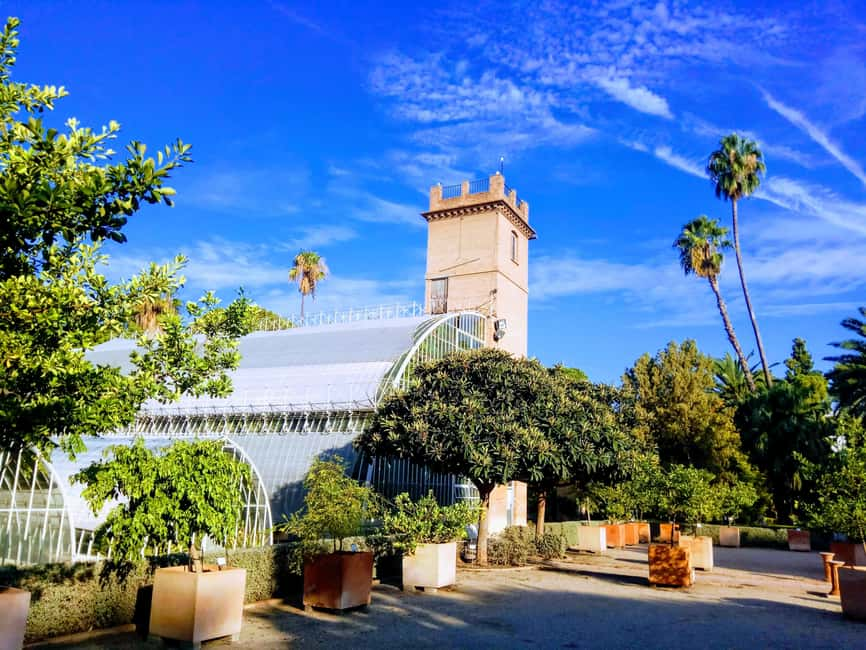
Review · VALENCIA
Valencia, Botanical Garden, Guided Tour
Plants have stories worth hearing. Valencia’s Botanical Garden tour turns a quiet city walk into a guided look at tropical greenhouses, monumental trees, medicinal plants, and rare local species. I like the specialist-led approach, and I like that the tour connects plant science with daily life and conservation. The main consideration is language: English may require an extra fee and advance request.
This is a 90-minute visit at a fair $17 per person, with garden admission included. It suits curious first-time visitors, families, couples, and solo walkers. The pace should be easy, but the amount of information may feel brisk if you want time to linger at every plant.
Key things to know before you go
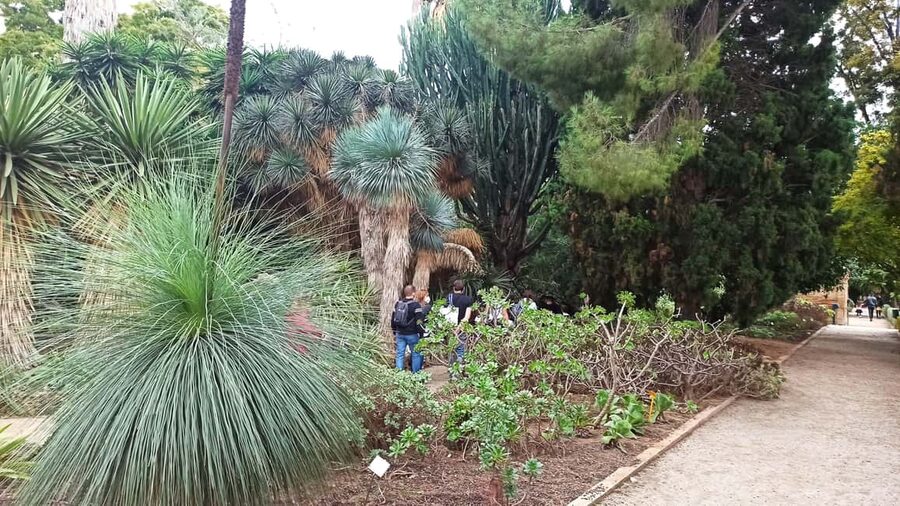
- Tropical greenhouses reveal plants built for extremes, including orchids, ferns, and species adapted to demanding conditions.
- Centuries-old trees give the garden a sense of time, linking botany with the story of Valencia.
- A botanist leads the route, with practical explanations rather than a simple list of plant names.
- Medicinal and aromatic plants connect science with everyday life, traditional remedies, and phytotherapy.
- The Mediterranean rock garden focuses on local biodiversity, including plants found only in this part of Spain.
- Admission is included in the $17 price, and the route is accessible for people with reduced mobility.
Starting at Calle Quart, 80
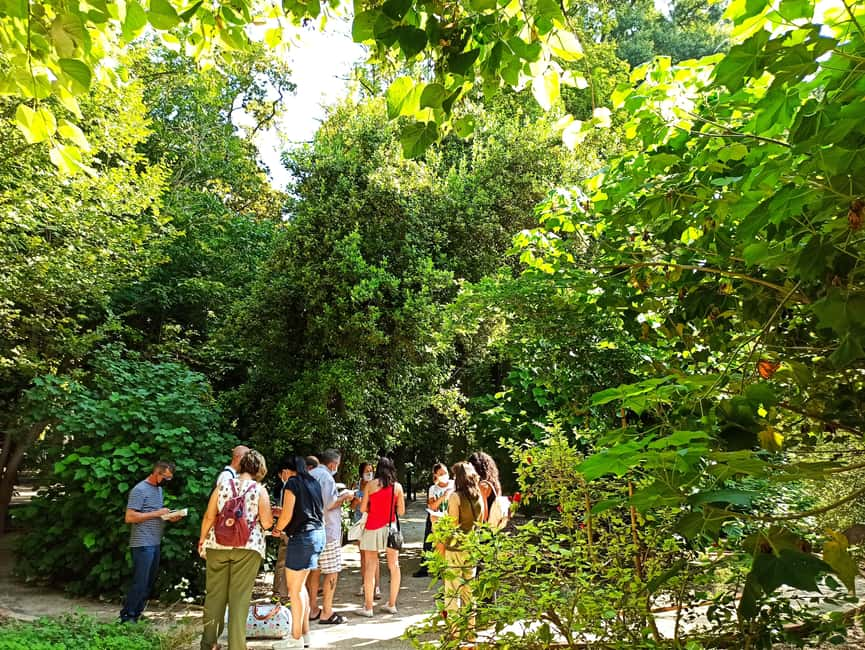
The meeting point is the gate of the Botanical Garden of Valencia on Calle Quart, 80. This is useful to know because the garden is not a vague meeting area in a large park. You have a clear place to aim for, right at the entrance.
Your guide begins with orientation and context, then leads you through selected sections of the garden. The exact order can vary, but the visit is designed as an interpretive route rather than a formal lecture. You are encouraged to look closely, ask questions, and notice how plants function in different conditions.
The tour is run by Ginkgo Educación, an organization that has managed educational activities at the garden since 2000. That long connection matters. The experience is not simply a commercial walk that happens to take place in a botanical garden. Its purpose is education, with specialists explaining the plants in a way that works for people without a science background.
I like this format for Valencia because it gives you more than a pleasant green space. You leave with a better sense of why the garden exists, what its collections represent, and how plant life connects to food, medicine, climate, and conservation.
More Botanical Gardens in Spain
- Blanes: Marimurtra Botanical Garden Entry Ticket
★ 4.7 · 998 reviews - Icod de los Vinos: Dragon Tree & Botanical Garden Ticket
★ 4.5 · 761 reviews - Las Palmas, Botanical Gardens and Bandama Volcano Tour
★ 4.1 · 113 reviews
Tropical greenhouses and plants built for extremes
The greenhouse section adds variety to the route. Instead of seeing only plants suited to Valencia’s climate, you encounter orchids, ferns, and species that live in very different environments.
A guide can explain the problems these plants must solve. Some deal with heavy moisture, some with limited water, and others with competition for light. The information about extreme conditions gives the greenhouse a clear purpose. You are not just looking at unusual shapes and colors. You are learning why those shapes exist.
This is also where the tour’s scientific approach pays off. A casual stroll might leave you admiring a flower and moving on. A specialist can point out a feature that changes the way you see it, such as how a plant attracts pollinators or survives in a difficult habitat.
The greenhouse section should appeal to families because it offers plenty to notice. Children can focus on strange forms, carnivorous plants, and surprising adaptations, while adults can follow the wider discussion about biodiversity. The guide’s job is to keep both levels connected.
You should not expect a large, theatrical attraction built around dramatic displays. This is a working botanical collection, and the pleasure comes from close observation and good explanation. If you prefer a fast photo stop, you may find the commentary more detailed than necessary. If you enjoy learning why a plant looks and behaves as it does, this will likely be one of the best parts.
Monumental trees and Valencia’s sense of time
The monumental trees bring a different mood. Greenhouses show plant survival in controlled settings. These older specimens show what time can do when a tree is given room to grow.
The tour uses the trees to connect botany with Valencia’s past. The garden’s long-lived specimens have witnessed changes in the city, and their size makes that idea easy to grasp. You can look at a tree as both a living organism and a record of time.
I find this kind of stop valuable because it slows the experience down. You are not rushing from one named plant to another. A large, old tree asks you to consider age, growth, and the patience built into the natural world.
The guide may explain the tree’s structure, origins, or place in the collection, depending on the route and the season. The supplied information does not promise a fixed list of individual trees, so you should think of this as a themed section rather than a guaranteed checklist.
The route remains accessible for people with reduced mobility. That is important in a garden, where paths and changing surfaces can sometimes make a visit difficult. You should still wear comfortable shoes and bring water, especially in warm weather.
Medicinal and aromatic plants with everyday uses
The medicinal and aromatic section is likely to be the most familiar part of the garden. Many plants here connect with cooking, home remedies, traditional botany, and phytotherapy.
The guide places those uses in context. That matters because traditional plant knowledge can be fascinating, but it should not be treated as a substitute for modern medical advice. The value of this part of the tour is understanding how different cultures have used plants, which compounds matter, and why some old practices continue to attract scientific interest.
You may hear stories about scent, preparation, and the practical role of aromatic species. These details make the garden feel less remote from ordinary life. A plant is no longer just an item in a collection. It may also be part of a kitchen, a traditional treatment, or a long-running relationship between people and their surroundings.
An optional educational workshop about aromatic plants is available for an extra charge. The standard visit does not include it, so check the booking details if hands-on learning is important to you. For most people, the main tour should provide a useful introduction without adding another activity.
Same place, a different sort of green day out:
- Granada: Alhambra & Gardens Tour w/Nasrid Palaces Option
★ 4.2 · 7,022 reviews - Granada: Alhambra Gardens and Generalife Ticket
★ 4.4 · 2,195 reviews - Granada: Alhambra Guided Tour with Nasrid Palaces & Gardens
★ 4.7 · 2,190 reviews - Alhambra &Charles Palace Guided Tour with Optional Nasrid Palaces
★ 4.5 · 2,149 reviews
The Mediterranean rock garden and local species
The Mediterranean rock garden shifts attention from exotic plants to local biodiversity. Here, the focus is on species adapted to the conditions of Valencia and the wider Mediterranean region.
This part is especially useful if you are spending your whole trip in cities and want a better understanding of the natural setting around them. You learn that native plants are not less interesting simply because they are familiar or easier to find. Their ability to cope with heat, dry periods, rocky ground, or limited water is part of the region’s natural character.
The tour also highlights endemic plants, meaning species that grow only in particular places. That makes conservation more personal. If a plant has a very limited range, damage to one habitat can have serious consequences for the entire species.
The garden uses this section to discuss present-day conservation challenges. You also hear how small choices in daily life can support care for the planet. The advice is not presented as a grand solution. Instead, it connects the large subject of biodiversity with manageable actions.
I like this balance. The tour does not treat conservation as an abstract slogan. It shows you specific plants, explains the pressures they face, and then asks you to think about your own habits.
Stories about carnivorous plants, flowers, and tree communication
The tour is built around questions. Why do some flowers open only at night? What does a carnivorous plant gain by trapping insects? Can trees communicate?
These questions help the guide avoid a dry, name-heavy presentation. You have a reason to pay attention, and each answer adds a little more sense to what you see.
The carnivorous plant discussion should be a natural crowd-pleaser, particularly for children. The nocturnal flower topic adds another layer by showing that plants respond to their surroundings in ways that are easy to miss. Tree communication introduces a larger question about how plants exchange signals and respond to stress.
The aim is not to turn the tour into a university class. The information is presented for a general audience, with anecdotes and clear explanations. You do not need prior knowledge of biology or botany.
This approach also makes the experience suitable for adults who think they are not plant people. You do not need to memorize Latin names. You simply need to be willing to observe and ask why.
A 90-minute route that mixes learning with rest
The stated duration is one hour and thirty minutes. That is long enough to cover several sections without taking up half your day in Valencia.
I see the timing as a strength. You can fit the garden into a morning or afternoon, then continue to another part of the city. It also works well for families, since a 90-minute route is easier to manage than a full-day museum visit.
The experience is not designed as a race. The stated goal is to learn, relax, and reconnect with nature. Expect a guided walk with stops for explanation, questions, and close observation.
The drawback is that the time will not allow a detailed study of every collection. A botanical garden can reward hours of wandering, but this tour gives you a selected route and a clear introduction. If you want to photograph every greenhouse plant or read every label, plan to return independently if the admission arrangements allow it.
The tour is offered as a private group experience. That can make the pace and question time more comfortable than a large public group, although the exact group size is not specified. You should confirm the language and format when booking if those details affect your plans.
Language, accessibility, and practical preparation
Spanish is the main language described for the experience, with the route adaptable to Valencian or English on request. The activity information also lists Catalan, English, and Spanish for live guiding. Since English may carry a supplement, ask for the English option before you pay.
That small check can prevent disappointment. A specialist guide explaining plant science in a language you understand will make a major difference to the value of the tour.
The route is accessible for people with reduced mobility. That makes it a practical choice for a wider range of visitors, though you should still contact the provider if you have specific mobility needs that go beyond general wheelchair access.
Bring comfortable shoes, water, and sun protection. These are simple suggestions, but they matter for any garden route in Valencia. Bare feet, alcohol, and drugs are not allowed.
The meeting point is at the garden entrance, and the ticket price includes admission. The experience also offers free cancellation up to 24 hours before the scheduled visit, along with a reserve-now, pay-later option. Those policies give you some flexibility when your city plans are still changing.
What the $17 price really gives you
At $17, the tour is priced above a self-guided garden entry, but the comparison is not quite fair. You are paying for admission plus 90 minutes with a botanist and an educational organization that has worked with the garden for more than two decades.
The value depends on how you visit botanical gardens. If you are happy reading labels and walking alone, you may prefer a simple entrance ticket. If you want the collections interpreted, the extra cost is reasonable.
I especially like that the route covers several different themes: tropical plants, old trees, medicinal species, local plants, and conservation. You get a broad introduction rather than one narrow topic.
The strongest praise has been directed at the guides. Ana, in particular, is described as very informative and well prepared, with a strong recommendation from a couple named Steve and Rita. That fits the central purpose of the experience: the guide is not an accessory. The guide is what turns the garden from a pleasant walk into a lesson you can remember.
Who will enjoy this Botanical Garden tour?
I would recommend it to you if you like:
- Science explained in plain language
- Calm city activities away from crowded streets
- Gardens, ecology, and traditional plant uses
- Family outings with something more substantial than entertainment
- Sustainable tourism with a local educational focus
- Short activities that leave room for other Valencia plans
It is also a good choice for couples who want a quieter shared activity and for solo visitors who prefer some structure when exploring a new city.
You may want to skip it if your main goal is a completely free-form visit with no scheduled commentary. You may also find the tour less satisfying if you do not understand Spanish and do not arrange English in advance.
Should you book it?
Book this tour if you want the Botanical Garden of Valencia to make sense, not just look attractive. The $17 cost includes admission, a 90-minute guided route, and explanations from specialists who can connect plants with medicine, local ecology, conservation, and human history.
Check the language option before booking, bring water and sun protection, and arrive at the Calle Quart, 80 entrance. If you enjoy asking why a plant behaves as it does, this is a thoughtful and good-value addition to a Valencia itinerary.
FAQ
Where does the Botanical Garden tour meet?
The meeting point is at the gate of the Botanical Garden of Valencia, on Calle Quart, 80.
How long does the guided tour last?
The tour lasts 1 hour and 30 minutes.
What is included in the price?
The price includes a guided tour of the Botanical Garden with a botanist and the entrance fee to the Botanical Garden of the University of Valencia.
How much does the experience cost?
The listed price is $17 per person.
Which languages are available?
The experience is offered in Spanish, with Valencian or English available on request. The activity information also lists Catalan, English, and Spanish. English may require an additional supplement.
Is the tour accessible for people with reduced mobility?
Yes. The route is described as accessible for people with reduced mobility.
Can I cancel the booking?
Yes. You can cancel up to 24 hours in advance for a full refund. A reserve-now, pay-later option is also available.
Just added around Spain
- Private VIP visit El Escorial Palace, Monastery and Gardens★ 4.9 · 23 reviews
- Complet Segway Tour Medieval + Gardens★ 5.0 · 25 reviews
- Private E-Bike City Tour of Valencia’s History, Gardens★ 5.0 · 3 reviews
- Valencia Segway Tour Through Gardens & Nature★ 5.0 · 19 reviews
- Exclusive Alcazar with breakfast or afternoon coffee in gardens★ 5.0 · 3 reviews
- Granada Full Day Tour From Malaga★ 3.5 · 95 reviews
- Private VIP visit El Escorial Palace, Monastery, Villa & Garden★ 5.0 · 25 reviews
- Granada Full Day Tour From Malaga★ 4.0 · 40 reviews
Botanical Gardens, compared.

Blanes: Marimurtra Botanical Garden Entry Ticket
Read our review →
Malta: Mdina, Dingli Cliffs and San Anton Botanical Gardens
Read our review →
Princeville Botanical Gardens Tour and Chocolate Tasting Ticket
Read our review →
Icod de los Vinos: Dragon Tree & Botanical Garden Ticket
Read our review →
Maleny Botanic Gardens Bird Aviary Experience Ticket
Read our review →
Dubrovnik Countryside and Arboretum ATV Tour with Brunch
Read our review →
Big Island Waterfalls Tour with Swimming and Botanical Garden
Read our review →Browse the lists this tour appears in