
Review · JAPAN
From Asakusa: Old Tokyo, Temples, Gardens and Pop Culture
Tokyo reveals itself in layers. This four-hour walk connects Senso-ji, Ueno, Akihabara, and Koishikawa Korakuen, giving you a useful first look at both traditional and modern Tokyo. I like the small maximum of eight people, which allows for questions and occasional changes of pace, and I like that local train rides and garden admission are listed among the included costs. The main drawback is the ambitious route: you cover a lot of ground, and one poor experience involved a late start, difficulty hearing the guide in crowded Asakusa, and confusion about train fares.
The strongest part of this experience is its range. You move from temple rituals and old market streets to anime shops and a quiet Edo-period garden, rather than spending four hours in one neighborhood. Guides such as Taka, Ken, Hiro, Yapi, and Yeman have received especially warm praise for their patience, cultural explanations, English skills, and willingness to adjust the walk to personal interests.
Key points to know before booking
- Senso-ji gives you a practical introduction to temple etiquette: You learn how to approach one of Tokyo’s best-known Buddhist temples, not just take a few photographs outside.
- The small group can change the feel of the walk: With no more than eight people, you can ask questions and sometimes receive a more personal route.
- The itinerary crosses four very different parts of Tokyo: Asakusa, Ueno, Akihabara, and Koishikawa Korakuen each show a distinct side of the city.
- Akihabara is a quick pop-culture stop, not a full anime tour: Expect an introduction to electric town and anime-related shops, with time limits.
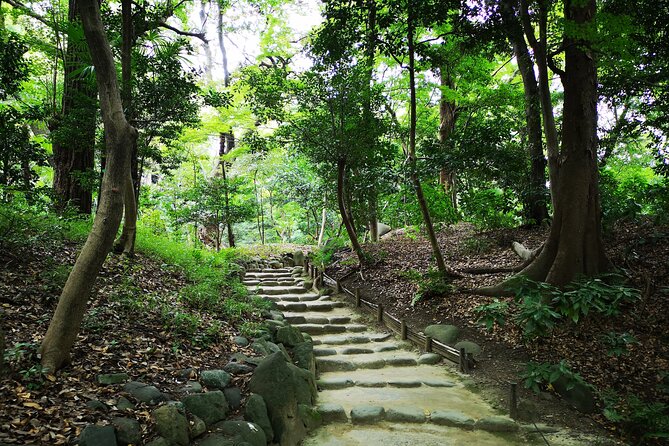
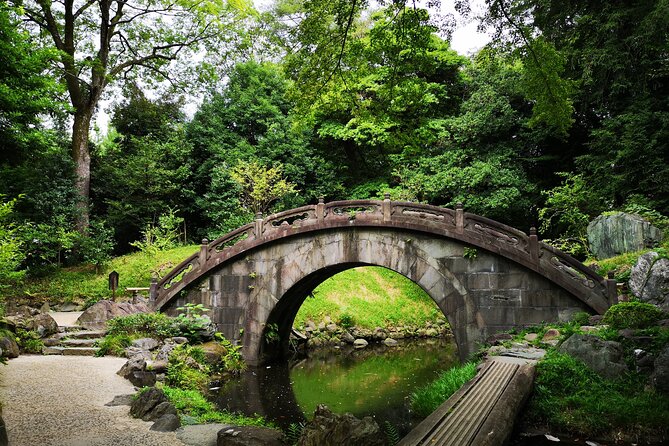
- Koishikawa Korakuen provides the calmest hour: The garden offers ponds, bridges, and traditional design after the noise of central Tokyo.
- You need comfortable shoes and a clear four-hour window: This is an active walk with public transport, crowded streets, and several stops.
Why this route works for a first Tokyo visit
Tokyo can feel hard to read at first. Neighborhoods change quickly, signs mix Japanese and English, and a short train ride can take you from a temple district to a shopping center filled with electronics and character goods.
This route helps you make sense of that contrast. It begins in old Tokyo, passes through long-standing market areas, reaches modern pop culture in Akihabara, and ends in one of the city’s best-known traditional gardens. The sequence makes sense. You see how Tokyo’s past and present sit close together, often only a few train stops apart.
I particularly like the way the tour combines famous sights with areas you might skip if you were planning only from a guidebook. Senso-ji is an obvious choice, but Ueno and Okachimachi add a more everyday side of the city. Akihabara gives you the neon and electronics that many first-time visitors expect, while Koishikawa Korakuen slows the pace before the tour ends.
The group limit of eight matters here. Crowded temple lanes and busy shopping streets are easier to manage with a small party. You can also ask why people bow, how to use the purification fountain, or what a particular shrine or temple feature means without holding up a large coach group.
That said, the route covers a lot in roughly four hours. You should expect a brisk outing, not a slow photographic walk. The stated stop times add up to about three hours and 15 minutes, leaving the rest for trains, moving between districts, and meeting the guide. If you stop often, shop, or spend a long time asking questions, the schedule may feel tight.
More Garden Tours in Japan:
- Osaka: teamLab Botanical Garden Entry Ticket
★ 4.5 · 1,710 reviews - Imperial Palace East Garden and Edo Castle Walking Tour in Tokyo
★ 5.0 · 510 reviews - Kyoto Zen Meditation & Garden Tour at a Zen Temple with Lunch
★ 5.0 · 441 reviews
Starting at Senso-ji in Asakusa
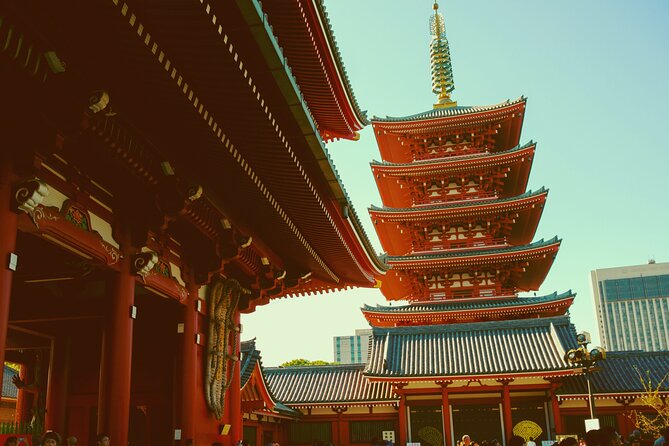
The tour begins at an address in Asakusa, close to the area’s main sights and public transport. The first major stop is Senso-ji, Tokyo’s iconic Buddhist temple and one of the city’s most recognizable landmarks.
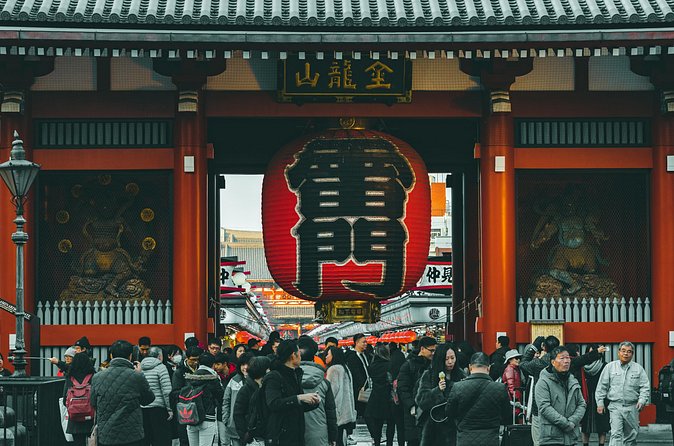
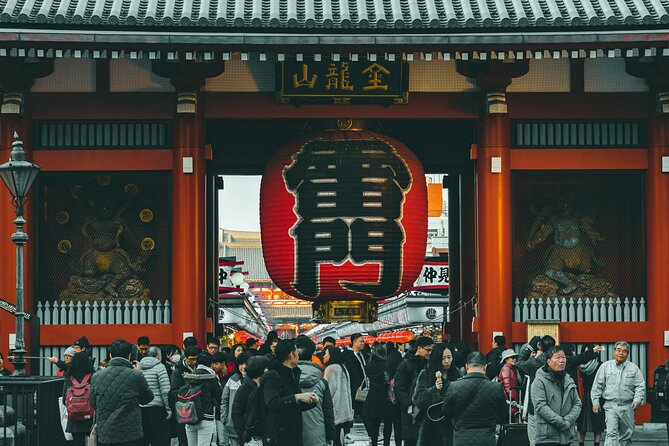
The Asakusa portion lasts about 45 minutes, followed by another listed 15 minutes at Senso-ji Temple itself. In practice, this gives you time to understand the setting rather than simply walk through the Thunder Gate, known as Kaminarimon, snap a picture, and leave.
Your guide explains the temple’s background and the customs connected with visiting. That is useful because temple etiquette can seem mysterious when you first arrive in Japan. You can learn what to do at the purification area, how to behave around the main hall, and how the various statues, ropes, gates, and offerings fit into the visit.
Nakamise shopping street leads toward the temple grounds. It is packed with souvenir stalls, snacks, and traditional goods. The route gives you a chance to see how religious sites and commerce overlap in Japanese city life. You may also have time to browse, though you should not count on a long shopping session if the group is keeping to schedule.
Asakusa is also the busiest part of the walk. Streets around Senso-ji can become crowded, especially at popular times. Stay close to the guide and make sure you can hear instructions before the group moves. One guest found the guide difficult to follow in the crowds, so this is a fair point to raise at the start: ask the guide to gather everyone before crossing streets or leaving a site.
The temple stop suits first-time visitors especially well. If you already know Senso-ji in detail, the value comes less from seeing the gate again and more from the explanations about customs and symbols.
Ueno and Okachimachi: markets and everyday Tokyo
From Asakusa, the group travels toward Ueno. The local train ride is part of the experience and helps you begin using Tokyo’s famously efficient rail system.
The Ueno section lasts about 45 minutes. This area has long been associated with street sellers, food stalls, shops, and practical everyday trade. It feels different from the carefully framed entrance to Senso-ji. Here, the point is less about one monument and more about how people shop, eat, and move through the city.
Nearby Okachimachi adds to that market character. The area is useful for visitors who want more than major sights. You might see small shops and food businesses that are easy to pass by when traveling alone, especially if you do not know which streets connect the main stations.
Several guides have been praised for allowing time to browse. Taka, in particular, received strong praise for combining Senso-ji with markets and giving the group time to shop. That flexibility can make a difference, but it depends on the day’s timing and the group’s interests. If shopping matters to you, say so early.
Ueno is also where the tour starts to feel less like a standard highlights circuit. You are not simply moving between famous photo stops. You are getting a sense of how older commercial districts function. I would value this section most if I had already seen Tokyo’s major towers and crossings and wanted a closer look at neighborhood life.
Akihabara and the limits of the pop-culture stop
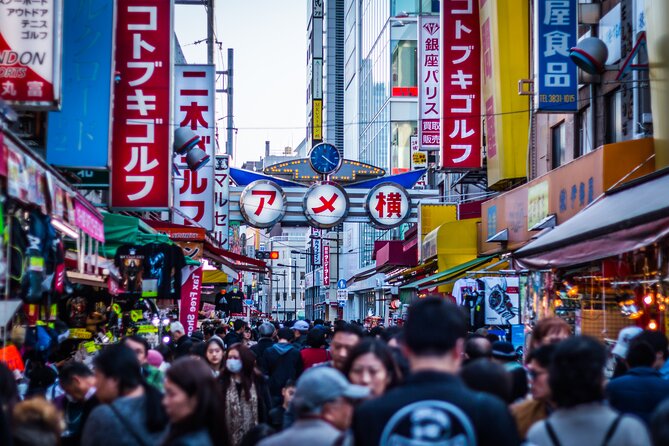
Akihabara is the modern counterpoint to Asakusa. Known historically as electric town, it became famous for electronics and later for anime, manga, games, maid cafes, and other forms of Japanese pop culture.
The scheduled stop is about 45 minutes. Your guide introduces the district and may point out places you would be unlikely to find on your own. One guest described the cultural information about maid cafes as a highlight, while another felt the pop-culture portion amounted mainly to being dropped at several anime stores. Both reactions are useful.
You should book this tour expecting an introduction, not a specialist Akihabara crawl. The stop is short, and the full route still has to reach Koishikawa Korakuen. If your main goal is shopping for figures, vintage games, electronics, or manga, you will probably want to return to Akihabara on your own.
The advantage of seeing Akihabara with a guide is context. The district is not just flashing signs and themed shops. It has a long connection with electronics and has changed over time as Japanese popular culture developed. A good guide can explain what you are seeing without making you feel lost among storefronts.
This is also a good place to ask for recommendations. The guides are often praised for answering questions about food, transport, and later sightseeing. Ken, in particular, was appreciated for helping people understand the train system and suggesting places to eat and visit during the rest of their stay.
Same place, a different sort of green day out:
- Mt. Fuji Day Trip from Tokyo with English Speaking Driver Guide
★ 5.0 · 443 reviews - Kyoto Arashiyama Bamboo forest & Garden Half-Day Walking Tour
★ 5.0 · 413 reviews - Tokyo: Imperial Palace East Gardens Walking Tour
★ 4.8 · 353 reviews - Mt. Fuji, Cherry Blossom & Shiba Sakura Pvt. Day Tour
★ 5.0 · 326 reviews
Koishikawa Korakuen brings the pace down
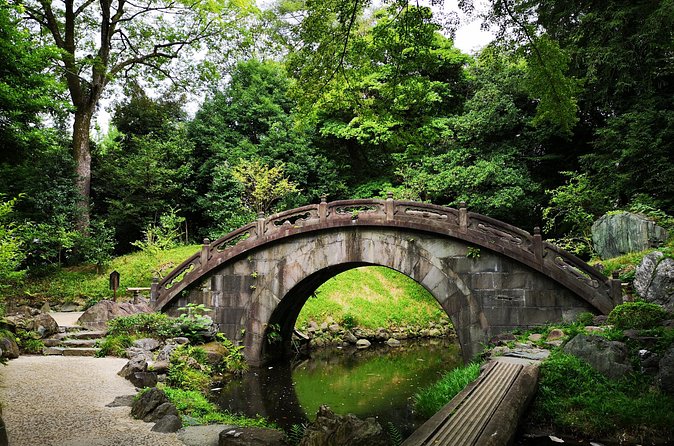
The final stop is Koishikawa Korakuen Garden, with admission included. The garden visit lasts about 45 minutes and provides the sharpest change of mood on the route.
Koishikawa Korakuen dates from the Edo period and was influenced by Confucian poetry and traditional garden design. Its ponds, bridges, carefully arranged views, and water features offer a quiet contrast to the crowds of Asakusa and the signs of Akihabara.
This is the stop I would most want to protect from rushing. The garden is not simply a green space to cross on the way to the train. It was designed as a strolling garden, meaning that the view changes as you walk. A guide can help explain why the paths, water, and borrowed views were arranged in particular ways.
Several people have singled out the garden and temples as favorite parts of the experience. That makes sense. After a morning or afternoon of city noise, Koishikawa Korakuen gives you room to breathe and time to notice details.
The tradeoff is timing. Forty-five minutes is enough for an introduction, but not for every path and viewpoint. If gardens are your main interest, you may wish to return separately. Still, as the closing section of a four-hour route, it is a smart choice because it leaves you with a calmer impression of Tokyo.
The guides make the biggest difference
The tour uses different guides, so the style can vary. The most praised guides share several traits: they explain culture clearly, speak good English, answer questions patiently, and adjust parts of the walk to suit the group.
Taka has been praised for his local familiarity, humor, English, and ability to customize the experience. Ken receives especially strong praise for history, culture, train advice, and a friendly manner. Hiro and Hiroshi are noted for taking people to places they might miss alone. Yapi is praised for patience and detailed explanations, while Yeman is recognized for following personal interests and keeping a comfortable pace.
Shizuko received credit for maintaining a good walking rhythm and helping with photographs. Toru was appreciated by a family for bringing energy and patience to a long outing. These details matter because the route includes children, crowded streets, cultural etiquette, and public transport. A guide who can adjust the tone will make the four hours much easier.
There is one important caution. A small group does not automatically guarantee perfect communication. Stay near the guide in crowded areas, ask for repeated instructions if needed, and speak up if the pace feels too fast. The tour is better when the group and guide agree on a clear meeting habit before moving through Asakusa.
Price, transport, and the practical value
At $70.49 per person, the price is reasonable if you want a structured introduction to several parts of Tokyo. You are paying for about four hours of guiding, the small-group format, local train rides as stated, and admission to Koishikawa Korakuen. Temple access itself is free.
The value is strongest for a first or second visit. You can see four contrasting areas without spending time figuring out each train connection or deciding which streets matter. The guide also gives you cultural context that you may not get from walking alone.
The value is weaker if you prefer to move slowly, shop extensively, or spend an entire afternoon in one district. You could visit Senso-ji, Ueno, Akihabara, and the garden independently for less, but you would need to plan the route and research the customs yourself.
Pay close attention to the transportation terms. The tour information says local train rides are included, yet one guest reported paying for trains during the walk. I would confirm this point with Pinpoint Traveler before departure, especially if you are carrying only a small amount of cash or using a prepaid transport card.
Food and drinks are not included. That is not a major flaw, since the route passes through areas with plenty of places to buy something, but you should eat beforehand or carry water. Tokyo walking can be tiring, particularly in warm weather.
Who will enjoy this Tokyo walk?
This experience fits you best if:
- You are visiting Tokyo for the first time.
- You want both traditional and modern neighborhoods in one outing.
- You like asking questions about customs and daily life.
- You prefer a small group over a large bus tour.
- You want help learning the train system.
- You have moderate fitness and can walk for several hours.
Families can enjoy it, though younger children may tire by the end. One family found the guide’s patience and energy helpful, but the itinerary remains active. Older visitors should consider the walking distance, crowded streets, and time spent changing areas.
Pop-culture fans should treat Akihabara as a starting point. The tour can show you where to return and explain what you are seeing, but it does not leave enough time for a full shopping expedition.
The experience also works well at the start of a longer Japan trip. Several guides provide suggestions for food, neighborhoods, and later sightseeing, and learning the train system early can make the rest of your stay less stressful.
Booking advice and cancellation terms
The meeting point is in Asakusa at 1-chome, near public transportation. The tour ends at Akihabara Station, so it does not return you to the starting point. Plan your afternoon from Akihabara rather than assuming you will finish back in Asakusa.
Confirmation is provided when you book. Free cancellation is available up to 24 hours before the start time. Cancellations or changes made within 24 hours are not refunded, and poor weather may lead to a new date or a full refund.
Wear comfortable shoes, keep your phone charged, and leave room in your schedule in case the walk runs close to the full four hours. A small backpack is easier than bulky luggage in crowded streets and on trains.
Should you book this tour?
I would book this tour if you want a compact, well-guided introduction to Tokyo’s older neighborhoods, market streets, pop culture, and garden design. The small group, strong guide feedback, and wide range of stops give it more value than a simple temple visit.
I would skip it if your priority is slow photography, extensive shopping, or a specialist anime tour. The route is ambitious, and one reported late start shows how quickly the schedule can become rushed.
For most first-time visitors, though, this is a smart orientation walk. Choose an early slot if possible, confirm the train-fare arrangement, stay close in Asakusa, and tell your guide what interests you. With those small precautions, the tour can give you a useful first map of Tokyo, from temple smoke and market lanes to neon signs and quiet garden ponds.
FAQ
How long is the tour?
The tour lasts approximately four hours.
What areas does the tour visit?
It visits Asakusa, Senso-ji Temple, Ueno, Akihabara, and Koishikawa Korakuen Garden.
Is the tour limited to a small group?
Yes. The maximum group size is eight people.
Are train rides included?
The tour information states that local train rides and standard tour costs are included. One reported experience raised a concern about paying for trains, so confirm the transportation arrangement before departure.
Is food included?
No. Food and drinks are not included.
Where does the tour end?
The tour ends at Akihabara Station in Chiyoda City, Tokyo.
Just added around Japan
- Private tour – Scenic Fuji Escape: Hakone, Peace Park & More★ 5.0 · 4 reviews
- TOKYO: Tailored Gardens tour with Pro Gardener by E-bike -BASIC★ 5.0 · 2 reviews
- Tsukiji Food Strolling and Hama Rikyu Garden Walking Tour★ 5.0 · 7 reviews
- Tokyo: Serene Sakura & Sake: An Exclusive Brewery Pairing Lunch★ 5.0 · 2 reviews
- Tokyo Cherry Blossom Half Day Walking Tour with a Local Guide★ 3.5 · 4 reviews
- Cherry Blossom Highlights, Asakusa, Ueno, Imperial Palace Garden★ 4.5 · 4 reviews
- Full Guided Mt. Fuji & Shiba-Sakura Festival One Day Pvt.Tour★ 5.0 · 6 reviews
- Licensed Guide Tokyo Meguro Cherry Blossom Walking Tour★ 4.5 · 13 reviews
Japan Garden Tours, compared.
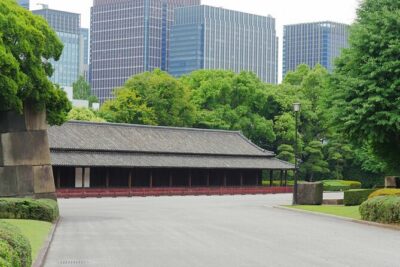
Imperial Palace East Garden and Edo Castle Walking Tour in Tokyo
Read our review →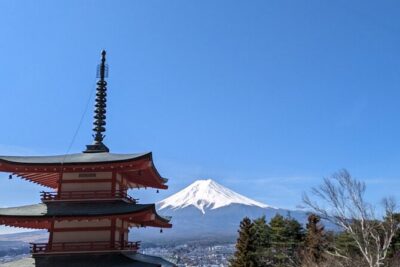
Mt. Fuji Day Trip from Tokyo with English Speaking Driver Guide
Read our review →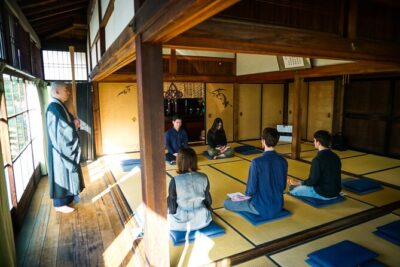
Kyoto Zen Meditation & Garden Tour at a Zen Temple with Lunch
Read our review →
Kyoto Arashiyama Bamboo forest & Garden Half-Day Walking Tour
Read our review →
Edo Castle & East Garden of the Imperial Palace Tour
Read our review →Browse the lists this tour appears in