
Review · KYOTO
Kyoto Zen Meditation & Garden Tour at a Zen Temple with Lunch
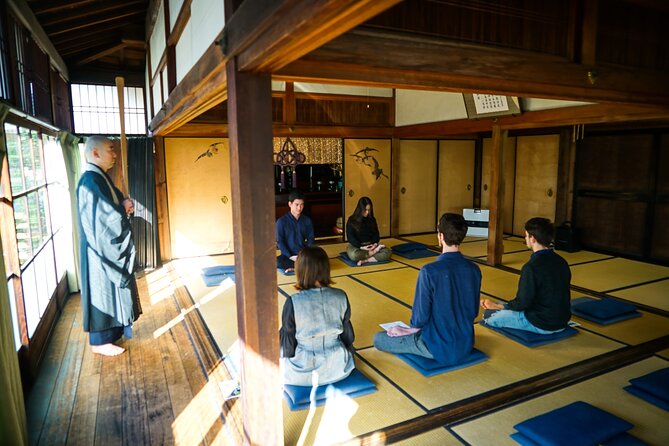
Quiet Kyoto has its own reward. This four-and-a-half-hour experience combines zazen meditation with a Zen monk, temple visits, a dry garden, and a traditional Buddhist lunch, all in a group capped at seven people. I especially like the personal scale and the way the guide adds context instead of simply pointing at buildings. The included temple admission and meal also make the $110.10 price easier to justify.
The strongest part is the meditation session. Guides such as Yutaka, Hikari, Yukata, and Yuka have helped visitors understand what to expect before sitting with the monk, then translated questions and explanations afterward when needed. You should know, though, that this is a quiet religious experience, not a casual sightseeing stop. Conversation is generally not allowed during meditation, and a 10:45 start can push lunch to about 2:15 p.m.
Key points at a glance
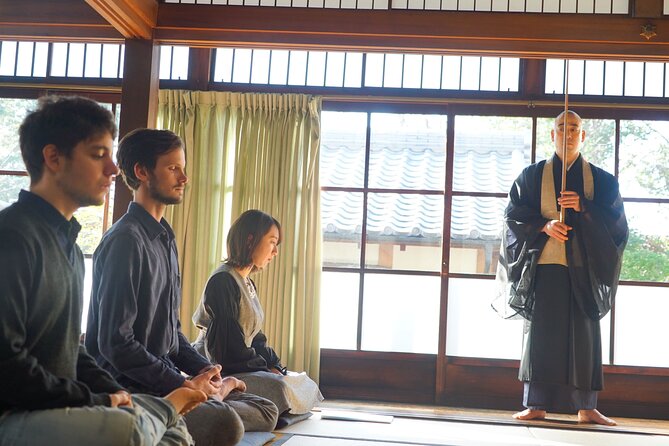
- Meditation with a resident Zen monk: Learn the basics of zazen, posture, breathing, and the right mindset in a temple setting.
- A small group of no more than seven: You get more time to ask questions and a calmer pace than on a large bus tour.
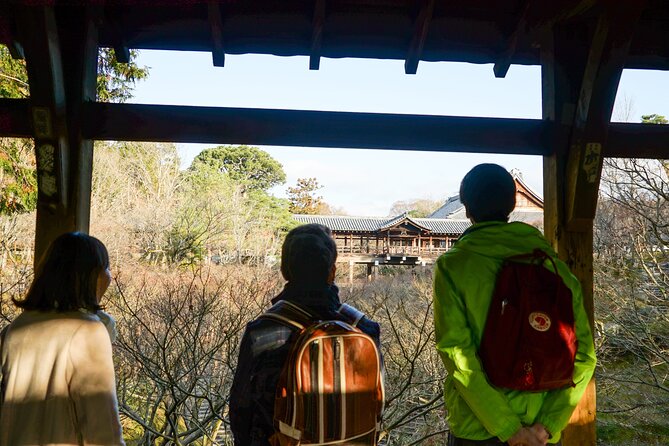
- Tofukuji and nearby temples: Walk through one of Kyoto’s major Zen temple areas with explanations about Buddhism, Shinto, and local history.
- Dry garden viewing: The garden visit gives you time to look closely, sit quietly, and understand why these spare spaces matter.
- Buddhist lunch included: Enjoy a traditional vegetarian meal connected with food historically served at Zen temples.
- Strict timing matters: Arrive early at the FamilyMart meeting point because late arrivals cannot join, receive a refund, or reschedule.
Why this Kyoto tour feels different
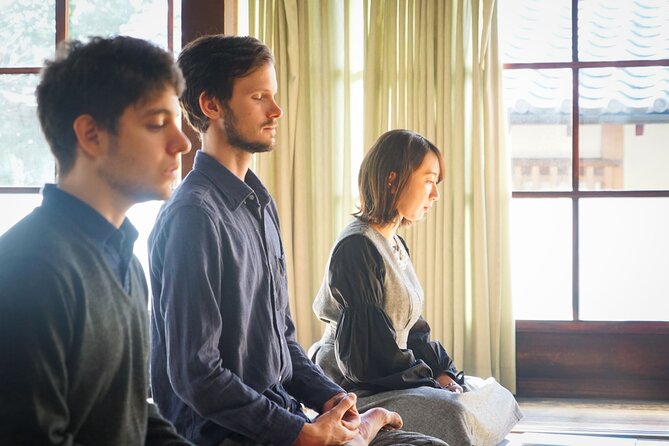
Kyoto offers many temple walks, but this one asks you to do more than admire roofs, gates, and gardens. You spend time learning how Zen practice works, then put that knowledge into use during a formal meditation session.
That change of pace is the real appeal. A normal temple visit can become a quick sequence of photographs. Here, the visit gives you a reason to slow down. You look at the garden with a guide, hear about Zen practice, and then sit in a temple room where silence is part of the experience.
I also like the small group. With a limit of seven people, the guide can answer questions without turning the tour into a lecture. Several guides have earned especially warm praise for their calm manner and clear explanations. Yutaka is often singled out for his enthusiasm for Kyoto and Zen Buddhism, while Hikari has helped explain the monk’s instructions and translate questions.
This is not a tour for someone who wants nonstop activity. You walk, listen, sit, and eat. That may sound simple, but it is exactly why the day can feel memorable.
More Garden Tours in Kyoto:
- Kyoto Arashiyama Bamboo forest & Garden Half-Day Walking Tour
★ 5.0 · 413 reviews - Kyoto Kiyomizu Tea Ceremony with Scenic Garden Views
★ 5.0 · 101 reviews - Kyoto: Private Tea Ceremony with a Garden View
★ 4.9 · 61 reviews
Meeting at Tofukuji and getting oriented
The tour begins at the FamilyMart Nakai Tofukuji location at 12-chome-232 Honmachi in Kyoto’s Higashiyama Ward. The meeting point is near public transportation, but you should still allow extra time to find the exact shop and gather before the start.
The operator is firm about punctuality. If you miss the group, you cannot join later, receive a refund, or move the booking to another date. That policy matters here because the meditation appointment and temple schedule are arranged as a sequence.
Once the group is together, your guide helps frame the area. Tofukuji is one of Kyoto’s major Zen temple centers, and the surrounding streets offer a useful introduction to the connection between everyday Kyoto and religious institutions.
The guide’s role adds real value at this point. You can see a gate or shrine on your own, but it is harder to understand how Zen Buddhism, other Buddhist traditions, and Shinto practices fit into the setting. The guides also share local knowledge, with Yutaka described as a Kyoto native who enjoys explaining his home city.
Walking through Tofukuji’s temple area
The walking portion takes you through Tofukuji and nearby religious sites. The focus is not just on famous architecture. You learn about the organization of the temples, Buddhist ideas, and the way Zen practice shaped the area.
The exact order can vary, but expect a gentle walk between temple spaces, gardens, and a shrine. The experience is at its best when you resist the urge to rush. Stop to examine the details, listen to the explanations, and give yourself a moment before moving on.
I like that the guides connect the visual details to daily practice. Instead of treating the temple as a pretty backdrop, they explain why a Zen garden is arranged so simply and why quiet attention matters. That context can make a familiar Kyoto scene feel less decorative and more purposeful.
The pace also suits solo visitors. One person described the experience as a particularly good fit for a solo trip, partly because the guide offered attentive help without making the day feel formal or stiff. The small group allows room for questions, including questions about meditation, Buddhism, local customs, and the temples themselves.
The dry garden and the value of empty space
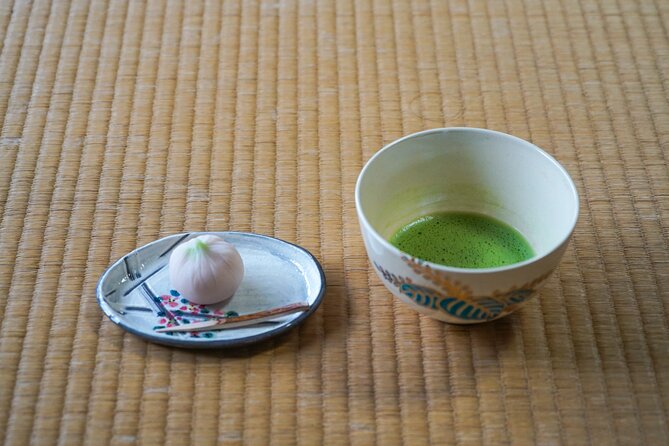
The Zen garden is one of the most peaceful parts of the route. These dry gardens use rocks, gravel, and carefully controlled space rather than flowers or water as their main visual elements. Your guide explains what you are seeing and gives you time to take it in.
You do not need prior knowledge of Zen to appreciate this stop. The garden gives you a visual lesson in restraint. There is less to look at, but that encourages you to notice placement, balance, texture, and the effect of open space.
This is also where the tour separates itself from a standard photo stop. You can take pictures, and the experience allows for good photography, but the point is not to collect another image and hurry onward. The guide encourages observation, and you can use the quiet to reset before the meditation session.
Keep your expectations sensible. A garden visit cannot guarantee a life-changing moment, and the amount of time available may depend on the day’s schedule. Still, if you enjoy calm places and thoughtful explanations, this portion earns its place in the tour.
Same place, a different sort of green day out:
- Bamboo Grove Temple and Garden Views Tour
★ 5.0 · 41 reviews - Stunning Private Tea Ceremony: Camellia Garden Teahouse
★ 5.0 · 28 reviews - Kyoto Hidden Treasures: Special Temple & Garden Access Tour
★ 4.5 · 25 reviews - Kyoto: Japanese Gardens Private Customizable Tour
★ 4.1 · 18 reviews
Learning zazen with a Zen monk
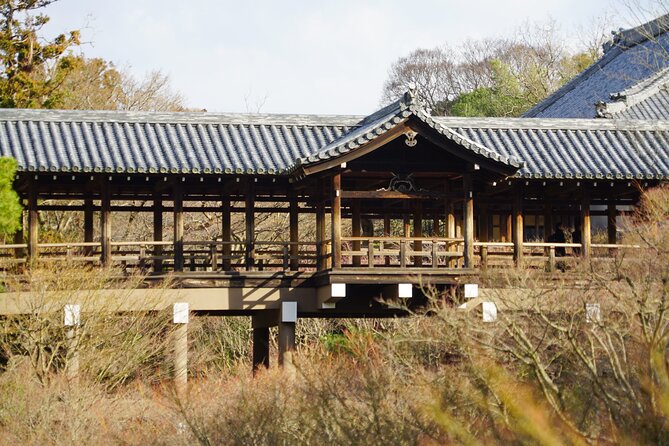
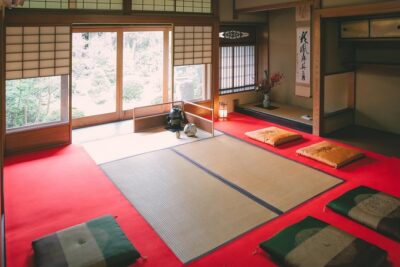
The main event is the meditation session at a temple connected with Zen practice. You receive an introduction to zazen, the seated meditation tradition, before meeting the monk. The guide explains the procedure and helps you understand how to behave in the temple room.
The session can last about an hour, including a short break, according to the detailed experience shared by one participant. The monk may speak Japanese, with the guide preparing you beforehand and translating additional explanations and questions afterward.
That language arrangement is worth knowing before you book. You are not left without support, but the monk’s instruction may not be delivered directly in English. The guide serves as the bridge, explaining the process before the sitting and helping with communication at the end.
You should also expect a formal quiet period. Private conversation is generally prohibited while the group is meditating. Materials may be provided for silent reading, but this is not the time for casual questions or chatting with the person beside you.
The instruction is aimed at beginners. You learn the basic posture and mindset rather than taking an advanced course in Zen. That makes the session accessible even if you have never meditated before. It also means experienced meditators may find the content introductory, though the temple setting and direct instruction from a monk still give the session special weight.
Several people describe this as the most meaningful part of the day. The reasons are clear: the monk gives practical instruction, the setting is quiet, and the guide helps you understand what is happening. Coming from a noisy city or a packed sightseeing schedule, even one hour of stillness can feel like a useful change.
A traditional Buddhist lunch after meditation
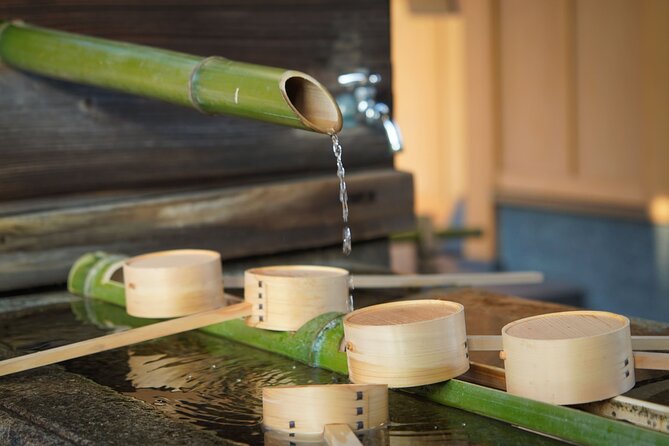
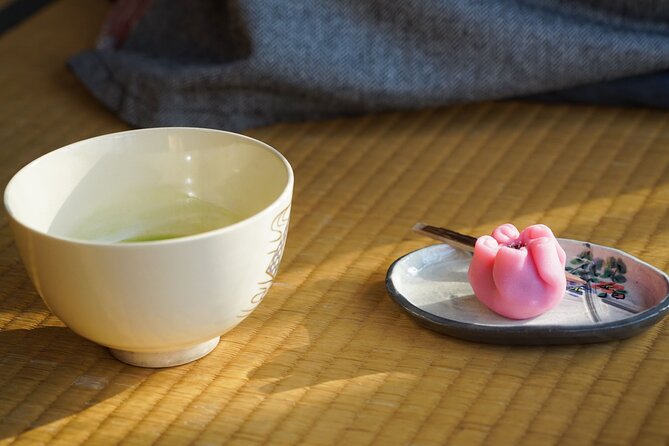
Lunch is included, and that is more important than it may first appear. Food served after a morning of walking and sitting gives the tour a natural closing rhythm. The meal is described as traditional Buddhist food historically served by Zen monks, with vegetarian dishes and Kyoto-style elements.
The meal has received especially strong praise for both taste and size. One person who is usually picky found it surprisingly enjoyable, while another called it a large Kyoto-style lunch. You should not expect a familiar Western menu or extensive choice, but the meal offers a chance to try food connected to the religious setting.
Dietary planning requires care. The food is prepared in kitchens outside the tour operator’s control, so allergy-free meals cannot be guaranteed. Requests must be made by the day before, and substitutions may not be possible at every stop. The operator will try to compensate at other stops, but you should not book this meal assuming every restriction can be handled.
Timing is another practical issue. For a 10:45 departure, lunch may not begin until around 2:15 p.m., after meditation. Eat a solid breakfast or brunch, especially if you become uncomfortable when meals run late.
The walking, weather, and clothing questions
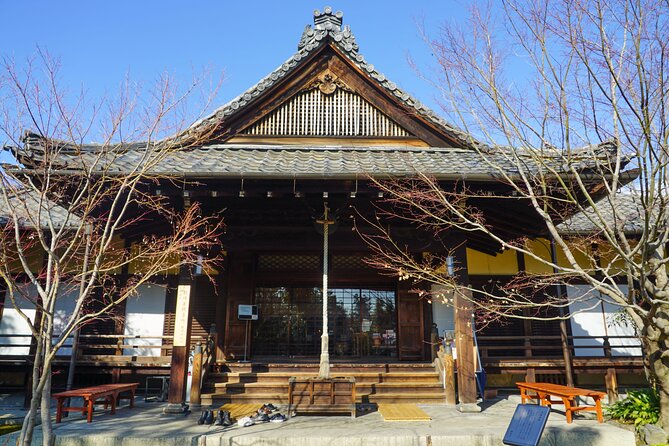
This is a walking tour, though the supplied details do not give a precise distance. You should be comfortable walking between temple sites and standing or sitting during different parts of the day.
Kyoto summers can be extremely hot and humid. Bring water and wear a hat to reduce the risk of heat exhaustion. The tour’s quiet mood does not make the weather any cooler, and temple grounds can expose you to sun while you move between buildings.
Winter brings the opposite problem. Temple floors can be cold, so thick socks are a smart choice. You may also want clothing that lets you sit comfortably for the meditation session. The experience is available to anyone over age 12.
The tour ends near Chishaku-in Temple, although the instructions also say the group returns toward the meeting point. In practice, the plan is to disband at the last shop. Clarify the final location with your guide on the day, especially if you have a timed reservation afterward.
Is $110.10 a fair price?
At $110.10 per person, this is not a low-cost temple walk. The value comes from the combination of components: a small group, guide service, temple admission, garden visits, a meditation session with a monk, and lunch.
If you paid separately for several of those elements, the total could become less attractive once you added time spent arranging the route and learning where to go. The guide also removes much of the guesswork. You do not need to work out which temple offers meditation, how to approach the practice, or how to interpret the setting.
The price makes the most sense if you want a guided cultural experience rather than simple admission to a temple. If your main goal is photographing famous buildings or seeing as many sites as possible, you may find the cost high for a half-day. If you want personal instruction and a calm pace, the small group and included meal improve the value.
A perfect rating from 441 reviews and a 100 percent recommendation rate suggest the experience has been consistently well received. I would still treat those figures as a starting point, not a promise. Your enjoyment will depend heavily on your interest in meditation, your comfort with silence, and your ability to arrive on time.
Who should book this experience?
I would recommend it most strongly to:
- First-time visitors who want more context than a self-guided temple visit provides
- Solo visitors looking for a reflective activity with a friendly small group
- People curious about Zen Buddhism, zazen, or Japanese temple life
- Anyone who values a local guide’s explanations and personal stories
- Visitors who enjoy traditional food and slower cultural experiences
You may want to skip it if you dislike sitting quietly, need complete control over meal choices, or prefer a fast-moving sightseeing schedule. It is also a poor fit if you cannot reliably reach the meeting point on time.
The experience is suitable for beginners, and you do not need to arrive with meditation skills. You do need patience. The best parts depend on listening, silence, and accepting a schedule that does not rush to the next attraction.
Cancellation, booking, and final practical advice
Free cancellation is available up to 24 hours before the start time for a full refund. Changes or cancellations within 24 hours are not accepted, and the local time in Kyoto controls the cut-off.
The mobile ticket is convenient, but it does not replace careful planning. Save the meeting address, check your route in advance, and arrive early. Wear comfortable clothing, carry water in summer, bring thick socks in winter, and request dietary accommodations by the day before.
Should you book the Kyoto Zen tour?
Book it if you want Kyoto to be more than a checklist of temples. The meditation session with a monk, the small group, and the guide’s explanations give the day a clear purpose. The included lunch adds substance, and the garden visit creates room to slow down.
I would not choose it for a hurried first day when you want to cover many major sights. I would choose it for a quieter morning or afternoon when you want to understand Zen practice and spend time in places where silence is part of the visit. For the right person, this can become one of the most memorable half-days in Kyoto.
FAQ
How long does the Kyoto Zen meditation tour last?
The tour lasts approximately four hours and 30 minutes.
Where does the tour begin?
It begins at FamilyMart Nakai Tofukuji, located at 12-chome-232 Honmachi, Higashiyama Ward, Kyoto, 605-0981, Japan.
Where does the tour end?
The activity ends near Chishaku-in Temple. The instructions also refer to returning toward the meeting point, but the practical plan is to disband at the last shop.
Is temple admission included?
Yes. You do not need to pay separate admission fees for the temples included in the tour.
Is lunch included?
Yes. A traditional Buddhist meal is included. For a 10:45 departure, lunch may be served around 2:15 p.m., so eat enough beforehand.
Can people with dietary restrictions join?
You must submit dietary requests by the day before. Allergy-free food cannot be guaranteed, and substitutions may not be available at every stop because the food is prepared in kitchens outside the tour operator’s control.
Can children join the tour?
Anyone over 12 years old can join.
What happens if I arrive late?
You cannot join the tour, receive a refund, or reschedule if you are late and miss the group. Arrive early at the meeting point.
Just added around Kyoto
- Stunning Private Tea Ceremony: Camellia Garden Teahouse★ 5.0 · 28 reviews
- Kyoto-Nara Adventures Private Tour With Hotel Pick Up★ 4.0 · 5 reviews
- Kyoto Hidden Treasures: Special Temple & Garden Access Tour★ 4.5 · 25 reviews
- Kyoto Japanese Garden Lover’s Private Tour with Government-Licensed Guide★ 4.5 · 10 reviews
- Guided Kyoto City Cherry Blossom One Day Private Tour★ 5.0 · 16 reviews
- Kyoto: Kinkaku-ji Temple & Serene Garden Guided Tour with Tickets★ 5.0 · 9 reviews
- Kyoto ITALIAN GUIDE Golden Pagoda Bamboo Forest Dry Garden★ 4.0 · 2 reviews
- The Art of Mindful Living: Tea Ceremony in Kyoto★ 5.0 · 16 reviews
Kyoto Garden Tours, compared.
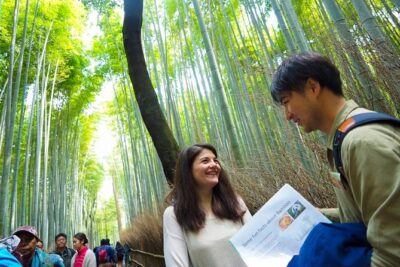
Kyoto Arashiyama Bamboo forest & Garden Half-Day Walking Tour
Read our review →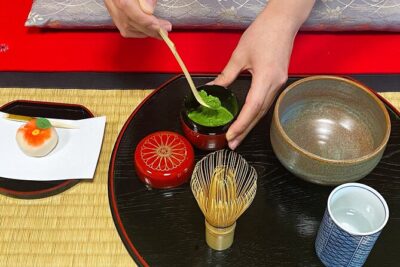
Kyoto Kiyomizu Tea Ceremony with Scenic Garden Views
Read our review →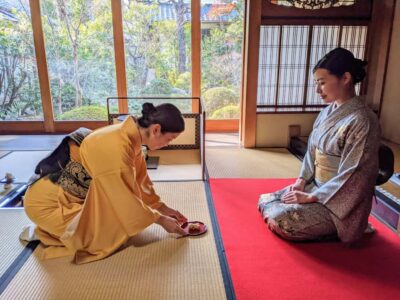
Stunning Private Tea Ceremony: Camellia Garden Teahouse
Read our review →
Kyoto Hidden Treasures: Special Temple & Garden Access Tour
Read our review →

The Art of Mindful Living: Tea Ceremony in Kyoto
Read our review →Browse the lists this tour appears in