
Review · KYOTO
Kyoto Hidden Treasures: Special Temple & Garden Access Tour
Arrive early, see Kyoto differently. This private morning tour links famous temples with quieter garden stops, giving you personal guidance through Zen ideas, Buddhist art, cherry blossom seasons, and Kyoto’s public transit system. I especially like the private format, which lets your guide adjust the pace to your group, and the chance to visit less familiar places such as Haradanien and Taizō-in. The guide can also show you how to move around Kyoto like a local, a useful skill for the rest of your trip.
The main catch is that the itinerary is not fully customizable, despite the private setup. The sites vary by date, and a two to four-hour tour cannot realistically cover every place named in the published route. Ask for the exact plan before booking, especially if you have your heart set on Kiyomizu-dera, Tenryu-ji, or a particular cherry blossom garden.
What makes this Kyoto tour worth considering
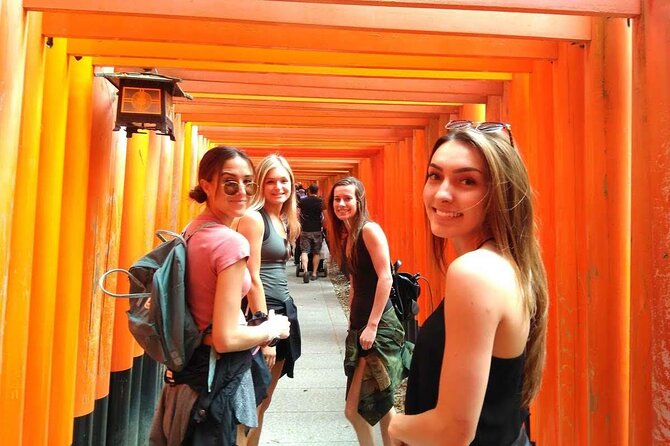
- The 6:45 am start helps you see Kyoto before the day gets crowded, especially at major temples and garden areas.
- The itinerary can include both major sights and quieter stops, from Kiyomizu-dera and Ninna-ji to Haradanien and Taizō-in.
- Your guide teaches public transportation, rather than keeping you inside a private vehicle.
- The private setting suits small groups, families, couples, and anyone who wants to ask plenty of questions.
- Cherry blossom timing shapes the experience, with Tenryu-ji, To-ji, Haradanien, and Ninna-ji each offering a different spring view.
- The tour has a 4.7 rating from 25 published ratings and a 92 percent recommendation rate, though the exact quality depends on the assigned guide and chosen route.
A very early start at Kyoto Brighton Hotel
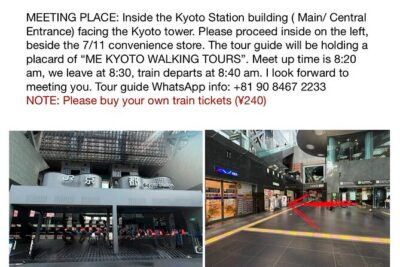
The meeting point is the lobby of Kyoto Brighton Hotel, at 330 Shiteichō in Kyoto’s Kamigyo Ward. The stated start time is 6:45 am, so plan to be ready before breakfast crowds and morning sightseeing begin.
That early hour is useful in Kyoto. The city’s best-known temples can become crowded later, and a morning departure gives you a head start. It also leaves more of your day free after the tour. The tradeoff is simple: this is not a lazy holiday morning. If you are staying across town, check your route to the hotel in advance.
The tour ends back at the same meeting point. Since the activity uses public transportation or local taxis between sites, you are not stepping into a waiting private car. I see this as a strength if you want practical Kyoto skills, but it can add transfer time during cherry blossom season or other busy periods.
One important detail needs attention: the listed itinerary includes seven possible stops, but the experience lasts about two to four hours. The exact content changes with the date, and the tour is described as not customizable. Treat the stop list as a sample of possible locations, not a promise that you will see them all.
More Garden Tours in Kyoto:
- Kyoto Zen Meditation & Garden Tour at a Zen Temple with Lunch
★ 5.0 · 441 reviews - Kyoto Arashiyama Bamboo forest & Garden Half-Day Walking Tour
★ 5.0 · 413 reviews - Kyoto Kiyomizu Tea Ceremony with Scenic Garden Views
★ 5.0 · 101 reviews
Tenryu-ji and the calm of Arashiyama
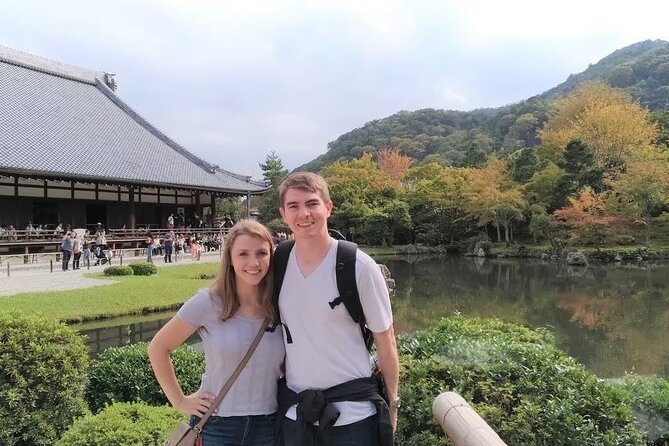
Tenryu-ji was founded in 1339 and is one of Kyoto’s major Zen temples. Its garden is the real reason to linger. The setting gives you a clear introduction to the way Japanese gardens use water, stones, trees, and open space to create a sense of calm.
The temple sits in Arashiyama, an area also known for the Bamboo Grove and Togetsukyo Bridge. If Tenryu-ji is part of your route, ask how much time is available for the garden itself. A quick pass through the grounds will not give you the same feeling as a slower walk.
Spring cherry blossoms and autumn color make this stop especially appealing. The drawback is that Arashiyama is one of Kyoto’s best-known sightseeing areas, so its quiet mood depends heavily on the time of day. The early start works in your favor.
To-ji and Japan’s tallest wooden pagoda
To-ji gives the tour a different kind of drama. Its five-story pagoda rises 55 meters, making it the tallest wooden pagoda in Japan. The structure is especially striking when framed by cherry blossoms in spring.
Inside the temple complex, the Kodo Lecture Hall contains a three-dimensional mandala linked to Shingon Esoteric Buddhism. Twenty-one Buddhist statues represent part of this sacred world, including Dainichi Nyorai, Fudo Myo-o, and the Four Heavenly Kings.
This is a place where a guide adds real value. Buddhist sculpture and temple layouts can be difficult to understand without context, and the guide can explain what you are seeing instead of leaving you with a quick photo stop. To-ji also has a long connection with Kobo Daishi, and its Kodo and Kondo halls give the visit a strong sense of ceremony.
The practical concern is time. To appreciate the pagoda, halls, and statues, you need more than a hurried visit. If To-ji is included, ask whether the plan focuses on the grounds, the interior halls, or both.
Kiyomizu-dera for the classic Kyoto view
Kiyomizu-dera is one of Kyoto’s essential temple visits. Its large wooden stage projects over a hillside and gives you a broad view across the city. The structure was built without using a single nail, a detail that makes the engineering as interesting as the setting.
The temple dates back more than 1,200 years, and its scale helps explain why it remains so popular. During cherry blossom season and autumn foliage, the view becomes especially scenic.
A guide can help you understand the religious meaning behind the buildings and rituals, not just point out the best place for a photograph. Past private tours with this company have included Kiyomizu-dera alongside Sanjusangendo, and guests praised the way guides explained Buddhism and Shinto beliefs while helping with local transit.
Expect walking and some uphill movement around Kyoto’s temple districts. The operator asks for moderate physical fitness and comfortable walking shoes. This is not a difficult hiking tour, but it is not a ride-through sightseeing experience either.
Same place, a different sort of green day out:
- Kyoto: Private Tea Ceremony with a Garden View
★ 4.9 · 61 reviews - Bamboo Grove Temple and Garden Views Tour
★ 5.0 · 41 reviews - Stunning Private Tea Ceremony: Camellia Garden Teahouse
★ 5.0 · 28 reviews - Kyoto: Japanese Gardens Private Customizable Tour
★ 4.1 · 18 reviews
Haradanien, a private garden with spring impact
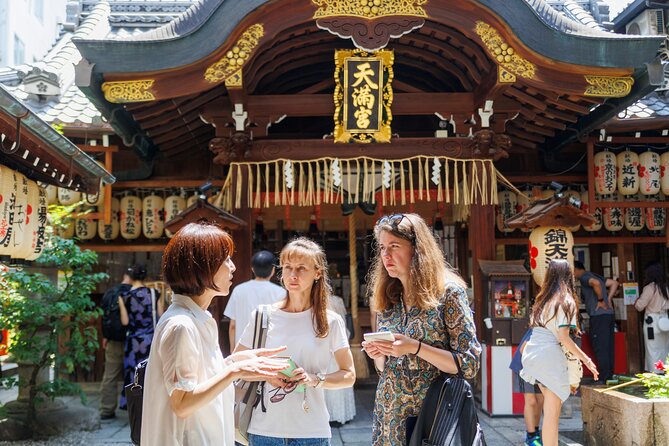
Haradanien is one of the most appealing possibilities on the route for anyone who wants something beyond Kyoto’s famous temple circuit. It is privately owned and less familiar to many visitors and local residents alike.
The garden is known for dense seasonal flowering. In spring, more than 400 cherry trees create a tunnel-like display, giving the place a fuller and more enclosed feeling than the open temple grounds at Kiyomizu-dera or To-ji.
This stop may be the strongest reason to ask for the date-specific plan before booking. Garden conditions depend on the season, and Haradanien’s appeal is closely tied to its flowers. If your main goal is spring scenery, confirm whether it is open and included on your day.
Since this is a private tour, you can ask the guide to explain how this garden differs from Kyoto’s larger temple gardens. That kind of comparison can make the visit more meaningful than simply collecting another scenic stop.
Ninna-ji and late-blooming Omuro-zakura
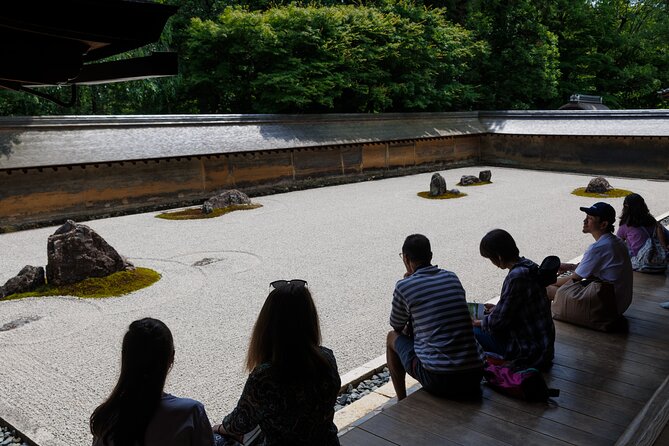
Ninna-ji brings imperial connections and a more refined architectural mood. Emperor Uda founded the temple in 888, and it later became a monzeki temple, where emperors and imperial family members served as head priests.
The temple’s architecture and gardens reflect that background. In spring, Ninna-ji is especially famous for Omuro-zakura, a late-blooming cherry variety. This makes it useful for people visiting after the earliest Kyoto blossoms have faded elsewhere.
The late bloom also adds practical value. Cherry blossom timing is never perfectly uniform across the city, and Ninna-ji can offer a different seasonal window from To-ji or Tenryu-ji. Still, you should not assume the trees will be at peak bloom. Confirm the seasonal plan if blossoms are the main reason you are booking.
Taizō-in for a quieter Zen experience
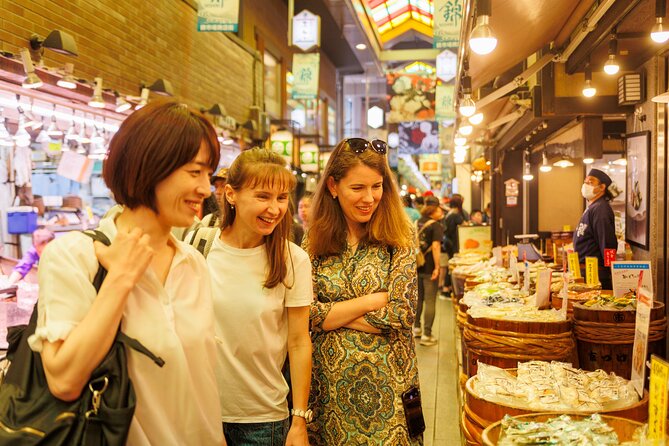
Taizō-in is a smaller, more focused stop. It offers a historic Zen temple, a national treasure ink painting, and a carefully arranged garden. I would choose this kind of place when I want a pause from the major sightseeing circuit.
The temple suits you if you enjoy Japanese art, quiet garden spaces, and the ideas behind Zen practice. It may not provide the grand scale of Kiyomizu-dera or the instantly recognizable pagoda at To-ji, but that is part of its appeal.
Ask your guide how much time is planned here. A short visit can show you the garden and major artwork, while a longer stop gives you room to absorb the setting. On a fast itinerary, this could become a quick photo stop, which would miss much of what makes it worthwhile.
What the guide adds beyond temple facts
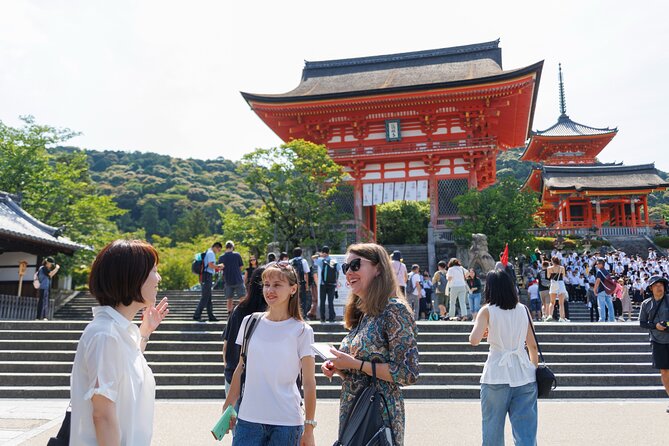
The strongest pattern in the feedback is the value of the guides. Sayuri helped explain Buddhism and Shinto while also teaching the local transit system. Makiko was praised for patience and for showing how to get around. Takuma Goda made a three-sight visit informative and enjoyable, while Osamu received especially warm praise for a well-organized route through Nijo Castle and Gion on another private experience.
Guides named Chika, Haru, Naomi, and others were also described as friendly, clear, and helpful with questions. The best part of this service is not simply hearing dates and names. It is having someone explain why a statue matters, how Shinto and Buddhism overlap, or what to notice in a garden.
The experience is not identical with every guide. One piece of feedback described a friendly young guide who was energetic but still developing his subject knowledge. That is worth keeping in mind. The company appears to have many capable guides, but the depth of the explanation may vary.
Public transit is part of the experience
Because no private vehicle is included, you will move between sites by public transportation or local taxi. This can mean trains, buses, or short walks, depending on the day’s route.
I like this approach for a first visit to Kyoto. Your guide can show you how the system works, and that lesson may save you time and money later. Several people particularly valued help with transit and route planning.
The downside is transfer time. One piece of feedback specifically found the journey between locations too long, and the operator noted that April can be extremely busy. If your tour is scheduled during cherry blossom season, ask how many stops are realistic. Three well-chosen sites may be better than five rushed ones.
Price, private value, and who should book
The stated price is $140. For a private experience, that can be fair value if you are sharing the guide with family or friends and want cultural explanation rather than simple transportation. The value rises when your guide helps you understand the sites, handles transit, and adjusts the pace to your group.
It is less compelling if you mainly want transportation or a fixed sightseeing checklist. You do not receive a private vehicle, and the tour length is short. You are paying for personal guiding, local route help, and access to a more thoughtful temple visit.
This tour suits:
- Couples who want a private cultural morning
- Families that need a flexible pace
- First-time Kyoto visitors who feel unsure about public transit
- People interested in Zen, Buddhist art, gardens, and Japanese history
- Repeat visitors who want lesser-known sites alongside major temples
- Small groups willing to confirm the exact itinerary before paying
It may not suit you if you want a full-day tour, guaranteed access to every listed temple, or a fully custom route. The wording around flexibility needs care: the activity is private, but the content varies by date and is not customizable.
The tour operates rain or shine. Wear comfortable shoes, carry suitable rain protection, and expect a moderate amount of walking. Free cancellation is available up to 24 hours before the start time. Within 24 hours, the payment is not refunded, and changes are not accepted.
Should you book the Kyoto Hidden Treasures tour?
Book it if you want a short, private introduction to Kyoto’s temples and gardens, especially if you value explanations and help using public transit. Haradanien, Ninna-ji, and Taizō-in give the route a more interesting shape than a standard list of famous sights, while Kiyomizu-dera, Tenryu-ji, and To-ji provide major cultural landmarks.
Before booking, send one practical question: Which sites are scheduled for my date, and how much time will we spend at each? That answer matters more than the long stop list. If the route matches your interests and you are happy to walk and use transit, the $140 price can buy a useful, personal morning in Kyoto. If you need a guaranteed itinerary, choose a tour with fixed stops instead.
FAQ
Where does the tour start?
The tour starts in the lobby of Kyoto Brighton Hotel at 330 Shiteichō, Kamigyo Ward, Kyoto. The stated start time is 6:45 am.
Where does the tour end?
The activity ends back at the Kyoto Brighton Hotel meeting point.
How long does the tour last?
The stated duration is approximately two to four hours.
Is transportation included?
A private vehicle is not included. You may use public transportation or local taxis between locations, with guidance on using Kyoto’s transit system.
Will the tour visit every listed temple and garden?
No specific fixed route is guaranteed. The content varies depending on the tour date, and the activity is not customizable. Ask for the exact itinerary before booking.
What should I wear?
Wear comfortable walking shoes. The tour involves a moderate amount of walking and operates rain or shine.
Just added around Kyoto
- Stunning Private Tea Ceremony: Camellia Garden Teahouse★ 5.0 · 28 reviews
- Kyoto-Nara Adventures Private Tour With Hotel Pick Up★ 4.0 · 5 reviews
- Kyoto Japanese Garden Lover’s Private Tour with Government-Licensed Guide★ 4.5 · 10 reviews
- Guided Kyoto City Cherry Blossom One Day Private Tour★ 5.0 · 16 reviews
- Kyoto: Kinkaku-ji Temple & Serene Garden Guided Tour with Tickets★ 5.0 · 9 reviews
- Kyoto ITALIAN GUIDE Golden Pagoda Bamboo Forest Dry Garden★ 4.0 · 2 reviews
- The Art of Mindful Living: Tea Ceremony in Kyoto★ 5.0 · 16 reviews
- Bamboo Grove Temple and Garden Views Tour★ 5.0 · 41 reviews
Kyoto Garden Tours, compared.
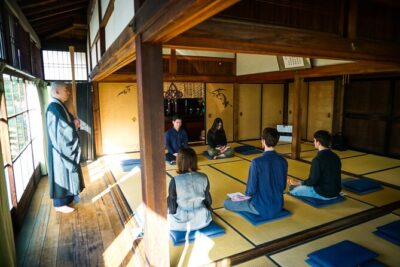
Kyoto Zen Meditation & Garden Tour at a Zen Temple with Lunch
Read our review →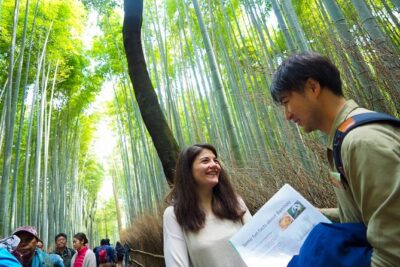
Kyoto Arashiyama Bamboo forest & Garden Half-Day Walking Tour
Read our review →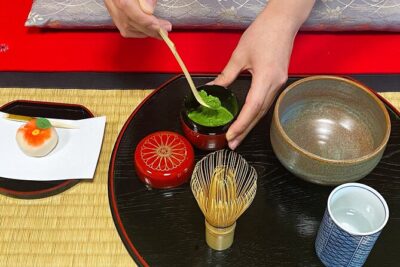
Kyoto Kiyomizu Tea Ceremony with Scenic Garden Views
Read our review →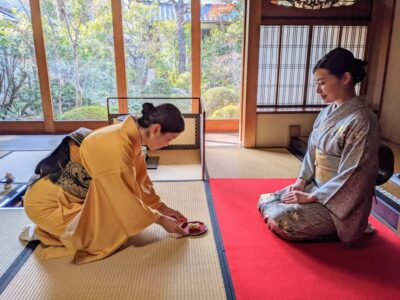
Stunning Private Tea Ceremony: Camellia Garden Teahouse
Read our review →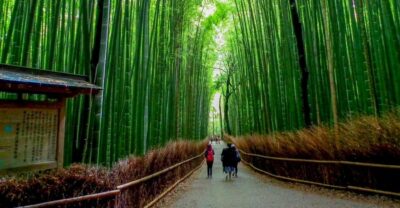

The Art of Mindful Living: Tea Ceremony in Kyoto
Read our review →Browse the lists this tour appears in